
Translated material
Elections - 2024: Will there be a revolution in Georgia?
What awaits the ruling party, what the opposition can achieve and what leader is needed by the country-The New Times asked Ekaterina Kotrikadze*, the head of the information service of the Rain TV channel*, and Martha Ardashelia, founder and chief editor of the SOVA media project (Tbilisi)
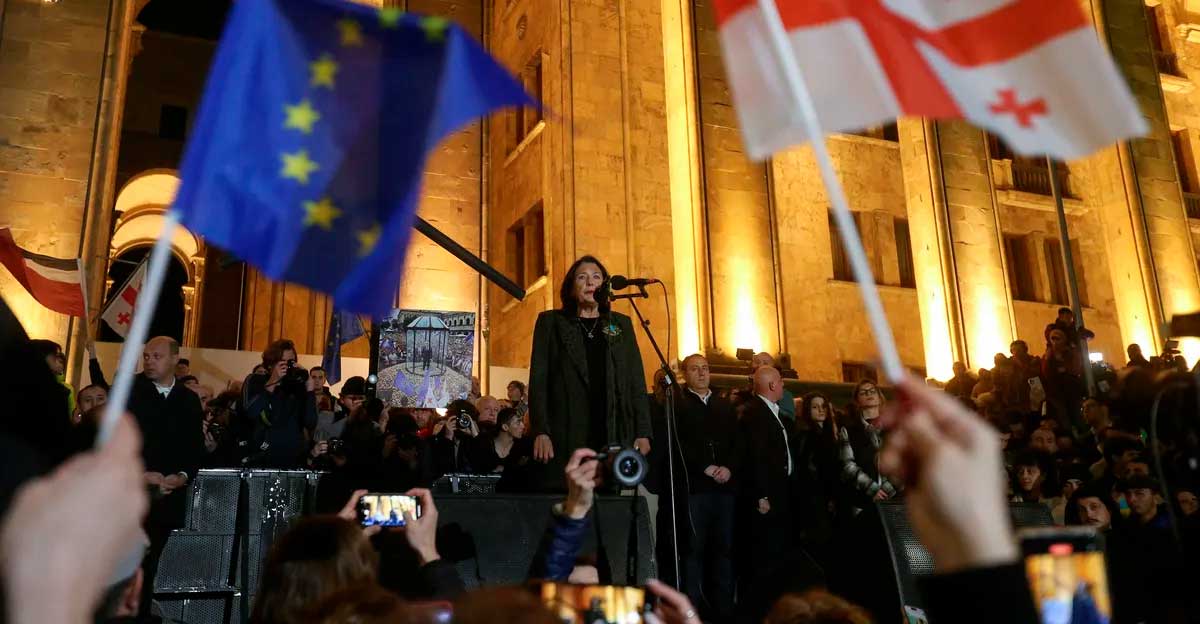
Georgian President Salome Zurabishvili plays at a rally in front of the Georgian parliament, Tbilisi, October 28, 2024. Photo: Irakli Gedenidze / Reuters / Scanpix / Leta
Evgenia Albats*: In the parliamentary elections in Georgia, 89 out of 150 places were received by the ruling party "Georgian Dream". This is not a constitutional majority, but this is the majority that allows the party of Bidzina Ivanishvili to form a government. In Georgia, apparently, a single -party government will form again. It is clear that Georgia entered during the confrontation. The opposition rally, demanding a review of voting results. How do you think this confrontation will end? Is the country really split?
Disappointment
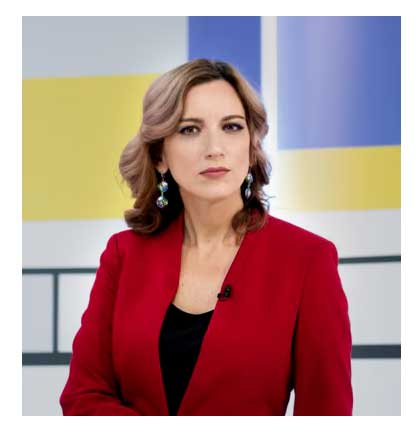
Ekaterina Kotrikadze: So far, there is a feeling that the Georgian Dream holds the situation. Although at the rally I saw a large number of dissatisfied, I saw thousands of protesters. There was a feeling of angry, indignation - this is not even discontent, but namely the indignation that people experienced. And many were waiting for this action, at this rally, what will the opposition finally say, what plan they will offer. Because it is one thing when the President of Georgia Salome Zurabishvili the day before makes a statement about the rejection of the results, that there will be another rally of parliament. And another thing is that there is no strategy of action. At least, such a claim was made against representatives of the opposition. This strategy was presented in the form of an opposition to parliament and the requirements to hold new elections. Moreover, the elections should be held, as the opposition say, not just under supervision, they should be held by the "International Electoral Administration". They want the Georgian Dream, the Central Election Commission of Georgia does not take any participation in the re -election. How realistic, it is incomprehensible, but at least this is the answer to the question: what, in fact, will we do? What are we going to demand? We will not stand here just like that?
At the same time, I still have no sensation of imminent changes, overthrowing power or some other method of political changes, I rather feel disappointment. As Gia Nidia, a former Minister of Education, political scientist, we have on the air on the rain: “We are all in depression” . And this, it seems to me, is an assessment of the current state of things.
No matter how many thousands of dissatisfied citizens to take the streets, the oligarch does not give a damn about it. He has pressure levers. He can buy elections, can buy citizens, what he is successful
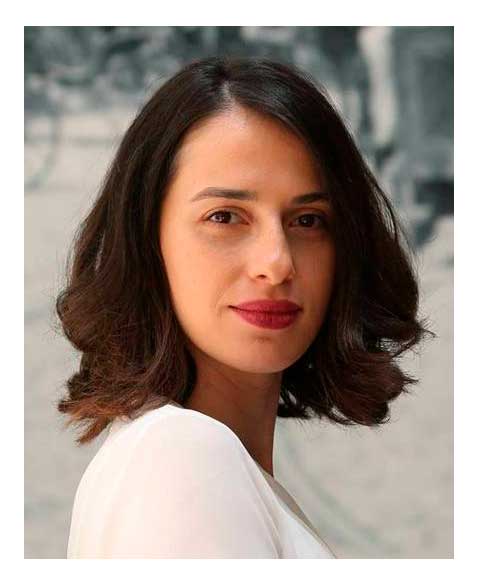
Marta Ardashelia: Society is really split, split the family. I know a lot of such examples. Family members do not talk to each other. Children do not talk with their parents and do not want to conduct discussions on the topic of where the country should move, for what power someone should vote. Another point that Georgia 2024 is not Georgia of the 90s is not even in 2003 Georgia. Every family has something to lose. People felt some kind of socio-economic stability, even if some part had exactly felt. And they do not want to put this stability now. In Georgia, some very acute political processes, protests, and war constantly have been constantly taking place from the date of independence. And people tired a little from this.
Moreover, a lesson was extracted from spring protests. No matter how many thousands of dissatisfied citizens to take the streets, the oligarch does not give a damn about it. He is not considered the opinion of those who are against him. He has pressure levers. He can buy elections, he can buy citizens, which he actually successfully does. That is why there were no gross violations in these elections. We saw literally a few episodes from polling stations, because the Georgian Dream prepared for these elections. She processed every village, every family with her representatives of the security service, bribed anyone, she threatened someone. And they stole the choice of the Georgian people. It seems to me that the dialectic of Georgian protests is such that now there will be no big protests and unrest.
Yes, we are disappointed, we are depressed. We are very unpleasant. I am considering myself to this part of the population. But now the parliament will gather. There will be some protests, but not so powerful. And already on the basis of how impudently the “Georgian Dream” will behave, somewhere by spring, by tradition, a large mass of people will go out on the streets. And then there will be quite active political processes. Now the opposition has no effective levers to change the situation.
Ekaterina Kotrikadze: Marta is absolutely right. But I recall the rallies that were last spring, when the opposition won. And it seems to me that this is a very important circumstance for analysis and for understanding the situation in the country. When for the first time the “Georgian Dream” spoke of the adoption of the so -called law on foreign agents, the “Russian law”, as it was immediately christened here, a large number of people came to the streets. The Georgian dream then lied, saying that they were calling for this law and will no longer consider it. But then it was a grand victory of civil society, the Georgian authorities said: okay, we give up, we will not adopt this law, diverge. And what happened? The Georgian opposition was satisfied with this result. A year has passed - and crazy just rallies in Tbilisi. This has never happened. No one remembers that such a number of people took to the streets. But Ivanishvili said - and I do not care about you, people. You are all the agents of Washington and Saakashvili henchmen. You are not, I do not see you. I adopt the law that I want, and I will do what I want. And he is successful in this. And it seems to me that the absence of a strategy in the Georgian opposition at that time and, possibly, even its unpreparedness to think and fight seriously, played its role in this.
Martha Ardashelia: I will argue with Katya. Then the opposition had no legitimacy to their voters and supporters. This now, having received impressive interest even in these falsified elections, they can safely act on behalf of people who voted for them. But all this time Ivanishvili successfully discredited and literally dismembered and almost destroyed the opposition. Because on those actions, young people who considered themselves leaders did not let the opposition to the stands, and they could not talk to anyone on their own behalf at all. It seems to me that the infantility of the new generation is caused precisely by stripping the political field. And now, probably, a new stage for the opposition has begun.
Split society
Evgenia Albats: Martha, it seems to me that you had two thesis contradictory. On the one hand, you said that the country is split and the opposition to split. On the other hand, you say that the elections were stolen. What do sociologists say? You said that the people of Bidzina Ivanishvili, the richest man in Georgia, who made his money in the Russian Federation and who was allowed to oxide the business, and therefore he calmly manages his money, including in Georgia, that they bought people, they prepared in advance for the elections, so there are not many falsification facts. Still, the elections were falsified? Are there any numbers?
Marta Ardashelia: society is split at the ideological level, at the level of the worldview. That is why the opposition emphasized the main thing: Georgia chooses between Russia and the West. This message is understandable to the thinking part of Georgian society, it is understandable to the inhabitants of large cities, but it is not very clear to the inhabitants of those regions where poverty is still the main problem.
They bought a voice for 300 Lary, this is a little less than 100 euros, but this is good money for families where people live behind poverty faces. Therefore, as one of our friends said, the elections can be free, but they will not necessarily be honest
Evgenia Albats: That is, the split goes along the center - periphery, large cities - villages. And demographically, apparently: young people - and people of the older generation. Traditional split.
Marta Ardashelia: Yes. In small settlements, the problem of what path Georgia will choose is not primary. The problem in the villages is to feed the family in any way, no matter what. And the figure is now known that they bought a vote for 300 Lary, this is a little less than 100 euros, but this is good money for families where people live behind poverty faces. Therefore, as one of our friends said, the elections can be free, but they will not necessarily be honest. And it seems to me that it was this scheme that worked in Georgia.
Ekaterina Kotrikadze: Regarding the figures of falsification: the situation developed very interesting. Together with Martha, I just experienced the ejections of very different emotions on the election day, because exactly at eight in Tbilisi they gave out the results of the ecunitropols, and we were at that moment in the unification of Ahleb and Coalition for Changes, where several parties united. We watched how the ecemals are published and how the opposition react to the published numbers. It was the absolute triumph of the opposition. It was an amazing wave of happiness. People hugged, congratulated each other, because they did not admit that the results of the Central Election Commission would be radically different from the data published by companies hired for eccenitpols. In particular, by order of the Mtavar channel and the formula television channel. The Formula television channel ordered eedison resitpols from Edison Research . This American company has been conducting eczitpols for many years in different countries of the world. And never the difference has never been so radical. Usually a mistake is one or two percent. Now they give a “Georgian dream” 42%, and the CEC - 54%. Do you understand? We listened to the head of Edison Research on the air of one of the Georgian television channels, and he is perplexed. He says, I don't understand how it is possible. This has never happened in the history of this campaign.
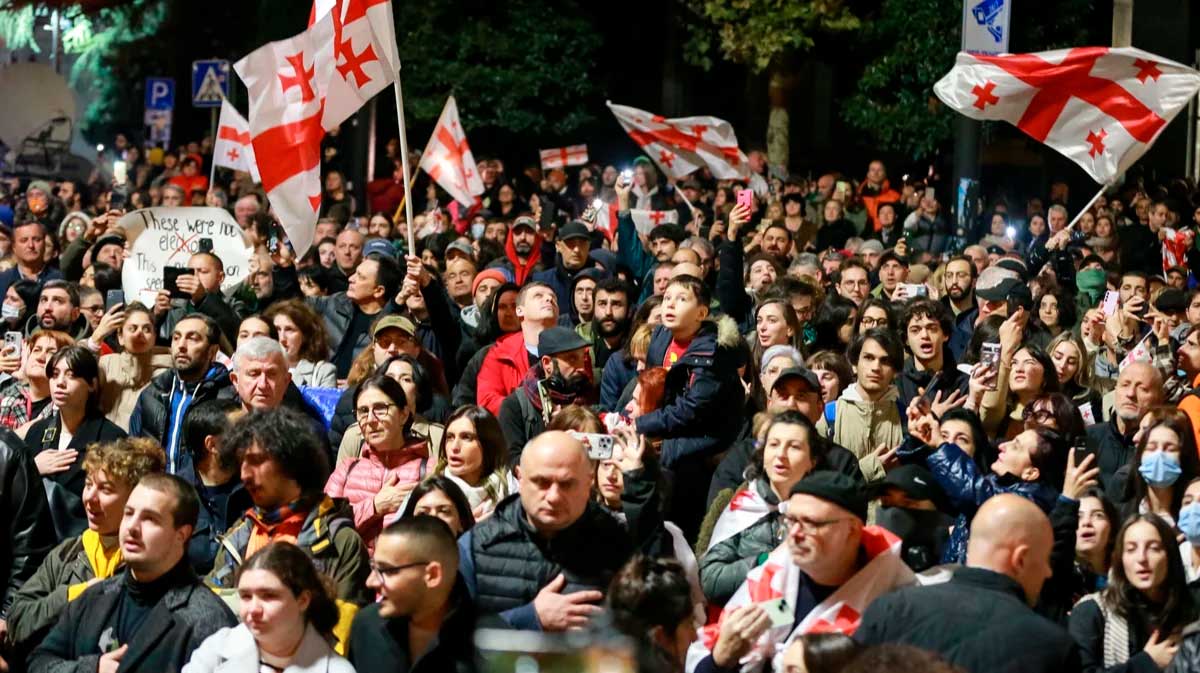
A rally of the results of parliamentary elections in Tbilisi, Georgia, October 28, 2024. Photo: Zurab Tsertsvadze / Ap Photo / Scanpix / Leta
Indeed, it was this circumstance that was the first to affect the ratio of a large number of voters to results. Because many would have admitted that there are people who vote for the Georgian Dream party for various reasons. But to deceive like that! - People have a sense of bullying, betrayal and absolutely Russian style in the counting of voices.
But everything was much more technologically advanced than in Russia, when there were still competitive elections and there were different parties: we observed stuffing, “carousels”, and all kinds of fraud. Here everything happens much more verbally and subtly. Electronic voting in the areas, everything is beautiful. The OSCE observer says: yes, there were problems, but nothing, the chosen power should learn lessons, and so on.
Evgenia Albats: But was there an electronic vote?
Ekaterina Kotrikadze: This is not a DEG in a bad sense, you yourself put your ballot in the car that swallows it, then the cars believe that people recount again later. That is, from the point of view of technology, everything was fine.
Evgenia Albats: Then, how was falsified?
Ekaterina Kotrikadze: bribery of people. At the rally, President Zurabishvili and other participants emphasized that an investigation would be conducted, even several, apparently. And since we are talking about a very complex forge system, it will take some time. That is, tomorrow or the day after tomorrow, there will be no answers to these questions, and this, too, to some extent disappoints part of the dissatisfied public.
On the opposition flank
Evgenia Albats: Many analysts write that in Georgia, as it was in Russia and in many other post -Soviet republics, the opposition is remarkably fighting each other. Is it so? Was the opposition to these elections in several batches? To what extent did this affect the fact that, according to the official results, the Georgian Dream will form a single -party government?
Marta Ardashelia: the Georgian opposition has long undergone a crisis. But as a result, we saw that, although she could not unite into a united front, she united in three different coalitions. These coalitions became the signathers of the European Charter of the President, where they came to some general provisions in the event of a victory or further struggle with the Georgian Dream. So they had attempts to find their face before the elections, and it seems to me that not so unsuccessful. The opposition generally worked as much as possible to satisfy voters, because the Georgian voter is also very demanding and also polarized. The Georgian voter is also radical, he does not want to vote for Ivanishvili, does not want to vote for the Saakashvili party, he does not like new teams. Sociological surveys showed that people who are against the policy of the Georgian Dream cannot decide on the choice on the opposition flank. So it seems to me that some work was done, it is very nice to see now that these people are already with complete legitimacy on the stands, where they were not allowed either last year or during the protests of this spring, and now they are already speaking on behalf of the audience and talk about a plan of action. Yes, we need an action plan. It is very difficult now to talk about specific solutions, when in fact I do not see a single path that could save Georgia from the reign of Ivanishvili and offer a specific effective scheme. They try as they can, and the only thing that can help them is a very powerful international pressure that, with the help of Salome Zurabishvili, they are trying to achieve all this time.
The Georgian diaspora in the West votes for the western path of development, which means for the opposition. But it was quite obvious that the consulates voters created problems
Evgenia Albats: The elections in Moldova have just passed. There, too, the opposition was quite split, but President Sandu offered a referendum as an opportunity to mobilize the forces of his support: to go to Europe or not to go. What the opposition also spoke of in Georgia. Sandu practically lost a referendum, if not for the support of the Moldovan diaspora. To what extent did the Georgian diaspora participate in the elections, how can it affect politics within Georgia?
Ekaterina Kotrikadze: The diaspora participated very actively, in all the Georgian broadcasts - television, and media, and on the Internet, on all platforms we saw photos and videos from Europe, from the United States, from Canada, even from Australia, where giant queues of those who wanted to vote were lined up. As in the case of Moldovans, the Georgian diaspora in the West votes for the western path of development, which means that the opposition.
On the one hand, this is very commendable, and here many experienced a sense of pride in those who decided to temporarily leave the country. But on the other hand, it was quite obvious that certain problems were created in consulates where votes were held. Everything went terribly slowly. For voting, insufficient forces were allocated, not enough employees, not enough devices, and so on. As a result, voting abroad became for a huge number of Georgians with flour. And only the most persistent withstood endless queues and still cast their votes.
It seems to me that it is very important to emphasize the difference between the situation in Georgia and Moldova from the point of view of the mood inside. In Georgia, there is no problem with the choice, most Georgians, more than 80 percent of all surveys, they want to Europe for a very long time. Paradoxicality lies in the fact that, on the one hand, the vast majority wants to move to the European Union, wants that standard of life, wants to protect rights, wants to far from Russia and Vladimir Putin. But on the other hand, the fear of war prevails. The propaganda Ivanishvilevskaya worked very well. When analyzing the situation in Georgia, it must be understood that the opposition is dealing with a very smart, very prudent force that knows exactly what it needs to be focused on, what kind of corn is pressed on. People are terribly afraid of the appearance of Russian tanks. And let the Georgian Dream not say who can come, what such an aggressor is, because they do not want to mention Russia and Vladimir Putin even more so. Nevertheless, they constantly mention: we are the party of the world. They even have banners still hang in Tbilisi, where a peaceful cool life is compared in Georgia with bombed Ukraine. The Georgian Dream does not mention what kind of combat operations, what does the choice have to do with it? Did Ukraine want such a war? This is not about this. But it affects people. And in the end, it turns out that everyone wants to Europe, but a significant part still says: okay, let's now vote for stability, if only it would not be worse.
In paws to the bear
Evgenia Albats: In 2008, Putin kept from taking Tbilisi, only the American fleet, which entered the water area, and American fighters that closed the sky of Georgia and did not allow Putin to occupy Tbilisi. Bob Woodword talks about this in detail in the last book “War”. We understand that both Moldovans and Georgians look at what is happening in Ukraine. And they see that despite promises, Americans and Europeans practically abandoned Ukraine. Она не получает достаточного количества оружия, чтобы противостоять России. И молдаване, и грузины задают себе вопрос: есть ли у нас силы бороться единолично с агрессивной, милитаристской Россией, притом что у нас страны не такие большие, как Украина. Они смотрят на Европу и Америку и говорят: если эти ребята не сумели помочь защититься Украине, у которой есть армия, люди, ресурсы, то что будет с нами? Съедят и не поперхнутся. Вам не кажется, что есть и такая логика?
Екатерина Котрикадзе: Я абсолютно понимаю эту логику. И более того, я никого не могу осуждать за подобное мышление и подобный подход. Я везде, где могу, кричу, что огромная ответственность за происходящее сейчас на всем постсоветском пространстве лежит на западных партнерах Грузии, Украины, Молдовы, других постсоветских республик. Потому что ни в одном из случаев мы не увидели достаточной поддержки, ни в одном. Речь идет не только о Европе, но и о Западе в целом, о Соединенных Штатах, потому что я помню свои впечатления от «перезагрузки» в 2010 году, спустя два года после чудовищного вторжения. Это были пять дней ада, который мы здесь с Мартой пережили. Страшная трагедия очень быстро пролетела, потому что в Белом доме решили, что можно просто «забить» на это, простите мой сленг.
Евгения Альбац: Забыли через три месяца.
Екатерина Котрикадзе: Я еще помню эпопею с вертолетоносцами «Мистраль», которые Франция собиралась продать России. И прекрасно бы продали, если бы Россия не аннексировала Крым.
По поводу «кнопки перезагрузки», на которую давили Сергей Лавров и Хиллари Клинтон, министр иностранных дел России и госсекретарь США, потом много шутили, потому что на картинке с этой кнопкой перезагрузки было написано «перегрузка», потому что кто-то ошибся в переводе с английского. И это о многом говорило. Умный Обама, прекрасный президент, и другие почему-то решили, что война в Грузии не мешает вести дела с Россией. Если бы уже тогда, после того как план Медведева—Саркози был вопиюще нарушен российской стороной, кто-нибудь сказал бы: вы, ребята, не можете так поступать, вы должны отвечать за то, что вы делаете, перед международным сообществом, вот вам санкции такие, сякие, пятые, десятые, эффективные санкции — тогда, возможно, мы бы сейчас были в ином положении.
Марта Ардашелия: Конечно, никто не желает опять в лапы к медведю. Но тут вопрос стоит так: если Россия вдруг решит напасть на Грузию, ни Иванишвили с его хитроумными заходами не спасет страну, ни какие-то якобы «его люди» в Кремле. «Грузинская мечта» не отвечает ни на какие позитивные сигналы со стороны Запада. Более того, открыто провоцирует международное сообщество антилиберальными законами, заявлениями, оскорблениями. «Грузинская мечта» ратует не за то, чтобы был мир, они таким образом манипулируют сознанием людей, которые не очень критически мыслят или у них нет информации. Они просто на этой волне удерживаются у власти.
Евгения Альбац: В Тбилиси приехал Виктор Орбан, премьер-министр Венгрии. Из-за Орбана Freedom House отнесла Венгрию к числу авторитарных, частично свободных стран. Орбан вцепился в премьерское кресло, Венгрия тоже парламентская республика, но при этом он совершенно контролирует выборы. Что он делает у вас в Тбилиси? Кто его пригласил? И почему вдруг Орбан решил, что Грузия нуждается в его советах?
Марта Ардашелия: Они близкие друзья, «Грузинская мечта» последние два года на внутреннем информационном поле продвигает идею о том, что Орбан — это истинный европеец, который верит в семейные ценности, в духовные скрепы, и так далее. И что мы можем ассоциировать себя не с какими-то там либералами, не с загнивающим Западом, а именно с такой Европой.
Они понимали, что никто не поздравит «Грузинскую мечту» с сомнительной победой. Поэтому попросили своего друга на второй день после выборов приехать в Тбилиси, чтобы продемонстрировать своим сторонникам, что вот «настоящие» европейцы с нами.
Есть прямое давление из Кремля, Грузия входит в сферу интересов Путина, для Путина важно сделать так, чтобы в Грузии не было демократического и проевропейского развития
Екатерина Котрикадзе: Марта, мне кажется, очень точно уловила настроения в «Грузинской мечте». Они бы хотели быть, как он. Они не хотят в Мурманск смотреть на Белое море. Им нормально в Милане. Но им нравится такой Орбан, который с одной стороны, входит в Европейский Союз, который пользуется всеми привилегиями членства в Европейском Союзе, у которого есть деньги: ЕС ежегодно выделяет средства Венгрии как члену Европейского Союза. Венгрия развивается, у нее все отлично внешне (относительно), но внутри — ограничение прав человека, проблемы у средств массовой информации, запреты, гомофобия, женоненавистничество в тех или иных проявлениях. Вот так они бы хотели. Но в этом состоянии Грузию не примут в ЕС, да еще с оккупированными территориями, с Абхазией и Южной Осетией. И поэтому ведется вот эта игра. И я не сомневаюсь нисколько, что есть прямое давление из Кремля, что Грузия входит в сферу интересов Путина, что для Владимира Путина важно сделать так, чтобы в Грузии не было демократического и проевропейского развития. Я говорю сейчас банальные вещи, но мне кажется, это важно проговаривать. Не сомневаюсь ни на секунду, что российские представители принимают непосредственное участие в том, что здесь происходит. Какие формы давления используются на Бидзину Иванишвили и на других людей, это отдельный вопрос. Я журналист, я не могу оперировать слухами, но по результату можно судить: они делают всё для того, чтобы отвести Грузию от Европы.
Запрос на лидера
Евгения Альбац: Мы помним, что Саломе Зурабишвили появилась на грузинском небосклоне, когда Саакашвили выиграл выборы и провел фантастические реформы в Грузии, но, конечно же, допустил огромное количество ошибок. Тем не менее тогда появилась Саломе Зурабишвили, она сначала была приглашена на пост министра иностранных дел. Но они не нашли общий язык с Саакашвили. Мы знаем, что с Саакашвили многие не находили общий язык. Она стала президентом уже когда Бидзина Иванишвили победил на выборах. Теперь она себя абсолютно противопоставила официальной грузинской власти. Она призывает к протестам. Она готова к тому, чтобы уходить из Грузии, или у нее есть какие-то другие амбиции?
Марта Ардашелия: Мне кажется, что у Саломе Зурабишвили есть своя красная линия — это прозападный курс Грузии. Она является внучкой представителя первой грузинской республики, который был изгнан во Францию. И она никогда не скрывала, что всю жизнь мечтала занять пост президента, чтобы выполнить мечту, завет своего деда. И конечно же Саломе очень прагматичный политик, чего не хватает грузинскому политическому спектру. У нее непростые отношения с Иванишвили, она в свое время пришла с его помощью к власти. Но с прошлых парламентских выборов, когда «Грузинская мечта» стала разыгрывать еще одну карту, что-то вроде возвращения земель, которые все еще не демаркированы с Азербайджаном, Саломе поняла, что оказалась в самом центре скандала. Это был первый звоночек, когда Зурабишвили очень сильно обиделась на «Грузинскую мечту». И дальше шла эскалация. Сейчас уже их ничего не связывает. Зурабишвили готова взять на себя объединяющую роль, у нее очень хороший имидж среди молодых грузинских избирателей, которых она поддерживала всю весну и весь прошлый год на акциях протеста. В общем, она сейчас консолидирующая фигура и для оппозиции, и для избирателей. И головная боль для «Грузинской мечты», потому что несмотря на все попытки дискредитировать Зурабишвили, по последним опросам она была самым популярным политиком в Грузии. Конечно же, Иванишвили очень злится. Сама Зурабишвили не раз намекала, что хотела бы оставаться на посту президента. Но в Тбилиси сейчас активно муссируется версия, что скорее всего Иванишвили займет этот пост.
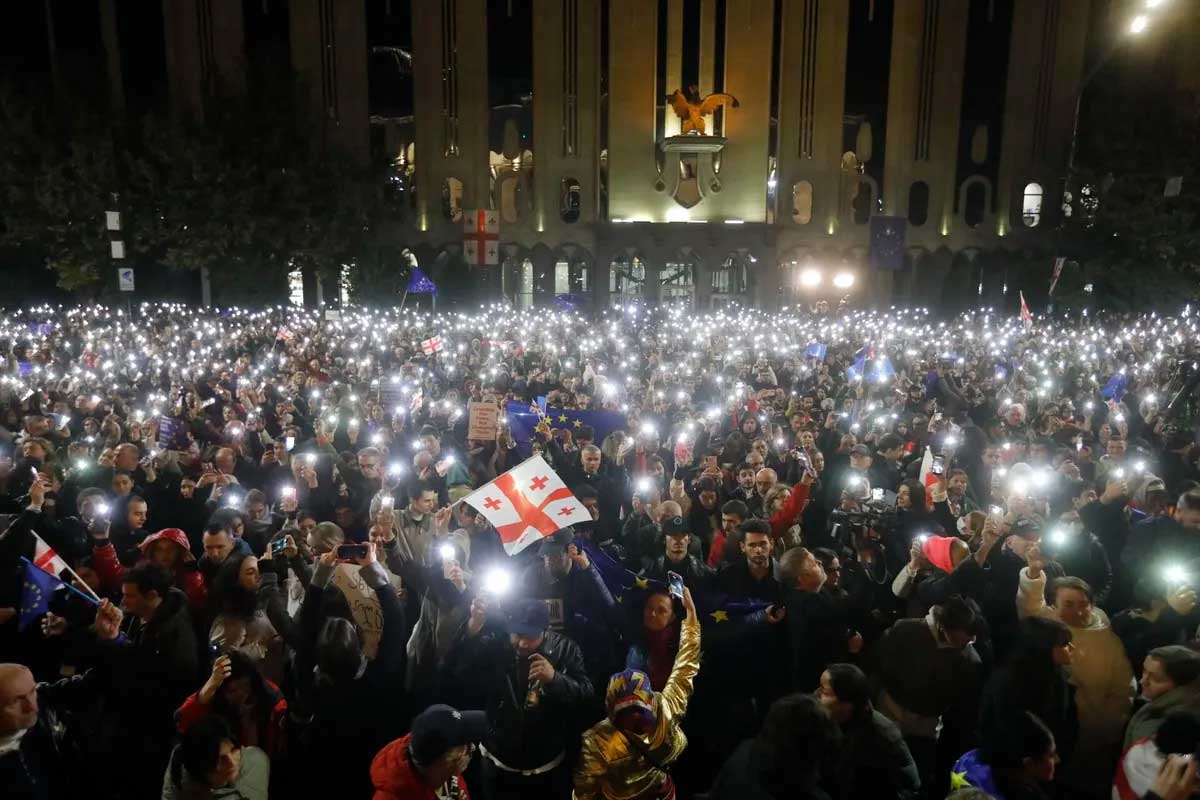
Фото: Mirian Meladze / Anadolu / Abaca Press / ddp images / Vida Press
Евгения Альбац: То есть у вас президента выбирает парламент?
Екатерина Котрикадзе: Саломе Зурабишвили была избрана прямым голосованием. Но потом было объявлено, что это последние выборы, теперь президента будет определять парламент. После того как «Грузинская мечта» одержала победу, совершенно очевидно, что они готовятся назначить другого президента. Саломе Зурабишвили вообще очень интересная фигура. Я прекрасно помню, как после того как она поссорилась с Саакашвили и Саакашвили ее уволил, она пыталась стать одним из лидеров грузинской оппозиции, но у нее не получилось.
Марта Ардашелия: Саломе Зурабишвили очень интересная. Она в своей ненависти к Саакашвили зашла так далеко, что, работая в ООН, умудрилась написать какую-то книжку про то, что Саакашвили в том числе ответственен за войну 2008 года, за это ее очень много критиковали, когда она избиралась на президентский пост, и до сих пор ставят это ей в укор. Но вот последними своими действиями все-таки ей удалось развернуть общественное мнение в свою пользу.
Екатерина Котрикадзе: Есть высокая вероятность, что она по окончании президентского срока останется в Грузии и продолжит политическую борьбу. И да, будучи самым популярным политиком от оппозиции в стране, она возможно возьмет на себя роль вождя антииванишвилевского сопротивления. На самом деле, как бы ни развивались события и кто бы что ни говорил о грузинской оппозиции, я прихожу к выводу, что Грузии необходим один какой-то потрясающе эффектный, эффективный и обаятельный лидер, которого сейчас нет. Возможно, Саломе Зурабишвили должна на себя эту роль взять, получится у нее это или нет, я не знаю, особенно с учетом некоторых проблем с грузинским языком, ей это ставят в укор. Но она может претендовать на позицию объединяющей фигуры, которая поведет за собой людей. Не знаю, насколько у нее это получится. Просто пока в Грузии нет Алексея Навального**.
Евгения Альбац: Его нигде, к сожалению, нет. Это трагедия не только России, а всего постсоветского пространства.
Екатерина Котрикадзе: Да, такого человека здесь нет, и поиск такого человека ведется. По крайней мере запрос на такого человека есть. Я понимаю, что это необязательно в демократических, развитых государствах. Но здесь все еще запрос на такого человека есть, по моим ощущениям.
Марта Ардашелия: Я хотела бы добавить к размышлениям Кати по поводу лидера. Может быть, Грузии уже нужно отходить от этой привычки верить, любить и обожать до смерти одного лидера. Может быть, как раз коалиционное правительство и спасет нас от наших же эмоций. Поэтому я как раз боюсь рождения нового лидера на политическом поле. Вот Бидзина, Миша — и пусть эта история закончится. Это мой запрос.
Полностью дискуссию можно посмотреть на YouTube :
* Евгения Альбац, Екатерина Котрикадзе, телеканал «Дождь» в РФ объявлены «иностранными агентами».
** Alexey Navalny is included in the list of "terrorists and extremists."