
Translated material
Contemporary art non grata
About the history of the department of modern trends at the Tretyakov Gallery and why its abolition is bad
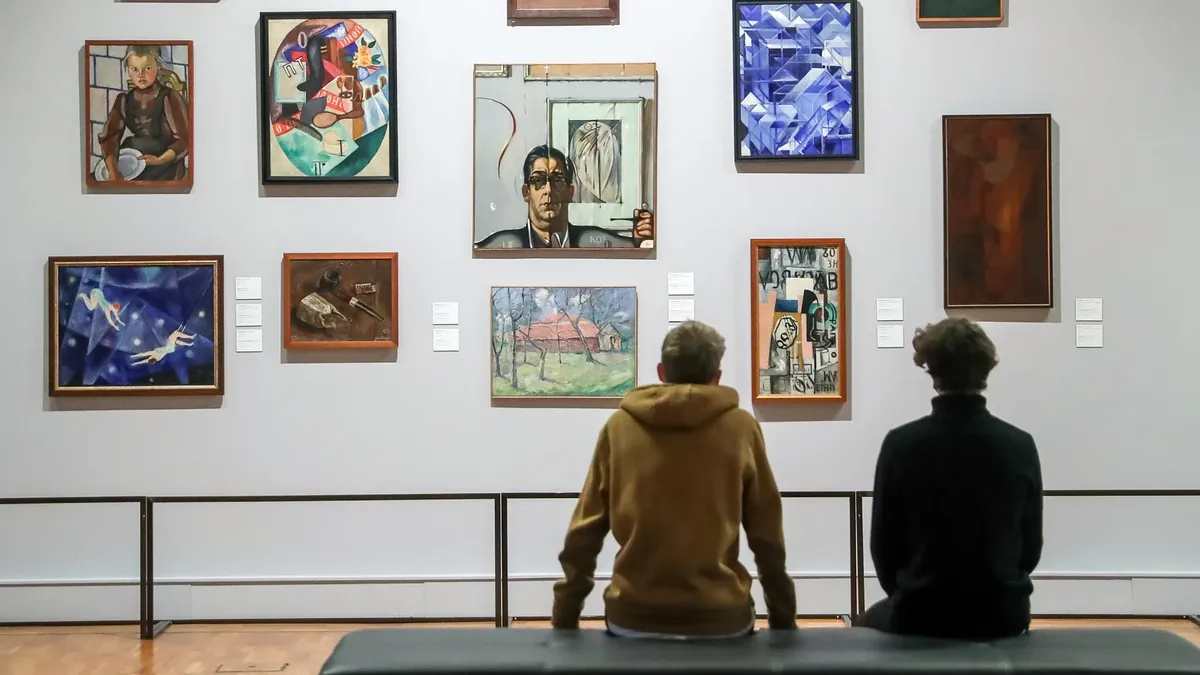
Photo: Sergey Fadeichev / TASS
For the first time, Marat Gelman* mentioned in his social networks that the Tretyakov Gallery decided to close the department of new trends. After this, a confirmation appeared in the official telegram channel of the Tretyakov Gallery: “As part of the planned change in the structure of the State Tretyakov Gallery in the second half of the 20th–21st centuries, it will continue to study current practices of contemporary art.” Apparently, the decision on “redistribution” was passed down from above by the Ministry of Culture - as is usually the case, without discussion or any questions.
The art community was outraged. The former head of ONT, Andrei Erofeev, wrote an open letter demanding that this decision be reversed. They say that the appeal was signed by more than 200 people - artists, curators, collectors and art historians. But now the list of signatories is no longer available - apparently, it was closed for security reasons. The problem is that
two years ago, such a letter of protest might have made at least some sense, but now all messages to senior management look useless in all respects, and in this case they have also led to nothing.
Before its closure, the Department of Contemporary Art at the Tretyakov Gallery was engaged in research, collecting, educational and exhibition activities - in general, everything that a department of contemporary art should be involved in. His collection included several thousand exhibits donated by artists and collectors. The department was quite young: it was opened in 2001 (for comparison: the department of new movements in the Russian Museum appeared in the late 1980s), and the earliest works exhibited there were related to the art of Soviet nonconformists. The current attempt to combine the movement of contemporary art and the movement of art of the second half of the twentieth century into one department is a big mistake, according to many. The fact is that art specialists (including those at the Tretyakov Gallery) have a clear specialization - each works in a specific direction and time. Employees of the art department of the second half of the twentieth century are engaged in realistic and academic painting, but working simultaneously with socialist realism and nonconformists is an exception rather than a common practice. As the former head of the department, art critic Andrei Erofeev, writes: “The employees of the OJ department and Ms. Alexandrova herself are good specialists in the traditional art of realistic and academic painting. But they are not trained in the specifics of the genre of art object, installation, performance, art photography. And this is precisely what constitutes the core of the ONT collection. OJ employees do not understand these genres and, moreover, tend to deny the value of this art altogether. This is their right."
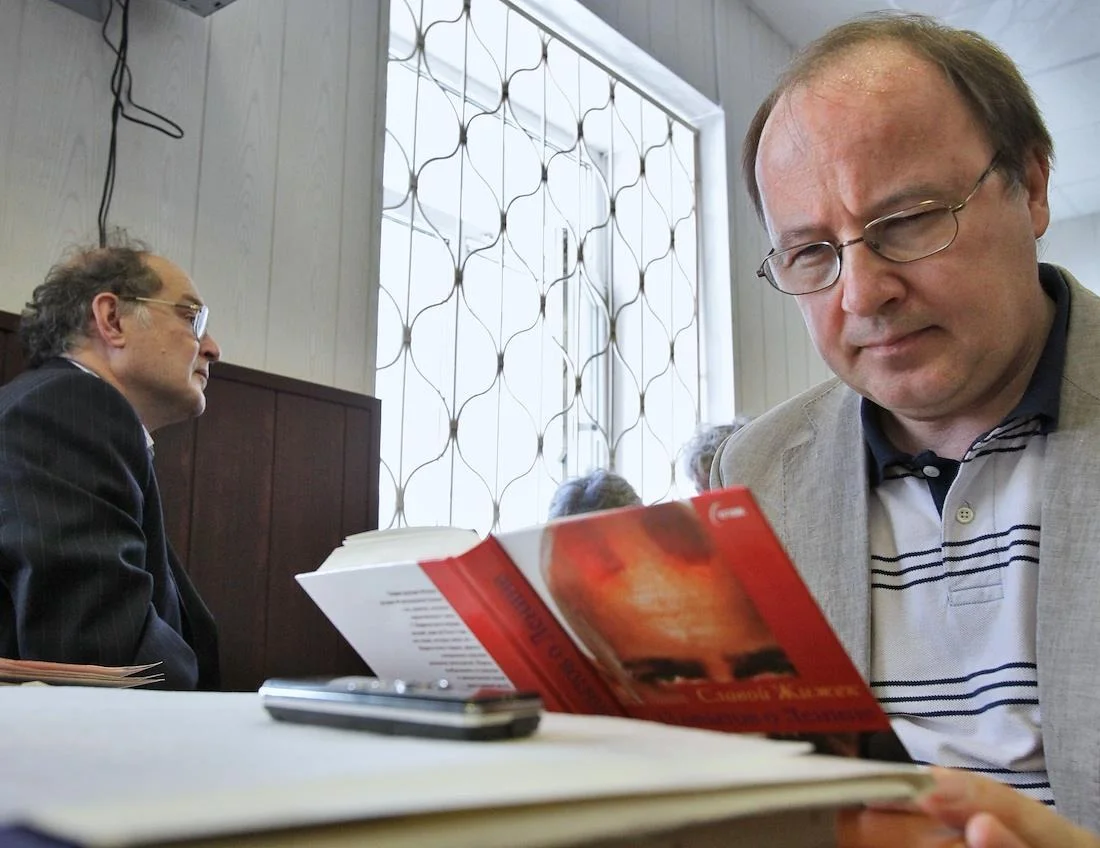
Moreover, it is known that the head of the art department of the second half of the twentieth century, Natalya Alexandrova, is skeptical about the existence of modern art as such - as, indeed, are many in the Tretyakov Gallery. In general, the so-called reorganization that has befallen ONT fits very logically into the politics of recent years: contemporary art preaches democracy and humanism, and this, apparently, strongly contradicts the promotion of traditional values. Against this background
In the last two years, censorship in the Tretyakov Gallery has noticeably increased: exhibitions of authors disloyal to the regime began to be suppressed, foreign art ceased to be considered art, and the themes of the works or exhibitions on display were as emasculated as possible.
A serious threat hangs over the collection of the latest trends itself. The Ministry of Culture requires the “organization” of thousands of exhibits, a significant part of which are stored in temporary premises, and this is extremely difficult to accomplish in a short time: it is known that at the end of 2026 the Tretyakov Gallery will be closed for reconstruction, and the New Tretyakov Gallery will move. Such prospects raise concerns about the fate of some of the exhibits, which can simply be disposed of.
The history of the formation of this collection is not very rich. It all started with the collection of nonconformist art of art critic Andrei Erofeev: since 1989, he collected it on the basis of the Tsaritsyno Museum. He partially donated this collection to the Tretyakov Gallery. In 2001, Erofeev became the first head of the latest movements department at the Tretyakov Gallery, and subsequently, while working at the gallery, he built a new permanent exhibition dedicated to Russian art of 1960–2000. In 2008, Andrei Erofeev published an article “The Tretyakov Gallery is giving away its collections” in the magazine “Artchronika”, where he wrote that contemporary artists are taking their works from the temporary storage fund of the Tretyakov Gallery because it is not ready to deal with contemporary art.
The museum then parted with valuable works that belonged in the state collection and not in private hands. “Scientific work is not being carried out. The exhibition work collapsed,” wrote Erofeev. — Half of the halls are closed because the building is not being repaired and the foundation is sagging. No elevators, no proper cafe. There is no research into contemporary Russian art, and therefore no scientific collecting. The exhibits are poorly described, there is no clear inventory.” Today, 16 years later, these words still ring true and true.
The description of the painting resale scheme irritated employees of the Department of Contemporary Art and Erofeev’s former colleagues, Kirill Alekseev and Kirill Svetlyakov. They released a response material “Ordinary Fascism. An article for those who want to know the truth ,” where they explained the true, from their point of view, state of affairs in the temporary storage fund. In the ArtChronika article, employees of the department of modern trends spoke in detail about the “difficult legacy” of the former director: chaos in the storeroom, a gigantic amount of stock work, neglected and confusing documentation, disappeared material assets worth over 3 million rubles - and then they completely recognized their opponent "Kulturführer"
It is not known for certain who the truth was behind, as they say. But the fact that the Tretyakov Gallery and specifically the department of new trends had problems back then, in 2008, is a fact. Andrei Erofeev was fired from the Tretyakov Gallery in 2008 “for violating museum order” after a scandal related to the Sots Art exhibition.
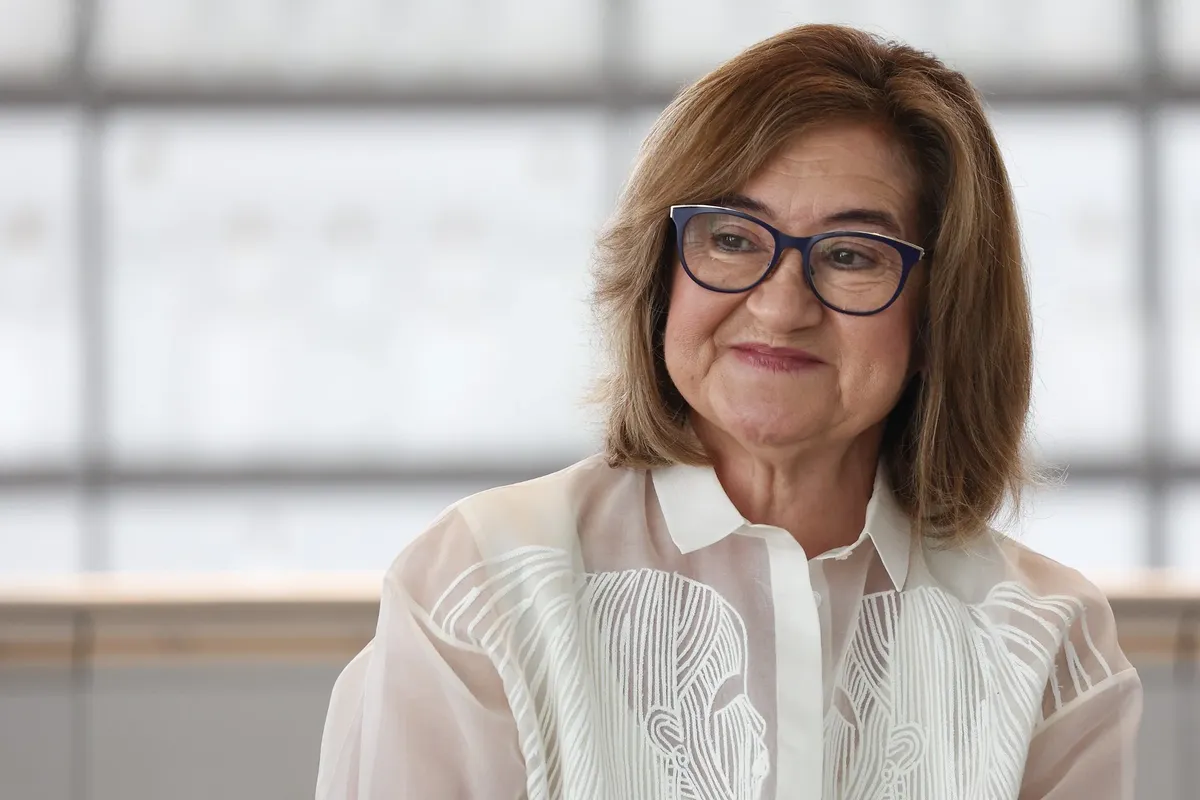
During the directorship of Zelfira Tregulova (2015–2023), the museum’s collection began to be actively replenished with contemporary art for the first time in a long time. In 2018, the Winzavod Foundation for the Support of Contemporary Art donated works by artists who participated in the series of exhibitions “Farewell to Eternal Youth” to the State Tretyakov Gallery, which took place at Winzavod in 2017 (curated by Nikolai Palazhchenko). The transfer of works became the first part of the “New Young People at the New Tretyakov” project - one of the first experiences of working with young authors.
Then, in 2020, gallery owner Marat Gelman donated a collection of works of contemporary art to the Tretyakov Gallery; on this occasion, the exhibition “Marat’s Gift” was even opened. Contemporary art from the Gelman collection." In the same year, the gallery received the collection of Vladimir Smirnov and Konstantin Sorokin, which was based on the works of young but already established authors who began working in the 2000s.
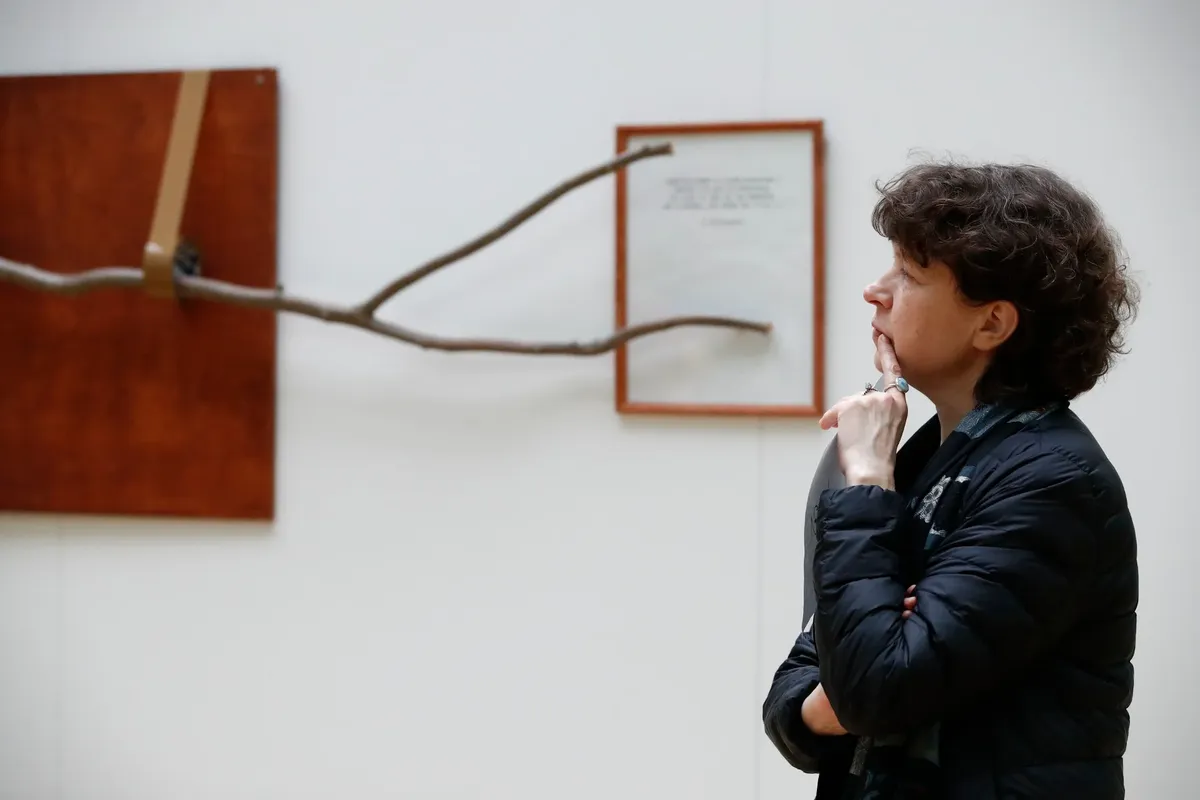
At the exhibition “Generation XXI”, dedicated to the last meeting, the public was outraged by the work of Alexey Kallima, which depicted the vacation of two Chechen militants. The founder of Tsargrad, Konstantin Malofeev, called what was happening in the Tretyakov Gallery an attempt to glorify terrorism. He emphasized that the most amazing thing is not the artist’s work itself, “but the fact that the respected State Tretyakov Gallery exhibited the canvas.” The work “Branch” by one of the representatives of conceptual art Andrei Monastyrsky was also attacked by the public. Armchair critics were unhappy that the work, which literally consists of a tree branch, has no value, and was also purchased with public money by the museum using “our human taxes.”
All these scandals initiated by Russian “society” only confirm the idea that the closure of the department of new trends is a pattern.
Of course, this closure is a negative development and a step towards cultural degradation, but in the current political context it seems inevitable. Today art, especially contemporary art, can hardly exist in the public field: censorship in museums began long before the fighting, and the gradual curtailment of contemporary art projects in the country has been observed for a long time. Probably, the return of modern art can only be expected when society is able to recognize and rethink its past mistakes.
Several former gallery employees, including the head of the department, Irina Gorlova, did not respond to my inquiries and requests to comment on the situation with the department of new trends. The request was also ignored by the director of the Tretyakov Gallery, Elena Pronicheva. The current museum employees are limited by strict rules of interaction with the press, according to which any contacts must be pre-coordinated with the press service, because any information in the public field can lead to unpleasant consequences - dismissals and layoffs.
Agata Lanskaya