
Translated material
No medicine? No need to get sick!
Failed tenders, lack of imported medicinal substances, ineffective planning. These are not all the reasons for the shortage of medicines
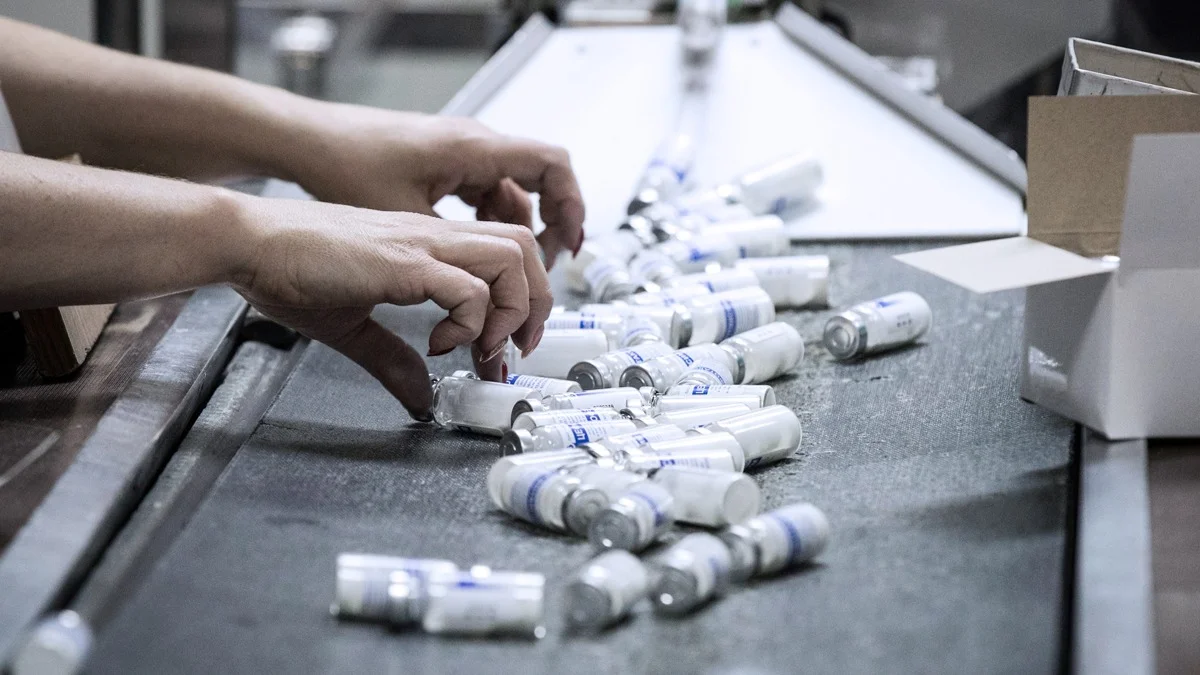
Photo: Stanislav Krasilnikov / TASS
Some time ago, information appeared in the federal media about a shortage of broad-spectrum antibiotics that had arisen in a number of Russian regions. Most of the cases involved prescription drugs. Roszdravnadzor almost immediately denied this information. The statement published on the official website of the department provided current data on the availability of the mentioned drugs in pharmacy chains in specific regions. And the statement that all of them are being introduced into civil circulation at the level of the average values of previous years.
This could be the end of the topic. It was confusing, however, that information about the shortage was published by reputable publications that relied on data from regional pharmacies and information from equally reputable analytical companies. The latter presented a slightly different dynamic than that of the supervisory authority. For example, it turned out that over the eight months of this year, almost 134 thousand fewer packages of drugs containing erythromycin were put into circulation than during the same period last year. Perhaps the reduction in volumes is planned, and the alarm is really false. But here everything is as in folk wisdom - once we get burned, we start blowing on everything. However, they give us reasons regularly.
Endless Mantra
Thus, in 2024, the supply of anti-Rhesus immunoglobulin, which is necessary for pregnant women with a negative Rh factor, sharply decreased. In the first half of the year, about 48 thousand packages of the drug entered the Russian market, which is 71% less than in the same period last year. In January, there was a shortage of Metipred in Moscow pharmacies, which is used in the treatment of rheumatic diseases. The Ministry of Health stated that this medicine can be replaced with prednisolone. However, the Russian Rheumatological Association claims that it is ineffective and unsafe for at least a third of patients .
In March, in a number of publications and on the website of the Social Information Agency, reports appeared about problems with hormonal drugs - the domestic Ziflucort and the Polish Cortineff. Both are necessary for people with adrenal dysfunction. At some point, these drugs disappeared from pharmacies in dozens of regions. In the spring, ultra-short-acting insulin Fiasp began to disappear from pharmacy chains. According to the Megapteka aggregator, which tracks the assortment, the drug could not be purchased in Moscow, St. Petersburg, Volgograd, Novosibirsk, Kazan. In some regions, people have not been able to purchase it since the end of last year. Problems with procurement were confirmed then by the Moscow Diabetes Association.
In March, Dicynon, a prescription medicine prescribed for the prevention and treatment of capillary bleeding of various origins, disappeared from pharmacies almost throughout the country: It is used in the form of injections before and after operations. And in tablets they are prescribed for self-administration. There are no direct analogues registered in the State Register. According to one expert, the tablets were last put on the market in September 2023, and the volume of supplies has decreased. Ixempra is one of the effective drugs for the treatment of breast cancer. In January, it was not available in pharmaceutical establishments in the capital and online pharmacies (“Eapteka” and “Uteka”). The reasons for the shortage are vague: something went wrong with the tenders. In addition, the manufacturing company asked to review the maximum price for the drug.
In the spring, in just two months, vital drugs prescribed for oncology, Uromitexan and Endoxan, disappeared from the shelves.
It is worth clarifying that most drugs for the treatment of cancer, diabetes and similar serious diseases are supplied to pharmacies through government channels. To do this, the authorities must collect requests from the regions and form a tender procurement.
However, as a pharmaceutical market expert said, if there was no such tender (for example, the regions did not have time to provide the necessary information), the procedure does not start. Meanwhile, pharmacies are selling out the remaining drugs, leaving a gap in the retail chain. The movement against cancer has appealed to the government and the Ministry of Health to include four oncology drugs in the list of vital and essential drugs (VED). That is, those that the state gives to preferential categories of citizens free of charge. In addition, prices for drugs from this list are fixed.
Current practice shows that the absence of drugs in the Vital and Essential Drugs registry affects their availability in the healthcare system, increasing waiting times. By the way, the League of Patient Defenders negatively assessed the latest results of the work of the Ministry of Health commission, proposing to completely change both the approach itself and the procedure for creating drug lists. As one of the regional leaders said, the officials responsible for drug supply do not have an understanding of long-term planning and work with suppliers is not well-established.
In addition, a medicine can fall out of circulation for a number of reasons: production volumes have been reduced or stopped altogether, there are no necessary substances (for the production of domestic medicines, most imported ones are used), problems have arisen with the re-registration of the drug - this must be done every five years, and the process can last for months. That is, by and large, there are explanations. And the assurance that literally any “missing” pill has an equally effective replacement sounds like an endless mantra.
Peninsula of Bad Luck
The Republic of Crimea is included in the agenda under the code name “drug shortage” quite regularly. It was precisely because of problems in this area that the Minister of Health of the Republic of Kazakhstan Skorupsky resigned literally in May. Thus fulfilling the promise made earlier. Let us recall the details: Skorupsky came to the department in the fall of 2021. Quite soon, the head of the region, Aksenov, had serious complaints against him. In February last year, he even ordered an internal investigation into employees of the local Ministry of Health and departments responsible for the supply of medicines. The reason was the shortage of a number of drugs in the network of state pharmacies.
In less than a year, the ex-minister received two reprimands from Aksenov. And in April, local residents once again turned to the head of the region because of problems with subsidized medications. In response to this, Skorupsky assured in his telegram channel that by May 15, 2024, the department plans to purchase about 50 items. And he promised to leave his post if beneficiaries do not receive medicines on time. Then there were assurances that the situation, they say, was getting better and leveling off... Apparently, it wasn’t leveling off. It makes sense to add that after Crimea became part of Russia, health ministers in the region changed six times. For example, in 2021 there was a high-profile resignation of Alexander Ostapenko due to numerous complaints from citizens about “failures” in the purchase of medicines for beneficiaries and endless queues at local clinics. Commenting on this dismissal, the head of the republic added that “all cases of defects in certain drugs are subjective.”
What is the situation with medicines in Crimea today? The overall picture can and should be assessed by structures with the appropriate competence. We will turn to special cases. Vitaly S. from the Leninsky district of the republic has been waiting for six months for the drug for asthmatics “Saltikazon”. On September 28, he wrote to the State Unitary Enterprise of the Republic of Kazakhstan “Crimea - Pharmacy” that the drug “has not been available for four months, we can’t write out a prescription, they don’t give specific information on the hotline.” The man was explained that the specified drug was not available on stock under the regional benefit, and there was no delivery date yet.
In October, Anastasia S. (Vitaly’s wife), answering our question about medications, stated: “There is still no Saltikazon.” The Ministry of Health says nothing and doesn’t want to do anything, we’ve been waiting since May.” Already in a personal conversation, the woman explains that the drug could be found in pharmacies. But they always received a regional benefit. “My husband has accepted it all his life,” says Anastasia. — We waited six months before receiving it (the drug was issued on the day of our conversation). We bought Seretide for money - it is an imported drug. It costs 2,500 rubles.”
The drug Omalizumab was given to a disabled child from Yevpatoria with delays. Arthur N. also has asthma. And he also needs to take the prescribed drug on an ongoing basis, otherwise his condition will noticeably worsen. “Only after a number of calls to all the country’s hotlines were they given two bottles of the preferential drug Omalizumab,” says Ekaterina Gorelkina, head of the Life in Your Hands CRPO. “I literally had to knock it out.” Two bottles is a minuscule amount, according to the interlocutor, and therefore the “knocking out” continues. Ekaterina writes to the head of the republic and asks to resolve the issue with the regular purchase of the drug. Due to the specific nature of her activity, she also deals with medicines. People with disabilities, those in difficult life circumstances, and socially vulnerable people also turn to the organization.
The CRPO was not contacted about the problems with antibiotics that were reported in the federal press. Since people don’t call, says Ekaterina, then everything is fine. However, he voices information that makes you look at interruptions in medications differently. And the picture looks like this: if we don’t know about the deficit, this does not mean that it does not exist.
“As for free drugs, that’s what they did,” explains the interlocutor. — If the drug is not available, they (doctors) simply do not write a prescription. And if there is no recipe, it means that people do not call the hotline and do not demand to buy it.
— And when we are talking about a vital drug?
- Also: out of stock - not issued.
In an appeal dated March 31, addressed to the head of the republic, the Minister of Health (at that time he was Skorupsky) and the republican prosecutor's office, Ekaterina writes about the problem existing in Crimea of timely procurement and provision of drugs to citizens after organ transplantation.
The cost of these drugs is very high; not everyone can buy them on their own. And at the state level in the republic, some items are not purchased for months.
That is why Tatyana L., a resident of Yevpatoria, contacted the organization, whose adopted daughter Oksana underwent two kidney transplant operations. Both were held in Moscow and were successful. We could go home. But the girl and her father are forced to live in a clinic in the capital. In Ekaterina Gorelkina’s address to officials there is a paragraph that, due to its emotionality, stands out from the general business style. It is worth quoting verbatim: “Is it really impossible to purchase all the drugs for this category of citizens in Crimea? Why is this happening? Why can’t a person come to Crimea and promptly receive the necessary drug, why should Crimeans seek registration in Moscow in order to receive it there in a timely manner?” Already during the interview, Ekaterina explains that after a transplant, a person must take medications for the rest of his life that prevent the organ from being rejected. They were unable to purchase them in Crimea in a timely manner. Therefore, the family had to stay in the capital, and not for a couple of months.
“The state spends so much money on transplants,” continues the interlocutor. — They (Oksana) did everything for free. Now they have adopted a law on the presumption of consent for organ removal, and it works well. The time required for transplants has been significantly reduced, and many people are receiving them. But maintenance medications are needed. They are very expensive.
It turns out that the state spends such a resource saving people, performs such a complex operation, and at the stage of support after it cannot provide the necessary drugs locally!
— In this particular case, was the issue resolved?
— Yes, medications were purchased for the family, and an employee of the Ministry of Health contacted the mother directly.
But in this case, everything that was necessary had to be knocked out, letters written to various authorities, to the telegram channel of the head of the republic, etc. etc. It is no coincidence that, addressing the Minister of Health of the Republic of Kazakhstan, the head of the organization “Life is in your hands” asks questions on the answers to which people’s lives depend: is there, I quote, a registry of patients with transplanted organs in Crimea, does the Ministry of Health of the Republic of Kazakhstan understand the importance of timely procurement of such vital drugs like Myfortic, Advagraf, Valcyte? Suspension of taking medications even for one day is death for the patient.
The Crimean story was resolved successfully. But no one can guarantee uninterrupted procurement. In this regard, one cannot help but recall the shortage of another vital nephrological drug, which was reported in the spring by a number of media outlets and the Social Information Agency. Then the representative of the “Nephro-League” Galina Goretskaya said that people with kidney diseases who are on dialysis complain about the lack of the Russian medicine “Kalimate”. Patients must obtain it with free prescriptions through pharmacies. The drug prevents the occurrence of hyperkalemia, which can cause cardiac arrhythmias and even death of the patient. At that time, there was no medicine in more than 50 regions of the country; Kidney patients themselves called interruptions in the supply of the drug critical. And the manufacturing company talked about difficulties with supplies and promised to solve the problem.
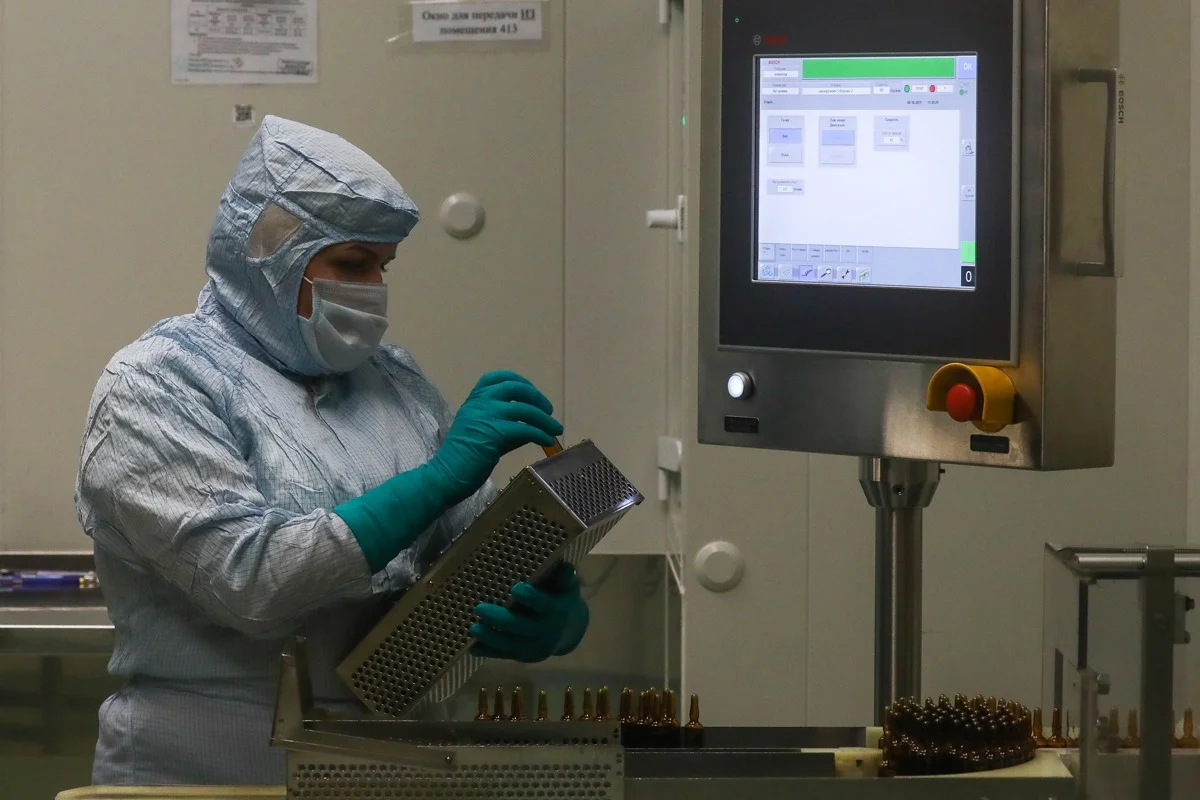
Spoiled picture
Vitaly K. lives near Samara, he has been on dialysis for 10 years. But without Kalimate. Although according to all the introductory notes it is still indicated for the patient.
“I know about this drug, it helps reduce potassium in the blood,” says Vitaly. “Many dialysis patients take it. Someone receives, someone buys. In all the 10 years that I have been on dialysis, I have never received this drug for free. I know: it is very expensive and I can’t afford it. It is not prescribed or given to me. I haven’t heard of anyone in our particular center being given it out at all.
— Does it have cheaper analogues?
- Most likely not, otherwise I would have known.
— Can a person on dialysis do without it?
— It is possible, in principle, if you exclude ALL foods that are rich in potassium from your diet. For example, I have already forgotten the taste of banana, melon, strawberry, cherry, nuts, etc. I buy everything I need for my heart ( to eliminate the risk of hyperkalemia - O.P. ) myself. Everything I need for dialysis is given to me at the (hemodialysis) center without any problems.
A year ago, pharmaceutical market experts said that 90% of substances for the production of drugs in the country were imported. We were unable to obtain information about the current state of affairs. But in the public space there are quite positive statistics. According to the analytical company RNC Pharma, this September has set an absolute record in terms of monetary volume of drug production in Russia over the past four years. Production volume increased in rubles by 16.7%. Over the eight months of 2024, pharmaceutical companies localized in Russia shipped about 2.7 billion packages.
The top five regions with the maximum range of medicines include Moscow, Moscow region, Rostov region, Krasnodar region and St. Petersburg. The minimum breadth of assortment is in the Nenets and Chukotka Autonomous Okrug, the Magadan Region, the Chechen Republic and Tyva. And everything would be fine, but interruptions seriously spoil the blissful picture. In the spring, the results of a survey conducted by the professional community “Doctors of the Russian Federation” were published in the media; it covered about a thousand different specialists throughout the country. So, almost 80% of respondents faced a shortage of some drugs. The most frequently mentioned drugs were antibiotics, epilepsy drugs, insulins, antidepressants, antipsychotics, and anticonvulsants. In total, there was a shortage of more than 400 types of drugs, of which 74 are included in the list of vital and essential drugs.