
Translated material
Interview with the funeral host
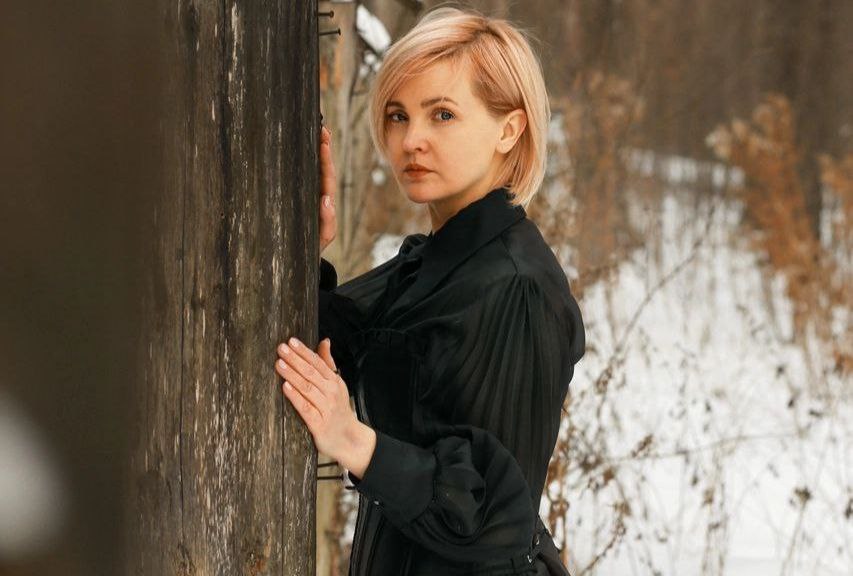
Interview with the funeral host
Briefly
Vera Salnikova from Kostroma is a funeral master of ceremonies and the founder of the Gift of Time charity organization, she helps terminally ill people and their loved ones. Every day Vera faces human pain: people who grieve for their loved ones and those who die. What helps her withstand the grief of others, how her attitude towards death has changed, and what the funeral host and the surgeon have in common - in an interview with Trait.When was the first time you encountered death in your life?
I remember the death of my grandfather, I was about 12 years old. We were not very close: we went to him in the summer to help with the housework. Grandfather was sick and had cancer. When the telegram arrived that he had died, dad quickly got ready and left for the funeral.
I remember being left alone at home and starting to cry. Around the same time, my godmother died. My family and I came to say goodbye to the entrance where the coffin stood. When everyone left, I was hysterical again, my mother calmed me down.
Death was something unthinkable for me. It was the horror of realizing one's mortality. How is it that I’ll die and I won’t exist? My palms were freezing, my heart was beating wildly. The fear of death was my biggest fear before entering the funeral industry.
How has your attitude towards death changed over time?
Then I had the experience of facing personal, very close losses. First, daughter Masha, who was born in 2011 with leukemia and lived for two months and eight days.
When I held her hand, there was a feeling that she was something big and grandiose, and I was just a little girl, not understanding anything, not knowing anything. It seemed that Masha, so small, knew something inaccessible to me. For me, it was a 180-degree turn in life and the first experience of death in my own skin.
A month and a half after Masha’s death, my mother was diagnosed with cancer; she lived a little over a year. I experienced this grief for a very long time, harder than the loss of my daughter. I thought I was going crazy. The hospital sent us home with the words that nothing could be done. They didn’t tell us how to deal with this. While I was talking to the doctor in the office, my mother was waiting in the hallway. I went out, but didn't dare tell her that she was going to die.
Now in my work I often encounter a situation where the relatives of a palliative patient meet you on the landing: “Just don’t tell him that he is dying.” You go to a person, you are left alone, and he asks: “I’m dying, just don’t tell my loved ones about this.” Relatives take care of the patient - the patient takes care of his loved ones.
I took my mother home from the hospital and said that there would be a consultation in the evening. Then she bought some cough tablets at the pharmacy and said: “We need to get treatment so that we can do chemotherapy again.” It was a conspiracy. I couldn’t find the strength to tell my mother that this was the end.
Now I would act differently: I would tell my mother that I am scared, and I don’t know how I will live without her. There would definitely be tears. Maybe we could ask each other for forgiveness.
When a person dies, he often wants to talk to someone about this fear: to wonder if there is something after death or to discuss what things are important to complete.
What is morally more difficult for you: working with palliative patients or with grieving people who have lost a loved one?
A person who dies is in a different state: he is weak, he sleeps a lot - there is more humility there. As a rule, he does not need crowds of people who want to chat and support.
The main thing is that the person does not suffer physically, otherwise you suffer along with him, you get annoyed that the palliative care system has not been established. Why weren’t medications prescribed, why is the system so soulless that an ambulance arrives and just throws up its hands: “What can we do?” And if all the painful symptoms are removed and the person simply dies, it’s easier to deal with him than with those who are grieving.
Those who are grieving need to give more energy, they need support. Many funeral directors believe that palliative care is harder than the funeral industry.
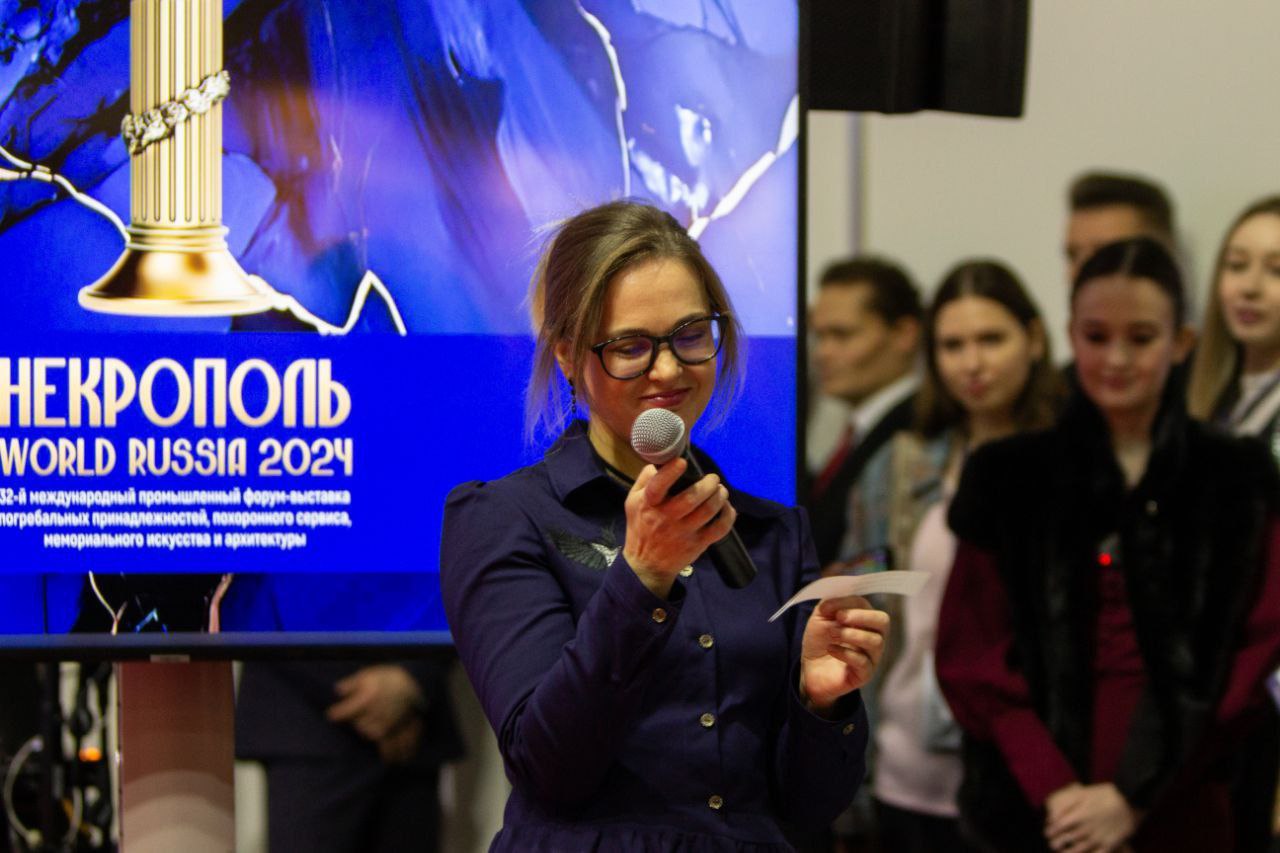
Do different people have different abilities to cope with grief?
I think so. It is important for the master of ceremonies to simply be there. There is no need for special actions here - you just be present and allow the person to roar. Many are afraid that they will not be able to withstand grief, but any hysteria ends.
There was a story. They took the body of a dead man, and his wife said: “I can’t stand it.” She began to sob, sob, sob, sob. Three minutes, four, and then she calmed down anyway, washed her face, and we went to choose funeral paraphernalia.
Sometimes a person needs to be calmed down in time. I remember a little girl died. Grandfather came an hour before the farewell began, and we were left alone with him in the hall where the coffin with the child’s body stood. Grandfather considered himself to blame for the tragedy; his pain was unbearable.
He howled like an animal, lay on the floor, and I just stood nearby and watched. And only when I saw that he couldn’t breathe, I sat him down on a chair and clearly said: “Look at me, drank water.” With harsh words you pull a person out of this state, but only when you already see some kind of health risk.
How do you feel when the person next to you howls in grief? It seems both awkward and creepy.
At goodbyes, some internal resources turn on. You listen, watch and control more what is happening around you. And with some sixth sense you understand: it should be this way, but here it should be like this.
I know that now I have to organize everything and hold the ceremony. Just like a doctor performs an operation, he also works mechanically so that there is a result. He cannot be afraid of blood or cut flesh - it is just such a job, such a duty.
You know that the result depends on your actions. At this moment I have no feelings - I’m just a mechanism, a tool.
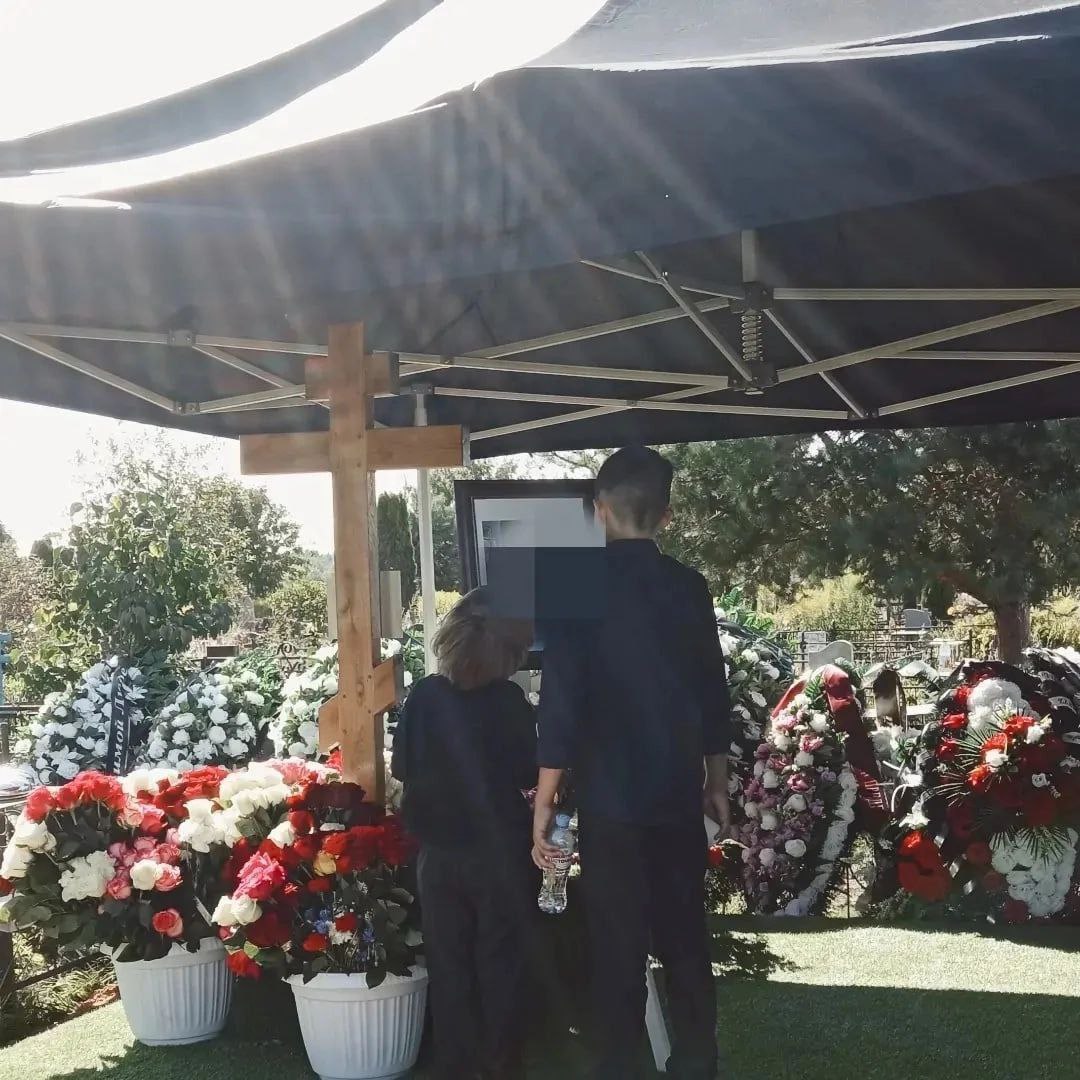
How do you make mourners trust you? After all, you are a stranger to them.
Before the farewell, I always meet with the relatives of the deceased - this is my difference from the master of ceremonies, who works in the hall and reads a standard speech, simply changing the name of the deceased.
When you ask your loved ones about what the deceased was like, give advice on how best to do it, answer their questions, you stop being a stranger. Yes, these are conversations with tears, but the family always talks about the deceased with pleasure.
Grieving people are in a vulnerable state. But if you show that it is safe to talk to you, share, cry with you, they open up quickly enough and trust is established.
It is very important to establish trusting relationships with the relatives of the deceased before the farewell begins. This also helps me: I can then use some phrases that relatives said in my farewell speech. And the speech is not formulaic. Even the intonation of the voice at such a farewell is not pathetic, but sympathetic - after all, it seems as if we have known each other for a long time.
I also always have things in my backpack that might be useful to mourners: a bottle of water, glasses, ammonia, paper napkins to wipe away tears, wet wipes to wipe your hands from the dirt that is thrown into the grave in the cemetery. Even with such little things you want to support people.
How do you know your job is done well?
Before the funeral, I worked as a hairdresser, where the result is very clear. You cut a man’s hair, dyed his hair, and he immediately: “How great, Vera, you have golden hands.” At the first goodbyes, I never received feedback. But now people always thank you and hug you, because for this short period of time you are immersed in their life, and they let you into their vulnerability.
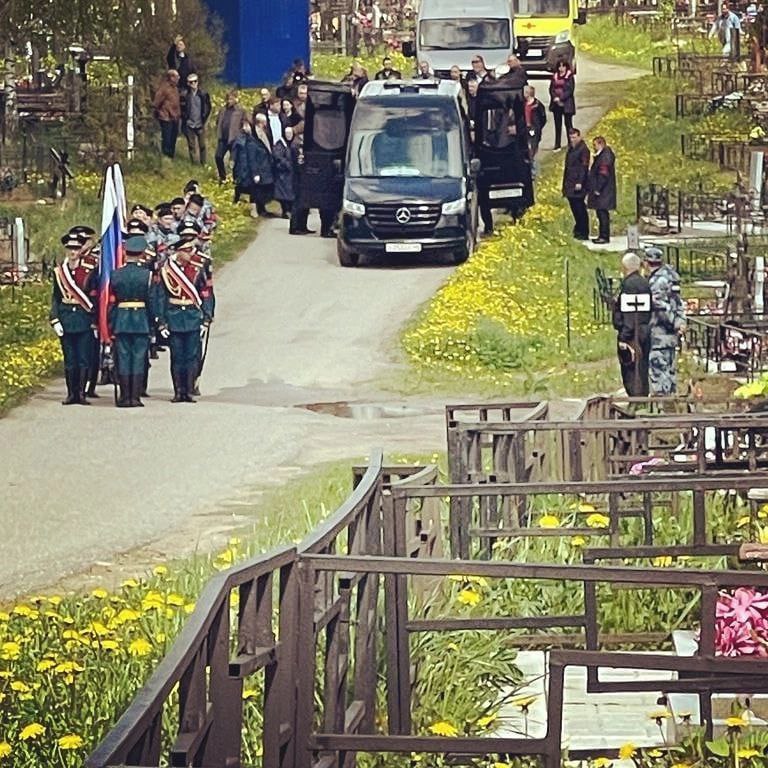
It is important that the people who came to say goodbye have a feeling of correctness - that everything was done as it should be. The master of ceremonies is a person who tells how it is possible, offers options for farewell: write a letter and put it in a coffin, release doves. It is clear that people will still have grief, but you do everything possible so that they do not have regret that the goodbye was not the way they wanted.
I advise everyone not to rush when organizing a funeral. Even one day is enough to not fuss, but to sit down, think, talk with an agent or master of ceremonies. There are many options for farewells, but the ideal one is one that is dedicated to a specific person.
What was the hardest goodbye for you?
When I first started, all the goodbyes were quite difficult. I remember the first child, whose farewell I organized. I practically didn’t sleep the night before because I didn’t understand what I could tell my parents? But dad printed out photographs of the child and, at parting, began to show them and tell him something about his son. Sometimes you learn from those who say goodbye, because they will say the best words.
After eight months of work, I burned out and quit. It felt like I had put myself through a meat grinder and didn’t understand anything: what happened, whether it was right, how to deal with it.
When I announced to the director that I was quitting, he said: “You won’t be able to live any other way.” He probably saw that I was succeeding, that I was devoting myself to work, that this was mine. I was really passionate about introducing something new. For example, people bought multi-colored wreaths for the grave, and I suggested: let's make two wreaths and two baskets in the same shades so that there is a single composition. Or music: before in Kostroma they didn’t turn it on at farewells, and you walked into an echoing room where everyone was sniffling, shuffling their feet, crying - it was terrible. I started offering music to people - everyone agreed.
After I was fired, I got sick, lay down and walked around. Two months later I went to the funeral - just to attend, and little by little I returned to the funeral sphere. And in the summer she already opened a non-profit palliative care organization.
I did not return to the funeral agency - I remained a freelance specialist who is hired to conduct ceremonies. A funeral is hard. Often this is a deception, because you have to sell as much as possible, for as much as possible. For example, sell relatives the service of an elevator that lowers the coffin into the grave. People say that they don’t need it, but you have a task from your manager - do what you want.
I didn’t force it on people—I couldn’t get over myself. And many agents do too. I was fortunate to work in an organization that had humane and compassionate employees. We voiced the elevator option for show, the person said “no,” and we calmed down. We tried, but it didn't work. Sometimes we received reprimands from management, saying that we were incompetent and couldn’t sell anything. But we understood that this was impossible and simply pointless: a person’s entire funeral costs 50 thousand, well, why would he need an elevator for 30 thousand?
Such pressure breaks and interferes. And either you have to become like them, or leave and work on your own. Now I know that I’m not deceiving anyone, but I’m doing everything in my power to make the farewell go well.

There is an opinion that the funeral industry employs cynical people and almost scoundrels who only extort money from relatives. Is this really true?
Of course, there are scoundrels. For me, the worst thing is when an agent is given the address where a person died, and he arrives before the ambulance. He brazenly enters the house and begins to persuade his relatives with tricks: “Come to us, we will count, we have the best.” It happens that people are quoted one amount, and then the price is increased two or three times.
In some agencies, the cost of services such as carrying a coffin depends not on the number of people in the funeral team or the distance, but on the funeral receipt. If a person ordered a coffin for 8,000 rubles, the cost will be lower than if the coffin costs 200 thousand. It is believed that since you buy an expensive coffin, it means you have money and can be ripped off.
There are funeral directors who take advantage of the confusion and grief of relatives, or even take away the passport of the deceased - this is dishonest, the person then cannot turn to another place. And at the moment of grief, relatives are not ready to fight and fight.
The rush and the state of passion are very disturbing here. It’s good if someone who is not grieving the loss so much goes along with close relatives to sort out the arrangements for the farewell. Such a person will be able to be more detached and sober in making decisions.
How do you restore resources and preserve yourself?
I live outside the city, I have two dogs - they are my stress relievers. I go for a walk with them in the field; it’s important for me to be with nature. We also have a club in our village where we lead a very active life. We have a choir “The Soul Sings”, every Thursday we meet, rehearse, and go to concerts in neighboring villages. At the New Year's holiday, I will most likely be the Snow Maiden. I have a lot of movement, songs, holidays, dressing up and skits. As much as there is death, there must be as much life.
You should always ask yourself what can help you now. Apart from alcohol, of course, this is not a solution. Recently there was a ceremony: a woman, 42 years old, died, leaving eight children. I did not conduct this farewell, I simply controlled the process and suggested. Then I came home, took a shower and slept for a couple of hours. And in the evening there is a concert. This is how we live.