
Translated material
Who stores the traditions of Clezmers?
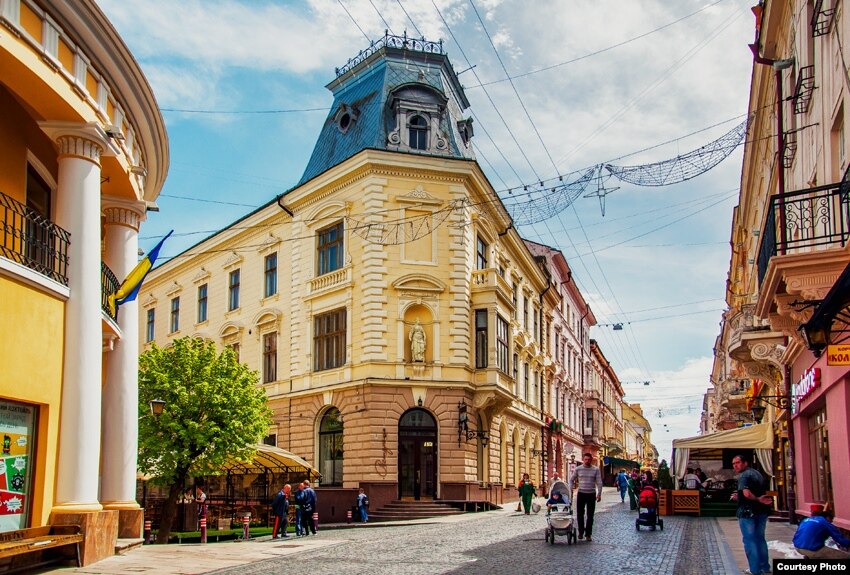
Chernivtsi in Austria, in Romania, in the post -war USSR had a reputation as a Jewish city. Since the mid-60s, dozens of thousands of Chernivtsi Jews left their city, but the music remained. The orchestra of Clezmer music is led by C conductor Lev Feldman. Igor Pomerantsev talks to him

How to get around the lock?
Read>Igor Pomerantsev: Leo, you were born in this city, in Chernivtsi, 76 years ago. You have been living in the city of Chernivtsi for 76 years. I have to explain to our listeners: we turn to each other to "you" because we studied at the same school in Chernivtsi. Leo, what do you remember about the Chernivtsi of your childhood? I turn to your Jewish memory. Did the parents spoke in the Yiddish, did they follow any rituals, were in the synagogue, did you hear Matsa's crunch? These children's and adolescence.
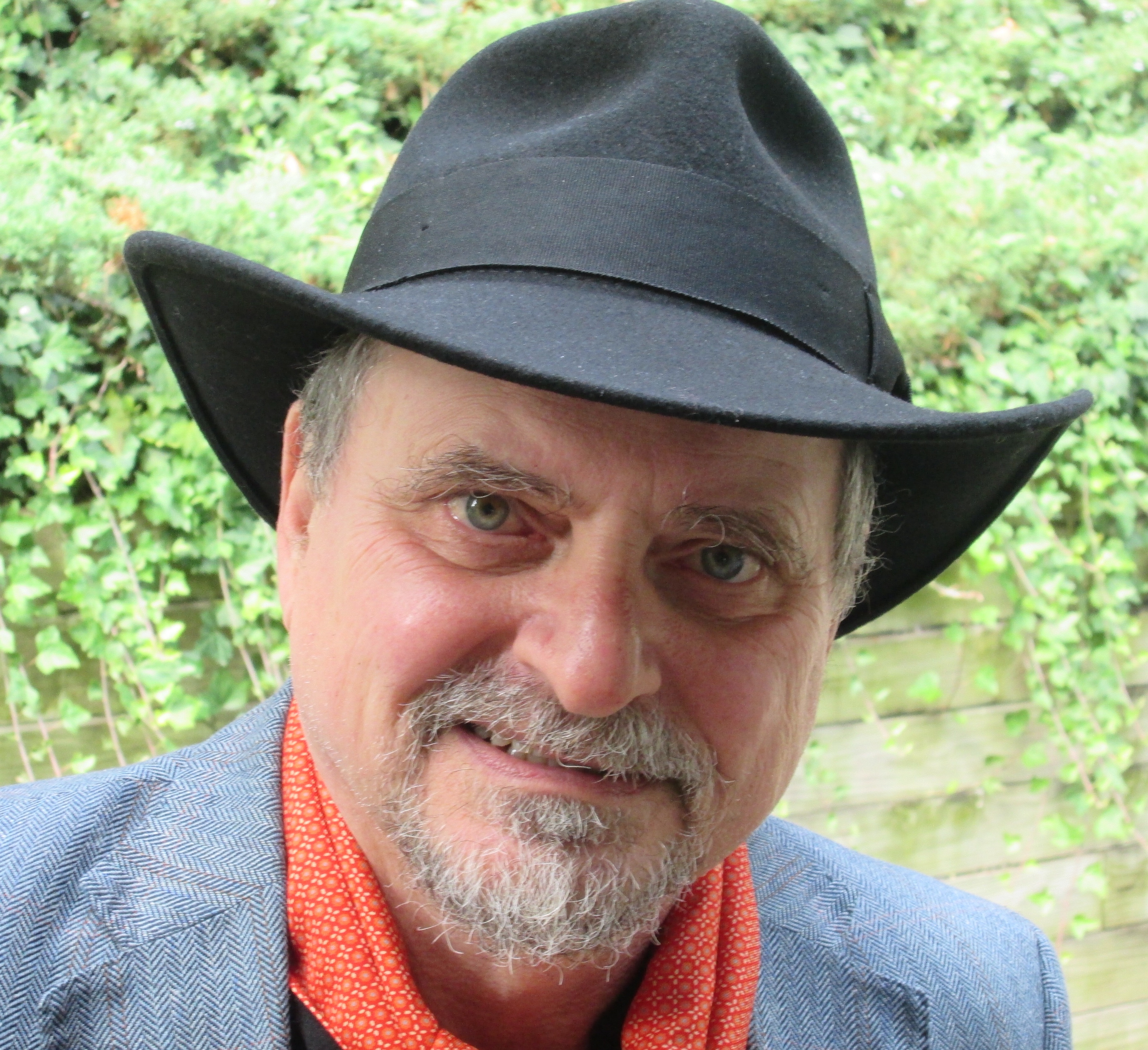
Chernivtsi in Austria, in Romania, in the post -war USSR had a reputation as a Jewish city. Since the mid-60s, dozens of thousands of Chernivtsi Jews left their city, but the music remained. The orchestra of Clezmer music is led by C conductor Lev Feldman. Igor Pomerantsev talks to him
(Sound transmission about Clezer - in the second half of the file)
Lev Feldman: From childhood, as soon as I began to think, I understood that I live in a Jewish family, but not so much as to feel that all the same as me. After the war, my grandfather and grandmother lived in Zhytomyr, I often went to them in childhood. Every summer I went to the Zhytomyr synagogue, knew all mythologems and rituals, it seemed to me that everyone had it.
At school, in my opinion in the 3rd grade, we wrote the presentation "How did you spend the summer?" Naturally, I wrote the truth: I was in a synagogue in the summer with my grandfather and grandmother, I saw how they prayed, Shabbat, and other holidays. My father was called to school, because something was wrong, they talked with him. Then dad said to me: "Son, you should not write everything that you have seen and know." This was the first moment in my life when I found out that I was not like everyone else.
My grandfather and grandmother moved here, my grandfather became one of the most frequent and main visitors to the synagogue, and I often went there with him. We have guests who came, friends of our family - they were all people from Berdichev, or Zhytomyr, or Central Ukraine, all of them were united by one thought that the core of our lives is Jewish folklore, this is Jewish literature. Dad before the war was an actor of the Jewish theater, from where my roots are.
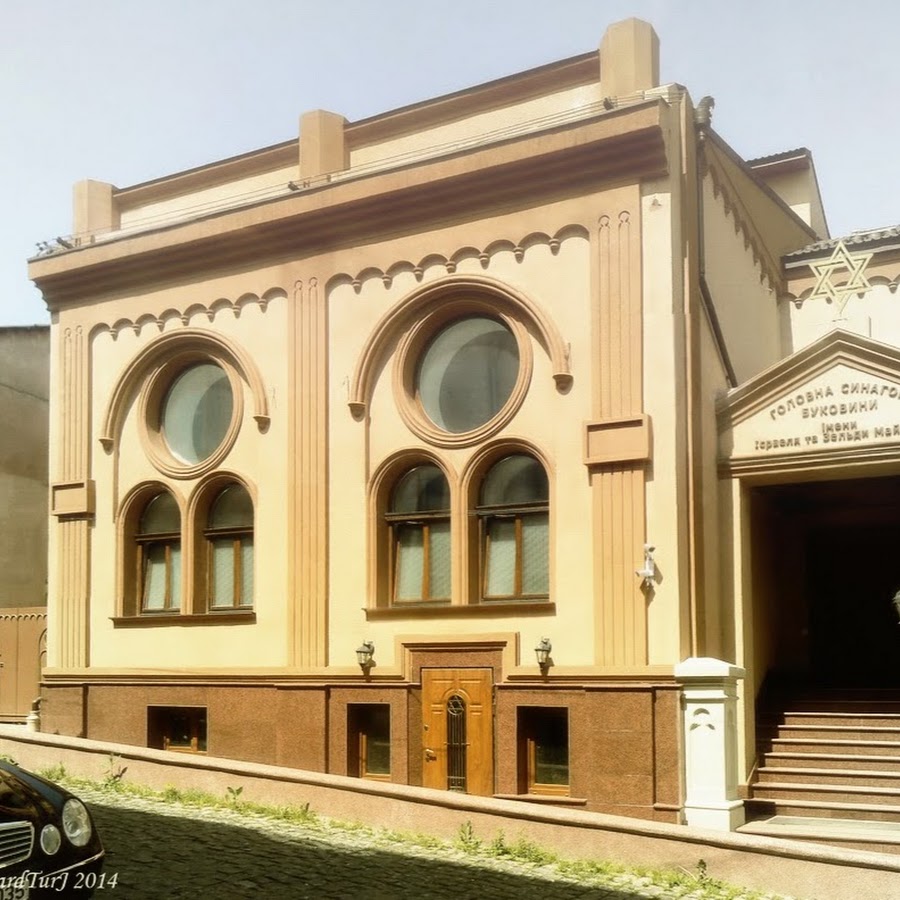
At these meetings, at every evenings I remembered. I read a lot for Yiddish, and talked to Yiddish, so I know very well. I did not have to communicate in this language. Sometimes it happens that people come and begin to speak, it breaks through, and it seems to me that there were no pauses in this aspect. The evenings that were dedicated to the meetings began and ended with songs, not by Soviet songs, of course, basically it were Yiddish songs.
Igor Pomerantsev: Leo, you graduated from the music school in Chernivtsi in the Bayan class. Is that right?
Lev Feldman: No, I graduated from the cultural education in the Bayan class. I played on the accordion, graduated from a music school, I was allowed to teach an accordion. And so the accordion was prohibited, there was no music school anywhere. My parents did not give me a professional, simply because it was fashionable to engage in music, private lessons, of course, introduced me to this, bought an instrument, I was engaged. The result was higher than expected.
Igor Pomerantsev: What have you been taught at the cultural education?
I don't need to be a propagandist, I want to become a musician
Lev Feldman: Dad led when I graduated from a music school, to the then director of a music school, dad and director of the school were participants in the war, it was easy for them to say. Dad said: "I want you to listen to my son and say, there is a result to be a profession for him." When the director of the school listened to me, he said that a magnificent musician, but we do not have an accordion, and we advise you to enter the cultural light, and then a year later we will transfer to a music school. It so happened that the teacher who taught me, he disappeared, changed a lot for this year, I generally decided to quit music. Because there was a little more politics in the profession, training turned more in propaganda, but I needed music. I decided that I did not need to be a propagandist, I want to become a musician, and I did everything for this to become a musician.
Igor Pomerantsev: Did you think to enter the conservatory?
Lev Feldman: After this school, documents were not accepted to the conservatory. Therefore, I moved to Kharkov and studied at the Institute of Culture there. To say that I regret it is not. I own all those knowledge and level, now I am teaching at school. The former Muzucchiya became a school of art, where I work with students.
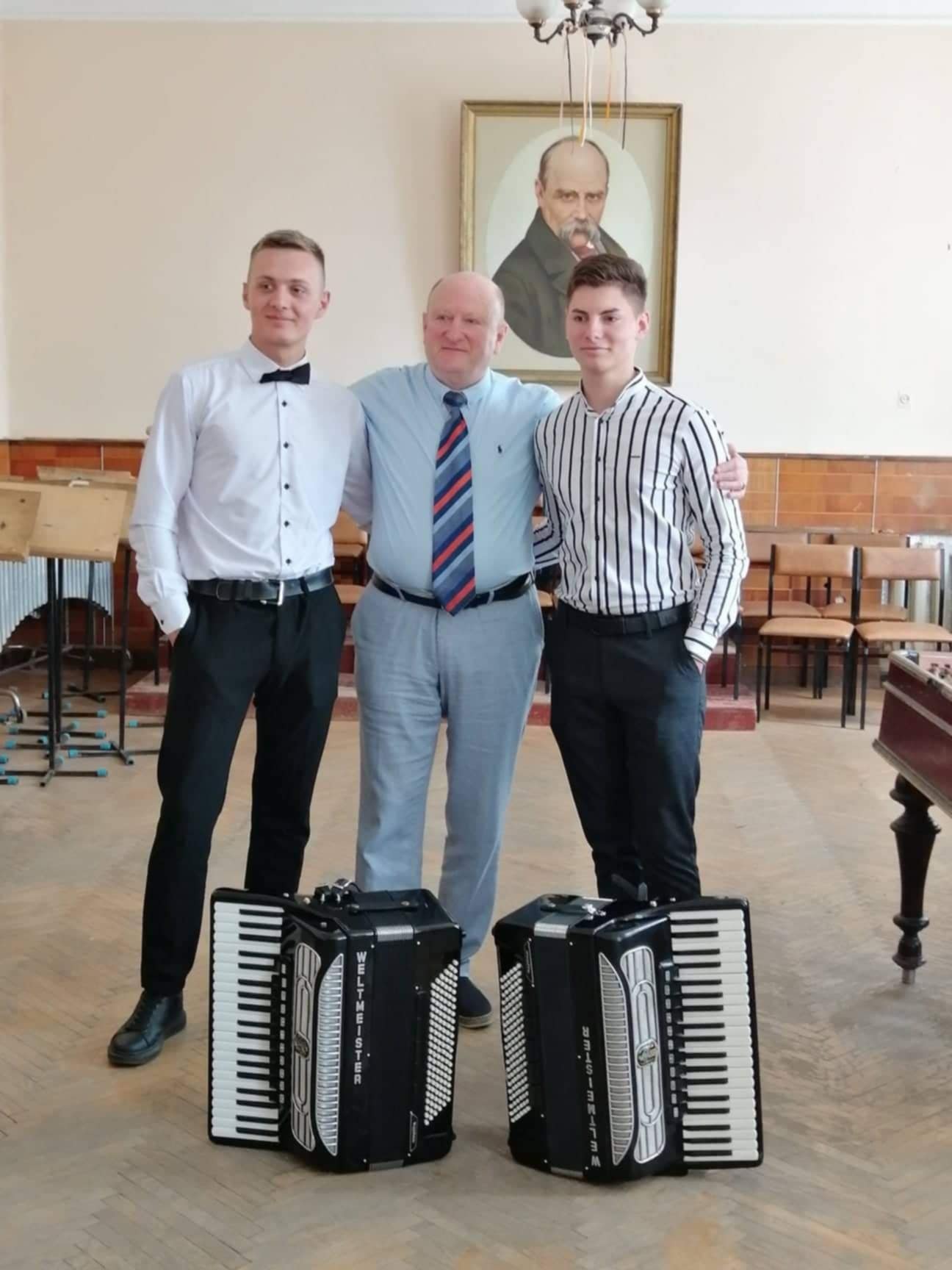
Igor Pomerantsev: Chernivtsi-the city is still with very deep musical traditions, both Jewish, Romanian, and Ukrainian. The city where the Great Tenor Joseph Schmidt was born and raised, he sang here in adolescence in the choral synagogue. What sounds, what votes - Jewish, Ukrainian, Romanian - do you hear in the air of the Chernivtsi?
Lev Feldman: They often ask me in an interview: "Why didn't you leave?" I answer: "I have not left, I live in the city in which I was born, I live in the country in which I was born, and I live with the traditions that were when I lived before." Therefore, I can talk about two periods. One of the most important periods in this matter, it is very expensive for me, because through me the legacy that gave me the years when I lived in the Soviet Union, namely in the direction of Jewry, will remain.
My mom and dad brought up in me a sense of respect for art and Jewry
Yes, everything was covered with a hat, it was impossible to eat Matsu when it was necessary to eat it, purchase underground, but I had it all. My mom and dad brought up in me a sense of respect for art and Jewry. Therefore, I give preference to the time where the Jewish language sounded everywhere. Mom and dad graduated from Jewish schools before the war, they were educated, mother had a higher education of accounting, they owned the Yidd. Therefore, I always heard more Jewish language on the streets, sometimes Ukrainian sounded in the vocabulary, it sounded German more often than Jewish, Romanian also sounded, but not like Ukrainian, less. I heard him when you open the door of the apartment in the morning, there were a lot of people and they sold everything cheaply, there was no need to go to the bazaar, but everything was brought. So I heard there when my mother began to speak in rhms, she mastered to speak with people, Romanian language. I heard the Ukrainian language from people who came here to sell their home products.
At the school where I studied, in all everyday circumstances, the Russian language prevailed over everyone. But, studying with you in the same class, did we not know Ukrainian? They knew. I remember this class of Ukrainian literature and language, we worried, receiving an assessment for the Ukrainian dictation than for Russian. In childhood, we did not separate Ukraine from Bukovina, although we did not understand why some people speak Russian only here, while others are not clear in which languages. We did not realize why Russian, I cannot say that I understood that it was a state language and we had to speak it. They spoke in Russian, and all, taught in Russian.
I revel in the Ukrainian language, I teach among Ukrainians
At the present time, I am very happy, not at all upset that I am reveling in the Ukrainian language, I teach among the Ukrainians, now they have become less, more Romanians, the Romanian population prevails in a musical direction, they are very capable. The Ukrainian language has become my second language, not Russian, but Ukrainian. I believed that I was Russian-speaking, but still I was a Jew, I knew Yiddish, I knew that this was my language. My dad and mom always wrote, dad was not, but mom wrote: native language is Jewish. And I had to write "Russian", of course, dad wrote "Russian".
Igor Pomerantsev: You founded your Feldman Band orchestra more than 20 years ago. Did the composition of the musicians change? And were there only Jews among the musicians, Jews Ukrainians and Romanians? After all, by the way, the Jews left in general from the Chernivtsi, and did the Jews remain in your orchestra?
Lev Feldman: The initiator of the organization of this orchestra was such a famous Leonid Fuchs, this is a Jewish charity fund in the United States. It began in 2000, and I was called there. This was all carried out by such a composer Chernivtsi Leonid Zatulovsky.
Igor Pomerantsev: I knew Leonid well.
I say: "And how to check them that they are Jews?"
Lev Feldman: He believed that I was one of those at this time of musicians who could revive something Jewish, and offered me to Fuchs. Fuchs posed one question that it will be only Jewish and there will be only Jews. I say: "And how to check them that they are Jews?" I believe that it doesn’t matter if the Jew is playing music, or a Ukrainian, or a Moldavian, or a German, or an Englishman, the main thing is that he plays: Jewish music, if he is Jewish, English, Romanian. Therefore, I told him that I would not go to you according to those parameters, because the city has not left at that time the level of musicians who were supposed to master the concept of “Clezmer” incomprehensible to them.
I myself also did not understand, because I didn’t do it, but since I was invited, I decided to study these spheres of Clezmer, what it is, where it is, what kind of word it is.
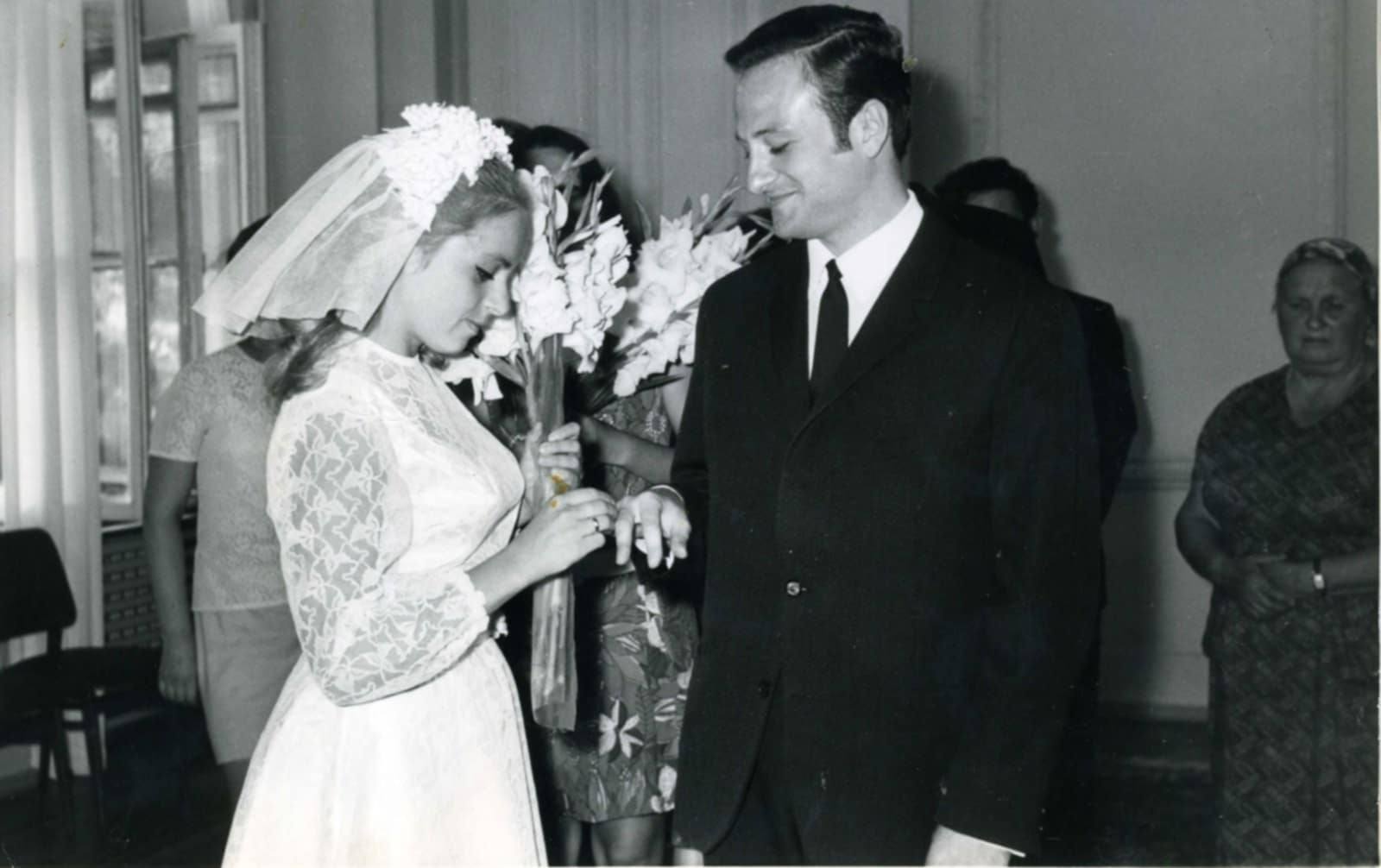
In my orchestra there was a Jew-agent Feldman Lev Borisovich. The second Jew is my son, my wife is not a Jewish. My son Feldman Dmitry Lvovich, he was a famous musician, bass player, violinist, laureate of competitions. There was another very interesting woman, a teacher of a music school, a violinist. Everything else - I just gained musicians who wanted to play in this orchestra, because they knew that the leader Feldman Lev Borisovich - these were my students, graduates.
At first it was not clear for them why they exist here. I managed to create a Jewish direction, they played through me, through my prism. I explained every movement, every element of national Jewish music. Thus, they traveled to me all of Europe, we played in synagogues, we played in Orthodox and various other cultural institutions, represented Jewish art.
I remember one speech, it was in Austria at the invitation of the Catholic Cathedral, where we were supposed to participate in the Mass dedicated to the apology of the Pope of the Roman society for what was done in past years. And we went there and performed. I liked the very attitude. When we went in, it turned out that all parishioners knelt down. He talked about how much was done in relation to the Jewish people of the bad, and asked for an apology. We played a concert, it was very long, but not a single parishioner left to the end.
Igor Pomerantsev: Clezmer is folk folklore Jewish music, this music has its own style. There is, in my opinion, an element of folklore of neighbors, Romanian folklore, Ukrainian, German. How does it all get along, who influenced whom?
Leo Feldman: Jews were not allowed into large cities, they lived in the towns. Therefore, the music, when it appeared from these musical groups, people who began the development of their activities, it took place in rural and district centers, from there it slowly advanced to the cities. Therefore, if we talk about Ukrainian culture, it is very close to me, Romanian culture, Moldavian culture.
In our Chernivtsi region, where there were a lot of small compositions of orchestras, by the way, they were not all Jewish, they consisted of musicians of Ukrainian nationality, but they played non-Jews, played Jewish, they played Jewish weddings. Of course, at the last concert, which was on the 20th anniversary, the main work was Duin and the Hutsul Frelex. "Duin" is a prayer, it refers not only to the Jews.
Igor Pomerantsev: This is the Romanian word.
Lev Feldman: Yes, but there are Czech duins, there are Hungarian duins, there are Armenian duins. The concept of "Duin" is a reading of a prayer book, which represents a religion where people sing and glorify the Lord God with the language of music. We had such a Duin, it was taken by me from the pentagrams of others, I just loaded it in my own way. Further "Hutsul Frelex". ( Sings.) I sung a little, I think people will understand. Inner breathing is the basis of the performing culture of instrumental music and vocal Jewish, this is the basis of the nature of the Jewish music.
Igor Pomerantsev: You conduct an orchestra. When you conduct the orchestra, do you sing about this music to yourself?
Lev Feldman: It happens differently. Do not sing to yourself and not know what they play is generally impossible to stand in front of the orchestra. Therefore, I not only sing - I live with this music, I live it. The basis of the Jewish concert in two departments was a program through music, through me the character of a Jew, Jewry, which consisted in the content of that music. I gestured, I turned into the hall, I danced.
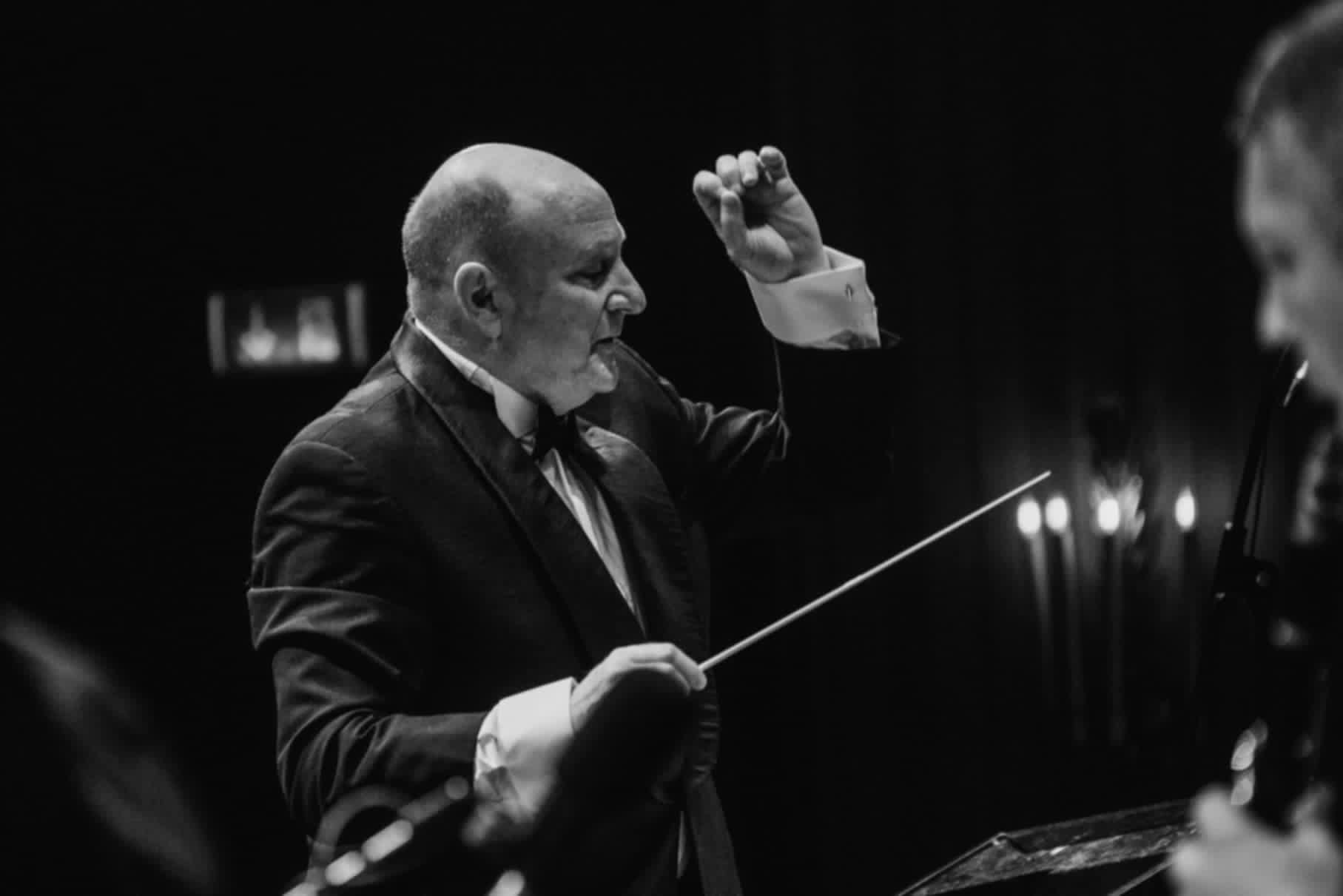
Igor Pomerantsev: I saw. I was delighted with your dancing.
Lev Feldman: I am not a dancer, but I saw how dad did it, how they portrayed all this in companies. I imitated some musical turns through my facial expression, turned into the hall and felt understanding.
For example, recently, a very good work has been called "Jewish dance", where a musician musician who plays on Tsimbalah (Tsimbali is not the instrument that they say that this is the instrument more Romanian or Hungarian), cymbals are an international tool, like a violin. Its origin is closer to the east. Cambulist Andrei Voichuk, who is now working in the state orchestra of Ukraine, he performed in a concert, I asked him: "Andryushenka, be affectionate, please play as I taught you, with such feelings that you are very painful or very joyful for you."
I turned to the hall and said: "Well, see"
When he started playing painfully, I went off the stand of the conductor and turned to the hall, the hall of approximately a thousand people, and said: "Well, you see." And he went to him, I portrayed this kindness, this pity. And suddenly he began to play a very dashing dance melody. I was transformed, and the hall began to applaud. That is, in short, to reveal your soul and the direction of your activity in the propaganda of the music that I represented.
Igor Pomerantsev: Could you sing your favorite melody at least half a minute?
(Sings)
Igor Pomerantsev: How does the Ukrainian audience perceive Jewish music?
Leo Feldman: This is amazing. If they had not perceived, I would not have received the title of "Honored Artist of Ukraine", I would not become an honorary citizen of the city of Chernivtsi. The poster, where the Feldman Band concert was written, she could accommodate four halls, stood five halls and waited for one hall to come out. So I can say so briefly, without praising myself, but praising Ukrainian.
Why do Ukrainians love Jewish music?
Igor Pomerantsev: Why do Ukrainians love Jewish music?
Lev Feldman: The kinship is that both those and those were persecuted in due time. Here we must answer, why do they not like Russian, those who do not like? Also for this reason: because it was praised and they humiliated the nation. Talking in the Ukrainian in the 40s (I was born in 1948), I can’t remember, I don’t know what it was in 1946, I also did not understand in 1950, the Ukrainian language was as exterminated as the Jewish, which was destroyed in 1948–49, is prohibited. Therefore, I believe that Ukrainians see the kinship of the fate of the peoples, and now even more so.
Igor Pomerantsev: In the cinema, once it was a synagogue, a memorial plaque of the memory of Joseph Schmidt hangs, it was called German Cruise. Jewish music between the two world wars is somehow surrendered, resonated, and aircraft in you?
Lev Feldman: This is a tragedy of those years, this tragedy has repeated now. Frankly, I am very afraid that the time will come, which will be just as a photograph of that time, the same. Joseph Schmidt did not understand, he was like a naive boy, he did not understand how to destroy the beautiful. He did not understand to himself as what he created, gaining authority in America and everywhere, he tried to return to Europe, where he was expected, like millions of people, to destroy.
Igor Pomerantsev: You are talking about two tragedies, do you mean the current war?
Lev Feldman: Yes. I see this, I am afraid that we live at that time, although not all of this represent, but I imagine. I am talking about my students about the situation that is now being created, about the appearance that they are fighting fascism in Ukraine, but are the fascists who are fighting the people and want to destroy it. Medvedev’s last speech, which I heard, where he says that we must go to the borders of Poland and clear everything that is here, and we will do it. This is said by the head of the Russian nation.