
Translated material
Prison for all of Europe
How is the most secure prison in the Netherlands organized? His former employee says
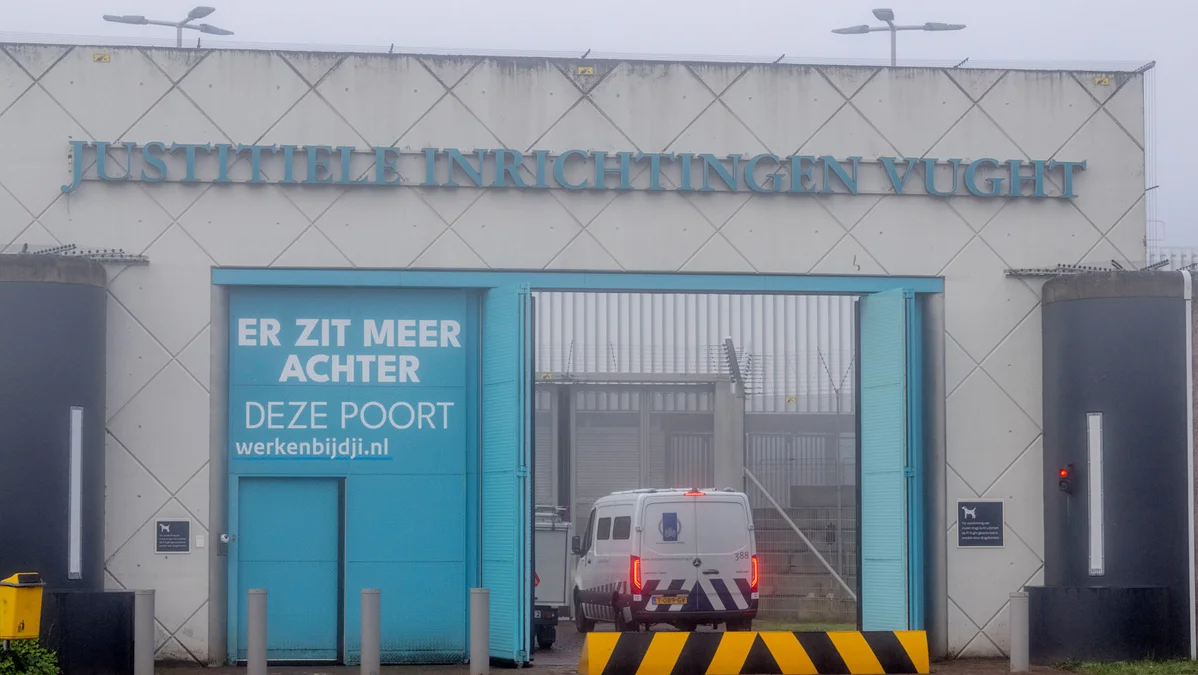
Gate of Fücht prison, 2023. Photo: RUT / Splash News / Vida Press
Svetlana Bronnikova worked in a Dutch prison from 2009 to 2011. Since then, she has kept in touch with former colleagues and monitors the situation in the country's penitentiary system. Svetlana agreed to tell Novaya-Europa about the structure of places of detention in the Netherlands and what kind of convicts are kept there.
Svetlana Bronnikova
worked in the Ministry of Justice of the Netherlands, in a men's prison, in a department for repeat offenders who use drugs
Bathroom, books, TV
— Please tell us about which prison you worked in.
— I was a psychologist in a prison in the small town of Fuecht, located near 's-Hertogenbosch, the capital of the province of North Brabant. This prison is one of the most secure in the Netherlands and throughout Europe. It was built on the site of a concentration camp where the Nazis held Jews during World War II. Today it is extremely difficult to escape from there. In addition to local criminals, this institution houses the most dangerous prisoners, including international terrorists from other EU countries, specially brought there to serve life sentences.
— What is a Dutch prison like?
— In any Dutch prison there are several departments. For example, I worked in a building where people with chemical dependencies were housed. These prisoners require special conditions of detention. Therefore, our regime was a little softer than in other departments. There is also a building for prisoners with mental disorders and diseases such as schizophrenia, the mentally ill and those prone to suicide. During my time, a psychiatric center for prisoners was created on its basis. Serial killers, maniacs and rapists with pathologies are also placed there for life. There is a special block for terrorists. The remaining rooms house ordinary prisoners.
— How many people are in the cells? What is the mode?
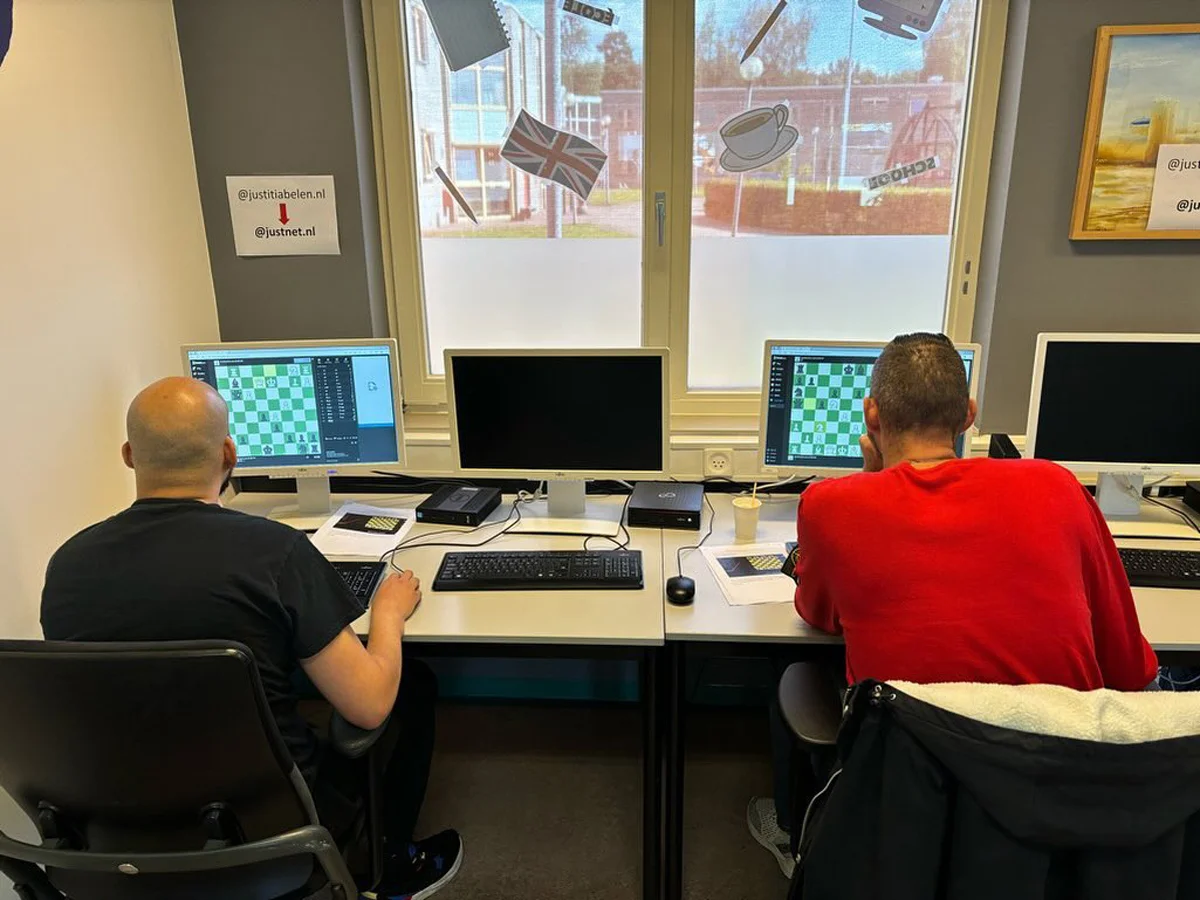
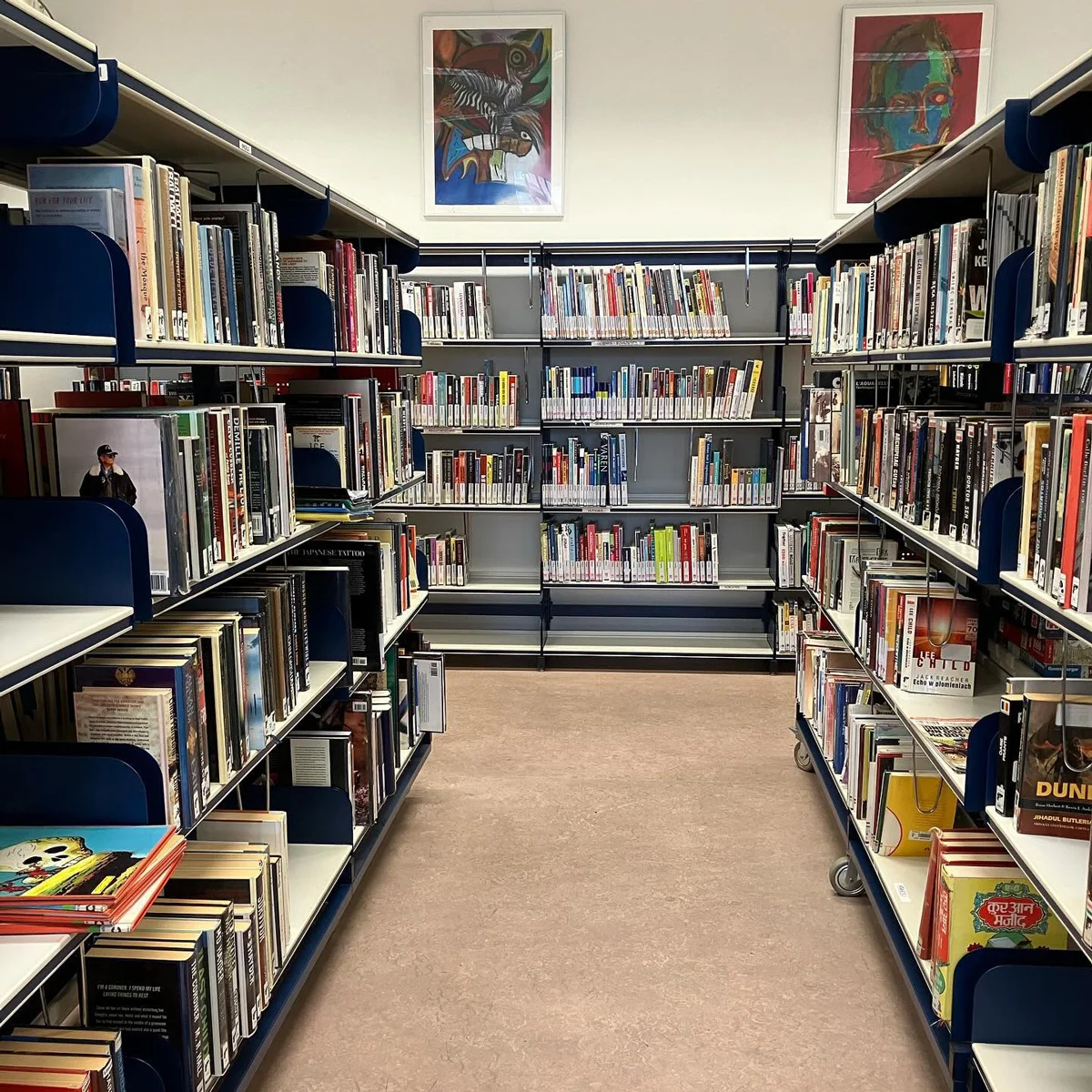
— Immediately after entering the room where prisoners sit, there is a hall with a TV, sofas, a large dining table and a kitchen where prisoners can prepare their own food. They buy food in the prison store, paying either with money earned in prison or with financial assistance received from outside the prison. Prisoners often cook various national dishes, representing the cuisine of their country. The assortment in the store is approximately equal to the range of products in a small station shop: meat, chicken, cold cuts, sausage and ham, cheeses, pastries, sweets. Next comes the residential sector. Each prisoner sits in a separate small cell. This is a room that has a toilet with a sink, a bed, a table, a bookshelf, and a personal TV. It looks like an ordinary room in a cheap Russian hotel in a provincial town. Showers for everyone on the floor. The library is open. Prisons in the Netherlands are considered among the most comfortable in the world. Delegations from all over the world come to study there. For example, from the United States.

Work, study, sports
— What kind of work is there for prisoners in prison?
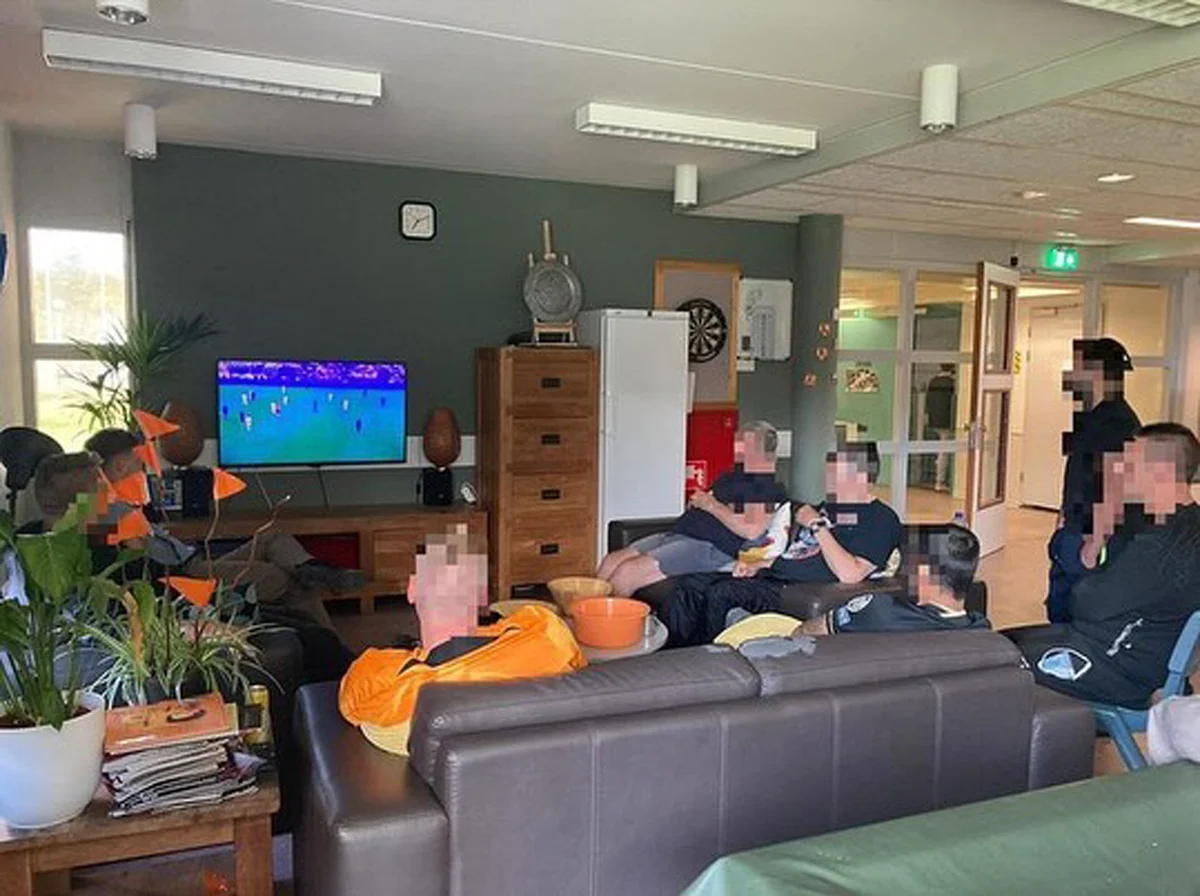
— Various types of work. We had a carpentry and metalworking shop. They don't pay much there. The overwhelming number of prisoners prefer not to work at all. You can also study in prison - there is a training center. For example, they teach the basics of programming there.
— Are prisoners released outside?
— There is a place for walking at the department. There you can play sports, play basketball and volleyball.
— Who, besides terrorists, is kept in this prison?
- Completely different people. The Dutch sit next to visitors from other countries. I met people from Somalia, Morocco, and visitors from the former colonies of the Netherlands - Aruba and Suriname, and the Antilles. There are many Muslims among the prisoners. I didn’t meet any Russians, but I did meet citizens of countries from the post-Soviet space. I remember one Georgian who was caught committing some petty crime. He was due to be deported from the Netherlands because he had long overstayed his visa. This Georgian was terribly rowdy, breaking objects that came to hand, and trying to attack the guards. When I came to him, this man was fixed on the bed. As a result, they were expelled from the country.
— Are those who went to prison for the first time imprisoned separately from repeat offenders ?
- No, a drug dealer who is already on his tenth conviction for trafficking cocaine is sitting next to someone who was caught stealing a bicycle for the first time. At the same time, there is no criminal hierarchy among prisoners. But any aggression towards other prisoners is punished very strictly. A person can be recorded, as happened with the Georgian I told about. But this rarely happens.
Internet, telephone, vacation home
— In what conditions are ordinary prisoners kept?
— Rise daily at 7:30 a.m. (sometimes scheduled at 8:00 a.m.), lights out at 10:00 p.m. During the day - a walk, after lunch - time to watch TV. From 5 p.m. everyone goes to their cells. When I worked in the penitentiary system, housing one prisoner per day cost the Dutch budget 180 euros. Now, due to inflation, this amount could increase even more. Prisoners have library hour where they can read books and newspapers, as well as have access to a computer with internet and the ability to write emails to loved ones. They are also allowed to call their loved ones by phone. For good behavior, prisoners who have taken the path of correction are allowed to go home on leave for the weekend. They are usually given 36 hours.
— How are terrorists kept?
— Terrorists often have a tendency to escape. In addition, they usually belong to organizations that try to free their members from imprisonment. Therefore, terrorists, as a rule, from Islamic groups, are kept in the most severe conditions in complete isolation. They are placed in a special separate anti-terrorist building, on the second level of which there are only four single cells. Only two of them were filled in when I was there. The prisoners are separated from other rooms by armored glass ten centimeters thick, which completely blocks out sounds. The entire first floor is reserved for security. The teachers here carry weapons and are obliged to shoot to kill in the event of an attempt to escape or any dangerous behavior of the convicts. The terrorists are taken for a walk to a separate small courtyard, fenced on all sides by walls. The guards have no right to talk to them or even interfere in their conflicts. I know of a case where, after a quarrel, two prisoners decided to sort things out during a walk, and one of them beat the other to death. The security simply had no right to separate them.
Quarrels, fights, suicides
—Who serves in the prison? How much do guards earn?
— In the Netherlands they are called educators. The men's prison employs staff of both sexes in approximately equal proportions. Psychologists are almost always only women. In a women's prison it's the opposite. This is done to relieve psychological stress. Indeed, in a purely same-sex environment, the level of aggression increases. An ordinary teacher receives after taxes the average salary for a Dutch official of 2.5–3 thousand euros per month.
Those who work with terrorists receive significant bonuses. Our department was headed by a man who himself had previously served time in prison for drug offenses. Upon his release, he decided to help the convicts,
received a special education and got a job in a prison. Each prison employee wears a pager, which receives special messages in the event of an emergency, such as a riot or other urgent need. Once a week, prison staff and psychologists meet with an outside psychiatrist who examined them. He also decided whether to prescribe antidepressants and other medications to prisoners. An hour of work by such an independent specialist then cost 250 euros. Now the price has increased even more.
— Why did you decide to go to work in prison? What do psychologists do in Dutch prisons?
— I defended my PhD in psychological sciences in Moscow. After that, she got a job with Doctors Without Borders. Soon I was invited to Belgium to work on the topic of chemical addiction. At that time in Benelux there were many Russian-speaking people with this problem. Two and a half years later, I moved to the Netherlands, confirmed my Russian educational diploma and received a license as a psychologist. After that, they began to invite me to collaborate in different places. I chose prison. I had to undergo a standard criminal background check. Such checks are mandatory for those who want to get a job in an educational and medical institution. This was followed by short training, the main part of which was the humane treatment of prisoners. I remember the phrase well: “These people have already been punished enough for their misdeeds by imprisonment. The punishment has already been determined by the court and the state. We have no right to punish them in any other way.”
In Russia, FSIN employees work in the penal system. They punish the convicted. And sometimes they don’t know the limits. It’s no secret that people with sadistic tendencies often go into this field in the Russian Federation. This is not possible in the Netherlands. Here, educators treat their students as human beings, without fear and even with respect for the individual. Upon completion of training, all employees take the oath of office to the Ministry of Justice. I was then sent to very expensive Dutch language courses, which were paid for by my employer.
It was my research interest that brought me personally to work in prison. I wanted to understand the nature of evil. Understand what makes people do extreme things that change their lives forever. The Netherlands is, according to statistics, one of the safest countries in the world. But it also contains absolutely creepy characters. It quickly became clear that evil has no attractive force or romance.
Fights, quarrels, violent outbursts and suicides are the main problems in prisons. As a rule, any psychological illness worsens in captivity.
If a person suffered from depression, it increases many times over. Psychologists must prevent such emergencies.
Another task of the psychologist is to prepare convicts for existence in freedom. It is no secret that former prisoners require rehabilitation after leaving prison. After all, during their imprisonment they lose the skills to adapt to normal life. It becomes difficult for them to make decisions on their own. After all, for a long time, prison residents live according to an imposed routine and are practically deprived of the right to any choice.
— Russian opposition activist Alexander Dolmatov, whom the court sentenced to deportation, hanged himself in 2013 in a prison in the Dutch city of Rotterdam.
“It is impossible to completely avoid such cases. But everything necessary is being done for this. They try not to give prisoners the opportunity to commit suicide. Qualified psychological assistance is also provided, which they can seek at any time. In most cases, the attempt to commit suicide cannot be completed. In Dutch prisons, the percentage of completed suicides is very low compared to other countries.
Thieves, rapists, maniacs
—Which of your prison charges do you remember most?
— There were a lot of different people. I'll remember some. One of the brightest prisoners was a professional bicycle thief, already of a very serious age - over fifty. He had master keys for any locks at his disposal. He knew the structure of all bicycles perfectly. In a noisy crowd he could forge and take away every bike he liked in a minute. He was unusually gifted technically. We tried to convince him that with such abilities you can get a job as a mechanic in any workshop. But in the end he refused to receive specialized education. I was unable to help in any way to correct this man. It is interesting that this inveterate repeat offender performed noble deeds. So, he gave a roof over the head to a foreign girl who found herself in a difficult life situation. However, they did not have a romantic relationship. He just let her live in his small apartment.

One day, the head of our department asked me to attend an interview with a prisoner who was under enhanced conditions of detention. He used to fight with other convicts. But he seemed to have taken the path of correction and asked to come to our department, where there were certain concessions. It turned out to be a dazzlingly beautiful man of original Dutch breed. With bottomless blue eyes and long eyelashes, a straight nose and high cheekbones. Whether for a painting or for an advertisement. I looked into his file and it turns out he is a serial rapist. Moreover, he has already received several terms. This was his sixth or seventh trip. He met girls. I communicated normally for some time. But after parting, he came to the last conversation, where he brutally beat and then raped his victims. He tried to charm me with his appearance. But I saw before me a cynical psychopath who was trying to make his life in prison as comfortable as possible. He failed, and I spoke out against easing his regime.
But a truck driver, who was on stimulants, brutally killed a drug dealer who had gotten his ex-girlfriend hooked on drugs. Got 13 years. He was terribly tormented by remorse and physically suffered from what he had done. I tried to help him. And in the end he was transferred to a psychiatric center, where he got out of depression, began to play volleyball and even smile.
The most dramatic story happened with the participation of the most famous Dutch investigative journalist, Peter de Vries. He wanted to do an interview with a pedophile maniac who had been raping and killing children and teenagers for many years. It took a long time to catch the monster. And, although this is strictly prohibited, de Vries brought a video camera into the prison and filmed the serial killer up close. After the program was released, a terrible scandal broke out. But the reporter said the victims' families have the right to look into the eyes of the one who took the lives of their loved ones. I talked to this killer. And there was nothing interesting about it at all. A completely emotionally empty, poorly educated psychopath with delusions of violence. He just liked to kill. He was imprisoned for life, isolated from all other prisoners. De Vries was then shot dead by unknown assailants on the streets of Amsterdam. He bothered a lot of people.
- Why did you leave this job?
— My husband came to me from Russia after a long break. And family life is not very suitable for serving in prison, because I often worked on weekends. But the main reason was that in two and a half years of work I dealt with many prisoners being released.
Unfortunately, many of them did not receive the necessary support from the authorities after their imprisonment. Although the Netherlands has one of the lowest recidivism rates in the world. However, in practice this entire system often did not work.
Sometimes municipalities, instead of helping, on the contrary, did everything to prevent a person from adapting. Former prisoners were not provided with the housing required by law and were not given work. And people who were full of hopes for a better life after leaving prison found themselves “between heaven and earth.” In small Dutch cities this is extremely difficult to survive. Everyone there knows each other. Former prisoners could not integrate into this community. And my charges slipped back into the criminal environment. It is very difficult to see the fruits of your hard work literally flushed down the toilet. In the end, I realized that I didn’t want to waste my resources and decided to quit.