
Translated material
S-brandili
How does “Armenian cognac” differ from French (as well as one useful piece of advice on what you shouldn’t drink these drinks with)
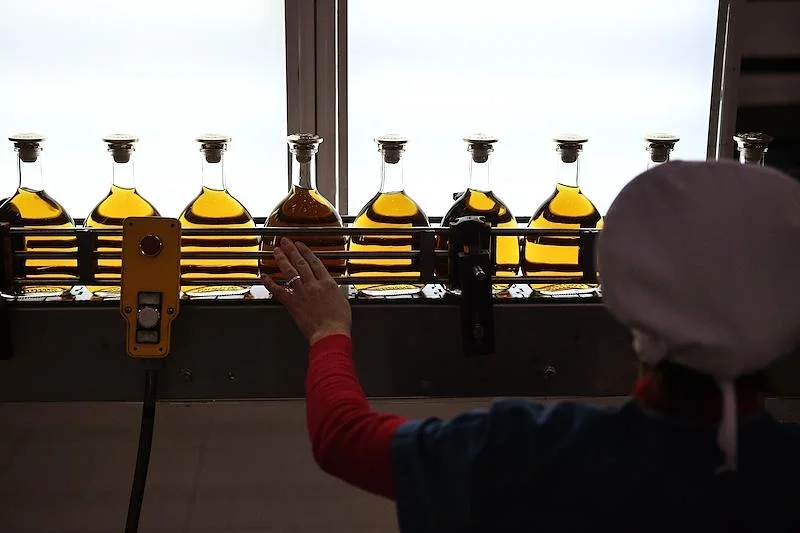
Simplicity is worse than theft. Especially if you don't even think you stole anything. You acted “in a simple way” and say: think about it, why so-and-so? This is roughly how “Armenian cognac” or “Soviet champagne” appeared.
If you start from the rules and rights, then champagne is a sparkling wine produced in the French region of Champagne. Like cognac - only that produced in the Cognac region. This doesn't mean that French is necessarily better or more delicious. That it is real, and the rest is a pitiful (or less pitiful) imitation. No. That's just the rules. The product is named after the place from which it originated and its name is protected. And you can make your own sparkling or brandy - and they will be even better! But they should be called differently.
Actually, Nikol Pashinyan said about this: “This cannot be done, cognac is an intangible value of France. It doesn’t happen that we say “Armenian cognac” or “Armenian brandy”. After this statement, Pashinyan was reproached for selling out his own cognac.
They also said something to the effect that the word “cognac” has become a common noun, like a copier or diaper, and there is no need to change anything. In everyday life, it’s really unlikely that anything will change immediately. However, the same Xerox and Pampers will not allow you to release their products with these words in the name.
By the way, about the products. Armenian cognac has always been closely associated with France. And when, in the late 80s of the 19th century, his “father” Nerses Tairyan began producing brandy using the already recognized French technology. And now, when almost all the main cognac assets in Armenia belong to the French alcohol giant Pernod Ricard. So, in fact, Armenian cognac is already French. But at the same time, it is still not cognac.
However, if it seems to you that the difference between cognac from Cognac and cognac from Yerevan is only in bureaucratic formalities, then this is not at all the case.
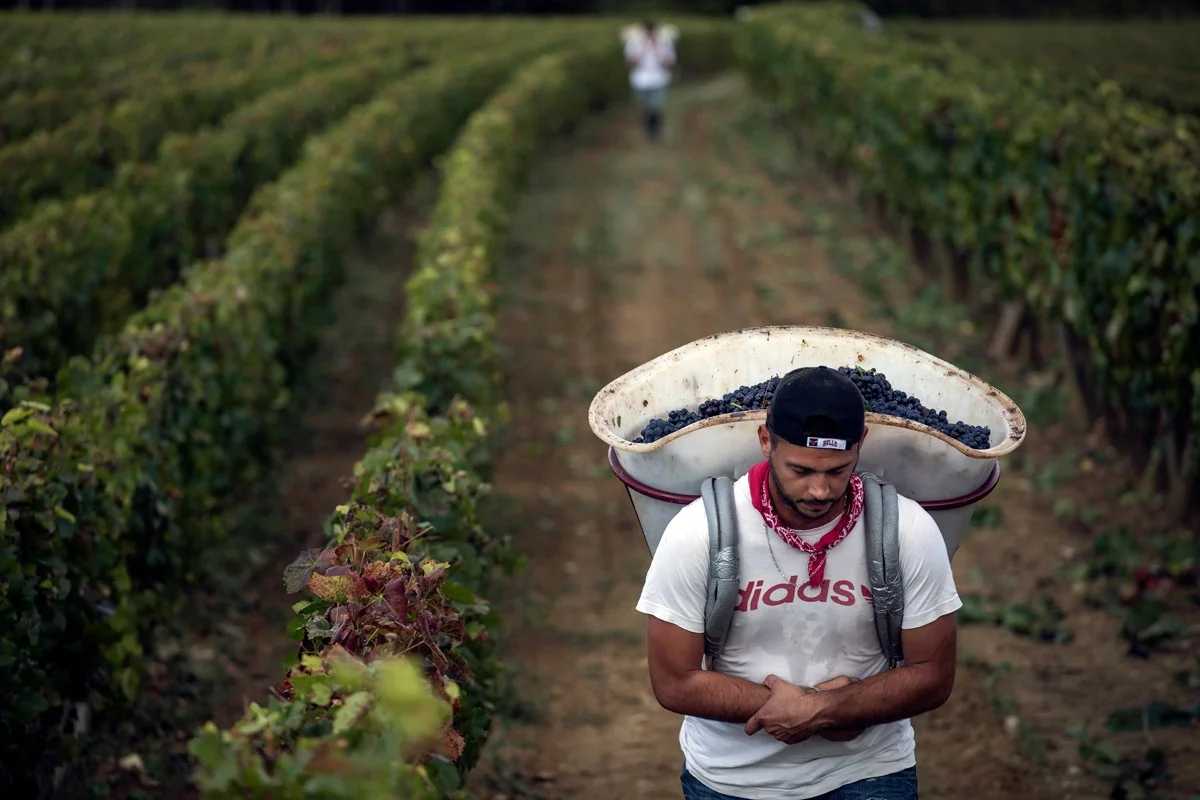
The differences start with the grapes . French cognac is produced from a strictly regulated list of grape varieties - always white! Armenian cognac is made from grapes that grow in Armenia, including red varieties. True, fermentation is still carried out “white,” that is, without contact with the berry skin.
The second major difference is sugar . Sugar or caramel is added to French cognac to correct color and taste only if young cognac is produced (VS and VSOP). In more serious types of the drink, it is allowed to add distilled water and boise (wood flavoring). There are no such restrictions in Armenian cognacs. And this applies even to long-term drinks.
Third - endurance . According to technology, cognac spirits are aged only in oak barrels. But the barrels are different. In France they are made from Limousin oak, and in Armenia - from Caucasian oak. Wood has its own “taste”, and different oaks give different shades of it.
Armenians love legends. You can take the passion of the Armenians with irony or in all seriousness and say every time and about everything that “this was also invented in Armenia,” but some cognac myths are really myths.
For example, about Churchill, who allegedly agreed with Stalin on direct supplies of Armenian cognac to London and drank a bottle of Dvina almost every day.
According to one version, the British Prime Minister appreciated the taste of Armenian cognac at the Tehran Conference, according to another - at the Yalta Conference. And this story is complemented by a separate story about Markar Sedrakyan, the legendary Armenian winemaker who truly raised cognac production in the republic to the world level. And allegedly Churchill contributed to the release of Sedrakyan from the Gulag.
They say that when the next batch of cognac sent to the prime minister was not as good as usual, he inquired about the reason. He was told that the quality had dropped because Sedrakyan had been arrested. Then Churchill personally asked Stalin to release the magician. He was released, and the quality of the drink became the same again.
Let's start with the fact that Sedrakyan was not in the camp, but was at the front, where he was seriously wounded. He was repressed only after the war, when Churchill, after his Fulton speech, had no time for Armenian cognac.
The same legend is that cognac began to be made in Armenia in the 12th century. There is no real evidence for this hypothesis. Brandy appeared in Europe in the 16th century.
And finally, an important piece of advice: don’t taste your cognac with lemon! Even if it seems to you that Nicholas II came up with a great way. Lemon overpowers the entire taste, and especially the aftertaste! Bad cognac - more precisely, brandy - can be saved with lemon, hiding its shortcomings. But you will definitely ruin a good cognac or brandy.