
Translated material
City of gold
Coppola's Megalopolis, a fantastic blockbuster melodrama about the fall of the American empire, has finally been released on streaming. And it captures the spirit of the times well
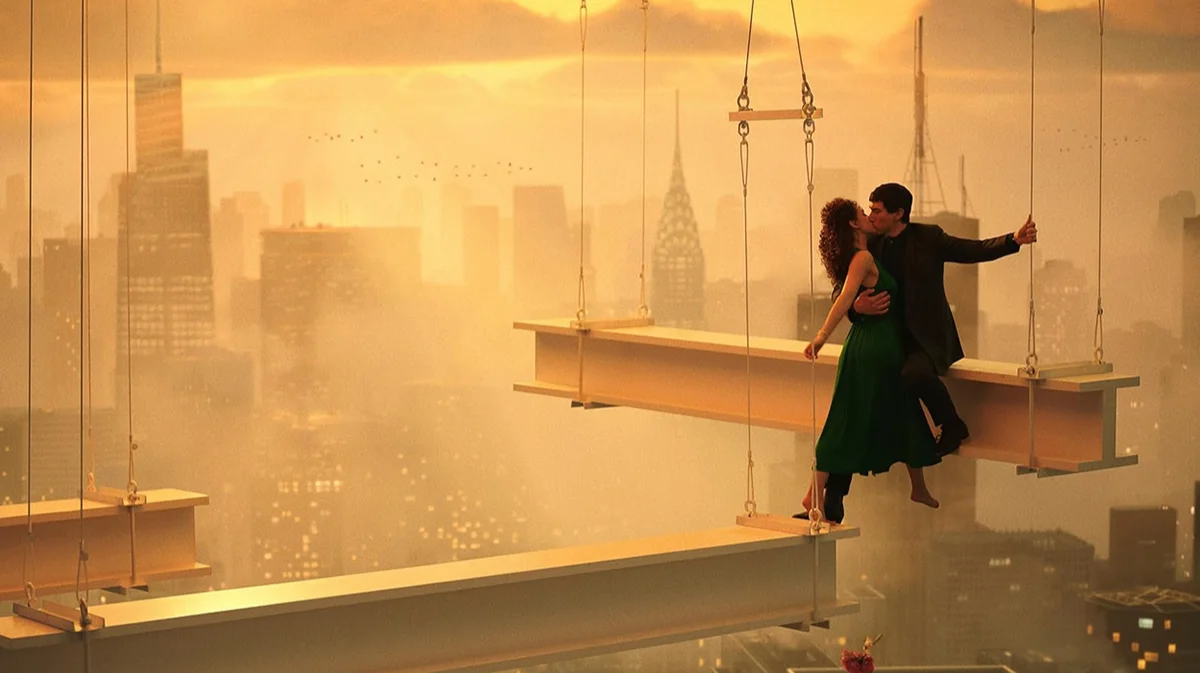
Still from the movie Megalopolis. Photo: imdb.com
Coppola came up with the idea for his magnum opus almost 40 years ago, started filming and interrupted it after 9/11, raised $120 million of his own money for the production and reassembled the team a dozen times. The two-hour epic about near-future New York quotes Shakespeare and Marcus Aurelius and features actors ranging from veterans Jon Voight and Dustin Hoffman to headliner Adam Driver and Hollywood problem child Shia LaBeouf. Film critic Oleg Tundra explains why the lush, massive and loud "Megalopolis" upset viewers, receiving record low ratings in Coppola's filmography, but has every chance to shine in the future - primarily because of its imperfections.
New Rome, with the spire of the Empire State Building, is the center of an empire that is in long decline. After another natural disaster, the gap between classes becomes fatal: the streets are flooded with protesters, fires are raging in neighborhoods, and the police have long been unable to do anything other than protect the rich. The power in the city is controlled by the corrupt mayor Cicero (Giancarlo Esposito), and his only heir, his beautiful daughter Julia (Nathalie Emmanuel), lives the life of Paris Hilton and sits in the front row at fashion shows. Banker Crassus (Jon Voight) organizes chariot fights in Madison Square Garden, TV presenter Wow Platina (Aubrey Plaza) tries to turn his media capital into money. The hits of the virgin singer Vesta are flying over the city, and the rich heir-hooligan Claudius (Shia LaBeouf) is causing trouble, dressing up as a woman and shocking high society with controversial statements.
The only person who cares about the future of New Rome and its inhabitants is the architect and technologist Caesar Catilina (Adam Driver), who invented the innovative building material megalon (and received the Nobel Prize for it). He knows how to stop time and dreams of reconstructing the slum-glamorous New Rome into an accessible, eco-friendly, green Eden that will become an example to the rest of humanity.
The future has already arrived, but not everyone will be included in it: the powers that be must suddenly see the light and make way for a new generation with their revolutionary ideas. Caesar understands this, the rest are busy with themselves.
The last unambiguous success happened for Francis Ford Coppola more than 30 years ago: since Dracula, he has not made a single film that would have pleased both audiences and critics. The large-scale author's project, which lasted for decades, was awaited as the master's final work, his directorial message to future generations. And that’s exactly what they waited for: a long and tender farewell to the past, with great hope that everything will be fine. Despite the recent death of his beloved wife, the commercial failure of "Megalopolis" and the wasted hundred of his personal millions, Coppola oozes love of life and optimism in interviews, promising that the world will fall in order to be renewed, and showing journalists the games he played with the actors on the set of "Megalopolis" "
“Why doesn’t anyone tell us every day that we are geniuses? Haven't we come up with more in this world than any other species?! Therefore, I believe that a person can solve any problem, and we have everything to be happy.” He blames the misfortunes on imposed advertising standards, which create a feeling of inferiority in people. But talent, love, education and science will definitely make a breakthrough for civilization, saving people from poverty, from global warming, and from inequality. In this case, yes, “Megalopolis” is completely serious. “I pledge allegiance to our human family and all the creatures we protect. Our land, united: with longevity, education and justice for all” is carved as if in stone in Coppola’s credits: this is a reinvented pledge of allegiance to the American flag. It's time for America and Americans to stop focusing on themselves and feel like part of a larger family: all of humanity, enslaved by advertising, corruption and simple entertainment.
In the cynical age of the second victory of Trump and the right-wing parties, the launch of “Hazel”, the war in the Middle East and another financial recession, the author’s blockbuster with pompous monologues about beauty, time, architecture and love (and the motto “We can handle this”) will easily get in the throat. Obviously, in the 40 years from idea to implementation, several Caesars and a hundred Ciceros have happened to the world, and the garden city has still not been built.
Therefore, many may be angered by Coppola’s parable (or even spell) by its ill-timedness, scope, pathos and moralizing manner, which makes the two-hour “Megalopolis” seem like five hours.
An ancient aphorism, wisdom from VKontakte or a remark from Adam Driver? You'll never guess. A glorious future is promised in one of the final shots of a baby lying on a small carpet, although in the conventions of the film it seems that the carpet will fly from Times Square straight into the Arabian Night.
Coppola’s golden New Rome truly reeks of long-term construction and periodic abandonment: some scenes delight with virtuosity and wit, but most of the dialogue makes you want to yawn. The main mistake of the film is the catastrophic miscast of Adam Driver and Nathalie Emmanuel, who are not impressive either individually or especially as a couple. It’s hard to believe in their paradoxical love, because they work in different registers: Driver – on the drive of “Star Wars”, Emmanuelle – on the chessboard of “Game of Thrones”, where she suddenly got the main role instead of a supporting role. With bigger actors, the episodes look much better: every appearance of Hoffman, Schwartzman, Plaza, LaBeouf and Voight is a small event in New Rome. Coppola says in an interview that he was most pleased to work with people of very different views and lifestyles (Voight is a famous Trumpist, Plaza is a Democrat, and LaBeouf is against everyone) to show that anything is possible in cinema, including a union of people from different political camps. Coppola says in an interview that he invites viewers of “Megalopolis” to a discussion: calmly, with self-esteem and creatively solve common problems, giving up successful success. In his parting words to young directors, he shares his experience of interacting with actors and says that it is rehearsals that make working in auteur cinema so exciting and give energy. There is indeed plenty of energy in Megalopolis, but it dissipates without a given direction - apparently, this was Coppola’s idea: to play while it is played, maintaining childish spontaneity. After all, can a Hollywood legend at 85 film whatever he wants?
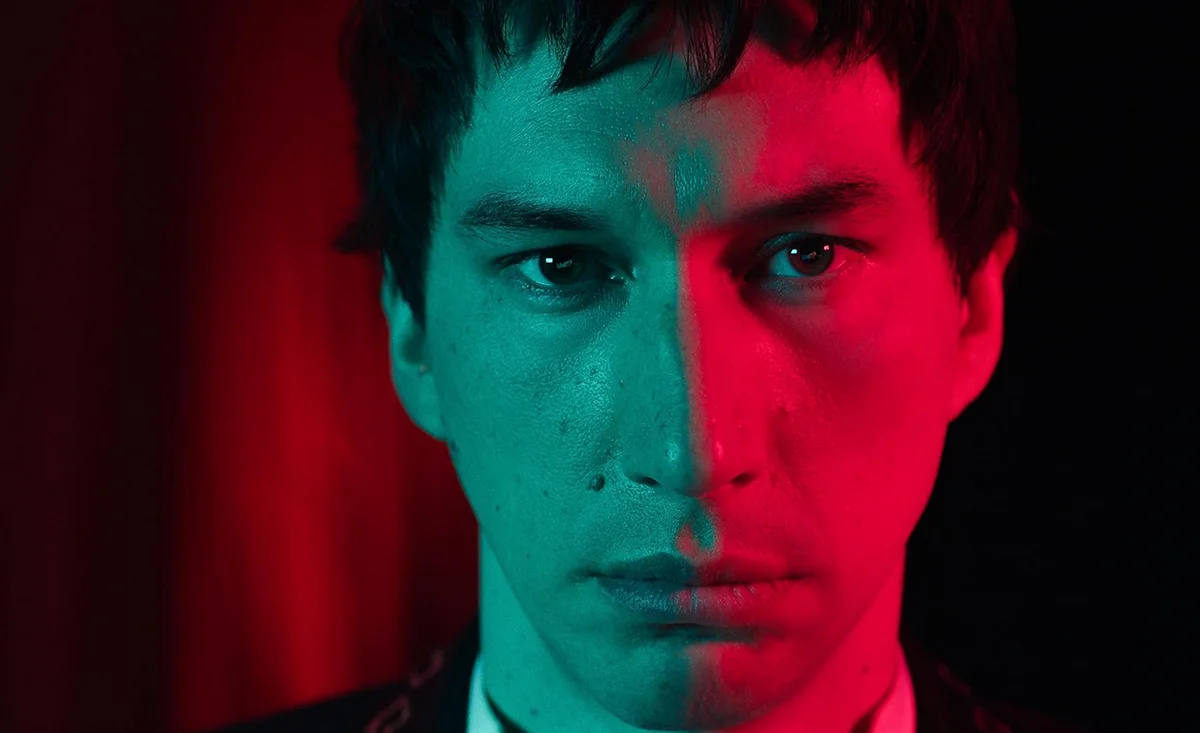
Such impressiveness did not do the colossal film any good. And the figure of a Christ-like enlightener-visionary who is able to show humanity the path does not evoke any sympathy. Coppola is a monotheist in his scripts, and New Rome needs its own Corleone, Colonel Kurtz or Dracula, gathering in one silhouette all the power of the spirit of the times. Driver’s hero, with his narcissism and utopian Gesamtkunstwerk ( the combination of different types of art for the sake of one goal. - Ed. ) does not even qualify as a candidate for such leaders: he is hopelessly outdated for 2024, where innovative forces prefer horizontality, blockchains and dynamic communities.
When the man launching rockets to Mars kisses Trump on the gums, faith in a progressive who will reinvent the world for everyone's convenience seems naive.
However, between the visual absurdities of CGI, the schizophasia of Caesar Catiline and the gaudy gigantism of the spirit of Cloud Atlas, Coppola's New Rome is a fairly accurate parody of a rickety empire with caricatured oligarchs, unprincipled officials, brash media and dancing bums teasing ordinary people with their way of life. If you edit the news of 2024, add brightness and a golden filter, turn up the volume on Taylor Swift and scroll through the feed of influencers for a couple of days, it turns out that the grandfather of the American film industry captured the colors, intonations, forms and scales of political and consumer hysteria quite well. And perhaps, if in 50-60 years it is necessary to show descendants a world on the verge of catastrophe, historians and cultural experts will turn on Coppola’s elaborate “Megalopolis” - if by that time we have not yet bombarded each other with ballistic missiles.