
Translated material
Refusal of NATO membership and territorial concessions: what Trump's advisers propose to end the war between Russia and Ukraine
All options for the peace plan proposed to Trump involve a freeze in hostilities along the front line.
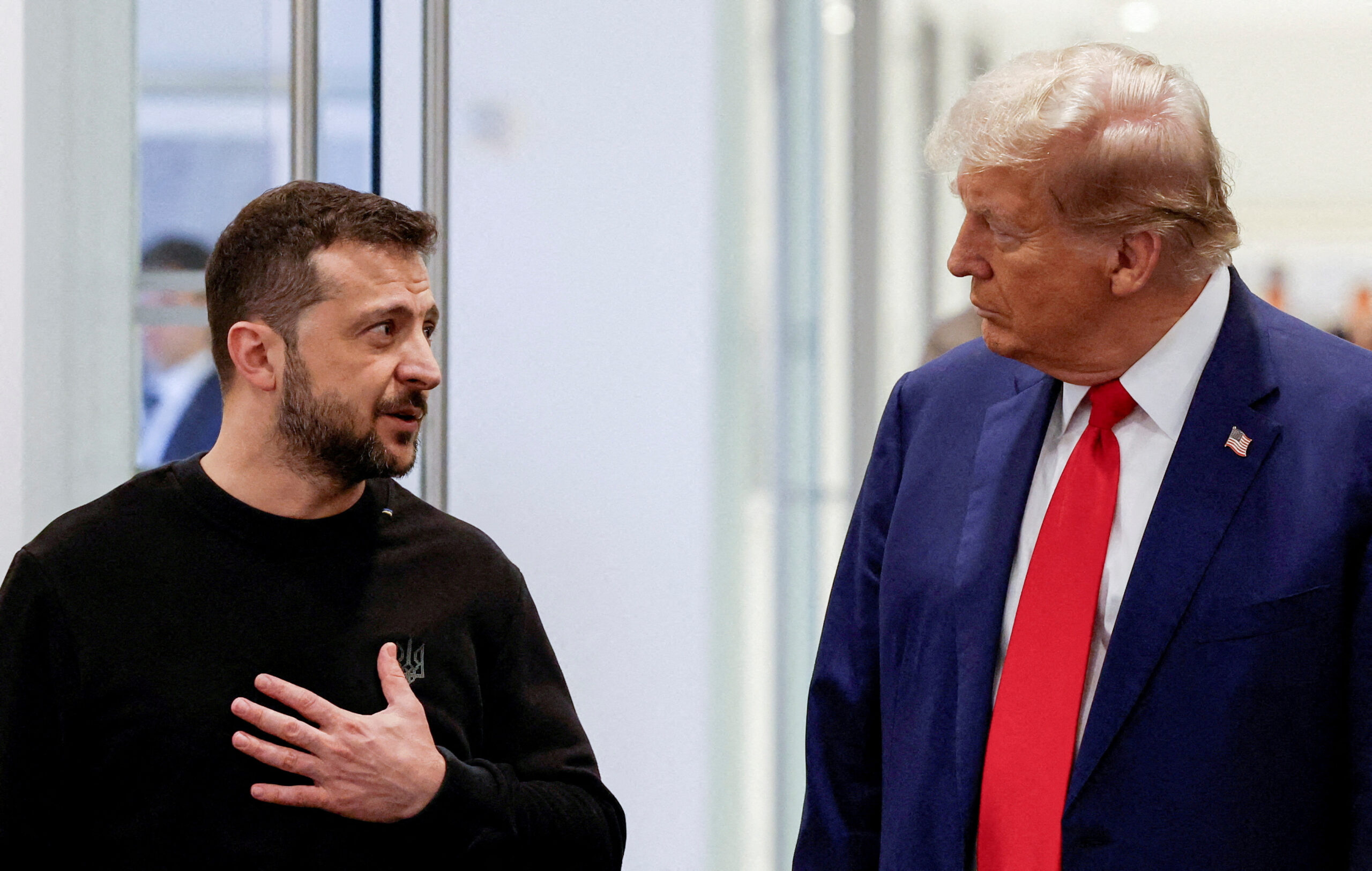
Advisers to US President-elect Donald Trump, who will take office on January 20, have put forward several options for resolving the conflict between Russia and Ukraine. Reuters writes about this with reference to sources.
In order not to miss new texts from “Layout”, subscribe to our telegram channel
According to one of the agency's interlocutors, Trump has three main proposals: from the special envoy for Ukraine and the Russian Federation, General Keith Kellogg, Vice President Jay Vance and former US chief of national intelligence Richard Grenell.
Enforcement to freeze hostilities along the demarcation line and demilitarized zones
The first plan to end the war in Ukraine, developed by Kellogg, was presented to Trump at the beginning of this year. As the agency writes, he must force the two sides to sit down at the negotiating table: Trump will supply more American weapons to Kyiv only if it agrees to peace negotiations. At the same time, the US President will warn Moscow that he will increase aid to Ukraine if Russia refuses negotiations.
At the same time, Reuters notes that Kellogg's plan, which involves increasing aid to Ukraine if Putin does not sit down at the negotiating table, may face a negative assessment in Congress, where some of Trump's closest allies oppose additional military aid to Kyiv.
Vance and Grenell also propose freezing the front line. But Vance's plan is different in that it would create a demilitarized zone along existing front lines that would be "heavily fortified" to prevent further Russian incursions.
Ukraine's accession to NATO is not discussed
The option of stopping the war, in which Ukraine would be invited to join the Alliance, is not in any of the plans of Trump’s advisers. Thus, the Kellogg plan implies “excluding Ukraine’s membership in NATO from the agenda.” And Grenell stated back in July that Ukraine’s entry into the Alliance “is not in America’s interests.”
As Reuters notes, this part of the plan to resolve the conflict may face resistance from Ukrainian President Volodymyr Zelensky, who has made the invitation to NATO part of his “Victory Plan,” as well as from some of his European allies and some American lawmakers.
Recently, information about the upcoming peace negotiations between the Russian Federation and Ukraine has begun to appear more and more often. For example, at the end of November, The Washington Post wrote that current US President Joe Biden agreed to transfer ATACMS long-range missiles and anti-personnel mines to Ukraine in order to strengthen its position before the negotiations. At the same time, the Kremlin declares that it will not conduct peace negotiations with Ukraine until the Kursk region is liberated .
Photo: Donald Trump meets with Vladimir Zelensky during a meeting in New York in September 2024. REUTERS/Shannon Stapleton/File Photo
Support “Vestka” - it’s important and safe →