
Translated material
Compromise on compromise
The Non/fiction literary fair took place in Moscow. Some publishers were banned from participating due to censorship
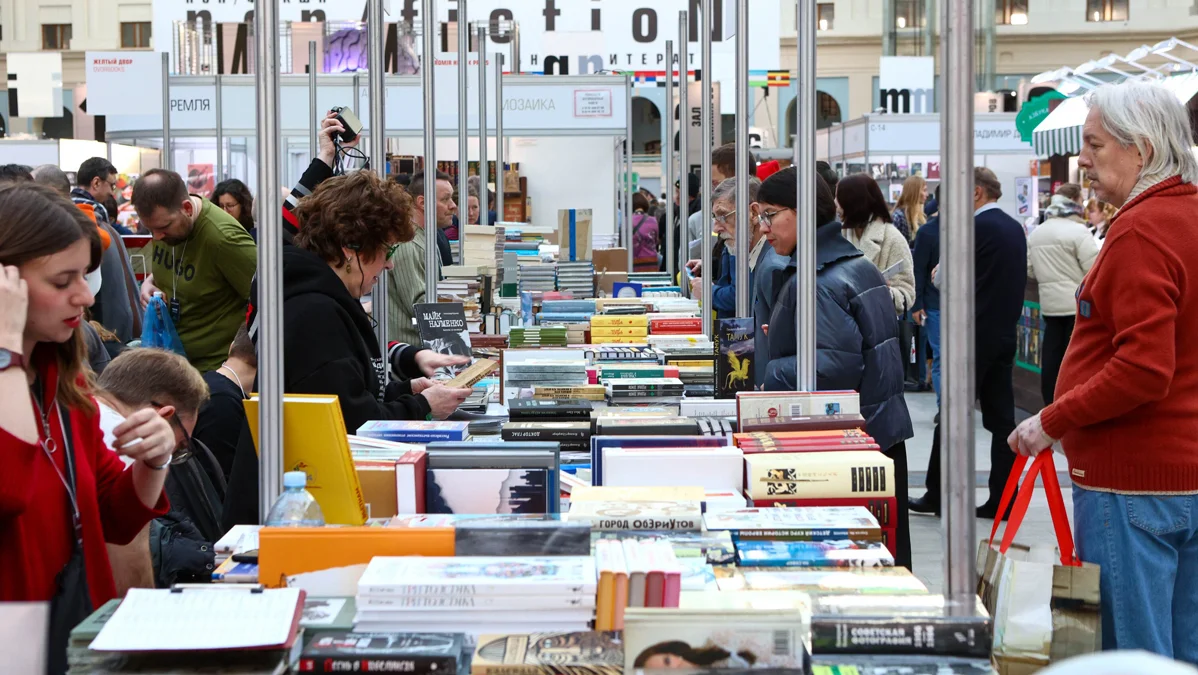
Opening of the fair of intellectual literature non/fictio№26 in Gostiny Dvor, Moscow, December 5, 2024. Photo: Yaroslav Chingaev / AGN “Moscow”
On December 5–8, in Moscow, against the backdrop of initiatives for legislative regulation of all books put on sale and the presentation of the “Big Book” award (among the laureates is Zakhar Prilepin), one of the main book fairs, non/fiction No. 26, took place.
A couple of days before the opening, the organizers refused participation to the independent publishing houses Bumkniga (the reasons for the refusal are unknown) and Black Square (they were told that among their authors there were “anti-authors”), and they also prohibited the installation of a stand for the Diletant magazine. Ulyana Yakovleva visited Gostiny Dvor and shares her impressions.
- We have gathered here thanks to the Writers' Union! - the young man, as if deliberately boring and gray, explains to those gathered. - This is not the one that was created in the Soviet years, our Union is of the 21st century and it is called “Russian”!
The event is called “From samizdat to literary Olympus”; there are about 30 people in the lecture hall, mostly of age. They listen, nod, sometimes applaud discordantly, as if they were even embarrassed.
The moderator presents a series of collections of “poets of the Northern Military District”: lists names and merits. Some of the authors immediately go to the microphone and read poetry. Awkward, as if written by schoolchildren who are behind in literature. However, there are no “stars” of Zet poetry - only the second poetic echelon.
The non/fiction fair is in full swing all around. Snow lies thickly on the glass ceiling. Moscow is frozen even under a cotton blanket.
Some fair visitors, going about their business, stop to listen to the poems, but quickly understand what they are talking about and move on.
Near the large AST stand, located opposite the lecture hall, a very young girl cannot hold back her emotions:
- Lord, when will it all end?
Those standing nearby pretend that they didn’t hear anything.
The question remains: is this really a literary Olympus?
Zakhar Prilepin performs at the Amphitheater. "Faces of War. The conflict in Donbass through the eyes of militias, SVO volunteers and a girl from Donetsk.” Girls are almost invisible - the same age audience. The hall is 80 percent full. There is no excitement, the event goes smoothly and lifelessly.

In the hall, two people in military uniform catch the eye. Plus a man who looks like a professor: sedate, with a wedge beard, with a medal on his jacket. However, only the St. George ribbon of the medal is visible.
In fact, the people at the fair are very different, there are almost no “friends” among them - but there are always a lot of them nearby, on Red Square, where there are no books or conversations about literature. They are walking there.
I approach the stand of one of the Moscow independent publishing houses and ask about the impressions of the fair.
— Do you want the truth or just positive things?
- Both!
- Well, if it’s positive, then Nonfik is always a joy for us! We meet with friends, fellow publishers, we understand that we are not alone, we encourage each other as best we can. And then there is communication with readers: they always want our books, thank us for them, this has not changed.
- What has changed?
— Exactly the number of meetings with friends and colleagues.
It’s difficult to get used to the fact that those people whom we love, whom everyone reads and whose performances we came to so that there were no empty seats, are now not in Moscow.
It’s as if they are not welcome at the fair. Very demoralizing.
— What about the bans in the industry: the law on LGBT propaganda, working with foreign agents, censorship of children’s books?
“I don’t want to talk about them at all.” Our work has become blade running. We publish books with unpredictable results. However, if it is possible not to censor ourselves, we do not censor ourselves.
- Aren't you scared?
“Last year there were waves of fear, to the point of panic, but now, it seems, they have adapted to fear. What choice do we have?
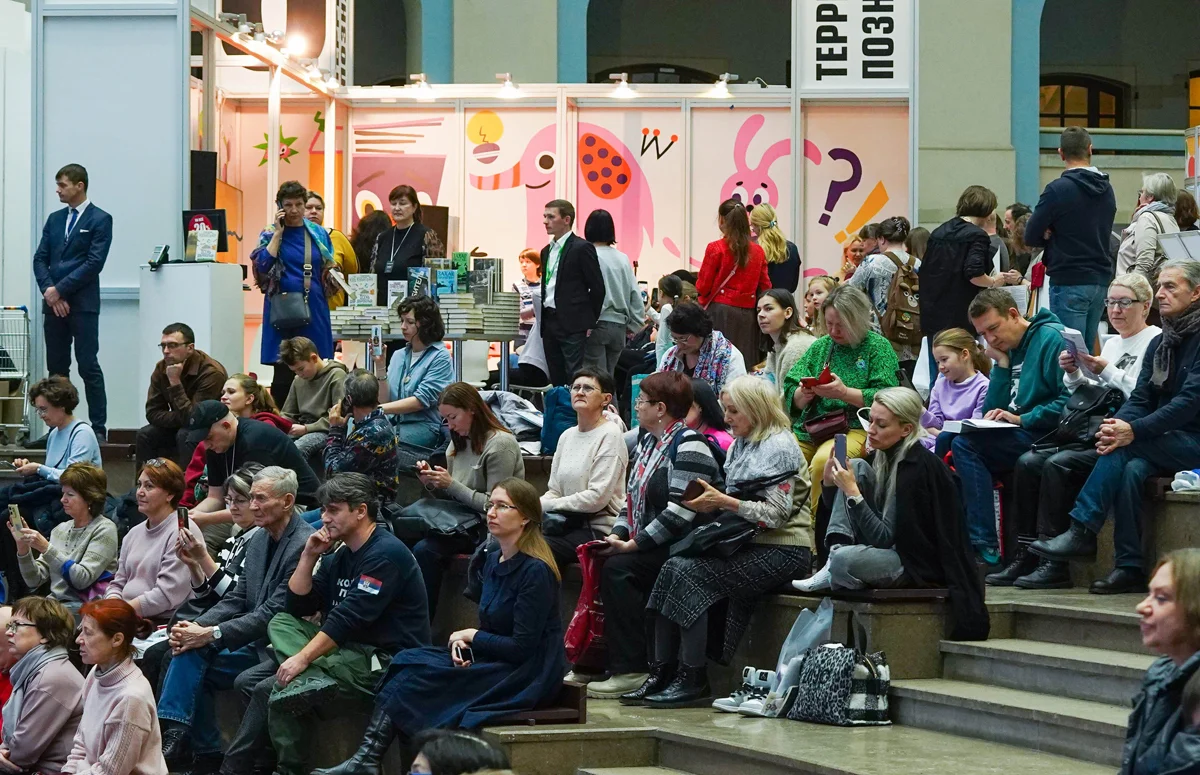
In Hall No. 1, a presentation of a collection of essays, articles and Internet posts by Mark Fisher (English philosopher, music critic and left-wing intellectual - Ed.), organized by the publishing house Ad Marginem. Music critics, DJs, bloggers participate. The audience is objectively larger than at Prilepin’s event, and mostly young people. Fashionable clothes, hairstyles.
— Does anyone else read foreign authors? — a tired woman in a down jacket wonders near the stand of one of the publishing houses.
“That’s all they ask us,” the seller readily answers.
“It’s strange,” the woman continues to be perplexed. “My circle doesn’t buy this stuff at all.”
- What are you reading? - I connect.
- Ours, domestic ones!
-Can you name someone?
- All kinds! - she says and quickly moves away.
Right there, near the stand, a group of girls are looking at their phones, checking their purchases with a list of recommendations from the fashion media.
- More Rushdie, new Rushdie - urgently needed! (We are talking about the autobiographical novel “The Knife”, where Salman Rushdie describes the assassination attempt, as a result of which he lost an eye, and the consequences. - Ed.)
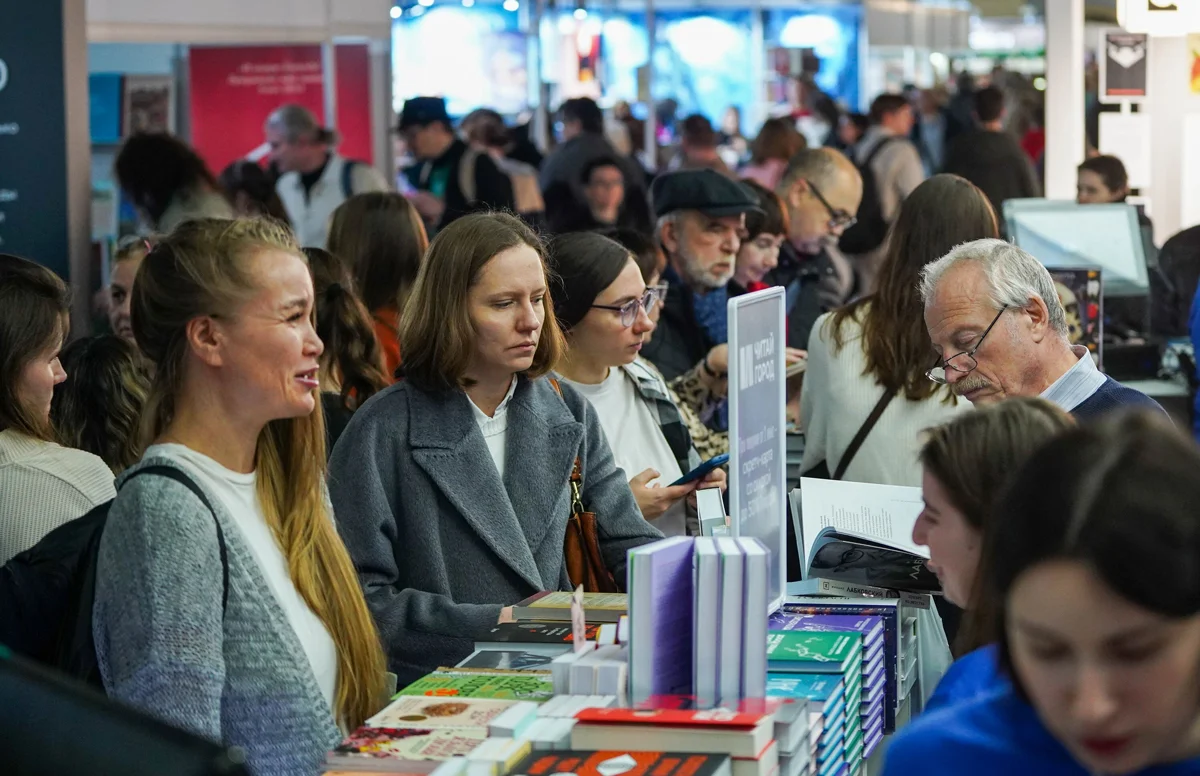
In a cafe I meet a familiar book reviewer. I’m asking about your impressions of this year’s program.
— Listen, the book community unanimously says that it’s boring, but I don’t quite agree. Yes, now there are no hot topics here, nothing really touching that we write about in our blogs, the events seem to be from a parallel world, but this year an international program has returned to the fair, even two, with different organizers. And pay attention: there are not only Chinese, Indians and Iranians there, but also Europeans. I don't want to be wrong, but this is encouraging.
Indeed, this year there was even a stand “Women's Voices of Norway” at the fair, many visitors are grateful for it.
—Will you say something else? Events about AI in literature, discussion of award results?
- This is just mortal boredom. I don’t want to talk about awards at all. Compromise on compromise.
But this year my crush at the fair is Bashkir writers. I went to their presentation and was very inspired by what I heard:
local identity and, sorry, no one said this, but it was clear - a decolonial approach.
— What about public talk about the literature of trauma? Did you go there?
- Yes. They discussed the right things, but without any fire at all, just to the point. It's like I've heard this many times before. I understood: if there is a request for something like this and it is not heavily censored, then it is better to go to Parkhomenko’s store - there Olga Ptitseva and other authors organized a program parallel to Nonfik.

Writer Alexey Salnikov runs past us and waves to my friend.
“I’m tired of not talking about painful things, of choosing words,” she summarizes after a pause. - Tired of the prohibitions, all this darkness!
The fair is surrounded by a huge sea of books. In Moscow there is no longer the feeling of dizziness from easy money, there is no carefree joy, but books are still read and loved.