
Translated material
“I will do everything not to be offended.” How the Human Rights Council degenerated under Vladimir Putin
The purpose of the Human Rights Council (HRC) is to protect the rights and freedoms of citizens and promote the development of civil society institutions. Here human rights activists prepare proposals and reports for Vladimir Putin on human rights issues and their violations. In fact, it is often impossible to protect rights and freedoms. The work of HRC members is interfered with by employees of the Presidential Administration, and the President himself often does not hear what human rights activists are telling him. Especially for Protocol, journalist Dmitry Shishkin tells the story of the Human Rights Council from an anti-war statement in 2014 to an attempt to ban emoji 10 years later.
Author: Dmitry Shishkin
Chapter 1
10 years ago, in the spring of 2014, a scandal arose in the Human Rights Council. At the very beginning of the events that, as is now generally accepted, became the trigger for the war in Donbass, human rights activists were divided into two camps.
“Many members of the Council did everything in their power to ensure that the opinion of the Council, in the days when the fate of the world is being decided, was not interesting to the president, ” wrote director and member of the Human Rights Council Alexey Kozyrev in March 2014.
He and five other members of the Human Rights Council formed a “dissenting opinion.” It concerned an anti-war statement by fellow human rights activists. Just a couple of days ago, the Federation Council allowed Putin to send troops into Ukraine, and in Crimea the date of the referendum on the annexation of the peninsula was being decided. Human rights activists from the Council spoke out against the beginning of the war in Donbass, and published their statement on the HRC website.
Alexey Kozyrev called the anti-war statement of his colleagues “pseudo-humane”, “and most importantly, absolutely meaningless.” The director was interested in what to do with the opinion of the “autonomy of Crimea” - “Help the Maidan tanks ride on this opinion? Or wait for the Germans again?”
According to lawyer and former council member Natalia Evdokimova, the anti-war statement that Kozyrev was angry about was a real manifesto. The manifesto proclaimed that “Ukraine’s problems must be resolved through political settlement and the constant search for compromise,” and Russia must completely exclude the armed forces in order to solve the “Ukrainian crisis.”
Human rights activists wrote a statement in the Council chat, and it was signed by 30 people. “This is exactly the situation when there were no disputes and licking of specific formulations. Everyone understood that this was very important, everyone understood that this was a matter of principle,” recalls Russian human rights activist and former Council member Igor Kalyapin. In total, at the time of 2014, the HRC consisted of 61 people. According to the HRC regulations, only one that collects the signatures of half of all human rights activists and one more could become a “statement of the council.” The “Statement of the Council” must be signed by the Chairman of the HRC, and its text will be published on the website. The anti-war statement lacked one signature.
“This is not the Maidan, but the Presidential Council”
Mikhail Fedotov, Chairman of the Human Rights Council in 2010-2019
There was little time to collect signatures, and Novaya Gazeta columnist and former member of the Human Rights Council Leonid Nikitinsky called Lisa Glinka, a doctor and public figure who was on the Council at that time. He asked her to sign the statement too.
“You know, Lyon, ” Leonid recalls Lisa Glinka’s answer, “ children are more important to me, so I won’t.”
The council is on the brink, says Natalia Evdokimova. The human rights activist recalls a conversation with Daniil Dondurei, a Russian film critic who was then on the Council, who told her that if the statement was published as a “statement of the council,” that is, if it collected one more signature, Vladimir Putin would dissolve the HRC. According to Dondurei, the President was reproached from abroad for the fact that the Council, which he himself created, opposes the annexation of Crimea.
“Of course, it would be a beautiful move, ” Natalia says with enthusiasm. — Dissolution of the Council, because the Council did not agree with the annexation of Crimea, but on the other hand, those ten years that I spent in the Council, they would have disappeared from my life.
“The most serious scandal,” according to Russian political scientist and former Council member Igor Shablinsky, occurred then.
A meeting was held in one of the halls of the Presidential Administration. One of the witnesses to the conflict, who spoke to me on condition of anonymity, recalls that the hall was full, but not everyone came. Most of those in the hall were experts invited by journalist and former council member Elena Masyuk. On March 4, two days after the publication of the anti-war statement, the HRC meeting was supposed to discuss civil society media. But human rights activists began to discuss the armed conflict in eastern Ukraine, the anti-war statement, and, it seems, they quarreled to pieces.
Alena Nikolaeva, then a State Duma deputy, shouted from the podium that “Synagogues are already being burned in Ukraine, and the letter was signed by those who do not see the danger of fascism,” a witness to the scandal tells me. Igor Borisov, at that time a member of the HRC, accused the signatories that the statement was written for them by the Americans: the file that contained the text of the statement was named in English. “Political sabotage” is what Igor Borisov called the anti-war statement of his colleagues.
“This is not a Maidan, but a presidential council,” said Council Chairman Mikhail Fedotov.
But the “human rights half,” as ex-Council member Igor Kalyapin calls the signatories of the anti-war statement, did not care what happened after their anti-war “manifesto.” “We believed that the position should be expressed. It doesn’t matter at all how the president reacts to it,” says Kalyapin.
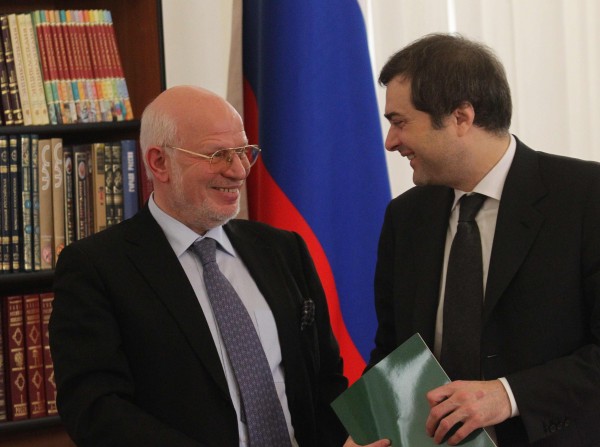
“We’ve settled down nicely,” Vladislav Surkov told him.
- Actually, that’s how it was intended.
Changes were not long in coming. At the next meeting, which took place on March 18, clause 3 of Art. 25 . It was this clause that gave the right to any Council members to post statements reflecting their position. This clause was excluded in order to allow people with different views and values to work constructively, said Joseph Diskin, a former member of the Council who prepared the report on changes to the regulations.
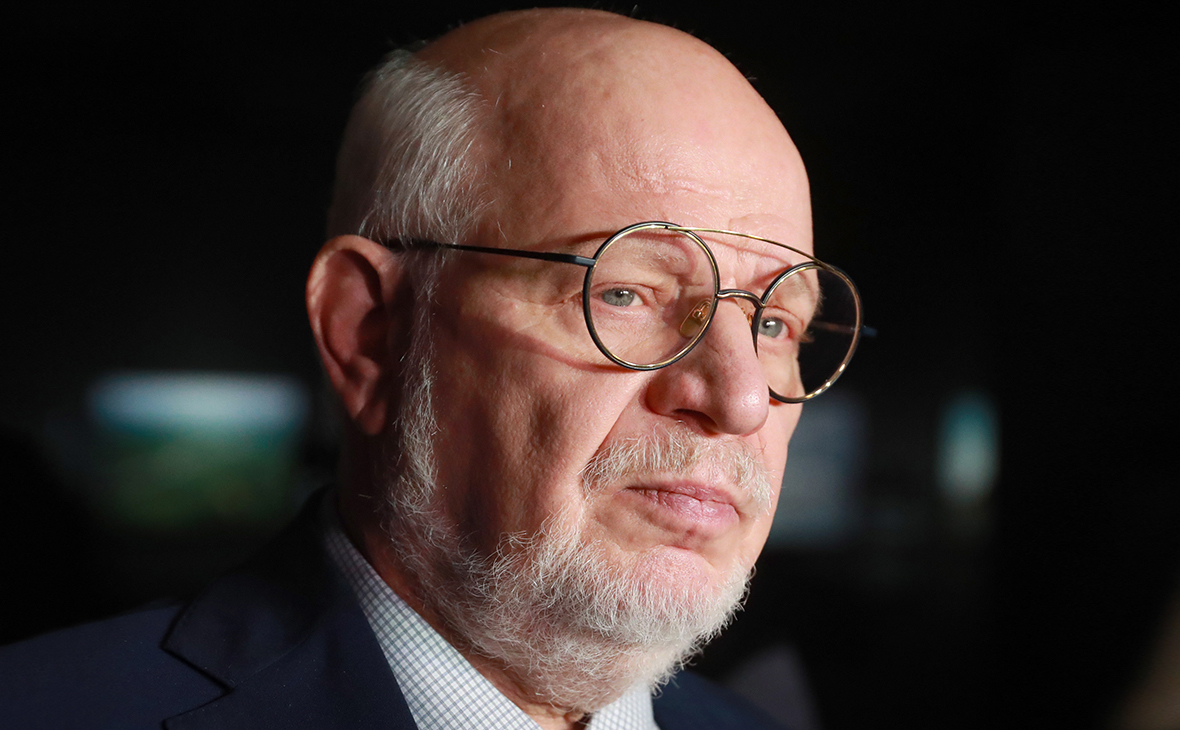
At the same time, according to several interlocutors, they decided to remove Mikhail Fedotov from the post of chairman. “We decided that we would film it there a little later without a scandal. They didn’t forgive him for this insult,” says Igor Kalyapin, who was expelled from the Council after the start of a full-scale invasion of Ukraine.
“He always told us, my dears, I am your lightning rod, if lightning will fly, then let it fly at me,” says a former member of the HRC in a conversation with me. According to him, Mikhail Fedotov took upon himself all reproaches that could be addressed to members of the Council. The reason for this was the position of presidential adviser: “It makes no sense to reproach members of the Council, we are completely free people. And the MAF (as the Council called its chairman), naturally, is, on the one hand, the leader of our social structure, and on the other hand, a high-ranking employee of the administration.”
A former member of the HRC recalls a conversation between Vladislav Surkov and Mikhail Fedotov, in which the presidential aide reproached the then chairman of the HRC for appearing in the media too often. Fedotov gave interviews to the Dozhd TV channel, comments to Deutsche Welle, Kommersant and other publications. The then Chairman of the Council replied to Surkov that as Chairman of the Council he was obliged to communicate with the press and talk about the work of the Council.
“We’ve settled down nicely,” Vladislav Surkov told him.
- Actually, that’s how it was intended.
Mikhail Fedotov was indeed expelled from the Council, but they did it strongly after the anti-war “manifesto” in 2019. Most of the HRC members who signed the statement were also expelled. Of all the signatories, at the time of 2024, only four people remained on the Council. One of them, Irina Kirkora, after the start of the full-scale invasion of Ukraine, supported the war, and joined the temporary HRC working group created in 2023 on issues related to the “special military operation.” She travels to Russian-occupied territories.
Chapter 2. “Everyone is looking at the president’s mouth”
“I have never participated in these political games, have not participated and do not intend to participate. I believe that members of the HRC are not called upon to engage in political statements— this is how Evgeniy Myslovsky, who still works at the HRC, explains why he did not sign the “manifesto” of his colleagues.
All the signatories with whom I spoke understood one thing: they would not change anything with an anti-war statement. Putin will not stop supporting separatists in Donbass and will not cancel the referendum on the annexation of Crimea if a couple of dozen human rights activists disagree. “We are not the force that Putin and the entire team that prepared and carried out this (armed conflict in eastern Ukraine - editor’s note ) listens to in this case. In this situation, it was extremely important to say what we think about this. “ says Igor Kalyapin, “ We came to the presidential council, understanding that this is a platform where we need to try to somehow reduce the negativity that the state and the security forces are constantly trying to increase, we understood that we would not radically change anything there.”
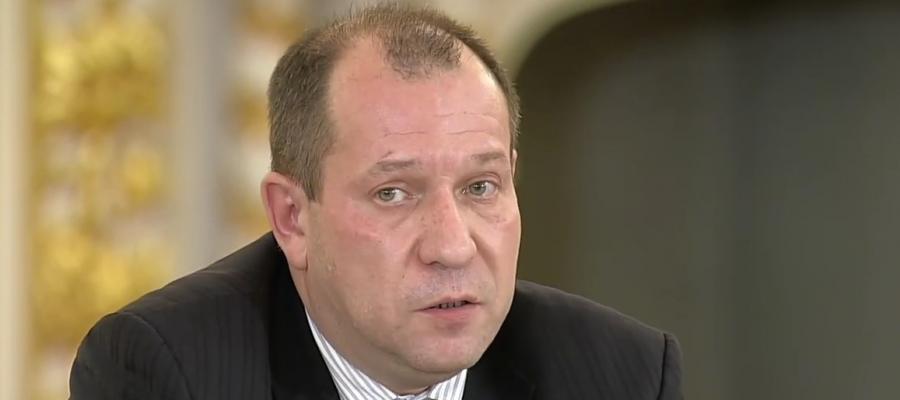
The purpose of the statement was to draw attention to the war in Donbass. And human rights activists succeeded: Russian media immediately wrote about the statement of the Council members, and at the meeting with President Vladimir Putin, “the problems of Ukraine occupied a central place in the discussion,” as Joseph Diskin, who was a member of the Council in those years, wrote in his review. Putin himself agreed that the “topic of Ukraine” was “the most pressing and discussed” at the meeting.
The meeting with the President is the main event of the year in the Council. It is held only once a year: at the end of autumn or beginning of winter. Each member of the Council can make a report and ask questions to Putin. The mechanism is simple: the meeting of the president goes according to the script. If a member of the HRC wants to make a report, he includes his name in the list from this script. Putin speaks first, then the floor is given to the chairman, then to human rights activists.
Human rights activists wrote reports on completely different topics: some of them told Putin about observers who were beaten at the latest elections, some about torture in colonies, and some about teenagers who are involved in “illegal activities,” and “ moderators” who are doing this, while they themselves are “hiding in foreign assets.”
“I will do my best not to be offended by anything I hear from you.” But please, don’t be offended by me either, ” Vladimir Putin said at one of the meetings with the Council.
But just before the meeting with the president, human rights activists met with representatives of the presidential administration, several former members of the Human Rights Council tell me. Until 2016, it was Vyacheslav Volodin, deputy head of the Administration, after which it was Sergei Kiriyenko. The event took place in the presidential administration building. At it, deputy heads of the Administration answered questions from human rights activists: “These were very long meetings, he (Sergei Kiriyenko - editor’s note ) answered in great detail. He looks like an intelligent man. He answered very sensibly, much more sensibly and in detail than Putin,” recalls Ilya Shablinsky, who has attended such meetings more than once.
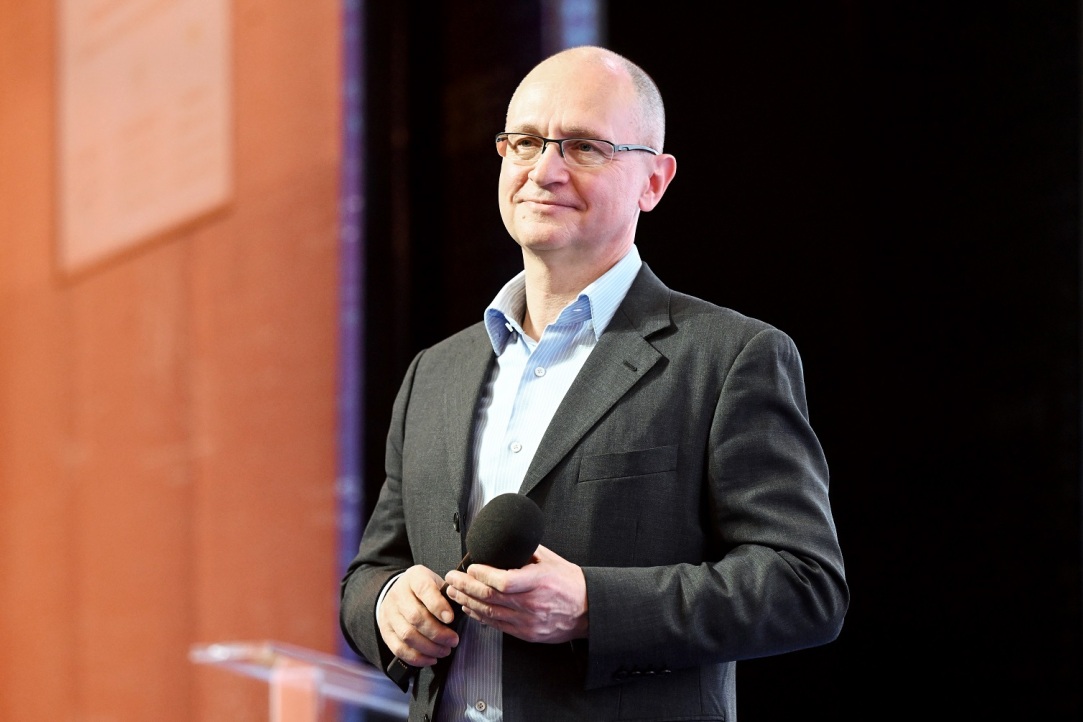
After this, human rights activists went to a meeting with the president, where they made reports. The purpose of speaking is to change something. Repeal the law on foreign agents or amend it; Add a domestic violence law to the criminal code.
“We could not resist this machine. From the very beginning it was like a talking shop. But it still made sense then because it made it possible to raise some questions in the public sphere, at such a high level ."
Leonid Nikitinsky, member of the Human Rights Council in 2018-2022
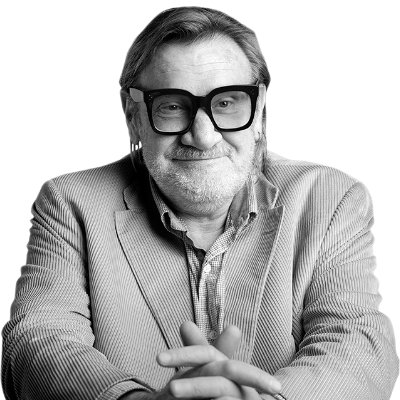
Ivan Zasursky, a Russian journalist, a former member of the Council for ten years: from 2012 to 2022, managed to make a report once. The journalist’s report was about global warming, and in a conversation with the president, Zasursky pointed out that the average annual temperature in St. Petersburg had increased by 1.5 degrees:
“It can’t be, ” said Putin.
- I swear to you! I'll bring you the report, I don't have it with me. I swear to you! - Zasursky answered him.
Putin recognized Zasursky’s environmental theme as “very important” and promised to work on it with him. This didn't happen. “They simply didn’t give me the floor anymore. They call me to the HRC meetings, everyone else speaks, but I don’t. It was extremely unpleasant for me,” he told reporters.
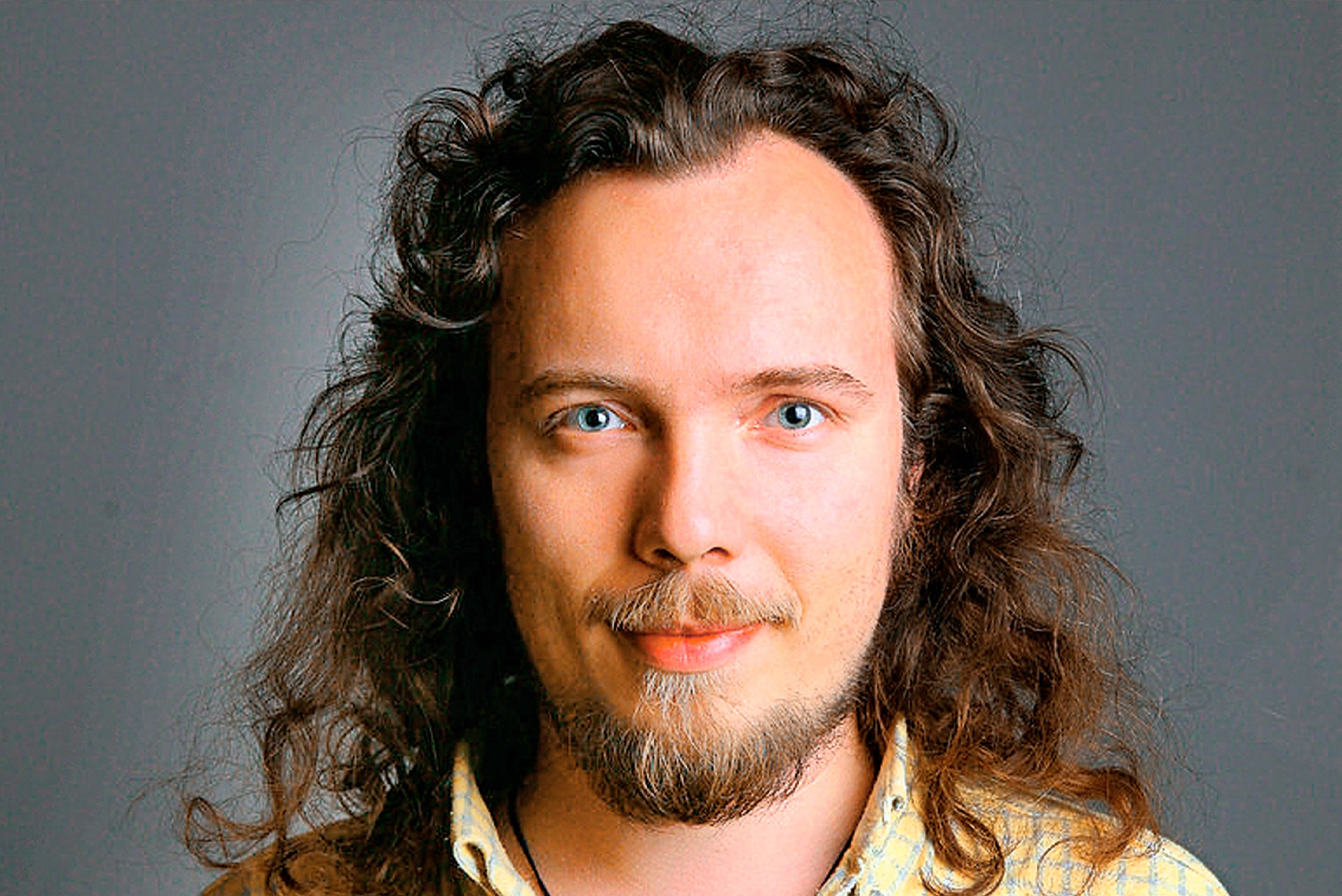
“The environmentalists (in the HRC - editor’s note ) were cunning,” says human rights activist Igor Kalyapin. “They inserted a piece about Putin’s hometown, St. Petersburg, into almost every report. They said something about St. Petersburg being threatened with a flood due to climate change. They were always very long, very knowledge-intensive,” recalls Kalyapin.
The “trick” that Igor Kalyapin himself resorted to in his first year of work in the Council was to explain to the president something based on his values: “If you want strong power, if you want to remain in power for a long time, if you If you want your successor to be a person of your convictions, and the country to continue to develop as great and powerful, then for this, among other things, it is necessary to respect human rights.”
But no one was able to prove anything to Putin based on his values, the human rights activist recalls. After working like this for a year, Kalyapin realized that the problem is not that Putin has different values, the problem is that the President of the Russian Federation has a unique understanding of the mechanisms of governing the country: “He has an idea of government at the level of ... some kind of opera.”
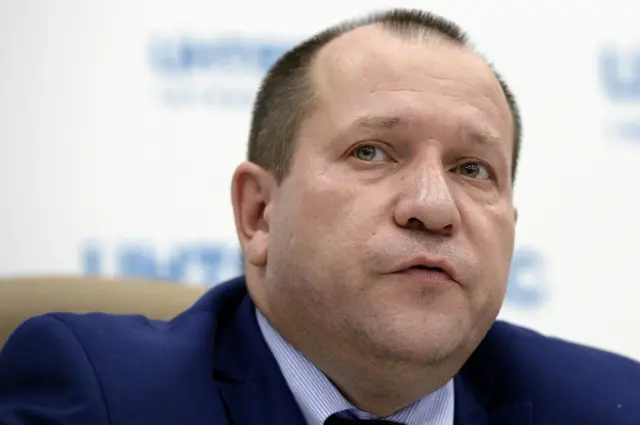
“ Everyone is looking at the president's mouth . When I talk about some of the outrages of the Investigative Committee, about how the Investigative Committee investigates complaints of torture and how the prosecutor’s office… ”
Igor Kalyapin, member of the Human Rights Council in 2012-2022
A former member of the HRC told me that the “daddy” for each meeting was prepared by the Russian Presidential Administration for Domestic Policy, but later this function was transferred to the Public Projects Administration. First, the IAF, as chairman of the Council for the Development of Civil Society and Human Rights, asked the members of the HRC for the topics of their reports, after which the Administration Department worked with these topics. “What did this lead to? Moreover, at a meeting a member of the council, for example Babushkin, talks about some specific matter, and the president already has a certificate on this issue. And he’s already saying, but you’re wrong, Andrei Vladimirovich, you don’t know this and that, but they’ve already reported to me,” says a former member of the Human Rights Council. According to him, if such a “daddy” is not brought to Vladimir Putin, Andrei Babushkin’s speech will be a surprise for the president.
“You see, everything here, as they say now, is not so simple,” sums up my interlocutor.
Sometimes Vladimir Putin knew more about a Council member's report than he did. Lawyer Natalia Evdokimova recalls her conversation with Igor Kalyapin, which took place after a meeting of the Council, at which the president reproached her for not fully understanding the issue she was talking about.
- Natalya Leonidovna, does he [Putin] really think this way or is he telling us about this but thinking differently? — The lawyer recalls Kalyapin’s question. “ He and I came to the conclusion that most likely he thinks so.”
“It’s absolutely impossible to do anything about it.” Because when we started to say something to the president during a meeting about some specific cases, about some specific facts, he said: “No, but that’s not true,” recalls human rights activist Igor Kalyapin.
The Council was able to resolve only “private matters,” Evdokimova believes.
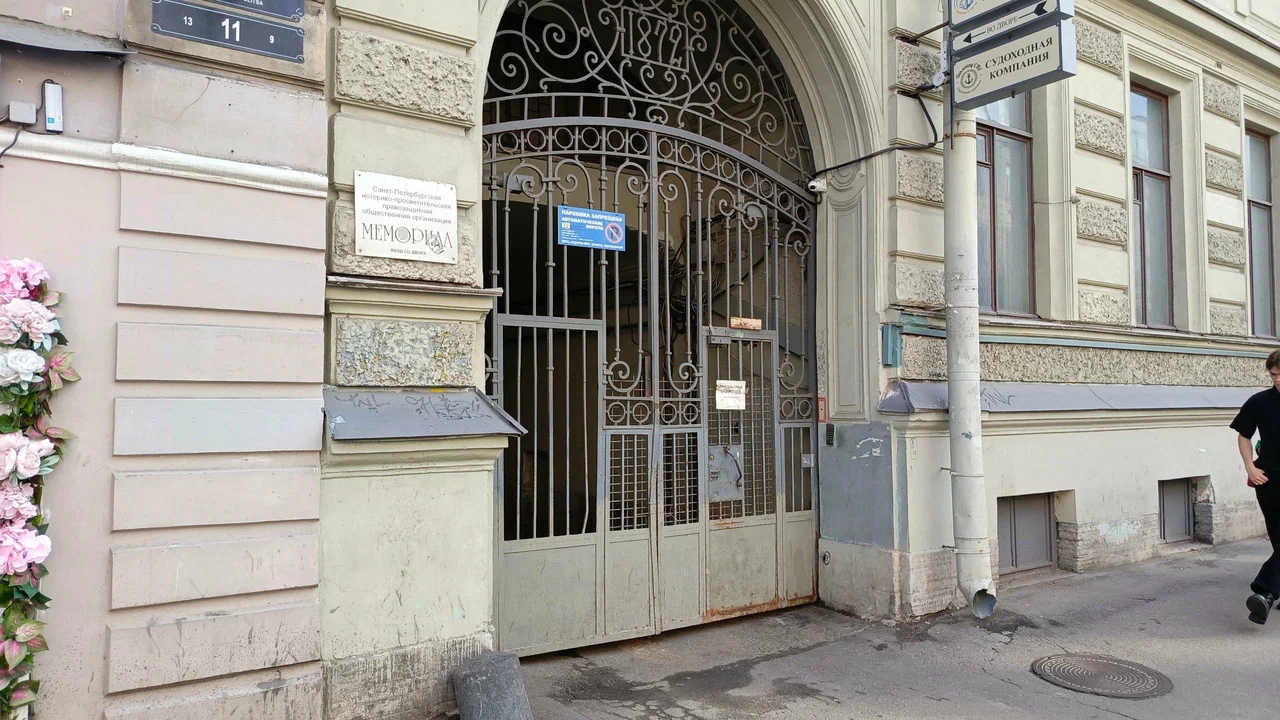
For example, in 2018, when the lease agreement for a building in the very center of St. Petersburg expired. On Razyezzhay Street there was a building of the St. Petersburg Memorial, which was going to be given to the Anton Is Near Center. This decision was made by officials of the City Property Disposal Commission at a meeting on May 24, 2018. At the annual meeting with members of the Council, Putin was directly told that a “fair decision” should be made in this case. He promised to sort it out.
— Vice-Governor Evgeny Elin called. The issue with Memorial has been resolved, ” wrote politician Boris Vishnevsky on his Facebook.
The building on Razyezzhaya, where human rights activists worked for more than 20 years, remained with Memorial.
“With this royal nod, Putin could solve some problem,” sums up Natalya Evdokimova. But sometimes a royal nod didn't help.
In a hall decorated with gold, at a square table, political scientist and former member of the Council Igor Shablinsky spoke about the beating of Stanislav Pozdnyakov and Dmitry Nesterov. They were observers at the elections in Balashikha. Unknown people took cameras and phones from both. They showed footage of ballot stuffing. Vladimir Putin listened to Shablinsky and thanked him. He didn't say anything else.
Instead of Putin, Vyacheslav Volodin approached Igor Shablinsky and Mikhail Fedotov, who was the chairman of the Council in 2015. The former first deputy head of the Presidential Administration told them that in the 2000s he himself was beaten and promised that a criminal case would be opened against those who beat the observers in Balashikha.
- What is it? — Vyacheslav Volodin was surprised, “ Politics is an everyday matter.”
The criminal case, opened back in May 2015, several months before Volodin’s conversation with Shablinsky and Fedotov, was closed.
“We couldn’t resist this machine.” From the very beginning it was like a talking shop. But it still made sense then because it made it possible to raise some questions in the public sphere, at such a high level. And this is always broadcast on television, it was possible to put the president in a position where he was forced to at least answer something, or at least it was possible to record that this question was asked to him, he knows about it, ” says Novaya Gazeta columnist and former Council member Leonid Nikitinsky.
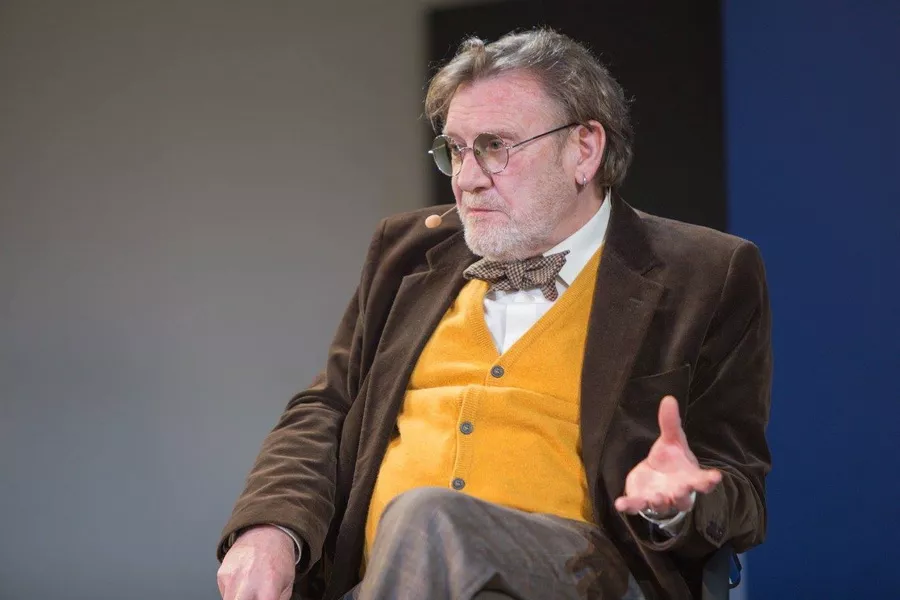
“We have not had since 2012, probably, not a single meeting was with the president, so that at least at least one report was dedicated to some next outrages related to the law enforcement of this law (the law on“ foreign agents ” -approx. Ed.
In different years, Mikhail Fedotov, Nikolai Svanidze, Evgeny Yasin and many others spoke about the problems of the law on “foreign agents” in different years.
“The law still needs to be seen,” said Putin at a meeting with the HRC in 2016, Natalya Evdokimova, who talked about “foreign agents”, “thank you very much, I will react later,” he answered the human rights activist Lyudmila Alekseeva to the report on the same topic, “We need to improve legal equipment,” Putin answered the same report.
The reaction to reports on “foreign agents” was the most different, says Natalya Evdokimova: this could be “approving, it will go for consideration” . Sometimes Putin could simply turn on the “fool”, says human rights activist Igor Kalyapin, and skip the report.
At the same time, the law managed to achieve amendments to the law, the former member of the HRC says: “But the amendments we achieved, when agreed in the AP, took the exact opposite look. As a result, it became much worse than it was. ”
Regarding the law, working groups were created, Igor Kalyapin recalls, sometimes members of the HRC were included in these groups, and sometimes human rights activists came to their meetings. The purpose of the working groups was to change the law on foreign agents. “But he deteriorated, including with the participation of the HRC. All our requirements and indignations were directed directly to the opposite, ” Kalyapin recalls.
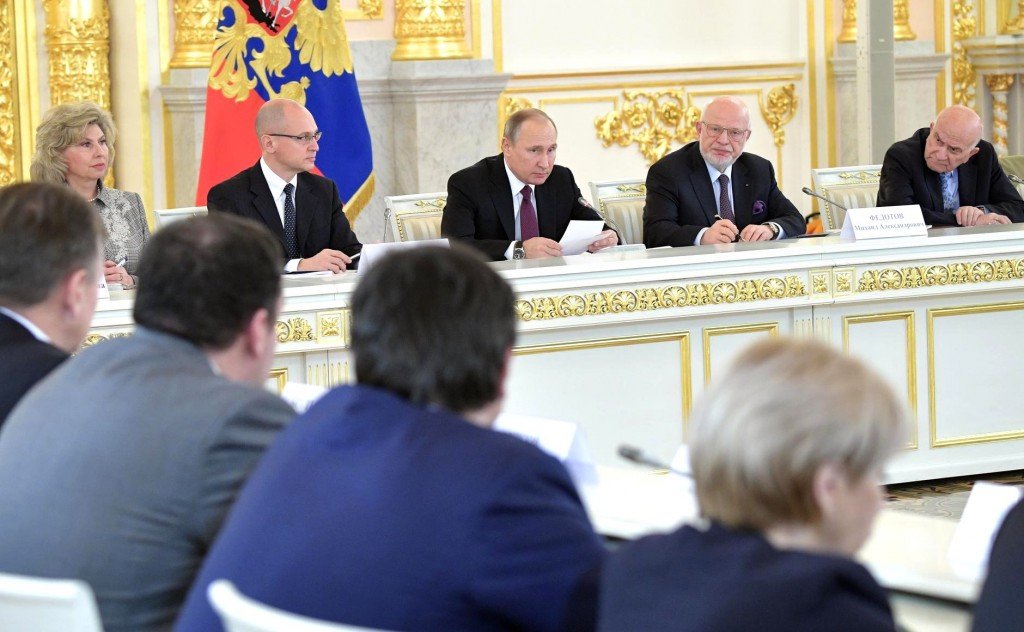
But the council was still achieved positive changes. In the middle of the tenth, the number of non -governmental organizations began to decline sharply, the former member of the HRC recalls in a conversation with me. Natalya Evdokimova recalls that after the meeting of the HRC with President Kiriyenko, the list of foreign agents really “moved” and reported to Putin that part of the NPO was excluded from the register: “He simply did not report that they were either liquidated or self -destructive, and for the second time to contact for the second time It was impossible for him on the same issue, ” says the human rights activist.
“Everyone is looking at the president in the mouth, ” says Igor Kalyapin. -When I am talking about any disgraces of the Investigative Committee, about how the Investigative Committee investigates complaints about torture and as a prosecutor's office ...
Quite openly closing both eyes, I understand that all these words will definitely be listened to the leaders of all interested departments and the police, and the prosecutor's office, and the Investigative Committee many times.
Several members of the Council at once consider this one of the few significant reasons to stay in the Council.
Mikhail Fedotov, ex-chairman of the HRC, clearly does not agree with them.
Chapter 3. "He will tell the president"
In the book to the 25th anniversary of the Council, Mikhail Fedotov said that after each meeting of the Council with the President, he gives orders on four to five pages. Further, the President’s control department “makes a hole in the head to everyone, who is instructed to fulfill these instructions, including Mikhail Fedotov.
The former member of the HRC calls the law on the basics of public control “a perfect example” when the council managed to achieve something.
The law, which first established the legal basis for public control over the activities of government bodies, was written in the office of Fedotov. A projector was placed on the table, which the members of the HRC joked in a joke “billist”, and a large screen was hung next to the front door, on which the text of the bill was shown. The law written then was adopted in July 2014, after the amendments of the State Legal Administration. “They (GPU - ed. ) Said:“ No, this is not necessary, and this is not necessary, it will not go. ” The Council argued, but the last word was behind them (for the GPU - approx. ), ” Says my interlocutor.
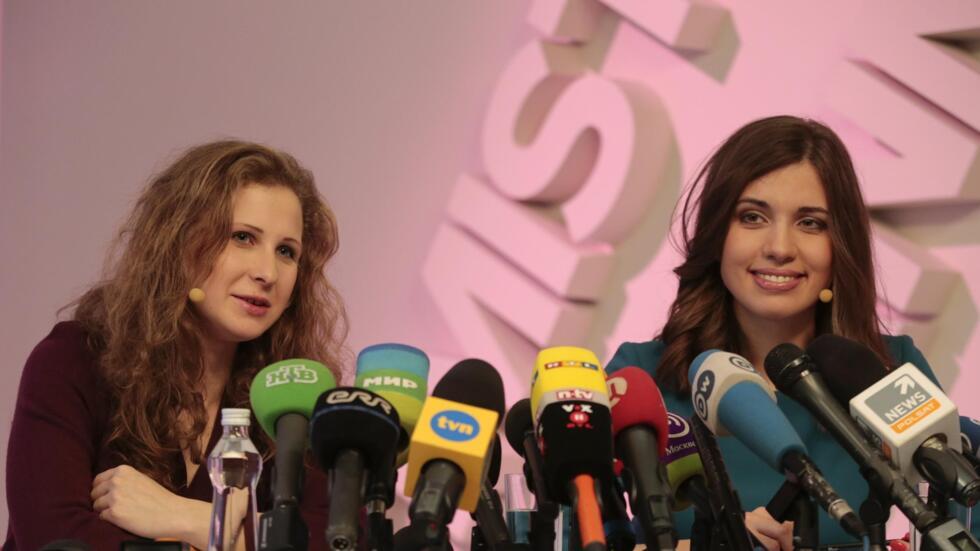
Six months before, the victory of the HRC will be an amnesty, dedicated to the 20th anniversary of the Constitution. Then the Pussy Riot participants were released Nadezhda Tolokonnikova and Maria Alekhina, businessman Mikhail Khodorkovsky, the defendants in the “Swamp business” and many others.
In 2015, the last, at the moment, amnesty will happen. It was held in honor of the 70th anniversary of the Victory in the Great Patriotic War, and was also the merit of the hop.
The amnesty was also planned in 2017, according to the memoirs of one of my interlocutors, "how we did not pushed it, nothing happened."
“The effectiveness was, of course, not the way we would like, but something managed to achieve, ” adds my interlocutor.
The human rights activist, who talked with the authors of the book “Anatomy of the Decay,” says that the benefits were not achieved by the fact that “someone in some ways convinced Mr. President.” The benefits were the opportunity to influence officials.
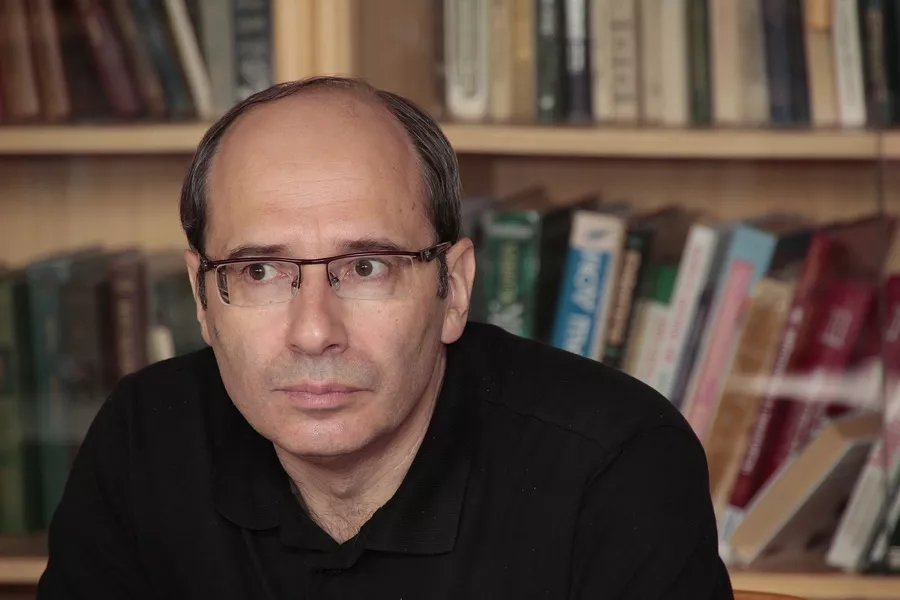
“... We objected, we argued, we made sharp statements, therefore, it also made sense to pay attention to the HRC. We paid attention to us precisely because neither the Duma nor other representative organs of their functions did not perform at all "
Ilya Shablinsky, member of the HRC in 2012-2019
“I had the opportunity to say from time to time:“ So I am going to make a report to the president in November about this. You are sure that he adheres to the same point of view as you, on this issue? ” And it worked. This acted very much on people, ” says the human rights activist on the terms of anonymity. Employees of the colony, which the human rights activist came to, warned that he was “a man from the hip. He drinks tea from one samovar with Putin. ”
-Blind something-he will tell the president.
It was these informal ties that helped human rights defenders to achieve any solutions, and not the possibility of hip. The state, according to human rights activists, on the contrary, has never shown intentions to build a dialogue.
However, the former member of the HRC in a conversation with me believes that in cases where the presidential administration helped the Council, "as a result, very serious practical documents were obtained, which to this day would be useful."
The former member of the HRC explains the mechanism of assistance: “If some event was being prepared there, an exit meeting of the Council, or just a meeting of the council at which they considered some issue, migration policy, for example. That Council, of course, was in contact with the supervision of the administration to prepare this meeting. Because this meeting, if it concerned the migration policy, was invited by the leadership of the Federal Migration Service. Officials made reports, members of the Council asked them questions, after which the discussion began, and representatives of public organizations who deal with migrant problems, representatives of various departments, also set out the position of their departments and answered questions. The most important thing was that they could ask them questions and they answered these questions, there were great discussions on which many people gathered, representatives of various public structures and representatives of government agencies. It really was a serious conversation, a serious discussion. ”
So the council managed to reduce the number of non -governmental organizations entered in the register of "foreign agents".
The curator of the HRC in the administration at that time was Pavel Zenkovich, the head of the Presidential Directorate for Public Projects, about this, the former member of the Council Daniil Dondura told in an interview for the book “The Art of the Impossible”.
It was to Zenkovich, Sedoma, a bearded man, Pavel Dondury, along with his colleagues, who went to talk about Internet shoots in the Council.
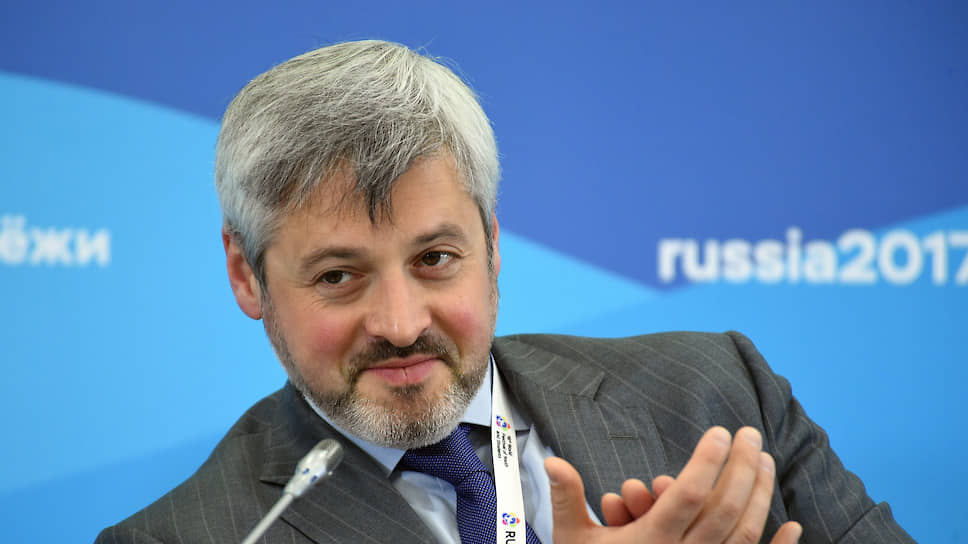
By the time of these elections, Mikhail Fedotov has been led by the work of the Council for two years. Vyacheslav Volodin proposed the idea of choosing members of the Council by election on the Internet. Information immediately leaked to the media. At first, MAF clearly expressed that there would be no elections on the Internet, but after a few days he proposed to create a working group for organizing such elections. It included Lyudmila Alekseeva and other human rights activists. This working group considered 190 candidates and rejected about half on formal grounds (for example, the lack of a candidate for human rights activities).
For organizing voting and summing up the elections, RIA Novosti was responsible, the former member of the HRC says.
“Some candidates received, well, it is completely unknown from where a large number of votes are from. Here people are absolutely unknown, absolutely. It was clear to us that they were playing the role of dark horses that are needed in order to make the composition of the Council more loyist, less human rights, ” says a former member of the HRC, familiar with the course of Internet selectors.
The members of the council requested from RIA IP addresses the voting and found that most of them were the same. The former member of the HRC suggests that the Presidential Administration was behind the falsification of Internet shoots.
According to the memoirs of Leonid Nikitinsky, a former member of the Council, according to the results of the elections, Mikhail Fedotov made three columns: in the first column there were those who won electronic voting, in the second those whom Fedotov himself wanted to see in the council, all the rest got into the third. With these three columns, Fedotov went to Putin.
- If today we had 40 people in the Council ...
“Yes, it will be 60, ” answered Vladimir Putin Fedotov.
The President of Russia proposed to include the first three from the columns of Fedotov in the Council. The council included 21 new member, there were 61 of them in total. “What the idea was, it is not entirely clear, well, we hoped that such a huge advice would not be working,” says Leonid Nikitinsky.
“They did not really understand who they were dealing with, ” recalls the former member of the HRC, “ if they wanted to blur the human rights core of the Council, then they did not succeed.” According to him, out of almost four dozen new members of the Council, “dark horses” were a little more than ten.
“Understand, then from 2012 to 2019 the activities of the Council were in sight, because there were practically no other legal political institutions of workers. First of all, there was no parliament, you know? The Duma, fully controlled by United Russia, ceased to be parliament, it became a division of the presidential administration. Moreover, such a working body of the administration. That's the Duma, you know? But the HRC did not become such, because his personal composition was partially formed by Fedotov, a completely different person. We had some events, we objected, we argued, we made sharp statements, therefore, it still made sense to pay attention to the HRC. We paid attention to us precisely because neither the Duma nor other representative bodies of their functions performed their functions at all, ” says Igor Shablinsky, political scientist and former member of the council.
Lawyer Natalya Evdokima, calls the years from 2012 to 2019 the best in the work in the Council. Under Fedotov, according to Evdokimova, there was real democracy in the council.
The last year of democracy was the 2019th. In the fall, as Leonid Nikitinsky recalls, Mikhail Fedotov already knew that “he was being removed,” but he did not show at all: “I made these same round tables. Brilliantly, in general, he behaved. "
Chapter 4. "Let pedophiles into kindergarten"
“In 2019, this (work in the Council - approx. Corny. ) It became impossible, we did not understand this,” says political analyst Igor Shablinsky. Most of my interlocutors believe that the council has completely changed at that time.
Then, before the vacation, in the fall of 2019, Mikhail Fedotov had a “conversation with people from the presidential administration,” says a former member of the HRC, who heard this story from the MAF himself at a farewell party:
- Mikhail Aleksandrovich, a meeting with the president is approaching, you probably need to think about a small rotation
“Yes,” said Mikhail Fedotov, “there are several people who need to be rotten.” I am even ready to offer any specific candidates for replacement
-We think, maybe somehow more decisively conduct a rotation to make the advice more efficient.
-Listen, if you want advice to deprive him of a human rights entity, then you do not need to start with other members of the council, because if you remove the key truly human rights figures from the council, then I will be forced to file a resignation on the same day. Why do you need it? Start just with me, ”Fedotov answered“ people from AP ”.
“Those came about whom Fedotov told me: “ We have advice not only on human rights, but also in the development of civil society. ” To put it mildly, not human rights activists came. Social activists, but not human rights activists "
Igor Kalyapin, member of the HRC in 2012-2022
And so it happened. Upon returning from the vacation, Fedotov in the presidential administration was proposed to complete the public service.
- Mikhail Sanych, they wanted to congratulate you on the anniversary. 70 years is a worthy age for the completion of public service.
A month after the birthday, October 21, Mikhail Fedotov was expelled from the HRC. Together with Fedotov, “traffic violators” were excluded, as some members of the council are called politician Kirill Goncharov - political scientist Yekaterina Shulman, lawyer and head of the international “Agora” Pavel Chikov, political scientist and professor of the Higher School of Economics Ilya Shablinsky and others.
Ilya Shablinsky connects this exception to the council with the support of independent deputies, who were not allowed to elections to the Moscow City Duma in the fall of 2019.
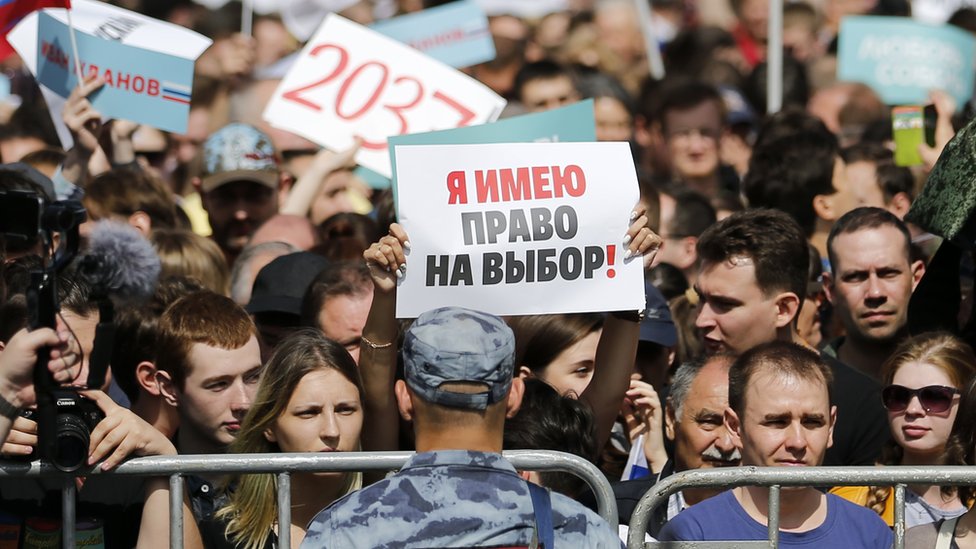
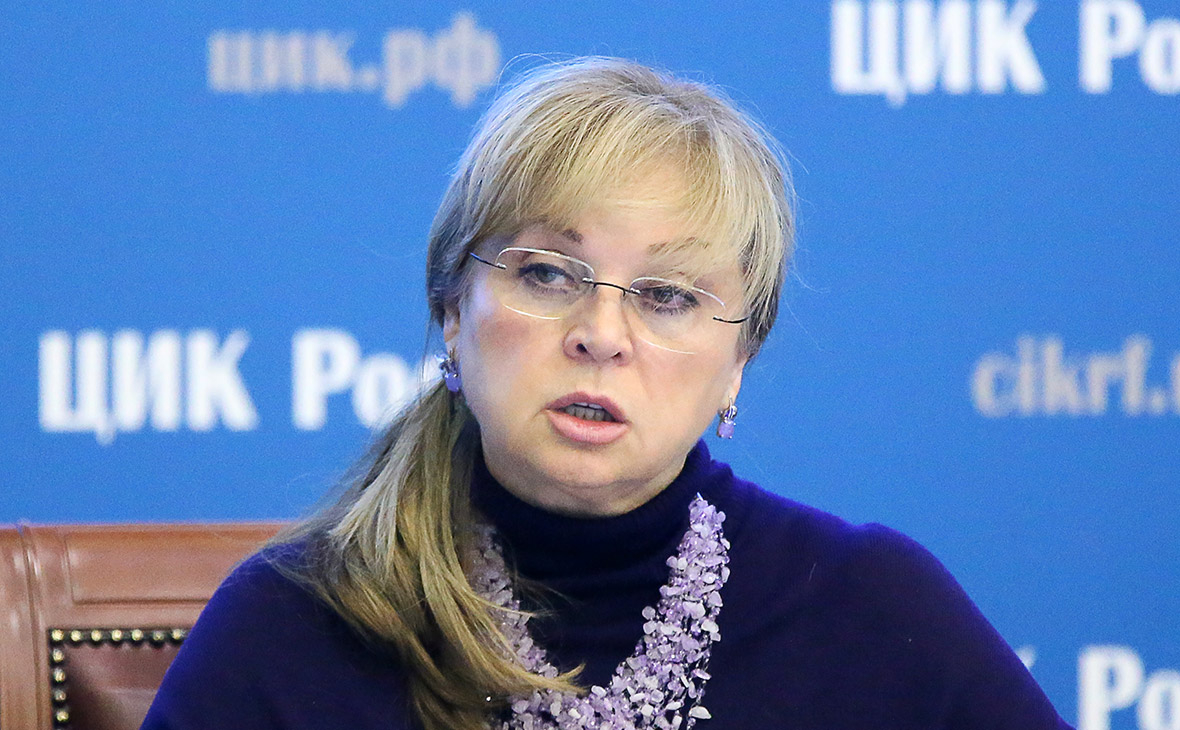
During the elections, the politician Kirill Goncharov recalls, then the SPC chairman Mikhail Fedotov arranged meetings in the building of the Presidential Administration, where he invited members of the council who were interested in the admission of independent candidates for elections, and some politicians who were not allowed to elections to the Moscow City Duma. At a meeting of politics and human rights activists, they accepted the appeal to Ella Pamfilova so that she would allow human rights activists to the CEC meeting: “So that we express our opinion, because there were completely ridiculous nit -picking, in fact, we were going to talk about it,” says the former member of the council Ilya Shablinsky.
The tolerance campaign for independent candidates has become a “catalyst to twist nuts in the HRC,” said politician Kirill Goncharov.
But the official version, why the chairman of the council was removed from the post, was his age: 70 years. In accordance with the documents that were published on the HRC website, Fedotov was dismissed from his post in connection with the achievement of the age limit for the public service.
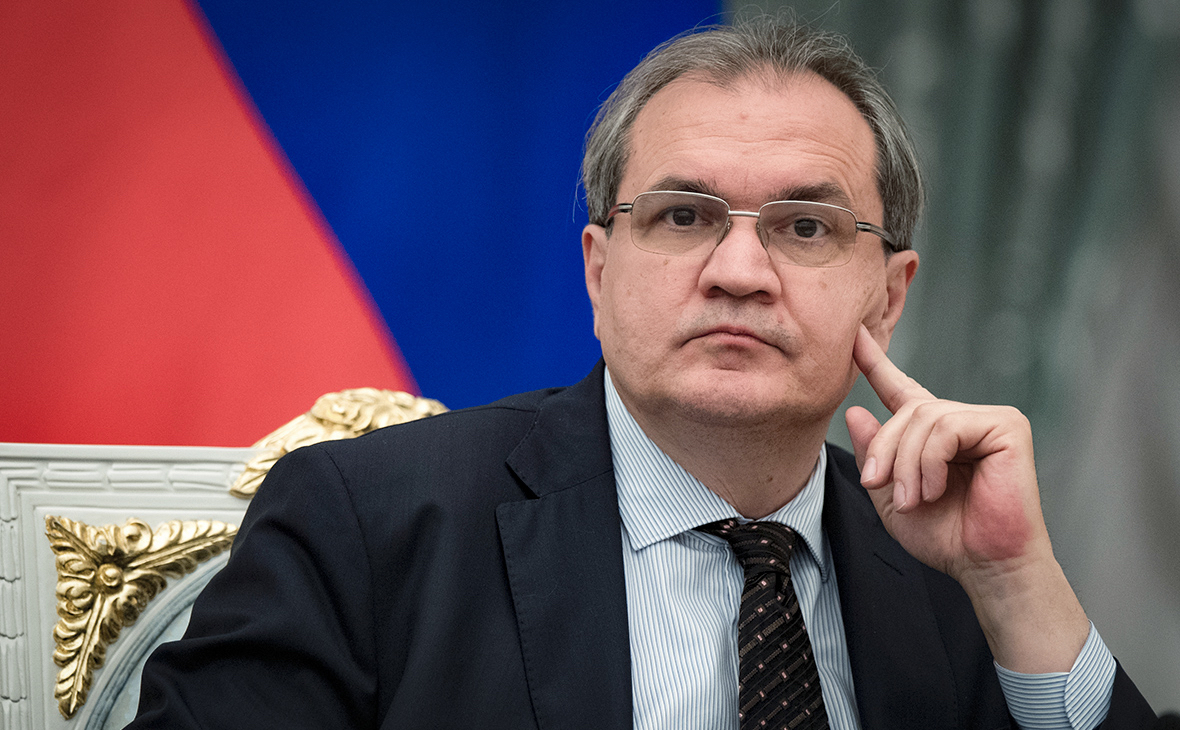
Valery Fadeev became the chairman. Prior to this, the secretary of the Public Chamber and the editor -in -chief of the magazine "Expert". In 2008, Putin awarded him the medal “For Merit to the Fatherland” of the second degree, in 2010 by the Certificate of Honor of the President of Russia. The members of the council did not know anything about him: "Nobody simply knew him in a human rights party."
“As soon as he (Fadeev - approx. Ed. ) Changed Fedotov and was a defeat,” says the former member of the council.
“They began to do a simple thing - they gradually washed out active members of the Council from the composition during the rotation and added some completely obscure characters that no one knows in this human rights party”
Leonid Nikitinsky, member of the HRC in 2018-2022
Fadeev came to the HRC with great debts, says one of the interlocutors within the council, who wished to remain anonymous: “He is, in principle, a good person. All he did in a past life is not bad. But the "expert" had great debts, very large. And you yourself know when you are in such a situation with debts ... There were few freedom of maneuver, like Fedotov’s. ” P, the “Protocol” said, said by the interlocutor.
The place of excluded human rights activists was taken by the Executive Director of the Russian International Media Group "Russia Today" Kirill Vyshinsky, the Commissioner for Human Rights in the Sverdlovsk Region, Tatyana Merzlyakova and the president of the Center for Applied Research and Programs, Alexander Tochenov. “Those came about whom Fedotov told me:“ We have advice not only on human rights, but also in the development of civil society. ” To put it mildly, not human rights activists came. Social activists, but not human rights activists, ” recalls the former member of the council Igor Kalyapin.
The new composition and Fadeev as the chairman became a signal to reduce the status of the HRC, wrote Vedomosti, and after some time the Council itself will become another propaganda rub.
“They put pedophiles into kindergarten,” says Ilya Shablinsky, excluded from the HRC in 2019. In his opinion, after the rotation of one of the most significant members of the council, he became “pocket”.
But there were still many human rights defenders in the council: Nikolai Svanidze spoke about rallies due to the inadequate candidates, Natalya Evdokimova-about the liquidation of human rights organizations, ecologist Sergei Tsyplenkov about the construction of the garbage training ground at ShiES station, which caused large large ones. protests.
“He was then the head of the Public Chamber,” says human rights activist Igor Kalyapin, “that means I came to him (to Fadeev - approx . He asked me for a long time, this is what for my program to fight torture, he also wanted to understand. In this way, we met a little, and he met me. " Именно это знакомство, по мнению Каляпина, и стало причиной того, что он остался в Совете после прихода Фадеева.
— Фадеев для себя, наверное, сделал выводы, что с идеями Каляпина еще можно поработать, а с Катей Шульман оставаться опасно, — рассуждает Игорь Каляпин.
Новый состав СПЧ не стал единственным изменением в Совете: после прихода Фадеева, изменили порядок постановки вопросов, рассказывает бывший член Совета Леонид Никитинский. Теперь, чтобы задать вопрос Путину, нужно согласовать его.
Согласовывали вопросы президенту у Кириенко, вспоминает бывший член Совета. «Он (Сергей Кириенко — прим.ред. ) мне разрешил задать (провокационный — прим.ред. ) вопрос, потому что знал, что я так и так вырвусь», — рассказывает бывший член Совета на условиях анонимности. В первое время правозащитникам удавалось прорываться с несанкционированными вопросами, подтверждает слова собеседника Леонид Никитинский. Таким образом Наталья Евдокимова задавала очередной вопрос об «иностранных агентах» на встрече с Путиным: «Когда Путин в хвост и в гриву крестил этих иностранных агентов и прочее-прочее. Я же открыто ему сказал, что я с вами не согласна, и по такому-то поводу, — вспоминает Наталья Евдокимова встречу с президентом. — Ну, понятно, что это было одно из моих последних выступлений. Помню, тогда на меня все обиделись. И Фадеев, и Кириенко. И все равно те поправки, против которых я протестовала, они были приняты» .
— Потом они стали делать простую вещь, — рассказывает Леонид Никитинский, — постепенно вымывали активных членов Совета из состава при ротации и добавляли каких-то совершенно невразумительных персонажей, которых никто не знает в этой правозащитной тусовке.
Одним из таких «персонажей» стал Игорь Ашманов — российский предприниматель и мультимиллионер, который в конце 2020 года попал в СПЧ вместе с журналисткой Мариной Ахмедовой и другими.
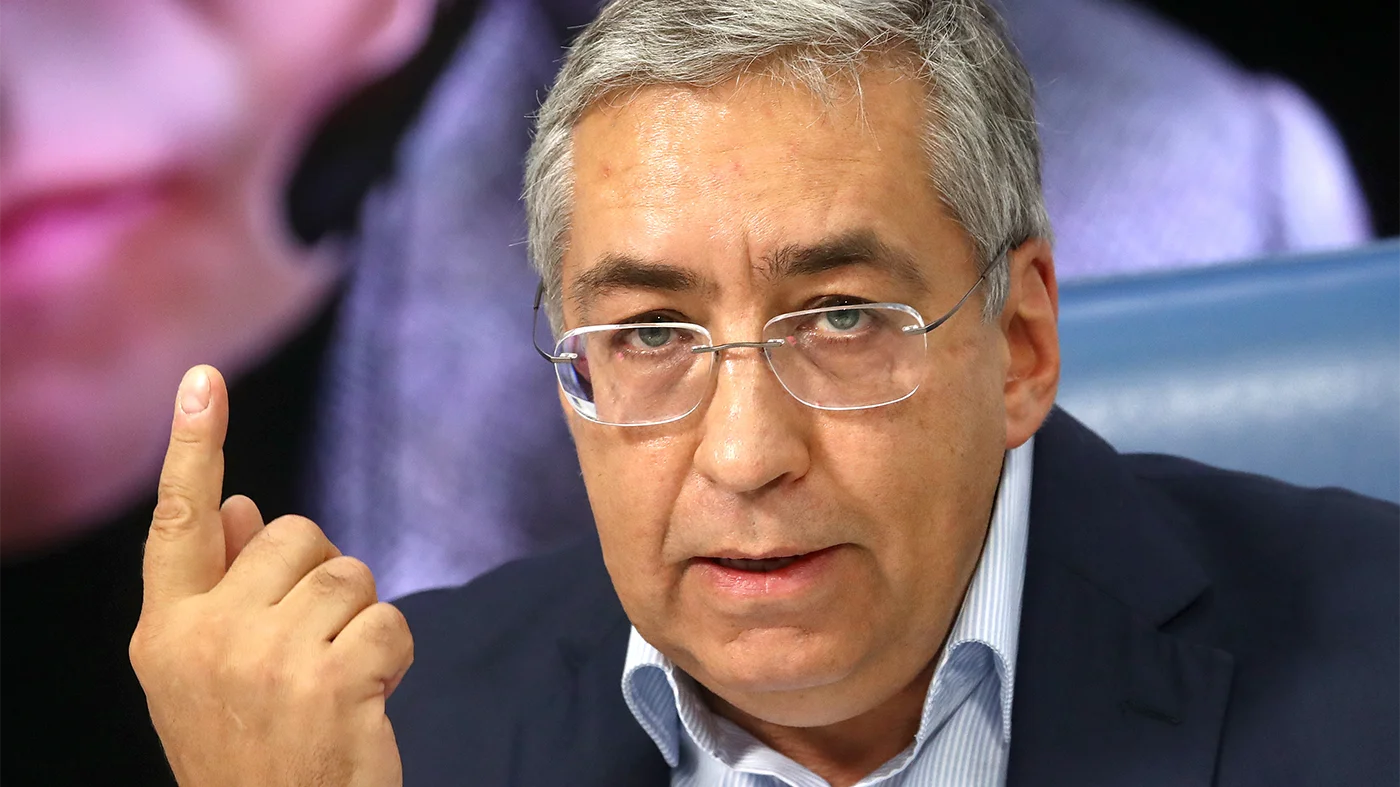
После того, как Ашманов пришел в Совет, он «разрушил» технологию коммуникации внутри СПЧ, рассказывает один из бывших членов Совета: раньше правозащитники могли общаться друг с другом в специальном чате, после 2019 года вся коммуникация происходила только внутри одной комиссии по почте. Член Совета из комиссии по личным правам больше не может общаться с членом Совета из комиссии по политическим правам. Той системы, которая позволила написать антивоенное заявление в 2014 году больше не существовало. Бывший член Совета Игорь Каляпин подтвердил «Протоколу», что система коммуникаций внутри СПЧ была разрушена, но добавил, что «в любом случае это ответственность Фадеева, а не кого-то другого».
— Мудак… — обзывает Ашманова бывший член Совета в разговоре со мной.
Глава 5. «Рупор, в который можно кричать»
— Становилось все гаже, — Леонид Никитинский делает паузу, — гаже… и гаже.
Один из бывших членов Совета не может вспомнить ни одной хорошей новости, после прихода в СПЧ Фадеева: «Мы как-то старались крутиться, что-то писать и решать, но тучи сгущались. Все чувствовали, как скоро закончится воздух».
«Если уж оказался во вражеском окопе, а это безусловно вражеский окоп, то надо здесь чего-нибудь взорвать»
Игорь Каляпин, член СПЧ в 2012-2022 годах
За несколько месяцев до начала полномасштабного вторжения в Украину, во время встречи президента с Советом, Леонид Никитинский специально сидел и записывал «за кого просили»: «За Навального, за того, за другого, — вспоминает Никитинский. — И потом я специально проверил, значит, всем сделали хуже. Кого-то там заслали в другую колонию, кому-то еще что-то. Ну, конечно, это делал не Путин, естественно. Но кто-то сидел, как я тоже записывал, и, значит, всем потом сделали какие-то там неприятности».
Через два месяца Никитинский покинул Совет по правам человека: началась война в Украине. «Ну все, хватит. Я ставлю вас в известность, я не хочу никакого скандала, ничего. Такое не в моем духе. Но я больше в этом не участвую», — пересказывает Леонид свои слова.
Процедуры выхода из Совета не существует. Леонид Никитинский позвонил Фадееву с вопросом, что ему делать. Он предложил Фадееву написать заявление об уходе, но председатель СПЧ ответил, что ничего писать не надо:
— Нет-нет-нет. Будет ротация осенью, и мы вас выкинем, — вспоминает ответ Фадеева Никитинский.
Через некоторое время СПЧ покинул другой его член — Александр Асмолов. Но массового исхода не было:
— Если уж оказался во вражеском окопе, а это безусловно вражеский окоп, то надо здесь чего-нибудь взорвать, — говорит правозащитник Игорь Каляпин, который решил остаться в СПЧ после начала вторжения.
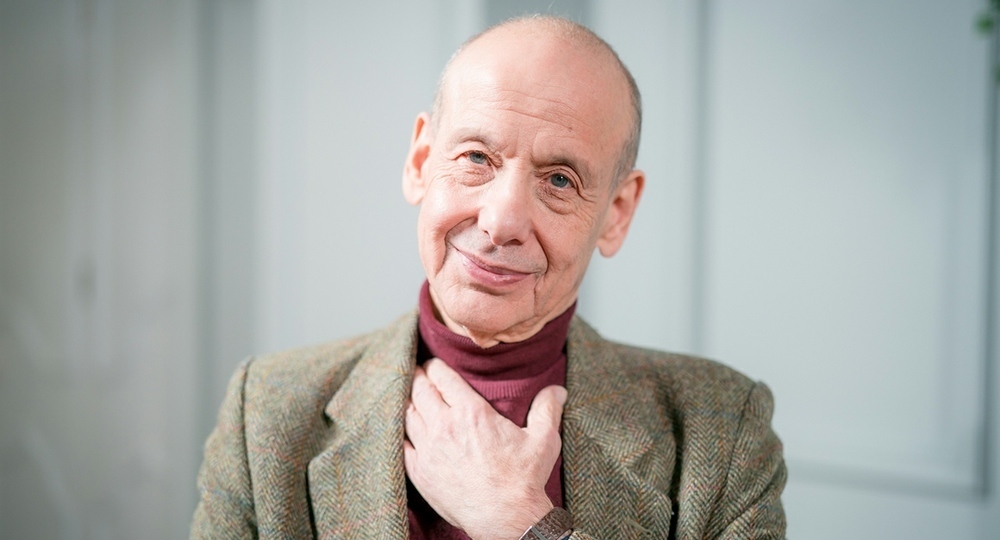
То, что произошло в Совете дальше Каляпин называет «экзотической ситуацией»: один из членов СПЧ Николай Сванидзе понял, что ничего, кроме громких заявлений от имени комиссии по политическим правам, в которой он состоял на момент начала войны, больше не получится сделать. «Да, то есть как-то влиять на президента, на каких-то его чиновников, — пересказывает задумку Сванидзе его коллега Игорь Каляпин, — то есть вот… ну все, война началась после того как было объявлено так называемая СВО для кого и кому, о каких правах человека можно чего-то рассказывать».
Игорь Каляпин, Николай Сванидзе и некоторые другие члены Совета решили сделать из СПЧ « технологическое устройство — рупор, в который можно еще кричать» .
Сначала правозащитники решили сформировать комиссию по политическим правам таким образом, чтобы большинство ее членов понимало, что «совет по правам человека при президенте российской федерации — это само по себе странное сочетание, парадоксальное»: «То есть права человека привезли в Российскую Федерацию это парадокс. Это дважды два пять», — смеется Игорь Каляпин. После этого члены СПЧ собирались комментировать от имени комиссии все происходящее, «насколько администрации президента готова будет это терпеть».
Правозащитники в комиссии долго спорили. Леонид Никитинский считал, что все они должны выйти из Совета: «Произошло вторжение на территорию соседнего государства. Это агрессивная войны, это никакое не СВО».
— Позиция у всех была одна — не совместимо то, что происходит с какими-то даже словами о правах человека, — говорит Каляпин, — о каких правах человека может идти речь? Страна президент которой это все начал… — на секунду Игорь задумывается. — Нужно выйти со скандалом, нужно выйти громко, только нужно сделать что-то такое, нужно таких заявлений накидать, нужно такие вопросы задать… И лучше бы это сделать, конечно, на встрече с президентом, когда трансляция прямая есть. То, что мы коллективно, например, заявим о том, что вербовка в «Вагнер» и отправление этих заключенных в Украину для ведения боевых действий — это двойное преступление… что это преступление, которое совершается при попустительстве генеральной прокуратуры, очевидно, что по прямому указанию президента… — говорит правозащитник с восхищением. — Вот давайте вот такое заявление сделаем, и нас после этого выгонят. Without a doubt.
Но в конце концов все остались при своих мнениях, подытоживает Каляпин.
— Создать такой комитет нам бы никто не дал, как вы понимаете, — говорит Наталия Евдокимова, бывший член Совета.
Но правозащитникам все-таки удалось сделать антивоенное заявление. Оно было опубликовано в блоге Николая Сванидзе на сайте СПЧ. В нем правозащитники призвали остановить войну и начать переговоры, пересмотреть репрессивные законы, принятые накануне, а также обратили внимание на прекращение вещания радиостанции «Эхо Москвы» и телеканала «Дождь». Заявление подписали 13 человек из Совета.
— Посмотрите на список тех, кто подписал (антивоенное заявление — прим.ред. ) в марте 2022 года, несмотря на то, что это уже было мягче, абсолютно право. Но, тем не менее, это уже было под риском уголовным. И посмотрите на состав членов Совета сегодняшней. Вы видите там минимум пять фамилий, тех, кто и то и другое заявление подписывали, — рассказывает один из нынешних членов Совета, — если я сейчас пытаюсь, вспомнить тот состав, то 50% членов Совета 2012 года либо иноагенты, либо нежелательные.
Новый план правозащитников состоял в том, чтобы «забросать вопросами» ФСИН и генпрокуратуру. Большая часть этих вопросов касалась незаконной вербовки ЧВК «Вагнер» российских заключенных на войну. «ФСИН и генеральная прокуратура начали давать ответ на эти запросы, переводить стрелки друг на друга, тянуть время. Мы окончательно убедились в том, что у них там это никак не урегулировано. Просто очевидно было, что есть прямое распоряжение президента», — рассказывает Игорь Каляпин.
Летом 2022 года правозащитники направили обращение генеральному прокурору РФ Игорю Краснову. Их интересовало на каком основании заключенных освобождают из колоний.
Несмотря на то, что это обращение подписало только шесть правозащитников, в два раза меньше, чем антивоенное заявление в марте 2022 года, оно сильно разозлило администрацию президента, рассказывает бывший член Совета: «Уже на ближайшей встрече нам объясняли, почему убивать зеков на войне — This is fine". Другие члены СПЧ, поговорившие с «Протоколом», не подтвердили эту информацию.
Осенью у нескольких членов СПЧ созрел план: на ежегодной встрече с президентом рассказать о том, что более 15 тысяч человек «украдено из колонии» без законных оснований. «Короче, для того чтобы этот доклад получился более насыщенным, я в очередной раз направил запрос в генпрокуратуру и написал, что просим предоставить информацию до такого-то числа в связи с тем, что готовится доклад для президента РФ» , — рассказывает Игорь Каляпин.
— Ну что, Наталья Леонидовна, вас как, поздравлять или соболезновать? — звонил бывшему члену Совета Евдокимовой знакомый по законодательному собранию Санкт-Петербурга в конце ноября 2022 года.
— По какому поводу?
— Только сообщили, что вас исключили из СПЧ.
— Ну надо же, как удачно, — ответила Наталья Евдокимова. До встречи с президентом оставалось несколько недель.
О том, что доклад нескольких членов СПЧ будет посвящен незаконной вербовке российских заключенных, знали уже заранее. Каждый член СПЧ должен утверждать тему своего выступления на встрече с заместителем руководителя администрации Президента Сергеем Кириенко: «Это стало последний каплей, — говорит Наталья Евдокимова. — Знаете, я работающий член Совета была, но уж больно громкий, наверное».
Тогда, 17 ноября 2022 года, из Совета исключили 10 человек: Игоря Каляпина, Наталью Евдокимову, Николая Сванидзе и других.
— Досадно, достаточно большая часть работы пошла насмарку, — подытоживает исключенный из Совета Игорь Каляпин.
Глава 6. Форточка возможностей
К встрече с президентом в Совете появились «желательные» и «нежелательные» темы для докладов. Так нежелательными стали темы потерь на фронте, история казней членами ЧВК «Вагнер» завербованных заключенных и вербовках этих самых заключенных на фронт. «Желательными» стали экологические вопросы, доклады о санкциях, отмене русской культуры и многом другом.
Один из собеседников «Протокола» не может вспомнить случаев существования «желательных» и «нежелательных» тем в Совете: «Должен вам сказать, что он (Федотов — прим.ред. ) никогда не согласовал текст своих выступлений ни с кем. А члены… Другое дело, что члены совета, если договаривались, что они будут выступать на встрече с президентом, он их спрашивал: „Какая тема будет? О чем вы собираетесь говорить? — Вот я буду говорить о мигрантах“. Он говорит: „Хорошо, я понял“». Бывший член СПЧ рассказывает, что управление внутренней политики президента хотело видеть тезисы доклада, но никогда ничего не цензурировало.
После начала полномасштабного вторжения все изменилось: на первой встрече с президентом в 2022 году Валерий Фадеев рассказал о том, как члены Совета ездят в «зону СВО», Мария Ахмедова об обстрелах городов Донбасса, а Татьяна Мерзлякова о солдатах, которым «негде стирать носки», и которые страдают от «вспышек педикулеза на фронте».
— Все неудобные вопросы, неприятные, они постепенно исчезли вместе с людьми, которые их ставили, — рассказывает один из бывших членов Совета.
Один из моих собеседников, член СПЧ, считает, что больше не имеют смысла вопросы о «большой политике»: «Вот это вот окно возможностей, если оно даже и существовало, оно очень стало маленьким. Давно уже форточка, а может быть, даже и не форточка. Но какие-то вещи, которые не потрясают основ, наверное, еще возможны».
«Статус члена Совета давал возможность разговаривать с чиновниками: вот в чем дело. Куда-то приезжая, кого-то там пытаться выручать из лап следственного комитета. Этот статус можно использовать с любым и каждым региональным начальником СК, ради этого, мы до какой-то степени на компромиссы шли»
Леонид Никитинский, член СПЧ в 2018-2022 годах
Одной из таких вещей, не потрясающих основ, стало то, что Совет настоял на поправках в закон о сплошной рубке, то есть, вырубке всех деревьев на участке за один раз, в Сибири. Благодаря СПЧ, рассказывает один из его нынешних членов, в обновленном тексте законопроекта предусмотрели ограничения на площадь рубки и другие поправки. «Отрезок времени не совсем потерян», — говорит нынешний член СПЧ.
Смысл оставаться в Совете с каждым годом становится все меньше и меньше, считает его бывший член Леонид Никитинский. При этом «для отдельных людей, которые там находятся» смысл до сих пор остается: «Ева Меркачева. Из ОНК выгнали, а статус члена совета позволяет все-таки какие-то проблемы этих несчастных зэков решать. Все-таки есть смысл для нее, это дает какой-то статус. Этот статус тоже чисто формальный, и все уже понимают, что она никто и звать никак. Так что и сегодня там, в общем, для кого-то есть смысл оставаться. Но для большинства людей, конечно, уже там никакого смысла нет».
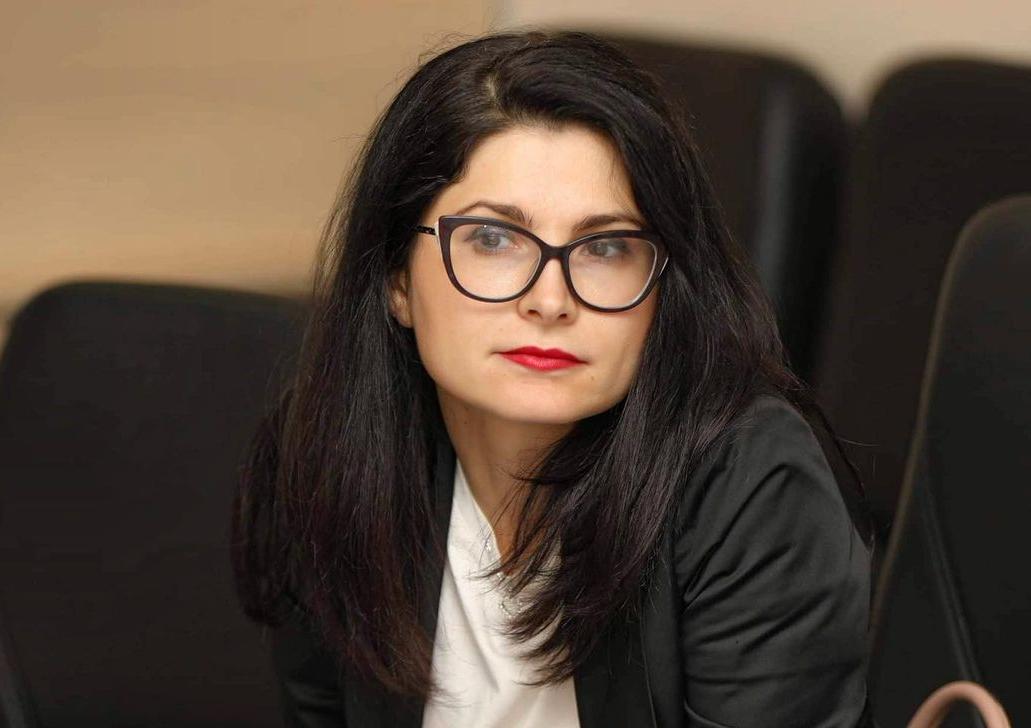
Меркачева — журналистка и писательница, в 2018 она вошла в Совет по правам человека и до сих пор остается одним из самых заметных членов СПЧ. В Совете Меркачева занимается преимущественно проблемами заключенных: рассказывает о проблемах с лечением в местах заключения, выступает против смертной казни на заседаниях с Путиным, просит снизить сроки наказания за ненасильственные преступления. От разговора со мной Ева отказалась.
Один из бывших членов Совета рассказывает мне, что для того чтобы оставаться в СПЧ, нужно было принимать «некоторые правила игры». Летом 2022 года, после начала войны в Украине к правозащитнику подошли высокопоставленные чиновники из администрации президента и пригрозили, что если тот не «снизит антивоенную активность» в соцсетях, то им придется «быстренько его выгнать».
— Ну… я снизил.
Компромиссы — то, на что нужно идти, оставаясь в Совете после начала войны. «Статус члена Совета давал возможность разговаривать с чиновниками: вот в чем дело. Куда-то приезжая, кого-то там пытаться выручать из лап следственного комитета. Этот статус можно использовать с любым и каждым региональным начальником СК, — рассуждает Леонид Никитинский, — ради этого, мы до какой-то степени на компромиссы шли» .
Также рассуждают те, кто остается в СПЧ до сих пор:
— Я не готов быть революционером, но и сволочью нельзя становиться, — рассказывает нынешний член СПЧ.
«Протокол» направил свои вопросы в президентский Совет по правам человека. На момент выхода этого материала ответы не были получены.