
Translated material
Payments to students for pregnancy were introduced in the Leningrad region
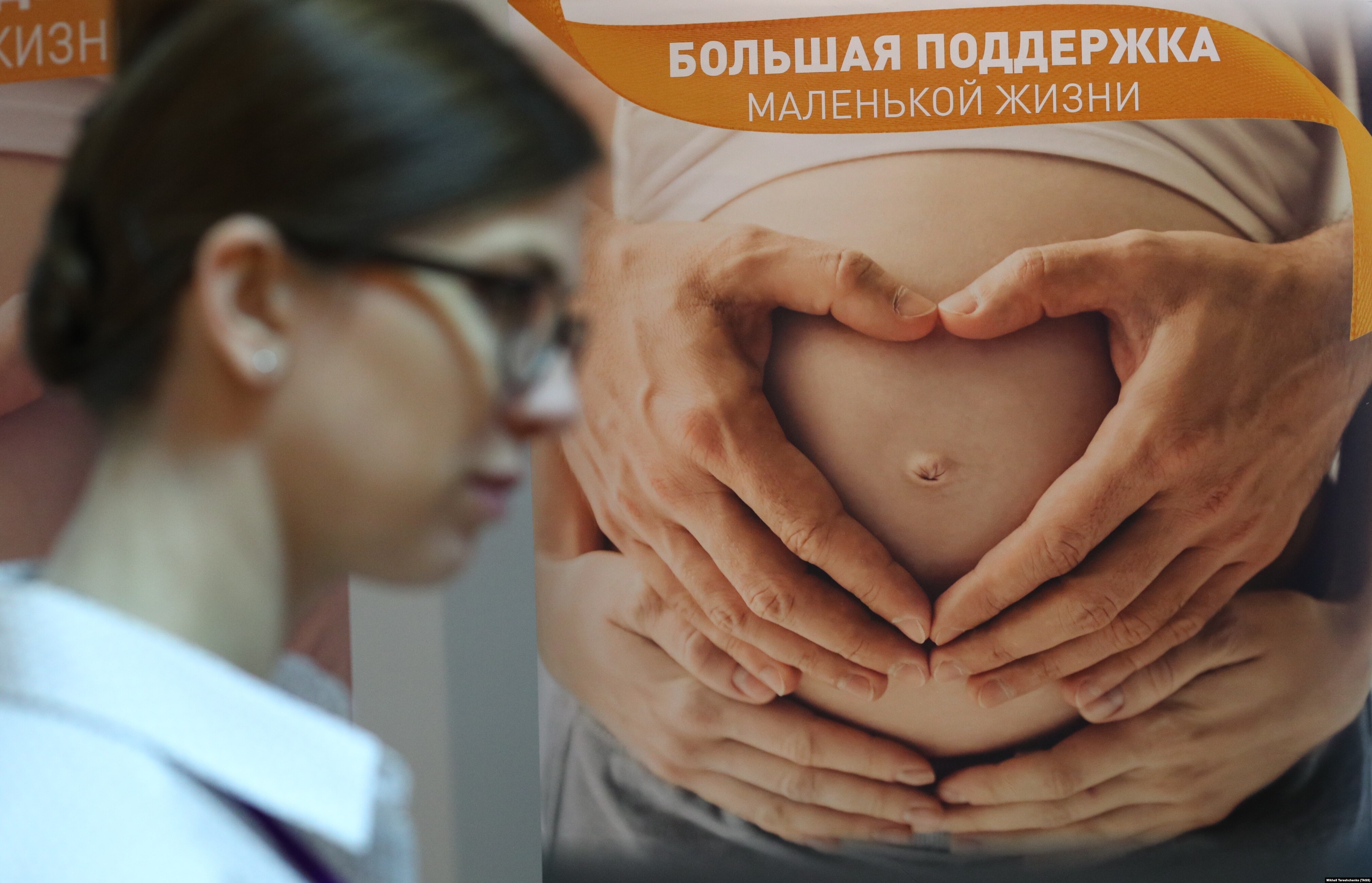
The government of the Leningrad region announced one-time payments of 100 thousand rubles to students for pregnancy. Payments will begin at the beginning of next year. Only full-time students will be able to apply for them.
“A one-time payment in the amount of 100 thousand rubles is introduced for women studying full-time, upon registration with a doctor and with a pregnancy period of at least 12 weeks,” wrote the regional governor Alexander Drozdenko in his telegram channel.
He has already signed the corresponding resolution.
Drozdneko also announced partial compensation for rental housing for families in which both parents were no more than 35 years old at the time of the birth of the child. At the birth of their first child, they will be compensated monthly up to 14 thousand rubles, up to 21 thousand - at the birth of the second.
A few days ago, the government of St. Petersburg announced payments to pregnant students. Prior to this, the authorities of 11 more regions promised to pay students money for pregnancy or the birth of children: Karelia and Mordovia, Chelyabinsk, Tomsk, Oryol, Samara and Vologda regions, as well as Altai, Khabarovsk, Krasnoyarsk and Perm territories.
Earlier, Senator Andrei Kutepov proposed that having children be considered an “individual achievement” when entering a university if the mother gave birth within a year before submitting documents. Schoolgirls in grades 10-11 fall under this definition. The document says nothing about fathers. As Kutepov notes, the measure will be part of the prevention of abortion and should improve the status of families with children. The senator sent his proposal to the head of the Russian Ministry of Education and Science, Valery Falkov.
Increasing the birth rate is one of the goals declared by the Russian authorities for the coming years. In this regard, a number of regions have adopted laws “prohibiting inducement to abortion”, and also introduced a so far unspoken ban on such operations being carried out by private clinics. At the federal level, a law has been passed banning the promotion of childfree ideology.
At the same time, in early November it became known that in several Russian regions, including St. Petersburg, there were interruptions in the supply of anti-Rhesus immunoglobulin, which is vital for pregnant women with a negative Rh factor. Local authorities said that supplies were temporarily impossible due to a shortage of anti-Rhesus immunoglobulin and its analogues.