
Translated material
War
One thousand twenty-ninth day. Trump's special envoy is ready to come to Moscow immediately after the inauguration of the US President-elect
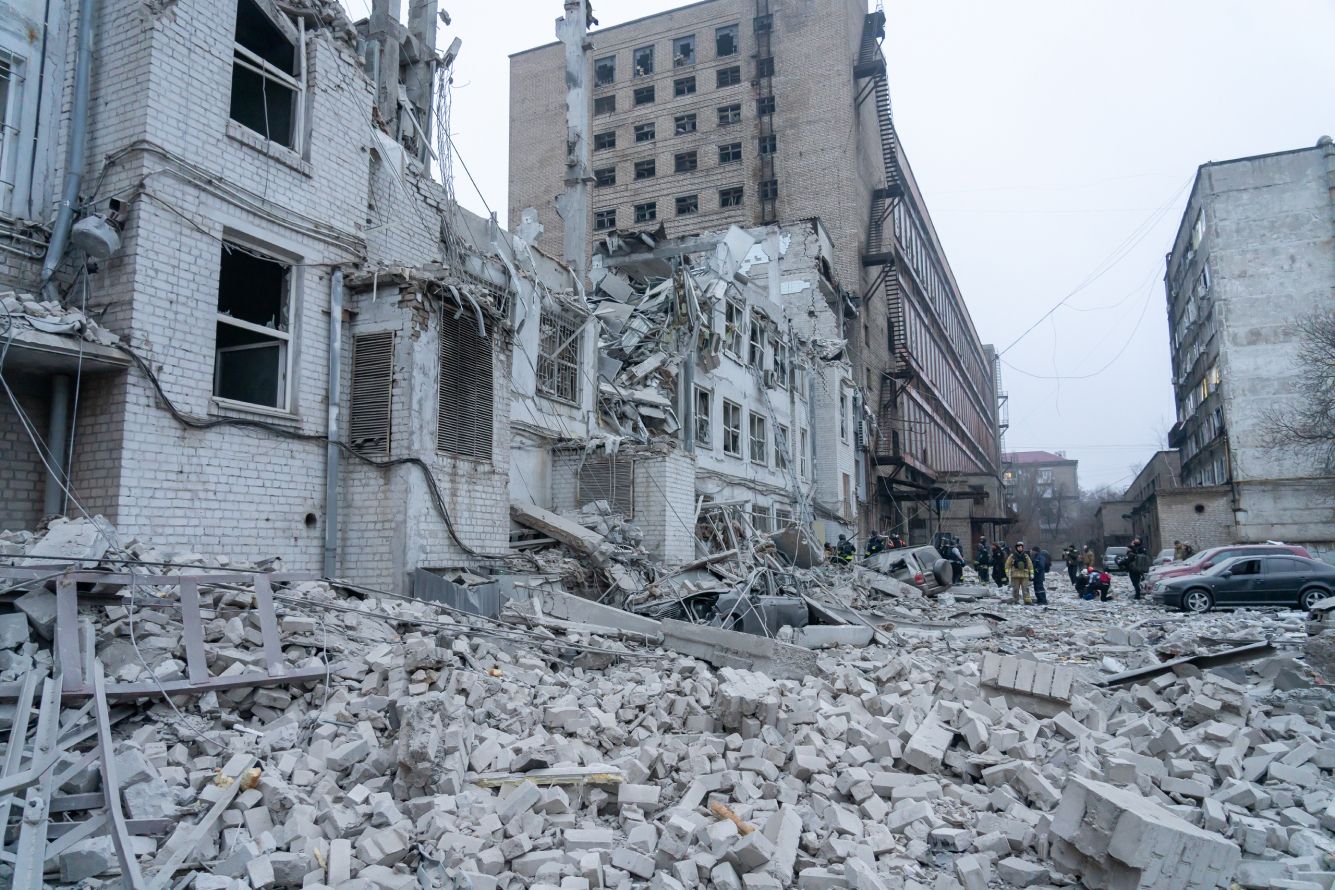
Since February 24, 2022, Meduza has been broadcasting live about the Russian-Ukrainian war. Our chronicle is published once a day, and in it we dwell in detail on several key stories that are affecting the course of the war right now. We also publish your letters in these materials, because we are sure that we need to continue talking about the war. Please share your personal war stories with us. Find the feedback form at the end of this article. You can read the previous day's review here .
World
Trump's special envoy is ready to come to Moscow - if he is called there
Donald Trump's future special envoy for Ukraine, Keith Kellogg, is ready to visit Moscow if he receives an invitation, Bloomberg wrote on the evening of December 17, citing a source.
The trip could take place shortly after Trump's inauguration on January 20. Bloomberg calls the very possibility of a visit by a high-ranking American official to Moscow an “extraordinary step” against the backdrop of ever-increasing US sanctions against Russia. This trip, if it takes place, will be primarily aimed at obtaining information about Russia's position, and not at reaching any agreements.
Kellogg, Bloomberg reports, is also planning a visit to Kyiv and several other European capitals, such as London, Paris and Rome, in January (it is unclear whether before or after Trump's inauguration). Reuters also wrote about the plans for these trips; according to its data, Kellogg is not going to visit Moscow during the trip.
Russian Presidential Press Secretary Dmitry Peskov said on December 18 that the Kremlin “saw relevant media reports” but did not have any details. “There were no contacts with the Trump team on this matter,” Peskov noted.
Trump spokeswoman Caroline Levitt did not officially comment on Kellogg's possible trips, but stressed that speedy negotiations and ending the Russian-Ukrainian war are Trump's "maximum priority."
On what terms the Trump team will offer the parties to end the war has not yet been officially announced. The dominant point of view in the Western media is that, according to Trump’s plan, Ukraine will one way or another have to de facto give up part of its territories to Russia in exchange for security guarantees that will prevent a new invasion. Trump himself, speaking to reporters on December 16, said that Ukrainian President Vladimir Zelensky “must be ready to make a deal.”
Russia
The Pentagon believes that hundreds of North Korean soldiers were killed and injured in the Kursk region
In the battles in the territory of the Kursk region occupied by the Armed Forces of Ukraine, “several hundred” military personnel from North Korea could have been killed and wounded, the Pentagon believes. The New York Times writes about this with reference to a senior American military official.
According to the Pentagon, a joint group of approximately 50 thousand Russian and Korean military personnel is engaged in ousting Ukrainian troops from the occupied territories. The DPRK troops have no combat experience - so the Ukrainian military managed to launch successful strikes on their control points, as well as on infantry positions.
The Ukrainian Security Service also claims that North Korean troops are suffering serious losses in battles in the Kursk region. The agency published an allegedly intercepted conversation between a Russian military man and his wife, who works in a hospital in the Moscow region. The woman in the conversation, in particular, reports that within a few days about two hundred wounded Koreans were brought to them. The authenticity of the recording of this conversation has not been confirmed.
Officially, Russia does not confirm the participation of military personnel from the DPRK in the battles in the Kursk region. Ukrainian President Vladimir Zelensky said on December 16 that Russian troops were “trying to hide losses among the North Koreans.”
Analysts at the American Institute for the Study of War (ISW), in their daily report for December 17, suggest that the Kremlin will continue to hide the participation of Koreans in the battles in the Kursk region, because “this is a tacit admission that Russia cannot retake its own without the help of foreign troops.” territory."
War through the eyes of Meduza readers
Katerina, Nizhny Novgorod region . More than a thousand days have passed and there has not been a single day among them when I did not think about this horror. Living through all the stages - denial, bargaining, anger, depression - many times. All except one thing - acceptance. It will never exist. All that was left was powerlessness and dull hatred of the authorities of my country. I cry constantly. It hurts unspeakably. For the Ukrainians who are suffering, for those Russians who are against the war, but still receive hatred from the world. It hurts to read the news, but I can’t afford to stop completely. As if there is simply no moral right to forget. Indeed, “we will not forget, we will not forgive.” For yourself.
Why did this section appear?
Meduza talks about the war every day - but we are sure that reports from the front, photographs of destruction, reports of shelling and news about politicians’ attempts to agree on something alone are not enough. The story of the war is incomplete without the stories of the people whose destinies it affected, and without their opinions about what was happening.
Tell us and our readers what you think about the latest events unfolding in and around the war. We will publish some of your letters.
Please also share with us your thoughts about our new format of military chronicles. Tell us what topics you think are especially important right now. Explain what journalists don't see and what gets lost in the news. Thank you!
"Jellyfish"