
Translated material
Microplastics may cause cancer
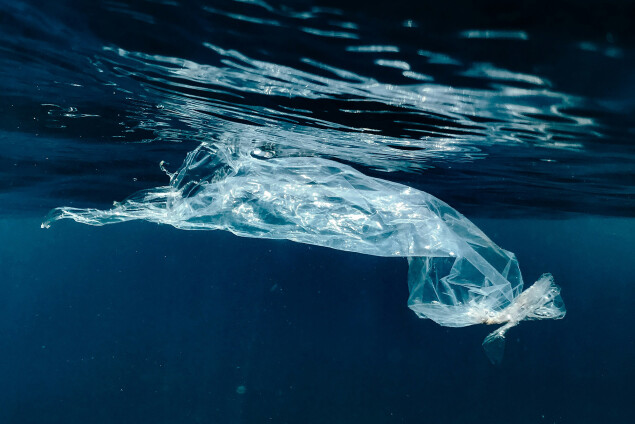
Microplastic particles are suspected of causing colon and lung cancer. Scientists from the University of California came to these conclusions; their study was published in the journal Environmental Science and Technology.
Scientists reviewed dozens of studies in mice and humans to understand how microplastics may affect the digestive, respiratory and reproductive systems. Across all issues studied, they concluded that microplastic particles have “presumed adverse effects” on human health.
Judging by the findings of scientists, microplastics can have a strong adverse effect on the male reproductive system. To do this, the quality of the test subjects' sperm was studied. Microplastic particles were found in male testicles relatively recently - during a study in 2023. Researchers suggest that microparticles may affect the decline in sperm count.
The plastic world inside Scientists are finding more and more microplastics in the human body. Particles found in male testicles and sperm Society 6 min read
Scientists have not found a strong evidence base to claim that microplastics seriously affect the female reproductive system. However, after analyzing female follicles and reproductive hormones, researchers still suggested that microparticles could have adverse effects on a woman’s body. However, American scientists have not found evidence that small particles of plastic can in any way affect the results of childbirth.
In addition, scientists found “moderate” quality evidence when studying the effects of microplastics on the digestive and respiratory systems. Researchers at the University of California have suggested that colon cancer and lung cancer may develop due to microplastics entering the body. However, it is too early to draw firm conclusions: scientists have called for additional health effects to be examined in future studies on microplastics.
The European capital has found a way to reduce its carbon footprint to zero Residents heat their houses with waste, ski on the roof of a factory and sort waste into 10 containers World 8 min read
“This systematic review is one of the most up-to-date assessments currently available,” concluded Luis Fernando Amato-Lourenzo, a researcher at the Free University of Berlin.
The Washington Post clarifies that the latest study examined only one type of microplastic - spherical balls. In reality, most microplastics are small shards or fragments that flake off plastic objects.
Microplastic particles are everywhere: they have already been found in drinking water, beer, washing machines, on highways, and also in the world’s oceans. Microparticles settle in almost all organs of the human body, including the heart and intestines. Scientists have already found microplastics in blood, placenta and breast milk.
In order not to miss the main materials of “Cold”, subscribe to our social networks!


Photo: Naja Bertolt Jensen / Unsplash