
Translated material
Transit between modes
What exactly was the Russian army doing in Syria and what will happen to the military bases now?
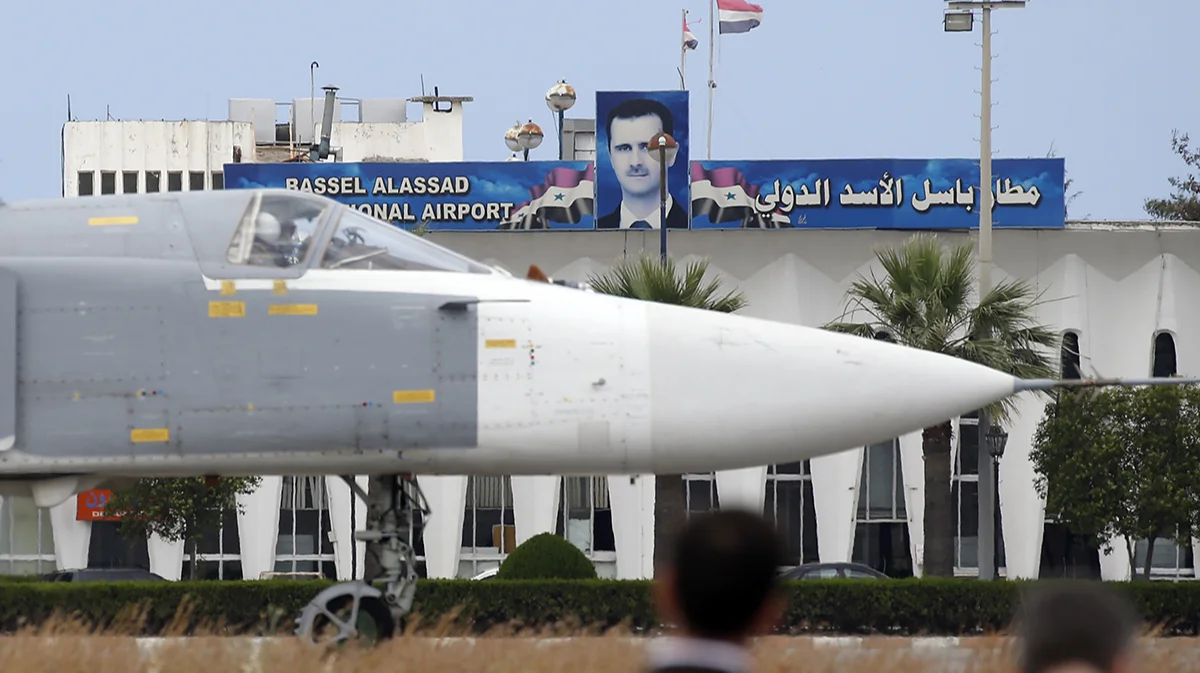
A Russian Su-24 bomber at Khmeimim airbase in Latakia province, Syria, May 4, 2016. Photo: Sergey Chirikov / EPA-EFE
The Russian army is massing troops in Syria to the Khmeimim airbase and the naval base in Tartus. Major international publications and experts on the Middle East give diametrically opposed forecasts about the fate of the Russian military presence in the Syrian Arab Republic.
“New Europe” discussed with experts what the Russian authorities were doing in Syria under the regime of President Bashar al-Assad and how events could unfold now.
What Russia is doing after the change of the Syrian regime
Russia is withdrawing its troops from the front line in northern Syria and from posts in the Alawite Mountains, but is not leaving its two main bases in the country, four Syrian officials told Reuters. We're talking about an air base.
Khmeimim in Latakia and the naval base in Tartus.
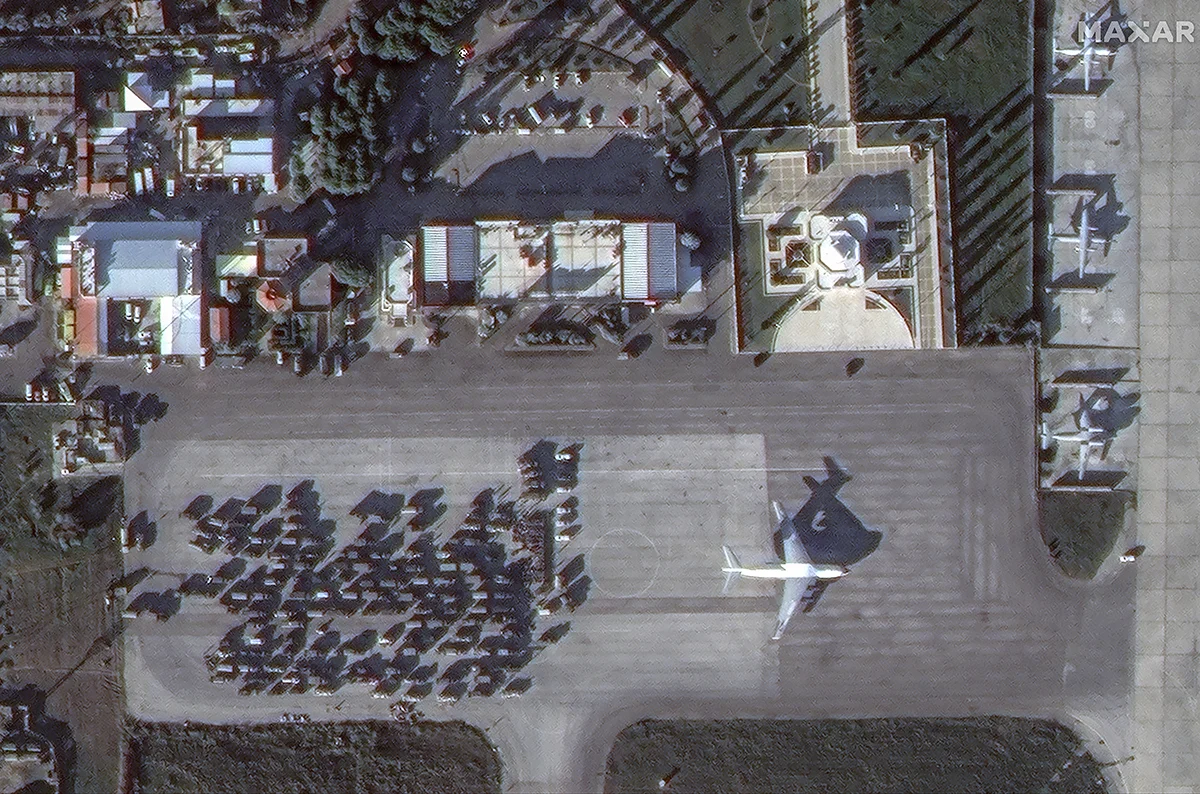
Satellite footage showed at least two An-124 aircraft, among the world's largest cargo aircraft, at Khmeimim airbase with their nose cones open, apparently preparing to be loaded.
Syrian military and security sources in contact with the Russians told Reuters that Moscow was withdrawing its troops from the front line and evacuating some heavy equipment and senior Syrian officers.
“However, the sources, who spoke on condition of anonymity due to the sensitivity of the situation, said Russia has no intention of withdrawing troops from its two main bases and does not currently intend to do so,” a senior Syrian army officer liaising with the Russian military told Reuters . “Certain equipment, as well as senior officers from Assad’s army, are being sent to Moscow, but at this stage the goal is to regroup and redeploy in accordance with developments on the ground.”
A rebel official close to the new interim administration told Reuters that the issue of the Russian military presence in Syria and past agreements between the Assad government and Moscow were not being discussed. “This is a matter of future negotiations, and the Syrian people will have the final say,” the official said, adding that Moscow had established communication channels. “Our forces are now also in close proximity to Russian bases in Latakia,” he noted, without going into details.
“A large convoy of Russian military equipment was seen leaving the city of Latakia in western Syria towards nearby Tartus, where the Russian naval base is located,” Euronews reports . — The new Syrian authorities also say that Russia has in recent days transferred at least 400 troops from the suburban areas of Damascus to the Khmeimim airbase, which is located in the province of Latakia. That has fueled speculation about a possible Russian troop withdrawal just a week after rebel forces overthrew longtime Kremlin ally President Bashar al-Assad.”
At the same time, Euronews quotes the press secretary of the political department of the Syrian transitional government, Obeida Arnaout, who called on Russia to reconsider its presence in the country. A spokesman appointed by the Hayat Tahrir al-Sham (HTS) rebel group responsible for overthrowing Assad says Russia's recent actions in Syria have been controversial. He emphasizes that the decision to withdraw Navy ships from ports and move fleets of military equipment from bases does not provide a clear picture of whether the Kremlin is actually withdrawing troops or whether this is part of its regular movements.
“Their interests were connected with the criminal Assad regime,” Euronews quotes Obeida Arnaut as saying. “They may reconsider their views and take initiatives towards the new administration to show that they have no enmity with the Syrian people and that the era of the Assad regime is finally over.”
Saved the regime
Orientalist Mikhail Krutikhin recalls how in 2011, Assad very brutally suppressed opposition protests in the province of Daraa. This began the civil war in Syria. Since 2013, a significant part of the country has been occupied by the Islamic State. The international community has created a coalition to fight this terrorist jihadist organization, while at the same time supporting the anti-Assad opposition.
“Then in 2015, Russia got in there and began to actively save Assad,” Mikhail Krutikhin tells New Europe. — Other allies of the bloody Syrian regime were the terrorist group Hezbollah and pro-Iranian militias. It turned out that Russia supported Assad, who poisoned peaceful Syrian cities with chemical weapons.
“Separate detachments of the Wagner PMC were already present in Syria at the time of the official intervention of the Russian Army in 2015,” Israeli military expert Sergei Migdal tells New Europe. “Russia sent its troops to Syria at a time when the regime’s affairs were already very bad. It was clear that without external support, Bashar al-Assad’s power would not survive.
At one point, the front passed 200 meters from the presidential palace in Damascus. The country's capital was virtually cut off from the coastal areas. And then Putin decided to introduce a military contingent.
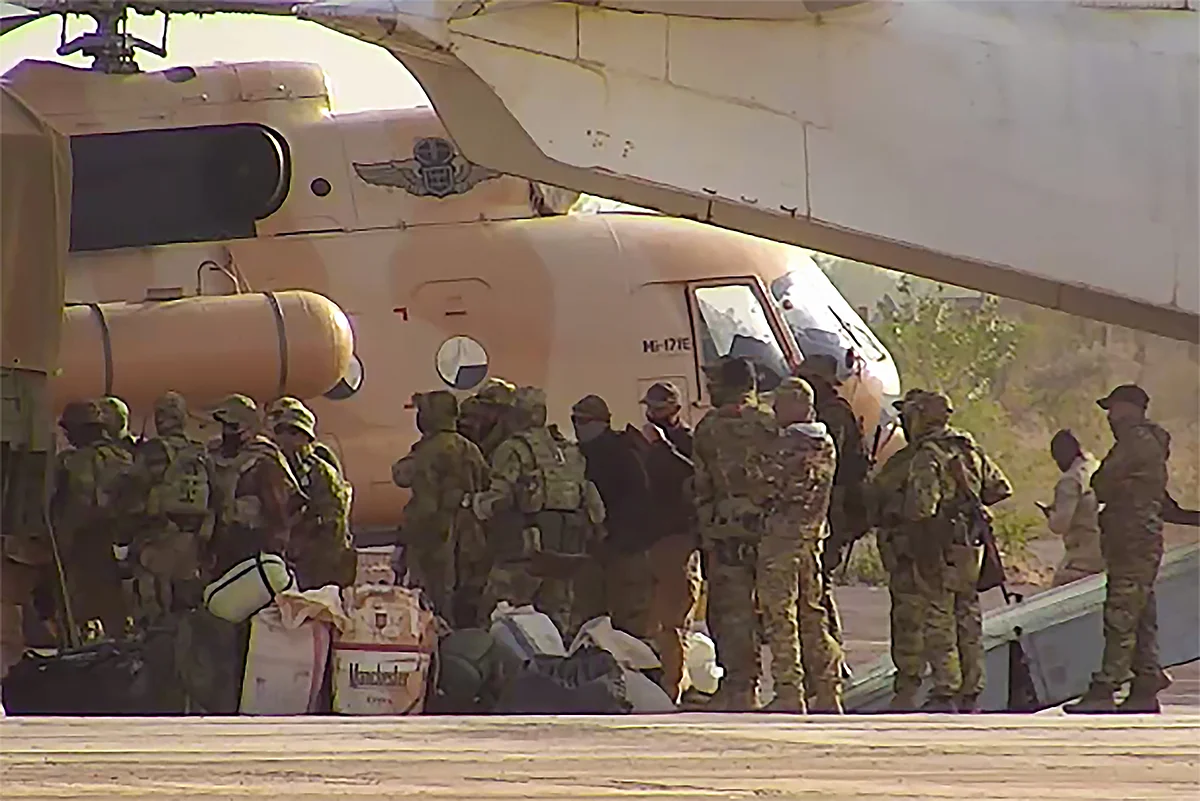
Initially, the Wagner PMC redeployed to Syria in 2014. According to Sergei Migdal, its number was relatively small. The duties of the Russians included the protection of important persons and objects of Assad’s power. However, further the number of mercenaries grew. Important achievements of the PMC were two assaults on the city of Palmyra. After the first successful offensive, the settlement was recaptured by terrorists, and the Wagnerites had to retake it.
“In Syria, the Wagner PMC was considered the most combat-ready pro-Assad force,” Mikhail Krutikhin continues the conversation. “Its fighters successfully stormed populated areas and entire cities, and then handed them over to government troops, who were often quickly kicked back by rebels or IS terrorists. This was the case in Palmyra, which the Wagnerites took twice. So Russian mercenaries became famous as the most notorious thugs who knew how to fight well. With them gone, support for the Assad regime waned.
“Russia has long helped the Bashar al-Assad regime with supplies and, probably, financially,” Israeli military observer David Sharp tells New Europe. — The famous “Syrian Express” came from Russia. Since Soviet times, a logistics support center for the Navy has been located in Tartus. Until 2015, there were literally three Russian servicemen with a dog. The ships came in to refuel and replenish food. In the fall of 2015, a large-scale deployment of Russian and Iranian troops into Syria began. The Russian army not only bombed the positions of Assad’s opponents, but seriously fought in the ground operation. There was a mixed aviation regiment at the Khmeimim airbase. It is interesting that during the first years of participation in the war, Russian troops practically did not fight the Islamic State. Most often, they launched missile and bomb attacks on anti-Assad opposition forces and rebel groups. Moreover, they bombed from medium altitudes so as not to fall under the action of MANPADS. The accuracy left much to be desired.
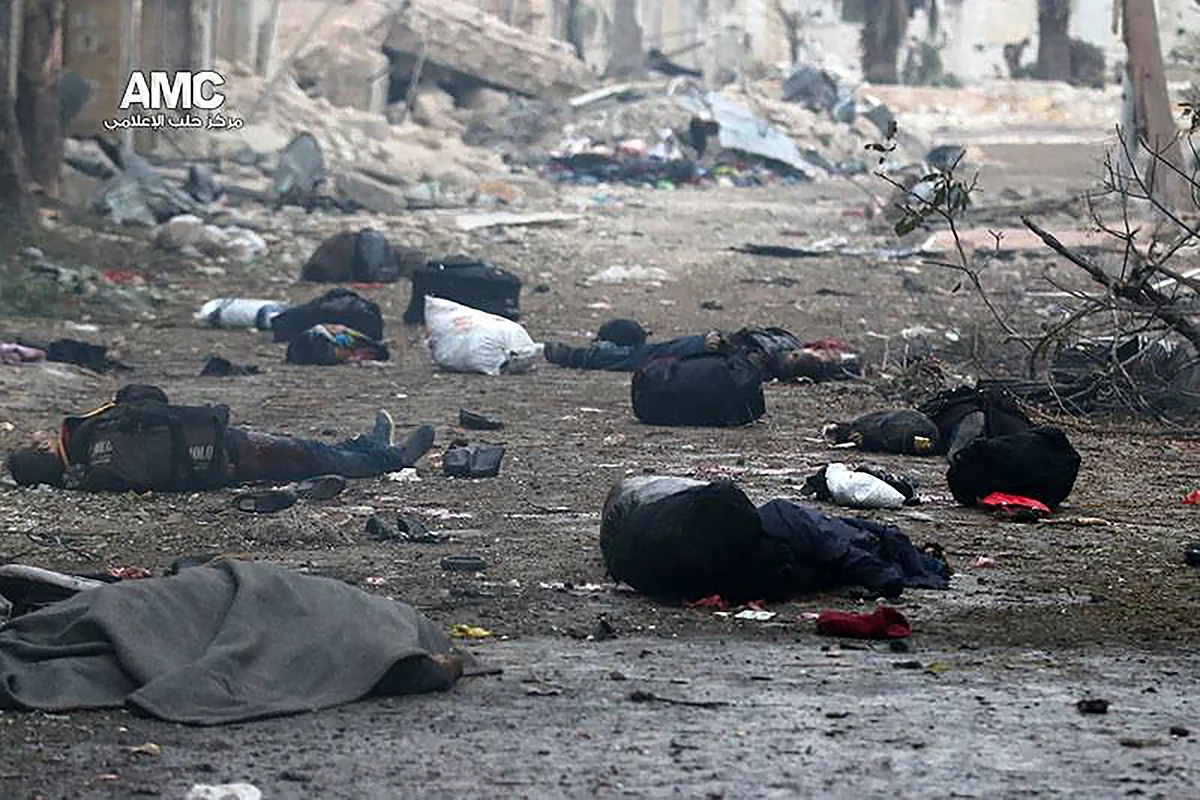
David Sharp is confident that Russian aviation, together with the Syrian Air Force, deliberately attacked civilian targets. This was done in order to break the will of the rebels to resist and force them to leave certain populated areas. The targets of the bombing were hospitals, bakeries, water treatment plants and critical infrastructure. Similar fighting took place even in the capital Damascus. Street fighting continued in Aleppo for a long time. Russia's Syrian allies often dropped barrels of explosives from helicopters onto populated areas as bombs.
“Russian planes bombed Aleppo and attacked medical centers,” says Mikhail Krutikhin. — The bombing of a university hospital in Idlib killed 56 people. When local residents see a motorcade of Russian cars, they threaten them with their shoes taken off their feet in the form of a desire to get out of this land.
Why did Russia need Syria?
Sergei Migdal is confident that President Barack Obama, who led the United States in those years, is to blame for the fact that Bashar al-Assad did not lose power back in 2013. Then Obama drew a thick red line and threatened dire punishment for the use of chemical weapons. After these weapons were used, the West did not react in any way. Prime Minister David Cameron's proposal to attack Syrian airfields and chemical weapons stockpiles did not pass in the UK. As a result, Obama quickly reached an agreement with Putin and, together with Assad, held a demonstration show to destroy prohibited weapons. In reality, of course, nothing was destroyed. Obama also did not plan to overthrow Assad. Without Assad, it was impossible to supply Hezbollah with weapons. The Syrian regime became Iran's proxy, and the head of the United States wanted to establish normal relations with Tehran and conclude a nuclear deal.
“The popularity of the Assad regime at that time was approximately 12% and was equal to the size of the Alawite community,” says Sergei Migdal. — The United States announced plans to create a “Free Syrian Army”, which was supposed to change power in Damascus. It included some deserters from the Syrian troops. About $5 billion was allocated from the American budget for this project. They have been successfully mastered by various intermediary organizations and military companies. As a result, 59 militants were trained, 58 of whom, at the very first clash, went over to the side of Jabhat al-Nusra, the Syrian wing of al-Qaeda.
According to Sergei Migdal, the United States did not in any way interfere with the entry into Syria of Shiite militants from eight different countries, gathered under the auspices of the Islamic Revolutionary Guard Corps to protect the Assad regime.
By 2015, Americans were at a complete loss. Assad's opposition, according to David Sharp, was extremely fragmented. Some of the factions were already fighting among themselves. In addition, IS fought with everyone, which through joint efforts was eventually defeated.
Russia also supported, including financially, a Syrian unit called the Fifth Corps, formed from rebels from the south who had agreed to reconcile.
Putin, inspired by the annexation of Crimea and the successful operation in Donbass, began to believe in 2014 that everything was allowed to him and that there would be no punishment for any actions, and in 2015 he sent troops into Syria. Sergei Migdal notes that
The Russian President then presented Russia’s participation in the Syrian civil war as a fight against Islamic State terrorists. True, in the end it was mainly the Americans, Kurds and the Iraqi army who fought against IS, while Russia bombed the Sunni rebels.
It even led to confrontation between Qatar and Russia, as well as Turkey and Russia. A Russian bomber was shot down. The “tomato war” has begun. Meanwhile, the Russian Army developed two military bases in Syria - the Khmeimim air base and the naval base in Tartus. Lease until 2066 as a fulfillment of the dream of the Russian tsars about a military presence in the Mediterranean. For Putin, all this was proof of Russia's resurgent greatness.
How the Wagner PMC was defeated
David Sharp also recalls the participation of the Wagner PMC in the war, which practically originated on the basis of the Slavic Corps (SK) PMC, which participated in the battles in Syria in 2013. And although after returning to Russia the leaders of the SK PMC were arrested, the commander of one of the two companies of the corps, Dmitry Utkin, later headed the Wagner PMC, named after his call sign.
“Someone appreciated the idea of creating a Russian private military company, and the Wagner PMC arose,” says David Sharp. “This armed formation was first used in the Donbass, and then in Syria. They took part in many high-profile battles of this war: they stormed Aleppo and took Palmyra twice. An indicative story occurred with the capture of Palmyra for the first time. The relatively small forces of the Islamic State during the counteroffensive took the superior units of the Syrians and Russians by surprise and drove them all the way to the T-4 base several tens of kilometers away. The IS attack was stopped only with the help of the Americans. After this, the Wagnerites suffered significant losses when they recaptured Palmyra.
In 2017, at the stadium in Deir ez-Zor, a rebel drone blew up a large amount of weapons, ammunition and military equipment belonging to the Wagner PMC.
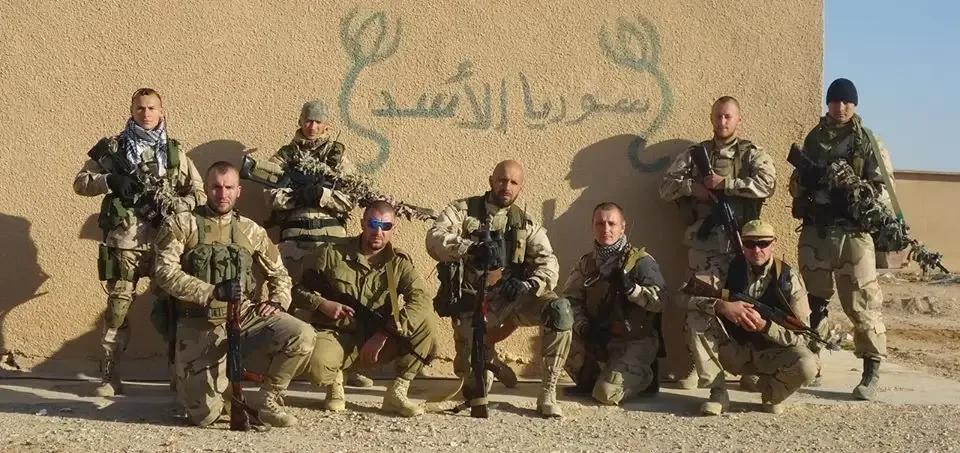
“In 2018, in the province of Deir ez-Zor, a detachment of the Wagner PMC was completely defeated by aviation and ground forces of the Western coalition led by the United States,” says Sergei Migdal. “The mercenaries were on their way to seize fuel energy facilities located near the city of Khasham. This was done on the direct orders of Yevgeny Prigozhin, who coordinated the operation with someone in the government of Bashar al-Assad. The American general, before striking, called his Russian colleague to ask whether the Russians were on the move. He was assured several times that the Russian army had nothing to do with what was happening. And the United States troops destroyed the Wagner column without losing a single man. The exact number of deaths is still unknown, but, according to some reports, there could be hundreds of them.
What will the new Syrian authorities do?
“In Syria, Al-Julani is now trying to gather all the rebel groups under his command,” Israeli military expert David Gendelman tells New Europe. “In Idlib, he succeeded as far as possible. At the general Syrian level it is more difficult. The usual problem of civil wars: the first point of the program, common to everyone, in the form of the overthrow of the old government, has been completed, but on the following points everyone already has disagreements. But he has already shown unexpectedly striking successes in military and political terms, so we’ll see.
Al-Julani and his coalition allies created a transitional government led by Mohammed al-Bashir, who previously led the rebel Salvation Government formed by Hayat Tahrir al-Sham (HTS). However, it is unclear whether the leaders of other groups will play by the rules proposed by HTS, says David Sharp. Al-Julani, indeed, enjoys serious authority among the rebels. But if several other groups unite, they may have more fighters than HTS currently has. And the rebels have quarreled and fought among themselves more than once in the history of their movement. The creation of a single full-fledged state with centralized power in Syria is still very far away.
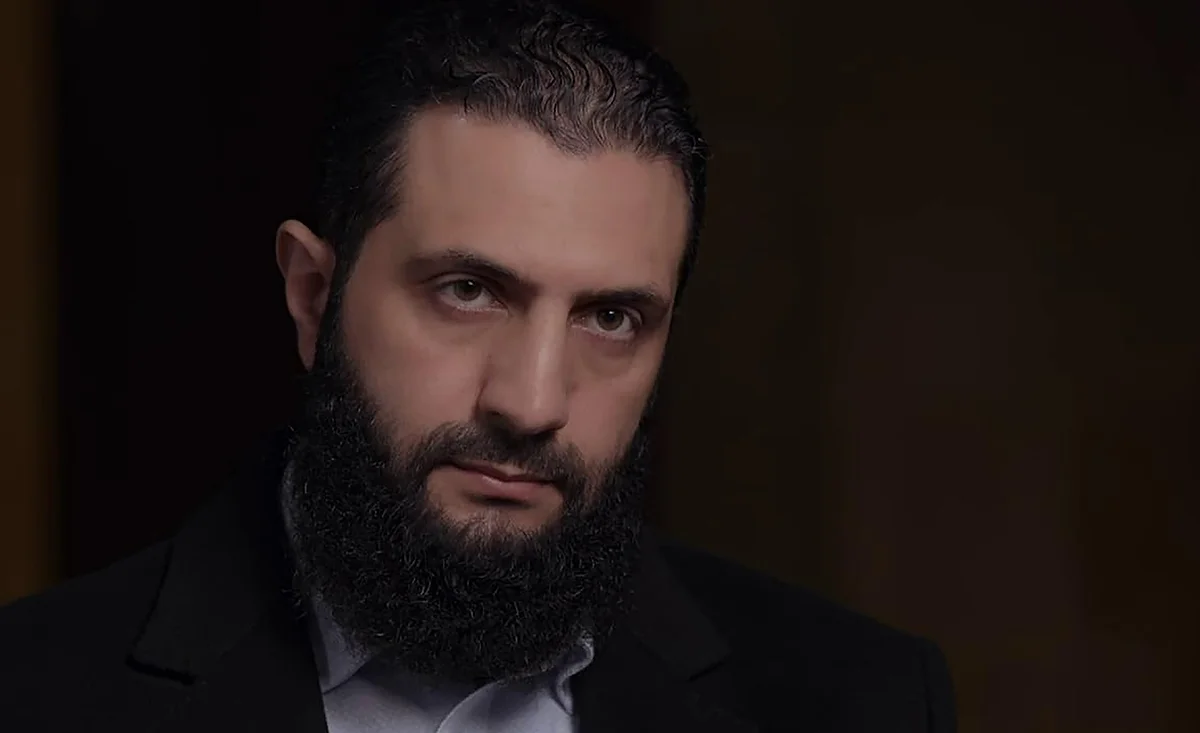
According to Mikhail Krutikhin, despite possible disagreements among the rebels, today we are seeing a movement towards the consolidation of disparate rebel forces around a single centralized power. Rebel leader Abu Muhammad al-Julani got rid of this bandit nickname and returned to his birth name: Ahmed Hussein al-Sharaa. He behaves like a completely moderate politician, committed to cooperation with all religious and ethnic strata of Syrian society. With the help of the Americans, Islamist groups agreed on peace with the Kurds. Representatives of this nation said that they plan to improve relations with Damascus and do not see any problems in the new government. Several Druze villages that declared their desire to come under Israeli rule have already taken back their words. The Kurds may retain not only a third of the territory of Syria, but also a small enclave north of Aleppo.
Islamists from rebel groups, starting the offensive, threatened to establish Sharia rule, and then go to war with Israel and liberate the people of the Gaza Strip, says Mikhail Krutikhin. However, the new leadership of Syria has not yet undertaken anything like this and does not even plan out loud. At the same time, paramilitary Palestinian terrorist organizations that had ammunition depots and terrorist training camps have already been banned in Syria. Even propaganda of war with Israel is not allowed.
“It’s interesting that there is no Sharia in Syria today,” says Mikhail Krutikhin. “Judging by videos from major cities such as Damascus and Latakia, where liquor bars and nightclubs are open, women are not forced to wear a veil or even a simple headscarf. Employees of the secret police “Mukhabarat” of Bashar al-Assad and his other power structures have stopped being lynched and are now simply forced to register at special points.
Russian bases
The new power of Syria, according to Mikhail Krutikhin, is not going to aggravate relations with former Assad allies, including Russia. However, it is also not worth expecting military-political cooperation between countries.
- As a real military and political bridgehead in the Mediterranean Sea and the Middle East of Syria for Russia as a whole is already lost. Now the Russians are hoping to at least save the bases in Tartus and Khmeimim, primarily for their military logistics in Africa, ”says David Gandelman. - And the presence on dozens of military bases throughout Syria, joint patrolling with the Turks in the north, military police posts on the Israeli border, air patrols, and so on, that is, real political and military influence.
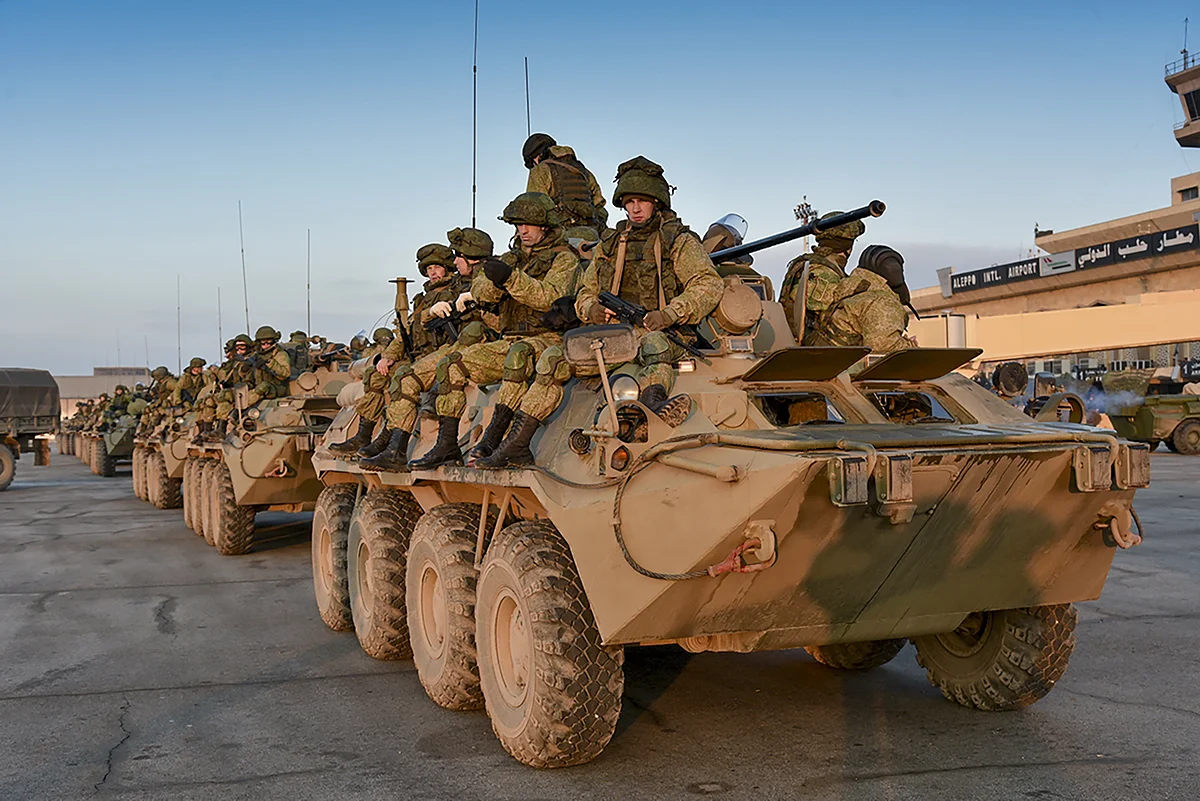
“The worst enemies for the victorious rebels are Iran and Hezbollah,” says Sergey Migdal. - However, Russia has nothing to love to the rebels. Abu Muhammad al-Julani shows himself as a calculating politician. I am convinced that he is not going to leave any Russian bases in Syria. It should be borne in mind that the Russian presence was not limited to tartus and hmmim. The army of the Russian Federation had dozens of strongholds throughout the country - in the center, in the east and in the north. Few people know that the Golan heights, a few kilometers from the Israeli border, have a former separate base of the Russian military police.
Also in Syria, on the territory of the Homs province, there is a base of electronic intelligence of the Russian Federation. Now parts of the Russian army are brought from there to Khmeimim and Tartus. One gets the impression that the authorities of Russia, Turkey and Qatar agreed that the rebel troops of Julani gave the Russians and Iranians to calmly leave.
According to some data, the Russian contingent is given for this 30 days, according to others - 75. From the Khmeimim, the personnel are exported to Russia by aircraft. All this became possible, apparently, after a direct request to the rebels from Erdogan.
“Negotiations on the fate of Russian bases with the new transition government are now being carried out by Türkiye,” adds Mikhail Krutikhin. - However, today's authorities in Syria, apparently, show more and more independence. So it is very likely that this decision will eventually be made by the rebels themselves. So far, we see how the technique and air defense equipment are evacuated. From small objects located in different provinces of Syria, Russian troops went through Turkey. Transport aircraft and sea vessels are visible from the satellites, which take out personnel and equipment towards Russia. Even the military, guarding the Russian embassy in Damascus. By the way, he was not defeated, unlike Iranian. In my opinion, it is likely that Russian bases will soon not remain in Syria.
Not the most reliable sources spoke about the presence of fighters of the so -called “African corps” in Syria, a structure that arose on the wreckage of the Wagner PMC. However, there is currently no proven information about these mercenaries on the sources of Novo-Europe.
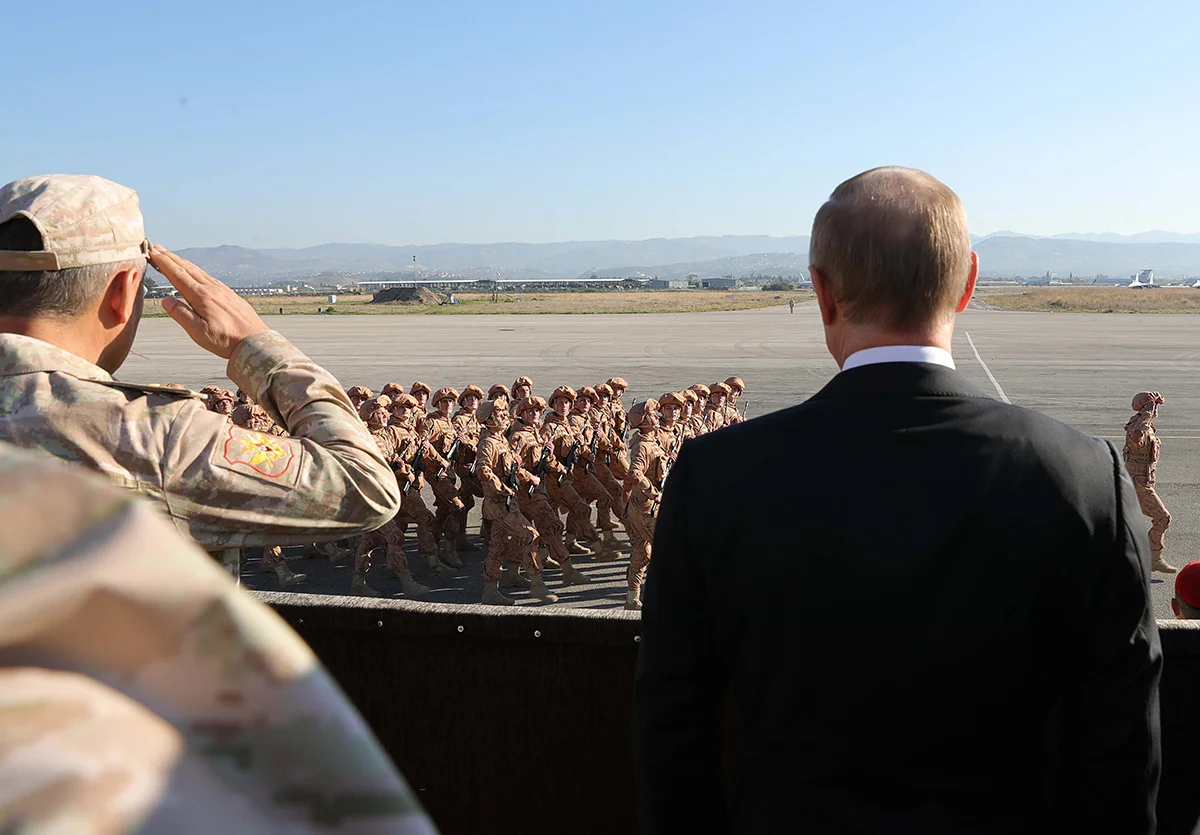
According to Sergei Migdal, Syria has already sent requests to Western countries with a request to assist in restoring the economy destroyed by the Civil War. This will require tens of billions of dollars. It is likely that the European Union, together with the countries of the Persian Gulf, can provide such assistance. But it is obvious that in this case there can be no talk about the bases of Russia-an aggressor country in Syria.
“It is difficult for me to imagine that the new Syrian government will agree to the placement of Russian military bases on its territory,” says David Sharp. -If these bases remain at least in some form, this will reduce Putin’s loss in this whole story. In addition, the air base as a transshipment point is needed to support Russian projects in Africa - in Mali, Sudan, Libya, the Central Academy of Sciences and other Continent countries, where Russia has its own interests today. But the army of the Russian Federation was an enemy of the rebels until the last days of the confrontation and bombed their positions almost to the very end. Many members of the groups have serious accounts for the Russian military. According to BBC journalists, about 7.5 thousand Russian military were in Syria before the start of the anti-government rebellion. And although I think that this figure is significantly lower, it is clear that for all Russians remaining in the country it is a serious risk.
Colleagues from the Russian BBC service told Novy-Europe that the figure of 7.5 thousand military was taken from the data of the Russian Central Election Commission, according to which about 7.5 thousand people voted prematurely in the elections of the President of Russia in Syria. There is a version that all of them are military personnel of the army of the Russian Federation.
War with Israel
To approach the relations of Israel and Syria from the point of view of international legislation today, according to David Sharp, does not make much sense. In fact, countries are currently at war. In such a situation, it is important that dangerous groups, among which are obviously terrorist, do not receive serious weapons.
“Today, Syria has almost ceased to be the subject of international law,” says Sergey Migdal. - In the country there are armies of several foreign states: Russia, Iran, USA, Turkey, Israel. There were Great Britain, France, Jordan and even Arab Emirates there. We are talking about the loss of sovereignty. Also, do not forget that Syria once declared war on Israel, and the peace treaty between them was never signed. Therefore, the destruction of weapons, which may go frank bandits, is an important matter for the entire region.
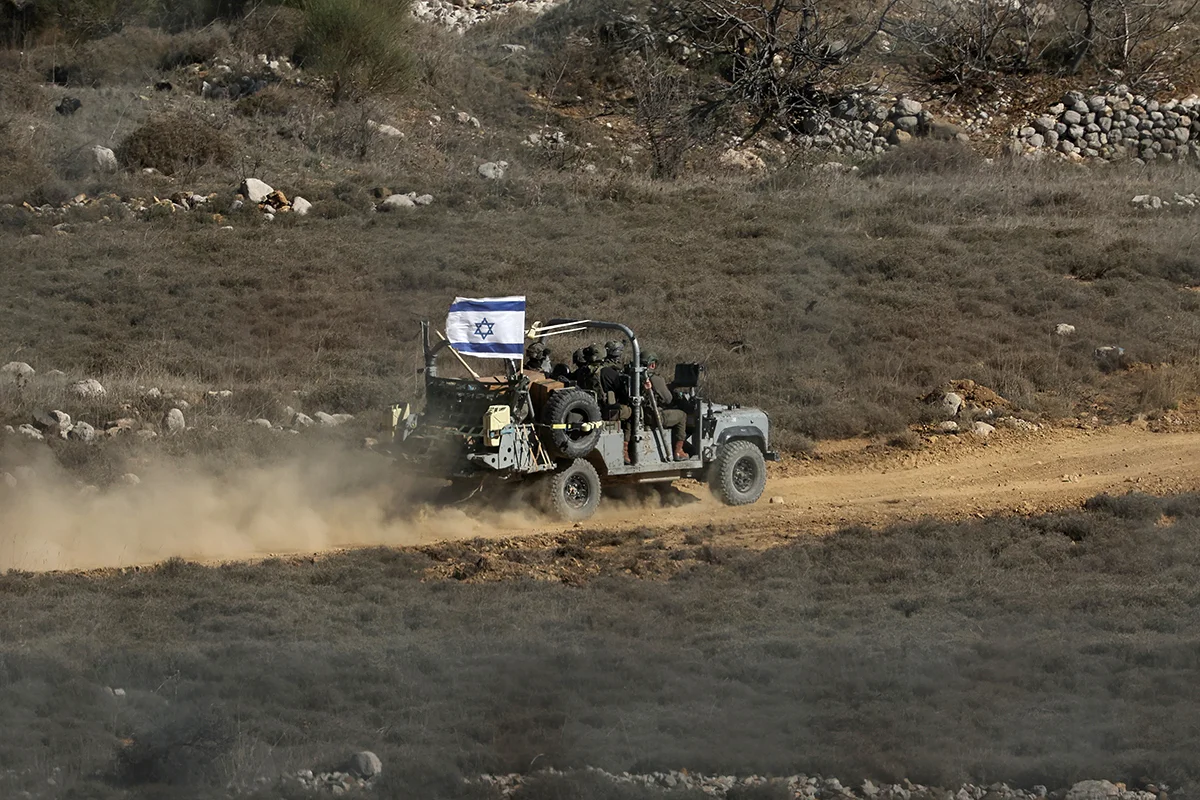
“In view of the fall of the Assad regime, Israel takes measures: the occupation of more advanced borders by the ground forces so that various armed groups do not approach the Israeli border,” Lists David Gandelman. - And a series of air strikes on the military capabilities of the former Syrian army: the destruction of aviation, fleet, air defense, missiles, arms warehouses, military production and so on. Now is the period of timelessness, so you need to forge iron, so far hot. All factions of the rebels that dropped Assad are more or less anti -Israeli, and Israel does not want to get these weapons in any hands.
“At the same time, Türkiye is stirring water,” says Mikhail Krutikhin. - The army of Erdogan concentrated troops on the border and in a wide band of Syrian territory, captured by Turkish troops. On this site, several settlements were occupied by American special forces, which tries to prevent the escalation of the situation. At the Golan heights, Israel expands the security strip, entering its troops there. Israel with Syria today has the official state of war. Therefore, the movement of troops and air raids to the enemy territory are fully consistent with international law.
In order to protect himself for the future, the IDF destroyed up to 80% of the military potential of the Syrian army, including the Navy, the air forces, arms and missile warehouses and other army objects.
According to David Sharp, Israel has amazed in Syria for more than 500 goals. For this, more than 1800 high -precision bombs were used. Last days, strong shelling has been recorded in Tartus. In some cases, it is required to foresee how much the blow has reached its goal. For example, this happens in cases where the bombing occurs along the caves in which Syrian heavy missiles are stored.
David Sharp claims that the Troops of the IDF entered the buffer zone at the Golan Heights and took positions on Syrian Gora Hermon. In the north there are a pair of Druzhsky villages who are afraid of the arrival of the forces of the rebels. The Israelites took them under their defense.
“Israel does not inflict shocks in Syria in Syria, the agreement“ You do not touch us, we are not touching you ”are preserved,” says David Gandelman. - Israel is now still fighting on seven fronts, there is no point in discovering another one. Al-Julani states that he is not interested in the war with Israel, and, most likely, he will really now be engaged in the consolidation of his power, he is not up to a new war, but he is ideologically ideologically, he is a Sunni Islamist, and some of his steps towards Israel In addition to “I will not fight now,” is not yet expected.
At the same time, Sergei Migdal says that Israel fired at the former strongholds of the Russian army in Syria. After all, the Russians, hastily evacuating, could not take all the equipment with them. A special problem was the dismantling of communication equipment, electronic warfare and various radars. Having a direct message with the Israeli General Staff, the Russians asked to destroy this equipment so that it would not get the rebels.
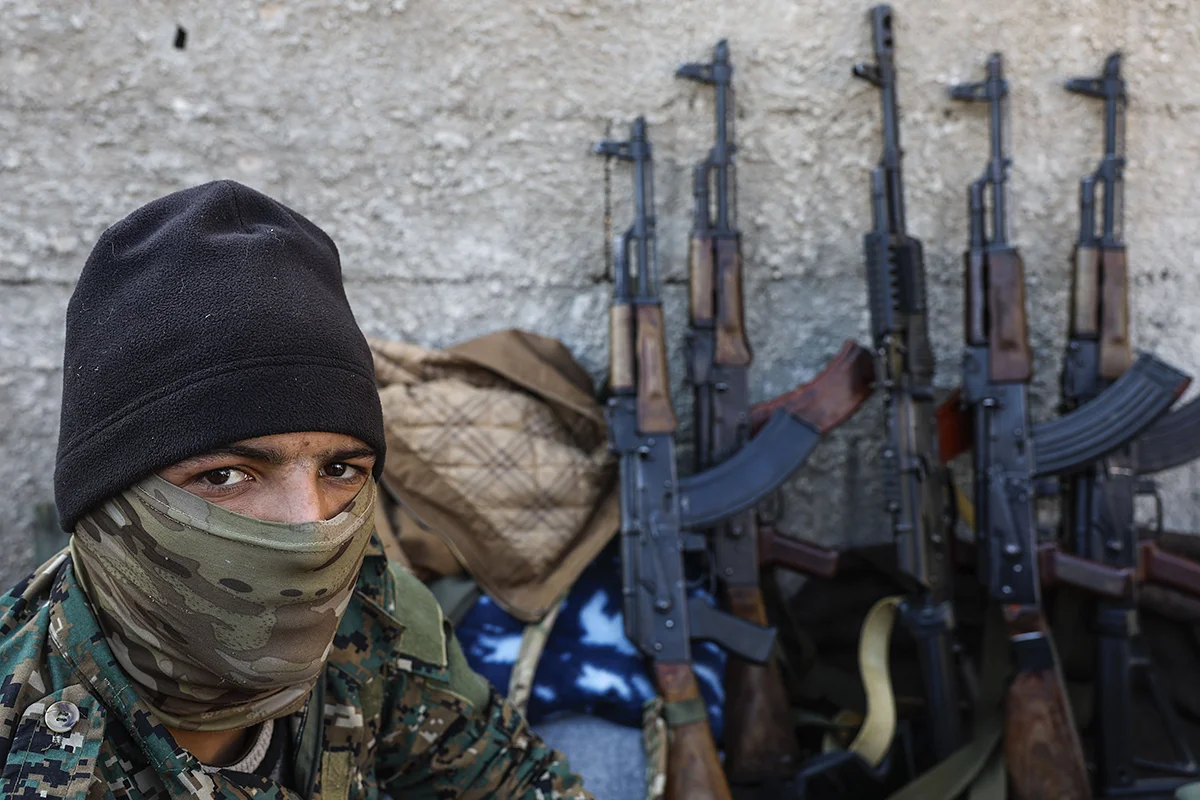
Will Syria change attitude to Israel?
The radical Islamists who have seized power in Syria do not feel warm feelings for Israel.
“Jerusalem can establish cooperation with the Syrian Druze,” says Sergey Migdal. - They live close to the Israeli border and have close contacts with a very influential Druck community in Israel. So it is very likely that Israel will help the Druze and take them if necessary under his protection. With Syrian Kurds, Israel has a complex relationship. Because of this issue, you can very easily quarrel with Turkey. Today's allies of the Kurds are the United States that used Peshmergu (Kurdish volunteer units - approx. Ed. ) As an infantry in the war with IG.
-Israel has contacts with both the Druz and the Kurds, but, as usual, they want and pricks: in response to the meeting of Druzov on the Golanes with a statement that they want to join Israel, a counter-application of the Druzhsk shahs has already been made that They do not want anything like that and their country is Syria, ”says David Handelman. - And there were already statements by Iraqi Kurdish figures about the voicing of contacts with the Syrian Kurds, that this only harms and plays Iran. The Israeli experience with these minorities shows that until one side is defeated by force definitely, they are hesitating, divided into fractions and run out of the side to the side. Such is their historical experience of survival, and this must be taken into account.
“Kurds should rely on the United States,” says David Sharp. - By themselves, they will not be able to withstand radical Islamic groups. Despite the fact that the Syrian Kurds never had a good relationship with Israel, Jerusalem hopes that Donald Trump will not abandon them to their fate. The compact settlements of Druzov, with small exceptions, are located about 45 kilometers from the Israeli border. At the same time, it is not yet very clear how they will build relationships with the new Syrian authority. In the event of a conflict, Israel may have to intervene and protect Druzov.
“So far, I see that Syria can become an arena of rivalry for Turkey and Israel,” Mikhail Krutikhin ends the conversation. - Although during a long -term indocation and propaganda of the Syrian population, hatred of Jews inspired, the experience of neighboring Jordan shows that it is possible to coexist and cooperate peacefully even if there are serious anti -Israeli sentiments. Israel can offer Syria experiencing serious economic problems, fresh water and electricity. Türkiye, for example, blocked the flesh of the Euphrates and does not allow the Syrian hydroelectric power plants on this river to work in full force. So Israel can now try to establish a decent relationship with the new authorities in Damascus.