
Translated material
I love Yekaterinburg
Evgeny Komolov was born and raised in Yekaterinburg - where as a child he climbed the abandoned White Tower and flattened beer caps under the wheels of locomotives. Now he is photographing the city: sellers at the flea market and riot police officers on the ice. Yekaterinburg - in the new “Cold” section, where we will publish selections of photographs of Russian cities.
Russian Cuba, frozen Lake Shuvakish and a flea market where chess sellers have no time for sales
Help Kholod tell human stories
We put people at the center of our journalism and talk about people who face injustice, but do not lose spirit and continue to fight for their rights and freedoms. To continue covering people's stories, we need the support of readers - thanks to your donations, we continue to work, despite government pressure.
- Foreign card
- Map of the Russian Federation ↘︎
- Patreon ↘︎
- Translation
- Crypt
Monthly
One-time
5 €
- 10 €
- 20 €
30 €
5 €
- 10 €
- 20 €
- Other
- Bank of the Russian Federation
- Foreign bank
Card number:
5536 9138 6472 8742
Copied!
Recipient:
Taisiya Bekbulatova
Copied!
Recipient:
Projektas Šaltis
Copied!
Account number:
LT613500010016198323
Copied!
SWIFT BIC:
EVIULT2VXXX
Copied!
Bank:
Lietuvos Bankas (Bank of Lithuania)
Copied!
Comment - purpose of payment:
Parama įstatymų numatytais tikslais (be konkretaus tikslo)
Copied!
We ask you to provide a comment so that we can accurately determine the receipt of funds. The phrase is translated as follows: “Support for statutory purposes (without a specific purpose).”
Amount: €
Donate
By making a donation, you accept the privacy policy
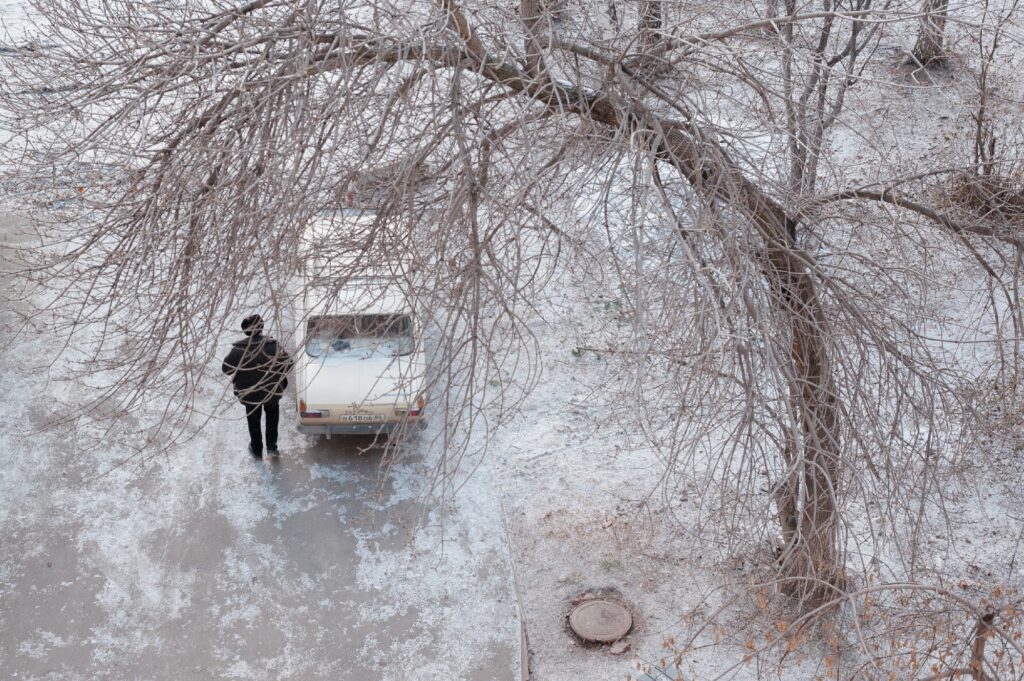
I have lived in Uralmash since birth. This was the name of both the giant plant with all-Union fame, and the social city that was built for the plant in the 1930s. Now Uralmash is an urban microdistrict. For me, there is nothing dearer and more beloved than Uralmash. Most often Ekaterinburg in my photographs is Uralmash.
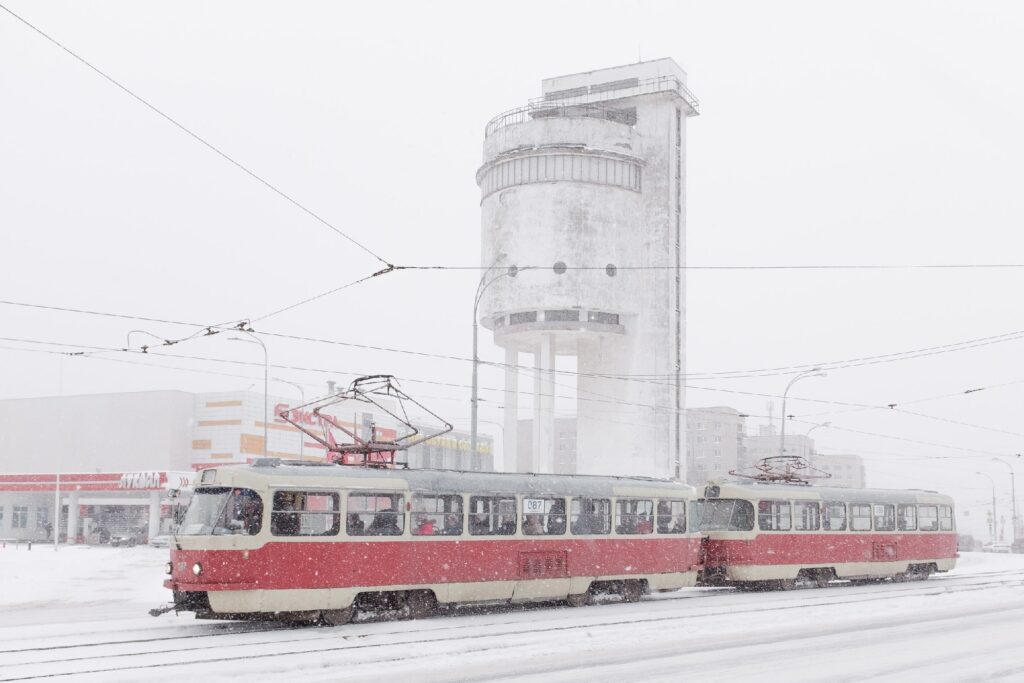
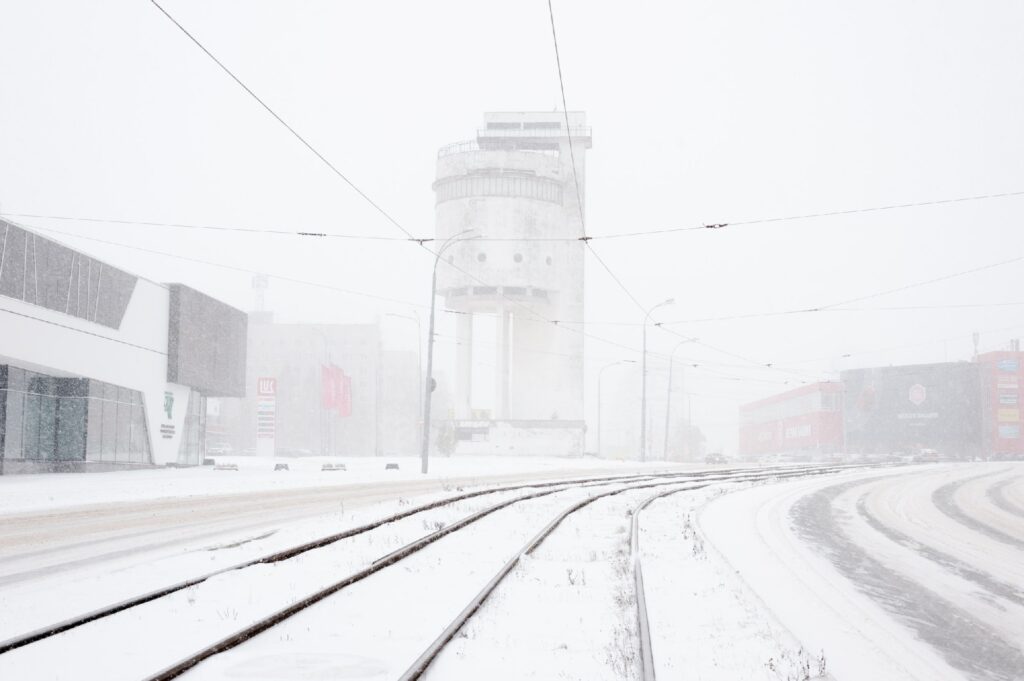
The White Tower is one of the main points at Uralmash for me. This is the highest place in the area. I live three minutes from the tower and pass it every day on the No. 8 tram on my way to and from work. I found the tower in different states: it was abandoned for a long time. As a child, my friends and I climbed to the top of it, and one day my friend Kolya grabbed the crossbar of the fence on the observation deck with his hands and hung from its outer side.
Now the tower has been preserved through the efforts of the architectural group Podelniki: they have announced a fundraiser for its restoration.
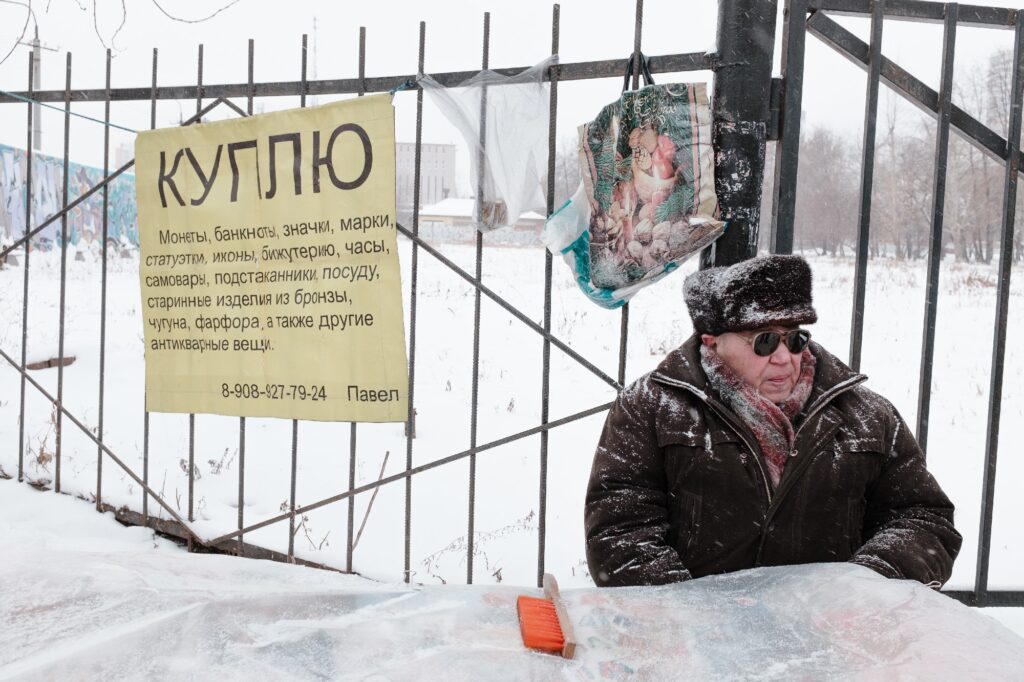
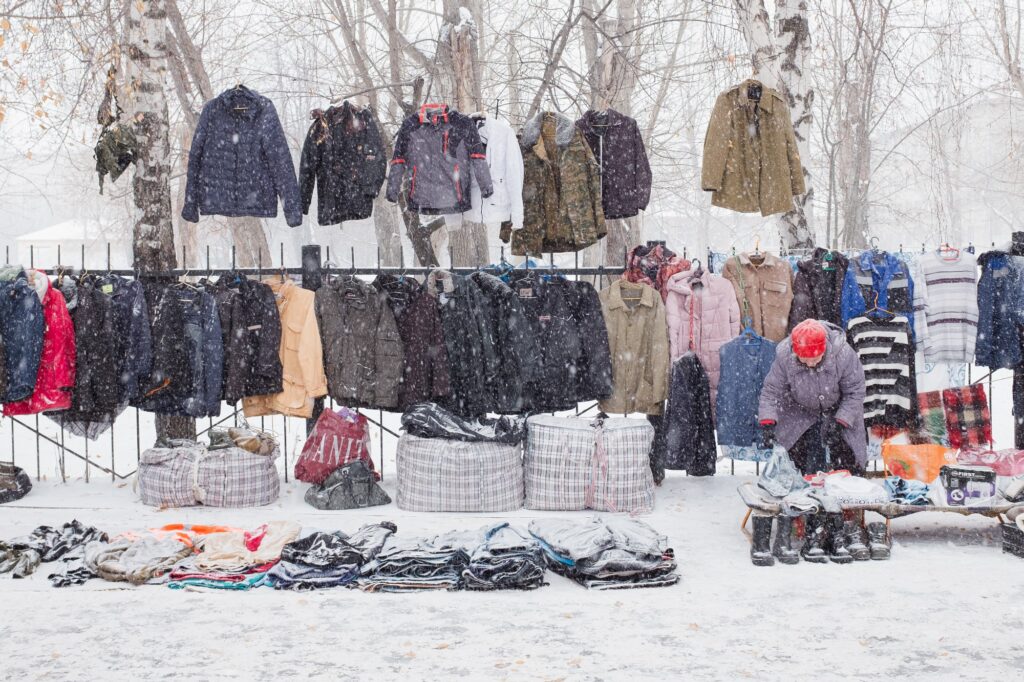
The flea market at Uralmash is the largest flea market in Yekaterinburg. On weekends, three areas on the streets of Ural Workers, Baku Commissars and Pobeda are turned into labyrinthine shopping arcades. At first glance, these rows seem spontaneous, but in fact the market has quite clear opening hours, and each seller has his own place. The atmosphere is wonderful. No aggressive sales - sometimes sellers have no time for them. Many people come here for communication, not for sales.
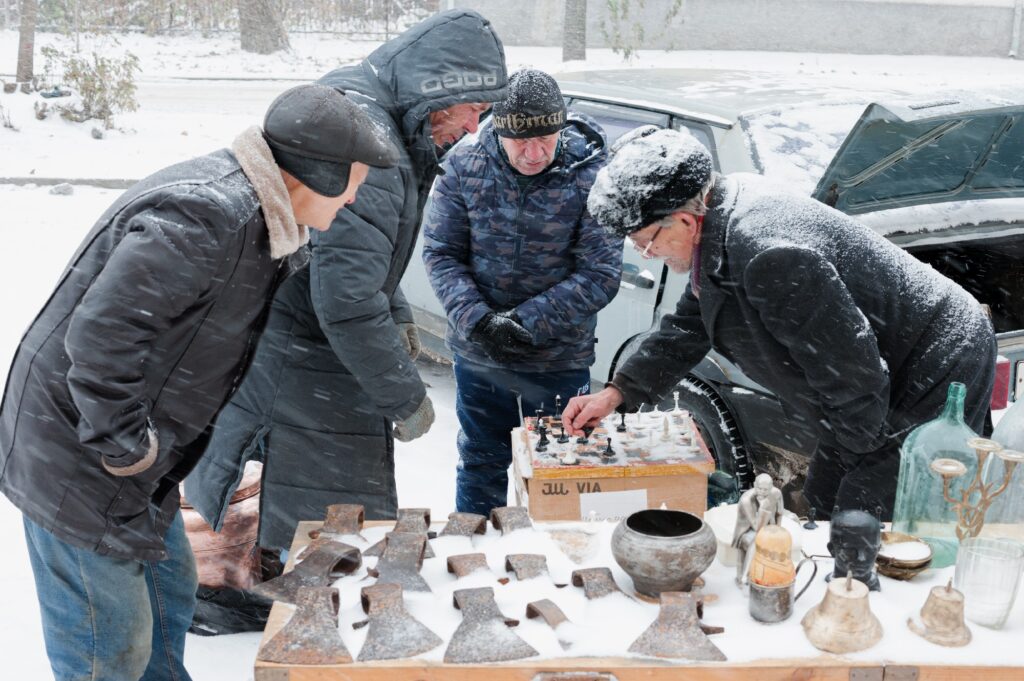
The photograph shows a group of chess players who did not look up from the board for several hours in a row, barely reacting to questions about the price of the ax on the counter. A snowstorm began, all the sellers had already folded, but these continued their game.
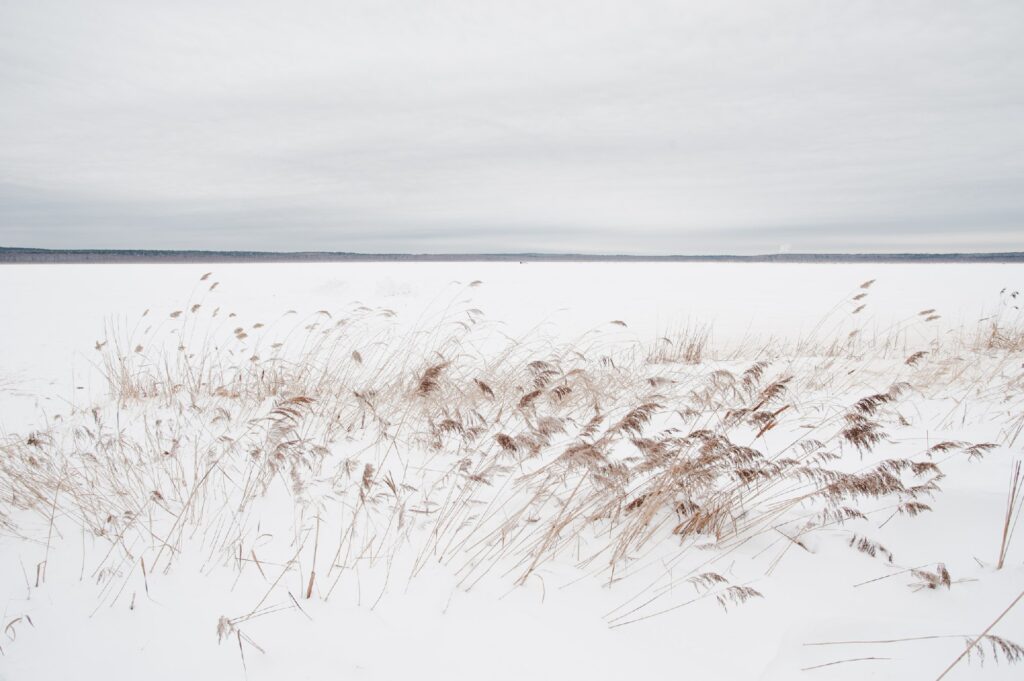
This is Lake Shuvakish. Until the 1960s, water from it flowed to the White Tower, and then to the social city of Uralmash. It is believed that during this time Uralmash “drank up” the lake - now it is half a swamp. As children, we often went to the Shuvakish Forest Park to light a fire, walk along the railway tracks, squash beer caps under the wheels of a passing locomotive - and in general to be away from adults.
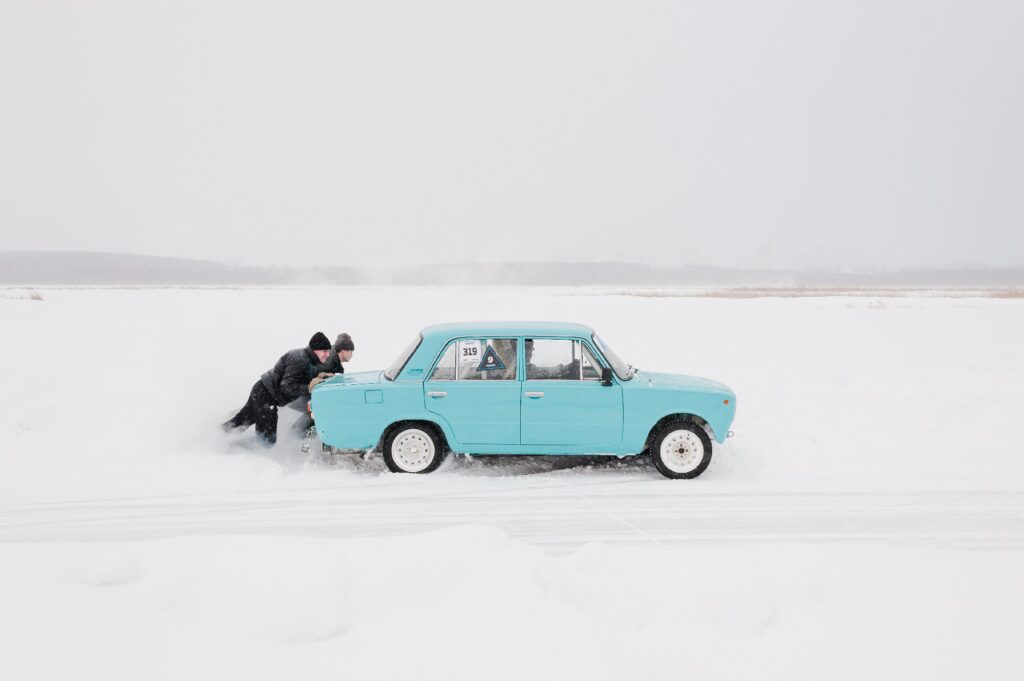
Driving the blue kopeck was my school friend Kolya (different, not the one hanging on the handrails of the White Tower). Kolya is a handy guy, an auto mechanic by vocation, but not by profession. In recent years, in the winter on Shuvakish they began to clear the track for those who like fast driving with skids, so we went out for a ride.
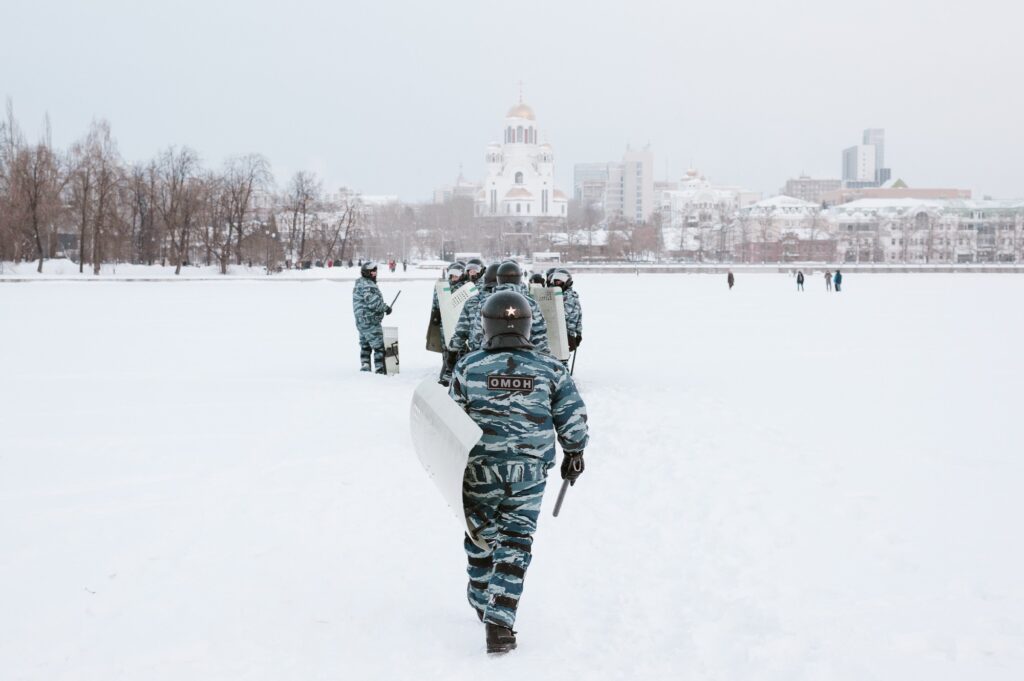
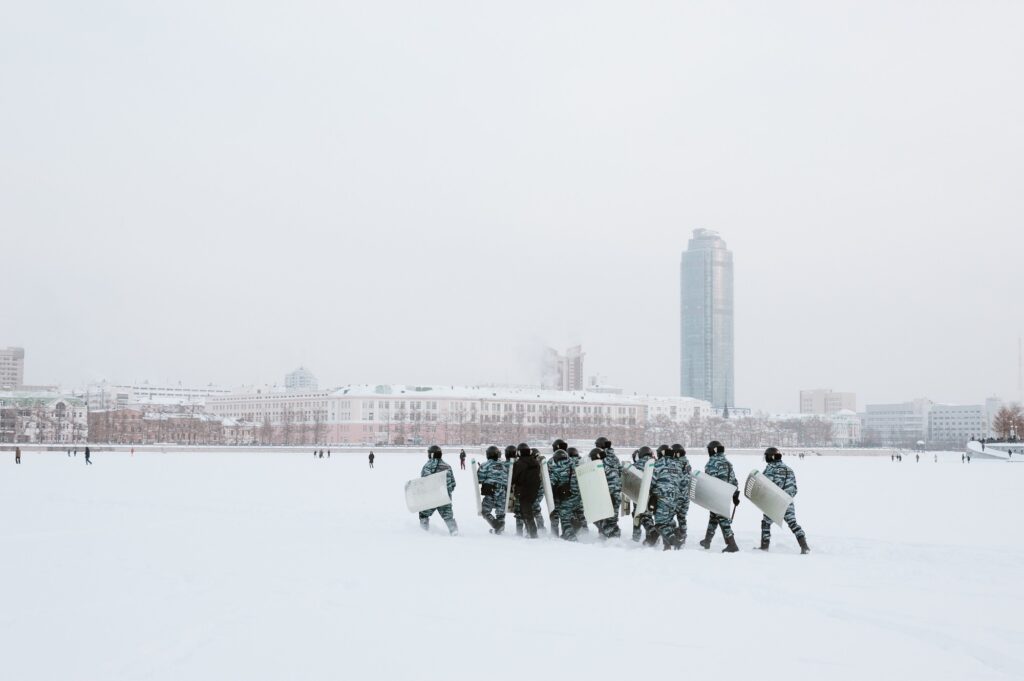
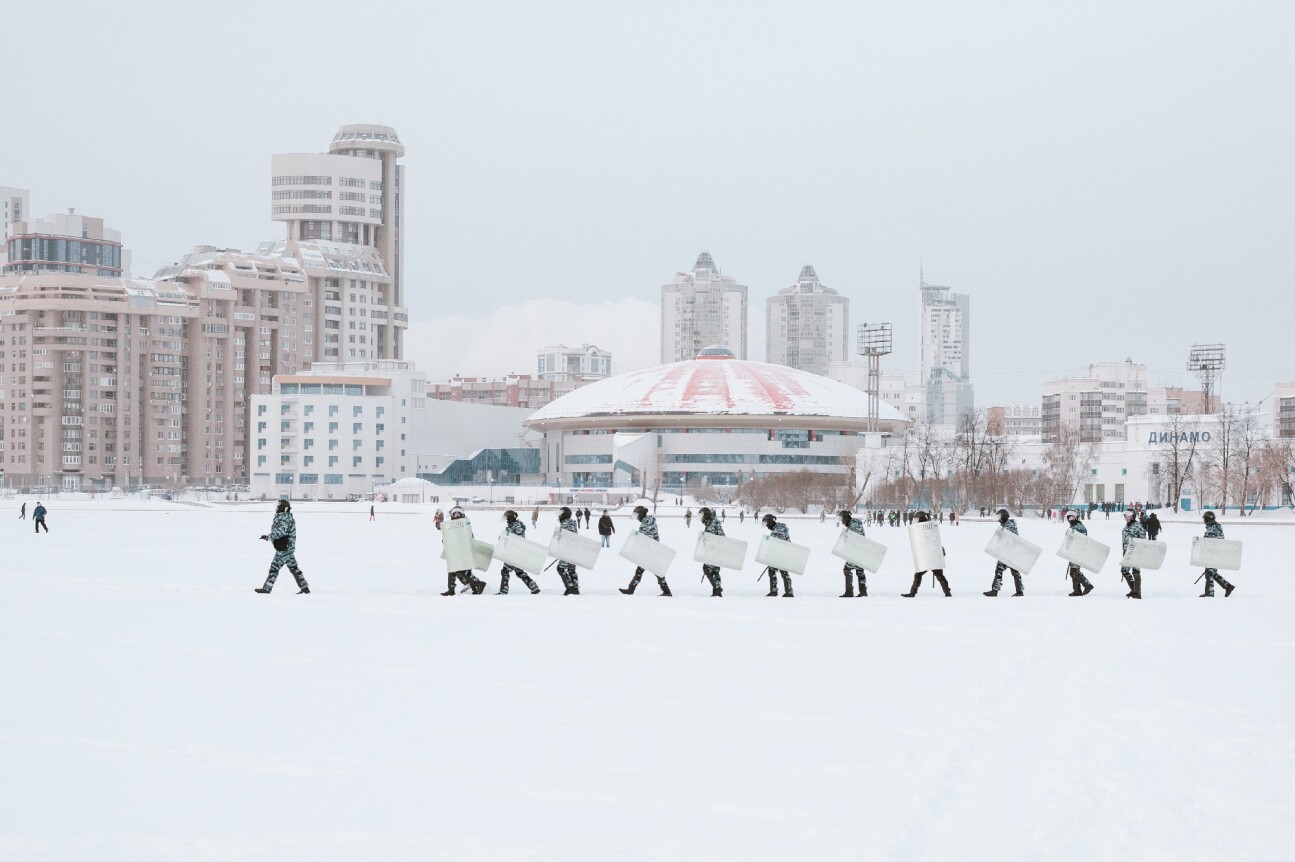
But another frozen water is the city pond. When the ice freezes, a network of paths appears on its surface, which the townspeople trample for themselves in order to shorten the path and avoid taking a detour along Lenin Avenue or the Makarovsky Bridge. It’s very convenient, I use this winter navigation with pleasure.
In January 2021, the townspeople who had gathered near the drama theater to support Alexei Navalny retreated along all these paths. Riot police followed them onto the ice.
This is the Great Horse Peninsula. You can get to this amazing place by taking tram number 11. This is the shortest tram route in Yekaterinburg - only 10 stops. The tram leaves the city, then travels along the coast of the Verkh-Isetsky reservoir (in the summer you can see a wild alley of various greenery from the window) and gets to its final destination - Green Island, which is commonly called Cuba.
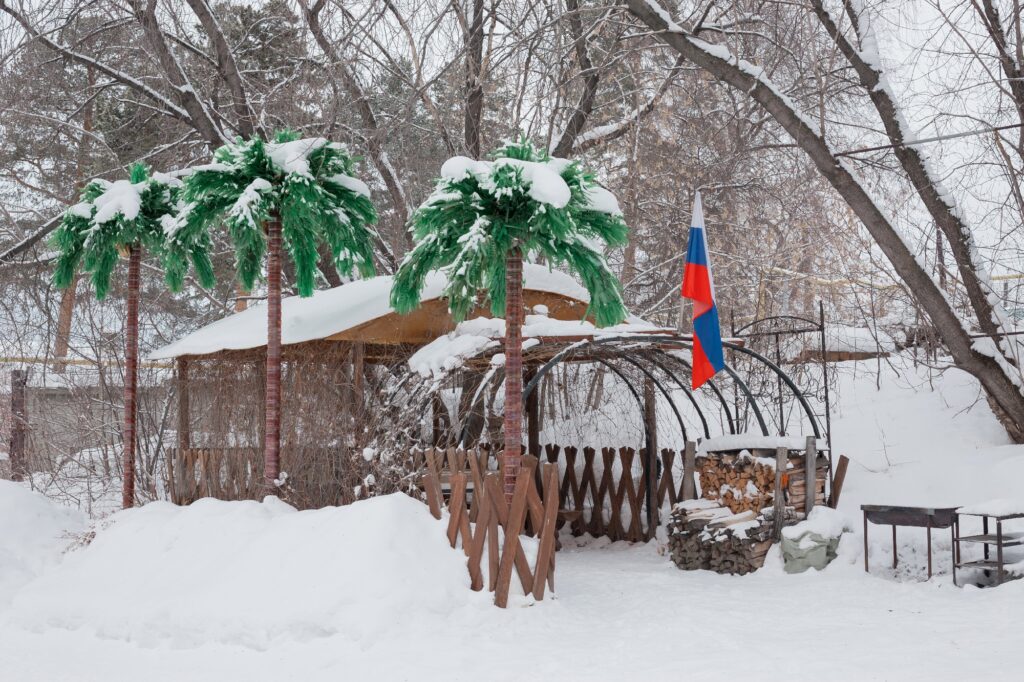
This is the outskirts of the VIZ region. I love visiting here at any time of the year. You can climb the hill of Baran Island, stroll through a residential area, see an abandoned Soviet power plant and two-story wooden houses, and buy pastries at a kiosk at a local bakery for cash. This is Cuba: plastic palm trees, the Russian tricolor and snow deposits.
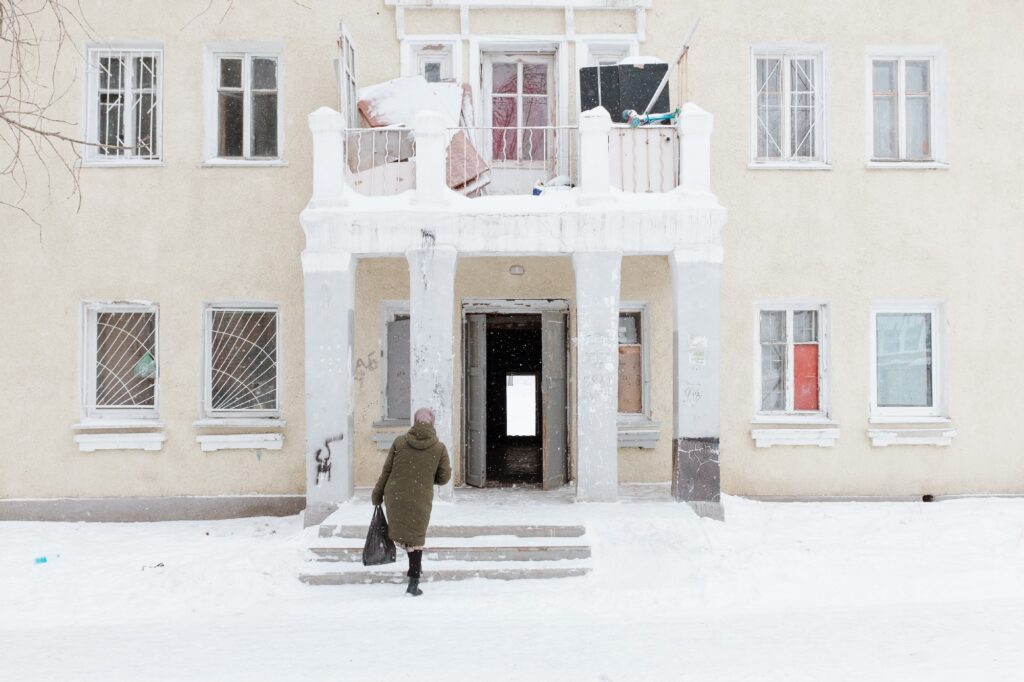
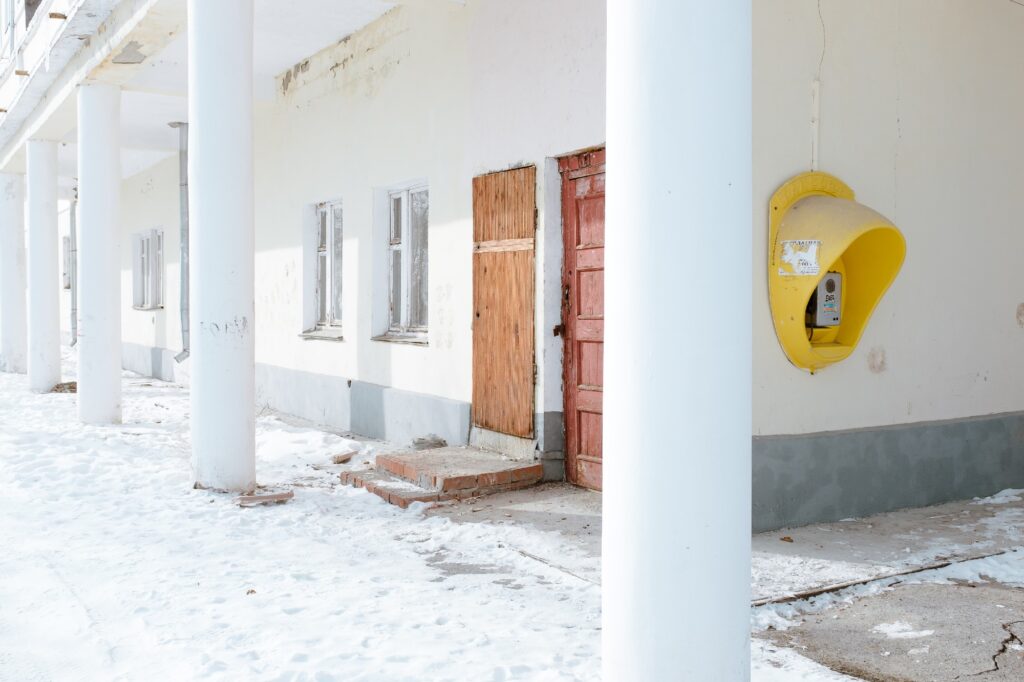
This is Elmash, a microdistrict adjacent to Uralmash, which was once also a socialist city for local factories. Elmash is considered a reserve of post-war Stalinist architecture: there is a lot of it here, and it is usually in poor condition. The photograph shows a typical example of such a house.
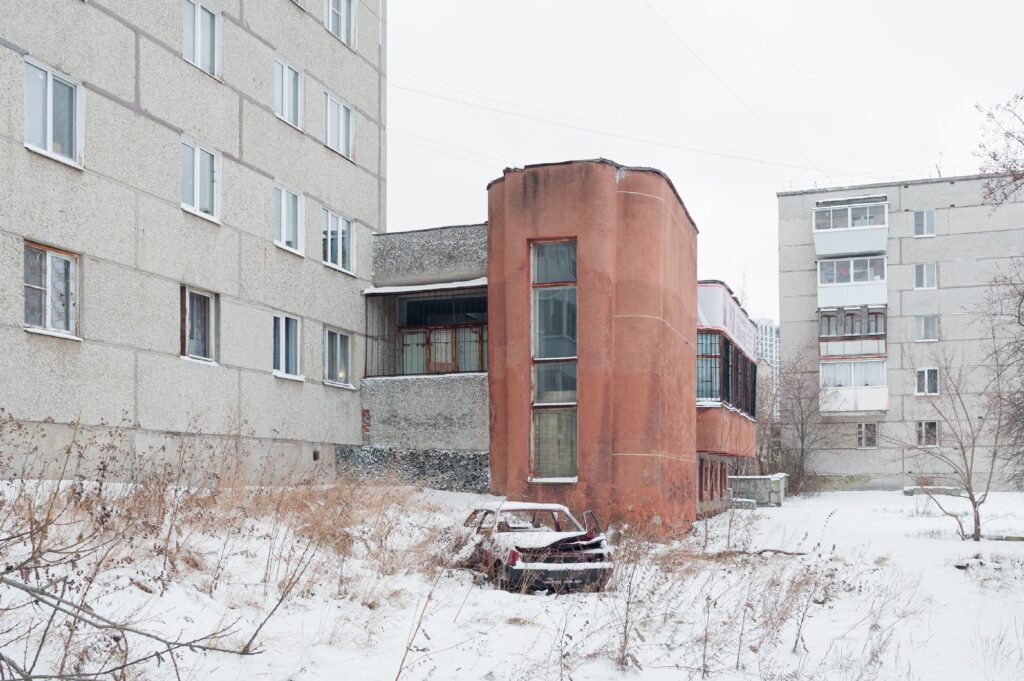
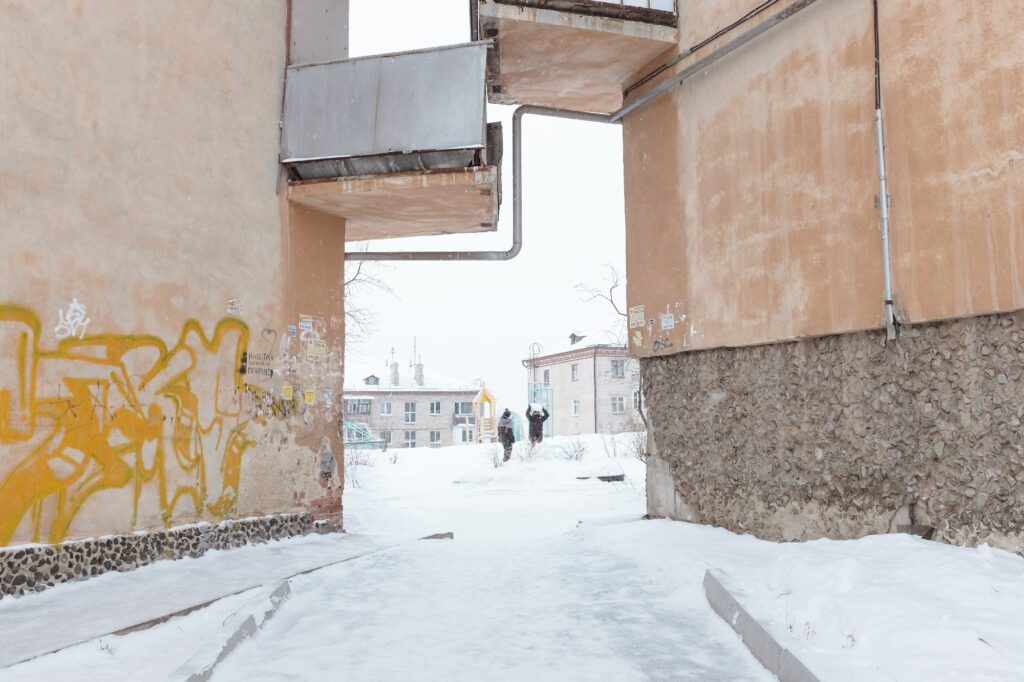
Almost every time I come to this area, I reach Elmashevsky Hill, on which three Khrushchev buildings are connected through balconies. And if you go downstairs, you can reach the temple inside the panel building.
In order not to miss the main materials of “Cold”, subscribe to our social networks!


Kholod needs your help to continue working
We continue to work, resisting bans and repression, to preserve independent journalism for the Russia of the future. How do we do this? Thanks to the support of thousands of caring people.
What do we dream about?
About the simple and at the same time complex - the opportunity to work further. Life will change beyond recognition many times, but we, the editors of Kholod, want to stay close to you, our readers.
Support Kholod today so we can continue to do what we do best - be independent media. Thank you!
Photo: Evgeny Komolov