
Translated material
Lawyers of our time
Can defenders seek justice, has their work turned into palliative care, and why are they heroes of 2024?
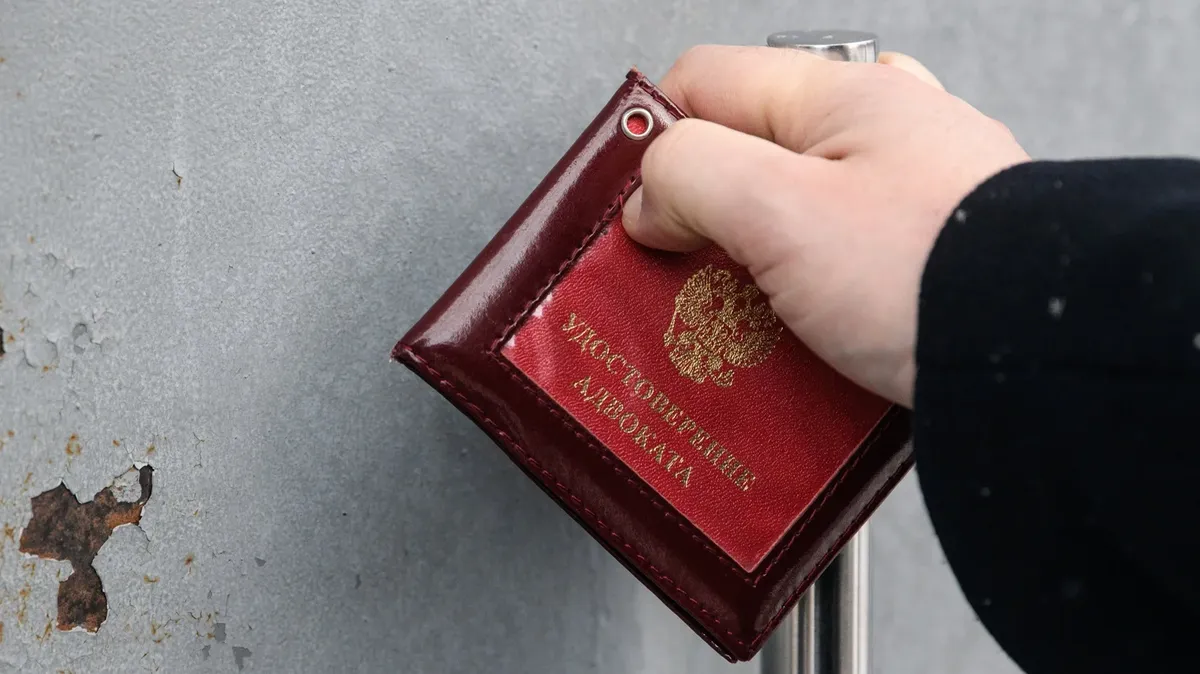
Photo: Ilya Moskovets / URA.RU / TASS
According to statistics from the Judicial Department of the Supreme Court of Russia, the share of acquittals is 0.26% of all court decisions in Russia. Decisions to take people into custody are overturned on appeal only in 3% of cases.
Every time I see such figures, I think: why do you need a lawyer in court? This same question, I think, is asked by many who every day read in the news reports about new absurd and incredible charges brought against those who do not agree with government policy.
Here are a few recent reports about such cases: “Doctors have found no grounds for releasing Samara saxophonist Andrei Shabanov from custody. Shabanov is in custody for anti-war posts. He has a second group disability and several chronic diseases.”
“A resident of Zheleznogorsk was sentenced to three years in prison for torn up posters about contract service,” and so on, and so on...
How a public profession becomes non-public
Trials continue in Russian courts in the “case of Grigory Melkonyants,” co-chairman of the “Voice” movement*; in the “case of journalists” who are accused of collaborating with FBK**; Alexei Navalny's lawyers are on trial in Petushki; in St. Petersburg, the trial in the “case of 18-year-old student Daria Kozyreva”, accused of “discrediting the army” is coming to an end: according to the prosecution, “discrediting” was expressed in the fact that Kozyreva attached a leaflet with his poems to the monument to Taras Shevchenko...
All these cases involve lawyers by agreement, chosen by relatives, friends or the defendants themselves. In the last year, lawyers in political cases have hardly given comments to journalists; they refuse interviews, preferring to “flicker” as little as possible. The public profession of lawyer is becoming less and less public.
The arrest of Alexei Navalny’s defenders, the assignment of “foreign agent” status to several lawyers, restrictions on traveling abroad for lawyers defending those accused of treason and espionage - all this gradually leads to the fact that lawyers are almost silent, they become anonymous. And in general, the role of the lawyer, prescribed in the concept of judicial reform thirty years ago, as a full participant in adversarial justice, has practically disappeared. Judges, especially in political cases, as a rule, deny lawyers all requests, ignore the adversarial process, openly siding with the prosecution.
In such a situation, who is a lawyer in a Russian court today: a participant in legal proceedings, a “statist” or a witness to lawlessness? I understand that such a formulation of the question is offensive to lawyers, and, of course, superficial and unfair.
In fact, the role of today's lawyers in political processes is very great.
After all, they know very well what is happening with our justice, they know that judges have long turned from servants of Themis into functions, but they continue to defend their clients, and as lawyer Ksenia Karpinskaya once told me, who defended Zhenya Berkovich, accused of “justifying terrorism “at the trial in the case of the play “Finist Yasnyi Sokol”, “I defend my clients the way I was taught, for real.” The lawyers at this trial left no stone unturned for the prosecution (she herself was a witness to this); the judge had to close the trial on a far-fetched pretext just before the defense began presenting its evidence.
Lawyers for political prisoners, who were exchanged in August 2024 for Russian intelligence officers serving sentences in Western prisons, objectively contributed to their exchange, thanks to these lawyers, the names of political prisoners were heard, they defended them reasonedly and professionally, and it is not their fault that the courts made decisions were made not according to the law, but “according to concepts,” but their clients were saved from possible death behind bars.
So the role of domestic defenders, although far from the concept of judicial reform, is worthy of admiration. And this became clear in 2024, two years after the start of the SVO, when political repression almost reached its peak. Almost, because we don’t know where the peak of these repressions is.
The lawyer may say out loud: “I protest!”
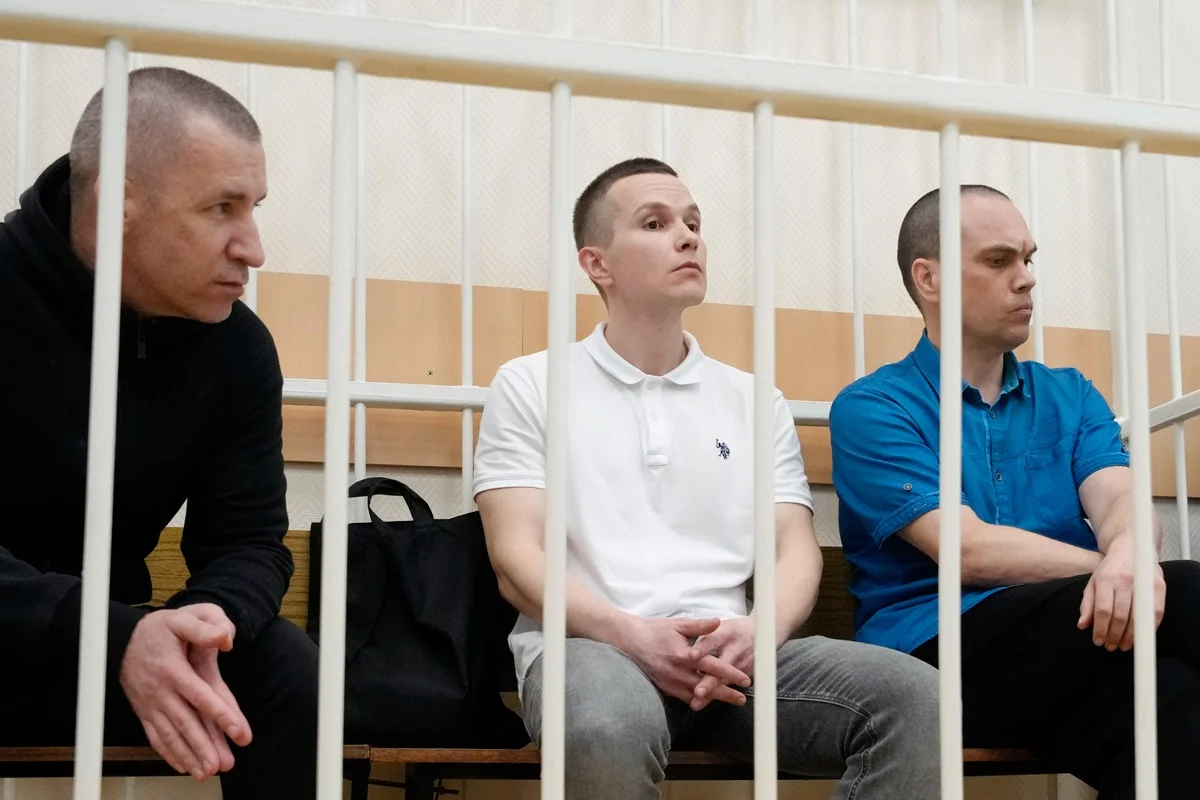
So: three men in a cage at the Petushinsky District Court of the Vladimir Region, three beautiful women with full baskets of groceries in a store in Rostov-on-Don, women and men in queues at the checkpoints of pre-trial detention centers and colonies, a young woman in a large hat with a folder in her hands near the Vladimirsky building city court... These pictures stand before my eyes when I think about Russian lawyers, lawyers-2024.
These are not sleek, well-dressed men in suits, with bow ties instead of ties, never leaving TV screens, talking about the law, about a fair trial. By the end of 2024, when there is neither law nor a fair trial in Russia, and the lawyers who defended the opposition leader are in prison awaiting a sentence (which most likely will not be suspended), their colleagues travel for days on trains several times a month to Rostov-on-Don to defend Ukrainian prisoners.
In the breaks between court hearings, they buy them mountains of food to make parcels: the relatives of their clients, who are being tried in batches in the Rostov District Military Court in the third year of the military court, cannot come from the neighboring country either to visit their loved ones or to the bureau transfers of the Rostov pre-trial detention center.
A young beautiful woman in a hat with a folder in her hands is lawyer Alena Savelyeva. 31 years old, first education - journalism, second - legal. She defends former municipal deputy Alexei Gorinov in a second criminal case for “justification of terrorism.”
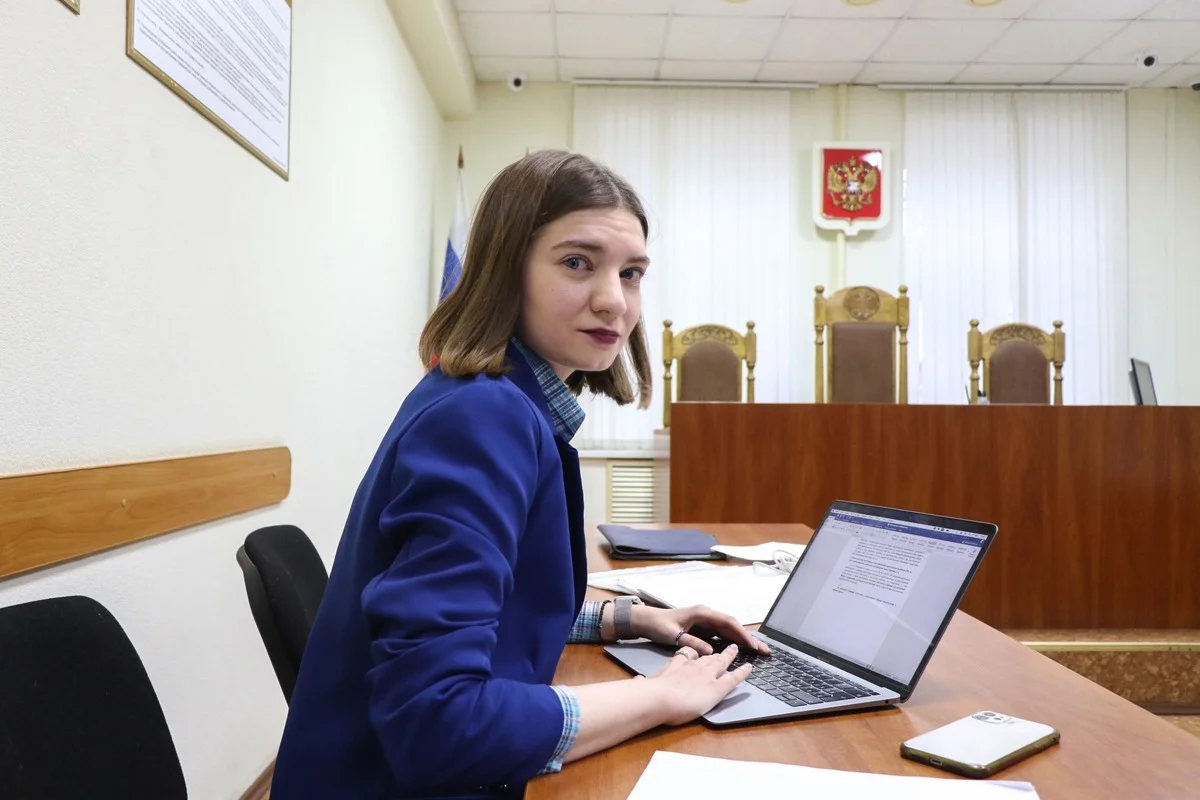
Alexey Gorinov was convicted in the second case in early December 2024. He, serving a seven-year sentence for “fakes about the Russian army,” was charged with “justifying terrorism” based on the denunciation of fellow inmates who were placed with him. Taking into account the new sentence, in total the former municipal deputy of the Krasnoselsky district of Moscow will have to serve another five years of his sentence, but now in a maximum security colony. Lawyer Alena Solovyova during the debate demanded the acquittal of Alexei Gorinov and after the trial gave an interview to journalists - this is how we saw a new face of the Russian legal profession - a young woman, almost a girl, in a large hat. Beautiful, fearless, believing in her mission.
Who are they, today's lawyers who defend Russian dissidents, “the unsung heroes of our time”?
They are very different. In terms of education, for many of them, law is already their second education. Some graduated from history, some were geographers, Mikhail Biryukov, who defended Ilya Yashin**, Mikhail Krieger, and now Grigory Melkonyants, worked for many years in the transport prosecutor's office. Maria Eismont was a famous journalist, worked in Africa, in Chechnya, wrote in various publications as a journalist for an international news agency, and several years ago decided to study to become a lawyer. "Why?" — I asked Eismont in an interview at the very beginning of her new career.
Maria Eismont:
“Many lawyers told me: why did you change one profession, in which you can influence little, to another, in which you can also influence almost nothing? I don't have an answer to this question. When you are a journalist, you sit in the courtroom and remain silent. A monstrous lawlessness is happening before your eyes. You sat in these courts no less than me and remained silent. If you say anything, you will be kicked out. Yes, you will write about it later, but I want to say something right now. At a minimum, a lawyer can say out loud: “I protest!” “And he won’t be kicked out.”
Already at the trial of the liquidation of the International Memorial Society** in the Supreme Court in December 2021, Masha Eismont attracted the attention of the public with the passion and at the same time inventiveness of her speech in the debate. When she quoted George Orwell, Judge Alla Nazarova irritably reminded her that she was appearing in court as a lawyer, not as a journalist. Lawyer Eismont continued: “You cannot destroy an organization that does the work of restoring historical justice for the state, which has withdrawn from repentance. All names have not been read yet. Liquidating Memorial under the guise of protecting the rights and freedom of citizens and children is like betraying for the second time millions of people who were slandered, killed and consigned to oblivion...”
Mikhail Biryukov, who defended Ilya Yashin, together with Masha Eismont and Vadim Prokhorov** (who had to leave after threats made to him by the prosecutor in the trial of Vladimir Kara-Murza**), for several years combined the work of a lawyer with deputy activity in the Krasnoselsky municipal district , and it is not surprising that, as he says, “now almost all his friends are his clients.”
Biryukov says that in Russia there are only a few hundred lawyers ready to take on political cases—in the whole country. Why?
Mikhail Biryukov:
“Lawyers work with pleasure on administrative matters, on detentions, on pickets. In criminal cases, they are still afraid, remembering genetically 1937 and the late Soviet era, because we are practically proving that there is no corpus delicti, that these articles are unconstitutional. The constitutional right to freedom of opinion is being violated, we present arguments confirming the position of our client.
For example, in the “case of Yashin,” who was accused of disseminating false information about events in the city of Bucha, we included and read out in the process two volumes of conclusions of the UN Commissioner for Human Rights, which were also devoted to these events. These are documents that we have never published or made public, we read them in an open trial and proved that Yashin cannot be accused of disseminating false information, that at a minimum this false information must be confirmed in addition to the statement of the press secretary of the Ministry of Defense with some other data , on the basis of which these conclusions were made. That is, in fact, we identify with the position of our client. And if you look from the position of the prosecutor, we also need to be prosecuted under the same articles. This is basically how it was practiced in Belarus.”
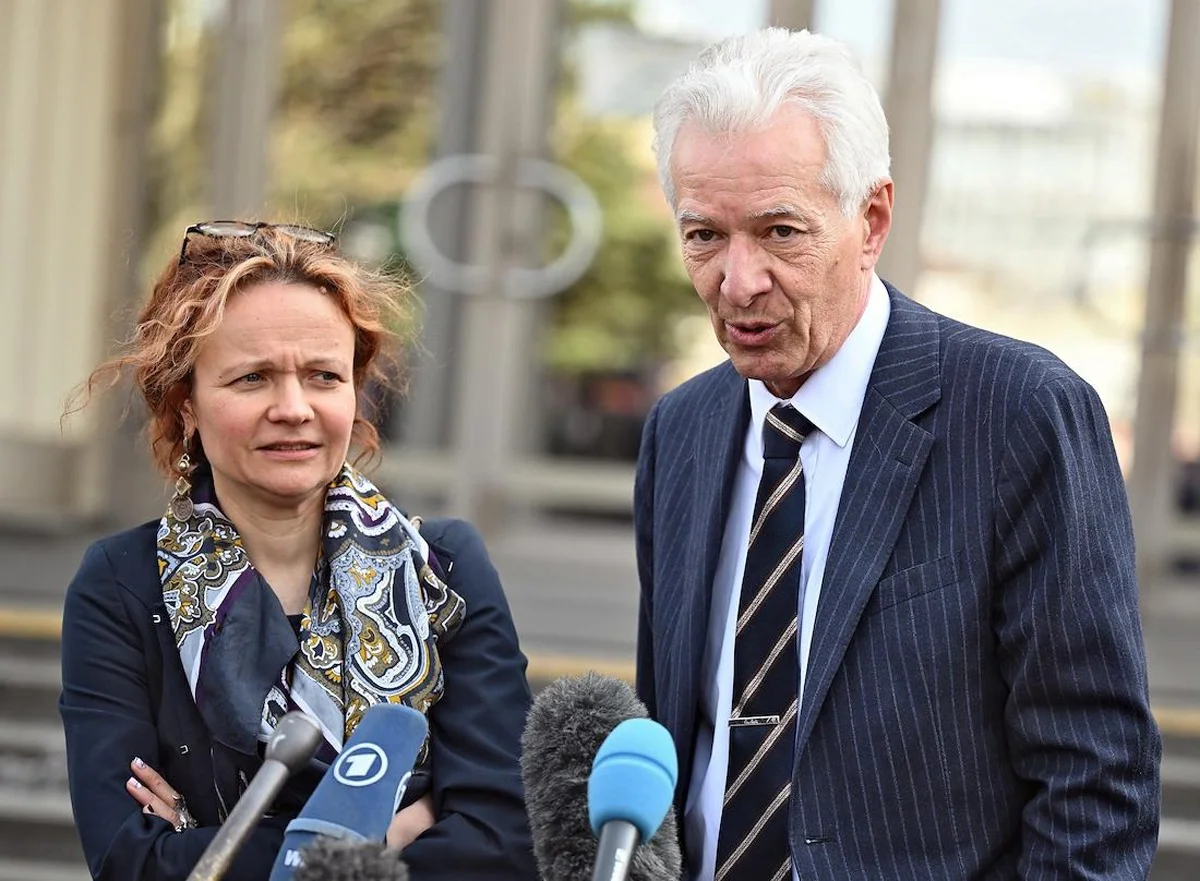
Sergei Belov, a lawyer from Vologda, became famous after he defended fireman Vladimir Rumyantsev, who was sentenced to four years for “pirate radio”; the prosecution considered him a “distributor of fakes.” In an interview with Novaya, Sergei said that he defends defendants in several political cases in his region.
It all started with the fact that he, together with his colleagues, pulled out citizens detained at rallies in Vologda, and then they began to turn to him with a request to defend those involved in political cases in the Vologda and neighboring regions, of which, of course, there are not as many there as in Moscow , but still there.
Sergey Belov:
“In Vologda and the Arkhangelsk region no one puts pressure on me. Naturally, the FSB is not very comfortable when there is a lawyer by agreement; it is easier when in such political cases lawyers work by appointment, they are more predictable. I’m not particularly afraid, I understand that if something happens in the state, then it will come to the attention of political lawyers. But I’m 52 years old, I’ve already seen everything in my life, I met a bear one-on-one in the forest.”
How lawyers judge lawyers in Petushki
“Russian lawyers risk not only their careers, but also their freedom. I don’t celebrate Lawyer’s Day,” wrote lawyer Andrei Grivtsov on one of his social networks. While he was working as an investigator in the Investigative Committee, he was accused of taking a bribe, but the Khamovnichesky court acquitted him, and he went to the bar. Now he is defending his friend and colleague Vadim Kobzev, one of the three defenders of Alexei Navalny, who are being tried in Petushki for “collaboration with an extremist organization.”
Andrey Grivtsov:
“I wanted to tell you about my day today. It’s also a kind of lawyer’s day. In the morning I went to the city of Petushki, Vladimir region. A meeting was scheduled. They even seemed to promise to start a debate. I wore a suit, white shirt and tie for the occasion. I always do this, although my colleagues - hard-working lawyers - rightly made fun of me: you keep showing off, they say, even though you have known for a long time that it is more convenient without a tie. The debate has not begun. The state prosecutor said he needed more time to prepare. The punishment has not yet been agreed upon with the higher prosecutor's office, which means.
Lawyers are being tried in this Petushinsky court. A lawyer is suing other lawyers for defending a former lawyer who was later recognized as an extremist. Other lawyers accuse these defendant lawyers, and still others defend others. The room is full of lawyers, and everyone, by the way, is decent and pleasant people. Everyone understands everything. Some cannot help but blame, while others cannot help but judge. Otherwise, they themselves will be accused and condemned (this is my subjective and value judgment). Still others defend of their own free will, fight as if for themselves, they have an interesting legal position and in general it’s “a glorious hunt, human cub” and “you and I are of the same blood,” but they also understand that with a plastic fork without teeth and against tanks... This is how it turns out to be a lawyer's day on a lawyer's day.
Petushki is a small town. The courthouse is located in the private sector, and such cases are unlikely to happen here often. During the days of the trial, the court is always cordoned off, on every street there are traffic police officers who have been driven away from the entire region, and there are short-haired, serious-looking men all around, walking for some reason around the courthouse. The convoy is led by a whole colonel with a walkie-talkie. The convoy is also something special. Increased danger. Suddenly extremists will attack. However, Dina Kaminskaya described all this at one time. You can read from her.
The lawyers who are on trial sit in a cage and quietly talk to each other. One of them is my friend, I’ve known him for 15 years. A born lawyer, by the way. He is a rare bore and grumbler, but a very good person. One of the best I know. Proven by time and life. The mood of the accused lawyers, of course, is not very cheerful. What's there to have fun with? He has been in custody for more than a year, and it is unclear how long he will remain in custody. And everyone has families, children, parents who are sick and elderly. Everyone is waiting for them, everyone wants a miracle. They hope, of course, for justice. I feel sorry for them, and it’s unfair what happens to them.
If it's unfair, we'll fight. And all the lawyers I’ve just written about, describing my day as a lawyer, will always remember this case. Some will be proud of the position they took, while others will wince at the memories like a toothache, wanting to forget. But you won’t be able to forget..."
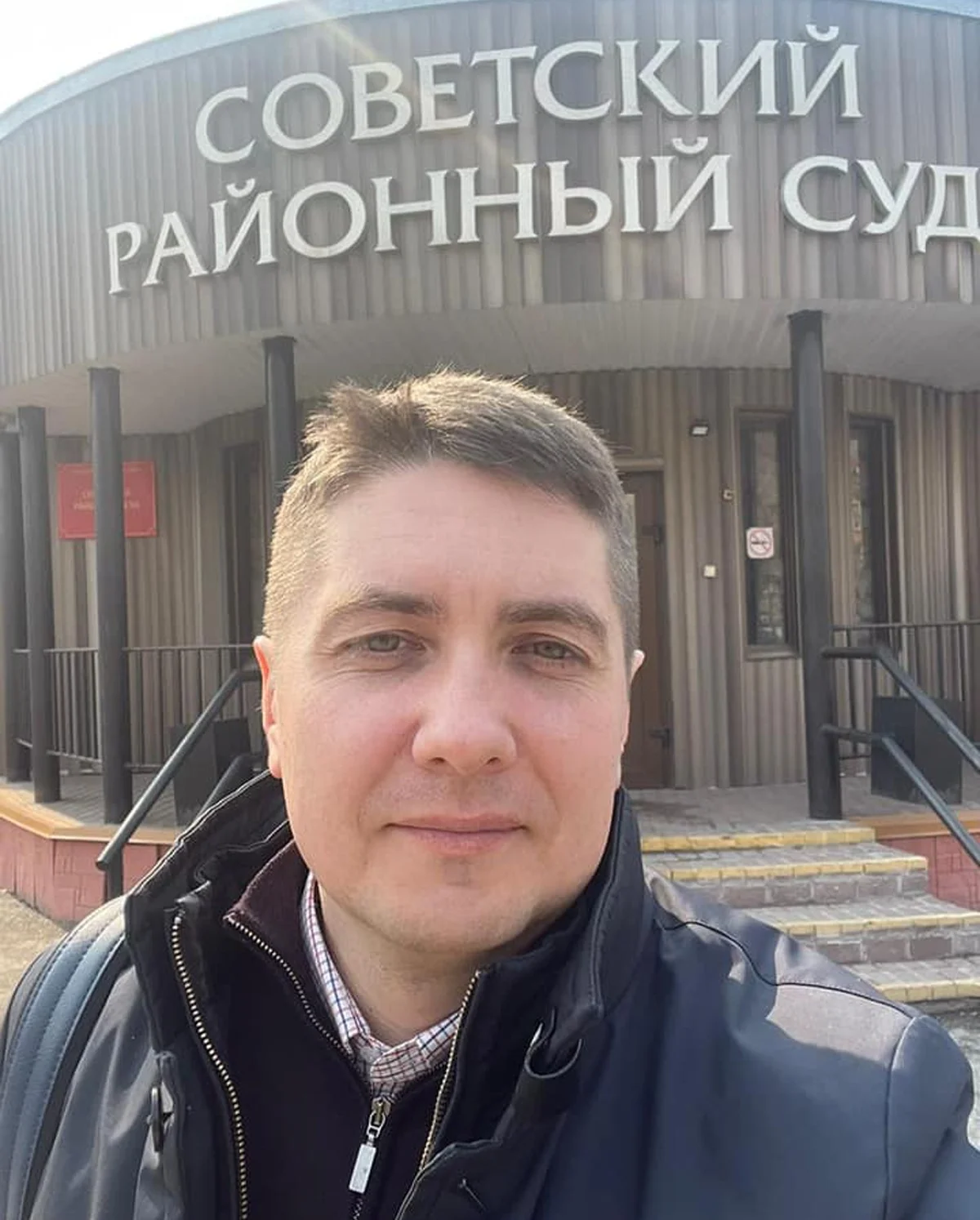
“I am waiting for words about the coming world”
On November 28, the Izhevsk City Court sentenced the ex-president of the Republican Chamber of Lawyers Dmitry Talantov to 7 years for several posts. Dmitry Talantov is now 64 years old. He has a very unusual fate. A few years after he became a lawyer, he was invited to become a judge. This was in the late 80s, and Talantov worked in court for only a year and returned to the bar. “I was drawn to greater freedom and greater self-realization. “I’m probably a very free person by nature, probably even now I can still see a rebellious spirit, and in the judicial system, even in those good times, there was still some kind of discipline,” Talantov explained in an interview.
Since 1996, he has held senior positions in the Udmurtia bar. From 2002 until his arrest in 2022, he was the permanent president of the Udmurtia Bar Association. Then, in 2022, he began to defend journalist Ivan Safronov, accused of treason, after his defender, lawyer Ivan Pavlov**, was forced to leave Russia after a criminal case was initiated against him for “divulging state secrets.” At the same time, Talantov wrote several posts on Facebook***, which served as materials for accusing him of “fakes regarding the Russian army.”
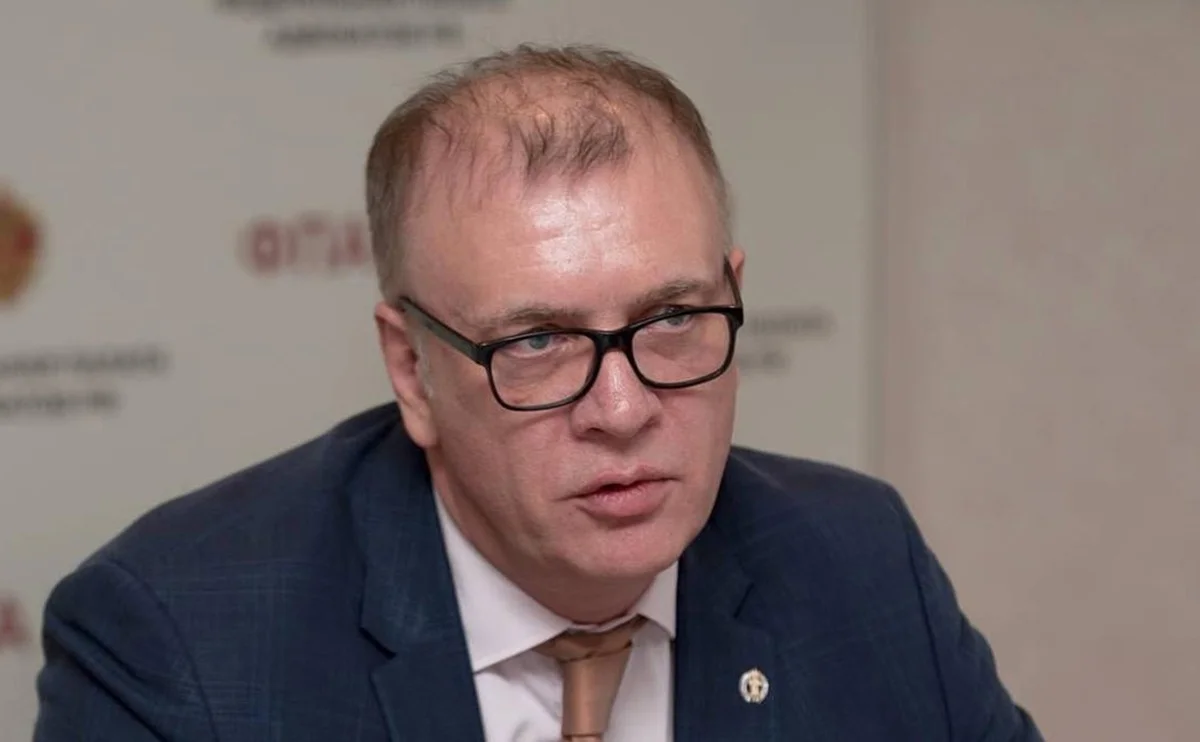
Talantov and his defenders do not know for sure whether the initiation of a criminal case against Talantov is connected with his participation in the “Safronov case”, or whether it was the result of random monitoring of Facebook pages by operatives, or was initiated by denunciations of those officials from the bar whom Talantov passionately accused of corruption .
Dmitry Talantov in his “last word” before the verdict:
“The prosecutor asked for me, taking into account my hatred, 12 years... In Russia they don’t live that long, especially in prison and especially with my health... However, sometimes it seems to me that today it’s not at all scary to die, today it’s scary to live...”
“I have been in prison for two and a half years ... These last two in the murdered medieval chamber, where from the benefits of civilization there are only a toilet and a sink with non -stop water. In the wall above the door of the hole, the speaker is mounted there. The same points of the internal schedule of the insulator are broadcast from it, apparently the actor reads them in some enthusiastic voice. I managed to beg with my own, how, let's call them - the keepers - to turn off the speaker. Sometimes mercy knocks on their harsh hearts ... The speaker was turned off, but in our way, the iron door leads to the corridor. If you approach and lean your ear, you can hear the speakers in neighboring chambers. At 9 o’clock the Soloviev Life program is broadcast. I would never believe that I would listen to Solovyov carefully every night for five minutes ... And the fact is that I am waiting for words about the coming world. These words are not, they are not ... ".
The advocacy has a female person
An interesting detail that distinguishes today's defenders in political affairs from their predecessors - Soviet lawyers: lawyers who defended Soviet dissidents, as a rule, were very successful and well -making professionals, they defended dissidents almost free, while risking their careers. Lawyers who today protect the defendants in politically motivated cases are mainly women who have had such things before, and have not always done successful careers in resonant criminal cases. There are, of course, exceptions. But, for example, male lawyers, known for the protection of large businessmen and officials, do not seek “political affairs”.
"Why?" - I ask their colleagues.
“Women are more brave, more empathic, they are not so afraid of“ toxic ”deeds as men, are more often ready to take risks,” says one of the defenders.
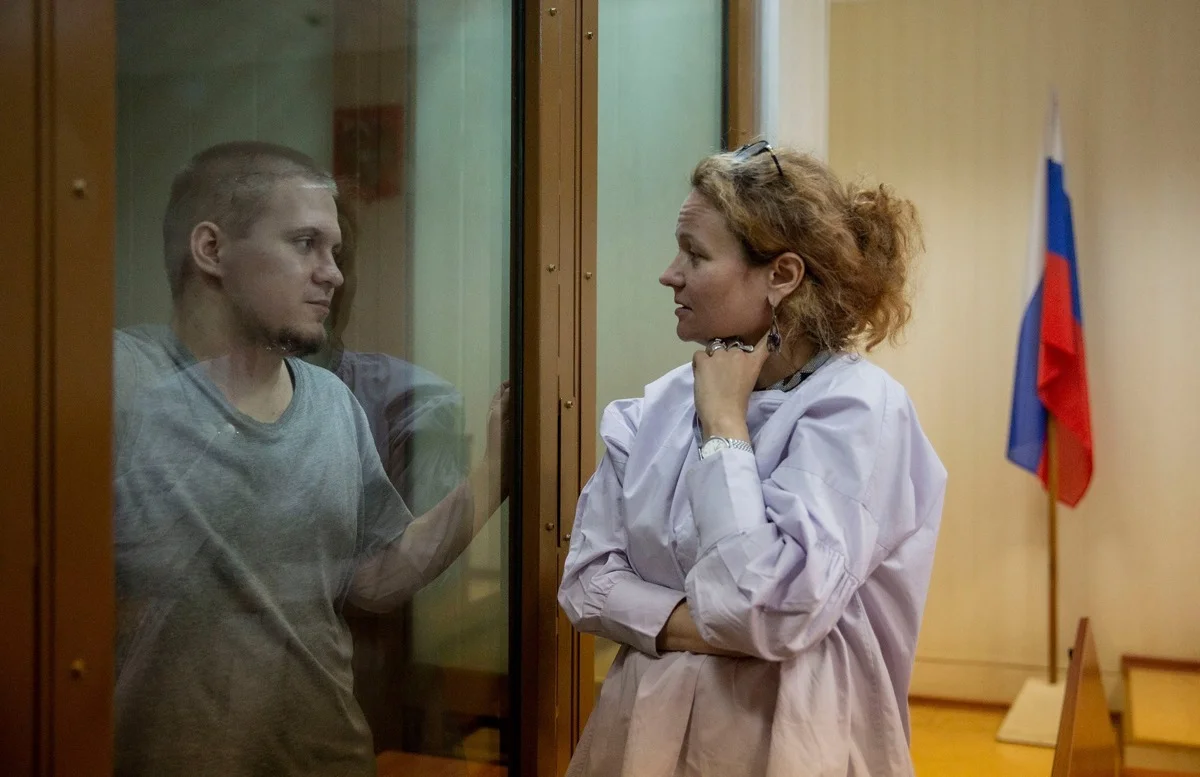
In the Southern District Military Court, everyone is already accustomed to women from Moscow, who have come to work in Rostov-on-Don for more than a year. They protect several Ukrainian prisoners accused under different articles - from espionage, international terrorism, terrorism to murder accusations.
How and why did they decide to participate in these matters? Lawyers, with whom they managed to talk on the terms of anonymity, say that it all started with one or two customers, about whom they learned from their clients for other matters, and then affairs rained down like a “snowball”. And now lawyers, and visitors, not Rostov, mainly from Moscow-ten to twelve, are conducting several things, someone has five or six clients, someone more.
“I’m not all my friends can tell that I am protecting the Ukrainians,” says one of the Moscow lawyers, “the male colleagues, whom I called in my process (we have several defendants there), categorically refused, having heard what's the matter. Too toxic. "
The Southern Military Court is literally littered with these cases, so the processes stretch for months. Lawyers come from Moscow several times a month, and when they cannot, the courts appoint them understudy, lawyers for their intended purpose.
“When I first came to my client, I said that I would try to help him, but I couldn’t do anything in the case.” He understood, ”says one of the lawyers.
And they really help: they come to dates and just talk with their clients, among them there are those who have not talked to anyone for several months, sat alone. Someone just needs a lawyer as a person from the will with whom you can hug. Lawyers make programs not only for their clients, but also for their cellmates.
I ask: "Do you understand that you are very at risk?" “Of course,” one of the defenders replies. - The measure of permissible behavior is not always clear with us now, and you do not always know where and what you can take risks. But I can’t do otherwise. ”
“Why am I participating in such matters? Firstly, because for me on February 24, the world split into and after. At some point, I realized that we can more than lawyers, ”says another defender. - Our task is humanitarian. We can inform relatives and human rights activists in what condition our clients are, we can convey to them clothes, food and everything you need. They said that they were worried, and it was very difficult to listen to. Once I handed over clothes to onecan, so then they told me that he sniffed her for hours, because for a very long time he did not have his own clothes. We give these people the ground under the feet that they have lost. ”
"So is it a lawyer work or human rights?" - I ask another lawyer who often travels to Rostov. And this is again a woman. “We are doing our best to be replaced faster.
We are in these matters, first of all, people, then lawyers, and only then human rights activists. It so happened that lawyers today turned out to be the only people who could help these people, ”my interlocutor replies.
I believe that our compatriots-advocates are real heroes of their time. “Invisible heroes”, as, indeed, those who protect the political prisoners, daily risking the loss of status, criminal proceedings and the closure of the possibility of traveling abroad (there are already such cases among Russian lawyers who defended the defendants in the “Stateizer”).
But the story of the 31-year-old Alena Savelyeva, who defended Alexei Gorinov in the new case “On the Justification of Terrorism”, is just some holy.
Alena Savelyeva:
“An interesting story came out with Alexei Gorinov. I led a text broadcast from his first business as a journalist. Then I met his family, with his defender. Very imbued with his personality. But I never thought that there would be a second thing and that I would be in the hall in a different capacity. A few years later I was offered to act in his defense. I received a lawyer certificate on August 15 this year, the next day I immediately went to Alexei. That is, this is my first thing. Basically, in my work, things related to pursuit for words. ”
I recall Julius Kim with his wonderful "lawyer waltz":
*Of course, efforts are in vain
And they do not beat anything:
Items are indescribable for them,
And the white is just black.*
*Judge at the same time with the prosecutor
Spit on a detailed analysis -
They would just be covered with a conversation
Ready -made sentence.*
*Most likely, you just need to
Ask for a representative court
Give less than one hundred nineties,
Than what, of course, will be given.*
*Where does the hunt come from,
Azart, genuine passion
To prove something to the machines
To the authorities to correct power?*
*Serious adult judges,
Gray hair, wrinkles, family ...
What kind of guns are these?
Then people like people like me!*
*After all, my truth is obvious
After all, you see white threads!
After all, people should be ashamed
There are no such people!*
*Oh, right Russian word -
A ray of light in a pitch night!
And everything will be forever bad,
And yet you are always sounding!*