
Translated material
I was mistaken for a Russian spy in Albania
In August 2022, two Russians and one Ukrainian were detained in Albania for sneaking into the territory of a semi-abandoned military plant. Among them was blogger and photographer Svetlana Timofeeva, known on social networks as Lana Sator, who has been photographing empty buildings for more than 15 years. Albanian authorities suspected the tourists of being spies and sent them to prison. Nine months later, Lana Sator was released on her own recognizance. She told Kholod about how she was in an Albanian prison, about the lack of help from Russia and about life in a country from which she cannot leave.
I spent almost a year in an Albanian prison because of filming at an abandoned military factory. Russia didn't help me at all
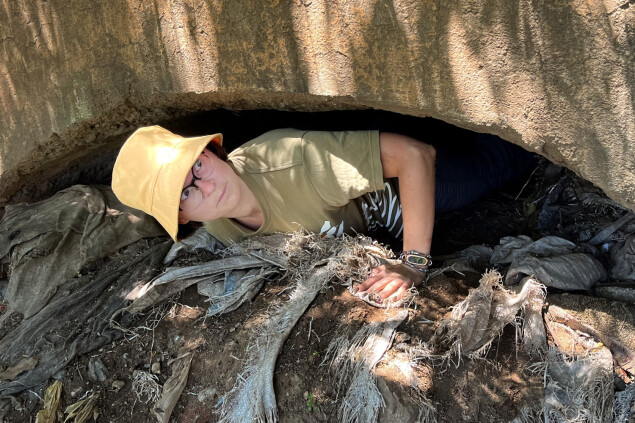
I was born and raised in Podolsk, near Moscow. Since childhood, I loved jumping around garages, climbing frozen construction sites and walking through abandoned buildings. At the age of 12, I realized that I liked the aesthetics of industrial landscapes. My friends and I went for a walk in the industrial zones - we especially liked the ruins of the cement plant, where Linda’s “Crow” video was filmed. Then my mother and I went to a sanatorium in post-war Abkhazia, and there I finally realized that I see beauty in the destroyed.
Around the same time, the Internet appeared at our house, and I began to look for what abandoned buildings there were in Moscow and the region. I tried to find and visit as many objects as possible and visited abandoned quarries, factories, hospitals and laboratories. On the Internet, I found out that I have many like-minded people with the same hobby - I read their blogs on LiveJournal and thematic forums.
Help Kholod tell human stories
We put people at the center of our journalism and talk about people who face injustice, but do not lose spirit and continue to fight for their rights and freedoms. To continue covering people's stories, we need the support of readers - thanks to your donations, we continue to work, despite government pressure.
- Foreign card
- Map of the Russian Federation ↘︎
- Patreon ↘︎
- Translation
- Crypt
Monthly
One-time
5 €
- 10 €
- 20 €
30 €
5 €
- 10 €
- 20 €
- Other
- Bank of the Russian Federation
- Foreign bank
Card number:
5536 9138 6472 8742
Copied!
Recipient:
Taisiya Bekbulatova
Copied!
Recipient:
Projektas Šaltis
Copied!
Account number:
LT613500010016198323
Copied!
SWIFT BIC:
EVIULT2VXXX
Copied!
Bank:
Lietuvos Bankas (Bank of Lithuania)
Copied!
Comment - purpose of payment:
Parama įstatymų numatytais tikslais (be konkretaus tikslo)
Copied!
We ask you to provide a comment so that we can accurately determine the receipt of funds. The phrase is translated as follows: “Support for statutory purposes (without a specific purpose).”
Amount: €
Donate
By making a donation, you accept the privacy policy
I thought I would get tired of this hobby. I graduated from school, then university, found a job, but my hobby never went away. It grew into a desire to take beautiful photos and tell interesting stories about abandoned objects. I worked as a product photographer for online stores, then as a website manager and SMM specialist. For a long time, work and hobby did not intersect: I simply talked about trips to abandoned buildings, about the architecture and monumental art of the countries of the former USSR.
My blog became popular, and I started making money from it: I published photo books, helped filmmakers with filming locations. I started leading tours of abandoned abandoned places after moving from Russia to Georgia. During my passion for urban tourism, I visited hundreds of cities in 33 countries.
The first search took place in Russia
In Russia, they started tightening the screws against the urbex community (short for urban exploration, literally translated as “urban exploration.” — Note by Kholoda) not so long ago. For a long time, the punishment for entering a protected facility was a fine of 300–500 rubles. Then it was raised to three to five thousand, but that was also tolerable. But in 2012, in addition to administrative penalties, criminal penalties also appeared under Article 283.1 of the Criminal Code of the Russian Federation (illegal acquisition of information constituting state secrets). Previously, only those people who voluntarily signed up for access to state secrets could bear responsibility for it, but now anyone can.
I haven’t had any problems with the law or state security for many years—I received my last fine in 2013. The authorities very rarely showed interest in what I was doing - they simply interrogated me a couple of times about the photos from the missile plant in Khimki and the abandoned department of the Federal Migration Service. In the first case, I got off with a fine of 300 rubles, in the second, I wrote an explanatory note.
Everything changed in the summer of 2021. They came to me with a search, took my international passport, confiscated my equipment and took me to Lubyanka for interrogation. It turned out that a criminal case had been opened against guys I barely knew: they had posted a photo of a secret place online. One of them said that Lana Sator showed him this place several years ago. I remained in the status of a witness, but I realized that I was being targeted.
Dirty place A schoolgirl said that she was kept in sex slavery by her classmates for six months. During this time, more than 200 men used it Crime 28 min read
Then I thought about moving from Russia. If government agencies are so interested in the rusty crap that I saw in 2018, then it would be nice to go on a long trip and live in other countries.
In December 2021, I was issued a new passport without any problems. But I decided to postpone leaving. It seemed to me that they had left me behind, and my life in Russia gradually began to improve: I worked on promoting domestic tourism, planned to cooperate with a German tour operator, and was expecting guests from Europe on a tour around Vorkuta. But the military invasion of Ukraine ruined my plans.
In the spring of 2022, my husband and I separated because he supported the war. I realized that there was nothing keeping me in Russia anymore, and I moved to Tbilisi.
They demanded that we confess to working for Russian intelligence.
In the summer of 2022, a hobby colleague of mine decided to ride a bicycle around the Balkans and invited me along. He said that he had found many interesting places in Albania, and persuaded another friend of his to come, a Ukrainian who was living in Italy at that time.
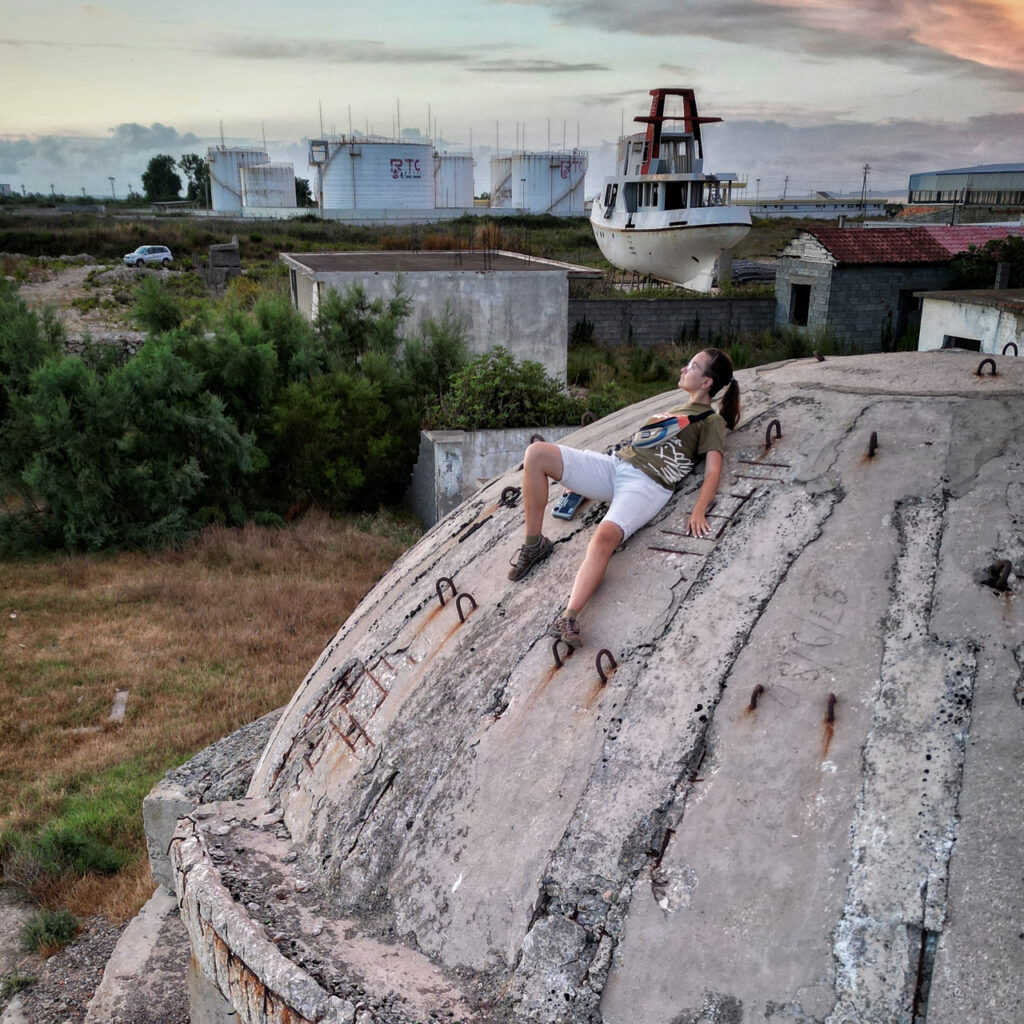
I had already been to Albania twice before. There are many bunkers left there from socialist times: now they are turned into cafes, shops, museums and warehouses. In a country the size of the Vladimir region, there are about 176 thousand bunkers, which were built under the regime of communist Albania leader Enver Hoxha. Some of them are very interesting because until the 1990s there were air bases and underground factories there.
Among my friend’s finds was an abandoned mechanical plant near the city of Gramsci, where Albanians made copies of the Kalashnikov assault rifle under license. In the 1990s, production was curtailed, but the plant closed only in 2012: one of the workshops was used for recycling old weapons. Since then, the area has been overgrown, the building is being destroyed, but some metal remains in the workshops, and the Albanians are protecting it from looting.
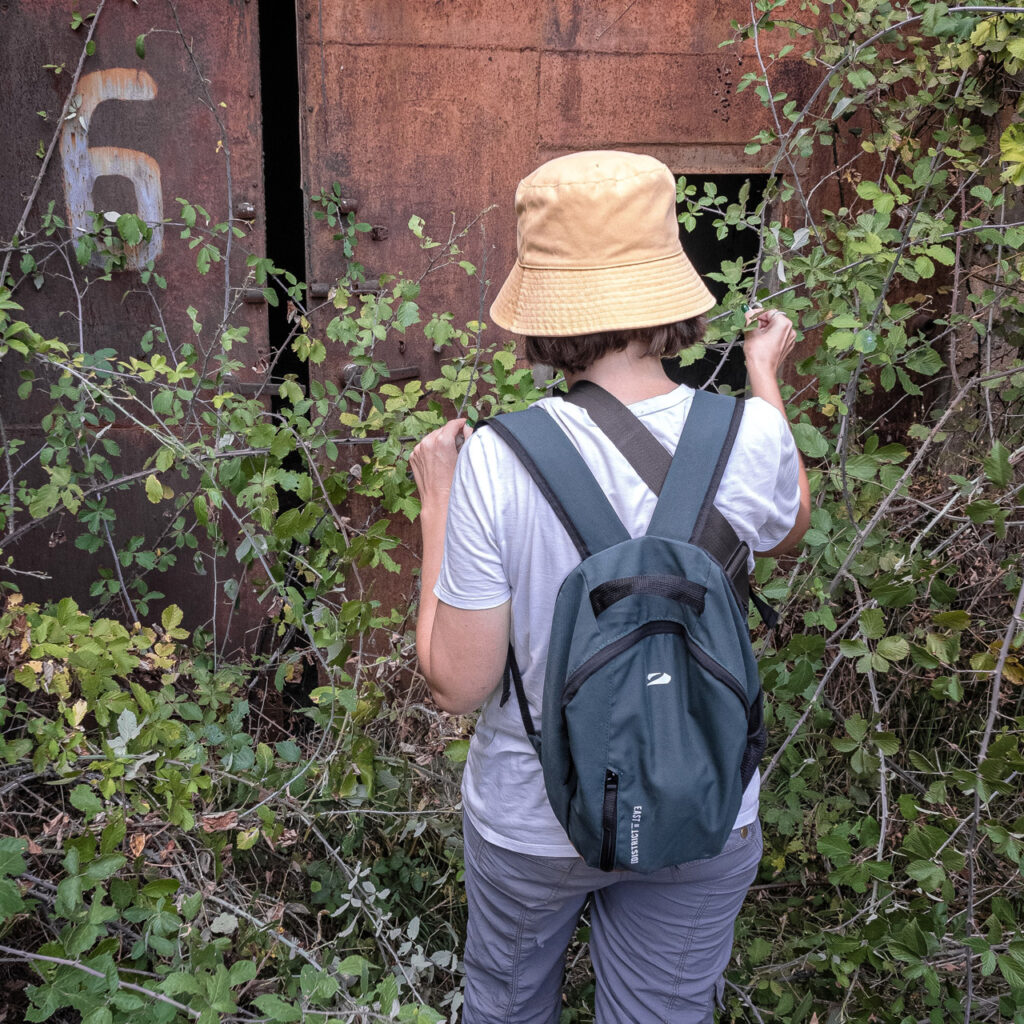
There were no signs or signs anywhere indicating that this was a military zone or that entry was prohibited. The building was identified on the map as a former mechanical plant. We just got there through a hole in the fence and didn’t even know if there was security at the plant. Later it turned out that contract people were still working there as guards.
We wandered around the workshops, sometimes together, sometimes separately, so as not to get into each other’s shots. At some point, a friend opened the iron gate, we realized that the noise could attract attention, we went in different directions and agreed to meet at the car. But one of the participants in the hike was not there: he wrote that he went out and then disappeared. We suspected that the guards had caught him and decided to wait for him at a safe distance. We went to look for a cafe in the town, but on the way our car was stopped by the police. We were asked to wait at the police station, they said that a Russian had been detained at a military facility, and they noticed our car nearby.
Then some more serious police arrived. Our car was searched, our documents, all our belongings and digital devices were taken away. According to the law in Albania, people cannot be detained without reason for more than 10–12 hours. But in fact, almost a day passed from the moment of our arrest to the start of the interrogation.
An “Islamic Vatican” will appear in Europe. The new state will shelter liberal Muslims. They drink alcohol, eat pork and piss off ISIS World 10 minute read
We were interrogated separately from each other in English. The police asked about the purpose and motives of our visit to Albania and did not believe the truthful answer that we wanted to photograph the ruins. They demanded that we confess to working for Russian intelligence, they rudely insulted us, threatened us with huge prison sentences, and forced us to sign documents in Albanian without an interpreter or a lawyer.
Then a Russian translator came to the police and said that the papers said that I had purposefully come to Albania for military secrets and went into the factory to collect some kind of espionage information. I corrected the information in the papers, they were printed again. I asked a translator to translate the documents, but it turned out that what was written there was the same as the first time. As a result, we corrected the text three times.
The translator said that our friend was caught by security guards, and he used pepper spray against them. It later turned out that he was aggressively detained in a village near the plant, where the military no longer has authority. The guards looked not like soldiers, but like screaming village men who, for some unknown reason, were pushing him into a car. Therefore, our friend decided on self-defense.
Already at the police department, he was severely beaten and forced either to make up a confession, or to confirm the legend invented by the security forces, signing papers in exchange for freedom and an end to violence. There was no translator or lawyer with him at that time.
Russia put me on the international wanted list
A case was opened against us regarding the collection of secret and strategic information by a group of persons in the interests of a foreign state ( Article 214 of the Criminal Code of Albania). The guy who sprayed the pepper spray was also charged with assault on an official. A separate joke was that the local police very quickly sell news to journalists. Therefore, the Albanian media inflated an international scandal from the pepper attack in the style of “a Russian agent attacked soldiers of a NATO country with chemical weapons.”
The first trial to select a preventive measure took place 72 hours after the arrest - we spent this time in solitary confinement. Our Ukrainian participant had a private lawyer who unsuccessfully tried to ruin the case, relying on the fact of interrogation without an interpreter. My Russian friend and I were assigned free lawyers, who reasonably insisted that there was no need to take us into custody, we could simply limit ourselves to a written undertaking not to leave the place with marks from the police. But the prosecutor decided to arrest us for three months.
Then there were two more extensions - for three months each. After nine months, it is impossible to extend the arrest without compelling arguments, so we were released from prison. The Ukrainian and I were released on our own recognizance, but our Russian friend was given house arrest because of the gas canister incident.
Even during the interrogation, the Albanians apparently decided that if I was the oldest (I’m 35 years old), that meant I was the most important and dangerous in the company. Investigators even said that I used the guys for my espionage purposes under the guise of a legend about a famous blogger and photographer ( Lana has more than 230 thousand subscribers on Instagram - Note from Kholod ). My friends were asked if any of them were in an intimate relationship with me.
The day after our arrest, Albanian police caught four tourists from the Czech Republic, two of whom snuck into the tunnels of another military plant. But a day later they were released, the charges were dropped, and later all the equipment was returned. Naturally, the Czechs had beautiful European Union passports, and we had ugly Russian and Ukrainian passports. Yes, our friend should not have used pepper spray. But the plant security guards probably shouldn’t have caught up with the dude in the neighboring village, beat him and put him in a car without explaining anything.
Russia put me on the wanted list five days after I was detained in Albania. The subject of the “crime” was an abandoned bunker in the Moscow region, which I photographed several years ago. First, I was put on the federal and then international wanted list - and a request for my extradition was sent. Later, my lawyer and I showed documented examples of human rights violations in Russia and were able to get Albania to reject this request.
I found myself in severe isolation
After the court made a decision to arrest, the guys were sent to a men's pre-trial detention center. For some reason I was taken to the central clinic in Tirana, the capital of Albania, although I had no health problems. There they prescribed me an ultrasound to rule out pregnancy, and they took a general blood test.
Then I was sent to the only prison hospital in the country without any adequate reasons. The employees simply told me that they were following orders from above. I found myself in severe isolation : my solitary cell was guarded around the clock by female police officers, but I was forbidden to communicate even with them.
I was alone not only in the four-bed ward, but in the entire hospital wing. The shower was in the next room: to go there, you had to ask the policewoman on duty. A man came to us with a reporting log and checked how she opened the doors, let me in and let me out when I asked to go back. I could bring a plastic bucket with me to wash clothes or get hot water.
I was allowed to walk in the prison yard: no more than two hours before lunch and an hour after. For the walk, the duty officer also had to call the officer, and the two of them accompanied me. Sometimes I stopped at the windows of the other wing to listen to the TV in someone's room, but this was forbidden. I didn’t have any TV, even the socket was pulled out of the wall. They fed us regular hospital food: the portions were normal and we could ask for more, but the quality of the food was not very good.
I am openly gay and worked in the Norilsk mine. From the age of 13 I supported my family, and in the army I was “treated” for homosexuality. Now I'm sitting in an American prison Society 8 min read
All issues in the hospital were resolved through the prison director, who made rounds of the cells twice a week. I immediately asked him about the library. He replied that they did not have books in Russian or English, but he brought the English version of “The Silence of the Lambs” from his personal library - I read it an incredible number of times.
10 days after my arrest, a lawyer came to see me. He brought a parcel containing basic necessities, treats and a letter from friends. The letter said that they had hired a private lawyer and were raising money for help through my blog. The lawyer spoke English rather poorly, but left his colleague's business card and disappeared. It is still a mystery to me why three lawyers and three prosecutors were appointed in our case.
A week later, I decided to call a lawyer, but it turned out that to use the prison phone you need a phone card with money in your account. And you can only get it through transmission, so I couldn’t call.
Much later, I found out that I was not provided with a list of my rights and rules of detention, although such a piece of paper should hang on the cell door. There were traces of glue on my door: I suspect that it was torn off along with the television antenna socket in order to isolate me as much as possible.
The director of the hospital brought me a list of rules translated into English. The first paragraph in it stated that the institution is obliged to provide the prisoner with the opportunity to call and see a lawyer. I asked him to follow the rule - and the phone card was immediately found.
I asked the lawyer to do everything possible to get me transferred from the hospital: I was very lonely. He sent his colleague with a package of food, new books, phone cards, and a change of containment request, which I signed.
“You can’t talk to her, she’s Russian”
In November 2022, I was transferred from the hospital to a pre-trial detention center, to the “high attention sector.” There I again found myself alone in a cell - it resembled a cramped country house or a spacious dog kennel. It contained a bed, a table, a stool, an iron cabinet for things and a sink without water. On the street in front of the “house” there was a toilet, a pipe with a cold water tap, which was turned on for four hours a day, and a fenced open-air terrace four by four meters, similar to a dog enclosure.
You couldn’t really roam around in such a cell, but you could be out in the air at any time of the day. Other prisoners passed by my gate, but I was forbidden to talk to them. The police could not or did not want to pronounce my name and simply called me “Rusa” (“Russian”). When someone asked why I was in a cage and they couldn’t talk to me, the guards answered : “She’s Russian.”
I asked the police about the mail and they gave me an envelope with international stamps. The postman took it, but returned it a week later - it turned out that neither Russia nor Ukraine was on the list of countries allowed for sending letters.
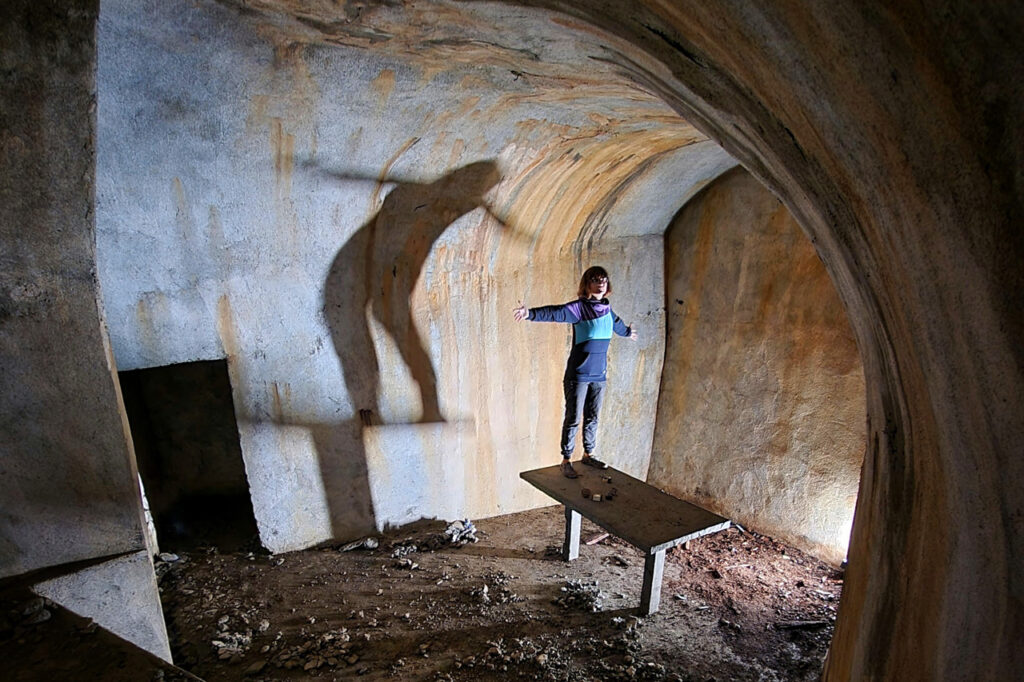
For the first time I was able to talk to my parents only four months after my arrest. To call abroad, you need to write to the prison authorities - they must ask the telephone operator to unblock calls to a specific country. Processing of each application takes up to two weeks.
By that time, I realized that in Albanian prisons everything is decided through written statements. Only through them was I able to defend my rights, and then change my loneliness to general conditions. So I received permission to go to the kitchen, the library and the sports ground on my own.
I could only go out the gate accompanied by senior officers. Other prisoners were allowed to have gas burners, cook with them and even make coffee, but I was prohibited from having one, citing safety rules. The police from somewhere brought me a Turk, ground coffee and a bag of sugar. I passed the Turk to the other prisoners through the gate, and they helped me.
I also wrote a statement about discrimination and ensured that the police and prisoners were ordered to learn my name and call me, if not by my full name Svetlana, then at least Lana. I also asked me to be stopped calling by nationality.
All prisoners, except me, had televisions in the cells: their own or local ones. I had neither a TV nor an antenna. I wrote a statement that I also want a TV, but they answered me that it was impossible. But on the New Year he was found - the prison directorate “gave me it for a whole day. All night I watched the news and cinema - in Albania they do not make duplicated translations, and all films go with subtitles in the original language.
In winter, I wrote a statement to the director of the Albanian prison system. I learned his address from other prisoners with whom I managed to communicate secretly from the police. In a letter, I explained how sad I was in the hospital and how to hang out sadly in a single cone. I wrote that I would like to communicate with other arrested and learn the Albanian language.
"Prison isolation is a VIP condition"
In February 2023, they again extended the arrest for three months. But the director of the local FSIN himself came to our prison with the delegation of inspectors. The intelligent uncle visited my camera and said that I actually be in VIP conditions. But if I really want to, then after half an hour I will be hooked on someone and the restrictions related to “increased attention” will be removed.
Later it turned out that before and after me, women with mental problems and not very adequate behavior sat in my aviary. Apparently, the Albanian prison police decided that it was equivalent to the Russian passport.
For all of Albania there is only one women's prison consisting of a pre -trial detention center and a correctional colony . Since the summer of 2024, it was transferred to a new complex, but I was serving a term in the old building in a tyrant built under the Communists. The general regime of content turned out to be a volitional compared to a loner.
The pre -trial detention center was located in a closed territory, but without iron doors and gratings on the windows. At any time of the day, we could go out into the air. In the afternoon, it was allowed to run on a sports ground, sit in the shade of bushes in the garden or on benches under an umbrella. The living rooms were in long one -story houses similar to huts. Each room was designed for two, four or six people. We slept on two -story iron bunks, but we were given normal pillows, mattresses and underwear. We fed us more diverse than in the hospital.
I rose from the very bottom. My husband died of an overdose in my arms, I served time in prison and almost lost my daughter. But I was able to change myself and my life Society 19 min read
A shower was allowed to take three times a week. One cabin was fixed behind each camera, but the water heater was barely enough for six people to wash and dial water for washing. Each prisoner for the entire period is issued two plastic pelvis, a towel, rubber slippers, plastic mugs, a bowl and a spoon, and once a month - several pieces of soap and washing powder.
The rest could only have its own - from gear or store. To use the store, each prisoner automatically open a bank account. Relatives or friends can make translations on details to him. I was able to get an account only through a written application.
In prison on my bed, the cat slept
The attitude of employees of the prison system as a whole was normal: I experienced the most tin during interrogation. In the hospital among the police officers there was one woman who helped me. In jail, I did not notice any violations from employees. Of course, there were workers with a vile character who treated all prisoners with the same neglect. But the worst that I saw from them is sour faces and dull intonations.
Relations with other prisoners were normal, with some even good ones. Girls in prison often supported each other and helped. But still this is not an institution of noble girls, and from boredom everyone gossiped and discussed each other. Verbal skirmishes arose, but it did not reach serious conflicts and fights. The prisoners were even respectful, because I am a foreigner.
Some girls constantly complained about others to win a more loyal attitude of the police and a good description for the court. Once I noticed that the girls from my and the neighboring chamber, with whom we talked every evening, stopped talking to me. On the third day, I asked what happened. It turned out that someone complained that they cursed in the neighboring cell in an albanian, and they decided that it was me.
I explained that I do not know Albanian obscenities. For some reason they did not even think about it. As a result, all the girls apologized before me. We made peace, and they taught me to swear in Albanian with a bonus, and I in Russian.
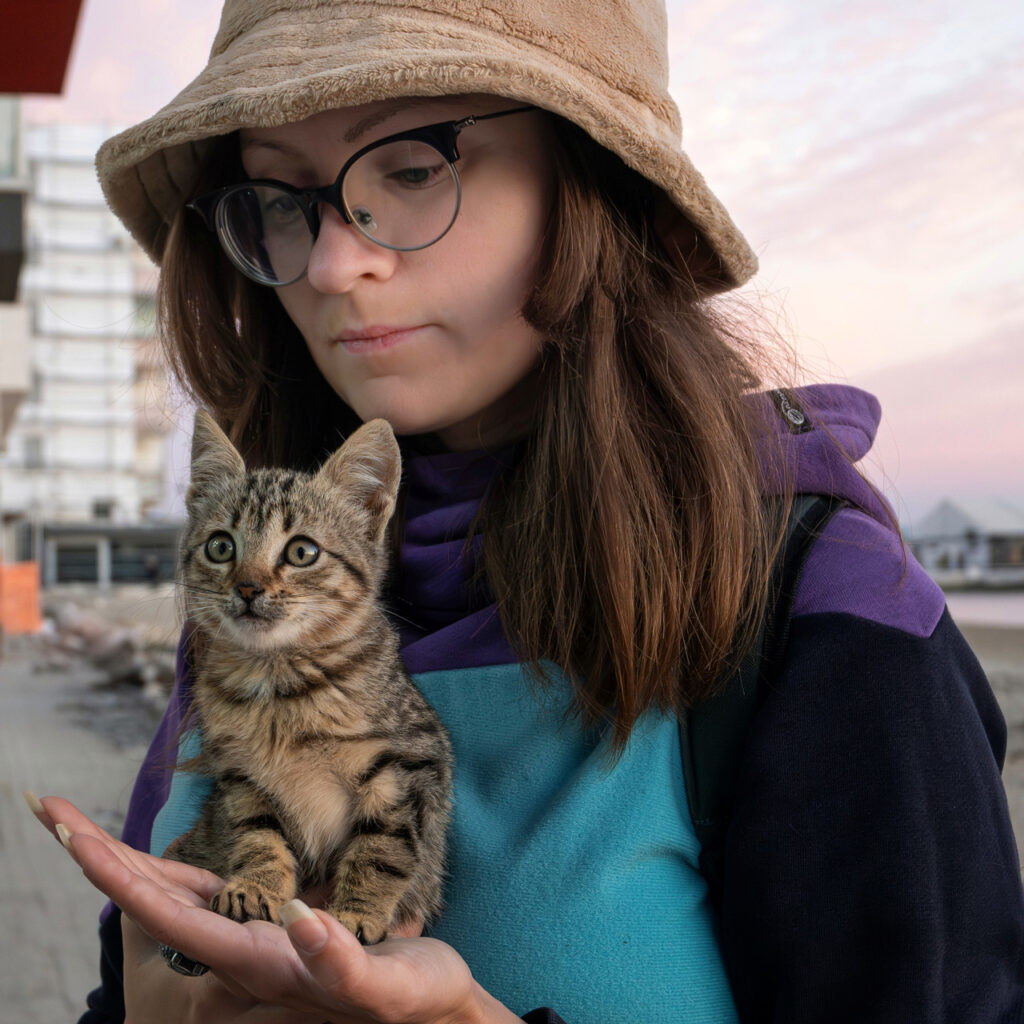
There were also funny stories about cats . In the hospital, every day I was given an Albanian wet salty cheese with a shower that could not be eaten. Pretty quickly, I examined through my lattice window of stray cats, lured them to this cheese and taught them to come every day in the area of dinner. Five to six cats approached my window. The police tried to forbid me to feed the cats, to which I asked: “What will you do to me for that? Put in jail? " After that, they lagged behind me, but turned a video camera to my window.
In the pre -trial detention center, stray cats also came to us. I taught one cat to sleep on my bed. Even when I was moved to a common camera, he continued to come to me. The police were not opposed and even asked if I would take him when I would be free. But I did not take: the cat is public, let me please other prisoners.
"We cannot help criminals"
I thought that the embassy employees immediately come to the rescue if a person is detained in the other side. In January 2022, my ex-husband was detained in Egypt and suspected that he photographed someone's private property, although he simply shot people in the quarter of garbage men in Cairo. Then the Russian Foreign Ministry intervened on the first day, and it was quickly released.
But after the detention in Albania, the Russian and I from my group did not receive any help from the embassy. None of the representatives of the Russian Federation came to us either in the first three days, nor at the first court, or for the next meetings. The only reaction of Russia to our detention is to depict a criminal case against me and put on an international wanted list. Employees of the Ukrainian embassy came to our Ukrainian-Ukrainian embassy to our Ukrainian friend and the courts.
I moved from a Bashkir village to Finland. My family had to borrow money for my move, and I had to work two jobs as a maid. Society 9 minute read
When I contacted the pre -trial detention center with my parents, they told me about a second search in an apartment where I have not lived since March 2022. The security forces did not even show the warrant: they simply intimidated their parents and demanded to open the door. I explained that Russia does not help me in any way. Father sent an email to the embassy, to which he received an answer: "She refused our support."
After the release, I found a girl through Russian chats in a tyrant, which was connected with the organization of support for compatriots. I told her my story, and through her an employee of the Embassy of the Russian Federation in Albania decided to meet with me and explain.
A man did not shine with logic, and his explanations resembled excuses. To the question "Why did you lie to my father?" He replied that the embassy’s employees were offering assistance, but my lawyer was abandoned. At the same time, he called the name of the lawyer of another suspect in my case. To the questions why the embassy’s employees did not help us immediately after the detention were not at the trial and did not visit me in the hospital, he replied: “A criminal case has been instituted against you in Russia, we cannot help criminals.”
The prosecutor did not like our pictures in the dark
The third court to extend the arrest was to be held on May 20, 2023. But the Albanians, apparently, decided to hold us in prison a little more and transferred the meeting to the 25th. The prosecutor could change the preventive measure for us or justify another extension of the arrest. He chose the first.
I was released on a recognizance not to leave, and my Russian friend Michael was sent under house arrest. The non -departure subscription reminds the Russian convention: you are forbidden to leave the country and once a month you need to come to a district police commissariat. I was not forbidden to ride Albania. On the contrary, the lawyer said that the prosecutor and the judge will be able to see that I take off the abandonment only for the sake of creativity and in order to show their aesthetics. The main thing is not to go to objects that the military guard.
The investigation in our case ended in March 2024. In April, the prosecutor's office gave a copy of the case file, but did not formulate specific accusations against each of us for the court. In the results of the examination of our photographs, the prosecutor complained about three things.
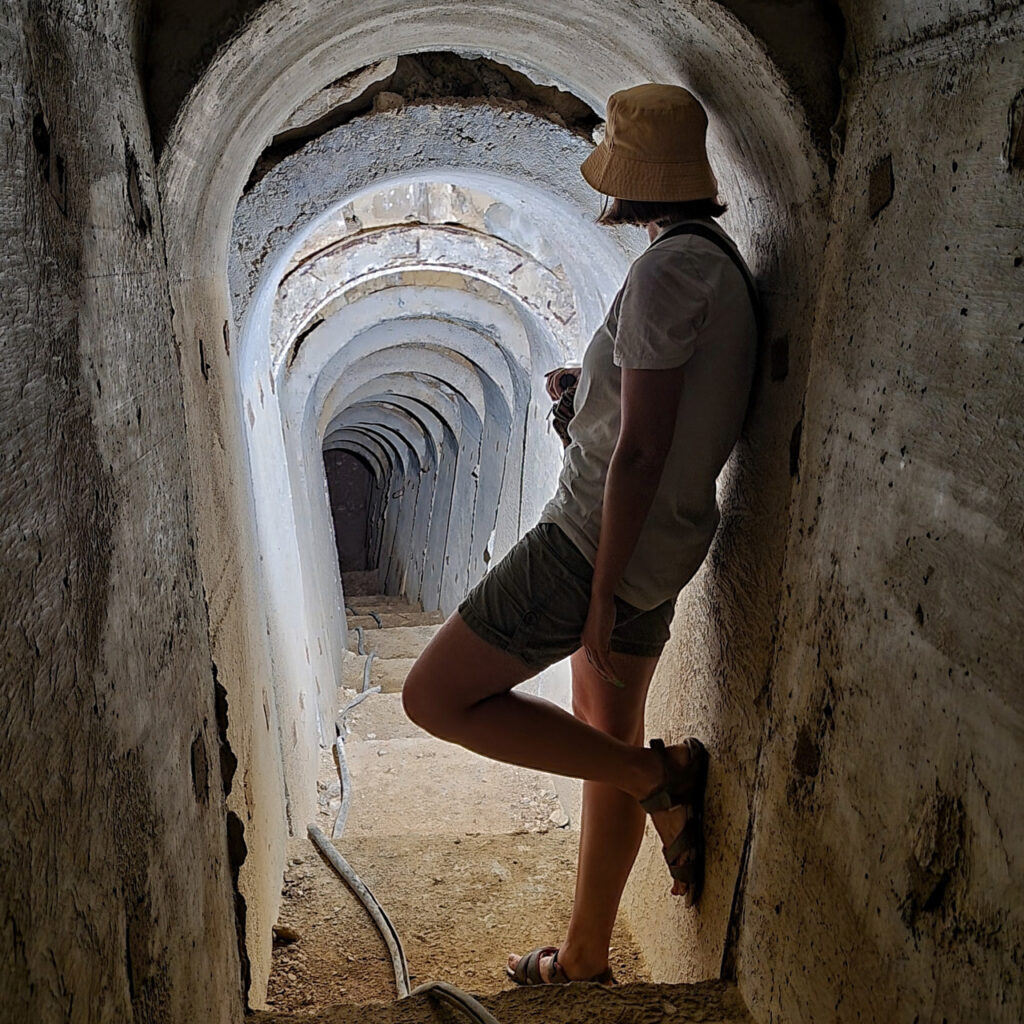
He did not like that Mikhail took off the dam of the Boil reservoir, although this is a tourist place. When we photographed the abandoned royal villa in Durres, the antennas on the roof fell into the frame. At the same time, the entrance to the villa costs two euros, tourists go and take pictures everywhere, and the antenna is glued with stickers like “I was here”. Some of our photographs were taken in the dark, therefore, according to the prosecutor, they do not represent value for tourists.
There were more than 1300 pages in the case file, but we were given a reduced version on 30 sheets - common on all. We had to go through a preliminary hearing at which the prosecutors would voiced specific charges against each and requested punishment. But it has not yet taken place.
For some reason, three prosecutors signed up under the reduced version of the prosecution. Lawyers say that one prosecutor is usually involved in the case, even if he has 25 defendants. It is not clear to anyone what their number is connected with.
Either the prosecutor is confident in the failure and wants to take his responsibility to the other two, or is sure of success and wants to help his former trainees advance on international spies. Local journalists consider the second option less likely because they know this prosecutor well, and he is not used to sharing fame. They did not explain anything to our lawyers in the prosecutor's office and court.
Albania - cool country
I managed to regain a driver’s license, bank cards and cash. Now I live in Albania for savings that are rapidly ending. Sometimes I ask for support from subscribers, although I am terribly shy to do it. In general, they helped me a lot when they threw themselves on a lawyer.
In general, Albania is a cool country with great tourist potential. During the imprisonment, I thought a lot about my past life and what to do with the future. And I realized that I would like to adapt the abandoned territories for tourist needs. I want to participate in the creation of museums, tourist routes or industrial parks and public zones based on artifacts from the past.
Urbeks adherents around the world are exploring abandonment, publish photos and videos, hold exhibitions and film screenings. I would love to deal with such projects. The authorities of cities and countries do not appropriate cultural value to many cool abandoned places, do not guard them, and then it becomes late. It is more logical to turn them into living monuments of history, especially in the era of digital content. After all, people willingly go on excursions to military museums and bunkers. The abandoned places are no worse, and each of them has a story that is worth telling.
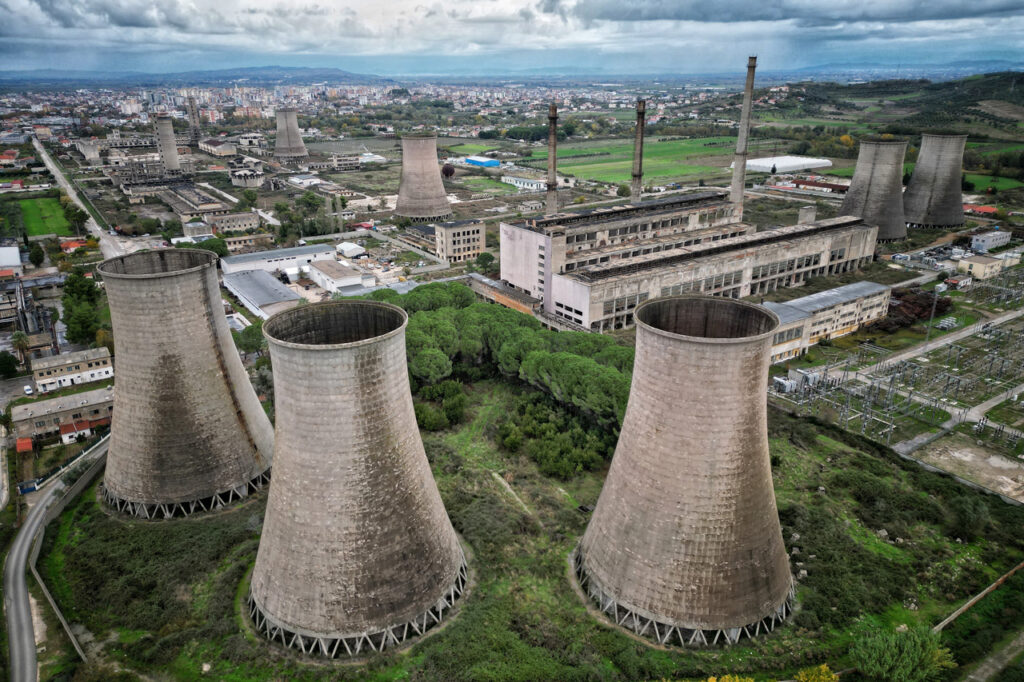
Thousands of underground tunnels that are constantly adapted for tourists were inherited from the communist regime of Albania. But the local authorities have paranoia that military abandonment can be interesting to spies. I think they just need time to realize all the absurdity and get rid of the consequences of propaganda in the style of “enemies around”.
Stereotypes that drug dealers are everywhere in Albania, abduct people and sell them for organs, have long lost their relevance. On the streets it is safe here even at night. But I can’t work legal here. In the summer of 2024, I tried through the court to get permission to access the documents in order to issue a residence permit or at least a work permit, but the court rejected my request. Therefore, I spend walks around local abandonment for tourists for gratitude.
I want to live in a safe country
Now there are three options for the development of events. The best is the complete lifting of the charges, possibly even with the payment of compensation. The average option is formal accusations so that the state does not have to apologize to us. In this case, the punishment will be repaid taking into account the already sewn and we will be released from the country. Maybe they will ban the entrance for five years.
The worst option is serious espionage accusations for which you will have to sit in prison, despite the lack of corpus delicti. But I do not believe in this: they would like to plant, they would not let out from the pre -trial detention center. Sometimes it seems that the Albanians are simply waiting for us to run away across the border. But we do not need an international wanted list in Europe.
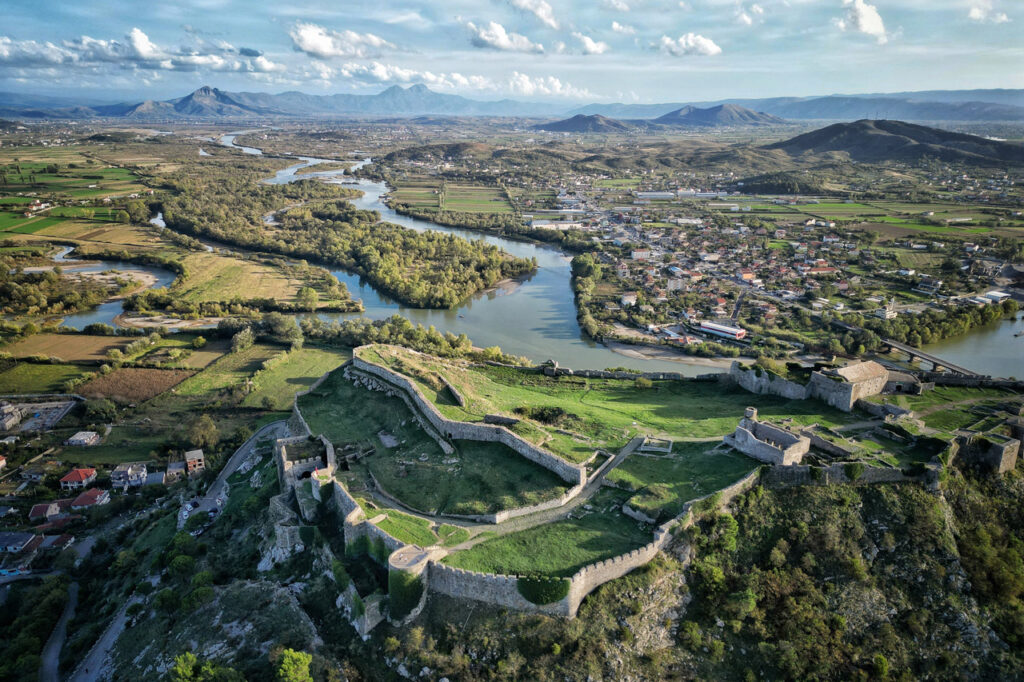
Regardless of the result, we must return the documents. And the further plan of action depends on the sentence. I want to legalize in a safe country where there will be no risk of extradition to Russia. In the worst case, you will have to ask for refuge in some of the European states. By the way, in Albania I already requested a shelter , since we are still hanging around here. But I have never received any answer, even unsubscribing.
I am quite a law -abiding person and against the security forces to consider urbanturism a crime. There are countries in which there are clear laws against illegal passage to a closed territory with fines or even prison deadlines. I am not opposed to following them. If the object is closed, surrounded by a fence and there are signs nearby that the passage is prohibited, do not climb there.
And if there is no law, as in Albania, and the abandonment is open to all the winds or can you go to it without problems, then what is this crime? This is just an interest in historical artifacts. Just as someone participates in excavations or considers architecture.
In order not to miss the main materials of “Cold”, subscribe to our social networks!


Kholod needs your help to continue working
We continue to work, resisting bans and repression, to preserve independent journalism for the Russia of the future. How do we do this? Thanks to the support of thousands of caring people.
What do we dream about?
About the simple and at the same time complex - the opportunity to work further. Life will change beyond recognition many times, but we, the editors of Kholod, want to stay close to you, our readers.
Support Kholod today so we can continue to do what we do best - be independent media. Thank you!
Author: Marina Kiryunina Photo on the cover was associated with Svetlana Timofeeva