
Translated material
Prisoners, but not soldiers
There are Ukrainian soldiers in the “LDNR” who have not been included in any exchange for more than five years. "New Europe" talked to their relatives
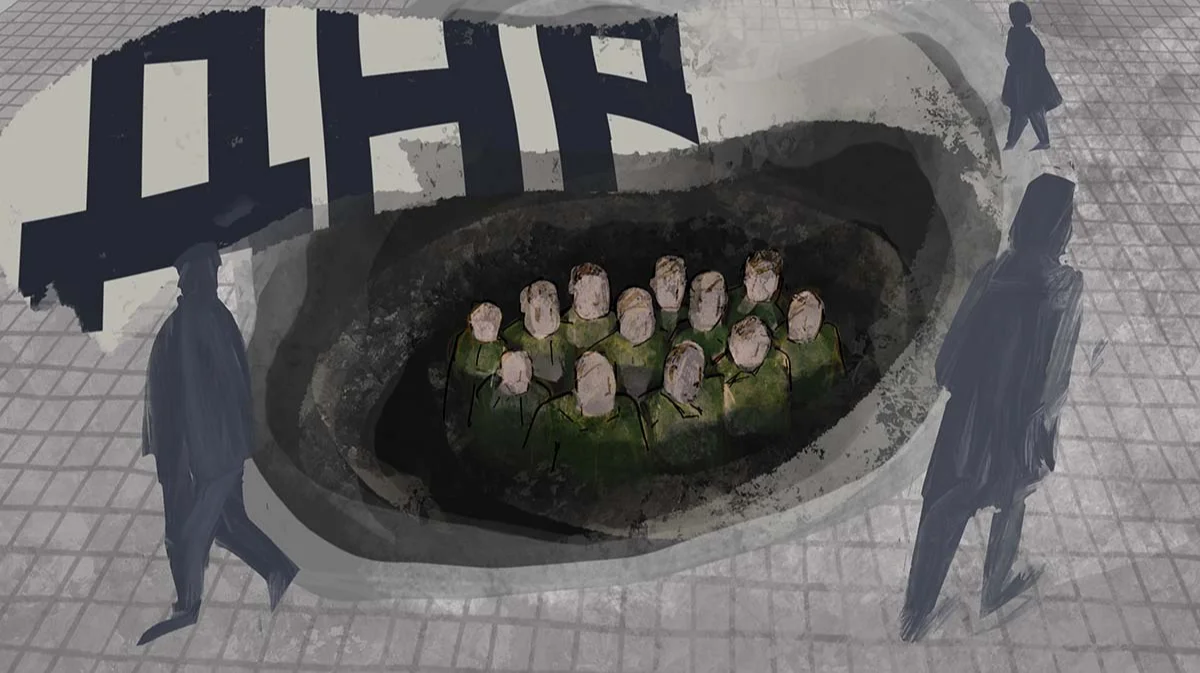
Illustration: Alisa Krasnikova / Novaya Gazeta Europe
Ukrainian prisoners of war (some for eight years) have been imprisoned in colonies in the occupied territories for “violating the constitution” and are not subject to any exchange scheme. There is no contact with them, they are not given sentences, and almost no one is concerned with their fate. “Novaya Gazeta Europe” tells how this situation arose.
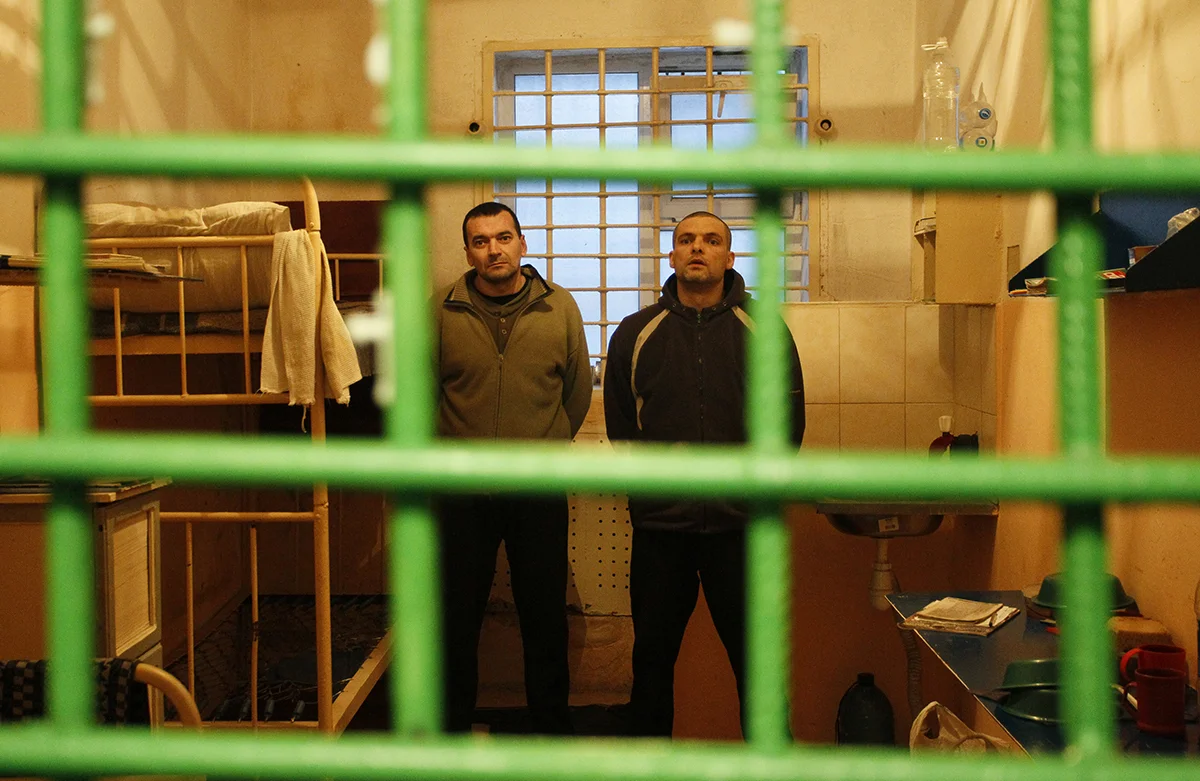
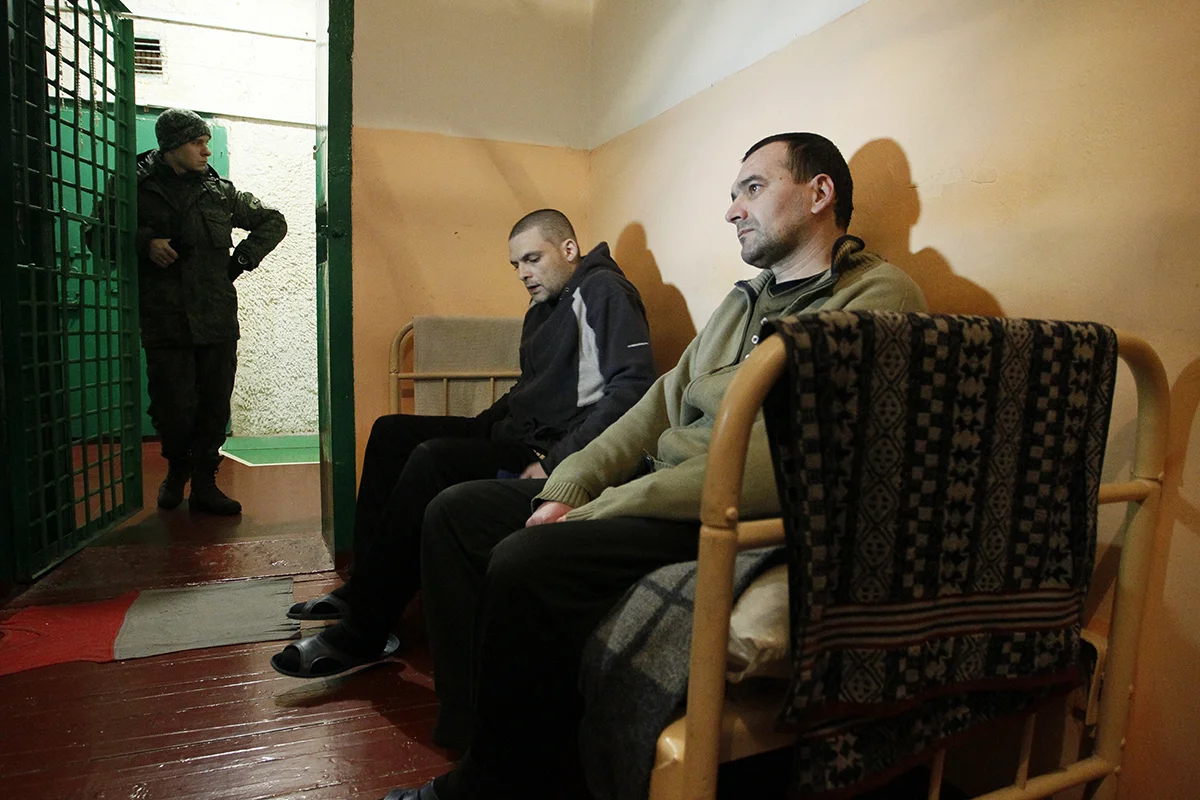
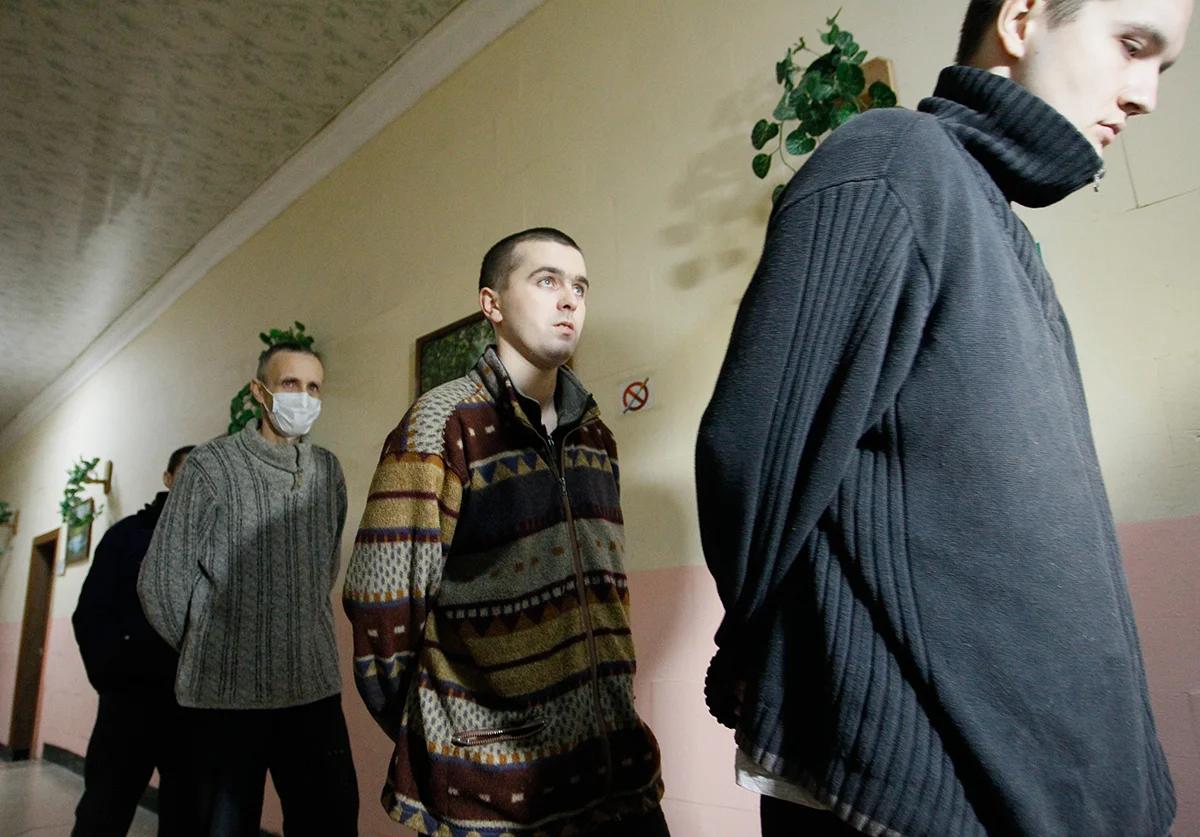
In Makeyevka, Donetsk region, on Ukrainian territory occupied by Russian troops, in colony No. 32, now renamed “second,” right now, as Novaya Gazeta Europe found out, there are at least 12 Ukrainian prisoners of war who were taken there before the full-scale invasion. Since 2014, their status has changed many times, they were not included in the exchanges, they were not released, and now they, as “newcomers,” are experiencing their sixth, seventh, and eighth year of imprisonment.
Why "newcomers"? Because they have no relatives in the occupied territory, which means they have no one to call the “convicts” on the local operator “Phoenix” during authorized calls from the colony. Collecting money, buying the necessary things and bringing them to the zone of the permitted transfer once every three months for their relatives from other regions of Ukraine each time turns into a whole quest.
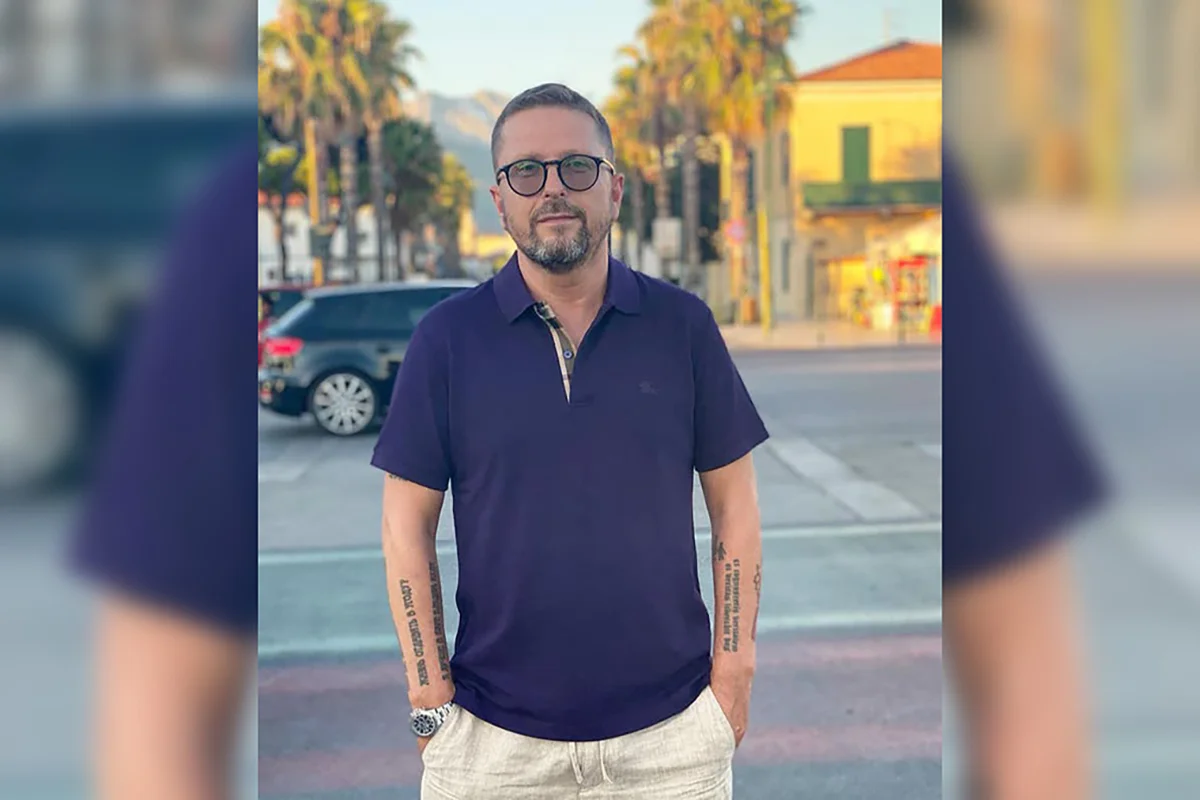
At the same time, prisoners of war are not “missing in action” at all - all Ukrainian soldiers taken prisoner before the full-scale invasion of Russia were used by the “DPR” propaganda in dozens of information special operations. They were taken along the streets under cameras , where specially assembled people insulted Ukrainians , they were “ interviewed ” by “DPR” propagandists, and they were “rented out” to pro-Russian propagandists like Anatoly Shariy.
They are all on the Ukrainian exchange lists, but they are not included in the Russian ones, since they are now not “prisoners of war”, but “citizens of Ukraine convicted by civilian Russian courts and in the system of the Federal Penitentiary Service of the Russian Federation.”
This wording was in one of the responses from the Russian Ministry of Defense at the beginning of 2024, which stated that prisoners were not subject to exchange through the military department, but should be exchanged for an “equal category” of Russians. Since then, the offensive of the Armed Forces of Ukraine in the Kursk region took place, and Russia began to exchange its conscripts, individual clergymen of the Russian Orthodox Church for everyone - women from civilian colonies of the “DPR”, civilian women convicted by military courts - cooks of the canteen of the "Azov" regiment, simply fighters - defenders Mariupol.
It seems that all Russian “taboos” have fallen, but the “captives of the DPR” are still under lock and key.
Novaya Gazeta Europe spoke with the mothers, sisters and other relatives of six soldiers who have been held captive in occupied Makeyevka for many years. They, like many others, in Ukraine are included in the category of “illegally detained Ukrainian citizens”; in Russian custody they are simply “convicted”. Twelve Ukrainian soldiers in captivity were “awarded” with huge sentences on charges of “terrorism”, “aggression against the sovereign state of the DPR” or even “encroachment on the constitution of the DPR” and are not confused even in a common colony with Ukrainian military personnel captured after February 2022.
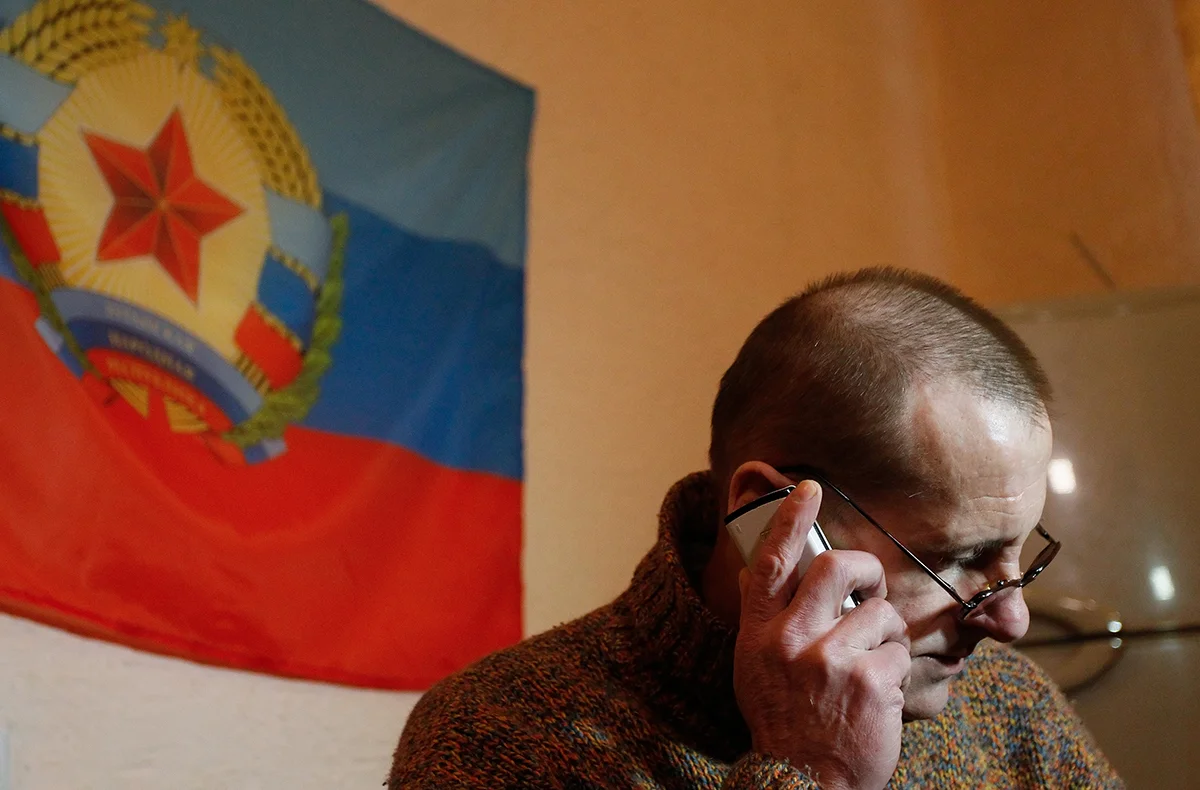
The author of this material received some of the documents from a Ukrainian lawyer from Donetsk, Vitaly Petrovich Omelchenko, an amazing person from among the former operational police officers with a sense of fear that seemed to have atrophied over many years. Omelchenko carried parcels to prisoners in various colonies as a “legal specialist” (he did not have a lawyer’s license in the “DPR”), tried to protect the rights of “convicted” prisoners of war and managed to circumvent threats and any pressure. He never sought anonymity, but mentioning his name in this text certainly won’t hurt him. Vitaly Omelchenko died in Donetsk on September 26, 2024. This text includes the memory of him.
“My connection with my little one has been interrupted! Look what happened to the child!”
- I’m Maria Dmitrievna, I’ll be 74 in the fall, I really want to see my son again - he’s been imprisoned since 2019, my child has been in captivity for the sixth year already! I wrote everywhere, called, but they always tell me that Russia is not making contact! — the mother of Igor Mironchuk, a career military man, tells Novaya-Europa.
He served in the 128th Separate Mountain Assault Brigade since 1996 and lived near its location in Transcarpathia. He fought since 2014, received shell shock and military awards, and was captured near Shirokino. His mother Maria Dmitrievna lives in the Rivne region and is hopelessly waiting for her son.
“He was captured on February 9, 2019,” says Maria Dmitrievna. “The commander called his eldest son, but they didn’t tell me anything at first, they were looking for him, it was a bad month then, fierce, slushy. The helicopter even looked for him, they thought maybe the wounded man was lying somewhere on the landing. The boys searched everything and didn’t find it. And the boys from the other unit heard him screaming and fighting back. A week later, on Saturday, they let him call me and said: “Mom, I’m a prisoner!” And then they posted a video of his interrogation on the Internet - he was so blue! And then a friend from Russia called that he was being shown on TV. And he was already clean, shaven, in good clothes, and the correspondent asked him: “Who would you vote for?” - and he answered her that, apparently, for Poroshenko. And they say: “Then there won’t be one vote for Poroshenko!” It was only after that program that I realized that he was alive, albeit intact! I only hope in God, and maybe in you - maybe with your hands he will help us!
This “driving around the square” and spitting at the camera was repeated in the “DPR” with every prisoner of war, from recording videos of interrogations and broadcasts of Dmitry Kiselyov to recordings for broadcasts of Anatoly Shariy. These videos made the prisoners of war recognizable; they cannot be described as unknown and forgotten. Their relatives have created their own small community, exchanging news and, as in our case, phone numbers of journalists.
“All the guys who are sitting there are all military, and we all communicate with each other,” Valentina Ivanovna tells Novaya-Europa. — Among us, Dyachenko has been in prison the longest; he is from the Vinnytsia region. And in total there are 12–13 of our kind there.
Valentina Ivanovna Panchenko has a son, Stanislav, in Makeyevka. He served in the Ukrainian Armed Forces in the 58th separate motorized infantry brigade named after Hetman Ivan Vygovsky and was captured on January 17, 2018, more than six years ago. This is practically in a past life, before the full-scale invasion of Russia, during the time of the Minsk agreements and the related truce.
According to the truce, artillery with a caliber of over 100 mm was withdrawn from the front under the control of the OSCE mission; it was forbidden to fire from it, and if artillery shelling did occur, it was most often at night, when instead of people, technical means were overseeing the contact line. The main result of the ceasefire regime was the absence of major progress on the line of contact: cities were not taken, but they fought on the spot for strongholds and heights. And sabotage and reconnaissance groups (DRGs) went to each other’s rear, which could capture individual soldiers.
— My son and I were talking on the phone, and the connection was lost! — says Valentina Panchenko. “I immediately called his boys: “My connection with my boyfriend has been interrupted!” Look what happened to the child!”
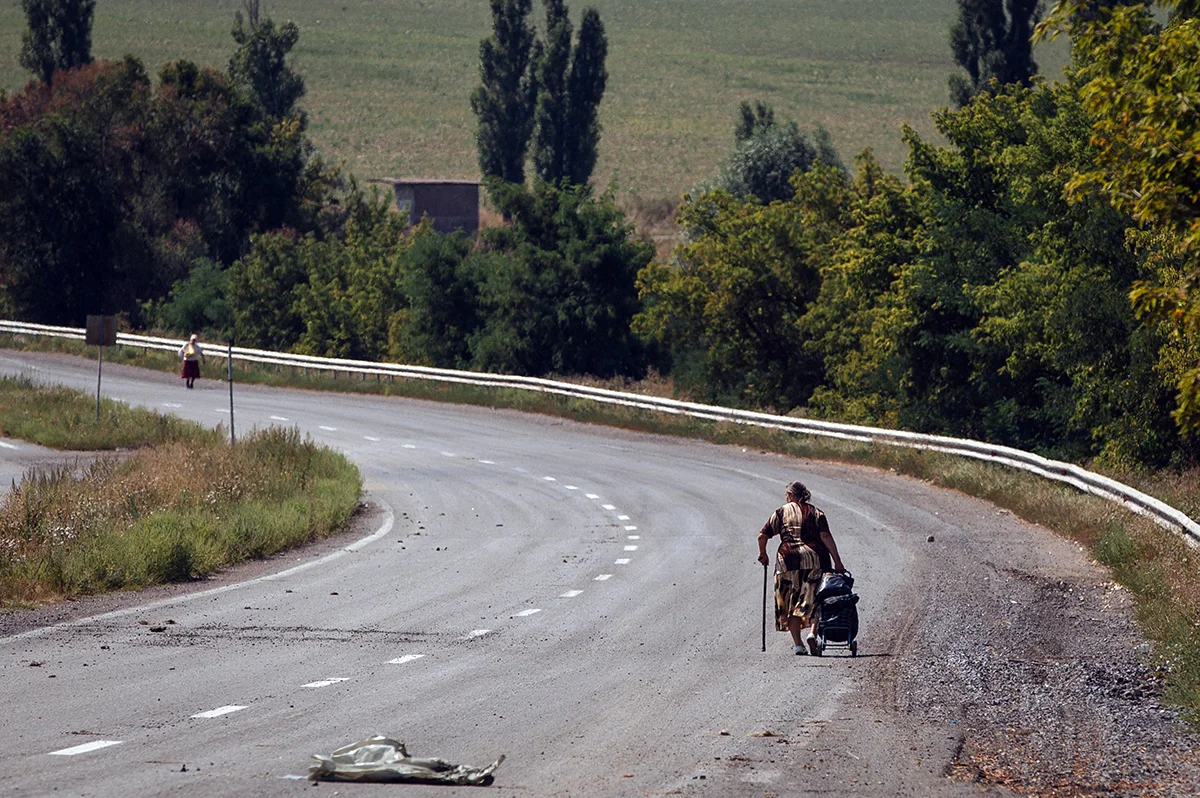
Illegally detained
But the “child” was no longer found, and in the morning the mother was told that they had lifted the drone and seemed to have found footprints in the snow that someone was walking away from the positions. Valentina Ivanovna was not satisfied with this information - she knew from her son that drifting snow overnight at their platoon stronghold covered any traces, Stanislav could not just “get lost” right during a conversation with his mother ( get lost. - Ed. ) and to run into the enemy, this is someone in the unit trying to evade responsibility, she decided. Now, in the third year of a full-scale invasion, she is still going through the vicissitudes of her long-standing legal struggle for her son’s good name: she still had to prove that he did not “voluntarily leave the unit,” but was captured.
“He was in Kramatorsk and bought himself a light-colored jacket, not exactly our type, - he came home in it, showed it to me, it was so warm, and he was captured in it,” Valentina explains to Novaya-Europa with knowledge of the matter. Panchenko.
- He later told me that they were watching him, they wanted to shoot him, and then they doubted - maybe a Russian was coming? And he was so lucky that he was taken.
I don't know exactly how this all happened. “And he was tried there in November 2019, he was given 17 years,” continues Valentina. — Something about the seizure of power, terrorism, they wrote the same articles to all our soldiers. I got myself a certificate from the colony - they wrote something there, too, about the terms.
The verdict for Stanislav Panchenko is at the disposal of “New Europe”.
According to the mother, they were all being prepared for the exchange “so quickly”: “And he was already in the 32nd colony when they exchanged him, but mine remained there...” On December 29, 2019, as part of the last big exchange along with civilian prisoners "DPR" released 12 other captured soldiers of the Ukrainian Armed Forces.
“We were told so many times that ours were not going as soldiers, but as “illegally detained”; they even gave me certificates from the SBU with these words,” continues Valentina Ivanovna. — The Russians do not hide the fact that our boys are there, they record interviews with them, the Red Cross came to them, they have been written about many times. And they tell us in Kyiv that they are a different category, it seems like they are not prisoners of war, but hostages - because they were captured before 2022.
While in captivity, local propaganda used Stanislav in a campaign directed against the Azov regiment. Many Russian propaganda media, in particular the same Moskovsky Komsomolets, called him in hot pursuit a “captured Azov fighter,” although he served in the 58th separate motorized infantry brigade and was captured at its positions.
Former special, exchange
Until 2019, exchanges from Donetsk took place according to their own special scheme. All prisoners, civilian and military, were quickly tried, given sentences ranging from 10 to 20 years and placed in a separate barracks of the 32nd colony in Makeevka. For many civilians and military hostages, the verdict was a relief on the path to freedom. Many started in the Izolyatsiya concentration camp, where they were tortured , could have been killed, and no laws or rules were observed. Transferring from Izolyatsia to pre-trial detention center No. 6 of the city of Donetsk meant life in a place where rules existed and old Ukrainian guards worked. There, the preparation of the “case” for the court began, but the transfer after the verdict was announced was already a harbinger of an exchange. There life began in a barracks, where you could move around different corners and go outside to get some air. No one took into account the huge sentences from the “DPR” - many former prisoners who were released through an exchange tell how investigators asked them to sign all the papers without understanding: “Anyway, after the verdict, you will go to the exchange immediately!”
In 2020, when exchanges with the self-proclaimed republics ceased, fifty people remained in the special “exchange” barracks, among whom were 13 who served in the army. They also went through the “DPR courts” and had verdicts in their hands.
It was precisely these people who were transferred to Ukraine during the exchange at that particular time—those who were strictly “convicted.” This was part of the Russian campaign to legitimize the self-proclaimed republics.
For Ukraine, all these people, civilian and military, were clearly defined as “illegally detained hostages”: the “DPR,” which was not recognized by anyone, simply could not have prisoners. In the “LDPR,” in turn, soldiers were singled out as “prisoners of war,” and representatives of the International Red Cross were demonstrably allowed to see them from time to time. At the same time, in violation of the Geneva Conventions, they were given “trials” not for war crimes, but solely for the fact that they were soldiers of the Ukrainian Armed Forces; they were held and tried together with civilian hostages.
— My son Vasily served in the Ukrainian army during the ATO in 2015–2016, his unit No. 3500 was a repair brigade that was stationed in the Volodarsky district of the Donetsk region. Then he was demobilized, lived in Volnovakha, and, I’ll tell you how it is, he decided to go to his hometown of Donetsk, where we had a house and apartment, where all his friends and acquaintances were,” Valentina Sergeevna, the prisoner’s mother, tells Novaya-Europe Vasily Ivanovich Gorobets. She herself now lives in a village in one of the free regions of Ukraine. “We lived in Donetsk on Krasny Gorodok, we have a house there, and he went there to see a woman at the end of 2016, and already in 2018 there were people who gave him up. They found photographs from the time of his service, wrote everything beautifully, what happened and what basically didn’t happen, and reported it, set it up. They wrote in the denunciation that he was a grenade launcher, although I have all his documents, right down to his military ID, but he left everything behind when he went there. He was a repairman. He was arrested on April 18, 2018.
Here's the story: a soldier, who served his term of one and a half years as a repairman of military workshops, lived in the Donetsk region, in Volnovakha, where his beloved woman calmly came for him through the line of checkpoints. His mother left Donetsk immediately after the capture in 2014 and, as best she could, tried to convince her son not to go. But the son believed that he was a small person and no one needed him - well, who would look for him there, catch him?
Gorobets got a job as a mechanic in Donetsk at a service station not far from the Melkombinat, lived for more than a year somewhere in the center of Donetsk with a woman, until the couple broke up. Afterwards he moved to his family home, where he was arrested.
— They handed him over to the MGB (“Ministry of State Security of the DPR”), the trial was on July 31, 2019, and he was sentenced to 16 years as a “Ukrainian saboteur.” They have him as a “military man,” “former ATO officer,” that’s the category,” says Valentina Sergeevna.
With the onset of a full-scale invasion, the mother lost all options for communication and delivery of packages. She was evacuated from the war from the Donetsk region to a village deep in Ukraine. She claims that her son was never visited by the International Red Cross, although she wrote to them and called directly to Donetsk, to the regional office - they knew about her son there, but for some reason they did not visit him. Perhaps they were considered a civilian?
“How can we live with an article for terrorism?
“In August 2019, we were tried on the same day as one such soldier,” Andrei Kochmuradov, a DPR civilian prisoner released in December 2019 as an exchange, told Novaya-Europe. “It was a young guy from some village, apparently, and he was in despair. He said: “How can I return home with such a criminal record that in the village they will say about the article for terrorism?” He was not very well educated, and he took this whole masquerade with judge’s robes and caps with their then ridiculous sentences seriously. I tried to explain to him as best I could that neither in his village, nor in any city in the world, no one would recognize all these “verdicts” and they should be treated with humor. But I don’t know if I succeeded; we weren’t close for long.
Andrei himself received a huge sentence of 14 years for “espionage” and treated him in the local way - with relief: a sentence in the “DPR” at that time meant a weakening of the regime of detention and hope for a quick exchange. Andrei spent ten months in the Izolyatsia concentration camp , then sat in a pre-trial detention center with some kind of legal regime. For example, in court two years after his arrest, Andrei Kochmuradov saw his wife, Doctor Elena Lazareva, for the first time; they sat in the same dock and could talk.
Before the trial, the family saw their cars—DPR MGB operatives came to “testify” in them. The sentence meant a transfer from the pre-trial detention center to a softer regime in the colony: the husband was sent to Makeyevka to a special barracks for prisoners prepared for exchange in the 32nd colony, the wife was sent to the women's colony in the city of Snezhnoye. Four months later, the Kochmuradov family was released as part of the big exchange of 2019.
Kochmuradov’s desperate neighbor in the paddy wagon he talks about was most likely one of the prisoners captured on May 22, 2019, a high-profile story in Ukraine.
Then, two days after the inauguration of the sixth president, Vladimir Zelensky, who came to power with slogans for quickly achieving peace in the spirit of “ you just need to stop shooting ,” “those who profit from the war will leave power, and peace will come,”
the army was somewhat disorganized. The fighters in the rear zone of the Joint Forces Operation in the Donetsk region were not armed again when moving along the roads - well, they were not in the trenches.
Such a group, without weapons, early in the morning drove from the village of Mangush near Mariupol to Konstantinovka in a KAMAZ truck along the well-known local repaired “road of life.” Through villages and towns, through Ugledar, Kurakhovo and Selidovo, bypassing the pre-war logistics center of the Donetsk region. This was not a unit, but a group: everyone was going about their own business, some for work, some to sign a contract, some to quit, some of the people in the truck did not know each other. Everyone was sleeping in the back of the car; before the line of checkpoints opened at about five in the morning near Volnovakha, the non-local driver missed the turn and drove straight along the convenient, flat Donetsk-Mariupol highway. And in the area of the Perclin cafe at the Zero Nutsk State University, the soldier at the wheel simply did not pay attention to Ukrainian concrete fortifications and drove on. Perhaps, in such an early checkpoint, they still slept. Until the next positions, the first corps of the “People’s Police of the DPR”, on the way there was no more than one kilometer of an unremarkable direct highway. Eight Armed Forces of Ukraine themselves were captured.
Novyevropa spoke with Julia Gordiychuk, a captive soldier’s sister from that eight. Her brother, Gordiychuk Yuri Nikolaevich, remains captive for more than five years with another fighter of that group - his name is Pavel Yuryevich Korsun.
Julia explained how two of those eight people remained in captivity, and six in the living.
-The negotiator Medvedchuk took Sergeant Goryainov, then without organs in November they gave Ukraine the body of another sergeant-Roman, then four were taken to exchange in December 2019, and after a couple of months, Duvanov died from a heart attack-and that’s it! We gave so many interviews, and “1+1” the TV channel came to us and also asked why so?
Why did they change them, and left our two? But the sixth year has gone, but no one can give an answer to this question. There was a court about the “violation of the integrity of the DPR”, and both of ours were given for 17 years, all our soldiers were given the same terms of these “courts”,
- says Julia.
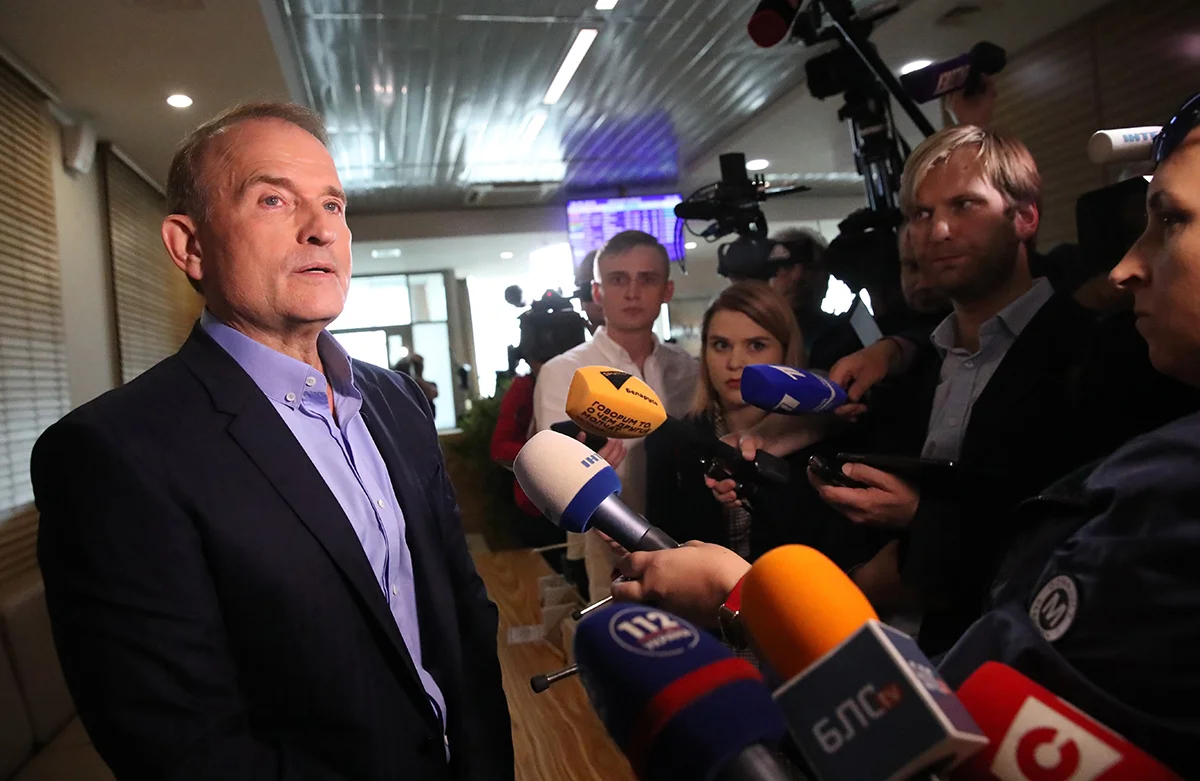
It is worth clarifying that Kum Putin Viktor Medvedchuk in the first weeks of the presidential term Vladimir Zelensky fought for the status of the main intermediary between Ukraine and the Russian Federation, and the Russian government actively helped him in this. For example, as a gesture of goodwill, without any exchanges, she transferred the hostages captured in the hands of an unnecessary “DPR”. Four Ukrainian troops were transferred by the “heads of the LDNR”, but for some reason in Minsk-how and according to what legislation they were escorted there, why the hostages were not released on Russian territory, remained behind brackets.
Among this four was the foreman of the company of the 53rd brigade, Sergeant Maxim Goryainov from that very KamAZ. The military was captured on May 22, 2019, they announced the liberation of Goryaina a month later, on June 27. In the cover list, they somehow bashfully wrote that he was already convicted “in June”-under Part 3 of Article 230 of the Criminal Code of the “DPR” “For the Assistance of Terrorist Activities” for as long as 15 years. Everything written in a hurry does not correspond to the documents issued in the hands of Goryainov.
Senior sergeant Roman Bespaley of that very lost KamAZ, which Julia mentions above, was presumably died in October 2019. The alleged suicide after torture was the first to report the pro -Russian blogger Evgeny Tinyansky. The body of the demon, without things, without clothing, without internal organs, after opening in Donetsk in a black plastic bag, was handed over to the Ukrainian side in mid-November 2019. It was unprecedented -a naked gutted body in a black bag, which was not immediately recognized by the wife of the novel, a soldier of the same battalion of the 53rd brigade.
After a loud scandal, four more fighters from that eight were included in the next December exchange of 2019. One of them, Kim Duvanov, died of a heart attack after liberation, in October 2020.
Evidence - Wikipedia pages, uniform and military ID
The judicial system in the self -proclaimed "DPR" is both funny and terrible. The local collaborators in the mantles who declared prisoners were most often from among former assistants to Ukrainian judges, people who are a little familiar with the principles of international law. Most likely, that's why
They never gave out their sentences to the Ukrainian hostages. After all, there were always the name and surname of the judge, who, according to the Geneva Conventions, committed a war crime, judged the prisoner of war by no means for the war crimes committed, but for serving in the army of his country,
He judged by no one recognized by a no recognized self -proclaimed education.
We can judge justice in the “DPR” by indictment, which sometimes fell into the hands of the accused. So, at the disposal of Novy-Europe there is an indictment of Sergeant Goryainov, one of the soldiers captured in 2019 in that same Ukrainian KAMAZ who had arrived at the enemy checkpoint.
Judging by these documents, the criminal case against the Ukrainian soldier was opened on the third day of captivity, and was engaged in the “Department for the investigation of crimes against the world of the world and the security of mankind of the General Prosecutor's Office of the Donetsk People’s Republic” (so in the document) Senior investigator Ovsyannikov A.A.
In this limited security problems of the whole of mankind, the department made a document where on the 15th pages the charge under two articles of the Code of Criminal Procedure of the Code of Criminal Procedure of the DPR - 232 and 323 (“Forcibly seizure of power and a violent change in the constitutional system of the Donetsk People’s Republic in violation of the Constitution of the Donetsk People’s Republic”) . Aggression against the “sovereign state of the DPR” and the allegedly “occupied” territory is repeatedly mentioned.
On 15 pages, five times the word is reproduced in the word one and the same text that comes down to the fact that Maxim Goryainov went to the Nikopol district military registration and enlistment office in his native Dnipropetrovsk region, went through the medical board, and then served in the 53rd separate motorized rifle brigade since 2016 for 2019. Evidence of these “crimes” also listed-this is a “protocol on the study of the Internet”, namely a specific page in Wikipedia about the 53rd Brigade of the Armed Forces of Ukraine , a protocol of the search for a soldier, where the “examination” showed that he was dressed in camouflage, and Actually a fighter: a military ID, a passport and a driver’s license. There were no weapons at the military, the truck was not attached to the “case”.
All, on the basis of this paper, the “court” gave Goryainov 15 years of imprisonment. To freedom, in the hands of Medvedchuk, he went on the same exchange on June 27, 2019, and the indictment was approved by the “Deputy Prosecutor General of the Donetsk People’s Republic of Donetsk by Senior Advisor to Justice R. Belous” June 26, 2019. What was the “court” in this case and how many minutes he took, we do not know, but they supplied many hostages with such papers and sentences during exchanging, the rest of the soldiers simply had a little others - 17 years each.
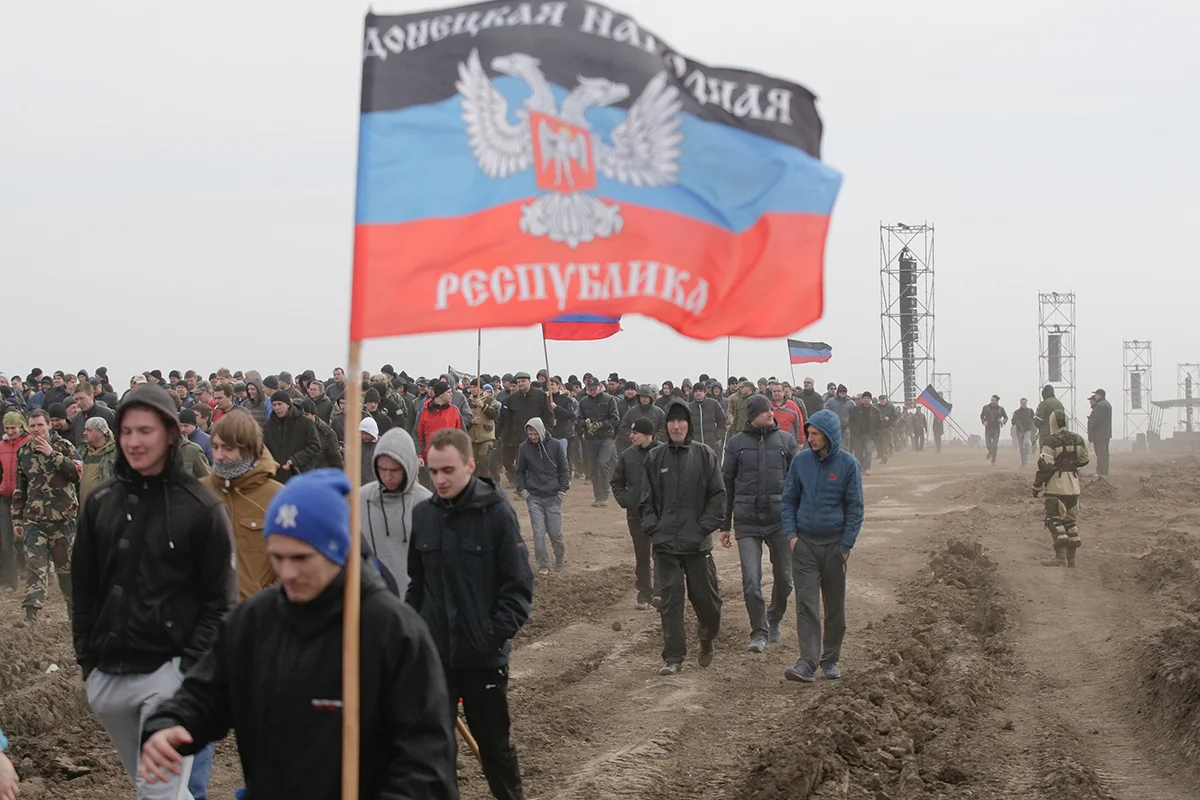
Such courts disappeared during the annexation of the occupied Ukrainian territories. After the “referendum” in September 2022 and the inclusion of “new territories” in the Russian Constitution of Russia all the authorities of the “DPR” dismissed along with the courts, the MGB, the police and the General Prosecutor's Office.
Therefore, in 2022 and early 2023, all prisoners of the DPR, at the request of the new Russian leadership of the colonies, wrote statements on the revision of their cases to Russian courts. As a result, almost all the decisions of the DPR vessels, which mentioned “espionage”, “attempt on espionage” and “violations of the DPR constitution”, copied and stamped in Russian ships.
“First of all, I want to emphasize that the judicial system of the Russian Federation itself causes many doubts, since it has been a“ leader ”in the field of human rights violations for years and deprived people of one of the basic rights-the right to a fair court,” explains the “New Year-Europe” ex. Deputy Prosecutor General of Ukraine, creator of the Ukrainian Department of War in the Prosecutor General of Gunduz Mamedov.
-What else to say about quasi-sides in temporarily occupied territories, illegally created on the ruins of the Ukrainian judicial system and controlled by Russia? These courts themselves are illegitimate.
As for prisoners of war, ”he continues,“ it is important to emphasize that they are combatants and a category protected by the Geneva Conventions . They can be judged exclusively for participating in international crimes, but in no case for the performance of direct duties - that is, service in the armed forces. Meanwhile, we see fake courts in Russia and in the occupied territories over the defenders of Ukraine. This is an imitation of justice, designed to discredit the very idea of justice, tribunals and other instruments of real justice. Such demonstration processes indicate solely that we should even more persistently work on creating an effective mechanism of justice, which will cover all international crimes committed as a result of Russian aggression in Ukraine since 2014. Illegal “courts” over Ukrainian prisoners of war should also be considered as a probable crime, as, for example, in the subsequent (small) Nuremberg processes .
Legal chaos
The consciously created legal chaos-this is how the founder of the media initiative for human rights (Mediina Initivati for the rights of the people, MIL) Olga Reshetilova determined the situation with Ukrainian prisoners of war. She spoke specifically about the practice of verification by the captivated by the International Red Cross and the simultaneous endowment of the same, undoubtedly, Ukrainian prisoner of war, in a huge period of imprisonment for half -civic articles of the Criminal Code of the Russian Federation.
But at the same time, the definition of “artificially created legal chaos” applies to the whole complex of problems of tens of thousands of Ukrainian citizens who are now in hundreds of prisons, colonies and camps located both within the framework of international recognized borders of the Russian Federation and in the territories occupied by Russia. There is a place for partisans who are not recognized as combatants and go on trial, exactly as under the German occupation, “terrorists”, and “prisoners of war” from among the men who served as “filtration” in the first months of invasion until 2022.
By July 2024, Russia captured more than 28 thousand civilians in Ukraine, counted in the office of the Ombudsman of Ukraine Dmitry Lubinets. Even from the Kyiv region, who knew the occupation a little over a month, more than 600 people were taken to the prison of the Russian Federation. Among the stolen civilians more than two thousand people over 65 years old. What is the logic of deduction in prisons of old people, Lubinets does not understand.
New hope
In Russian prisons in the occupied territories of the Donetsk region there is now a revival . For the first time since 2020, the Civil hostages of the “DPR” began to release through exchange - arrested and convicted long before the full -scale invasion of Russia, who had been in the colonies for more than seven years.
The first exchange for four years of “illegally detained” from the Donetsk region speaks of a great progress or, conversely, of a special case, the high status of Metropolitan of the Tulchinsky and Bratslavl UOC, MP Ionafan, who was released in exchange for Metropolitan.
Another impetus for exchanges was given by the Kursk operation of the Armed Forces of Ukraine and the mass captivity there are soldiers of the military service of the army of the Russian Federation. They began to be changed one to one, even on the “untouchable” hostages and prisoners of war from among civilian employees and fighters of the Azov brigade, as well as two women laiders from the colony in the city of Snezhnoy, detained by the DPR MGB back in 2017. But on the "illegally detained" from among prisoners of war these exchanges did not spread anyway.
The difference between the unnecessary hybrid war of 2014–2022 and a full -scale invasion is especially clearly visible on the status of prisoners of war. From the beginning of the full -scale invasion of Russia in February 2022 to July 17, 2024, 57 exchanges passed , during which Ukraine returned 3672 its citizens.
In all the exchange after a full -scale invasion of Russia, there was not a single Ukrainian soldier who was captured until February 2022.
“They fell into the category of those whom we are trying to pick up as quickly as possible,” says Dmitry Lubinets, the Ombudsman of Ukraine, says the “spectrum”. - A separate category - those who were captured from 2014 before the beginning of full -scale Russian aggression. I met one mother several times and spoke separately her case, I remember everyone, I say everyone, but she has a separate case: two sons-volunteers since 2014, one died in 2014, and the second, according to our data, in captivity Since 2015, and she has no one else! I spoke separately about him - where does such a fundamental position come from? What is he to you? He is in Russian captivity for nine years - if he is no longer alive, inform us officially so that we will prepare our mother ... Or give it to us, do not just give it away - we are ready to change it, we will give your alone in return for it! There is no answer.
I do not know why there is such an attitude towards them ... as if to the defenders of Mariupol. I always say not about any one military unit, among the defenders of Mariupol were representatives of the Armed Forces, the National Guard of Ukraine, border guards ... And to all they are a special attitude of the representatives of the Russian Federation: they are delaying as much as possible, complicate their return process. I suggested-let's move away from some established practices there, and we will introduce this: who is more captured, he earlier! Would it be clear, honestly for everyone? It seems to me honestly! "
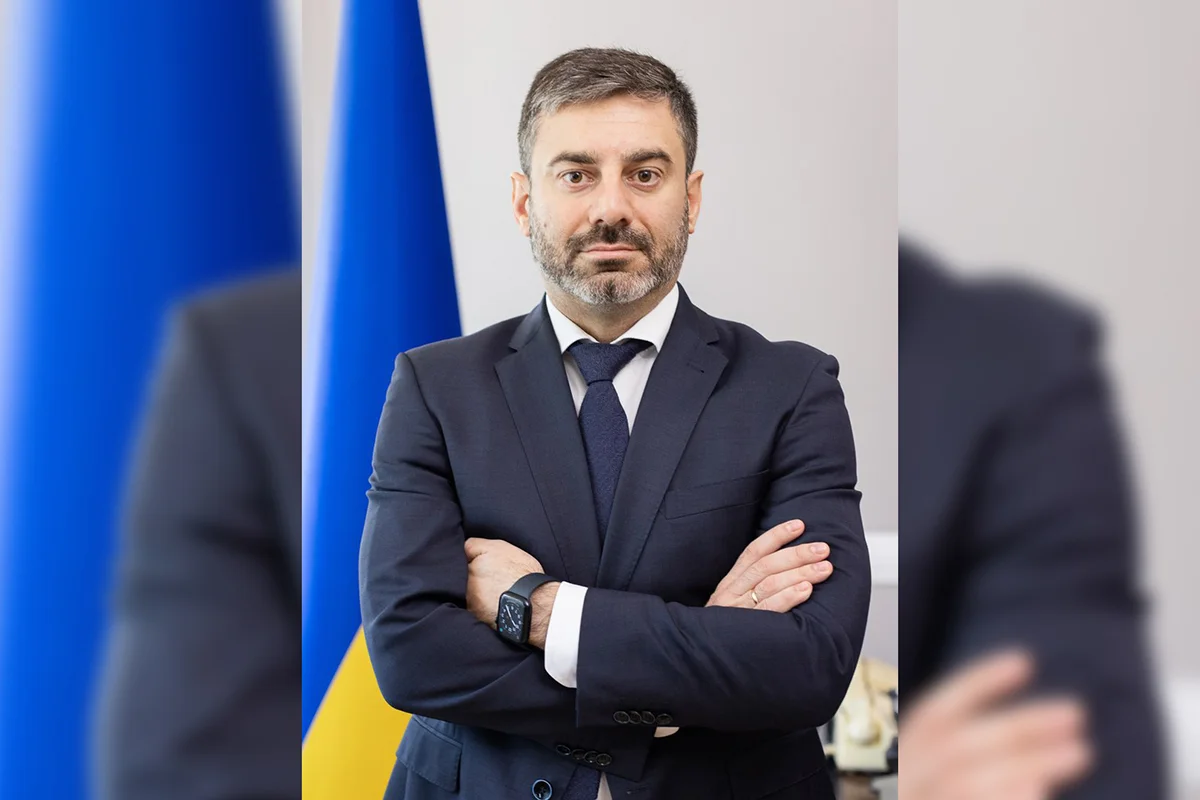
The whole experience of Dmitry Lubinz as the Ombudsman of Ukraine is connected with the time after a full -scale invasion, he took up his post in the summer of 2022. During this time, Russia abandoned the jurisdiction of the ECHR and adopted the law on the termination of the international treaties of the Council of Europe for the Russian Federation. She officially left the additional protocol to the Geneva Conventions on the protection of the civilian population during international conflicts. But the institution of the Commissioner for Human Rights remains in the Russian Federation, and this post is not in vain by the whole major general of police Tatyana Moskalkova. It is with it that the Ukrainian Ombudsman Lubinets maintains it and supports informal contacts.
He claims that he personally knows two cases when General Moskalkova initiated criminal cases against the staff of the colonies, which were especially distinguished in torture and beatings of Ukrainian prisoners of war. Major General Moskalkova and individual fighters from among the 12 prisoners described were addressed. At the disposal of Novo-Europe, there is a response of the Ministry of Defense of the Russian Federation to the appeal of the Moskalkova office, which explains that since this particular group of prisoners of war is “Ukrainian citizens convicted by civilian Russian courts and serving sentences in institutions of the penitentiary system”, their inclusion in exchange in exchange in exchange Not in the competence of the Ministry of Defense of the Russian Federation. And if such a precedent is created, then you can change them only to the “equal category”.
As a result, so far these illegally detained people who hung in the “LDNR” begin their seventh, for the ninth year in prisons. Although, in exchange for Kursk conscripts, Russia is already giving as an “equal category” and civilian women. It turns out that they are changing everyone except captured by the Armed Forces of Ukraine since the time when Petro Poroshenko was the president of Ukraine.