
Translated material
“What a holiday - we are at war”
Photo report from Belgorod and Kursk - the two main Russian cities in the front-line zone. The New Year is celebrated there to the sound of an air raid raid.

Exactly a year ago, on December 30, 2023, the largest shelling of Belgorod since the beginning of a full-scale war took place: 25 people were killed, including five children. Six months later, in the summer of 2024, Ukrainian troops for the first time seriously entered the territory of the Russian Federation - and occupied part of the Kursk region. Thousands of people fled from the occupied territories, most of them are still in Kursk - and do not understand when they will be able to return home. On New Year's Eve, the cooperative of independent journalists "Bereg" traveled to the two main cities of the Russian border region, where war, air raid, shelling and refugees are not just words from news reports, but a reality that cannot be hidden by New Year's decorations.
The first time I visited Belgorod was in the spring of 2024. Then I expected to see a deserted city where life had stopped, but it turned out that, despite the tension, everything goes on as usual and people continue to go to work, walk, and live. This time, on the way to Belgorod, I learned that there was another shelling of Ukraine and I need to be prepared for the fact that I might fly back. That is, the townspeople plan their lives based on the actions of the Russian army. This is what affects everyday life, not the approach of the New Year.
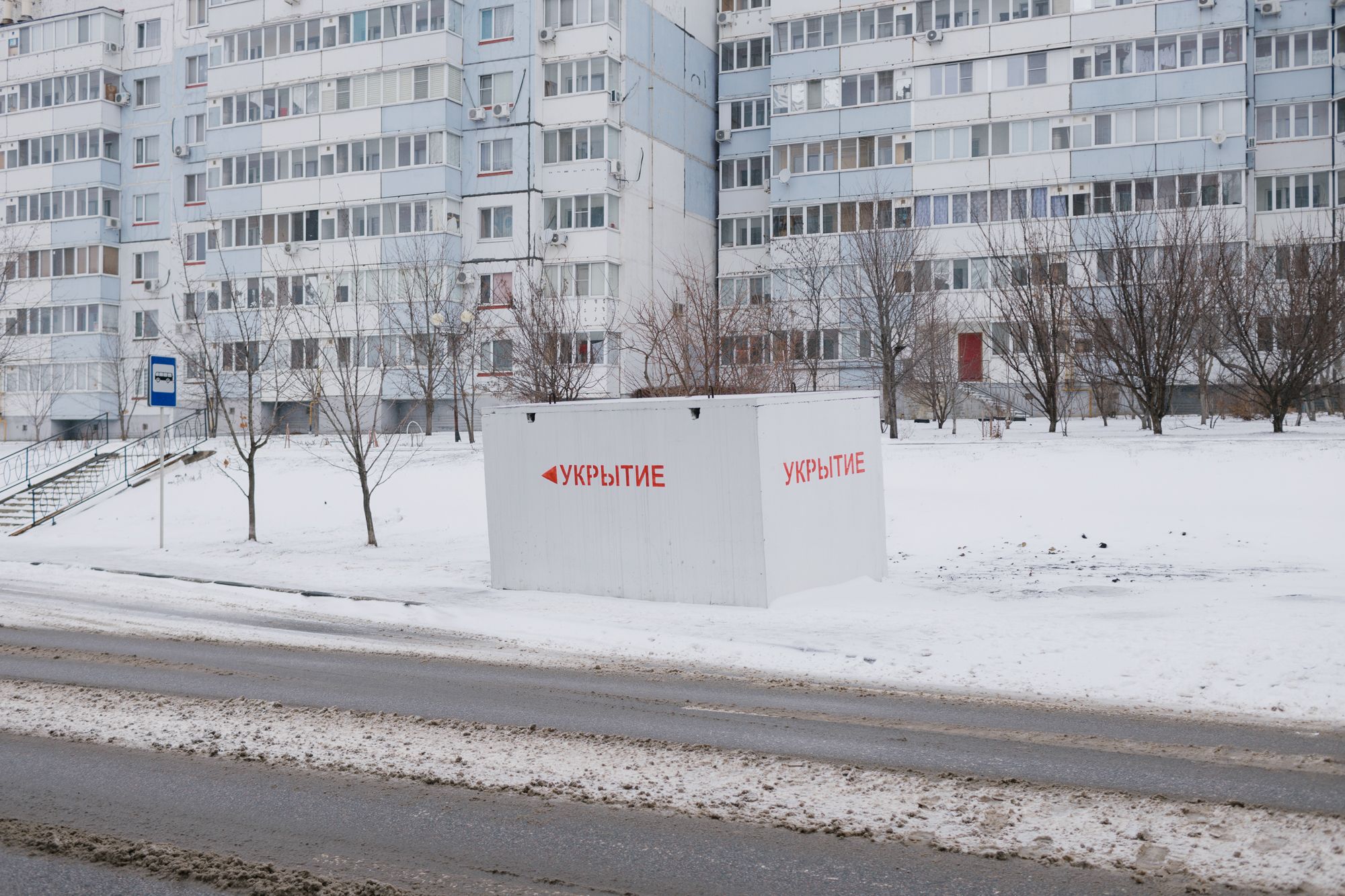
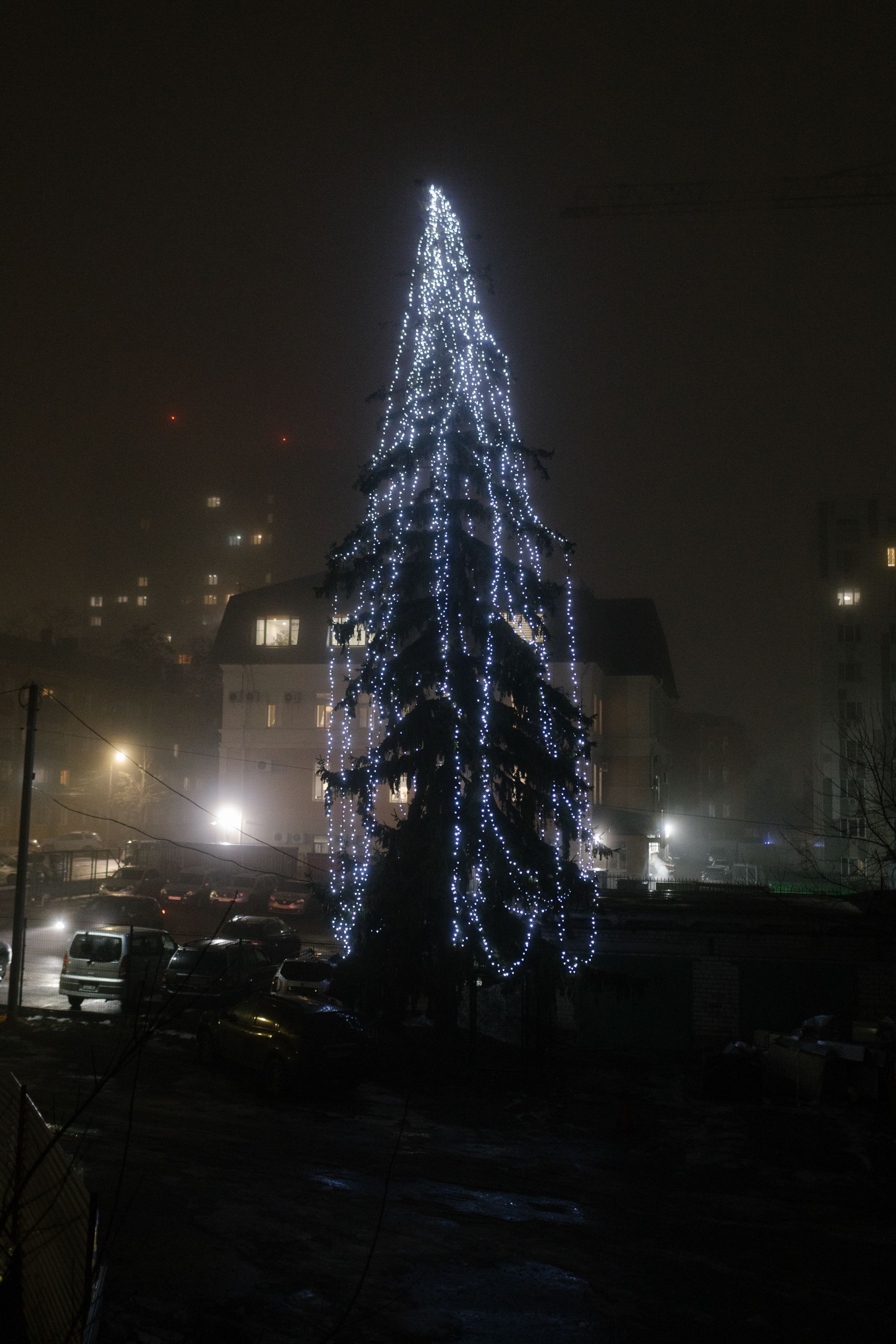
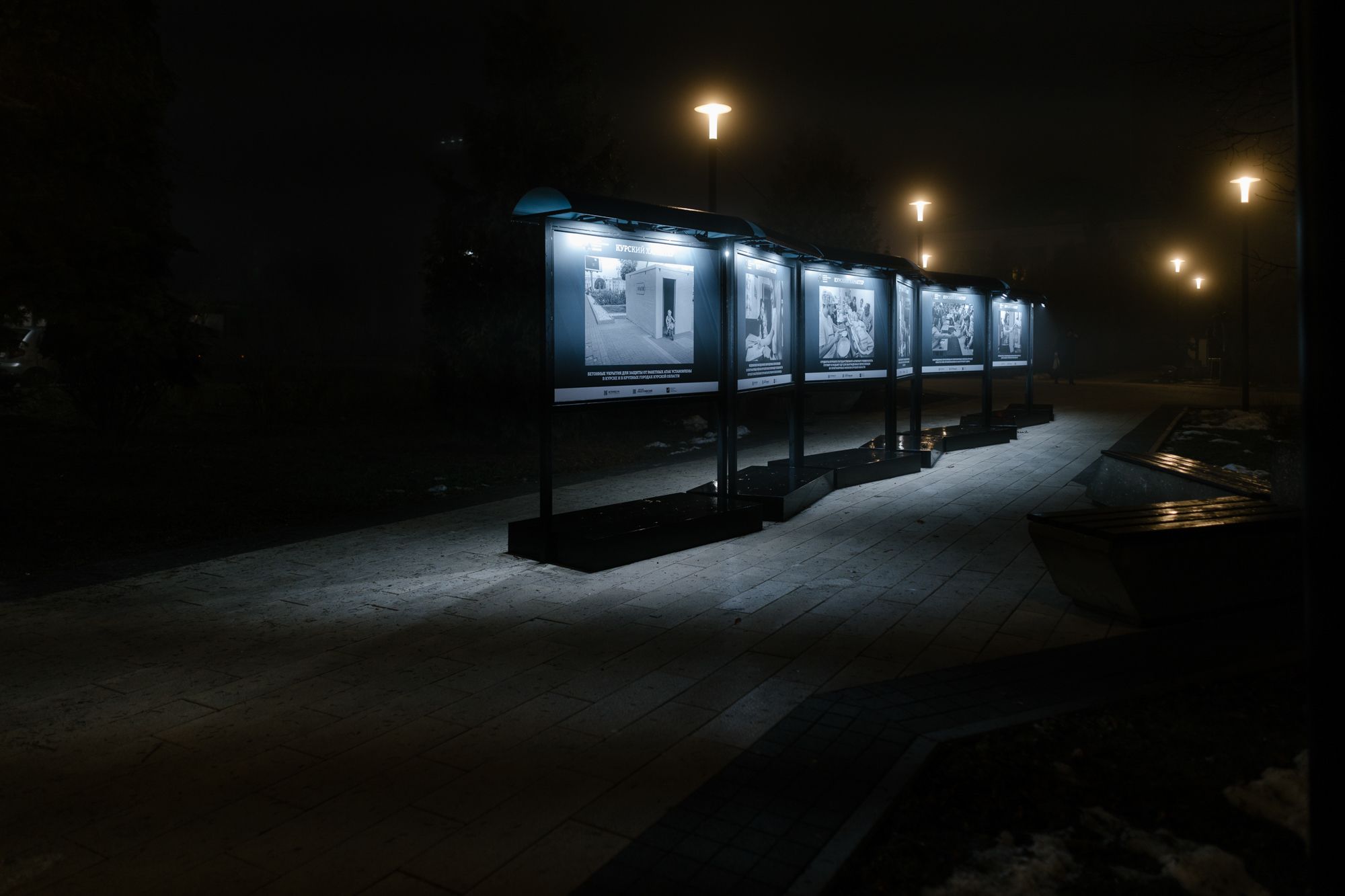
Now the first thing that catches the eye of an outsider in Belgorod is the contrast: the city is furnished with concrete shelters - and New Year's decorations. But for the locals, it seems to me, this is all part of everyday life, and they do not perceive shelters and signs as foreign objects.

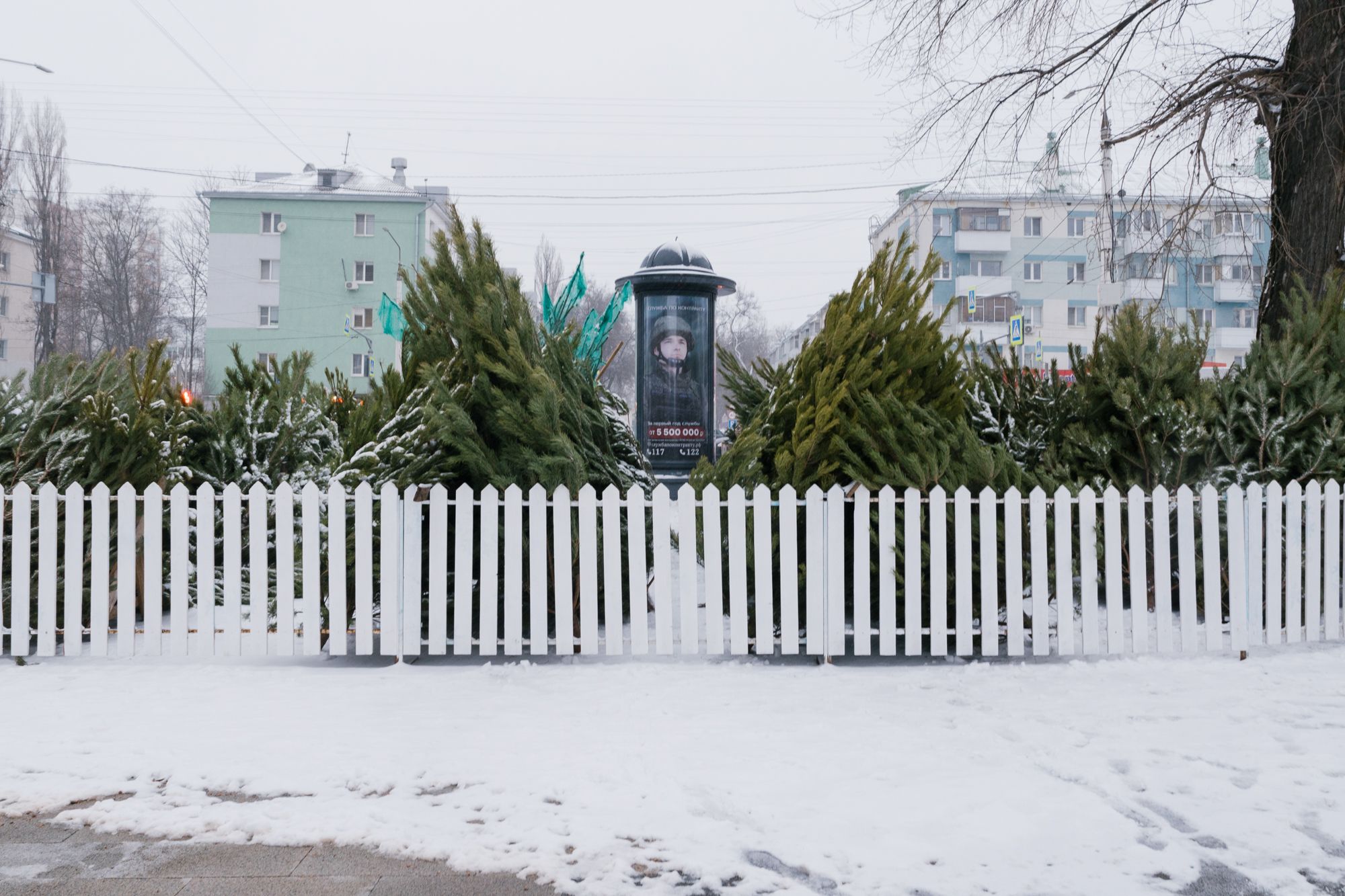
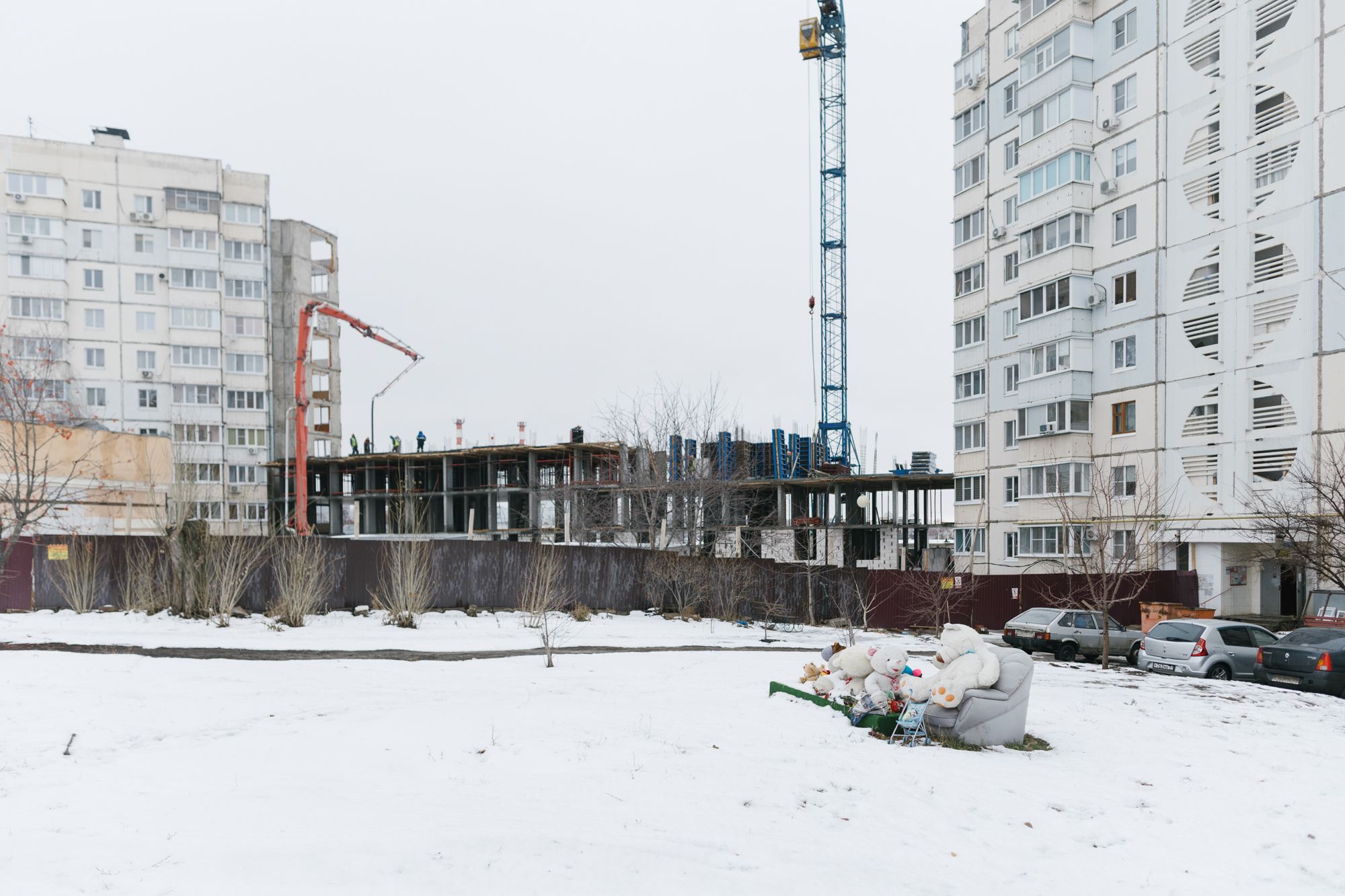
First of all, I went to the center, to the street of the 50th anniversary of the Belgorod region, where the main arrivals took place on last New Year’s Eve. This is a pedestrian street, lavishly decorated with New Year's installations. For example, there are figures of three Santa Clauses on scooters, and the fourth scooter is free. Many townspeople stand on it and take pictures. Up the street there was a large heart with the inscription “Belgorod”, around which a spontaneous memorial of many soft toys was formed. A little further there is a Christmas tree market, where between the trees there is an advertisement with a call to go to the North Military District .

People walk from one park to another through the main square. I visited it last year - there was a skating rink there then. This year they decided to abandon the skating rink - now the main city Christmas tree is installed there. It is decorated, but I did not see the garlands being lit at nightfall - because of this, the tree makes a depressing rather than a festive impression. At the same time, there are kiosks on the square with mulled wine, sweets and New Year's toys, decorated with fir branches and garlands. Locals said that they are put on every New Year, but this time - much less than before.
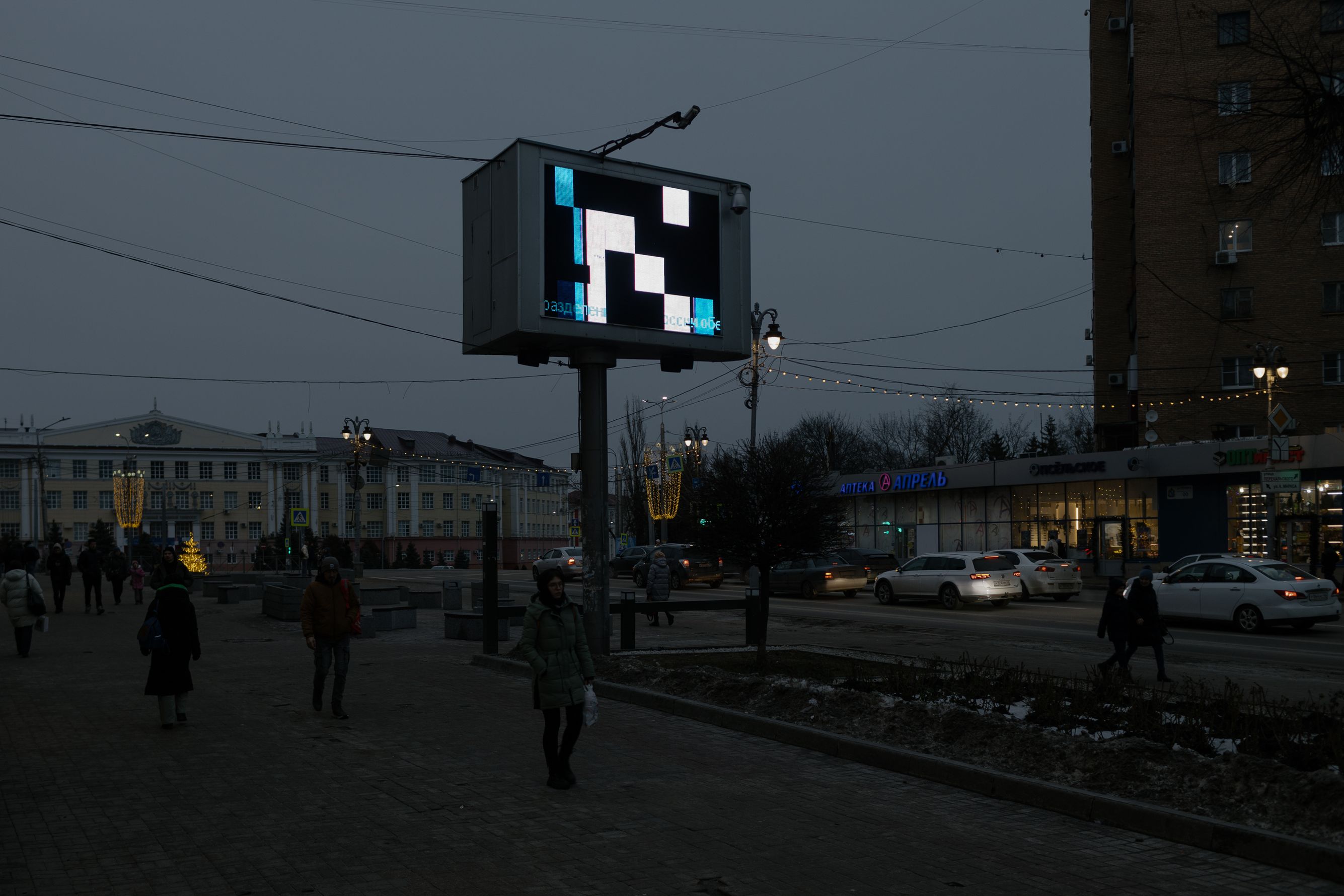
There are shelters along the perimeter of the square. There are always police officers, ambulances and terrorist defense volunteers in camouflage clothes on duty. They walk past two large screens on which various videos are broadcast, including instructions on how to behave during shelling and how to help the victims. In general, one feels that the city authorities, if they could, would have built a dome over this square for the New Year, but as long as nothing would fly there.
During this trip, I experienced an air raid warning several times. It was my first time in a cafe. Passers-by with tense faces began to rush inside. I became anxious and my heart rate increased. The feeling is not pleasant: nothing depends on you, but you need to urgently take action so as not to get hurt. The waiter tried to cheer up: “Who wants to take a tour of our pastry shop?” But no one was interested.
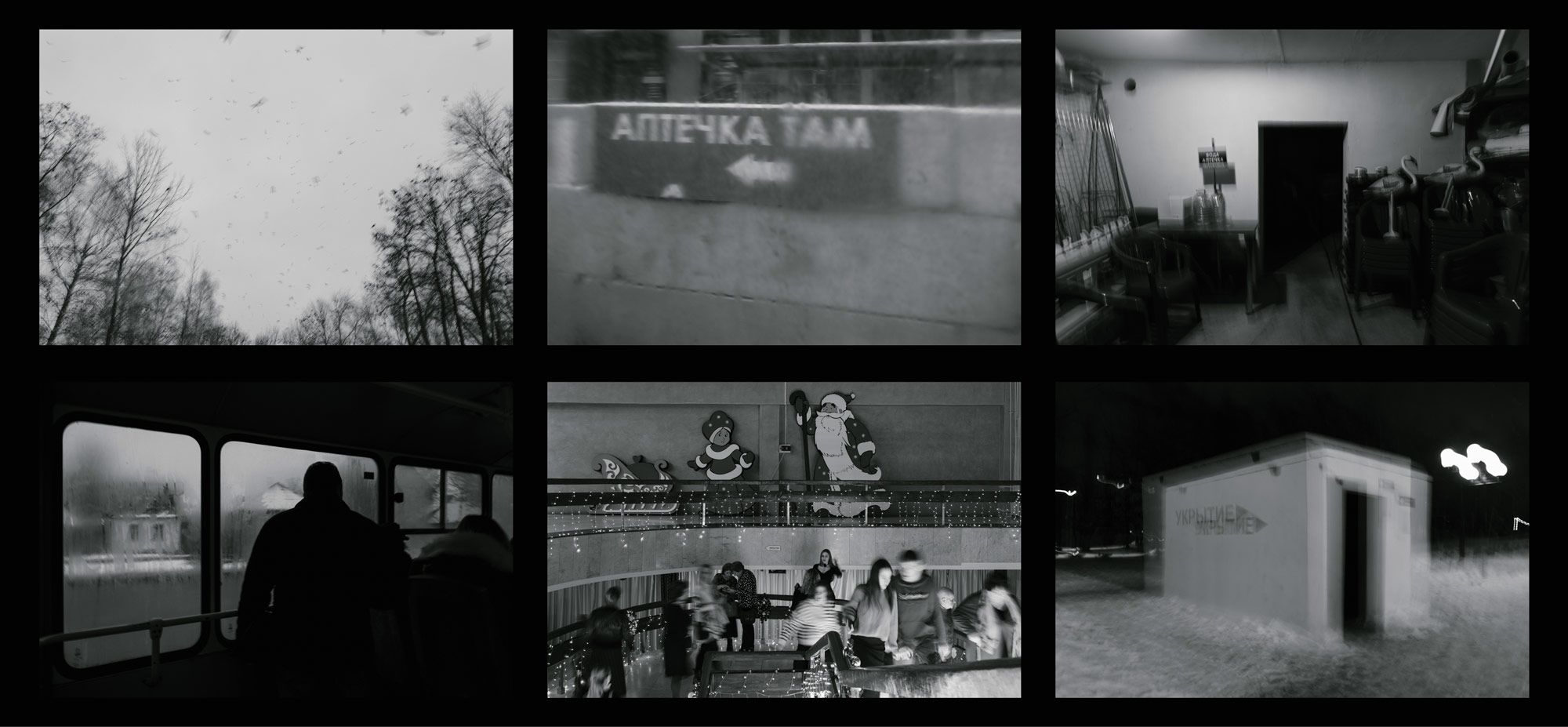
Even before the air raid sounds, the birds begin to worry - they suddenly fly away from their places. Their behavior can indicate impending danger.
The first air raid alert found me in a cafe. People were quickly walking inside. They walked towards the toilet. The woman sitting by the window was at a loss - she approached the waiter and asked not to remove the food because she had not finished eating yet. In the corridor, in front of the door to the restroom, many people crowded together, women holding children
Going to the theater for a New Year's performance. People gather in the lobby, where New Year's decorations mingle with signs to nearby shelters. Before the start of the performance, a recording is turned on - an emotionless voice says: “If there is a threat of a missile alert, we ask you to remain calm and remain in your seats, the walls of the concert hall perform a protective function.” My neighbor sighs tiredly: “I hope she won’t!”
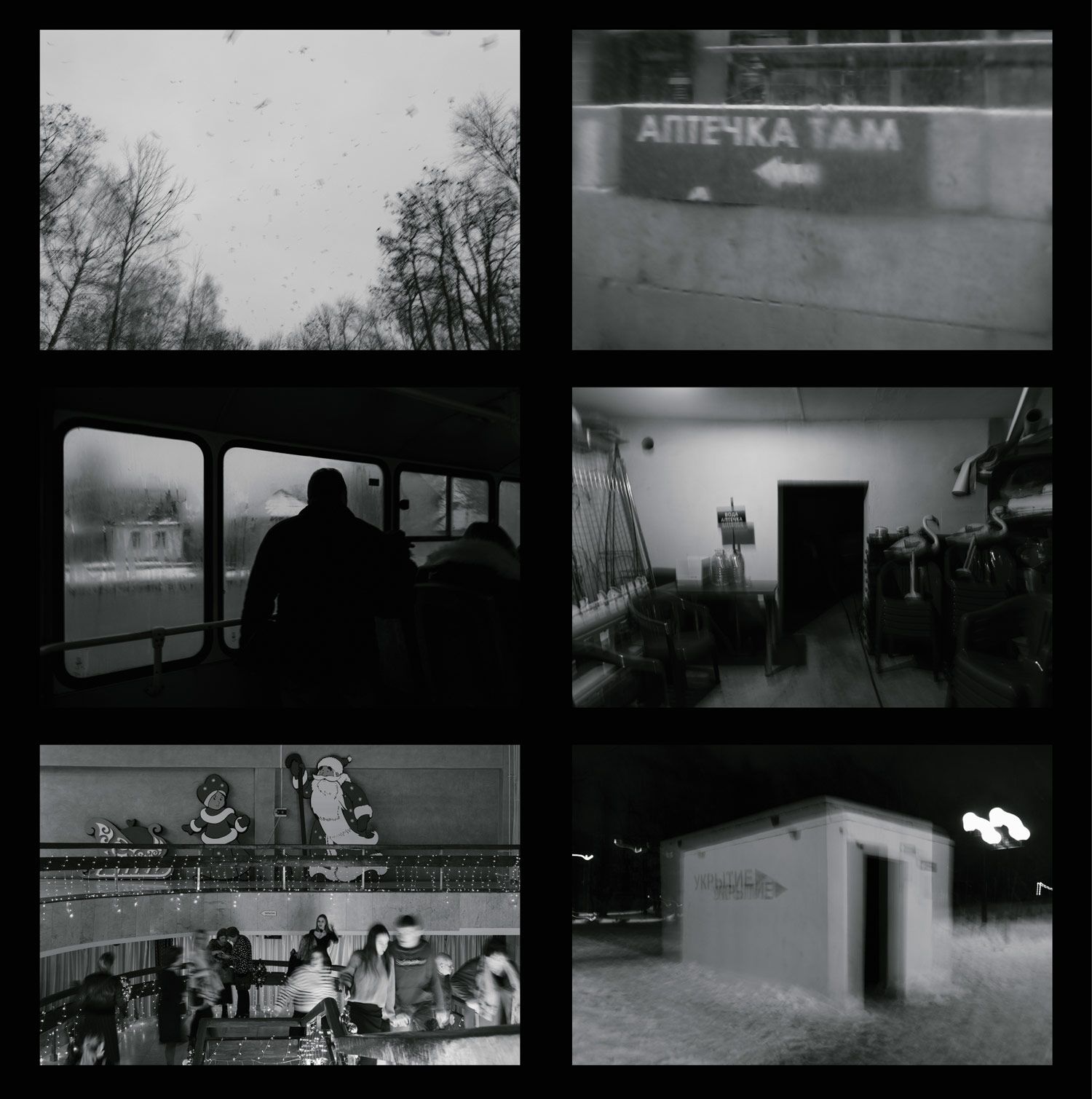
Even before the air raid sounds, the birds begin to worry - they suddenly fly away from their places. Their behavior can indicate impending danger.
The first air raid alert found me in a cafe. People were quickly walking inside. They walked towards the toilet. The woman sitting by the window was at a loss - she approached the waiter and asked not to remove the food because she had not finished eating yet. In the corridor, in front of the door to the restroom, many people crowded together, women holding children
Going to the theater for a New Year's performance. People gather in the lobby, where New Year's decorations mingle with signs to nearby shelters. Before the start of the performance, a recording is turned on - an emotionless voice says: “If there is a threat of a missile alert, we ask you to remain calm and remain in your seats, the walls of the concert hall perform a protective function.” My neighbor sighs tiredly: “I hope she won’t be!”
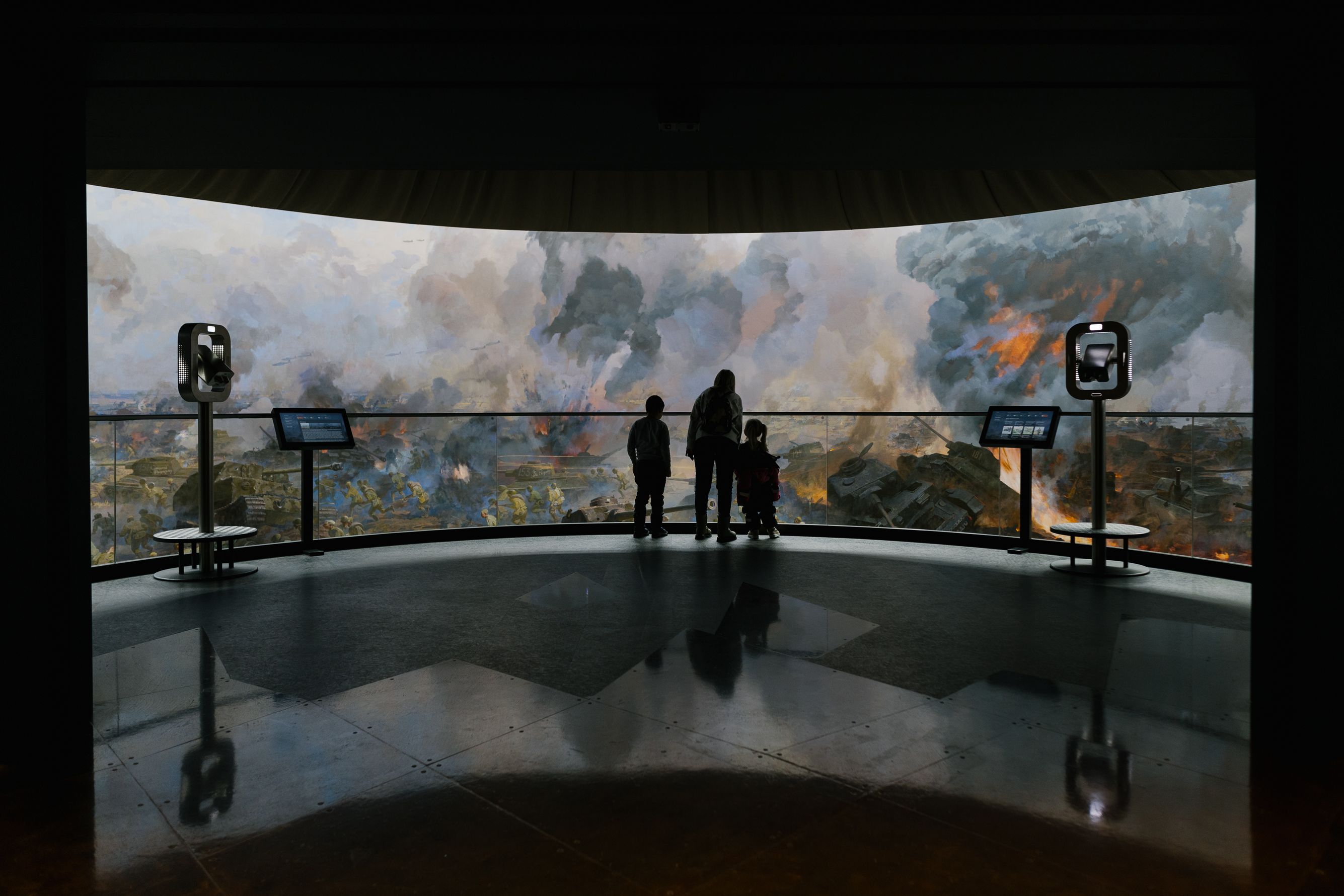
In the center of Belgorod there is a semicircular museum building - this is the diorama “Arc of Fire”, dedicated to the Battle of Kursk, one of the decisive events of the Great Patriotic War. The diorama itself is a large canvas depicting a battle scene. When you approach it, the motion sensor is triggered and the sound is turned on - explosions, the hum of operating equipment and the screams of people. This is creepy. At first I was there alone, but later a woman came up with two children - a boy and a girl. The boy, the eldest, studied the exhibition on his own, but the girl was scared. The woman hugged the child and repeated several times: “This is drawn,” “None of this is real.”
At the exit of the museum there is a book of reviews. On the last page I saw a comment left by a military man: “Now on the border of our Great Motherland, Mother Russia, there is that Nazi who was not killed in the 1940s. I assure you that it will not pass.” On 2GIS I found another review about the visit: “We came [to the museum] during a missile threat, we were invited to a shelter. There are comfortable chairs and they show documentaries. Thank you!" The war of the present has brought man to the place where he saw the war of the past. Two wars are intertwined.
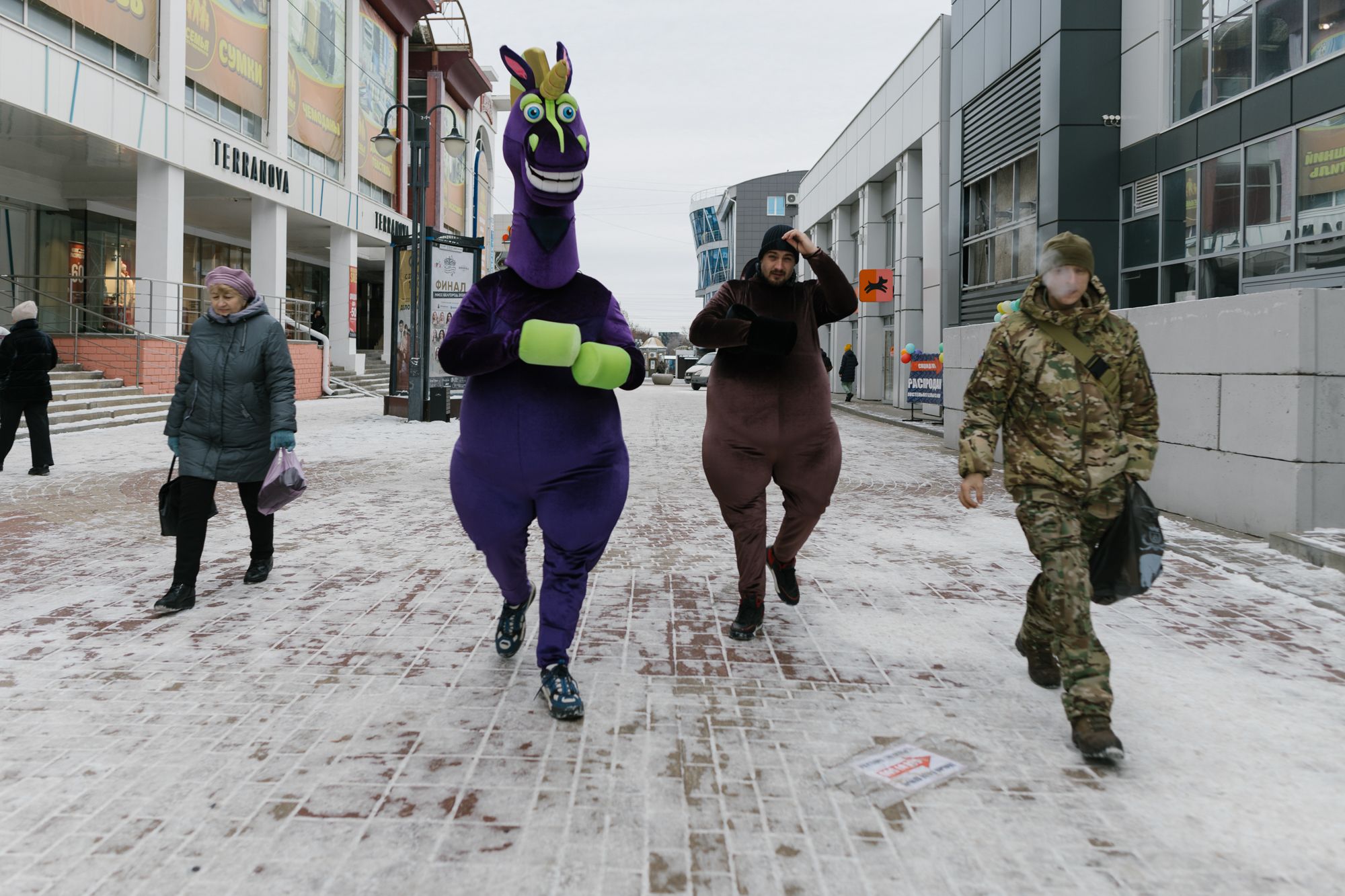
I got from Belgorod to Kursk by train: an hour and a half - and you’re there. Two military men were traveling in the next carriage, one of them was wounded. In both regions, at train stations and on public transport you meet a lot of military people. Here they can also be mistaken for civilians - some people in the border region wear things from military stores: some have camouflage clothes, some have an army backpack, some have a chevron - such a visual statement. But it is still difficult to confuse real military personnel with townspeople: even if a person has not had a serious injury, the consequences of which are immediately apparent, he is often betrayed by hand tremors that occur due to the recoil of the weapon.
When I moved into the apartment, the landlady asked me: “Are you visiting the soldier too?” In the borderlands, it is believed that if a girl comes to the city alone, it means she intends to meet with a military man. There are indeed a lot of soldiers with women on the streets: it is clear from them that these are couples who were finally able to see each other.
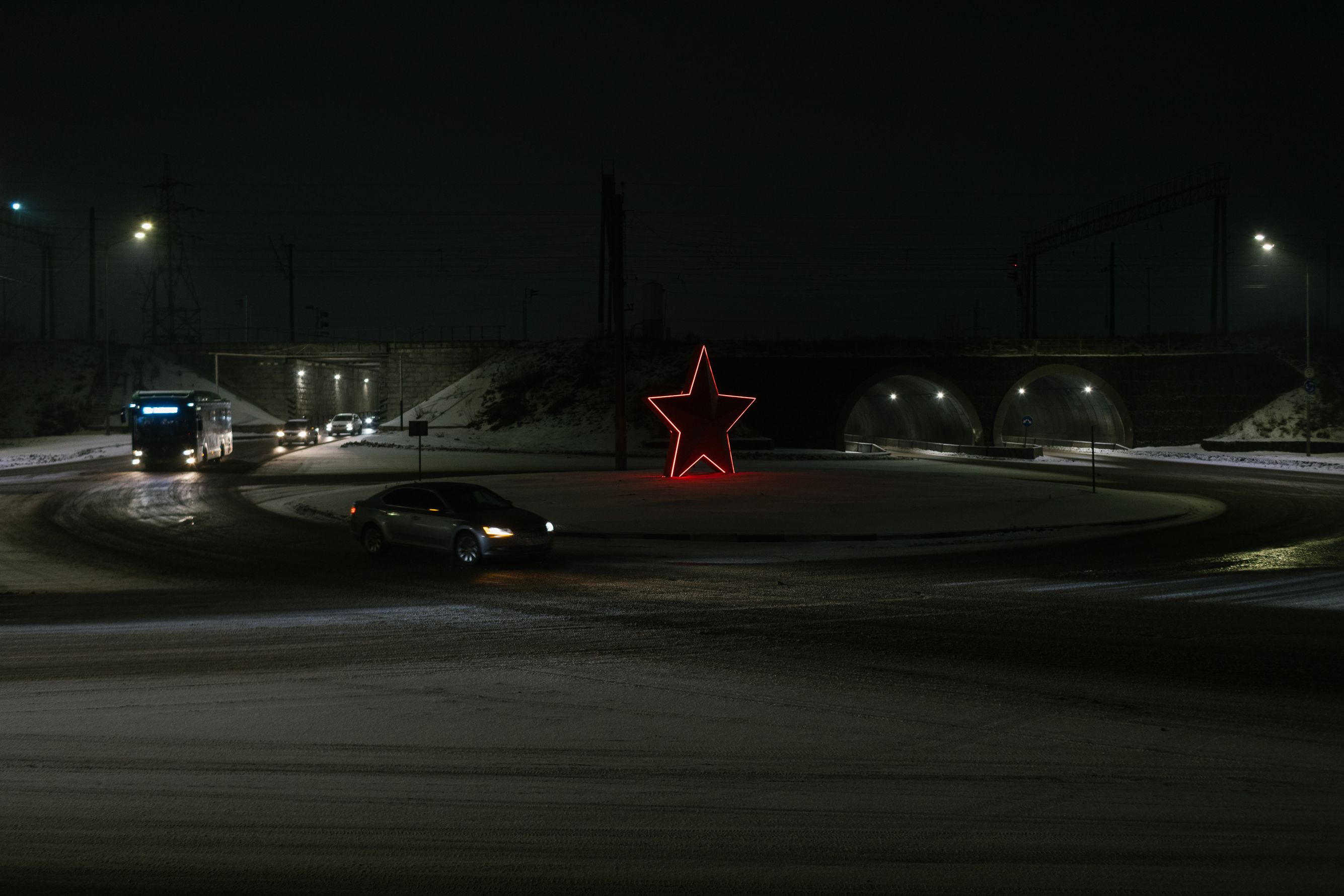
It was my first time in Kursk; I expected to see another city in the border region affected by the war. But it turned out that there is a big difference between them: it lies in how local residents react to an air raid warning. In Belgorod, only a few ignore alarm messages; the majority rush to shelters. And in Kursk they don’t react to the alarm at all: they kept going as they went. No flinching, no swearing, nothing. I tried to find out why this is so. The students I approached on the street explained that the alarm sounds when a missile hits the airspace of the region, and “rarely reaches the city itself.”
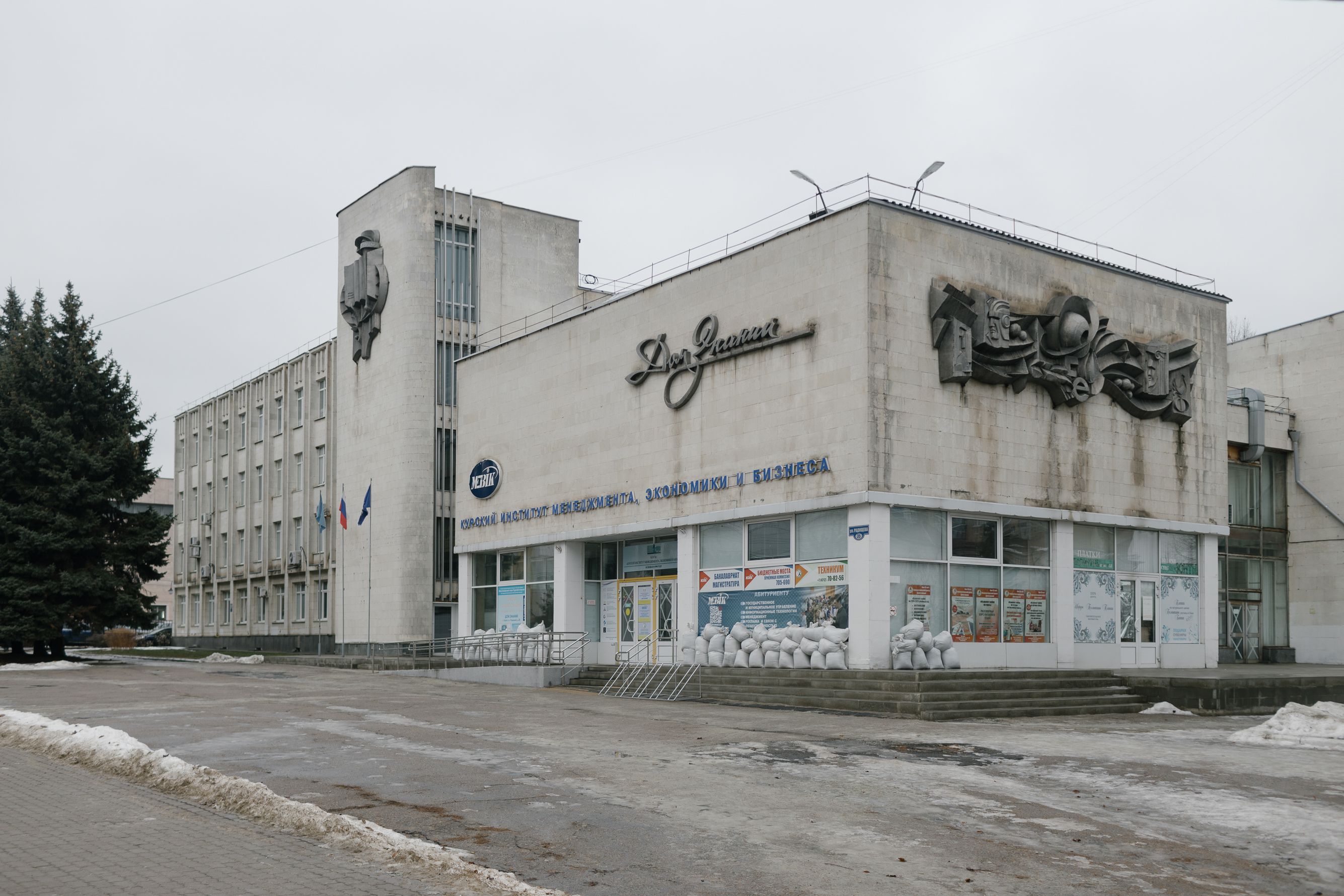
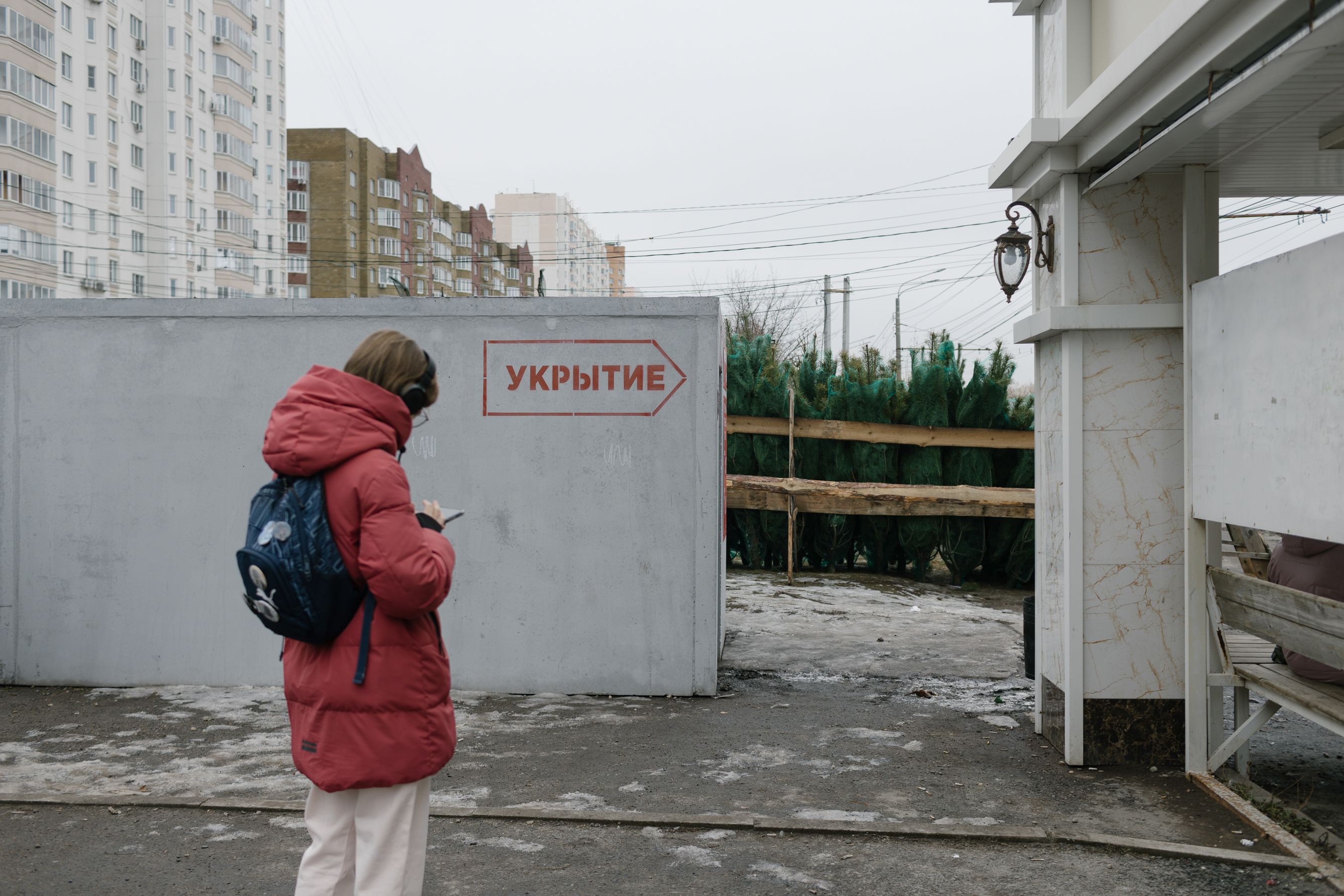

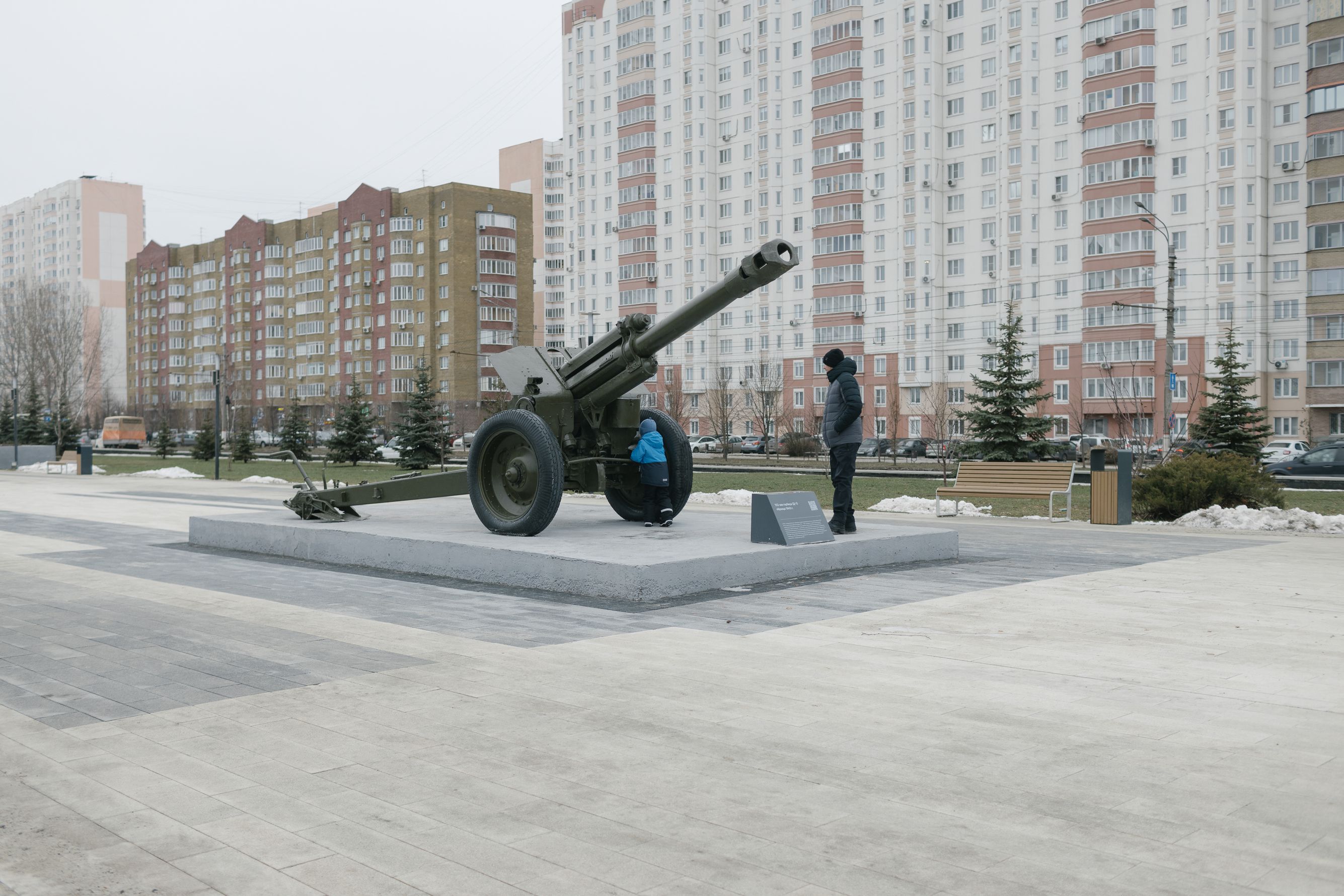
The only place in Kursk from where personnel literally herded people into shelter during an air raid was the “Gubernsky Skating Rink.” In the shelter, people were talking among themselves: those who try to return to the skating rink before the alarm is lifted will be fined two thousand rubles. That is, the only thing that made people react was the risk of getting a fine. The city center is decorated for the New Year: people walk along Theater Square, in the center of which there is a Christmas tree, go to the “reception” of Father Frost and to the skating rink. At the same time, there is practically no feeling of a holiday. The Kursk residents themselves say: “What a holiday - we have a war here.”
While I was in Kursk, the President’s direct line was passing through. I turned on the TV, listened to what a beautiful country we live in, and then the broadcast was interrupted by a metallic voice - an air raid warning. This is how reality broke through into the idealistic television picture.
One day I observed a lot of “grooves” with the number “300” (that is, with the wounded), and one with the sign “200” (the bodies of the dead are transported in them). These buses cannot be confused with public transport: they are dark green, have no identification marks, and the windows are heavily curtained. I was able to see only stretcher-type structures between the curtains - on one such “bed” a man was looking at his phone. And on another bus, the head of a young man, bandaged with bandages, flashed. What he saw was imprinted in his consciousness: white bandages and dark islands of the eyes, nose and mouth.
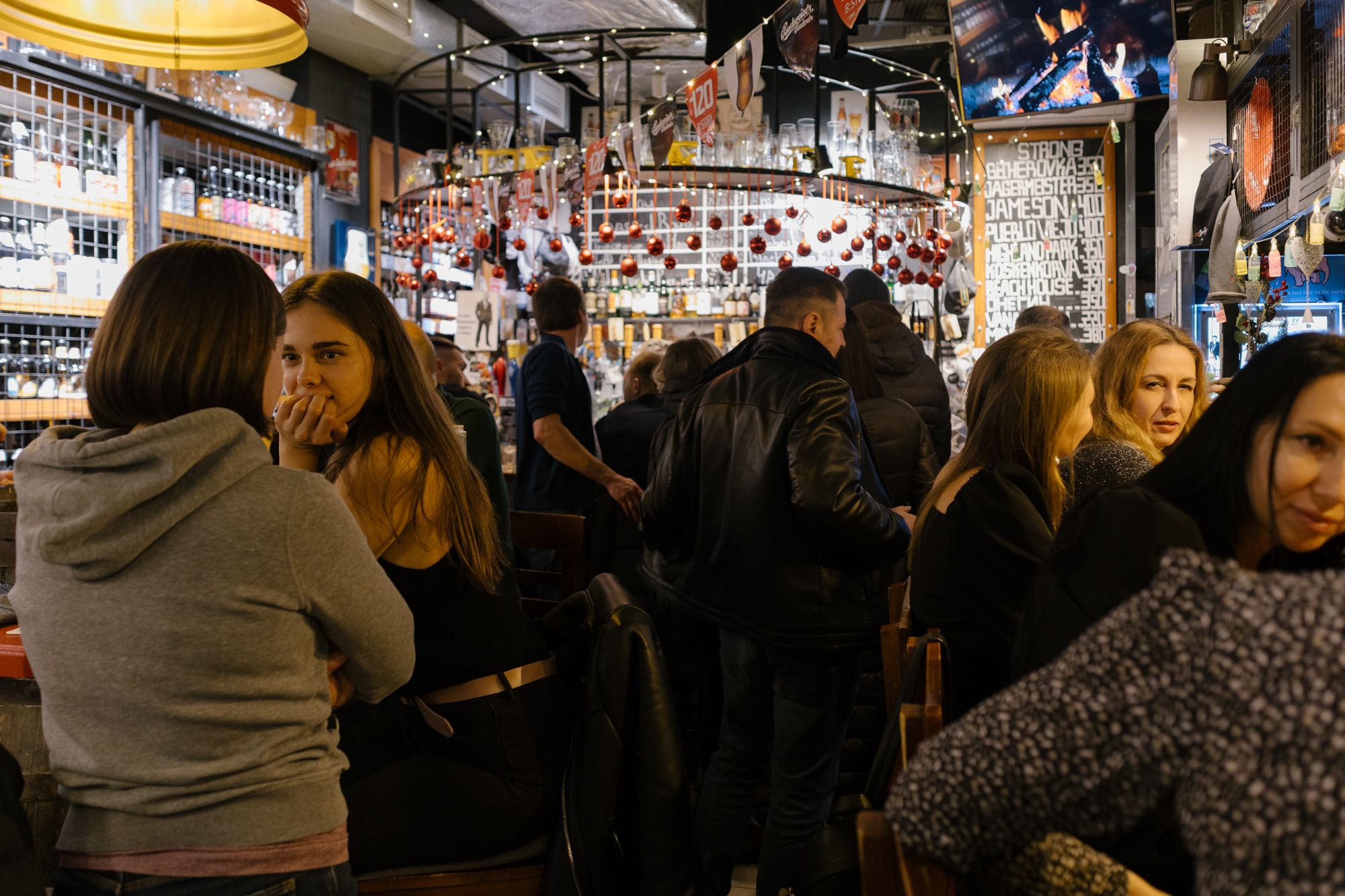
It feels like there are two types of people in Kursk now. The first ones live their lives in a parallel reality: local girls told me how unhappy they are with inflation, but otherwise everything is fine with them, they even have a New Year’s mood. On Saturday evening I went to the drinking establishments - everything was full, the townspeople were having a good time, making small talk. The second type are refugees from border areas who arrived in Kursk in August, when the offensive of the Ukrainian Armed Forces began. Every conversation confirms that they are in the acute phase of grief.
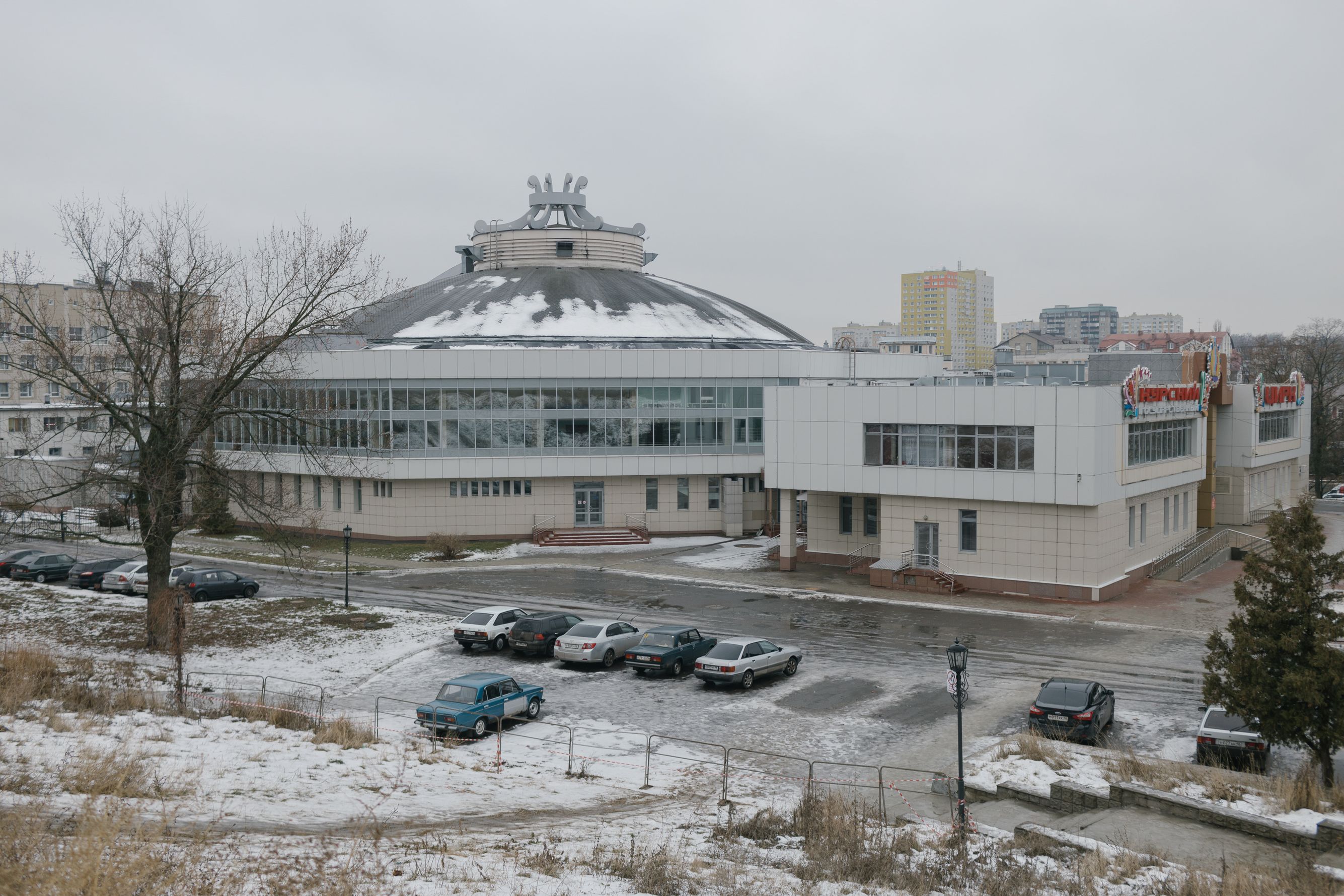
Many refugees are forced to live in temporary accommodation centers (TACs). One of them is located in the building of the city circus - this is a modernist building with a dome, a legacy of Soviet architecture. The janitor next to him started talking to me. But when I asked him about the temporary temporary residence, he abruptly changed his tone: “There is no one here, I’m working, leave!” At the same time, a man was looking out of the window, but the janitor continued to repeat irritably that there was no one in the circus. I was not able to have a full conversation with TAP residents about their experience.
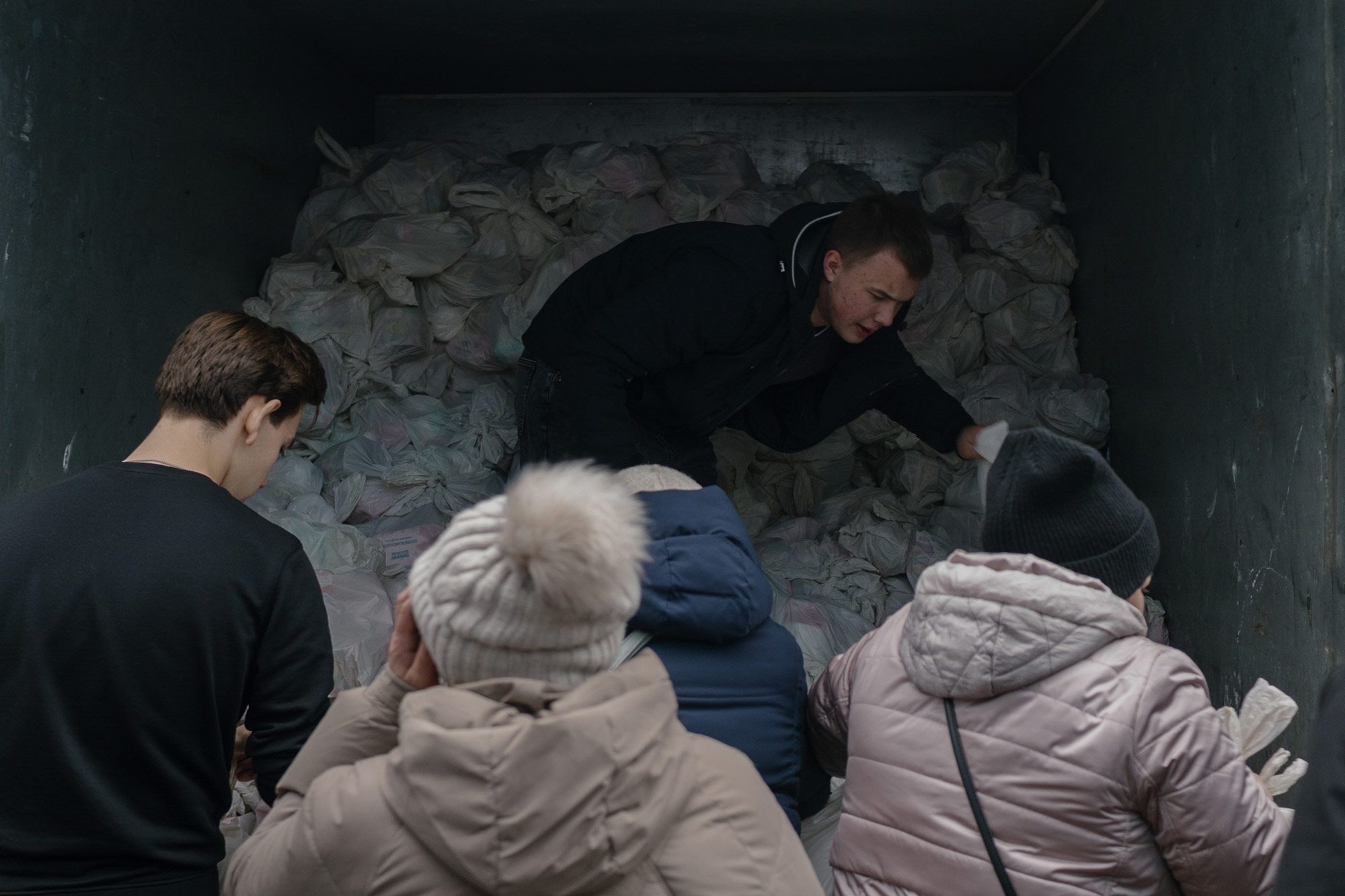
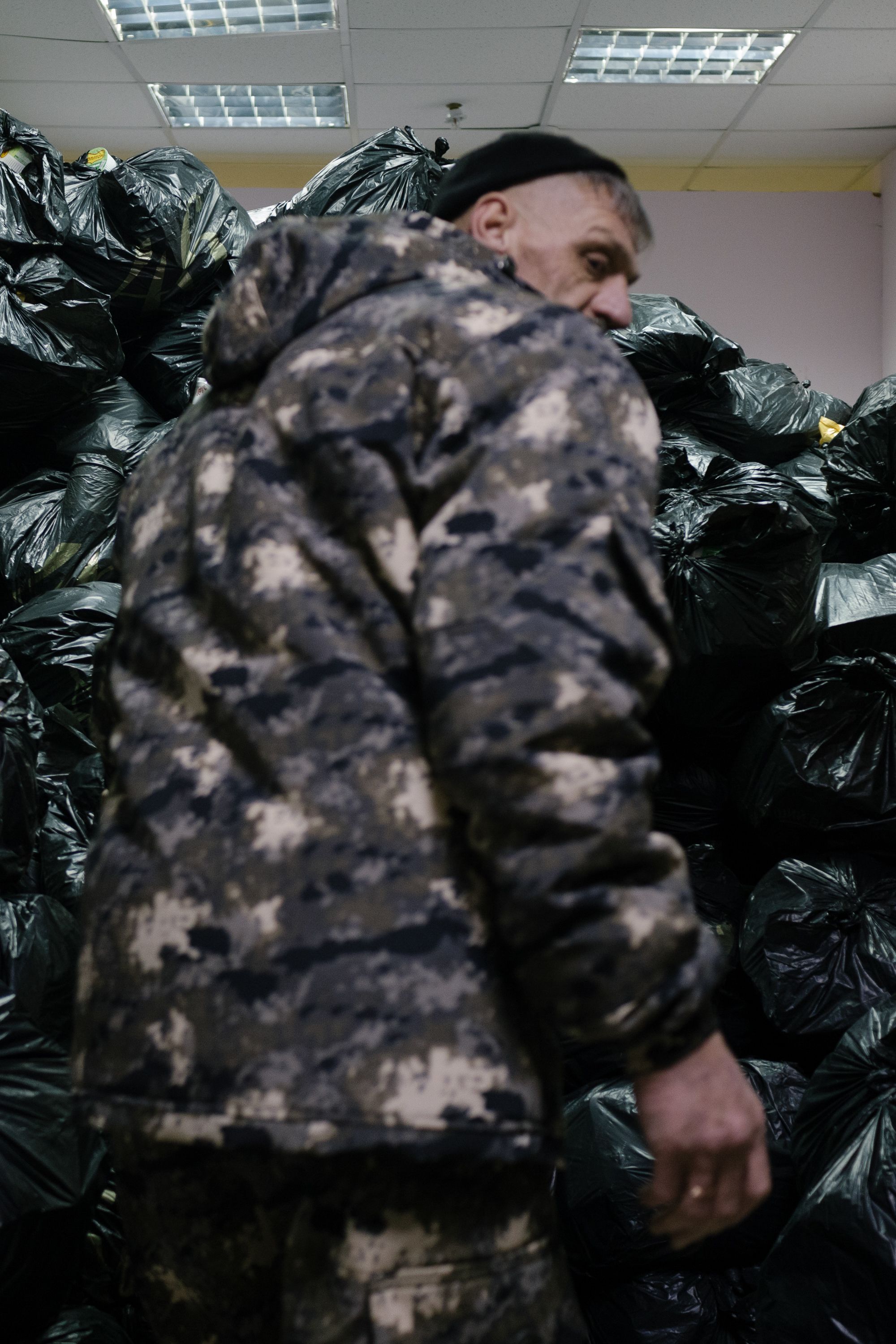
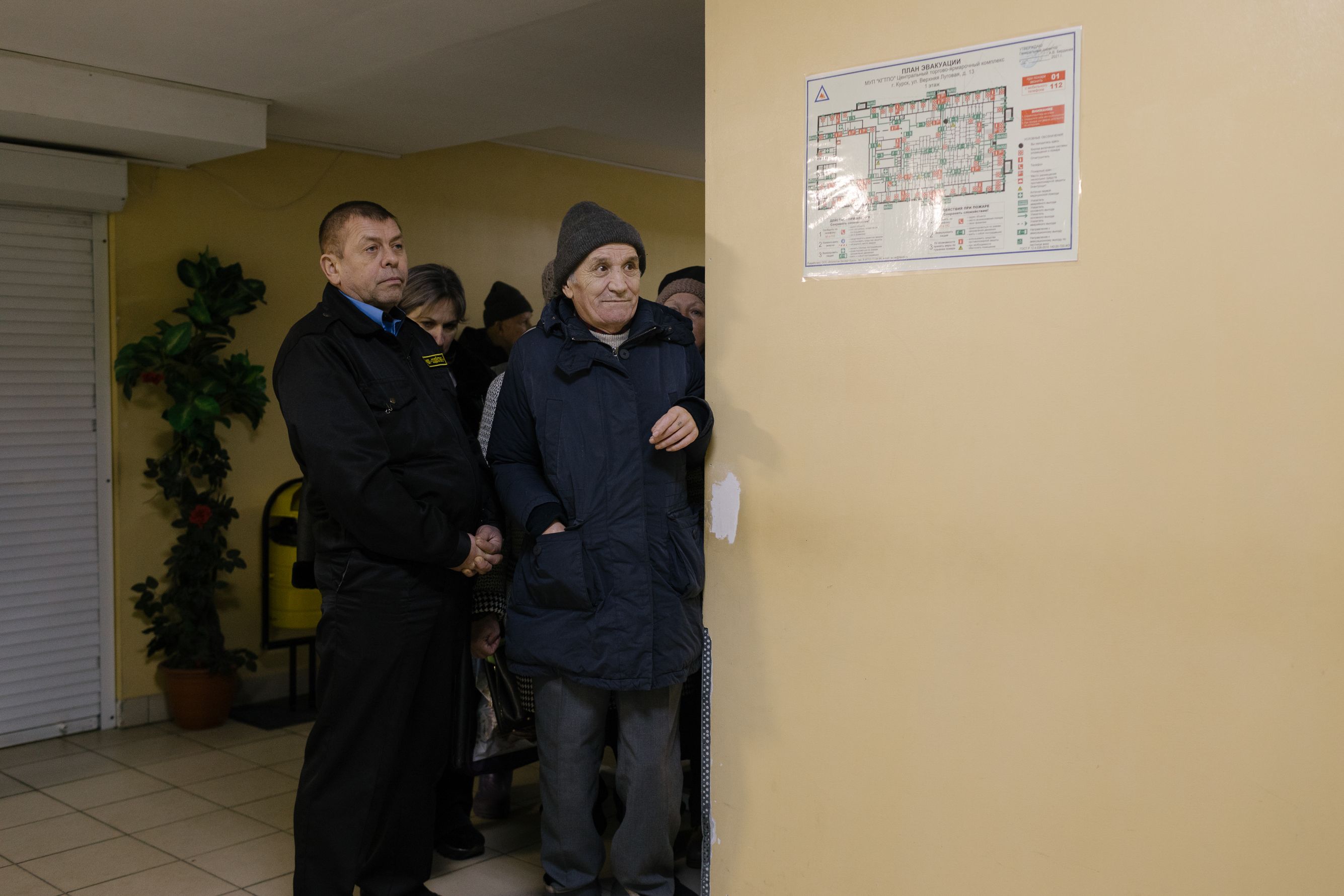
Humanitarian aid distribution points have been opened in Kursk especially for refugees from the border areas of the region. People are invited there once every two weeks - long queues form. Each person in line has his own number, written down with a pen on his hand. When I arrived, real passions were boiling there. Apparently, someone decided to skip the line, and people were talking indignantly to each other. One woman admitted to me that she felt terribly humiliated: before she could provide for herself, but now she is forced to stand in line for a kilogram of buckwheat and sugar.
— How did they [the Russian authorities] allow this to happen, that the Ukrainian Armed Forces entered Kursk territory? - sighed an elderly man in line.
“We fed our soldiers, baked pies for them, and made okroshka in the summer.” Why didn’t they protect our land, why did they surrender? - said another resident of the border area.
I have heard many similar questions to the authorities and the military. Nobody discussed the attitude towards Ukraine.
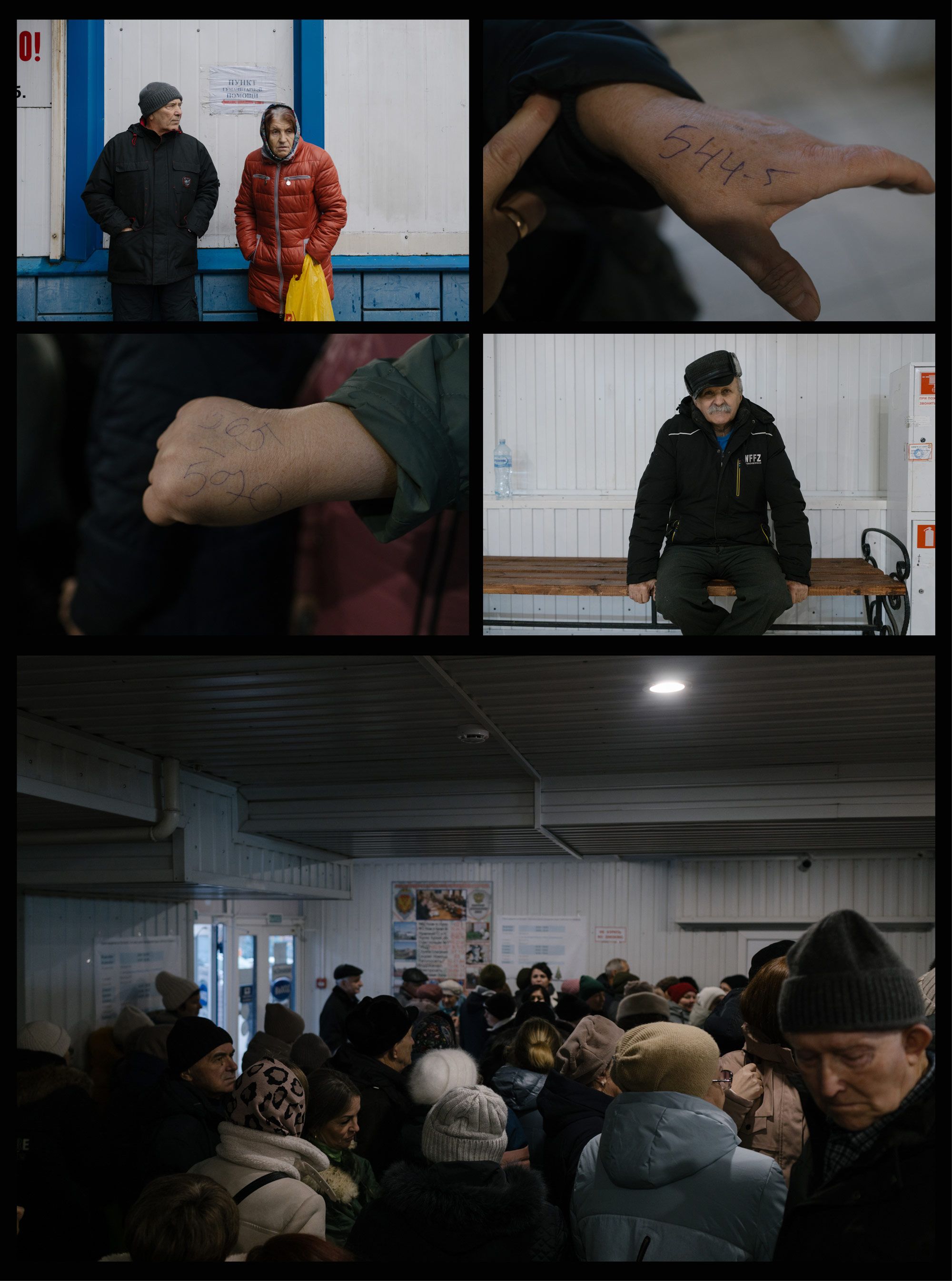
Refugees from the border areas of the Kursk region at the point of distribution of humanitarian aid.
The serial number of a person in line at the point of distribution of humanitarian aid.
Conversation between people in line:
- I have number 596, and there’s no way I’ll get there today.
- Well, what should we do? Only we may not wait, they work until four, and it’s already half time.
“They spent time bringing food inside, and we are standing idle.” Somehow not organized.
Conversation between people in line:
— What area are you from?
- From Belovsky, where all this is happening - they are banging. Recently there was a flight to school, then an aerial bomb exploded near our house.
-Have you seen the house?
- Mine? I saw it - it was intact, and after 300 meters at my neighbor’s one wall was completely riddled, everything was cut, you entered the house - you could see the sky through the ceiling. She lived there for more than 40 years. At our age, cities are like cages; we are used to walking on the ground.
That day, about 600 people came to the humanitarian aid distribution point.
Conversation between people in line:
— The worst thing was at the beginning, then when I entered the three-story building, I personally had a specific hysteria. - There was such a rattling sound, the house was “moving.” Thought it was a different weapon
“We’re used to it, we can already distinguish it by sound. Of course it's very nerve-wracking.
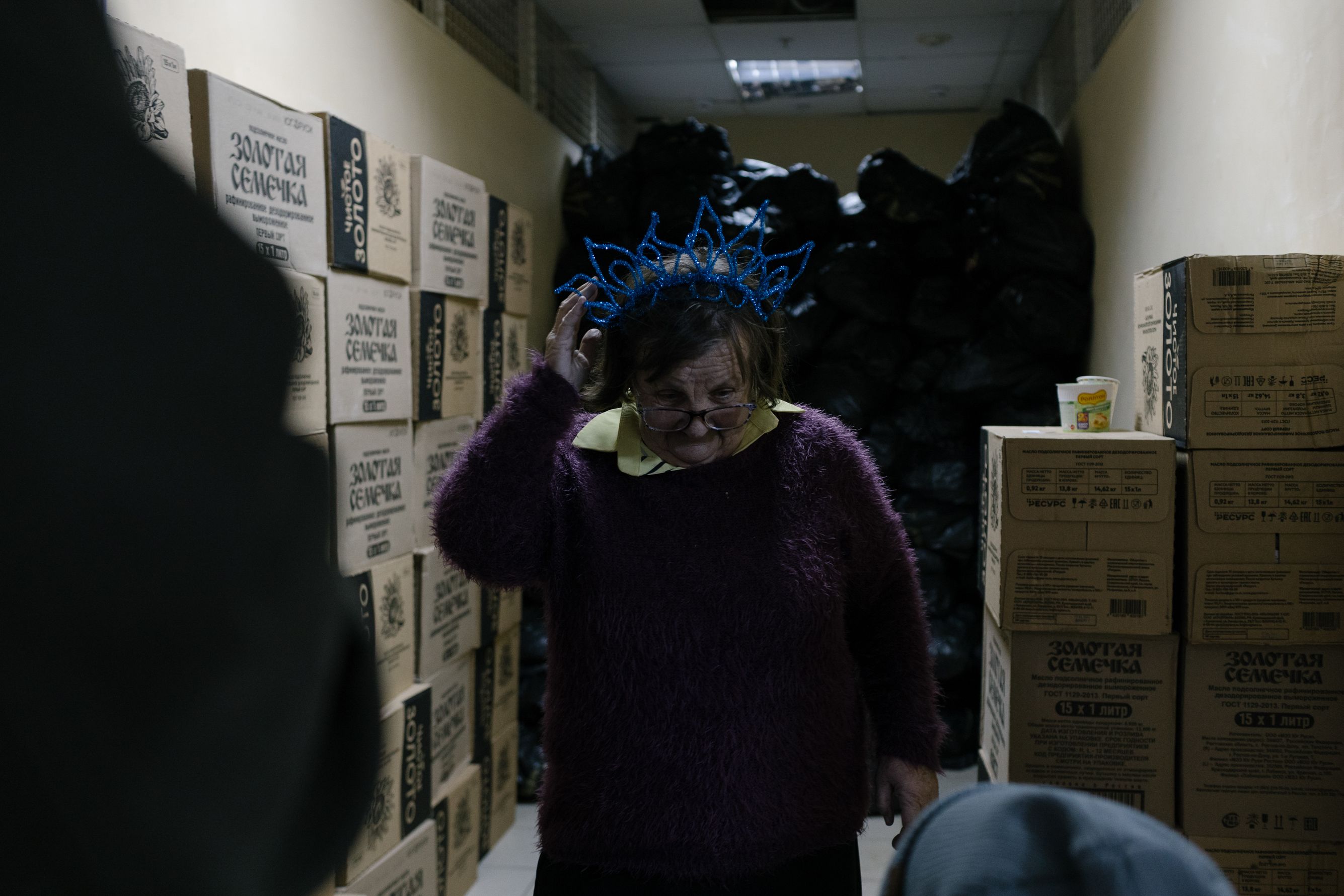
Refugees emerge from humanitarian aid distribution points with packages and disperse throughout the city. Because of these packages, you won’t confuse them with the residents of Kursk. It is difficult for them to adapt to new living conditions. All the women I spoke to were sobbing: “We are tired of crying, but we are still crying.” One of my interlocutors said that her family had a large farm - they lost everything. And no New Year makes such people happy; they have one desire - to return to their land.

Sasha Levakova for “Berega”