
Translated material
The denominator of blooming complexity. Why the euro is not just a currency, but a realized utopia
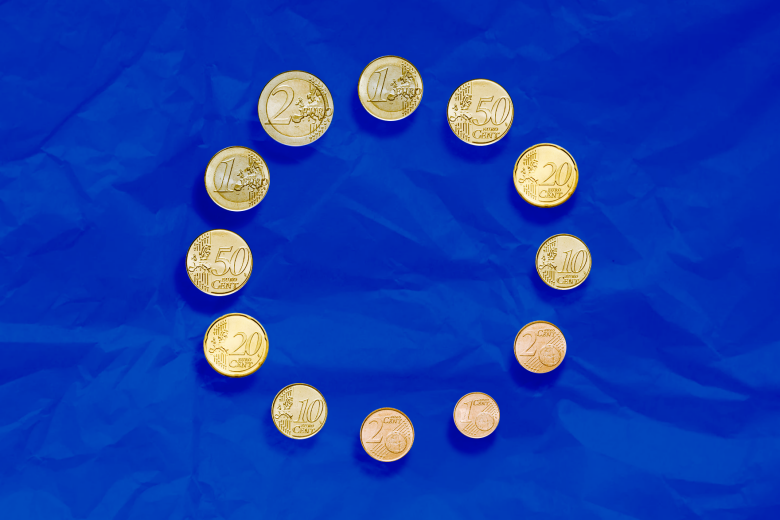
Euro coins
On January 1, 1999, one of the most daring and, perhaps, the most successful experiments in the modern history of economics and finance was launched. The euro was introduced as a common currency for all countries of the European Union. Many economists predicted its imminent collapse, but the euro overcame any skepticism and, more than 25 years later, remains one of the strongest world currencies. Writer and historian Kirill Kobrin considers the victory of the euro to be not only an economic victory, but also a political, humanistic and creative one. And here's why.
Twenty-two years ago, I made a living writing news for a multilingual media outlet. To get more time off and see my colleagues less often, I went to work on weekends and holidays; in particular, I spent New Year's Eve 2001/2002 at work. The second most important news in the holiday issue (after the obligatory idiotic report about how “the New Year is marching across the planet”: from Australia, Sakhalin and Tokyo, to Novosibirsk, Delhi and further down the list) I put the message about the introduction of a single European currency - euro. Now, 23 years later, it seems to me that this was almost the only truly good news in my entire lackluster news career. Below I will try to explain why.
Subscribe to read in full
Subscribe to Redefine.Media to read Republic
Subscribe [You can pay with a Russian or foreign card. The subscription is renewed automatically. You can unsubscribe at any time.]
Where does the subscribers' money go?