
Translated material
“There is fatigue and sadness in the eyes”
Monologue of a volunteer from the Kursk region
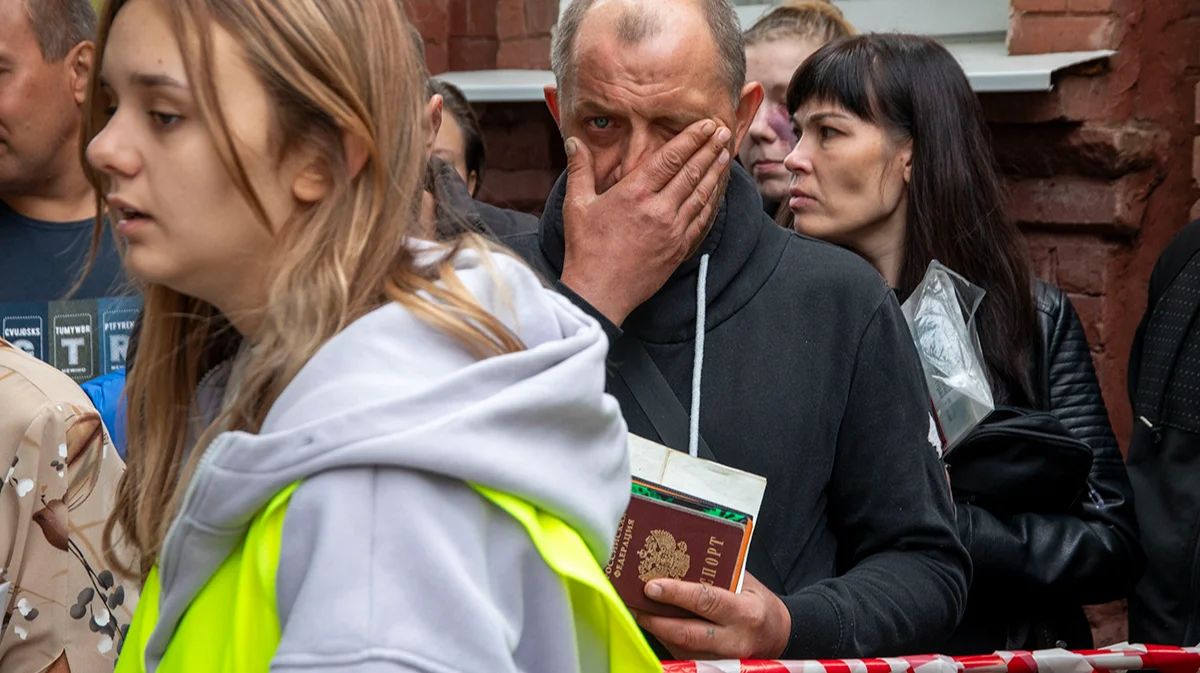
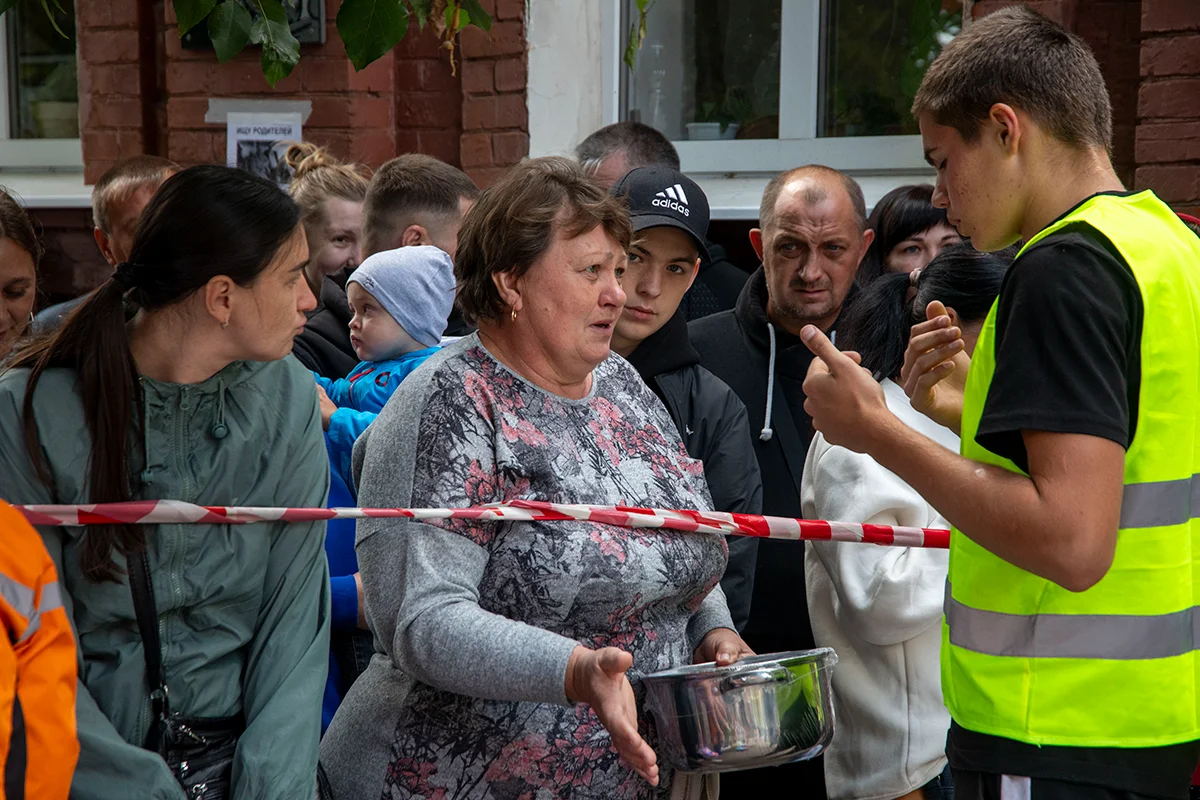
Distribution of humanitarian aid by a volunteer organization in Kursk. Photo: Anatoly Olshansky
On August 6, 2024, the Armed Forces of Ukraine, in response to the Russian invasion, began military operations in the Kursk region. Since then they have occupied several dozen settlements. Regional authorities then declared a counter-terrorism operation.
According to The New York Times, by November the Russian Armed Forces assembled a 50,000-strong group for a counteroffensive, which included the North Korean military. However, the Ukrainian Armed Forces still hold their position. According to official data, more than 150 thousand residents of the Kursk region became refugees. Since August, local volunteers have been helping them: looking for housing, purchasing clothes and food, and providing psychological support. Project “Wind” spoke with one of them, the leader of the help group, 28-year-old Tatyana.
FROM THE EDITOR
The text was first published on the Wind project website. Novaya Gazeta Europe, with the consent of its colleagues, publishes the entire material.The heroine's story was published practically unchanged and with only minor abbreviations, which in no way affect the meaning of what was said. The interlocutor's name has been changed for security reasons.
About volunteering
I have been volunteering for eight years now. Since her student years, she has led the project “Hero of Our Time” - it was dedicated to veterans of the Kursk region. Then she began helping orphanages and nursing homes. I can’t say that this is some kind of large-scale activity - if the opportunity arises, then I help.
Since childhood, I have been interested in the topic of the Great Patriotic War, it always fascinated me: I liked to find out how people could survive in such a difficult time, how they coped. This is how the desire to help came: many veterans have no relatives, they are completely alone, they just want to talk, share, and have no one with whom. Volunteering has become for me an outlet where I can show some kindness and responsiveness.
In general, I have been working in the event organization field for about nine years. I used to be a children's animator: I spent most of my life in the holiday industry. Recently, on Mother's Day, we organized concerts in Kursk and filmed a film.
About military operations in the Kursk region
Like many people, I learned about the invasion of the Ukrainian Armed Forces in the Kursk region from social networks. At first there was panic and misunderstanding, many began to leave and pack their bags. My first thoughts are about the future: how can I think about a career or children in such circumstances? Around October, people began to more soberly accept reality and adapt to it. This is how the human psyche works: basically, you get used to everything.
But then a personal aspect was added - a close friend died, who was sent to fight on our territory. This story affected all my friends and relatives because everyone knew him very well. Despite this, I am staying in Kursk and have no plans to leave. Firstly, there is practically nowhere, and secondly, I see no point in running. Since this happened, you need to somehow live with it, but war can affect you anywhere.
About the war in general
Honestly, I never wondered why the Ukrainian Armed Forces decided to invade the Kursk region. I'm not good at politics at all.
I try not to dig too much, because in this case you can start to feel very sad: the topic of war is generally very painful for me. Maybe times have changed, some of our territories have become important, something at the political level... I try not to delve into it and think not about why this happened, but about how to fix it for the better.
The reasons are no longer so important. Both there and there people, you treat everyone the same. First of all, you need to look at yourself. If you look at our society, you will see many gaps - in education, in upbringing. All wars and problems happen for a reason.
About working with refugees
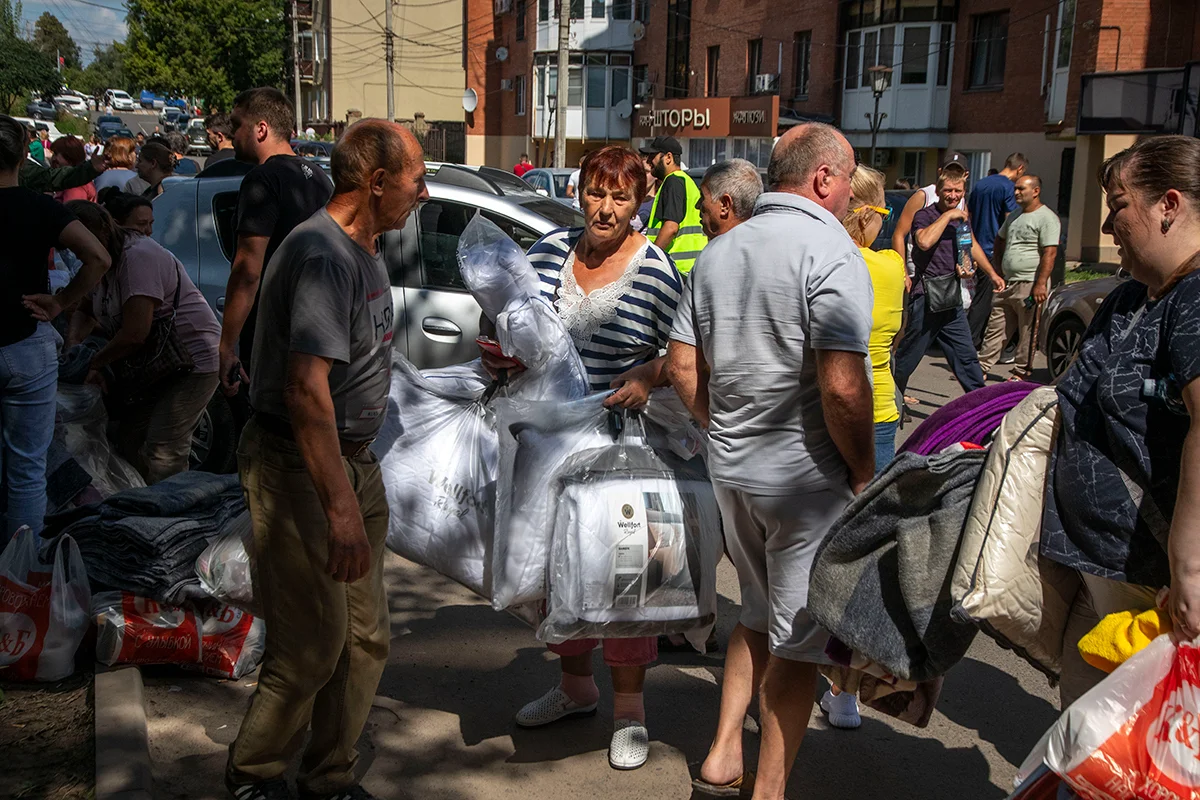
Now we have a large chat on Telegram, where we coordinate the work. There are more than a thousand people in it. At first we helped displaced refugees - we facilitated their relocation, helped them find housing, and collected food and clothing. It was especially difficult with children, of course. Most of all, the settlers needed clothes and warm things - autumn was approaching, and then winter came. People had to somehow change their wardrobe and prepare for the cold weather. We actively purchased blankets, pillows, and medicines. Nowadays, requests most often come from large families - they need children's things, food. We try to find what we need.
A typical day for a volunteer looks like this: wake up, go into the chat. I looked to see who needed help. I submitted an application and sent it to my colleagues. The chat decided who could work today. If the day is free, then we actively correspond, make plans for the week ahead, and try to attract new people. If you need to go somewhere, we first solve organizational problems, then collect the parcels and go to the delivery points. If someone needs hands, we can come and help, for example, to disassemble humanitarian aid. The day depends on specific tasks, they change often.
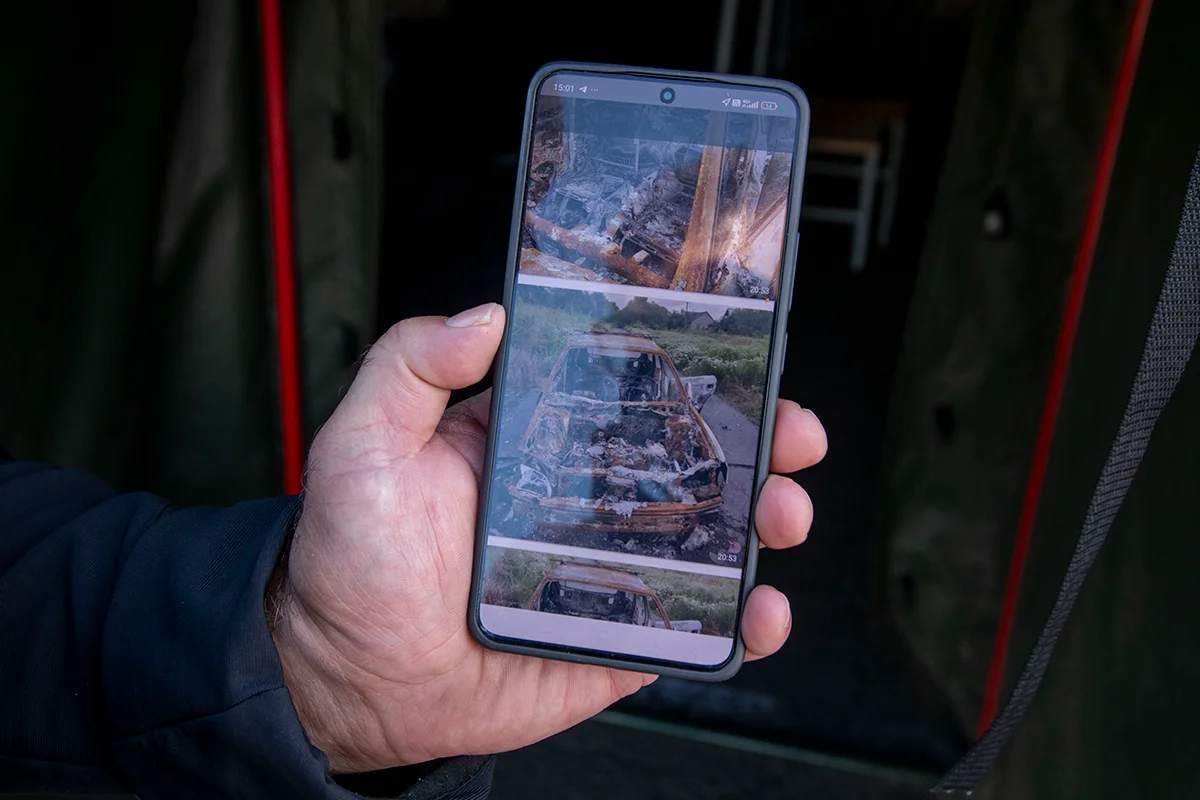
In addition, we post all purchase reports and receipts in the chat - everyone can see that the money is spent correctly. And then in August a lot of scammers appeared: people collected funds to help displaced people and simply misappropriated them. A striking example is Maria Davydova , a swindler who, under the guise of an employee of the Popular Front, simply stole. I am sure that there were many unscrupulous people who profited from the misfortune of others, but many have not yet been found. Our chat is protected by Telegram settings: you cannot take screenshots or forward messages.
About difficulties
The first month was crazy hard. We were squeezed like lemons because we were helping around the clock, we didn’t sleep at night, we were running around a lot, traveling, shopping. What was most striking was the lack of homes for people.
A line of children are standing at the distribution points, waiting for these unfortunate pillows, some kind of food packages. It’s very difficult mentally, because you, of course, help them, but then you come home, lie down in your warm bed, and everything seems to be fine with you.
I can’t get the picture out of my head: people used to live the same way, but now they have nothing. Many volunteers were constantly crying.
We sometimes help soldiers, sending things and food. December came, everyone began to prepare for the New Year. December 5 was Volunteer Day. In the morning I wrote to the soldiers about help, they congratulated me, although I completely forgot about this holiday. I accidentally came across a video on the Internet: the picture was divided into two parts, on one - a table with New Year's dishes, a Christmas tree, on the other - the guys are sitting in a trench and trying to celebrate with some kind of dry rations. We sent the video to the soldiers and wished that their New Year would be like in the first picture. They cried, recorded a voicemail that they appreciated our support and also wanted to return home, it was hard for them.
In September, my child was supposed to go to first grade, but in the end everything was remote, which is also not easy. But he takes my example: he went to aid stations, helped collect humanitarian aid. He is already old enough, he understands everything with his mind. He likes to say: “Mom, can I write a letter? Can I give you my toys?”
About help
At first, everyone actively helped, and many residents of other cities supported. But now there is a feeling that everyone is tired and everyone is fed up. I would like more access to some influential people so that they could help us with coverage. We didn’t really turn to the authorities. Yes, they asked some deputies, they had one answer: there are humanitarian centers, send people there. But displaced people cannot always find help there. They say: “We first applied here and there, but there are either gigantic queues there, because there are a lot of requests, or there is no required size, for example.” After that, they come to us, we are able to help faster through social networks. We don’t even have warehouses—volunteers simply keep things on their balconies. We're still managing.
Perhaps this is due to the fact that people are accustomed to not getting involved in politics. Maybe someone doesn’t want to think about bad things and worry. Maybe they just haven't been touched yet, so they can't feel the pain themselves. I saw a lot of opinions on the Internet in the style of “what do we care about Kursk, we live far away.” And there are also selfish people who live only for themselves. I think they forget that to live for your own pleasure, you need to do something for your area, city, country. Of course, I would like such a misfortune not to affect them, but in our time anything can happen.
The tragedy brought the people of Kursk together very much. I remember when this all just started, we went to humanitarian centers and looked at the situation. There were huge queues of displaced people. Everyone went out into the streets together and tried to help as much as possible. Nobody grumbled about the refugees.
Unfortunately, residents of other cities don’t see any of this because they don’t experience it themselves; they don’t just refuse our requests, but they try to ignore them.
That's why we only have each other. All districts are trying to hold on and stand up for each other. This became very noticeable after the invasion of the Ukrainian Armed Forces. It happens that you are sitting in a bank or somewhere else, and you hear people communicating. Some ask: “Why didn’t you go somewhere far away?” And they answer: “Where are we going?” This is our city, our people, we will help and will not go anywhere.” As soon as there is a missile threat, everyone starts screaming in the street, directing each other to cover. There is a sense of unity.
What stuck in my memory the most was the story that happened in August, literally in the first days. A family with two children, a six-year-old son and a four-year-old girl, fled from Sudzha without having time to take anything, neither documents nor things. Mom was literally in a robe. They walked barefoot for three days through the forests, there were explosions all around. They managed to get in touch through friends. We found them in the forest belt using the coordinates, searched for almost half a day, helped them find housing, and provided them with humanitarian aid. I still don’t understand how they had the strength to walk almost 100 kilometers.
About life after the war
Of course, everyone in Kursk is tired of the war. I want to live an ordinary life, and not save myself, not help others survive.
I would like to relax a little and at least somehow plan for the future. Plant a tree and build a house, and not think about something falling on your head.
Among the volunteers, we often remember 2019 and laugh - what were we complaining about then? I wish I could go back to those years, even before Covid. All the same, people have become different, they are afraid of everything, they do not trust, they are angry. There is fatigue and sadness in their eyes. But they still continue to live, celebrate holidays, study, work. Without this it would be completely dark.
It is very important that we are not forgotten even after the end of the war. Indeed, at the first stage, in August, the assistance was active and large-scale. And then somehow it began to subside. Some pretended to help, checked a box for themselves and walked away. We thought a lot about what would happen when it was all over. It will be necessary to remind us of what we had, and to actively write that we need to restore everything that was destroyed. Don’t be shy about directly declaring on social networks: “Why should we live in ruins when everything is fine in other cities? We actually live in the same country, and I would like equal rights for everyone.”
Activists and volunteers will need to continue their activities and convey to others, especially the younger generation, that they need to help not only when something happened, but also after, and, in principle, always. We will be proactive about our city and region. Volunteers will personally get up and go to repair.