
Translated material
I teach people to love their body
32-year-old Daria Krayukhina has rheumatoid arthritis. As a teenager, she was embarrassed by her appearance, but after studying to become a psychologist, she was able to love her body and now teaches others to do the same. She told Kholod about how she freed herself from the pressure of beauty standards and entered into her first romantic relationship at age 29.
It worked for me - it can work for you too. I am 149 cm tall and have rheumatoid arthritis.
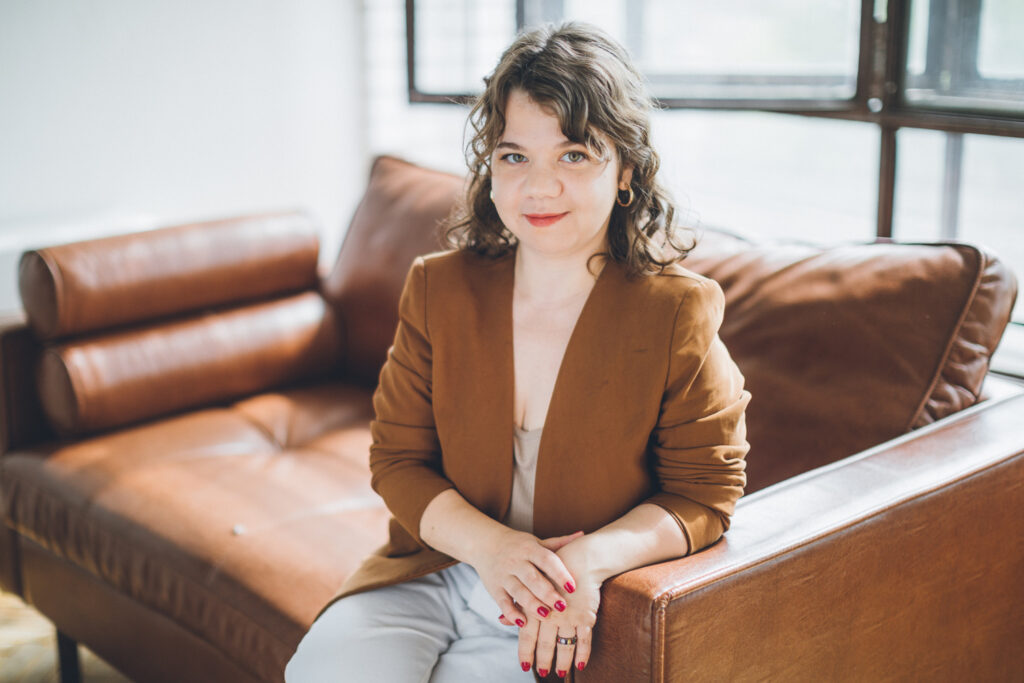
At the age of one and a half years, I was diagnosed with juvenile rheumatoid arthritis (a chronic inflammatory disease of the connective tissue. - Note by “Cold” ) . With this diagnosis, the immune system fights not against viruses, but against its own body. Treatment and the disease itself greatly affect appearance. To prevent deterioration and to prevent immune cells from attacking tissues, I have been taking hormonal medications since early childhood, which is why my growth has slowed down significantly and I have chubby cheeks that cannot be removed by any diet. Because of the disease itself, my joints are deformed, and therefore my legs are always swollen, I limp.
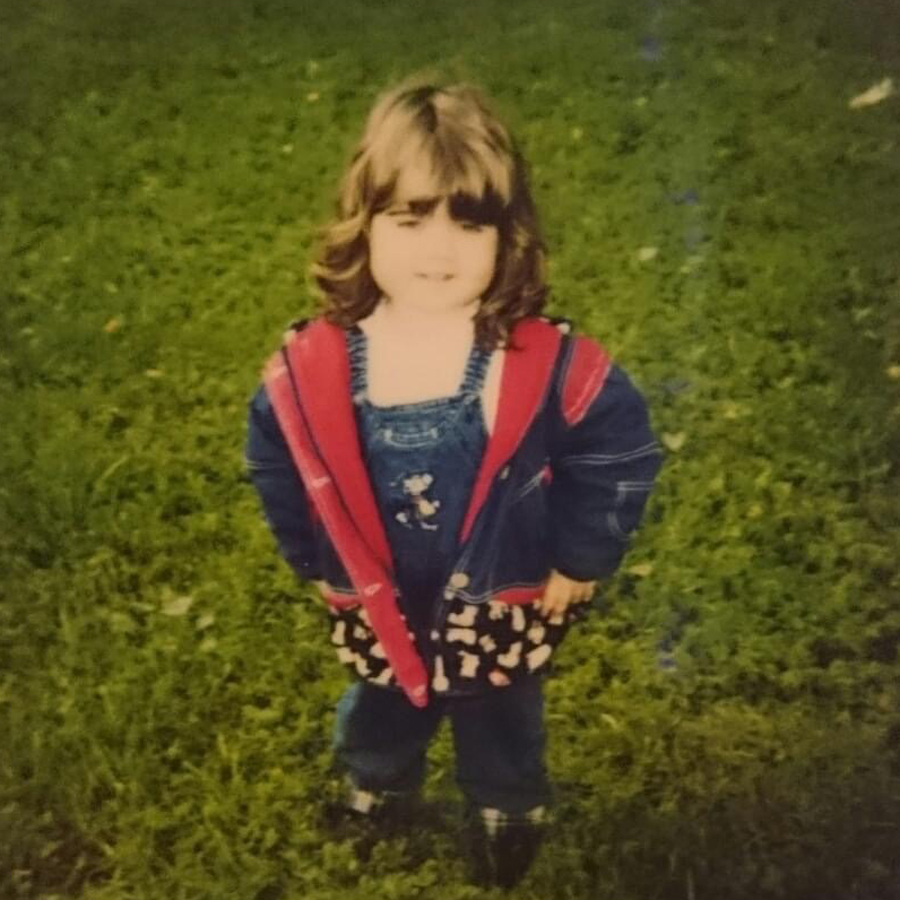
As a child, I couldn’t run or walk for a long time, and until I was 12, my parents carried me in a stroller—an ordinary stroller, not a wheelchair one, since I was still small. I have always been one or two heads shorter than my peers, and now my height is 149 centimeters. For the last 12 years, I have been taking more modern medications that affect the body less strongly, but when I was a child, they did not yet exist.
I tried to hide the signs of illness
I only went to first grade for a week. At school they pestered me, not from my classmates, but from older children—fifth graders, I think. They teased me because of my big cheeks - they deliberately inflated theirs. But it seems to me that there was no evil or negativity in these ridicule. A week later, my parents transferred me to home schooling - they decided that it would be better.
In general, I can’t say that I experienced bullying. In addition, I met almost all of my close friends in hospitals: many of them have the same problems as me. Of course, I was regularly asked questions: why am I so small, why do I limp, whether my illness is being treated, but I was not insulted, but politely inquired about my condition.
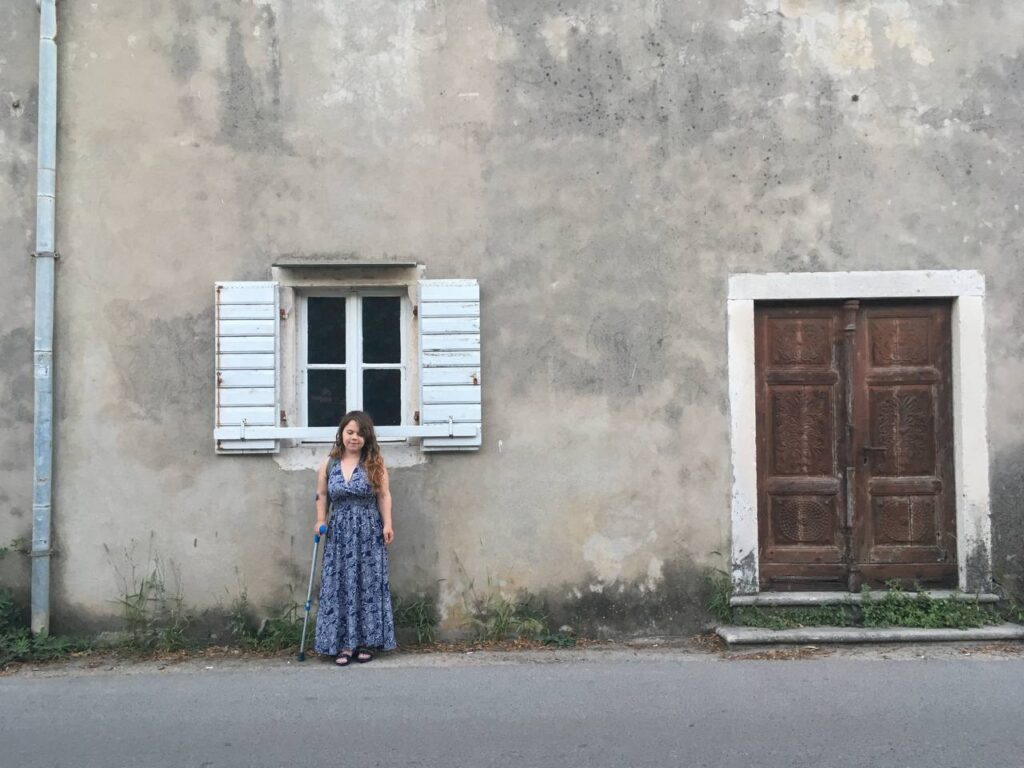
At the age of 13–14 I developed complexes. I wanted to look attractive, so I tried to hide the signs of the disease: deformed joints, a crutch. I used an umbrella instead of a crutch and wore clothes that completely covered my legs.
When meeting new people, I could lie that I fell off my bike, so I walk with a crutch. I once said this in a company with whom I later communicated for a long time. At some point I admitted that I was limping due to a chronic illness. Fortunately, it was a good and sincere campaign in which I was understood.
I was then influenced by the idea, imposed by glamor magazines and films, that the more normal you look, the better. A normal person walks without crutches, his joints are not deformed, normal people are tall, normal girls at 15 look like girls, but at that age I could easily have been eight.
Help Kholod tell human stories
We put people at the center of our journalism and talk about people who face injustice, but do not lose spirit and continue to fight for their rights and freedoms. To continue covering people's stories, we need the support of readers - thanks to your donations, we continue to work, despite government pressure.
- Foreign card
- Map of the Russian Federation ↘︎
- Patreon ↘︎
- Translation
- Crypt
Monthly
One-time
5 €
- 10 €
- 20 €
30 €
5 €
- 10 €
- 20 €
- Other
- Bank of the Russian Federation
- Foreign bank
Card number:
5536 9138 6472 8742
Copied!
Recipient:
Taisiya Bekbulatova
Copied!
Recipient:
Projektas Šaltis
Copied!
Account number:
LT613500010016198323
Copied!
SWIFT BIC:
EVIULT2VXXX
Copied!
Bank:
Lietuvos Bankas (Bank of Lithuania)
Copied!
Comment - purpose of payment:
Parama įstatymų numatytais tikslais (be konkretaus tikslo)
Copied!
We ask you to provide a comment so that we can accurately determine the receipt of funds. The phrase is translated as follows: “Support for statutory purposes (without a specific purpose).”
Amount: €
Donate
By making a donation, you accept the privacy policy
My peers with the same diagnosis supported the idea that one should be “normal.” For example, we were looking for thick tights that would help visually narrow our legs. In 2007, when I was 16 years old, society dictated much stricter beauty standards than it does now. There was a cult of thinness back then, and on hormones, no matter how hard I wanted, I couldn’t be slim. At that age, I could tell my acquaintances with disabilities that they were cool and beautiful, but I rarely thought that way about myself - only when they gave me compliments. It was important for me to help people, to support them even to the detriment of myself for the sake of praise and self-affirmation.
Sometimes they tried to support me with not very pleasant phrases, for example: “What an unusual appearance!”, “How great it must be to be miniature.” But the baby talk really irritated me, I never liked it. For me it was offensive and painful, because I was already an adult, and they treated me like a child. I tried not to show irritation at all sorts of “sushu-musya”, I tried to smooth out the corners. They told me: “Oh, what cute little cheeks,” and I laughed sweetly in response, although in fact I was angry.
It seemed to me that if a guy pays attention to a girl with a disability, then he is a pervert
From the age of 11–12 I had no doubt that I wanted to become a psychologist. I remember how fascinated I was by the books on child psychology that my mother had. My parents told me that, despite my illness, I would be able to get into a good university. But some teachers who came to my home believed that with a disability I should only go to a specialized educational institution, otherwise it would be too difficult for me. As a result, I entered the psychology department of Moscow State University, as I wanted.
At university, I was finally able to fully communicate with peers without disabilities and outside hospitals. Only one classmate called me a penguin because of my gait, and everyone else was adequate. I looked at everything with enthusiasm, I think home schooling also played a role in this. I wanted everything: go to extracurricular activities, interest clubs, visit, constantly ask for something.
I fell from the seventh floor Lost my leg, almost lost my parental rights, but in the end I found myself and enjoy life Society 11 minute read
At the age of 18–20, it still seemed to me that if a guy pays attention to a girl with a disability, then there is something wrong with him, that he is a pervert. I often hear this from my clients. Of course, I liked different guys, but usually I fell in love with those who were unavailable, married or those who lived far away, and then suffered. I wanted a relationship, but I unconsciously pushed away the people I liked.
I additionally studied narrative psychological practice, which pays a lot of attention to the philosophy of postmodernism and poststructuralist concepts. They imply that we can look at things that seem obvious to us from a different angle. For example, that being sick is bad; or that lameness is unsightly. These judgments are not an objective fact. We are not born with this opinion, it is formed in society.
Life can and should be built based not on illness, but on your desires, interests, and values.
Narrative practice has greatly helped me accept myself, and now it is the main approach in which I work. During classes, we were divided into pairs: one person acted as a specialist, the other as a client, and the teacher watched over us. Once I was in the position of a client and discussed with my classmate that I met a guy through an application, but I was embarrassed to go on a date with a crutch. And then it was the end of winter, and without a crutch I would not have made it at all.
My partner then said that the problem is not that I have a disability, but the way that society in Russia perceives people with disabilities. She cited Sweden and Spain as examples: these countries have the most accessible environment, people in wheelchairs can easily travel everywhere and are constantly visible. It doesn't come as a shock to anyone there. In our country, due to an inaccessible environment and stereotypes, it seems that disability is something terrible. But in fact this is not the case.
Gradually, I realized that my complexes are an imposed public opinion, and not my true beliefs. I became more confident, which many loved ones noticed. I had a great time on that date, but after it I decided to stop communicating - I was afraid that I might be rejected.
I earned 10 thousand dollars as a plus-size model But I burned out due to the toxic industry and went to sexology Society 9 min read
Of course, I really wanted a relationship, male attention, sex. Sometimes there was a real withdrawal. But at the age of 16, I began actively going to church, and then teaching at Sunday school, and I believed that intimate life before marriage was impossible.
After this practice at the university, I began to indicate in the description of dating applications that I had a disability, and posted photos with a crutch. But this did not reduce the number of offers to meet.
Communication skills and common interests play a huge role. I like to tell you how I went for a walk with a new group of people with whom I had previously communicated online. When we were already on our way to the subway, I asked to go slower. One young man said that he only noticed I had a crutch when I mentioned it. Such examples show that during pleasant communication, people may not even notice any flaws.
I wrote how my bones were being sawed
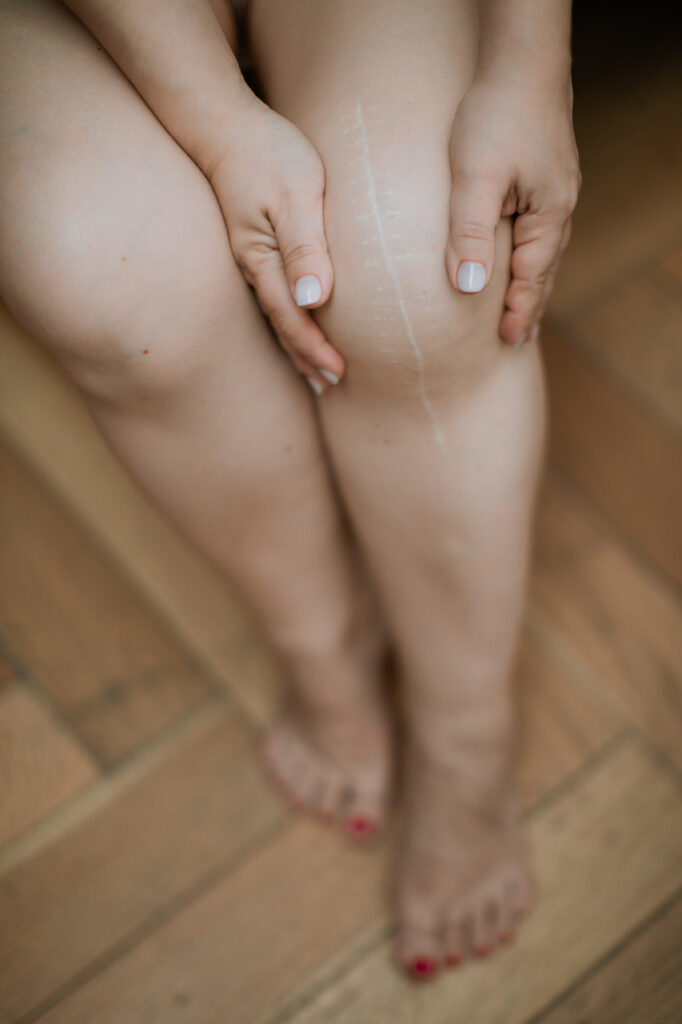
From 2016 to 2018 I had joint replacement surgeries. This is the classic path for a person with rheumatoid arthritis, especially if they have had it since childhood. By the age of 20, joints are severely damaged and deformed, and it is better to replace them, since bone growth has already stopped by this age.
I had three operations, and during one of them I wrote on social networks about how I laughed at the song “Touch me like you do” playing in the operating room at the moment when the surgeons were about to saw through my bones. During the intervention, I was conscious; sensation was turned off only in my legs.
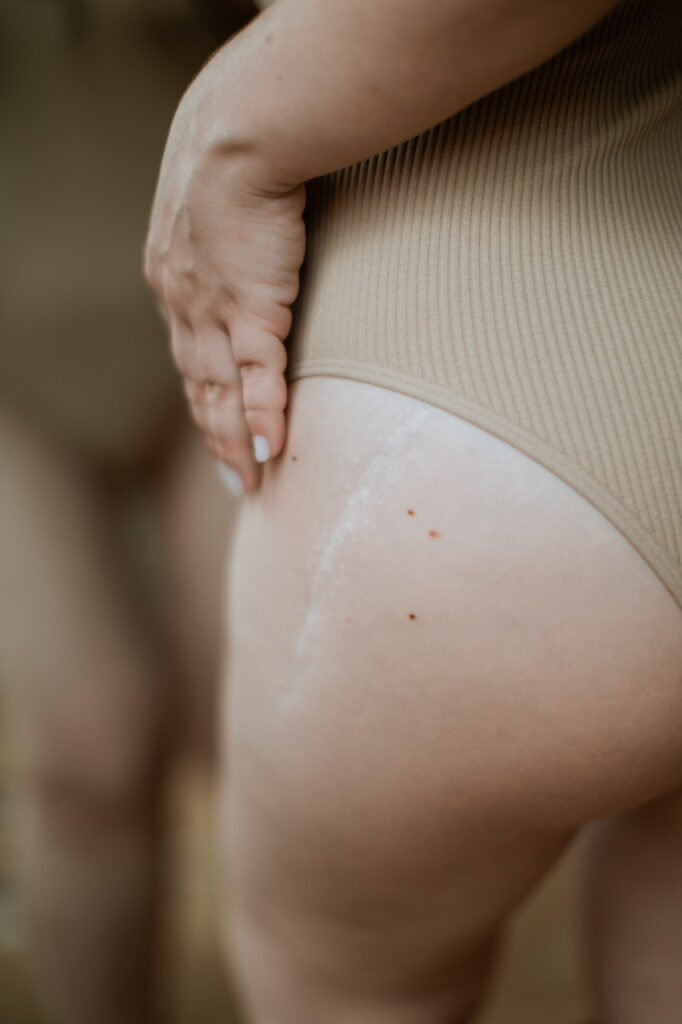
One girl answered me: “Dasha, I can’t decide to go get my teeth treated, but I read about your epic with joints and thought, what am I anyway? And I went to the dentist." There were many reviews that my posts inspire, show how a person can enjoy life in such a situation. I decided that I needed to continue writing. In addition, it helps me myself that I talk about life with arthritis.
Parents of children with similar diseases began to subscribe to my blog. They said that my page gave them hope: I live a full life, which means their child can become successful.
In 2019, my friend and I created a psychological support group for people with disabilities, participated in patient schools, created online groups, wrote posts about psychological support for people with chronic diseases, and a little later we launched the Invagirls psychological project for women with disabilities.
Thanks to numerous bloggers who talk about their illnesses and show how they live, many relatively healthy people realize that we are also included in social life, we are not somewhere far away. If previously on the street they constantly looked back at a person in a wheelchair or with a crutch, now few people will treat this with prejudice. Of course, there are illiterate and tactless people. For example, I remember how the taxi driver was very surprised that I was so beautiful and had a limp. That is, in his opinion, beautiful girls cannot limp. But it seems to me that such people are becoming fewer.
I started my first relationship when I was 29 years old.
When a psychologist and I worked through my childhood traumas, it became much easier for me to communicate with men. It seems to me that the psychologist helped me find the real Dasha without complexes and prejudices.
My first serious love happened at the age of 29. I'm even glad that it happened this way. I’m afraid that if I had started dating some guy earlier, I would have merged with him and been too dependent on him. Now I am able to build healthy relationships.
I met my current partner in 2020. Then I was already actively blogging, and Andrey ( name changed ) subscribed to my Instagram. He watched my stories and commented on posts. We started talking, then agreed to meet and have coffee, after which we corresponded a lot. At first I didn't think we would have a relationship. I was still afraid of intimacy, and Andrey and I are completely different people.
But after a year and a half of communication, we realized that we love each other, that we have an emotional connection, that our thoughts that we are not suitable for each other because of differences in characters and views are just prejudices. We decided that we would meet on February 22, 2022. We found ourselves in a very difficult situation, but it brought us closer and we began to live together.
We discussed our intimate life a lot: what we like, what excites us. When I turned 30, I had sex for the first time. Andrey was very careful with me: he hugged me, didn’t put pressure on me - everything was fine, as it is now, because we talk through and discuss everything.
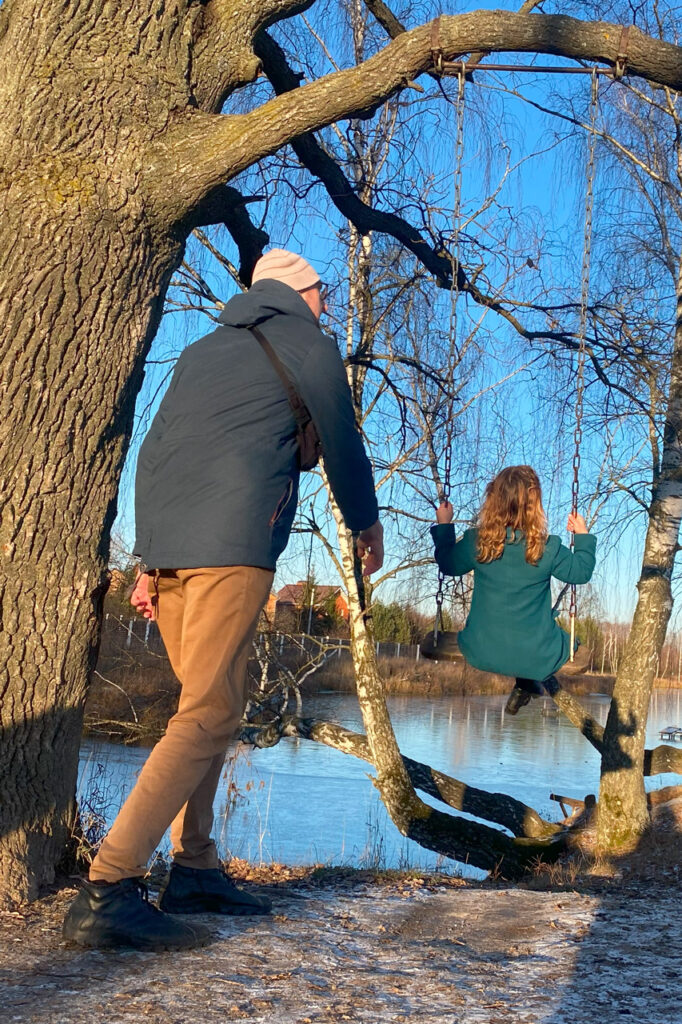
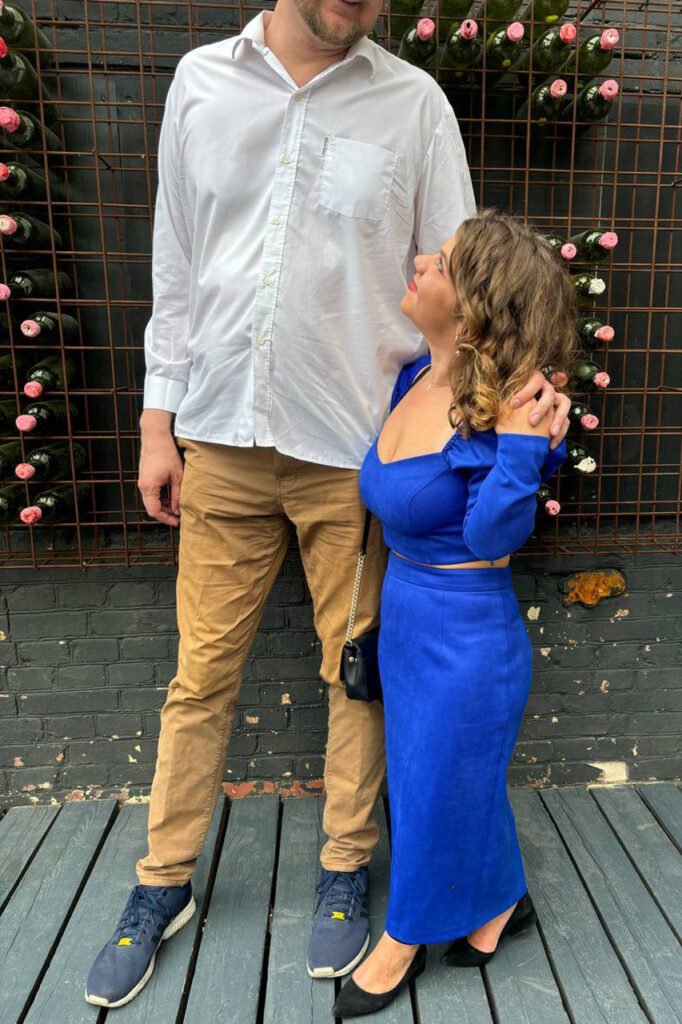
But there were also some problems. This is my first long-awaited relationship, and I needed to be together all the time - but for Andrey it was difficult, unusual and strange. I know that there are couples where this suits both, but this is not our case. Andrei admitted that he felt that I had not had a serious relationship before him. Despite the fact that I already know how to rely on myself and my values, sometimes I still lose myself too much in him, and he needs personal space. But we are learning to hear and understand each other. This is, of course, a lot of work.
In intimate life the situation is similar. Due to long self-restraints and suppressions, I wanted to conditionally “eat a bag of sweets” at once, otherwise they would suddenly take it away again. But my partner ate candy throughout his life, and it was also difficult. But gradually we learned to negotiate.
Andrey proposed marriage to me very beautifully. He saw me watching different bloggers opening advent calendars. For the New Year 2023, he gave me 12 drawers, which I opened and found cosmetics in them, and in the last one there was a ring. We haven't gotten married yet, but we are engaged.
The body does not have to be perfect to have sex and to love it
When I consult parents of children with disabilities, I always say that the child does not know about his illness from birth. The child says and thinks about his illness what he learned from his immediate environment. And this is not necessarily what parents say directly, because children easily read non-verbal messages. Even if the parents do not talk about any bad things, the child perfectly recognizes panic or fear.
I remember how my grandmother was in the hospital with me. I looked at her and saw horror in her eyes after talking with the doctor, and she smiled and said that everything was fine. Based on such non-verbal signals, a child can read that an illness is something terrible and begin to think this way about his diagnosis, so it is worth saying that any illness is unpleasant, but it does not make the child worse than others.
It is important to talk to your child honestly and openly - this way he will develop internal support. It is worth saying that if someone calls names or shows aggression, then these are the problems of the person who does this, but not the child himself. If someone says something about my appearance, it does not mean that there is something wrong with me. This means that the one who says this is an ill-mannered person. But if a child’s family develops the belief that his illness makes him wrong, then he will believe that all the insults are true.
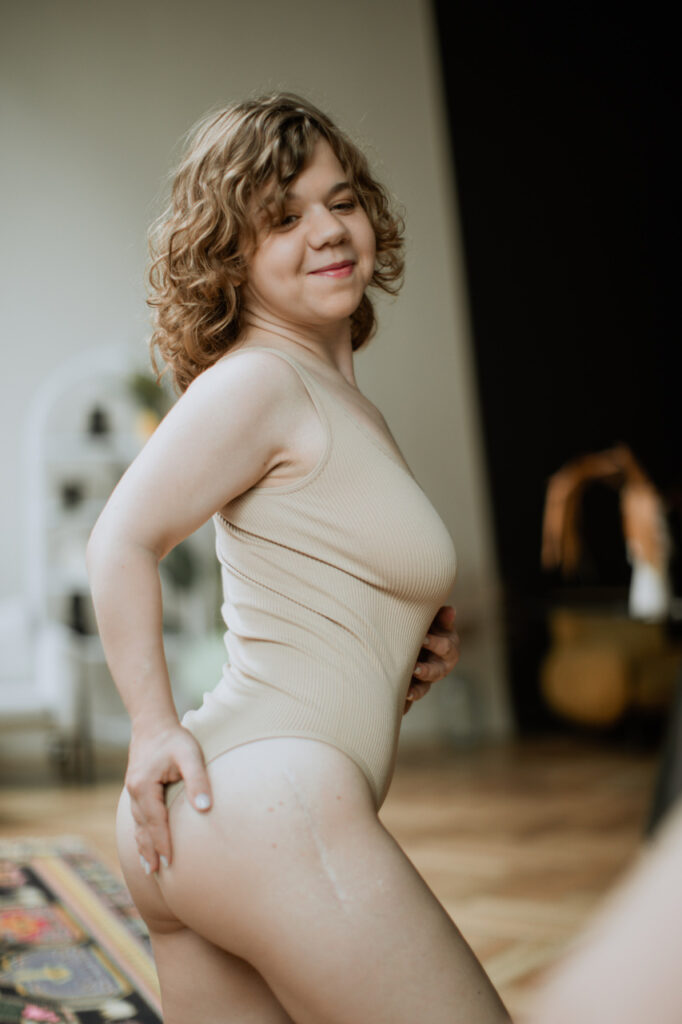
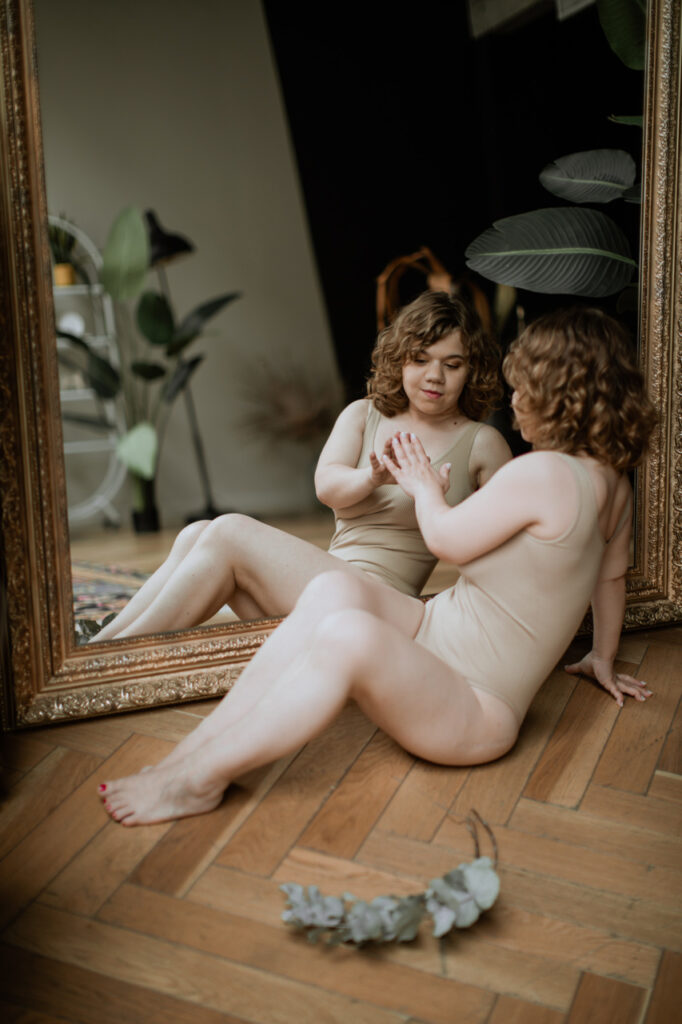
There are many requests among women with disabilities about how to accept themselves and enter into relationships. First, we analyze my clients’ negative attitudes about their bodies, and in the course of work it turns out that certain beliefs were imposed on them by parents or other significant adults. We talk about why these beliefs are fundamentally wrong, why a limp or other disability is not a sign of something terrible, why disability is not the barrier to sex and romantic relationships that some people think. The body does not have to be perfect to have sex and to love it. There are no right or wrong bodies.
Many people say that they do not like their environment and field of activity. There have been cases when, after consulting with me, women changed their profession because their parents forced them to enroll in a specific university. When you tell a person what the paths are, how there might be something else besides what was imposed on him, he gains the strength to go where he wanted, to start a relationship. I like to say that people come to me to make their dreams come true.
I was a world champion, but I got a disability. I hoped for the Paralympics, but I didn’t get there because of politics. Now I blog about motherhood without embellishment Society 7 minute read
At support groups we do psychological exercises that help us survive pain. For example, there is the principle of spoons, which explains what life is like for people with chronic diseases. It says that a person wakes up in the morning and has, for example, 12 spoons for the whole day. A person without a disability has no problem getting out of bed, washing his face and preparing breakfast. For a person with a chronic illness, getting up in bed is minus one spoon, going to the bathroom and washing is minus another spoon, preparing breakfast is minus three spoons. It’s only morning—but half the spoons are already gone, and I have to somehow get through the whole day.
A person without a disease can even have an unlimited number of these spoons. He is able to work all day, and then go to the other end of the city to hang out with friends. A person with chronic illness has very limited energy. To cope with this and accept the pain that arises due to lack of energy, we in the support group discuss how to plan the day so that there is enough strength for everything, how to think first of all about your well-being and health.
Beauty standards make it difficult for people with disabilities to accept themselves. They do not include crutches and flaws. Many people, especially girls, try to fit themselves into them. But I do not agree that in order to be beautiful, it is necessary to have a slender figure, high growth, long even legs, two arms and two legs. There are different people, with different complexion, different physical features - and this is normal. I believe that any body can be beautiful. It is ridiculous to adjust the standards of beauty to the parameters, which has a small percentage of people.
In order not to miss the main materials of “Cold”, subscribe to our social networks!


Kholod needs your help to continue working
We continue to work, resisting bans and repression, to preserve independent journalism for the Russia of the future. How do we do this? Thanks to the support of thousands of caring people.
What do we dream about?
About the simple and at the same time complex - the opportunity to work further. Life will change beyond recognition many times, but we, the editors of Kholod, want to stay close to you, our readers.
Support Kholod today so we can continue to do what we do best - be independent media. Thank you!
Author: Elena Zimina