
Translated material
Voices in the dark
Books about memory, history and cultural identity

Photo: Artem Geodakyan / TASS
Another review of new books, which, in the opinion of the compiler, Max Volodin, help to understand modernity through history and memory. What unites them is the “non-past tense”: they are all dedicated to the past, which does not want to go away, and most importantly, has an impact on the present day. How does a person process trauma through culture, why does he choose certain subjects in history, how can a modern historical novel deconstruct colonialism and, finally, what can “cultural nostalgia” for the Soviet past be like? The books from the new selection answer these questions.
Ryoko Sekiguchi. Voice in the Dark
- Per. from Japanese A. Shestakova. — M.: Ad Marginem Publishing House, 2024

Several books by this Japanese writer are already familiar to the Russian reader - and most importantly, they have found a response from him. As the title suggests, this novel is about voice, but not just about its appearance in human life and culture. We are talking about the voice that sounds in the memories that remain after a person’s death. The author writes about the unity of the human voice in different countries and peoples: this psychophysical phenomenon, characteristic of all of us, not only remains in memory longer than many others, but is also inextricably linked with its bearer, even if he has long since left us. Part of the book is structured as free verse, free verse without rhythm or rhyme, and this is also symbolic: the author seems to begin with abstract metaphysical reflections, but gradually returns to her own experience - in order to hear the dead, you need to turn to them first.
Several dead people speak in this book: Ryoko Sekiguchi's grandfather, who left her a message on her answering machine, a radio host whose face she has never seen, and finally, an unknown person whom she tries to remember in the last pages of her text. To remember, she tells her story - sometimes it seems out loud.
A comparison with the radio suggests itself, and this, of course, is not accidental: a voice traveling over radio waves creates a feeling of presence, and in addition, allows you to create in your imagination the image of the person speaking - and all this thanks to its unique intonation. In addition, the fact that the voice is reproduced gives a feeling of continuation of life and stimulates the work of memory. In particular, therefore, from a historical perspective, it was radio - perhaps even more than television - that changed the understanding of communication and news in the 20th century.
Let me continue the metaphor - the voice does not allow a person to feel lonely, but also follows its own logic, influencing not only sounds, but also words, sentences and meanings.
These quiet and subtle reflections are incredibly interesting to watch.
The storytelling itself, the enunciation, develops according to its own logic, sometimes reminiscent of meditation, and sometimes rap, so that the reader seems to turn into a listener. In addition, this conversation is correlated with time: unlike the image, the sound lasts as long as it sounds, and it is not clear where the story, stitching the past with the present, will turn.
“A Voice in the Dark” is, in my opinion, one of the most important autofiction texts of the past year. It teaches you to listen and hear, to live in the space of oral history, stories about others and yourself, and at the same time has a therapeutic effect.
Bart D. The Datura Merchant
- Per. from English A. Smirnova. — M.: Vyrgorod, 2025
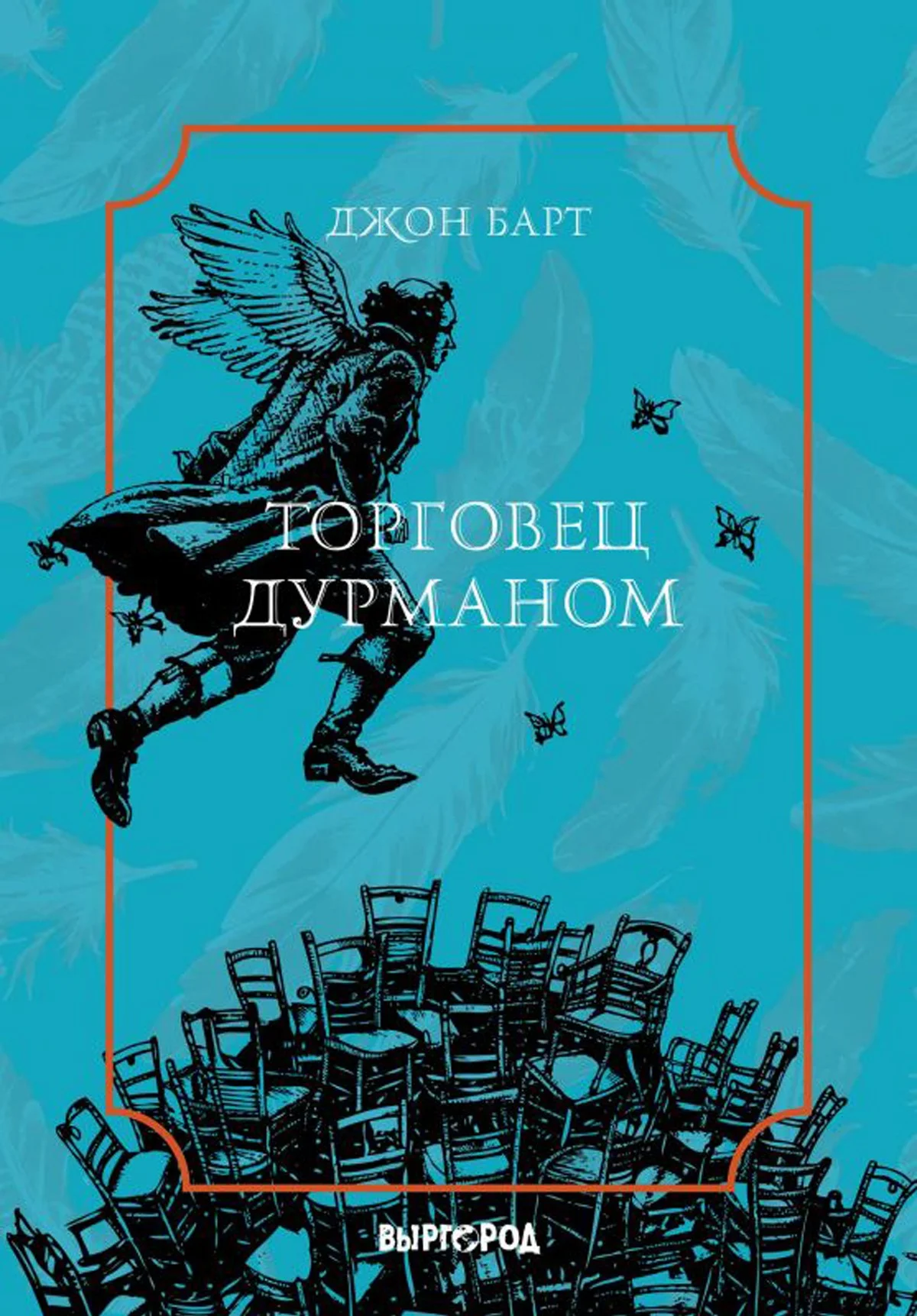
Probably, “The Datura Merchant” could be called a literary game - after all, its author is perhaps the first American postmodernist (at least from the point of view of the US literary canon). However, in the end, this novel appears much more serious than it seems at first glance. Let's start with the impressive length - almost a thousand pages - and genre: ironic historical epic.
"The Datura Merchant" indeed creates a large-scale canvas of life in England and its colonies in the late 17th and early 18th centuries. Perhaps this is the most detailed literary text about the era, certainly in Russian. I won’t retell the plot, but I will say that its outline is based on real historical events (and even Isaac Newton is among the characters), and its core is the journey from the metropolis to the colony. This plot device is key to many works about the colonial history of the United States. The journey not only gives the hero the opportunity to grow up and become a “serious young man”, but also to understand where he is better off - in England or America. Thus, it is always a kind of test: can yesterday's Englishmen, having sailed across the ocean, become today's Americans?
John Barth readily picks up this theme. The novel contains many myths of American colonial history, which the writer brilliantly plays out: this is the colonists' idea of the Indians, of the new City on the Hill, which they must build, of themselves as the chosen people. But for all the irony with which these ideas are described, it is clear that the people who share them are already very different from the British. At the same time, “The Datura Merchant” took perhaps the most valuable thing from the historical novel: a detailed reconstruction of the era.
In its structure, "The Datura Merchant" is reminiscent of the best English novels of the 18th century, where there is a place for trickery and depiction of the "lower classes of society", but which, ultimately, glorify life in all its vivid contradictions. I can’t help but say about the title, where there is also a place for postmodern multi-layeredness: the datura dealer is not only a merchant selling tobacco, but also, in the context of the novel, a poet, also ready to stupefy (preferably for money) the heads of unpretentious colonists with his poems.
Today, “The Datura Merchant” has found another relevant context. The fact is that the main character acts as a cultural colonizer of “uncultured” America. At the same time, he does not seem to notice that his cultural heritage is not very much in demand by the local community: American culture is developing parallel to English culture. But it is in the context of the wild - and not at all idyllic - nature of North America that a young man becomes a poet.
The translation of this book now seems especially important: it reminds us that the United States was created and developed by migrants, and the “smelting” of the American people in the ethnographic melting pot continues to this day - no matter what current politicians think about it. For the Russian reader, it will help open another—and very interesting—page of American literature.
Zinik Z. Russian service
- M.: New Literary Review, 2024
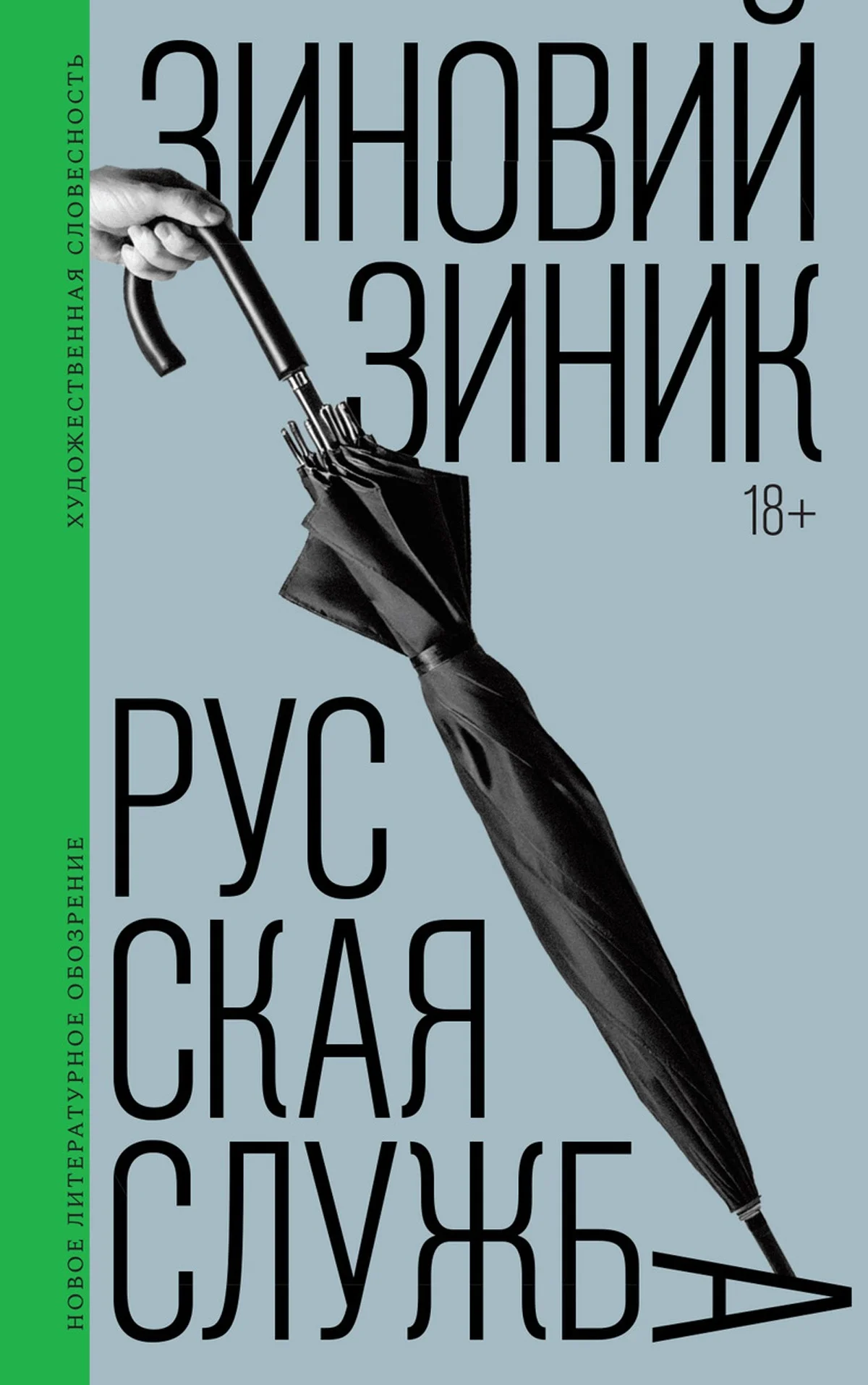
The book by Zinovy Zinik was published during the Soviet Union (and it seems that it was one of the harbingers of the collapse). The novel is imbued with a Kafkaesque spirit, but with gentle irony. The plot tells about the adventures of a Soviet official in the London offices and corridors of Foreign Broadcasting. The hero is driven by an eccentric desire to find out what radio presenters look like. Of course, this is a symbol - “Russian Service” appears as a bitter metaphor for the facelessness of power. It is also a search for living persons in an attempt to identify them with voices with which close, albeit ambiguous, connections are established. This is a smart text that can be perceived as a dystopia - or as a rush of nostalgia, but there is nothing to be sad about: a large and far from the best part of the Soviet past is still with us.
Guy J., Fox J. Falcon Hunting. Henry VIII and Anne Boleyn: a marriage that upended the foundations, shocked Europe and changed England
- Per. from English I. Nikitina. — M.: KoLibri, Azbuka-Atticus, 2024
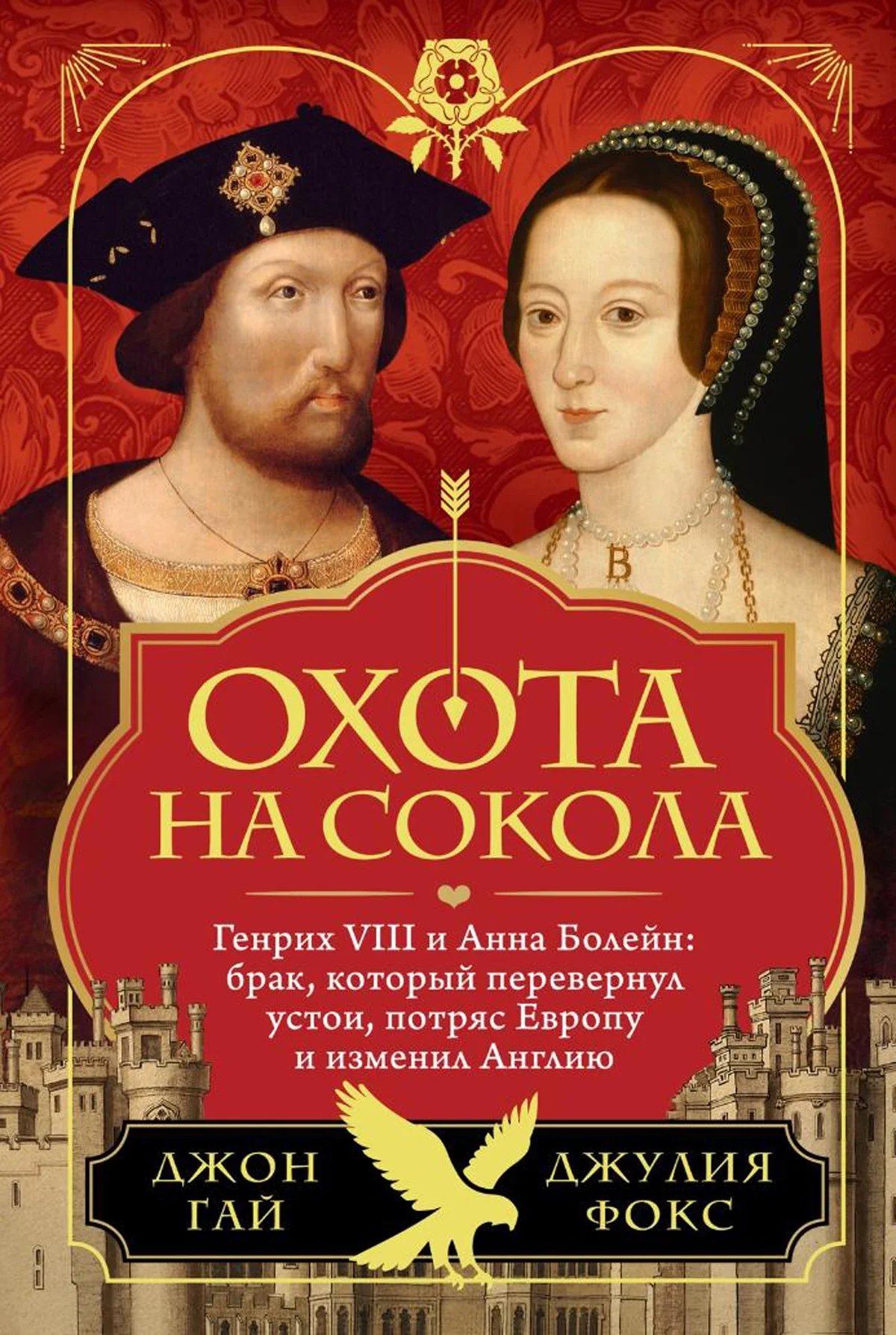
“Another Boleyn?” — I want to be sarcastic about this book, but that’s only until you start reading. The great and tragic era of the Tudors is probably the most important for the Russian reader in the history of England: reflected in books, in films, in TV series, it seems familiar better than all others. The relationship between Henry VIII and Anne Boleyn is not only a central plot of the Tudor era, but in many ways a classic love story.
Henry VIII not only followed his feelings, as is most often believed (there is no doubt that his passion was sincere and deep), but was also largely guided by sober calculation: perhaps his marriage to Anne Boleyn was only a pretext for the stormy beginning of the English reformation.
This does not change the fact that Henry VIII was one of the first sovereign monarchs of Europe to follow his feelings, but in the pages of The Falcon Hunt he appears to be a much more cunning politician than is commonly thought. And in this, too, he was more a king of the Modern Age than of the Middle Ages: his first divorce and marriage to Anna predetermined the feverish (and generally ruthless) history of his next four marriages.
Last, but not least: Anne Boleyn was also ahead of her time in many ways. She managed to at least temporarily reverse the centuries-old enmity between the British and the French (she began her career at the French court). Anna tried to play an active role in both politics and diplomacy - she saw examples of such behavior of queens in Paris. Perhaps one should not see her as a proto-feminist figure, but she clearly perceived herself as a woman on the throne differently than most of her contemporaries.
For the Russian reader, this book is an ideal escape into history: here is not just another family saga in the spirit of Game of Thrones, but a history documented right down to the bills for the gold dishes.
Max Volodin