
Translated material
Non-systemic
How System of a Down leader Serj Tankian expresses his pain and the pain of his own people
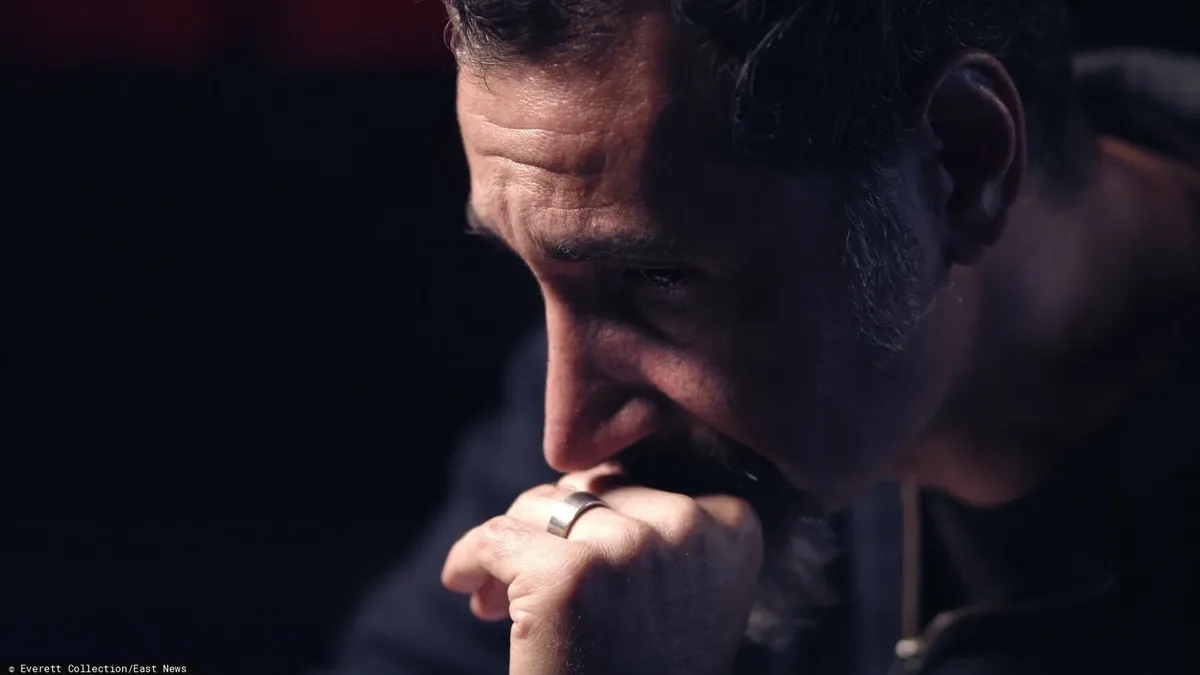
Serj Tankian. Photo: Everett Collection/East News
Serj Tankian gained fame as the leader and vocalist of the nu metal band System of a Down and, no less, as an activist for his social activities. It was he who started a campaign during which he appealed to the US authorities and personally to President Barack Obama so that the fact of the genocide of the Armenian people would be recognized at all levels. Tankian encouraged all concerned to write appeals to Obama in order to “put an end to international approval of the mass murder of Armenians in Turkey” in the first quarter of the 20th century. The admission of guilt by the Turkish state and compensation for damage to the families of the victims are two key points in Serj Tankian’s activities.
The louder the songs of his band thundered, the harsher became the criticism of those who allow and increase injustice. An American with Armenian roots became popular thanks to his highly social lyrics and unique vocal style.
Tankian’s work is simultaneously music, cinema, painting, journalism and poetry, and in each of these directions he remains true to himself and his principles. Armenia, its past and present are present in all his works. This is not music at full volume - this is the pain of our own people. Serge continues to scream for them - the innocent murdered.
Emigration
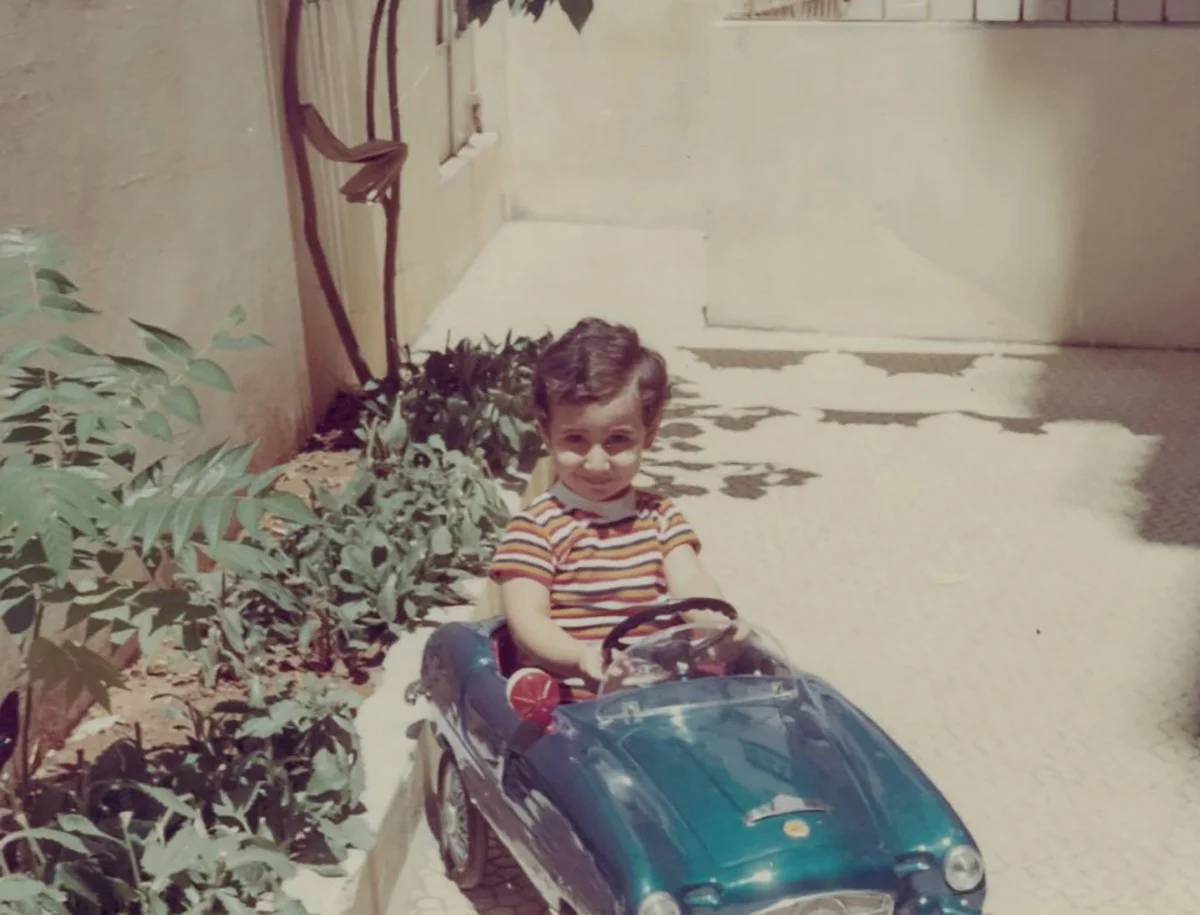
Serj Tankian was born on August 21, 1967 into an Armenian family in the Lebanese capital, Beirut. “For the first seven years of my life, we lived on the ground floor of a three-story house in the Achrafieh district. My memories of that time in Beirut are hazy but also sensual: the deep blue of the Mediterranean, the low rumble of my father's Chevy Nova, the bright white stucco of my grandparents' house, the sweet, fragrant smell of jasmine in the courtyard behind our apartment. And to this day, the faint smell of jasmine brings me back to our small courtyard and to this tree,” Tankian himself later spoke about that time, not without nostalgia.
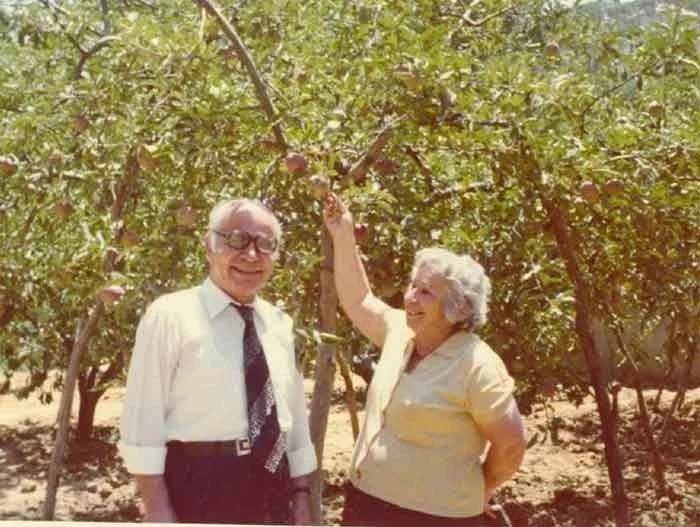
At the beginning of the twentieth century, many victims and witnesses of the Armenian genocide found refuge in Lebanon, where they could start a new life. This is what happened in the Tankian family: “My grandfather, Stepan, was rescued and was in an American shelter, and later in a Greek one. This was the case before arriving in Lebanon as a refugee. My grandmother, Varsenik, was saved from massacre by a Turkish mayor who risked his own life to do the right thing. These are not stories from the archives. This is the honest story of my family,” Serge recalled.
Peaceful life ended with the advent of civil war in Lebanon. Then the Armenian family decided to move to Los Angeles and become emigrants - like the previous generation of grandparents who survived the genocide. The Tankyan couple with their sons - the eldest Serge and the younger Sevak - went to seek peace and build a life in a completely unfamiliar country with a flag of stars and stripes. In Hollywood, the future musician attended the bilingual Armenian school Rose & Alex Philibosi, where he studied the basics of marketing and showed interest in music. Young Tankian mastered playing the guitar and started singing almost simultaneously.
The versatile young man, like a sponge, absorbed music of different genres: in addition to the endless variety of rock and metal, it was the national music of Armenia, Greece, France, England, and Arab countries. Later, this cultural musical baggage will result in the syncretism of the music of System of a Down.
America
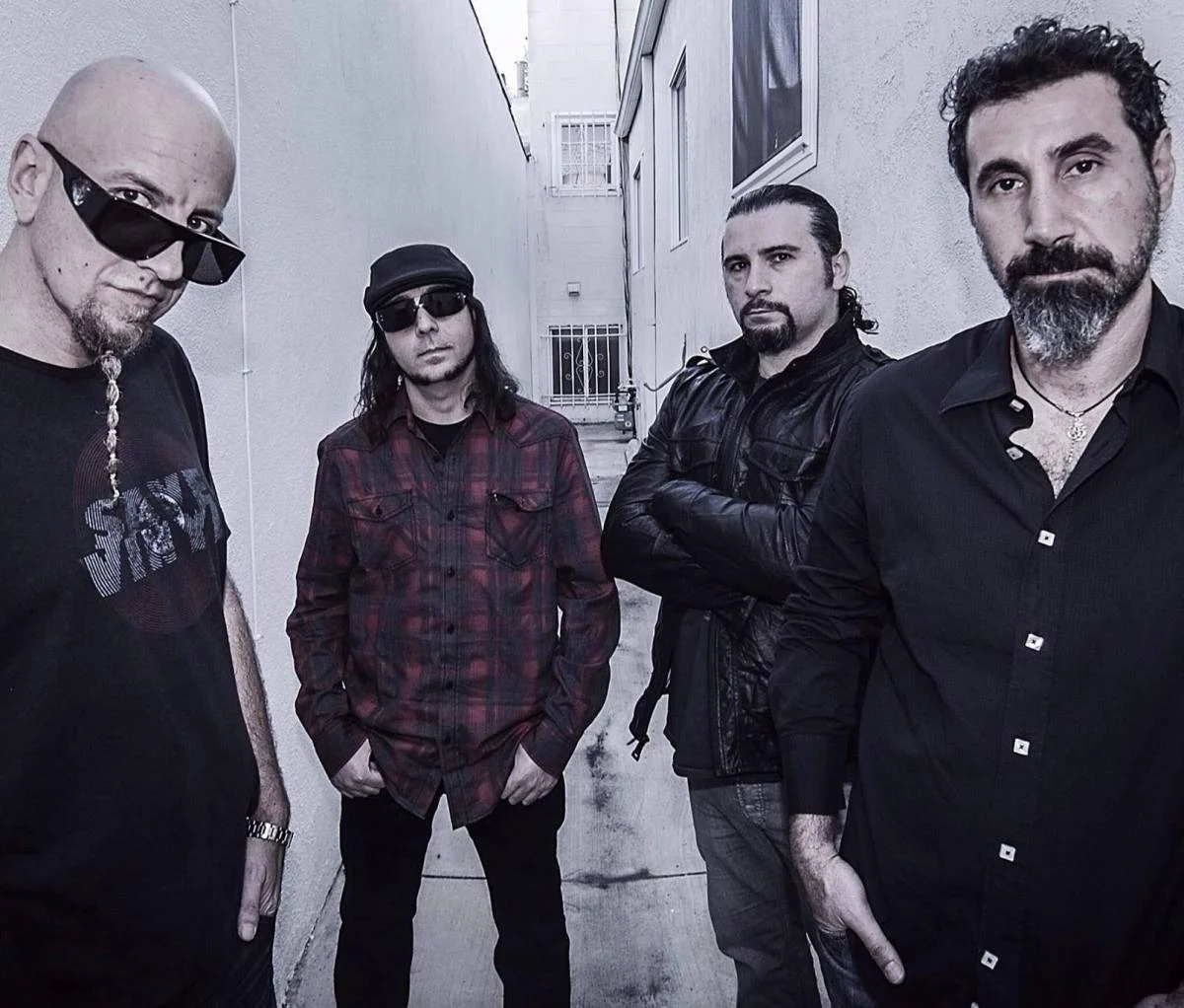
In the early 1990s, Serj Tankian, having joined the Armenian community in Los Angeles, met guitarist and vocalist Daron Malakian. In 1994, young people organized the first musical group, calling it Soil (“Soil”) - as a reminder of the roots, because all the participants were connected by blood and soul with Armenia. In addition to Serge and Daron, they were also joined by their common school acquaintance Shavarsh “Shavo” Odadzhyan. The grinding-in stage, during which we had to say goodbye to drummer Andy Khatchadourian, lasted about a year. In 1995, the group took a new name - System of a Down, and John Dolmayan took over the empty seat on drums. With this lineup - vocalist Serge, guitarist Daron, bass guitarist Shavo and drummer John - the group began giving concerts in clubs in the USA. It was in one of these clubs that the famous producer Rick Rubin, head of American Recordings, noticed the musicians. SOAD made a lasting impression on him. The group signed a contract with American Recordings in late 1997. A year later, the group released their first self-titled album, which was the result of collaboration between System Of A Down and Rubin.
Musical life began to boil more than ever, System began to share concert venues with real rock monsters - Metallica, Black Sabbath, Limp Bizkit, Soulfly and others. One of the most famous festivals where they participated is Ozzfest. A real school for the group was a joint tour with the groups Slayer and Sepultura. Serj Tankian later shared his memories of his first big performances: “We were scared as hell on stage. We just survived by learning to interact with the audience. We felt like the Slayer crowd hated everyone else. They looked at us and said, “Who are these damn idiots?”
We had a really hardcore crowd with tattoos cut out with knives. You had to be able to duck from bottles flying at you, yell and scream, use your authority and learn to control the audience.
It was an incredible boot camp that shaped us as musicians.”
Toxicity
Gradually developing, System Of A Down began to collaborate with the most famous bands, participating in the recording of various collections and soundtracks. Over the course of three years, SOAD gained great prestige not only among fans, but also among the most famous critics. In 2001, the second album, Toxicity, was released, which consolidated the success of the rockers. The disc went platinum, occupying the top lines of numerous tops and charts.
The release of the new album was overshadowed by the unsuccessful free concert on September 3, which was attended by more people than expected. The local fire department forcibly banned the performance, preventing the musicians from explaining themselves to the public. Angry fans of the band destroyed the stage, destroyed musical equipment, and came into direct conflict with the police. The riots continued for six hours, during which six rowdies were detained. But a more serious blow awaited the musicians ahead. On September 11, 2001, America was shocked by a terrorist attack whose scale was beyond belief.
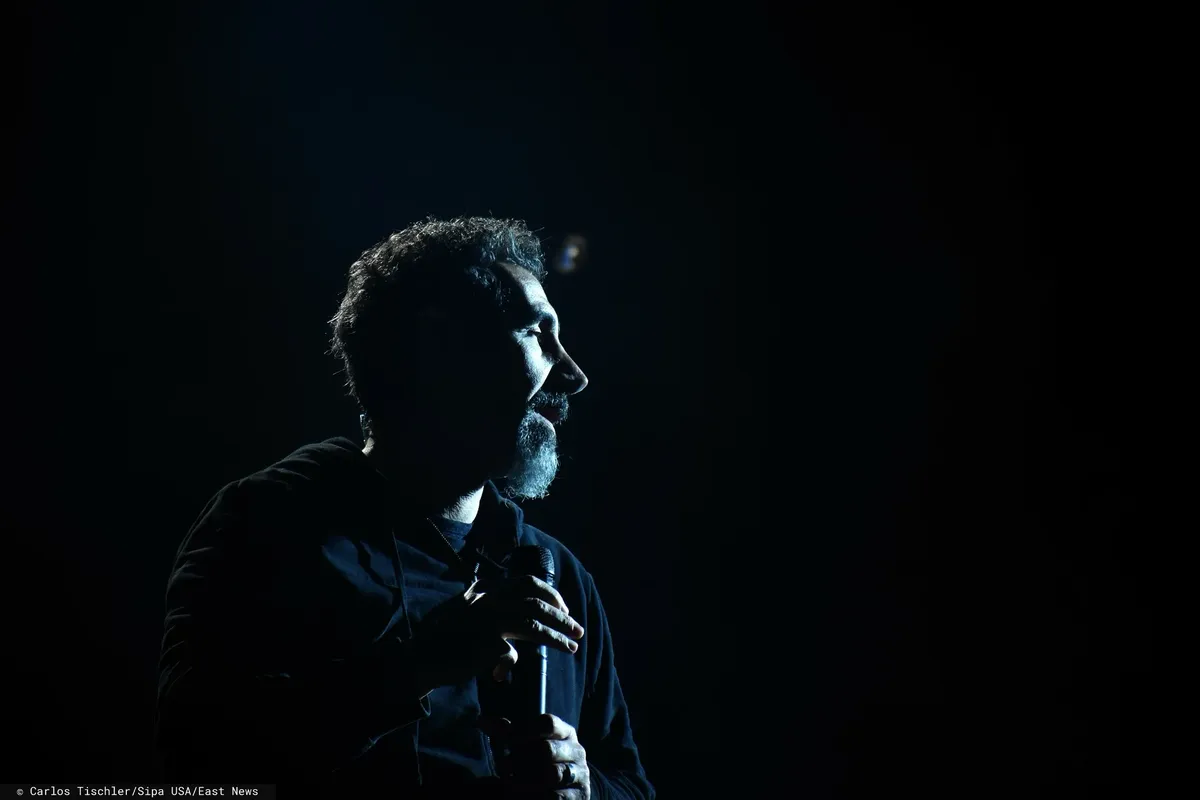
Two days after the terrorist attacks on the World Trade Center towers in New York, Serj Tankian published an article on the official website of the group System of a Down entitled “Understanding Oil”, in which he tried to present his view of the motives of al-Qaeda**: “Terror is not a spontaneous human action that has no basis. People don't hijack planes or commit suicide without thinking about their actions. Is no one in the media asking why these people committed this horrific act of violence and destruction?” The public reacted immediately. A barrage of criticism and threats fell on Serge and at the same time on all the other members of the group. He himself called the publication “a sober analysis of the failure of American foreign policy to curb extremism.” The band's label, Sony, disagreed. They deleted the post and accused Tankian of trying to justify terrorism. System Of A Down began receiving threats: the band were warned that the venues for their US tour for the Toxicity album would be bombed.
“The pressure was incredibly intense. It is noteworthy that much of the anger towards me and the group had a xenophobic connotation. We were despised as immigrants from the Middle East who had the audacity to criticize the country that took us in and gave us opportunity. Although Armenia is not actually in the Middle East, no one focused on the geographical division,” Serge shares in his autobiography.
System comrades turned to Tankian with the question: “Do you want us to be killed?” Serge’s response was: “Guys, I’m so sorry, I love you all. And of course, I don’t wish any harm on any of us. I naively believed that in a democratic country you can always tell the truth.” In response, he heard: “We know it’s true, but you don’t have to always say it.” Afterwards there were awkward excuses and an attempted apology on the Howard Stern show. “At one point, Howard directly asked if we (System of a Down) hated America. “No, we love America!” - I answered. It was true. I loved and love America. But I don’t think I’ve ever felt less involved with it than I did in that moment.”
Vertex
In 2006, the members of System of a Down temporarily suspended their joint activities, focusing on solo projects. In 2010, the group reunited and went on a European tour the following year. Five years after this, System of a Down’s world tour took place, dedicated to the 100th anniversary of the Armenian genocide - Wake up the souls. As part of it, the group visited Moscow, giving a concert at the Olimpiysky sports complex. On April 23, 2015, they performed in Yerevan with a free concert on Republic Square. This event became very important for all members of the group. In an interview, Serj Tankian shared his experiences:
“It seemed like the band's mission was to play this gig, and I felt it in my bones. It’s like SOAD was created just for this day.”
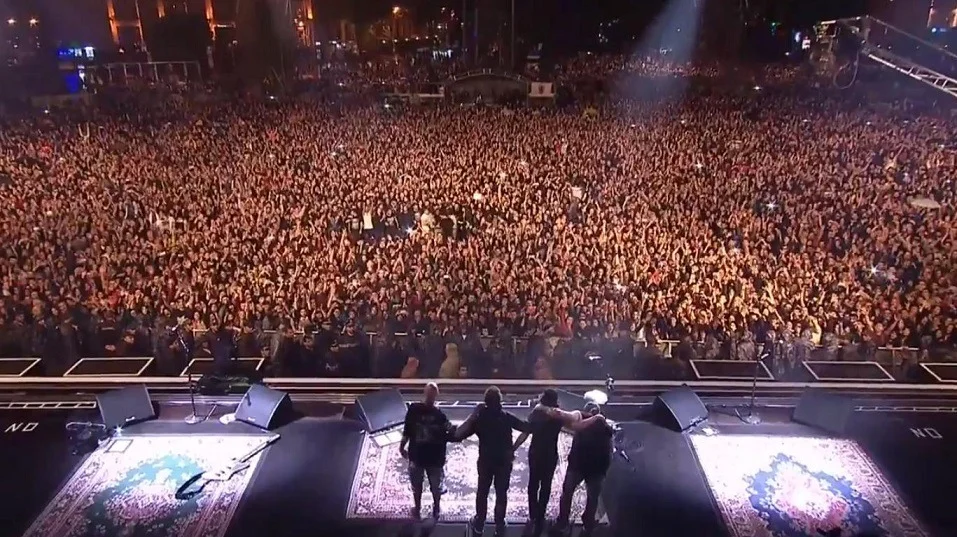
For SOAD, this show in Yerevan was the pinnacle they had been striving for for over 20 years. Millions watched the live broadcast of the concert, which made the tragedy of 1915 more visible in the information field. That evening, on stage in Yerevan, Serge told the story of his grandfather Stepan, who was only five years old when his father was killed before his eyes.
After a successful world tour and a grand performance in the Armenian capital, System Of A Down went through a long period of calm and came to life for the last time in 2020. The team presented the tracks Protect The Land and Genocidal Humanoidz, created in the desire to protect the culture and people of Armenia. Profits from the songs were sent to the Armenia Fund, which helps victims in Nagorno-Karabakh.
Motherland
In his memoir, Down with the System, Serj Tankian writes: “I never wanted to be the guy who says the right thing to make everyone feel better. It's not that I'm trying to upset people, it's just that my life's work has always been about learning how to communicate hard truths in difficult times in a way that people can hear." According to Serge, this was the whole essence of System Of A Down's activities.
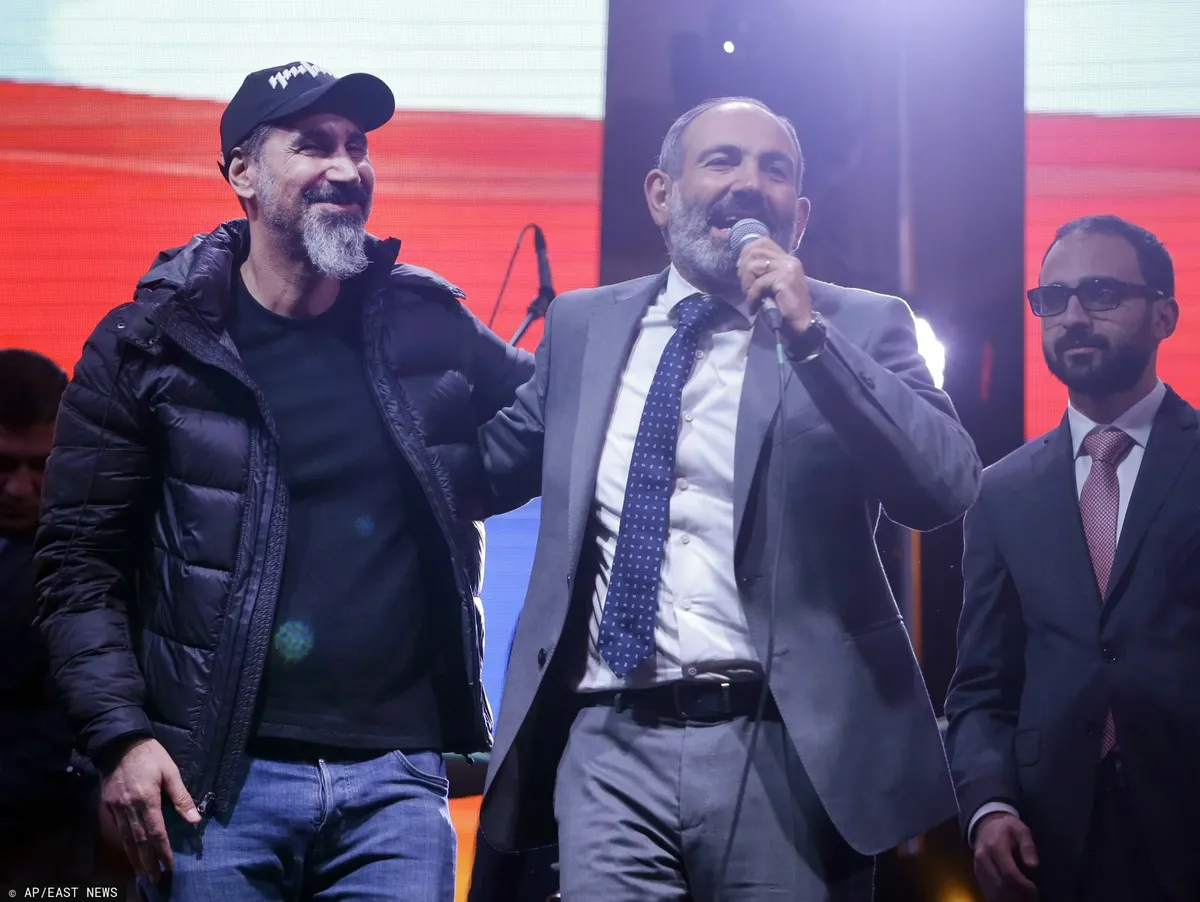
Despite his isolation from his homeland, Tankian was always not indifferent to its fate and was never afraid to voice his position. The rock musician did not remain indifferent to the political changes that took place in Armenia in the spring of 2018. Serge then found himself in Yerevan and supported the opposition protests, calling them a “beautiful revolution.” Later, talking about events in the country, Tankian admitted to reporters that he did not sleep at night and watched what was happening online. In his accounts on social networks, he warned fans that he would not give concerts, and indeed, on that visit to Yerevan, Serge sang only one song in Armenian - “The Good Stork”. It begins and ends with these words:
*I am not homeless, not a foreigner,
I have peace, I have shelter.
Free homeland, happy country,
Happy, happy country...*