
Translated material
“What kind of heroes are we? Nobody gives a shit." Report from the center where prosthetics are installed for military personnel who returned from the front without arms and legs
A hospital with barbed wire and months of waiting for prosthetics
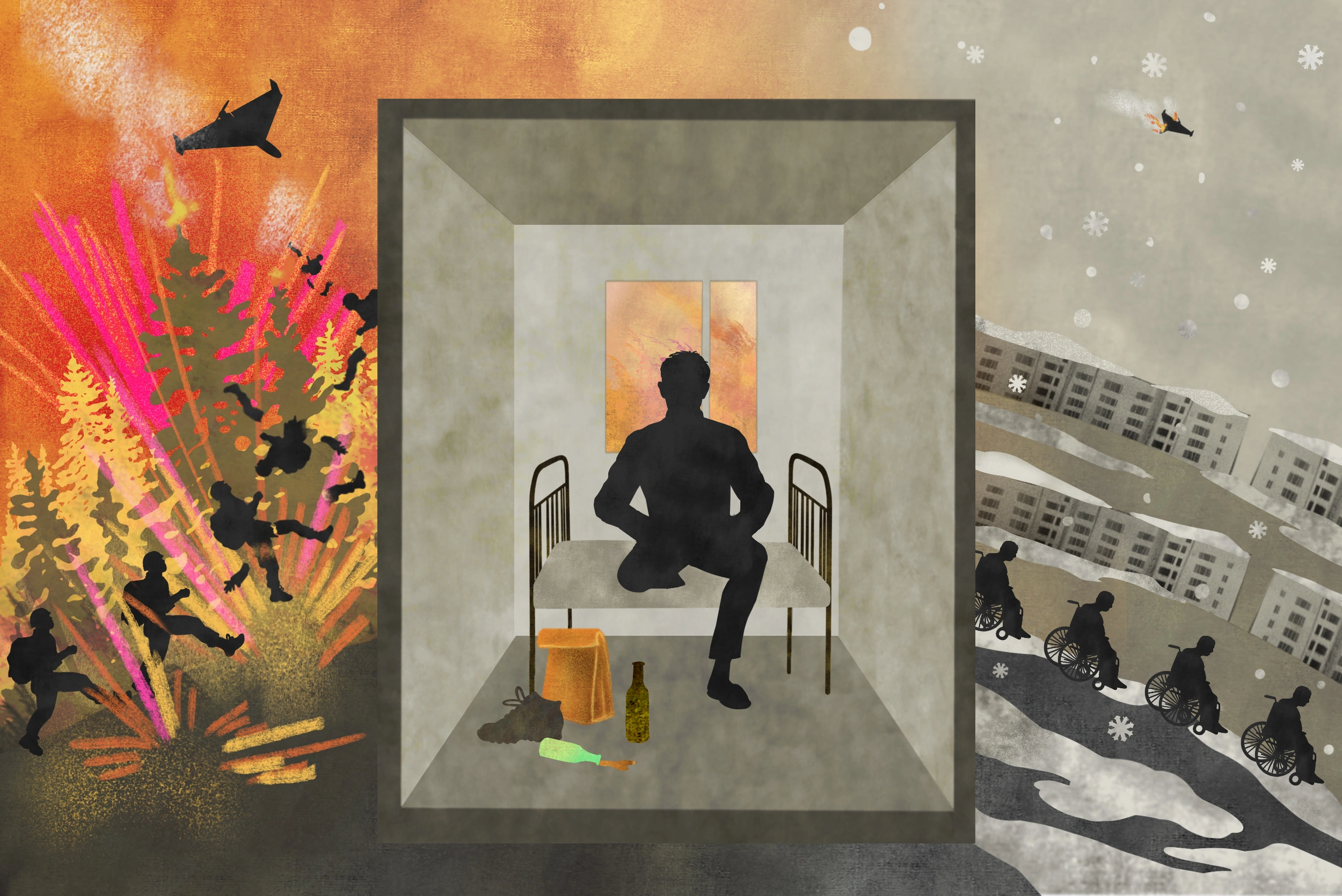
The war in Ukraine, according to the first unofficial data alone, disabled more than one hundred thousand Russian military personnel. At least half of them, according to the Ministry of Labor, suffered amputations. Officials call such men “heroes” and promise to surround them with care. One of the showcase projects of such “care” is the Voronovskoye rehabilitation center in Moscow. “Verstka” managed to enter this closed and guarded institution, talk with the military and gain access to audio recordings of conversations between employees and patients. Why veterans of the Northern Military District with amputated legs and arms wait months for prosthetics , where they plan to spend the millions received for their injuries, and whether they feel like the “heroes” that propaganda makes them out to be - in our report.
In order not to miss new texts from “Layout”, subscribe to our telegram channel
The names of the center's employees and military personnel have been changed for security reasons.
“It’s like fucking serving time”
“It looks like some kind of camp, but not for children, but like Auschwitz,” doctor Alexey i begins the story about the center. He has been working in the institution for several months and has not yet had time to get used to the conditions and features of the new place, which other employees perceive indifferently.
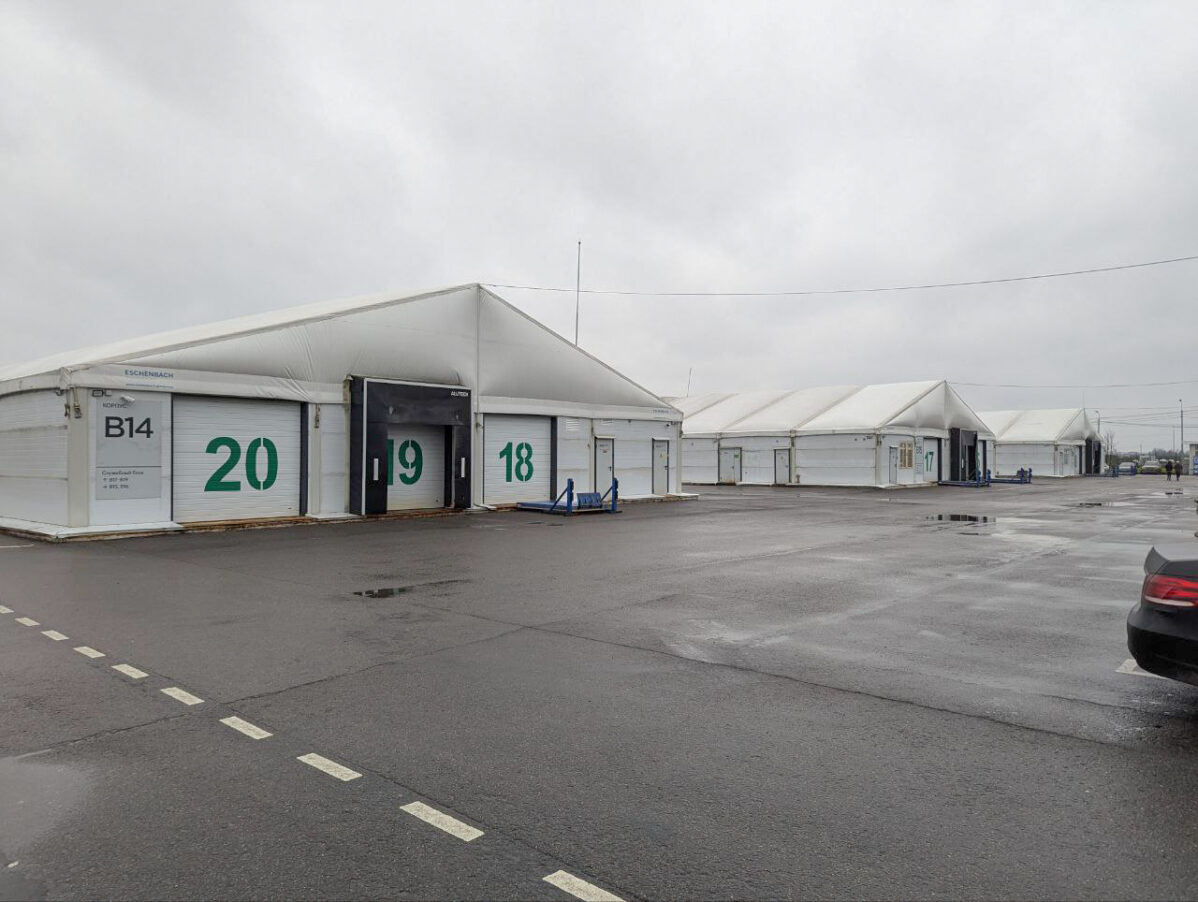
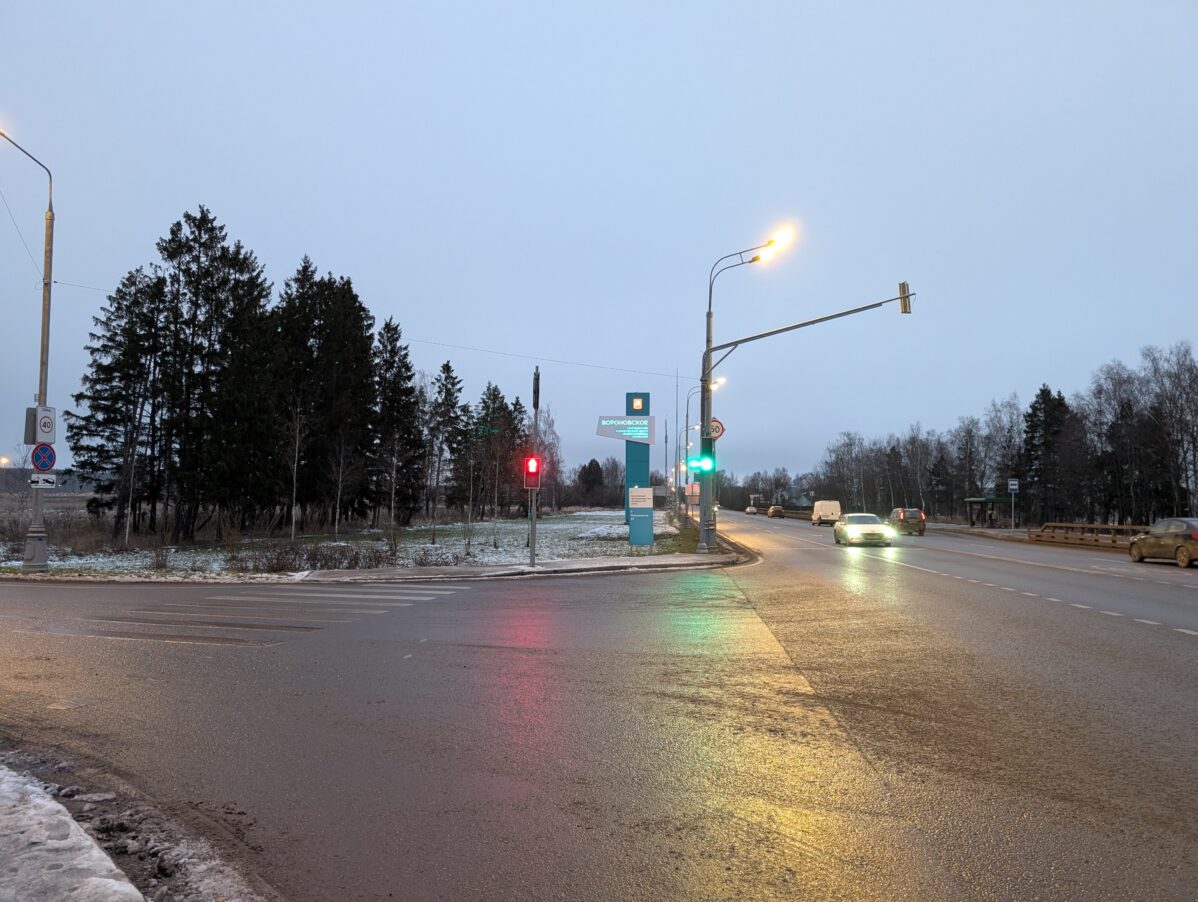
The Voronovskoye Moscow Clinical Center for Infectious Diseases was built back in 2020, at the height of the coronavirus pandemic. It is located in New Moscow on Kaluga Highway, half an hour’s drive from the Moscow Ring Road. There are dozens of buildings on its territory: medical buildings, warehouses, hangars, as well as residential buildings for employees and patients. In coronavirus times, the center was designed for almost a thousand patients.

The pandemic was replaced by war, and in the spring of 2023 the institution was converted into a surgical hospital for operations, rehabilitation and prosthetics for participants in the invasion of Ukraine. The authorities promised to “provide attention to everyone who needs it.” It was assumed that not only SVO participants, but also civil servants of the “new regions,” as well as civilians injured during the fighting, would receive medical care here. But due to the influx of wounded, only military personnel with severe injuries are now housed here—those who have lost one or more limbs. Alexey works with them. For security reasons, we do not indicate his specialty.
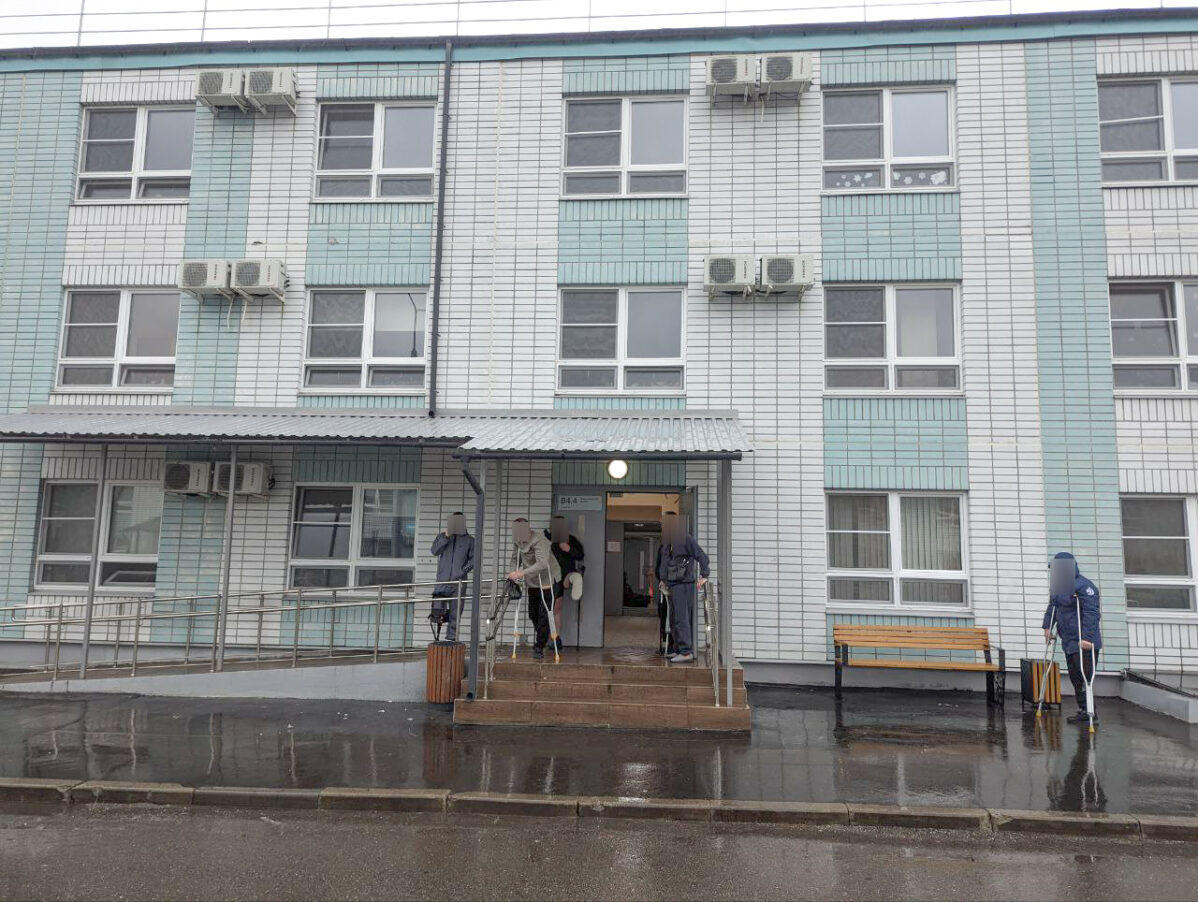
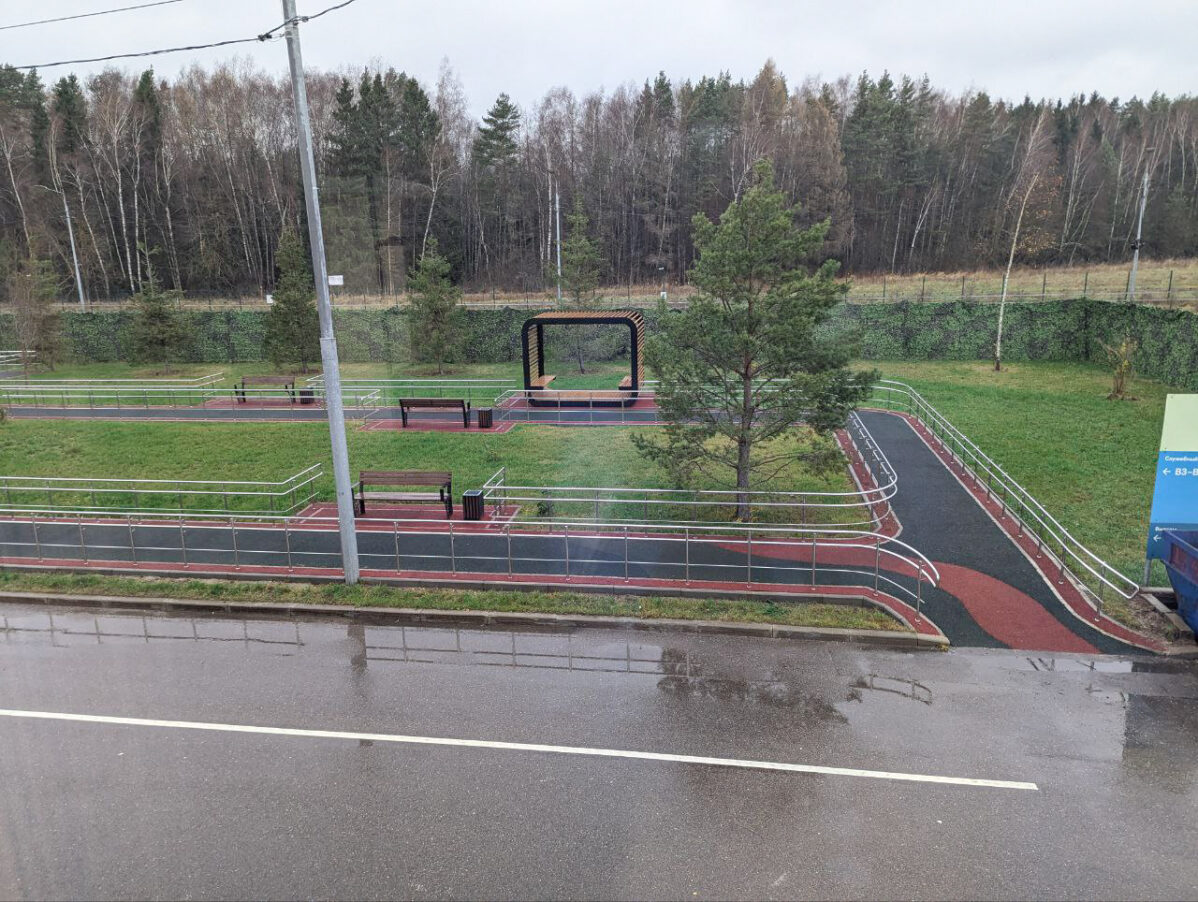
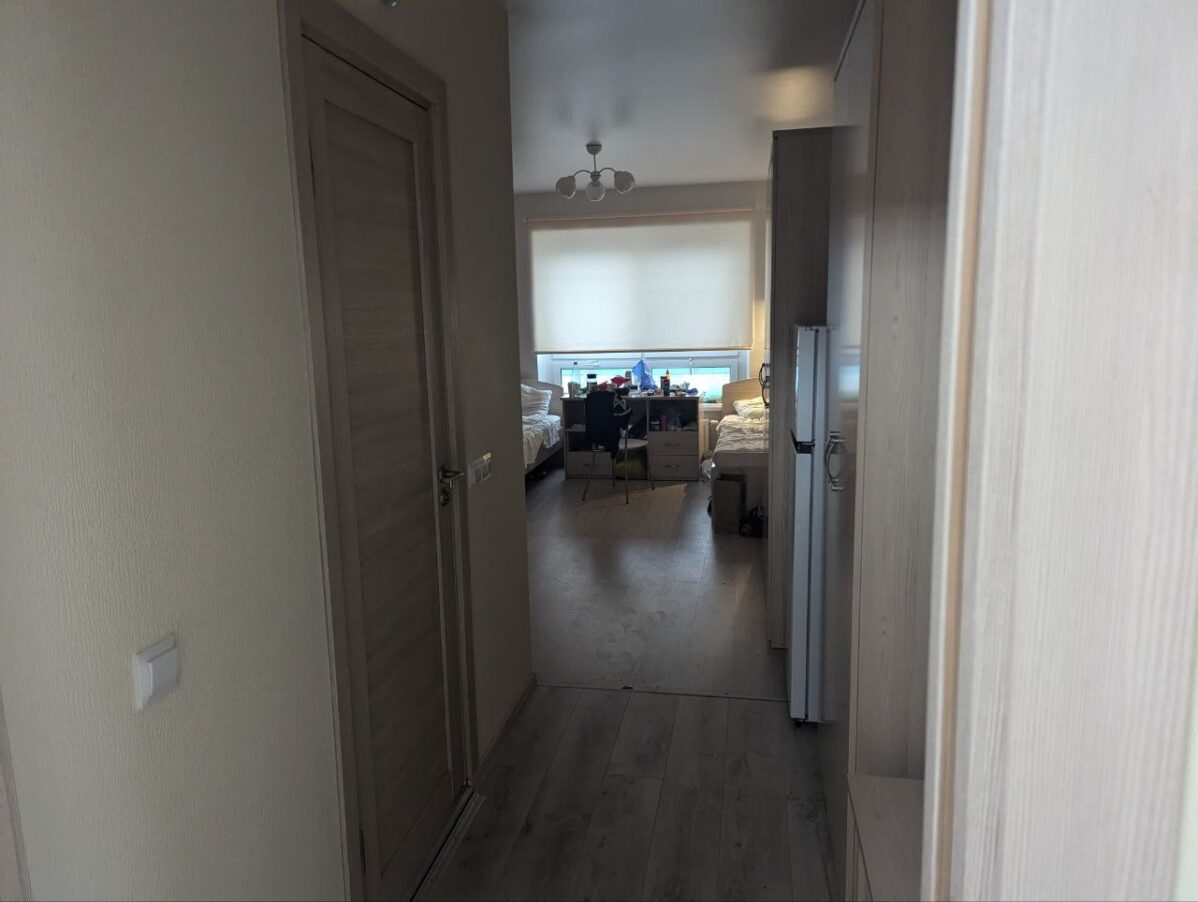
After a few minutes of conversation with the doctor, it turns out that the comparison with Auschwitz is exaggerated - the military live in comfortable double rooms with a shower, TV and the Internet. The fact that this is a security facility is reminiscent of the barbed wire along the entire perimeter, dozens of guards and emptiness - the territory is almost deserted.
In the center there are several checkpoints, littered at the entrance with packages from food delivery services and ready-made meals - “Tasty and full stop”, “Pyaterochka”, “Vkusville” and so on. Couriers are not allowed into the territory, and security guards have to deliver food to the buildings - the center is monitored by private security company employees. Relatives of military personnel, and almost no one in general, are not allowed inside.
There are two residential buildings for patients on the territory - a two-story and a three-story. At the entrance to one of them, several military men on crutches are smoking. Two men without legs discuss their upcoming discharge:
— The grate opens in front of your face, and you are again in this incomprehensible world.
- At all. Don't talk.
- It’s like he served time, fuck.

A little to the side, the doctor is talking to another SVO veteran, who raises his voice: “This is a trigger for us, we immediately want to fuck! “Wait,” “be patient”—for these words you can immediately hit with a hammer,” says the man who does not have a right hand. He is dissatisfied: the prosthesis is waiting for a long time. Like most of the center's patients.
A grenade launcher hit, stepped on a “petal”, a kamkaze drone flew in
600 “veterans” undergo rehabilitation at the center. One of them is Andrei Rybakov from the Belgorod region, a tall, muscular man of about 50. He calls himself a “patriot,” explaining that he went to war in the spring of 2022, and “not for millions, as now.”
“In '22 it was mostly patriots. Now there are none left. I walked because Belgorod region, fuck, I knew how things really were. It’s not like that when you sit behind the Urals and think “fuck it.” I knew what kind of force was gathering there. The crests left me no choice,” says Andrey.
He managed to hold out at the front for about a year; in the spring of 2023, the man was shot from a grenade launcher and received severe wounds to his lower extremities. “My whole leg was blown off, my ass is gone. A year and a half in hospitals, a very long time,” says the military man.
According to the center’s staff and the military themselves, a grenade launcher is one of the most common causes of limb amputation. The other is a mine explosion.
“We were supposed to be border defense, but we were sent behind the ribbon, where the whole ass began. A month later I was wounded. “I stepped on a “petal,” says Alexander, a young man without a leg.
“Three months at SVO. I ended up in Gorlovka, in an assault, senior gunner. Wound? Grenade launcher in battle. It hit my hand, then they threw drones at me. They finished off. My arm was completely torn, my friend tied it with a tourniquet and that’s it,” recalls the moment of injury, 50-year-old Igor from Tyumen.
“I walked into the bushes, a kamikaze drone flew in, my leg didn’t fly off, it was intact. They just cut it off in the hospital. I think they didn't bother. They could have saved us,” says Stepan, a sniper from Rostov-on-Don.
From the center’s data, which is at the disposal of Vorstka, it follows that in almost half of the cases, military personnel receive severe injuries in the first months at the front. Only a few manage to hold out for a year like Andrei from the Belgorod region. After a serious injury, the route for the military is approximately the same: they are evacuated from the battlefield (some crawl on their own), then their limbs are amputated in a field hospital or hospital in an occupied region, transported to Rostov-on-Don, St. Petersburg or Moscow for subsequent operations, and then sent to hospitals, sanatoriums and rehabilitation centers to get used to a new life.
"Atmospheres of 'Why, Lord?' not here"
In the passage near the Voronovsky residential building, a rehabilitation therapist, laughing, teaches a military man how to step on a prosthesis correctly.
- Don't you feel tired?
- No, everything is fine.
- Yes, this is express training. Ha ha ha. Well done! And he pushed it out again, here he is, he put it in normally, here he is, off he goes, handsome. Why is everyone looking at him? We work, we work, we work. How are you, warrior, are you okay? Come here to me. It’s too stuffy, look how much freedom I give you.
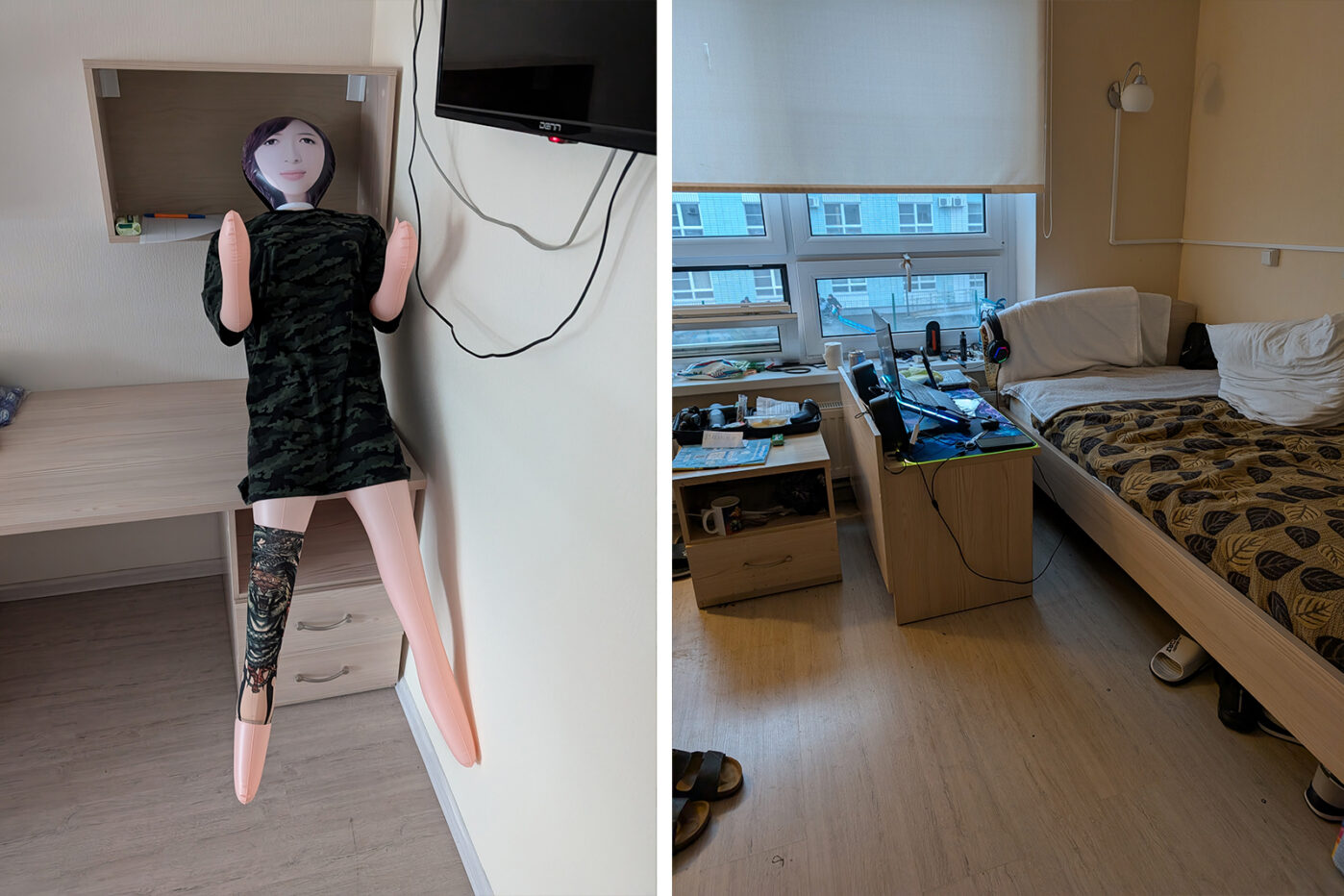
There is bustle in the corridor, doctors and workers are scurrying back and forth, military personnel on crutches and wheelchairs are trying to squeeze through the doors. Everyone laughs. Nearby - in the dining room - employees in high spirits discuss their “favorites” among the patients, the size of the genital organ of the husband of “one friend” and a sex doll in one of the rooms.
“And for the first time I saw a rubber woman. They have a doll there on the third floor, its name is Masha. I go to them, I was so scared at first. I tell you guys, why is she standing on your knees, begging for it? Why did you offend her? They say, no, we need to cheat her. And the face is so Asian. The next day they fooled her and put her on a T-shirt. But somehow I didn’t like her,” says one of the center’s employees, bursting into laughter.
The owner of the doll, a curly-haired red-haired man without a leg, sits in a room on the third floor. Meeting the center's employees, he laughs and immediately offers to inflate the rubber woman.
“We need to inflate it, there’s a pump over there.” She's completely intact. Who would be like this anyway... Mash, I’m sorry, of course,” he says. With the same booming laugh, he talks about injury, hospitalization and amputation. Nearby, his roommate jokes, ironizing about the rising cost of housing in Russia, for which even new military payments are now not enough.
“We all laughed and joked there all the time,” confirms one of the military men, who was discharged from the center with a prosthetic instead of his left leg before the New Year. - Psychologists were afraid that I would fall into depression, they say, I was a young guy and without a leg... But I told her that I was offended by one thing... Bitch, the shoe was new... I later told this joke to all the doctors. They were surprised: you are always so positive.”
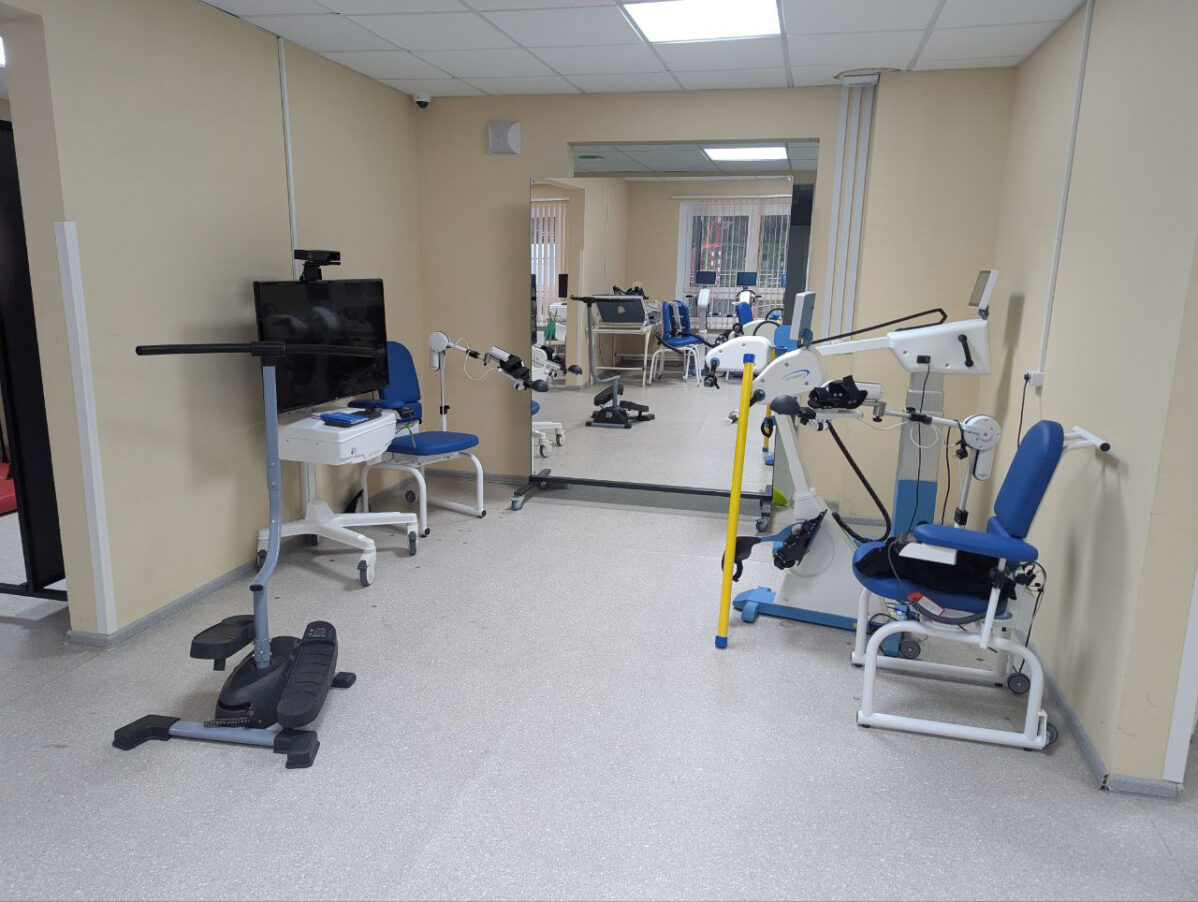
Many other military personnel are also “positive”, judging by the records obtained by “Verstka” from “Voronovsky”. They cheerfully discuss where they will spend millions of rubles, and are glad that they earn this money while being here, and not “behind the ribbon.”
“Usually there is a shitty atmosphere in hospitals, everyone is suffering - why, Lord, did we get sick? There’s an atmosphere of “why, Lord?” no at all. The guys are really positive, they support each other. I think the point is that there is a very simple way to start appreciating your legs - to lose one,” continues Alexey.
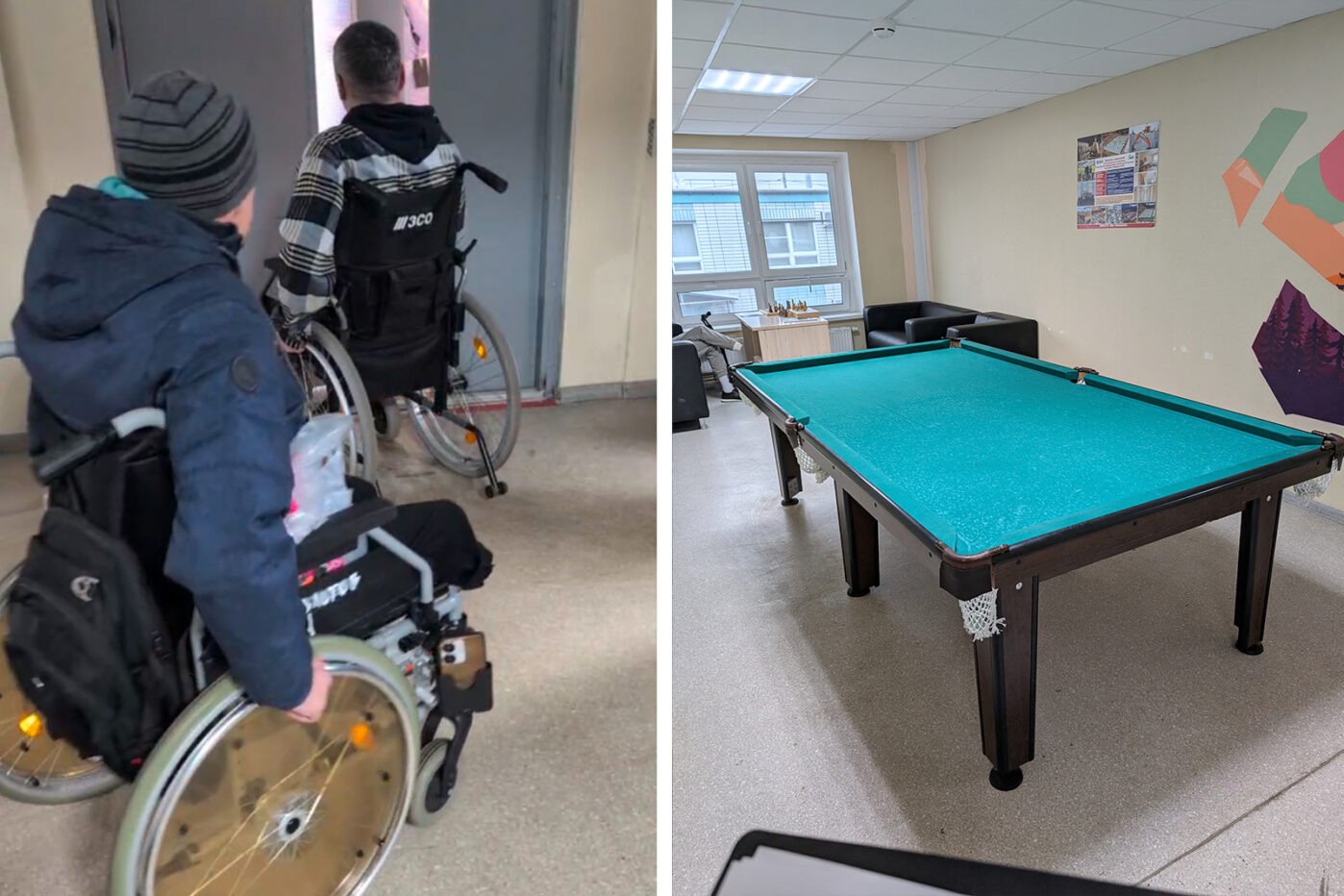
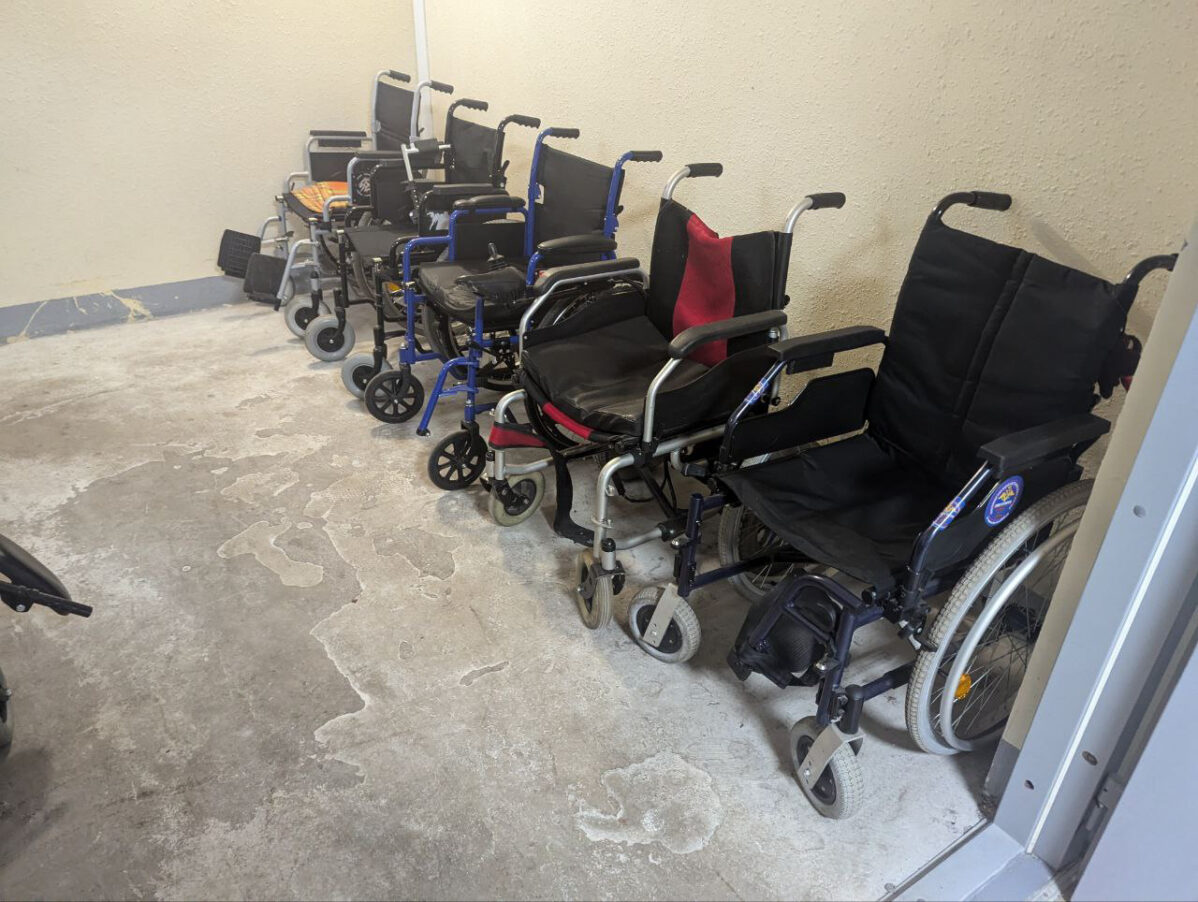
You have to joke about the situation. For example, the first thing that catches your eye inside the Voronovsky medical buildings for amputees is the absence of an elevator and gentle thresholds for wheelchairs. Legless soldiers bang their strollers against frames, trying to get through doorways. Patients on crutches hobble up the stairs to the third floor because the elevator is not working. And never worked.
“There is an obvious fuck-up with elevators and thresholds. There was no elevator initially. But they added an elevator - instead of an exit, they made a booth, and they put an elevator in there, but the elevator itself doesn’t work. Broken. People without legs on crutches have to climb stairs. There is no threshold for rolling, well, it would seem, just put a piece of wood. But no,” says one of the employees.
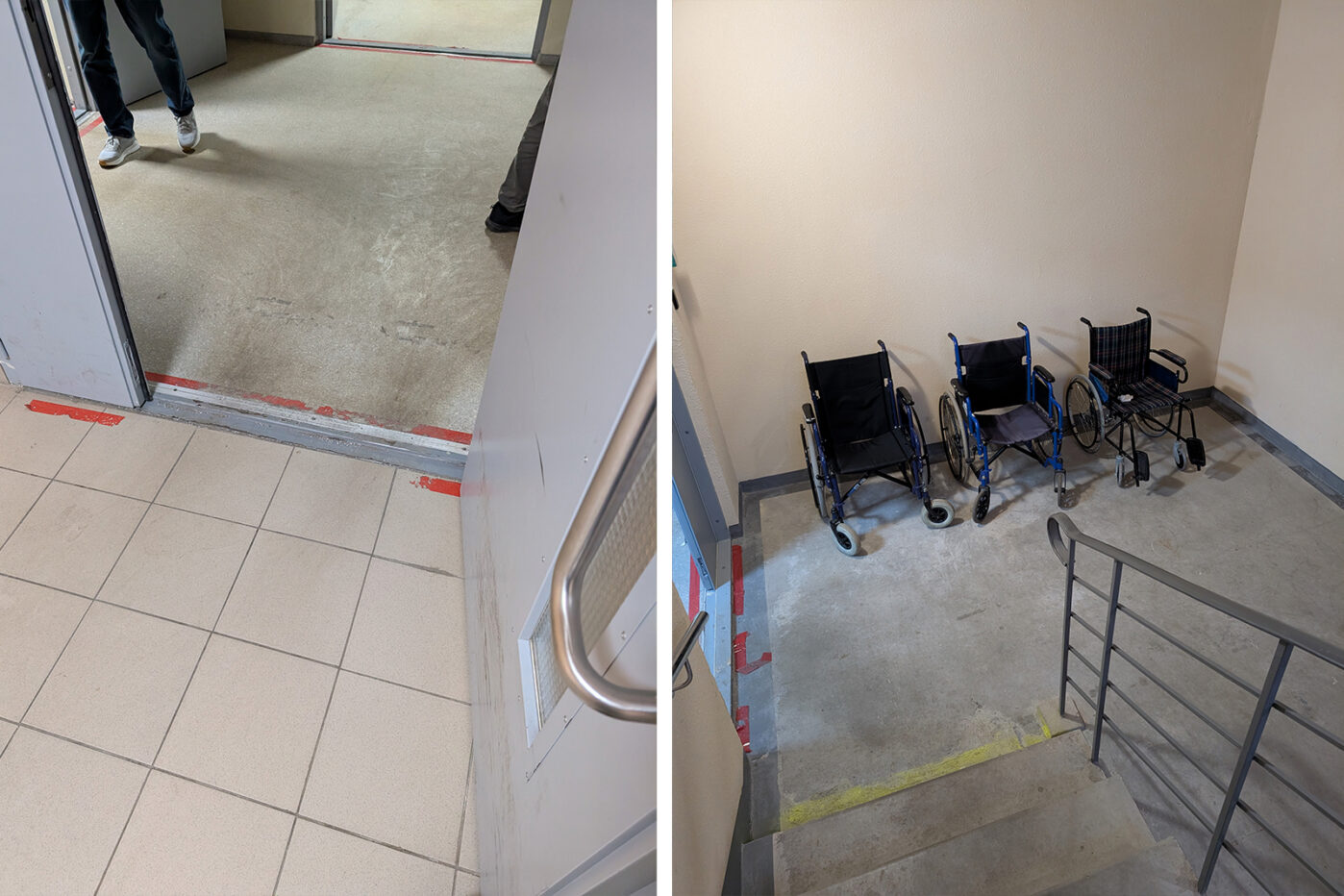
The lack of an elevator in a three-story building, where more than half of the patients are legless and walk on crutches, raises questions. But in a conversation with Vorstka, the center’s employees and the military are not surprised by this. “Nobody is to blame and nothing can be done. Just live and endure,” says sniper Stepan upset. And he adds: “They come to me and ask: why don’t you go to physical therapy? And for me to go down these stairs is physical therapy.”
“No one feels like a hero”
The hairdresser doesn’t come, there’s no kettle in the room, the neighbor “can’t wash his own ass”—everyday complaints about the conditions in the center reveal the real reason for the discontent: the military doesn’t feel like heroes. Despite the fact that Russian propaganda in the news, films and online publics broadcasts the image of a veteran hero who, upon his return, will be surrounded by care, honor and, of course, money, soldiers after months of operations and wandering around hospitals talk only about the indifference of “civilians” and paperwork.
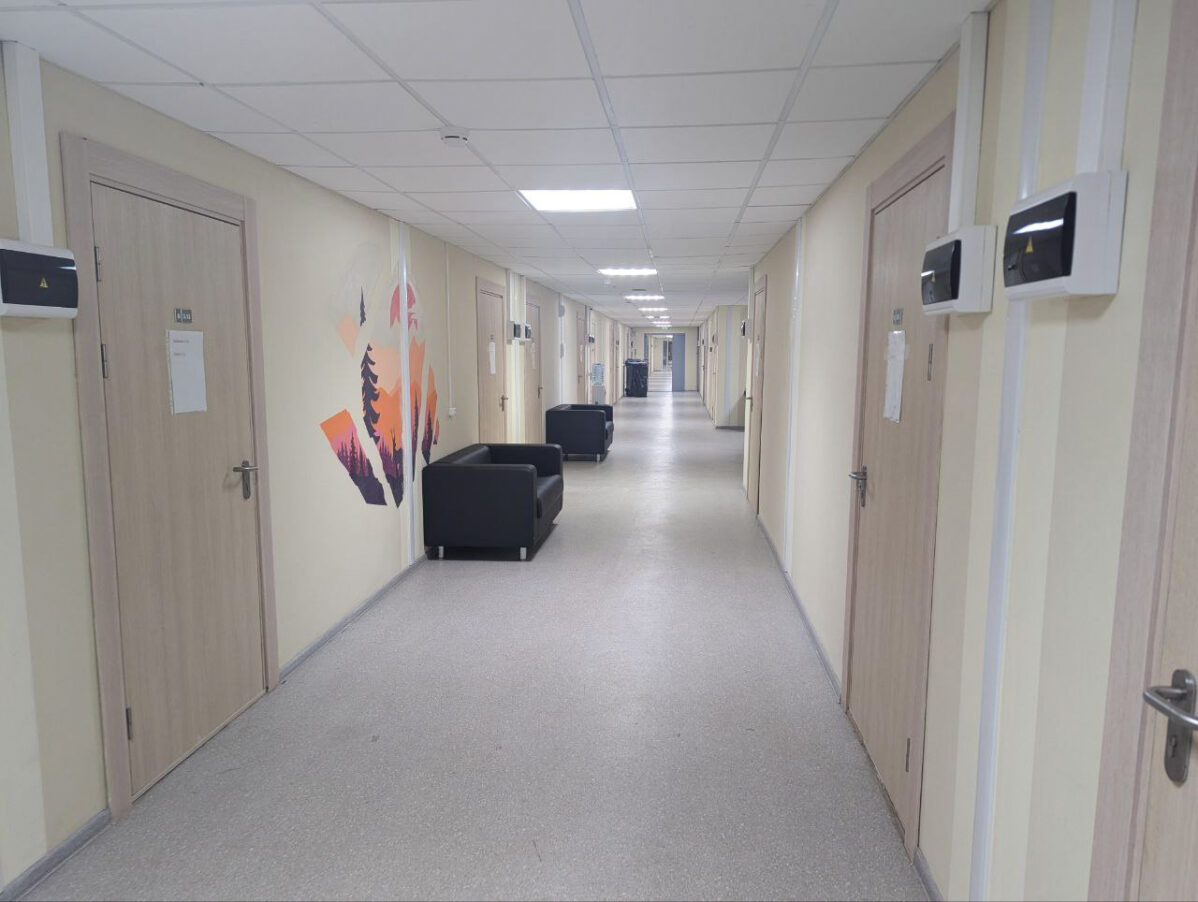
“I was not satisfied with the attitude of the doctors. We fought for Russia, as it were. And they talk to us in a raised voice. I filed a complaint and an investigation is underway. In general, I know my rights, those rights, those rights. Something doesn’t suit me, I immediately went to the investigative committee and flew off,” says 40-year-old Igor from the Krasnodar Territory.
A man talks to a center employee while smoking a vape. On his desk he has a laptop with two speakers playing electronic music. Igor came to war from a colony, where he served time for stabbing while on duty; he worked as a district police officer. In the war on the territory of Ukraine, he lost a leg and an eye. For this, he says, he does not receive any honors. He has been waiting for a prosthesis for two months.
“No one feels like heroes, no one feels gratitude. Why the hell should they feel like heroes? Putin could go here once a week. And, objectively, then I think the elevator would work. And there would be a threshold. If Putin had ever seen a guy in a wheelchair pounding away there, I think they would have put a threshold in place. If Putin was not in the amputee hospital, then there are probably no amputees in Russia,” explains doctor Alexey.
Putin really didn’t come to the center. Mayor Sergei Sobyanin was not at the institution either. Although he wrote about it twice on his blog, calling the place “unique” and noting that they “provide psychological assistance so that everything is normal and the person feels fully functional.” In fact, according to workers and military personnel, the center’s psychologists perform their work only formally (conduct tests and surveys, and also let them fill out questionnaires), and no one works fully with patients.
Vladimir Putin, who spoke at the Center for Innovative Technologies in Orthopedics at the end of December 2024, announced that his personal goal is to “make special operation fighters feel confident in later life.” “The state must do everything to ensure the implementation of your plans. And for myself, I think so, one of my most important personal tasks is to make you feel like you’re on top of your game, despite any difficulties and problems that arise.”
But none of the military men who spoke to “Verstka” feel “on horseback.” Even millions of payments do not drown out the disappointment.
“Yes, what heroes we are. Yes, that's enough. They're sending us to hell. There is no feeling that I am a hero. Our clerks are becoming heroes. They are given orders of courage. But I didn't deserve it. Although they told me that we would give it, because you were the only one who climbed on the front end, 50 meters from the crests. But then they said they weren’t on the list, they were screwed. I saw it all with my own eyes as a mobilized one. I saw that no one gave a damn,” sums up the military man Stepan.
“Are you kidding me, what heroism, what care? Nobody gives a shit. Nobody feels this way, we are generally a separate state. We came as if from the moon for everyone. Many look at us with caution... Oh well, everything is fine,” Vitaly from the Pskov region interrupts himself. He does not have a right leg with a disarticulated hip joint - his wife had to quit her job to help her husband go to the toilet, roll over and master the prosthesis. At the same time, Vitaly was assigned a second disability group instead of the expected first: “This was given to the guys who had a couple of fingers torn off. It will be impossible for my family to survive on this pension. It is also impossible to get to my place of work (and they promised to give me a job as a warrant officer at the military registration and enlistment office) - only the first group is entitled to a car with manual control. And the military registration and enlistment office said that they don’t have any places.”
He spent the payments for the injury on repairing the village house; he says there is no more money left. Vitaly, who was engaged in construction and logging before the war, had two tractors - but without a leg he would not be able to work on them. One already had to be sold to replace the roof of the house. There are debts, the collectors are calling again.
After ten minutes of conversation, Vitaly explodes. “The local authorities never showed up to me and didn’t ask me what I needed for rehabilitation. In the Nevelsky district, nothing has ever worked and is not working, no one knows or understands anything, in a word, sorry, morons. I’m just after the war and I have completely different views on life. Of course, there are grievances, but no one gives a damn. The guys in civilian life are all faced with such idiocy and indifference of the self-government bodies for which they fought that they give up. They should be sent there, the creatures... Oh, excuse me, I’m already a little carried away..."
Doctors at Voronovsky say that they perceive patients not as conquering heroes, but as active military personnel who receive payments for injuries and also a salary.

According to the new rules, they pay 3 million rubles for a serious injury, and 1 million rubles for a light injury. Until November last year, 3 million rubles were paid for any injury, and another 3 million rubles were paid in benefits if the wounded person could not continue to serve. Plus, disability insurance payments and regional surcharges. Some soldiers with several wounds talked about receiving amounts of 8 - 10 million rubles and more.
“The story at work here is about a soldier sleeping, service in progress. The experience is earned, the money is earned, they all get paid 5 million, they take houses, the wife is happy,” says center employee Alexey.
“The employees have a global idea that in the wards all strong, grown men are on the payroll. This is not a poor granny, this is not a poor girl who got sick, but this is a man at work. Many times it was said that they are at work and they have a salary, so let them fuck off,” says one of the rehabilitation specialists.
In order not to miss new texts from “Layout”, subscribe to our telegram channel
“We are fighting because our president needs a piece of land”
Talk about unfulfilled heroism leads the military to other questions: was this war necessary at all, and if so, for what and to whom? There is no consensus even in the words of one person. Andrei from the Belgorod region, for example, says that no one needs war, because he has understood “the value of just a quiet day and a peaceful sky and the value of every minute lived.” But after a few minutes he adds:
“A buffer zone along the right bank of the Dnieper, Kiev and Zhytomyr regions. Western Ukraine doesn’t fucking need it, everyone there is a complete fucking scumbag, it’s just that this tribe is to be slaughtered to hell. Don't cut it, just make it work. There for 20 years you will have to go to the toilet with a knife. Let them live there like spiders in a jar,” the military man suddenly begins to plan.
One of the social workers who spoke with the man says that he “has obvious PTSD,” but the center does not solve this problem. It also becomes clear from the recording that the military man does not consider himself a killer.
“Kill people? Murderers kill people, but in war they are not murderers. You just want to survive, and to survive you have to fight. You have a task. And not just to survive. To survive is to fall to the bottom of a trench and shout “Mom, help”... You just see, a lot of deaths everywhere, guts are scattered, they’re kicking you, there’s an offensive, you have to jump out, overcoming yourself and start fucking fighting. I'm not a killer, war is also work. In any other situation, I wouldn’t hurt a fly,” he says indignantly.
Military officer Igor, in a conversation with a Vestka journalist, says that he “doesn’t know” what to think about the war, recalls Prigozhin’s march, calling it fair, and adds that he is not fighting “for Russia.”
“We are fighting because our president needs a piece of land. This is what we are fighting for. War for a piece of land. What else? Because there are probably a lot of resources there. Why don't the Americans want to give up this land? Because if our president takes this land, then America will completely fly away, it’s not profitable for them,” the military man argues...
In general, patients are very reluctant to talk about the reasons and goals of the war with the center’s staff and limit themselves to monosyllabic answers. Something like this:
“We are doing everything right. To defeat fascism, we must take all of Western Ukraine to Lvov, to the end. All the Banderas are there.”
“This is how our country is. Where everyone wants to fuck each other. And the president is screwing us. In Syria, everything was clear when you are against terror. And here..."
“What does it have to do with the war? Pity, interest, excitement, fear, what else? Everything in one bottle, every day. This is a duty. We must meet everything that God gives.”
“Yes, my son is growing up, I don’t want him to fight. Donbass must be liberated, of course. You have to drive them away with a stick, why fascism?”
“I think the war is fair. But I'm not a politician, I don't know. Who the hell knows. Well, you can say that we could have done without her, but that’s how it turned out. It's all money."
Employees of Voronovsky, according to Vorstka’s sources, also try not to discuss “political” topics again. Even among themselves. It seems that everyone is accustomed to avoiding the war, even in the center, where hundreds of amputees live, maimed in this very war. Sometimes, however, something breaks through: for example, in conversations in the cafeteria between doctors.
“I can’t tell you in my usual company what I see here.”
- Why?
- How can I tell this? Listen, they won't understand me. I don't listen to news on TV anymore.
- Are they lying?
- Well, they're embellishing it.
— Do you know that at some point in Ukraine they started reporting on the news that they had captured Moscow?
- Yes?
— Well, in general, it’s great there in Ukraine, according to the news.
— Well, of course, no one has canceled the information war either. And ours are good too.
- And the guys here show videos like this... How they hide from shelling under their two hundred guys. How they are lying there is no longer clear where. And we see it all.
“I don’t regret going”
Does war change people? And if it changes, then how? These questions are asked by some psychologists at the center. And the military themselves. They actively discuss this, but more often they laugh it off and few reflect. The results of such reflections sometimes surprise the military themselves.
“The feeling that they want to use us to the end, to the point of melting. While I'm not fired, I'm still active. I'm done already. The number of wounds I have is simply incomparable; I even have a broken basin. I was in bed for the first six months. I have children, they are waiting for me, a family, a wife. My wife is generally offended. She cries and says: why can’t I see my happiness. For some reason, she doesn’t have many of them at work, they hide behind their skirts, they’re all happy. They are planning how they will have a great vacation at the seaside, and my wife is crying. She also wants life. Cries and asks: why such injustice? I'm walking around like I'm fainting. I'm limp now. I gave it my all. I’ve been through a hell of a lot, I don’t even have anyone to call, everyone died,” Andrei from the Belgorod region comes to these thoughts in a conversation with a psychologist.
Stormtrooper Sergei returned home from Voronovsky to Belgorod on New Year’s Eve. “I don’t feel at all that we are considered heroes, to be honest. In our city, how many times has it happened - it can be so offensive - I get into a minibus, these students are sitting, they see that I’m getting on a prosthetic leg, a military man... But they might not even give up their seat, they looked and continued chatting. And they tell me: “I went there myself, I chose it myself.”...
When I arrived home, I found myself in another world. I can’t figure anything out, life is a dugout in my head. The wife says: let's go somewhere. We went to the large Mega-Green shopping center. And there’s a cinema, Christmas trees, it’s New Year’s, you know, the mood, music for children... And everything irritates me so much! I tell her: let's get out of here. I can only sit at home for now.”
We ask if he is in contact with those who remained in the dugouts. Sergei is silent for several seconds. “You know, out of the 70 people with whom we left in 2023, three remained alive. Including me."
One of the stormtroopers who lost his leg, Vadim, says that in his village they showed attention to him - they invited him to speak to schoolchildren. But he refused. “I told the teachers briefly, but the children had no use for it. Five of us left there. I don’t want to say anything about it.”
The military is dissatisfied with the fact that commanders are abandoning soldiers to slaughter, the federal authorities are not issuing the promised reward, and the regional authorities are not providing the promised bonuses. But none of those who spoke to “Verstka” regret that they went to war. “If I didn’t have this money, only my leg would be intact, I would go there again. By the way, I am not a patriot. I would go there again because of the boys and brothers,” says stormtrooper Sergei.
“How will you prove yourself in war? You’ll shoot, kill a couple of crests, and in the end you’ll end up like this. And what did you prove to whom? Are you going to fight for Russia? Yes, you’re driving, you’re going after money,” says Private Roman.
“I don’t regret that I went, I closed all my mom’s loans, that’s the only reason I went. They took out loans for an apartment, for housing and communal services,” a military man from another ward confirms Roman’s thought. “I’ll buy an apartment and put some of it into a savings account. In Barnaul. For three million you can get a two-room apartment in the center. If it’s not in the center, it can be cheaper,” says another.
“I don’t regret anything, nothing,” the red-haired military man grins, pushing the inflatable doll aside. During the entire conversation, he never stopped laughing.
"No prosthetics"
By the end of 2023, more than 466 thousand Russians with disabilities were registered to receive wheelchairs and lower limb prostheses. As “Vestka” found out, this figure in the Social and Pension Insurance Fund turned out to be a record for the entire period of maintaining statistics since 2012.
If from 2013 to 2022 the number of people who require rehabilitation means grew annually by no more than 7%, then in 2023 it increased by almost 42% (by more than 137 thousand people).

In addition, in 2023, for the first time in 11 years, the number of people with disabilities in Russia increased . According to the Pension Fund, as of December 31, 2023, 11 million Russians had this status, which is 108 thousand more than at the beginning of 2022.
But even these estimates are most likely lower than real ones. Over almost two years of operation, at least 6,000 thousand military personnel without limbs have passed through one Voronovskoye center alone. Many of them spent 4–5 months or even more in the institution, although formally the process of prosthetics should take place quickly - within a few weeks.
“He was wounded, taken to Rostov, where his leg was immediately cut off. Then he comes to Sklif or Vishnevsky with this cut off leg, where he undergoes a second operation. After the second operation, he comes to us for rehabilitation. Or they can bring him to our medical building immediately after Rostov and perform a second operation,” says one of the rehabilitation specialists.
The medical building houses the most severe patients—those with multiple amputations or problematic situations.
“They cut and treat there, there are tough guys there. Until it heals, a stump will not form. Then they are transferred to a rehabilitation complex for prosthetics,” explains an employee who worked in such a building for a year. According to her, there are very few patients there.
The majority go straight to rehabilitation buildings, where each military man is assigned a prosthetist. He takes measurements based on which a temporary prosthesis is made. With it, the patient should begin to learn to walk, strengthen muscles and work with a rehabilitation specialist. At this time, a permanent prosthesis is made. The whole process is designed to last several weeks, after which the military man can be discharged and will continue to recover in his hometown as part of the social programs for veterans of the "SVO".
But prosthetics centers are busy, but there are no prosthetics. So the military waits months to replace their arms and legs. “My wife found out that they should have given prosthetics to everyone here a long time ago, but they don’t exist. They didn’t expect a large flow of people. Why bring people here? There are people sitting there with no hands, waiting for as long as they can. Six prosthetics will be delivered tomorrow! Six! What about the rest? Are we going to celebrate New Year here?” — the sniper from Voronezh is indignant.
“I've been here for a couple of months. The other day I’m handing over a temporary prosthesis and waiting for a permanent one. But the boys behind the wall - they don’t even get a temporary one. So I went and got it myself. He stayed with them for a week, they didn’t tell me anything. I came, there a woman said: you are not on the list. I say: well, let's see, maybe I am somewhere. And he was lying in a box. I say, here is my last name, as much as possible. I waited for him for a month. Some waited for him for 5 days, and others for three months without a prosthesis. Lawlessness,” the military man is dissatisfied.
“I’ve been here for six weeks. They didn’t issue anything, they should, in theory, tomorrow or the day after tomorrow. They've been saying that for a long time. Yes, they lost the documents. The first prosthetist who took measurements and made impressions, as I understand it, lost his documents, and they assigned me a new prosthetist. My neighbor has the same story. I don’t care anymore, I wish I could stand on my leg as soon as possible, I already want to go for a walk, I’m tired of these crutches,” complains Alexander, he’s about 30 years old and has no leg. He says that they promised to do everything in two weeks, but for a month and a half, a rehabilitation specialist never even came to see him.
“This is really the main problem with prosthetics. There are none,” explains center employee Alexey. - The longest I know, the guy has been sitting here since August, there hasn’t been a damn thing at all. They tell him: “We are waiting.” Doctors say that it was like the contractors promised 300 prostheses, but they had a failure, and because of this failure everything went down the drain. And there are still a million fakaps inside, the prostheses are lying around, they forget them, the military has to accidentally find their name on the prosthesis. Well, like everywhere else, complete fucked up, chaos, confusion, cowardice and deceit.”
“They sit here like in prison”
Rehabilitation specialists, in a conversation with Vorstka, shift the blame to the military, arguing that they themselves are not very actively preparing for prosthetics.
“They have no obligation to do anything here, to attend exercise therapy or in the gym. Although they are essentially here at work, they are paid. I'm saying, guys, you ended up here only because your leg was blown off. If you had a leg, you would be walking around with a machine gun right now. Consider that you should work here too. But for some reason you think that you can’t do this. They are unhappy that they are being forced to do something. And now a very active period of prosthetics has begun. And so it began - this one has deformation, this one has swelling, this one cannot fit in because his stump has not lost weight. And I say - well, what do you want from me. What should I do before the end of December, shit myself?” says one of the center’s rehabilitation specialists.
According to the doctor, the military simply lies and waits, and they need to “work hard like draft horses, while most of them have never heard the word ‘physical education’ in their lives.”
“There are a lot of people who wait a month or two. They must work with the stump. And they are just waiting. They should spend at least half an hour a day in the gym. We made several rounds, talked through everything several times. Then the guys come to complain. But it’s not my job to run around and persuade,” the rehabilitator gets excited in a conversation with “Vestka”. “They all say that it’s like sitting here in prison.” So they went to war to get out of prison, and now they find themselves here again. It makes them sad. They generally don’t care about the prosthesis, whether they walk or not. They want to run away quickly. Let’s go and climb into a glass,” says another doctor.
His words are confirmed by the nurses.
“I want to tell them: guys, what are you doing?!” I like this sleeping kingdom, which, excuse me, is about nothing at all... Normal men are all in the gym. I went to see them, everything was clean, everything was shiny, all the garbage had been collected, I didn’t even bother to wash the floor. These are the men, and this is the sleepy kingdom that sleeps and eats all day long. And they smoke in the rooms.
- And I generally protect them. Some of them are kind of depressed. Here, they say, I have a stump. I say, what a stump, what a beautiful leg they made for you! You are generally a valuable man! You are in demand men, you have a stable income.
“You can’t force a 40-year-old man to study. The consequences are that the muscles atrophy, the gait is distorted, the compensatory mechanism does not occur, he begins to lose his temper, the pussy is complete,” explains one of the doctors. “I think most of them don’t think they can expect a hip replacement because of their crooked gait.” At the same time, everyone tells them about it. In general, if your leg is cut off at the knee, you can fully recover within a year. You can dance. Your diligence matters a lot."
“Now we have found ourselves just right”
Those who fought had lost the habit, and many did not know how to take the initiative even before being sent to the territory of Ukraine. Now most amputees are mired in paperwork and waiting for doctors' orders, exercise therapy rooms and exercise equipment are half empty, since rehabilitation specialists cannot force all patients to train their muscles.
Talk about the future takes the military by surprise. Everyone has an answer to the question of where to spend money, but only a few can say what they now want to do with their life. Many remain on the contract of the Ministry of Defense. Basically, they are offered to take places in military registration and enlistment offices in any region of the country. There, according to Vitaly, who accepted such an offer, amputees can keep archives, deliver zinc coffins with those killed in the war to their homes, look for conscientious objectors who fled from the front, and visit those who received a summons for military service according to their registration. The salary of such an employee of the military registration and enlistment office in the Belgorod region is about 65 thousand rubles. Someone is thinking of looking for a job in civilian life, but with a prosthesis instead of a leg or arm, the range of professions is greatly narrowed. When talking to doctors about this, the military is tight-lipped. Their conversations among themselves are a little more revealing.
- At home, you need to fuck the chumps, fuck them, give them away.
- So they’ll put you in prison.
- Who the fuck? They're taking over everything there, little animals, don't you see what's happening?
“You don’t understand that now our guys from the Northern Military District will come, what will they do here!”
- Houses, raids, fuck, one after another they come, they hand out pussy.
- All sorts of Slavic associations - that’s the topic, brother. Now we have found ourselves, Old Church Slavism, the unification of the Slavs - and we have gone to hell.
- There needs to be more order.
- We’ll come right now, everything will be fine, wait.
Sergei, who returned home from the center, is in a different mood. “Over time, like Chechnya, this war will be forgotten, and that’s all. And we will remain with our thoughts and memories. Nobody needs them, and people don’t need to know too much. You need to feel it, but God forbid anyone experiences any kind of war, it’s very scary. I can say for sure that our guys are doing the right thing, not sparing themselves. Glory to our defenders and praise. All heroes."
Cover: Catherine Popov
You can support “Layout” from any country in the world - it is still safe and very important. We really need your support now. How to help us →