
Translated material
From sea foam
Why you can’t miss “Partenope” - Paolo Sorrentino’s new film about Naples, female beauty and the mysteries of the universe
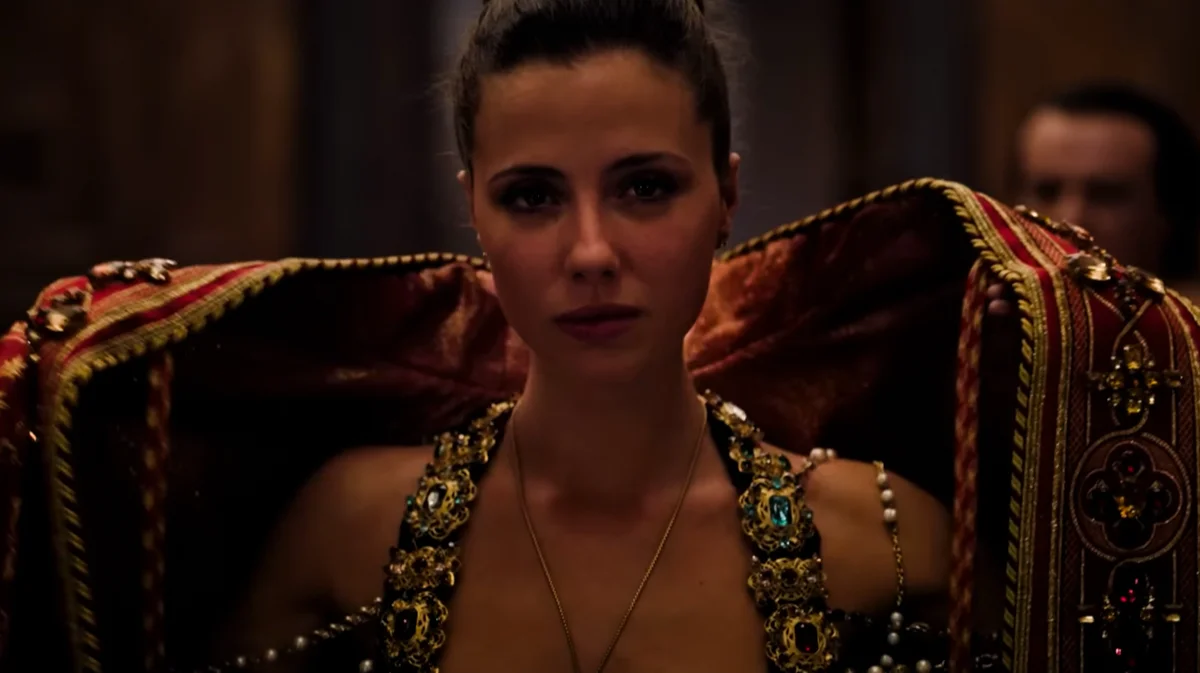
Still from the film "Partenope". Photo: screenshot
The poetic melodrama of the modern Italian classic Paolo Sorrentino “Partenope” is being released in Russia - about a young beauty who captivates the whole of Naples and the surrounding area. She herself grows up surrounded by admiring men, but all her life she searches for answers to the main questions of the universe. Sorrentino's film, which became the most unsuccessful of his career (no high audience ratings, no positive critical consensus), meanwhile, offers a fresh look at the eternal human quest. Film critic Katya Stepnaya believes that the author of “Youth” and “The Great Beauty” managed to make a liberating film about the incomprehensibility of life and lost time.
Partenope de Sangre (the delightful Celeste Dalla Porta) is born in the bay of post-war Naples as a new hope. In the late 60s, she is the queen of Campania, whom all the men look at while she sunbathes on the beach, smokes and reads books. To the music of Wojciech Kilar, she gracefully walks along the shore, collects admiring glances and flirts with everyone - from random passers-by to her closest relatives. “I’m too young to understand such subtleties,” she retorts when they try to drag her into yet another pseudo-intellectual conversation. Those around her notice her inquisitive mind and powers of observation, but who cares about Parthenope’s intelligence given her beauty? The girl is predicted to have a film career and a successful marriage - who wouldn’t take advantage of such natural gifts? But Partenope reaches out for knowledge.
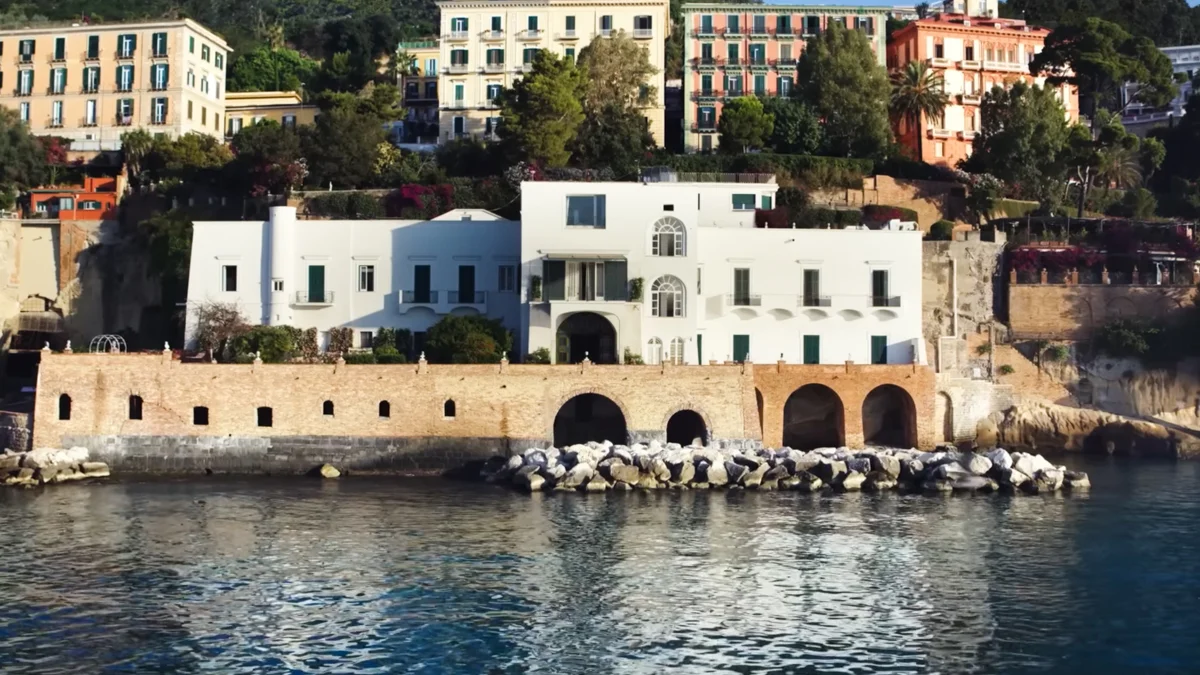
“I don’t know anything, but I like everything,” she declares on the university entrance exam, discouraging the admissions committee after answering a memorized ticket on Althusser and Lévi-Strauss. The professor mutters: “You are waiting for an answer, but you don’t know how to ask questions,” but he still enrolls Partenope in advance: after all, all applicants look equally stupid. In adulthood, Parthenope can expect many, many dates and erotica, meetings with a great writer (Gary Oldman) and a priest, several touches with the supernatural, a diploma on the topic “Cultural Limits of Miracle,” travel to paradise islands and poor neighborhoods, participation in student unrest—and complete solitude in quiet jubilation.
Sorrentino’s film is a movie of restlessness, as much a deception as the main character sliding through the decades. Beginning as a triumph of the “male gaze” (Partenope constantly changes swimsuits, straightens her hair from the wind, picturesquely smokes in the attic and wears one stunningly sexy dress after another), towards the middle the film changes tone and begins to lead the viewer into the unknown. From Kechiche's "Mektoubah, My Love" to Terrence Malick's "Knight of Cups." From the already understandable archetype of “goddess”, “diva”, “siren” - to one’s own search for meaning and liberation from the burden of a beautiful woman. At first, all we do is look at Parthenope point-blank, but we don’t see how she looks at the world. Over time, we understand that her beauty is a superpower that covers another superpower - the thirst for knowledge.

The sorcerous Partenope is also an image of hope in Naples, Sorrentino’s hometown, which has already declared its love for him in the autobiographical drama “The Hand of God.” “Dear terrible Neapolitans,” the movie star who has left for the north addresses his fellow countrymen and hurls the usual Italian accusations against the inhabitants of Campagna of vulgarity, pettiness and bad taste. Sorrentino’s second verdict on the missed opportunities of Naples (and more broadly, Italy or all of old Europe) is “confusing the unimportant with the most important.” This is exactly what the metaphor woman Partenope is trying to avoid in her life. But according to her professor and mentor, “seeing is the last thing we learn when there is nothing else left.” No time, no youth, no strength.
There is a suspicion that “Partenope” could anger the audience with its aphorism, and deliberate anti-relevance, and constant retreats in different directions - now to the church, now to Capri, now to the sea, now to the academy. Sorrentino's film only takes shape at the very end, taking viewers through different rooms for two hours with unnecessary incidents and unexplained miracles. As always, high and low are inseparable in Sorrentino. As soon as the drama becomes stilted, we will hear a bitter joke about treason, as soon as the absurdity overwhelms the screen, we will be shown a Catholic miracle. Like a precise sketch of smooth lines, “Partenope” will take on all its defining contours during the credits. There is nothing superfluous in this metaphorical women's story: Napoli football fans, an academic kiss at the presentation of a diploma, a Brazilian plastic surgeon, and footage of “Naples undressing” add up to a single picture about the whimsicality, unpredictability and incomprehensibility of human life. Especially if you judge things by how they appear.

Sorrentino made a lyrical film about how beauty confuses its tracks, questions remain unanswered even in the citadel of knowledge, “love is overwhelming,” and letting go of oneself is the most difficult thing a person has to do. In the place where Parthenope once sat, wet after bathing, other young guys are sitting and playing tango, the three of them. Other pregnant students are trying to take an anthropology test. New owners of beautiful faces come to universities with confusion and fire in their eyes. Flowery compliments, confessions and promises are clothed in more modern words. And the habit of looking and the ability to see will continue to be separated for decades. Having a ready answer to everything is a luxury only youth and beauty can afford.