
Translated material
Award cinema
How the largest film awards in Russia live and how they survive
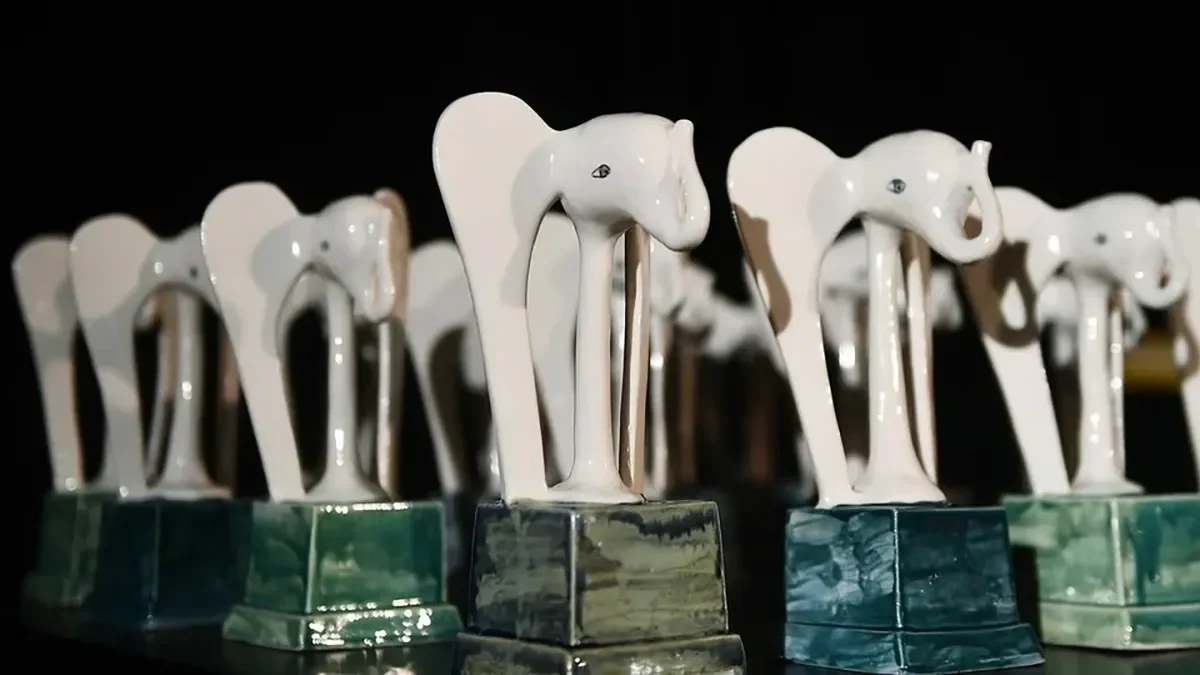
Figurines of film award "White Elephant". Photo: Kinopoisk
Cinema has recently become a tool for the struggle for values. Not only in Russia and not only from the state. The format and script are sometimes completely adapt to festivals or bonuses, and festival success is explained by the exact statement and high artistry. They love to scream about this from Russia: for example, Nikita Mikhalkov does not miss the opportunity to kick Hollywood and the American film academy (who once awarded it with an “Oscar”) for cliches related to excesses in racial equality and sung by sexual diversity. At the same time, Nikita Sergeyevich himself, on his Golden Orel, has been promoting his agenda for more than a year with no less enthusiasm and has been advocating for the ban in Russia of actors and directors who left the country (this ban is actually acting).
"Whatever you have, you have nothing."
In the last days of January, Moscow announced the results of the Awards of film science and film critics "White Elephant". Mikhail Lokshin’s film “Master and Margarita”, miraculously breaking through a year ago in a wide rental in Russia, became a favorite, winning in the nominations “Best Phenomenal Film”, “Best Scenario” (Roman Kantor, Mikhail Lokshin), “The Best Male Role of the Second Plan” (August Dil - Woland), “Best Work of the Artist” (Denis Lishchenko), “Best Music” (Anna Drubich). The production and rental of this film was called the "Event of the Year."
This is the case when the opinion of film experts and film critics coincided with the opinion of the mass audience: the “Master and Margarita” was not only at the Russian box office, but also in the three cash desk Russian films to disappoint the “Master and Margarita”. The fires of Woland, who organized fires in Moscow, raised 5.6 million spectators who paid 2.3 billion rubles. Only the “serf 2” and “Bremen musicians” have more, but they reigned on the screens in the most bread for cinemas - during the New Year holidays.
At the much more pathos and representative prize, the Golden Eagle, whose winners will be voiced on January 31, Lokshin’s film did not fall into any of the nominations, even in the purely “technical”.
In this controlled by Nikita Mikhalkov, the painting “Love of the Soviet Union”, presented there in almost all “full -length” nominations, will take his place.
Behind both films there is a shadow/episodic figure of Stalin. In the “LSS” fear and the unconditional pierces before Stalin, he is the master of everything, including the personal life of his subjects. Lokshin/Bulgakov has shown something more powerful, which is not subject to the power of the Stalinist system, invulnerable to it and, although it has devilish nature, is shown less evil.
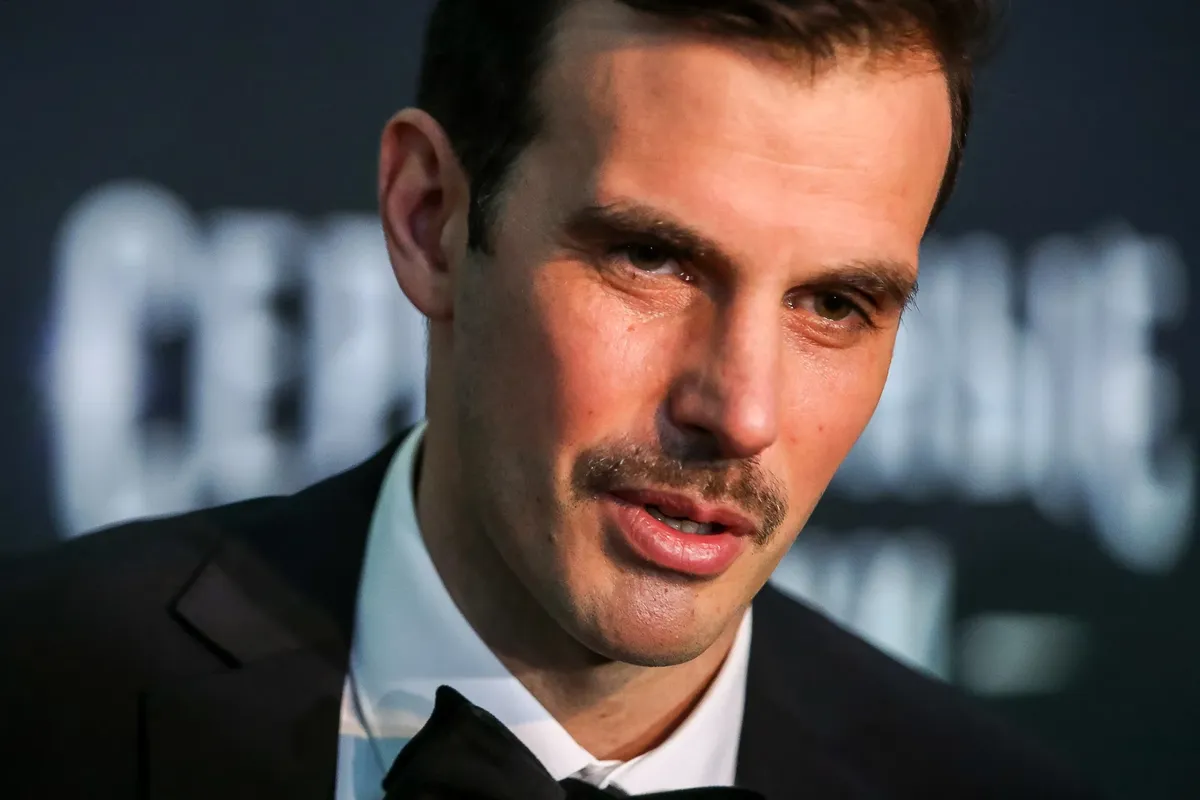
The key factor in the non -playing of the “Masters and Margarita” in the Mikhalkovsky shortstock became not so much “rocked boat” by the Soviet “stability” Koroviev, Azazello and the Hippo, as many as the figure of the director: Mikhalkov was already speaking out for the ban of films with “those who left”. There is a personal factor here: the chairman of the Union of Cinematographers admitted that “he got burned on several versions of this work” and, when “Masters and Margarita” was proposed to make his “TRITE” studios, said: “We will not do this, Bulgakov does not forgive” . The belief that with the film adaptations and performances based on the novel something bad happens, it really has existed, but it has long been shot: Mime has been in all theaters with might and main, and it appears regularly on the screen.
The fact that Lokshin not only shot this movie to the peak of Mikhalkovsky superstition, but also gathered the cashier, and then he did not still be silent about February 2022 and left for the enemy USA-enough to send him on his personal black list And do not notice the film award controlled. By the way, three years ago the director went to Mikhalkov in favorites: Mikhail’s debut and very Russian film “Silver Skates” once opened the Moscow Film Festival (also controlled by Mikhalkov), and in January 2022 he received (and quite deservedly) at once) Golden Orlov ".
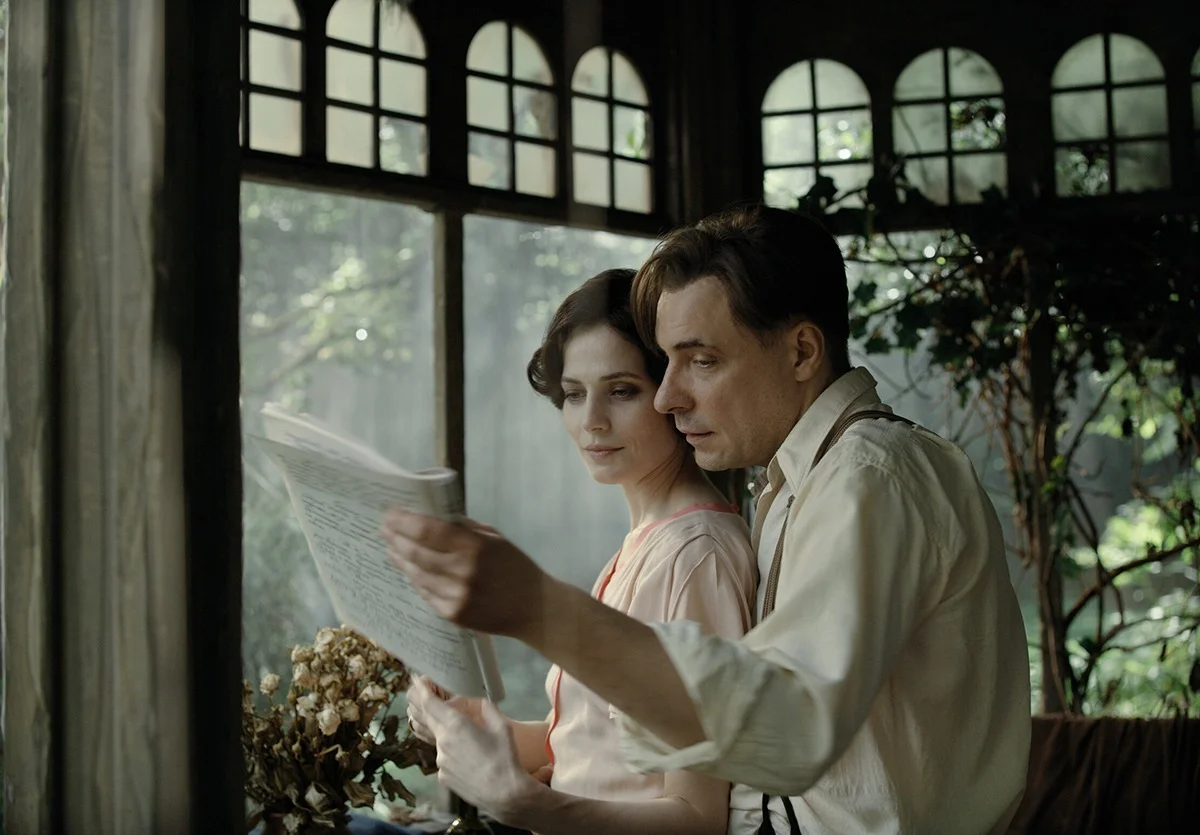
Despite the Russian name and surname, Mikhail Lokshin is a native and citizen of the United States. The story of his family is so interesting and so closely intertwined with Russia that its very itself can be filmed. Parents of the director are the functionaries of the US Communist Party, who received political asylum and apartment in the USSR. And the grandfather is an emigrant who was forced to leave Soviet Russia because of the persecution of Jews.
The Lokshin family (s) and throws on one side of the ocean to the other. An anti -war position is inherited: the parents opposed the war in Vietnam, and Mikhail clearly condemned the events of February 2022 and does not intend to return to Russia.
But Lokshin’s film did not lay down on the shelf and was released bypassing all the critics of the Latun, although there were a lot of screams - the film was at risk even a few days after the start of the rental. The producers were quite elegantly “excited” by the fact that the picture was shot in 2020–2021, and at the stage of post -production was already in the “reliable” hands of Russian representatives of the film industry who did not tarnish themselves with dissent. The other day, Mime was shown on NTV. Those who are barking from the adaptation of Lokshin, again could not do anything about it.
Having paid tribute to the “master and Margarita”, the cinematic community has long been trying to draw attention to its White Elephant Award, and it cannot be said that this did not do it very successfully in the “fed zero”. However, by 2025, the Elephant remained, perhaps, the only truly independent film award in the country, traditionally freedom -loving and impudent, and for this reason deserves attention. The “White Elephant” had to fight for maintaining their status.
And that some Academics of the “Elephant” parted around the world, the opponents will say the usual “fled and slander home”. In fact, this allows you to keep your independent view of things, and not only in the cinema.
The air is like that
But what the “eagle” and “elephant” came together on the film “Air” by Alexei German Jr.: both there and there he is in favorites. Alexei Alekseevich holds in modern Russia in a rather enviable position - he has sufficient internal independence for the artist, while he does not adjoin those who are very annoying power. As a result, it makes films in which all compatriots, even implacably configured against each other, have the opportunity to see their truth or, speaking with a poster language, “join their own”.
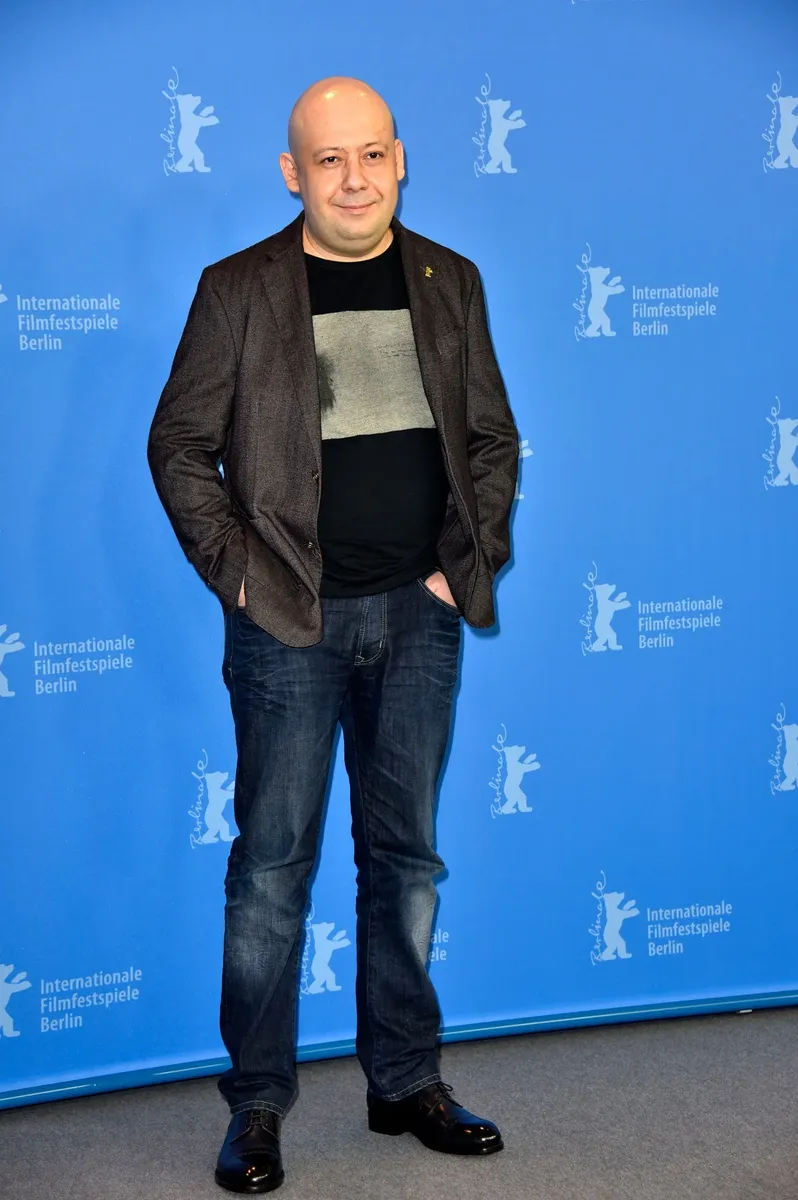
“Air” (a film about the Great Patriotic War), some considered the “anti-war anti-blockbuster”, others-a contribution to the patriotic education and preservation of historical memory about the events of the early 1940s. From ordinary spectators to movie experts - everyone note the entertainment in the scenes of air battles. Herman Jr. does not interfere with the fear of the "party policy", nor the feeling of the need to remove propaganda, nor the need to demonstrate the most pronounced figure in his pocket; In his system of values, the concepts of “freedom of speech” and “human rights”, it seems, do not occupy a dominant place-in the sum of these factors (plus talent and the film community to his father-German German) he has good chances to become really bright (but not court. And not superficial) director.
"Nika": Why did the main film award of the country go into the shadow
Speaking of Russian film awards, it would be wrong to not recall the oldest and truly national film award “Nika”, which has been handed over since 1988 and which at one time in a rather ugly manner replaced the Mikhalkov “Golden Eagle”. Following her fate is a rather nervous thing: it is felt that she is now not without difficulty. “Nika” also until the last remained the space of free -thinking, and this was evident not only by the results of the voting of academicians, but also by the speeches pronounced at ceremonies.
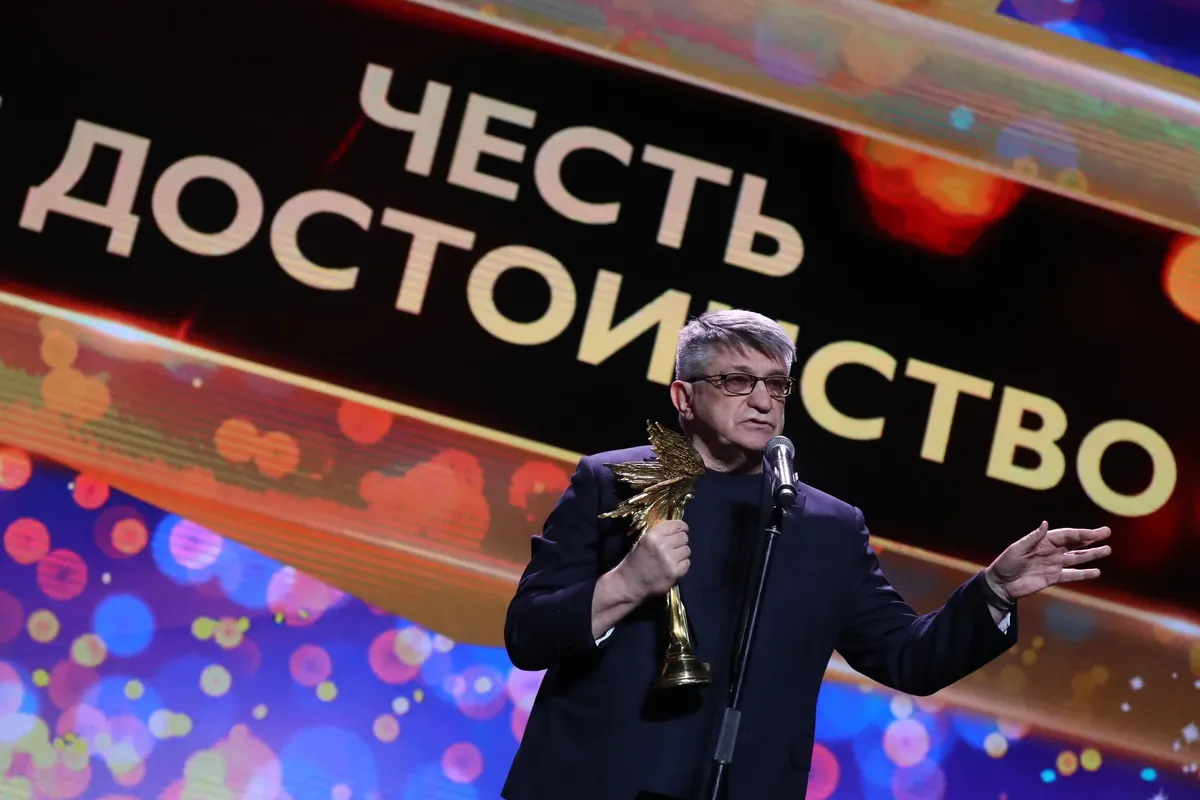
Suffice it to say that each ceremony began with the poems of Dmitry Bykov* on the anger of the day. In 2012, Ksenia Sobchak and Chulpan Khamatova quarreled on the stage of Nicky on the basis of Nicky. In 2017, documentary Vitaly Mansky*, receiving a prize for the film shot in North Korea, said that “such a country went to them (the Northern Koreans), they were born in it, and we have been licked our country” . Then the director Alexei Krasovsky spoke in support of the detainees at a rally in Moscow, and Mark Zakharov and Elena Koreneva publicly supported him from the same scene. Koreneva allegedly voiced the famous political prisoners, and she was immediately supported by the playwright Yuri Arabov. The prize “For honor and dignity” on that “nickname” was awarded to Alexander Sokurov shortly after his dialogue with Putin about the Crimean director Oleg Sentsov, convicted in Russia, and Sokurov’s alarms from the Nicky scene were shared by the legendary Alexander Mitta. Every year, at least one “opposition” speech, yes, slipped through.
At that time, the authorities still did not allow themselves to stick their labels on all objectionable, indicating that a person belongs to the second grade, and squeeze out of the country, despite their status and quantity.
But Julius Gusman, the permanent leading ceremony and the keeper of her traditions (last year, however, he, like the verses of Bykov, was no longer on Nick), commented on this: “We still ask the Ministry of Culture.”
Against the backdrop of the Mikhalkovsky “Eagle”, which firmly settled in the first pavilion of Mosfilm and on the air of Russia 1, “Nika” constantly changed the venue of ceremonies and broadcasting channels (these were rather modest STS, “Public Television of Russia” and, at the end The ends, Kion platform). Recently, ceremonies are held every two years: either Covid, then a special operation. Of course, there are no more protest speeches.
The Nick Academy is now headed by Andrei Konchalovsky. It is difficult to judge as far as it serves as a tumbling for the rebellious prize, but Collisy, when two brothers heads two competing film awards of the federal level, is quite curious. True, the brothers, who once looked differently at the questions of the social structure, are now close-however, Andrei Sergeyevich has not yet noticed dictatorship and desire to control other people's thoughts and values.
Whether this year will be the Nick Award, is still unclear. The Academy completed the acceptance of applications for awards for 2024.
Laureates of the White Elephant Prize according to the results of 2024
The best series "Crime and Punishment", director Vladimir Mirzoev
The best animated film "Letters", director Alexei Evstigneev
The best documentary (non -trial) film "#submarines", director Alexei Fedorchenko
The best short (game) film "That's exactly the Day", director Claudia Korshunov
The best (game full -length) film "Master and Margarita", director Mikhail Lokshin
Best Director's work of Bakur Bakuradze, "Snow in my yard"
Best Scenario Roman Kantor, Mikhail Lokshin, "Master and Margarita"
The best operator work Alisher Khamidkhodzhaev, "Snow in my yard"
The best work of the artist Denis Lishchenko, "Master and Margarita"
Best Music Anna Drubich, "Master and Margarita"
The best sound Igor Gotsmanov, "Snow in my yard"
The best main male role Alexander Robak, "Eternal Winter"
The best main female role Alina Khojevanova, "Philatelia"
The best male role is the second -plan August Dil, "Master and Margarita"
The best female support is Samal Eslyamov, "Dad died on Saturday"
The best full -length gaming debut “Dad died on Saturday”, director Zak Abdrakhmanova
The Voice Prize (Film Critics Prize up to 35 years) "Pepel and Dolomit", director of Tom Selivanov
Event of the year
Production and rental of the film "Master and Margarita"
Russian acting Quartet: Yura Borisov, Daria Ekamasova, Alexey Serebryakov, Mark Eidelstein in the international project "Anora", director Sean Baker