
Translated material
Circus instruction
The radical change in the iconic architectural objects of Moscow is part of the total rewriting of the past
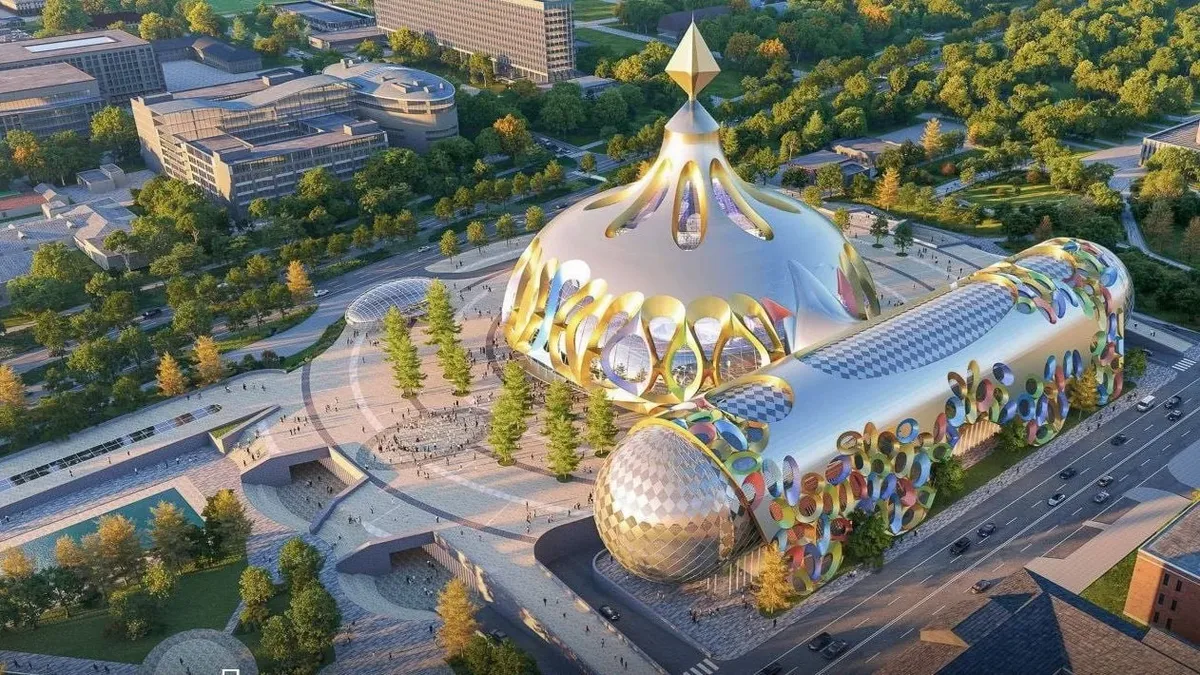
The circus reconstruction project on Vernadsky Avenue. Source: social networks
(18+) This material (information) was produced, distributed and (or) sent by a foreign agent Kolesnikov Andrei Vladimirovich or concerns the activities of the foreign agent Kolesnikov Andrei Vladimirovich.
After 2022, all the fundamental foundations of human existence are demolished - from the achievements of the last 80 years (Yalta system) to universally recognized norms of morality and universal human rights and freedoms recorded in international documents and the Constitution of the Russian Federation, but squeamishly called “Western”. It would be strange if this had not affected the landscape life, including the architectural.
An invariable companion of abandoning previous social and cultural norms is a bad taste, for the implementation of the requests of which large -scale projects and impressive budgets are found. The last symbol of the spinning of this anthropological oncology in the spatial environment unexpectedly was the project of the “reconstruction” of the Moscow circus on Vernadsky Avenue - that is, the demolition of the charming monument of architecture, dear to several generations of Soviet and post -Soviet people, and the construction plan, similar to the giant painted Hinkali (one piece ).
The similar "renovation" awaits the building of Sev, one of the symbols of Moscow. The general sociocultural situation now generally provokes nostalgia for the relatively calm times of early Brezhnevism, a comparison with which is clearly not in favor of a mature Putinism with its depressive background. And then there is also a rejection of the city's fundamental images of the city, who have been fixed in the retina.
In the political and ideological spheres, the authorities repress the memory of repressions, but this is only part of the general trend for conscious total amnesia and the destruction of all significant memorable places,
who fit in the heads and souls of people who have lived in the country for at least a few decades. The radical change in the iconic landscape of Moscow is not the replacement of the old new one, this is the census of the past.
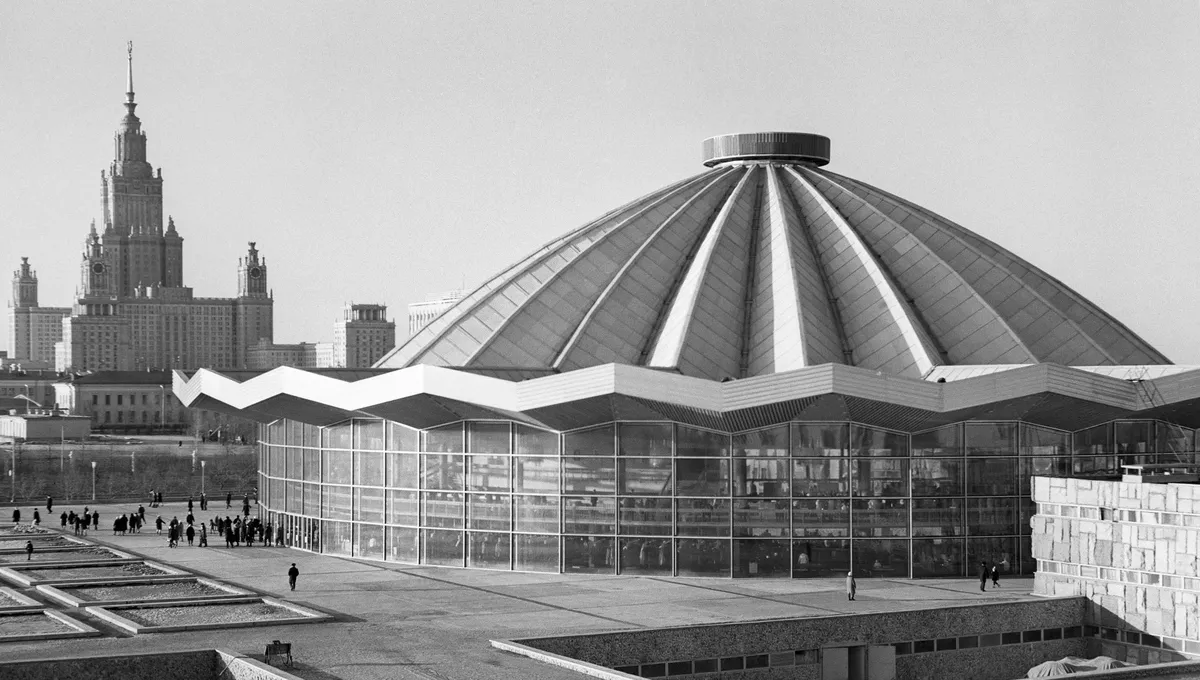
The attitude towards the objects of the "Posokhin" Moscow (despite the fact that its appearance was formed by various architects - from Chechulin to Belopolsky and Mondoan) can be different. Large and even probably excess spaces with a voluminous atmosphere became the sign of the Brezhnev capital. Of course, now they look like Old-Fashioned-old-fashioned, as old-fashioned from someone’s point of view, the surviving quarters of the genuine old Moscow or Stalinist houses and avenues may look. But this is a story. These are cultural layers and culture itself. The Stalin era is exclusive grandiose projects and what was then called “architectural excesses” in the communal and baroque (non -baroque) country with a predominance of toilets in the yard. Khrushchevskaya-simplicity and massiveness with the rejection of the communal-barous type of existence and “excesses” (the caricature in the 1955 crocodile: “Mommy, look at what cake dad bought ...”-“What are you chatting, this is the same macket of his new house”) .
The era “glass and concrete”, “cast in granite” of the same circus on Vernadsky, the Satz Theater, the Obraztsov Theater, all sorts of youth cafes, two humanitarian buildings of Moscow State University, Tsemi, I Inion, Seva, the House of Soviets of the RSFSR, Kalininsky Prospekt (aka “inserted The jaw ”) and many other objects of the capital reflected the spirit of time. Something could-often fair-it seemed far to be far-haired, elegant, functional. But in these “glasses” the time itself, a change in the political, social, cultural context, was reflected. The spirit of inevitable even under the socialism of urbanization, modernization and, may the followers of the evergreen doctrine of Dugin, westernize the state and society forgive me. Soviet architects borrowed from the West, and with some lag and delay, always: Boris Jofan in 1935 frankly wrote, and in Pravda, that in America he “came up to everything from a certain point of view: that it was necessary to“ bring home from all this ".
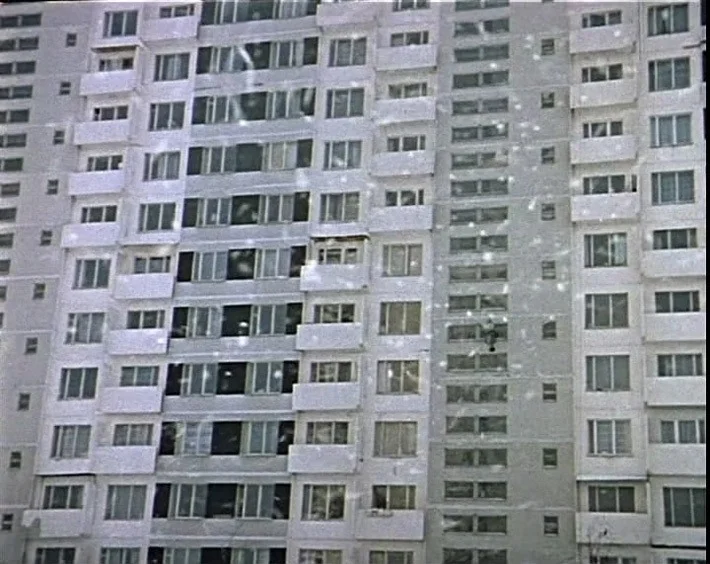
The iron laws of Marxism acted in the sense that being determined consciousness, and vice versa, the changed consciousness dictated the principles of the organization of space: already in the "Irony of Fate", the credits went home to the houses of the southwest, built mainly in the Brezhnev years, which became a symbol of consumer civilization, leaking In Soviet reality, in the brains of new inhabitants living not in the paradigm “Marx - Engels - Lenin”, but in the triangle “apartment - car - cottage”. Yes, and the movie was about private life, and not the kneads of cement. This period is in the development of one sixth part of the land and this anthropological and demographic process, which organically included the sanitary and sexual revolutions, the sensations of changing time, and the architecture of “glass and concrete” corresponded. Including the "new circus".
Arbat quarters with a dog platform were cut through through Kalininsky Prospekt, to a certain extent it was a tragic, but inevitable, from the point of view of the logistics difficulties of a giant blus in an unevenly developed country, an event. (As it happened, recorded in unique photographs of Alexander Subres, which can be seen in the album of Vladimir Plaresov "Arbat of our childhood.")
Of course, this was a time of sociocultural fault, which was well shown by Andrei Smirnov in the film "Belorussky Station":
Former front -line soldiers uncomfortably felt in the bright space of the "youth cafe", where there was not even vodka, but there are only dry wine.
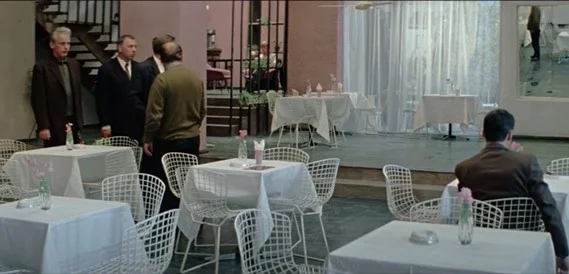
But what to do, the broken, apartments and institutions on Kalininsky Prospekt were inhabited by representatives of the new city middle class, spectators were drawn to the October cinema, readers, the neighborhood of the Church of Simeon Stolpnik with skyscrapers symbolized the harmonious combination of innovation and traditions, old and new . And for more than half a century this is one of the images of Moscow. Like other mentioned objects.
The photographs of the turn of the 1970s show how reasonably, neatly and tastefully entered the “new circus” into the general landscape of the Moscow State University campus and the surrounding houses of Lomonosovsky and Vernadsky. And how delicately and genreov is accurately, despite the sweeping scale, the circus building itself looked-this is really a shapito, it is really a circus, and not a “multifunctional shopping and entertainment complex”. Just the current multifunctionality kills all the charm of such architectural objects.
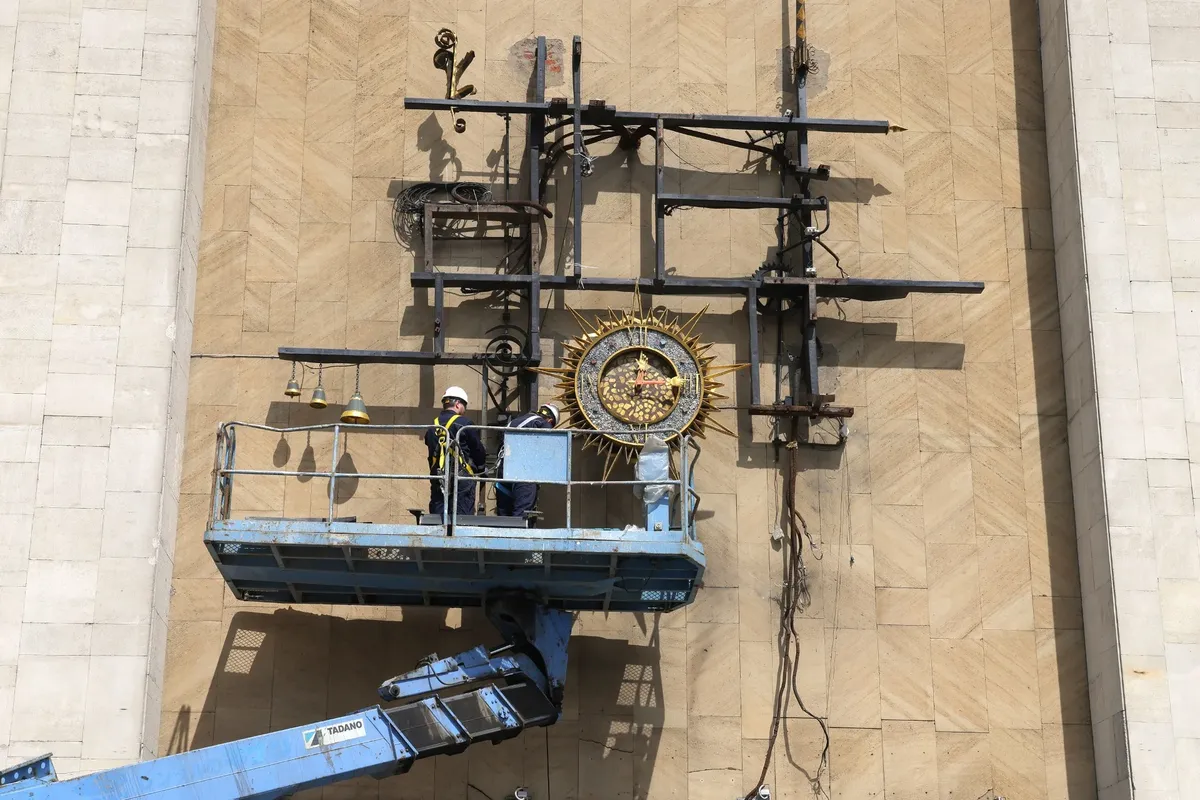
A natural question arises: is it not cheaper and, most importantly, is it not more careful for those grains of time, history, culture that are embodied in these “glass and concrete”, would be to start repairs, and not total demolition? Not to mention the fact that the precedents created by the circus on Vernadsky and Sav can naturally lead to other initiatives: why not, in this case, do not demolish, say, the central house of the book on the New Arbat or the Obraztsov Theater, although it seems that it seems that so far they went here The ways of restoration of unique watches, and a bookstore seems to be impossible to withdraw from the common "jaw" of the avenue. You can always find arguments in favor of the fact that such architectural works are outdated physically and morally. What to do, new times ...
But these are not new times. This is the absence of time. Except the past, without understanding what the future can be.
It is unusable politically and is absent in a cultural sense. And including architectural.