
Translated material
Man of extreme sincerity
Memory of photographer Dmitry Markov. Sister Tatyana Markova, journalist and friend Shura Burtin and musician Boris Billier, who wrote the soundtracks for his photos, tell about him
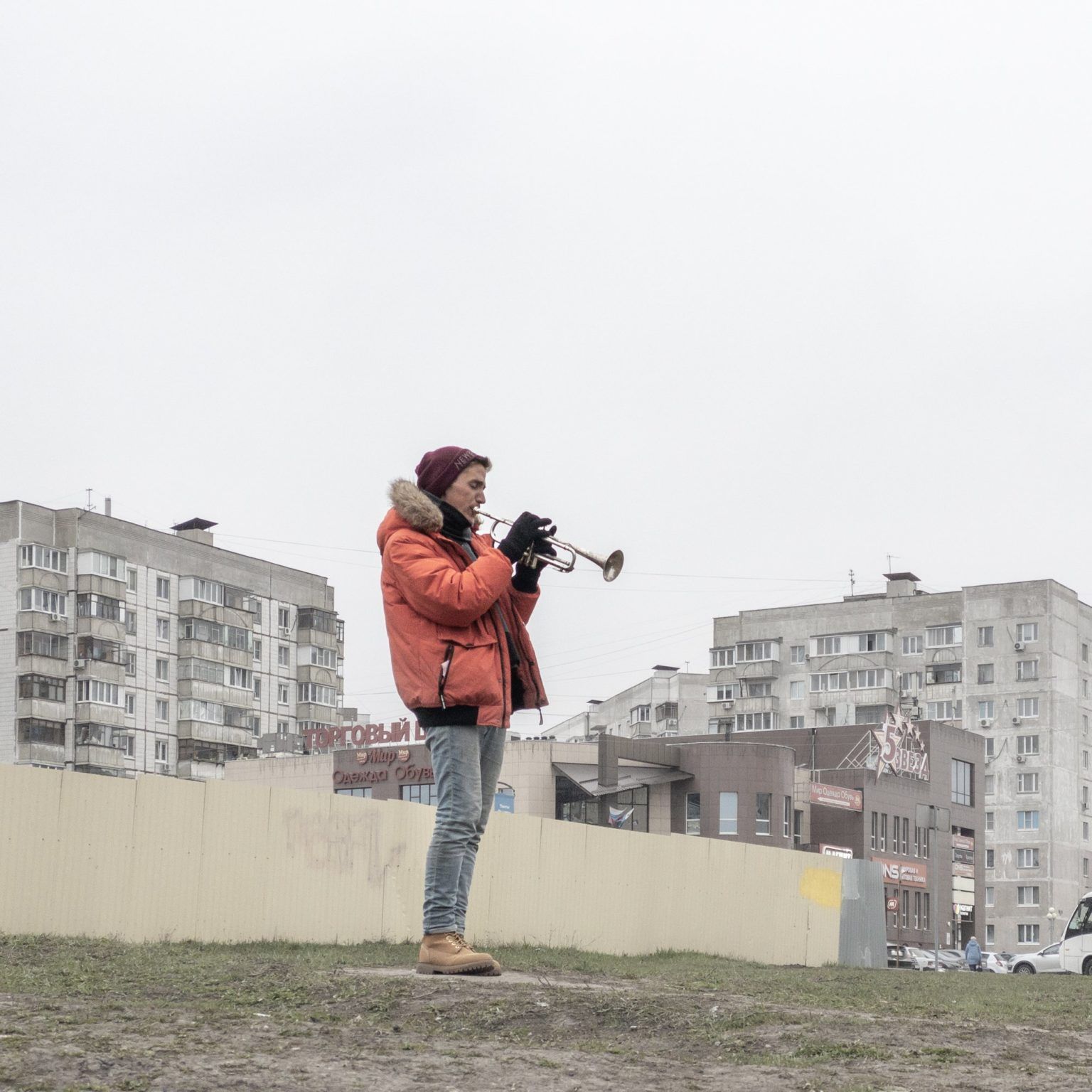
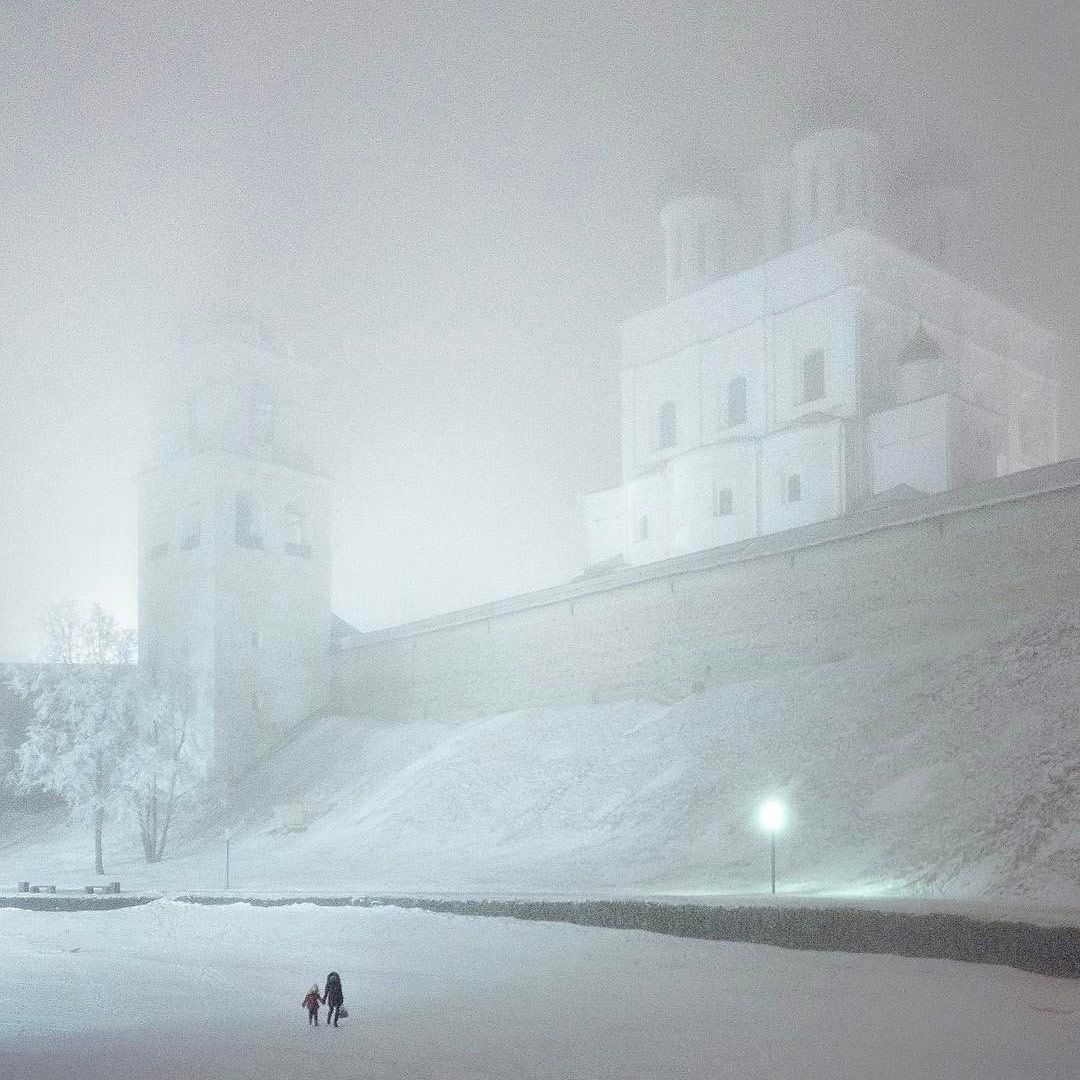
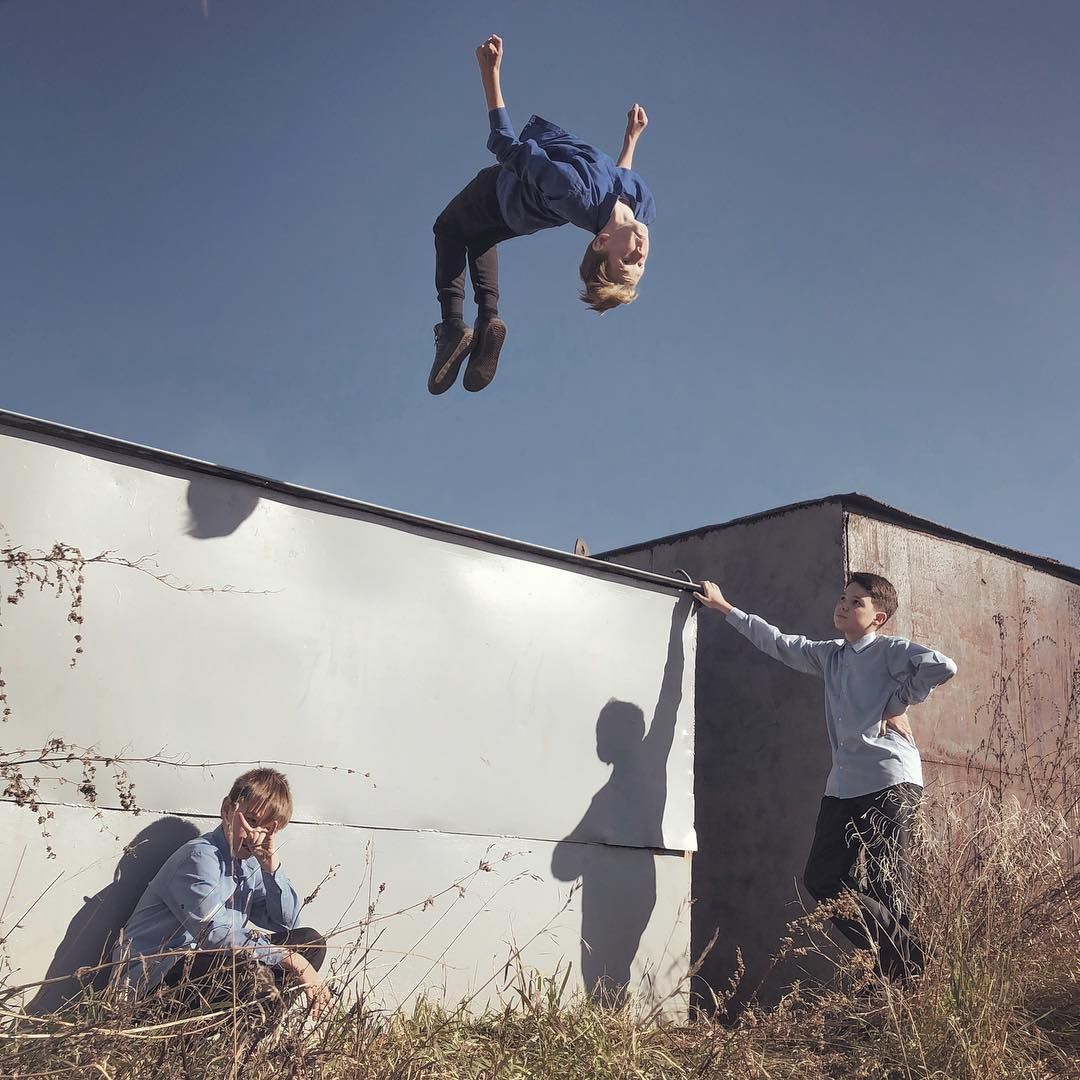
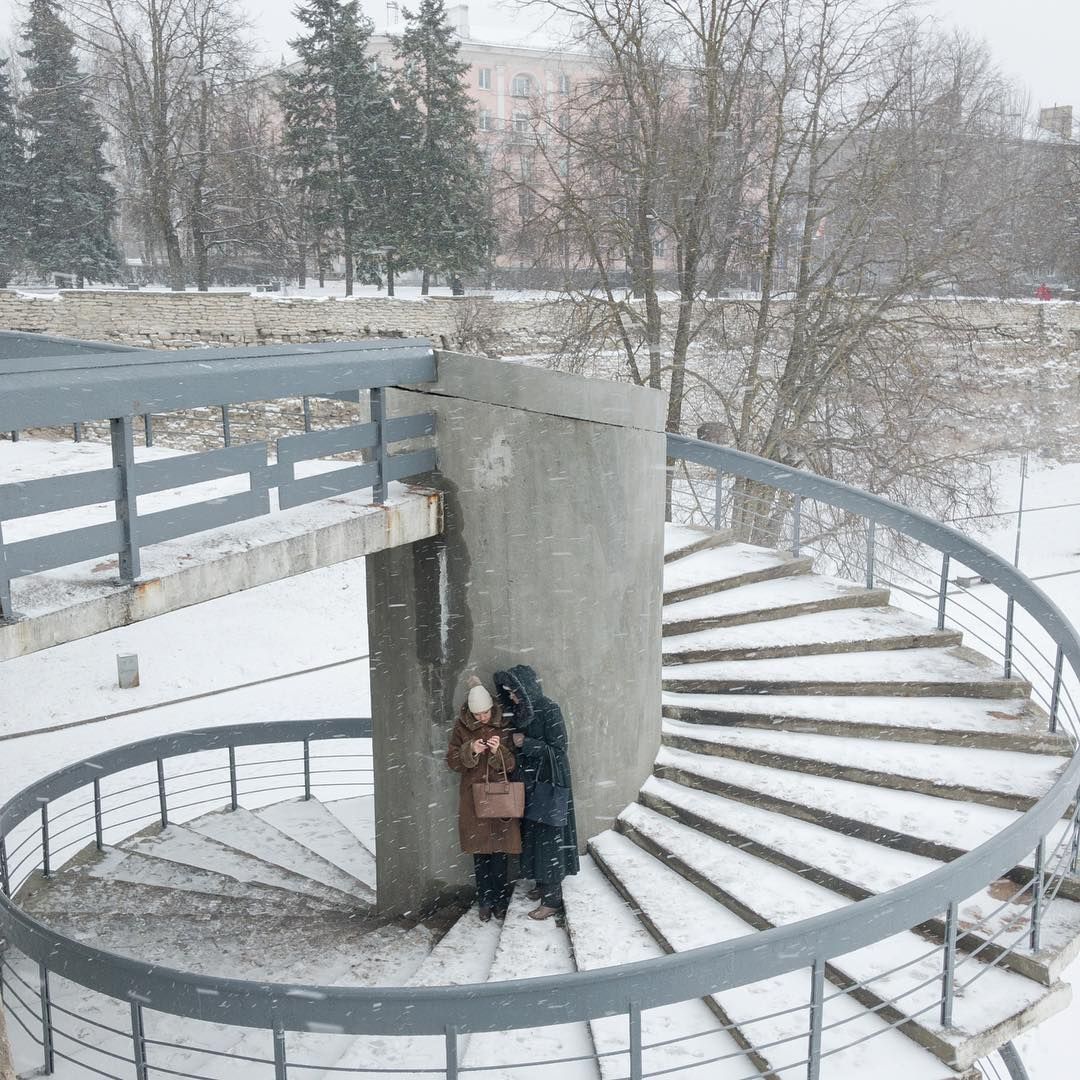
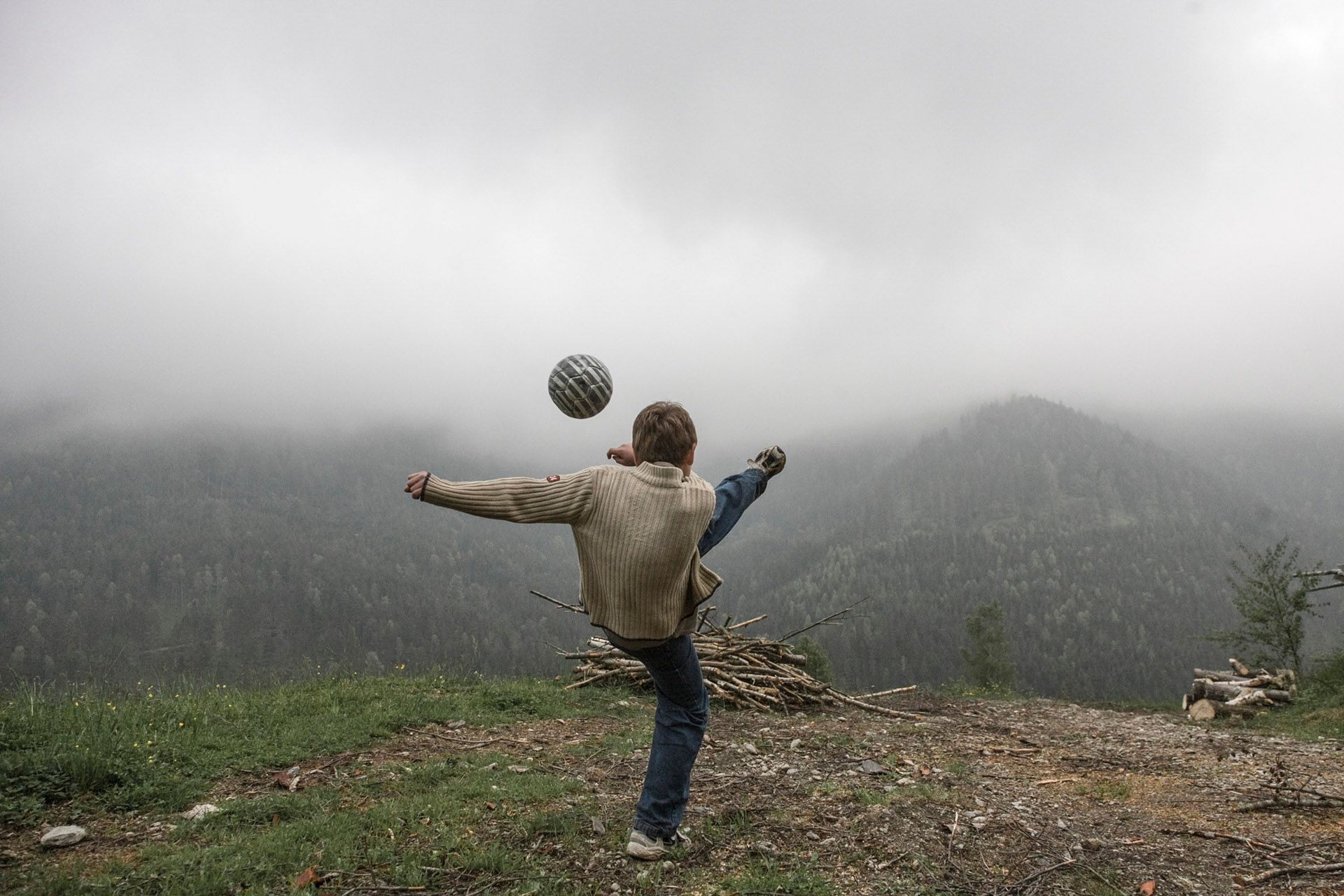
A year ago, February 15, photographer Dmitry Markov died in Pskov. Markov’s pictures taken on a smartphone show Russia and its inhabitants without embellishment. But at the same time, they can see how deeply the author understood - and loved - his far from ideal heroes and their difficult life circumstances. On the anniversary of the death of Dmitry Markov, we offer to look at the photographer and his work with the eyes of three people: his sisters Tatyana Markova (she wrote about her brother post ), his friend, journalist Shura Burtin, and co -author under the project “Cut Off” by the French musician Boris Bilier with whom The "Medusa" spoke.
Attention! There is a mat in this text. If this is unacceptable to you, do not read it.
Tatyana Markova
Sister Dmitry Markov, a post from a telegram channel of his memory
The day after tomorrow is a year, as there is no Dima. And in the grief, the dates are important. Although this year there was not a single day when I would not think about him. Not a single day. I still have a bouquet that he gave me for my birthday - a couple of weeks before his death. My birthday was our last meeting four, with my parents. Our meeting at my house before his train in Pskov is our last meeting with him. And my last message remained unread.
All this year I have been trying to answer some questions about Dima-to other people, but first of all to myself. It seems to me that this year I recognized him better, closer. And I am very sorry that I can’t discuss this with him.
Different people responded differently to [the proposal to accept] participation in our book [about him]. There were those who refused, and some were completely silent. And I understand: in places Dima was unbearable, harsh, insensitive, self -centered. At the same time, passing mentally his life path - from conversations with people, from photographs in the archive - I understand how difficult it was for him. No, I can’t even imagine it. How much mental strength was required by social work. If you read LJ and other social networks - there, of course, everything is perky, with a twinkle. Patsanishly bold, constant movement, people, struggle, victory, indignation about the system. This whirlpool was very attracted to active and interested people, Dima knew how to involve it.
Well, he spoke and wrote perfectly. By the way, people who communicated with him in different periods, starting with early eagerness, have repeatedly told me about this: even then he had a competent meaningful speech, an order of magnitude higher than the rest. And the questions that excited him began to quickly go beyond the limits of discos and just parties. And there were always questions. I think this sensitivity to the world and the desire to understand it, some basic kindness and brought it into social work, and the photograph became a guide to this. I say "basic kindness" and I really believe in it. This is not about a good guy, but about some kindness in the nucleus of personality. And this amazes me even more. You know, in textbooks about addiction you can find words that the motive to use the dependent person ultimately becomes the leader and the dependent over time undergoes moral and moral degradation. And I continue to ask myself: as what Dima did in social work, in the photograph, it became possible, given his dependence? What efforts did it cost him? Without pathos. Simple: how ?
I know for sure that social work, closely woven with photography, was very important for him to live. He was very happy when he wrote to me about adolescents in the rehabilitation center who was recovering. And the return to consistent social work with dependent adolescents for him began to become a new meaning and a new point of application of forces. He wanted his photographs to become evidence of time. Without complaints about greatness, by the way. He simply knew without false modesty that he could do it.
I really miss him.
Remember February 15 about Dima how you can. Let him know there we love him.
Shura Burtin
Journalist, friend Dmitry Markov
Dima lived, on the one hand, with heroin addiction, on the other, with acute sensitivity and to everything around, and simply to existence. I don’t have such an experience, but different heroins said to me that life, existence itself, for them all the time it feels like something painful-and heroin gives a way out of this. According to Dima, this was very visible: he was very much sausage all the time, he lived in a very reverent state. It was modified from enthusiasm for despair and so on.
He treated the photograph very seriously, precisely as art. He had the highest quality bar for himself. But at the same time, it still distracted him very much - both from the life that injured him, and from the usual way to “star” , heroin.
Dima, of course, was a very reflective person and who had seen a lot in his life, but at the same time, in a sense, he had teenage sensations from reality. That is, he always portrays these children who are sitting somewhere on pipes. These are his main characters, and he, of course, recognized himself in them.
His sensations from the world, it seems to me, were adequate. Reality is difficult to endure, and one way or another we simply fenced off, everyone climbs into various minks. But Dima had very genuine homelessness, the inability to climb into the mink, and he remained in this feeling. Its aggravation [feelings] and gives these pictures.
At first I met his photographs, and not personally. Julia Vishnevetskaya, my wife, also pampered with a photograph and Dima already knew as a photographer, corresponded with him in LiveJournal. She showed me his work. I had no opinion about the photographs then, and I just trusted her, looked too, thought: yes, cool. But then I really could not really appreciate.
Friends and I rented a way to your apartment, and we had a room for a room. Dima just then left the village and wrote in LJ that was looking for housing in Moscow. I don’t remember any first impressions of him, somehow we just suddenly suddenly began to live together, and this was all a continuous impression. With Dima, of course, it was always very interesting and drivers. He attracted hundreds, thousands of people. Of course, this was due to the fact that he is an incredibly bright dude, super-living and talking about everything with some extreme sincerity-like [Alexander] Bashlachev, for example. The man is very powerful.
We spoke little with him in recent years. The fact that we phoned shortly before his death was due to the fact that his pupil Misha died of an overdose. You could not talk to him for five years, but the feeling, as if just said. He knew how to enter into the most close relationship with people, with very many, without a distance. Many people considered him a close friend, because every communication with him was immediately close. And here [during the call] there was a feeling of failure into the past, into the contact that we had when we lived together.
There was a day when Navalny died. We walked from the rally [of the memory of Navalny abroad], and my friend told me [about the death of Dima]. When everyone began to post pictures, the scale of the phenomenon really reached me. It is banal that only when some phenomenon ends, you can see it.
Our common girlfriend posted a photo in which the boy, bent over, spits on fire and extinguishes him. And I suddenly see that this picture is like "small Dutch." It is absolutely perfect, and at the same time some incredibly accurate plot in it, and this lonely evening moment is captured. At that moment I saw, I realized that Dima is a great photographer, and not just cool, good. Its value, not comparable with context, came to me.
This is Dima's great attention to a person. Such a completely maternal view of people. I think he would like to look at him in childhood like that too.
When the war began, he went into a breakdown, in which he had two overdose, he miraculously pulled him out. He has already set money for his funeral. For all this [the beginning of a full-scale war] was a fed, and for him because of this hyperrania ... I mean that the surrounding reality and so all the time caused despair, and here she showed her Murlo as brightly as possible.
Then some fools began to run into Dima-for the fact that he remained in Russia, he remained to live with the same people with whom he lived. A war entered their lives, one of them went to the front. He could not get away from them anywhere. For example, I left right away, I chose to fence off from this. Dima had no opportunity to isolate himself. He let into the war in the content in which she presented to his heroes (they are his muses, his close people). Dima felt them a lot, and, it seems to me, he had the most human position.
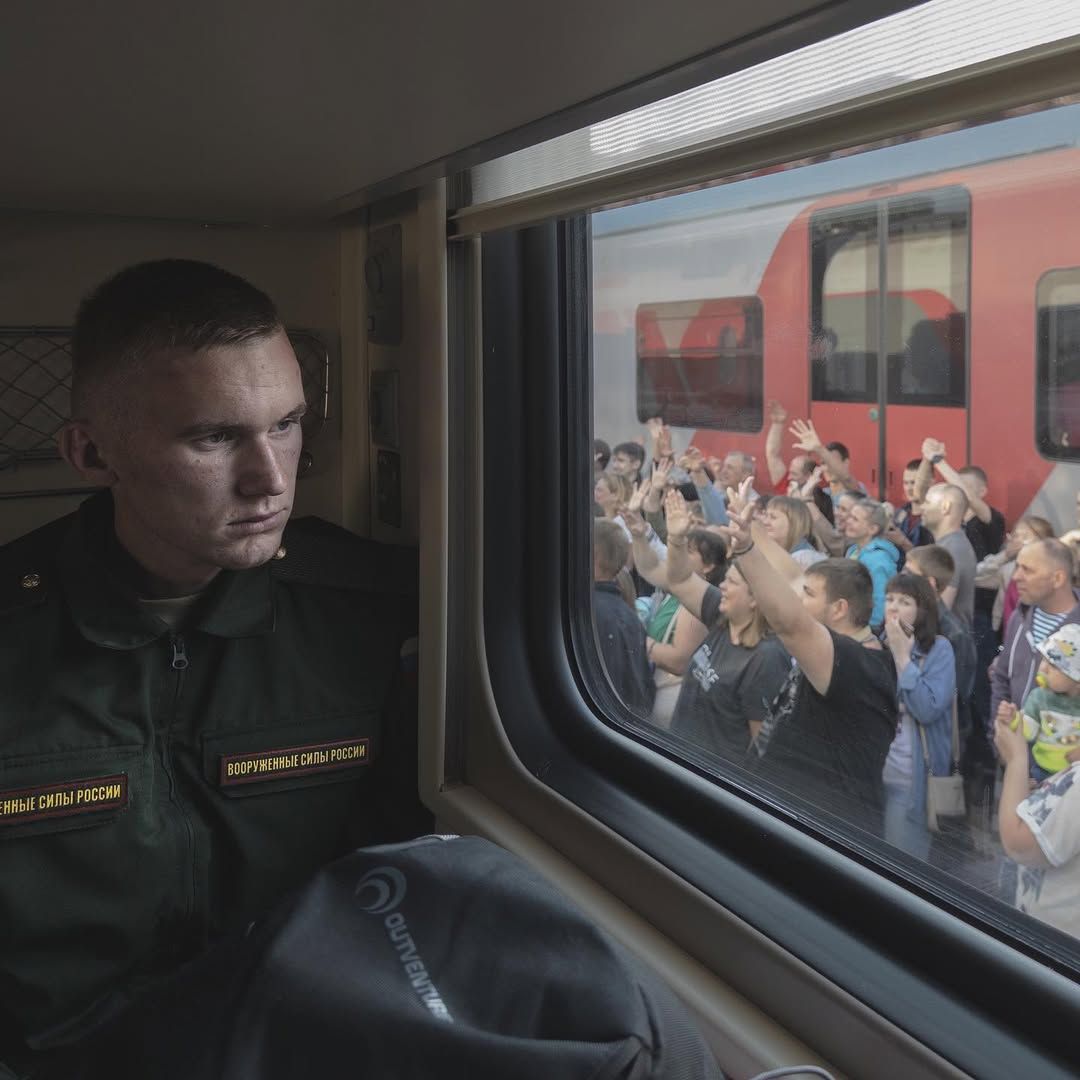
Dima adhered to the most opposition views, but at the same time he could not delete people who relate to war in a different way, just for them she is some other given. They don’t think at all: war is good or bad? Or think, only getting there. They live in a different life layer, for them it is not ideological, but some practical thing. He did not merge with them in this and did not fenced off. And his stunning portrait of a soldier who, with stopping his eyes, looks into the future, it seems to me that this is an expression of this understanding.
Dima grew up in violence. In various kinds of violence, not only in relation to the state to people, but also people to each other. He suffered from this violence from childhood as much as possible. On the example of boarding schools, he saw how you find yourself in a system where [exists] grandfather, where the teacher uses older children to control the younger ones - and due to this everything works. And you want these good guys, you are busy with them, you love them, and at the same time you still become part of this system and also use these older guys. I think that Dima understood the inquisite of this problem.
For Dima, it seems to me that the portrait of his parents was a portrait of Russia: people torment each other, people are quite good, but not able to agree with each other, absolutely not believing in this opportunity, very much crushed by their shares. Over the past ten years, Dima with her parents, as far as I heard from [his sisters] Tanya, was very reconciliated. And the relationship became softer, and his parents accepted him more, and he more realized that they should not demand what they cannot [give].
Dima, probably, a volunteer [volunteer activity] , therefore, took up that he wanted this feeling that something could be fixed.
It seems to me that why children were close to him from correctional boarding schools, orphanages, as expressed in his quote as much as possible:
Previously, I was characterized by such an attitude that there are people, with a capital letter, but there is - so, everyone else. And then I began to communicate with a moronic teenager. And at first it seemed to me that it was necessary to twist there and there - and everything would be corrected. And then I saw that everything is much more complicated and there are five more hands sticking out. And that his fate is a bizarre interweaving of a bunch of stories, circumstances - and intelligence has nothing to do with it. Intelligence is a glass, because of which this soul is somehow visible. Intelligence is glass-for someone it is cloudy, someone has cleaner. And behind him, if you plunge deep into it, there is a soul, and it is generally beautiful. And each inside has the same soul. And I began to look differently at people. This was one of the turns of my worldview.
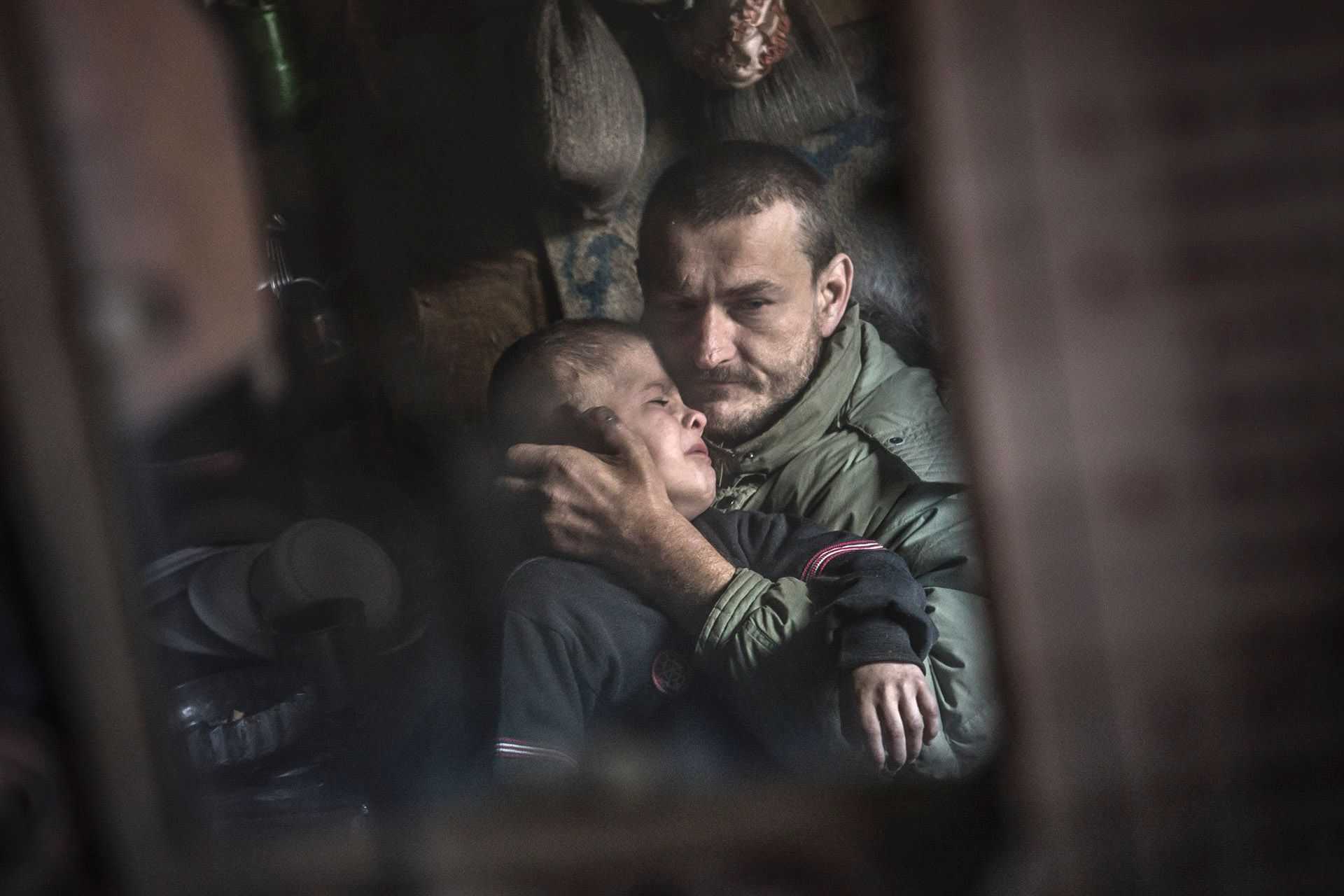
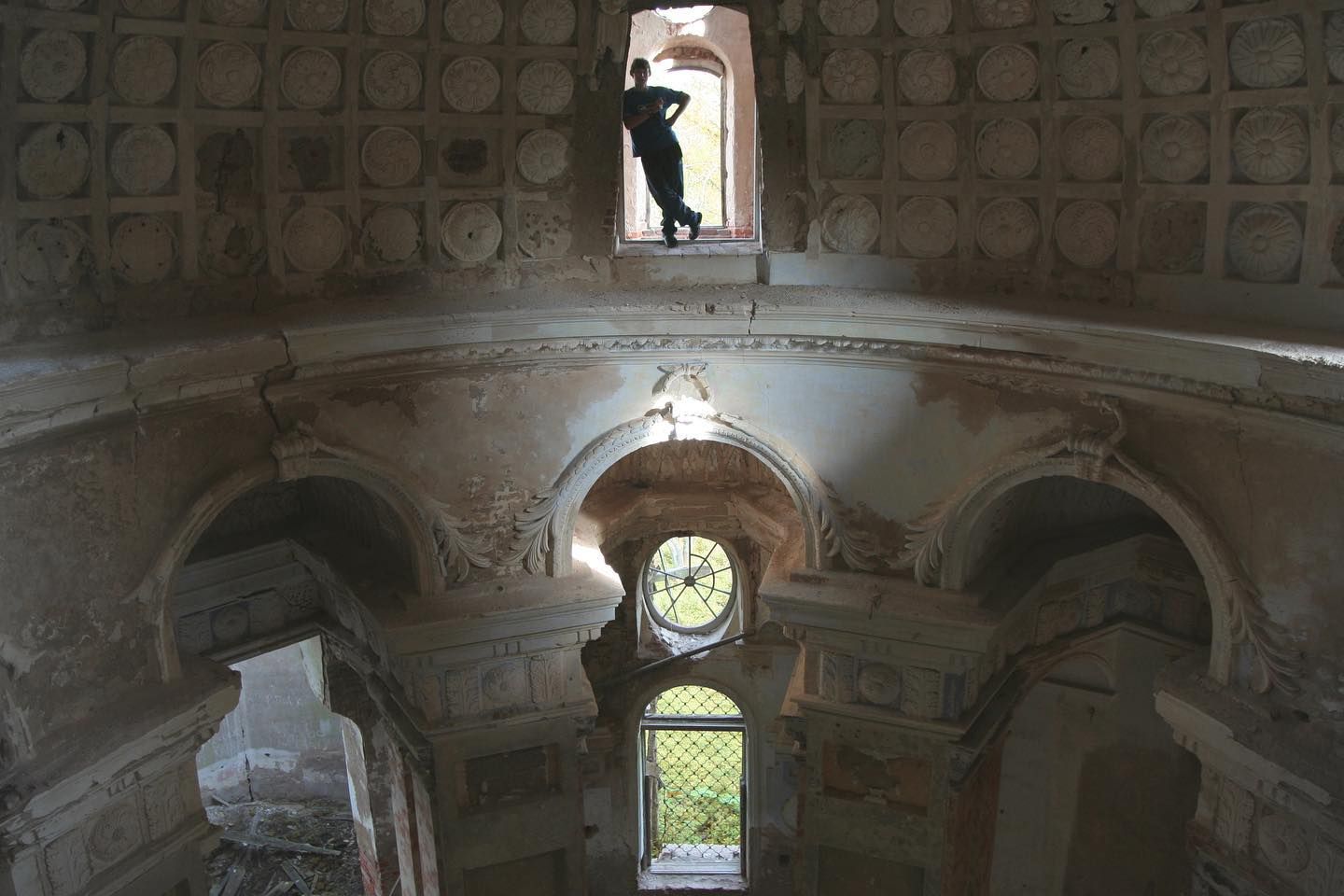
On the other hand, it seems to me that he also felt this disability in himself. Disability is not in the mental sense, but in the sense of relationships with the world. They have some naive, rude, poorly working. Moreover, each of them, of course, like anyone, really wants to somehow build contact with this world.
I think that they know better what is characteristic of all people. Our attempts to somehow make friends with the world or, on the other hand, fuck it. Dima felt in them, I think, and how the artist took the texture in which a person knows better.
Boris Billier
Musician, co -author of Dmitry Markov on the project Cut Off
The merit of uniting photo books and musical albums in one artistic space belongs to the Iikki publishing house, founded by Matias Van Ecloo and located in the west of France, in Brittany. He began to make such projects in 2016, now 26 different publications have been published.
[To the Iikki project] I invited myself! I followed the work of Matias from the time when he led another music label (Eilean REC.). When he founded Iikki, I was delighted with the format and sent Matiasu music: he liked it. It was he who proposed to collaborate with Dmitry Markov. It is impossible to refuse such a proposal.
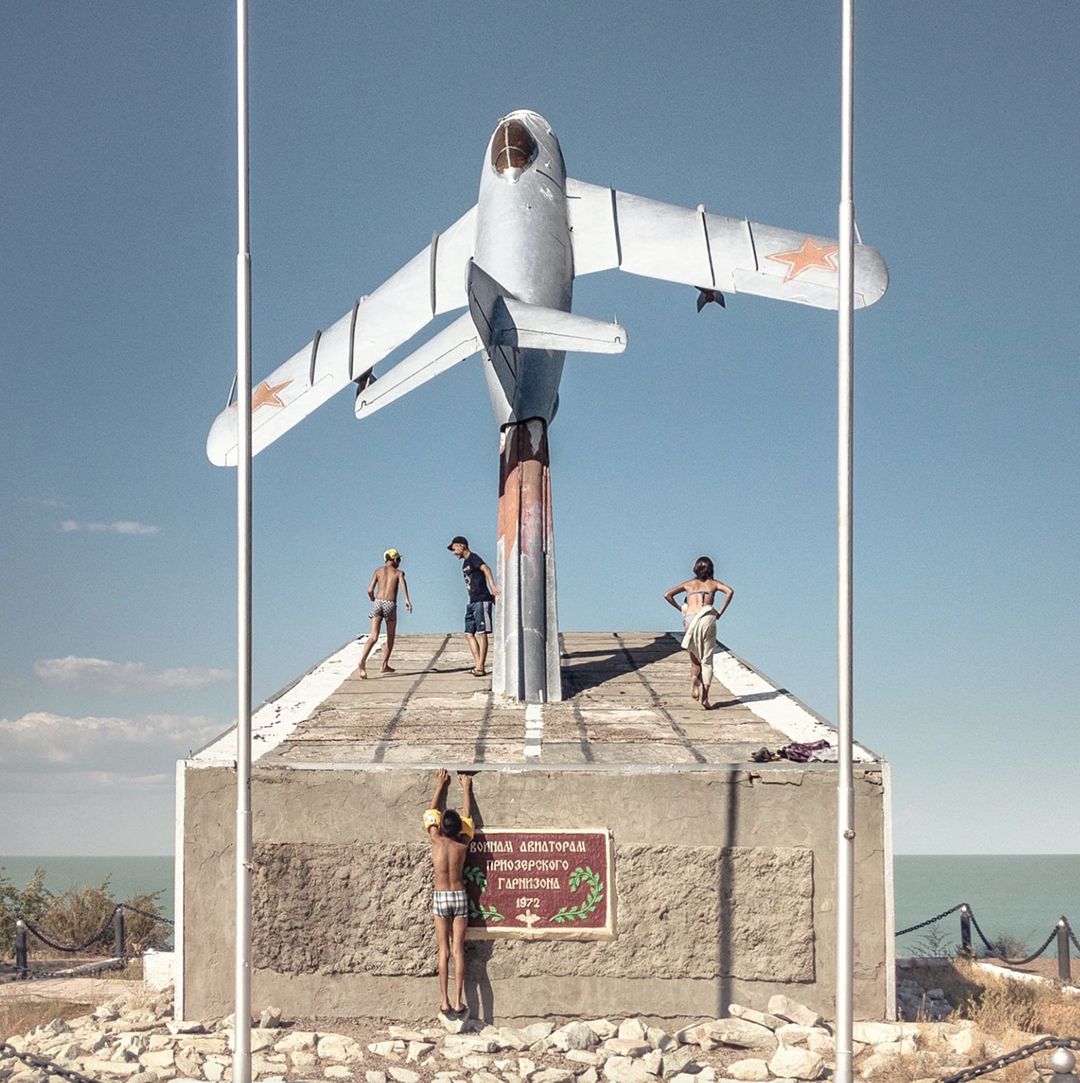
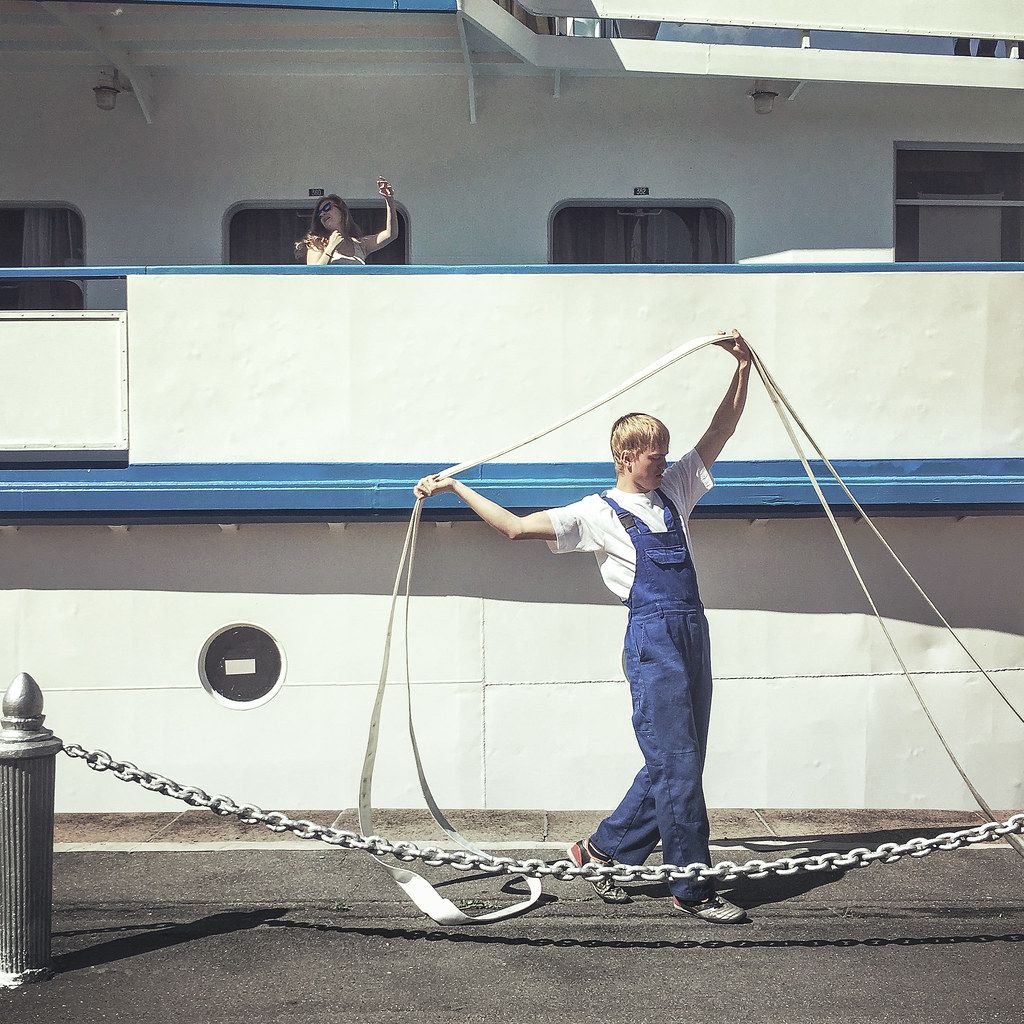
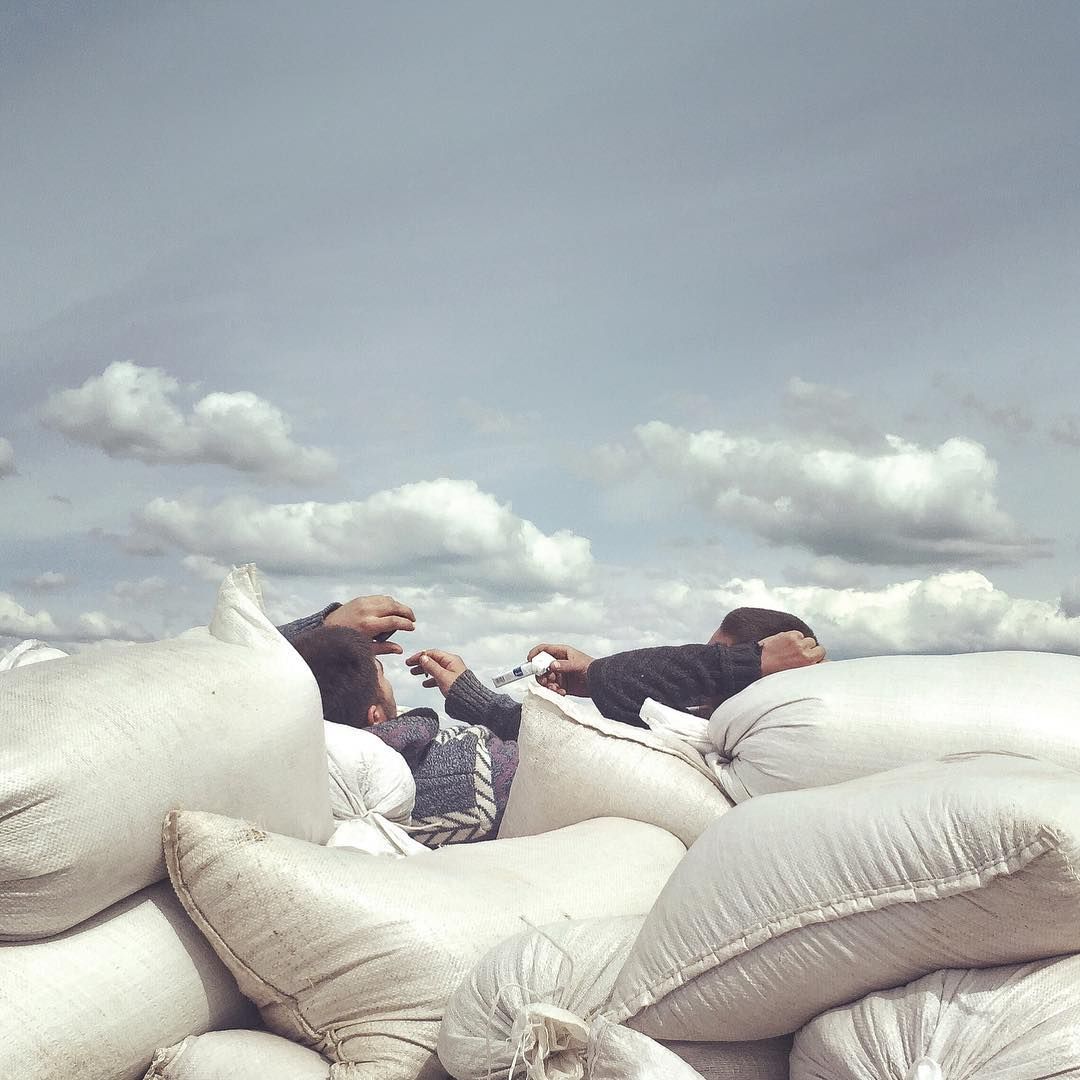
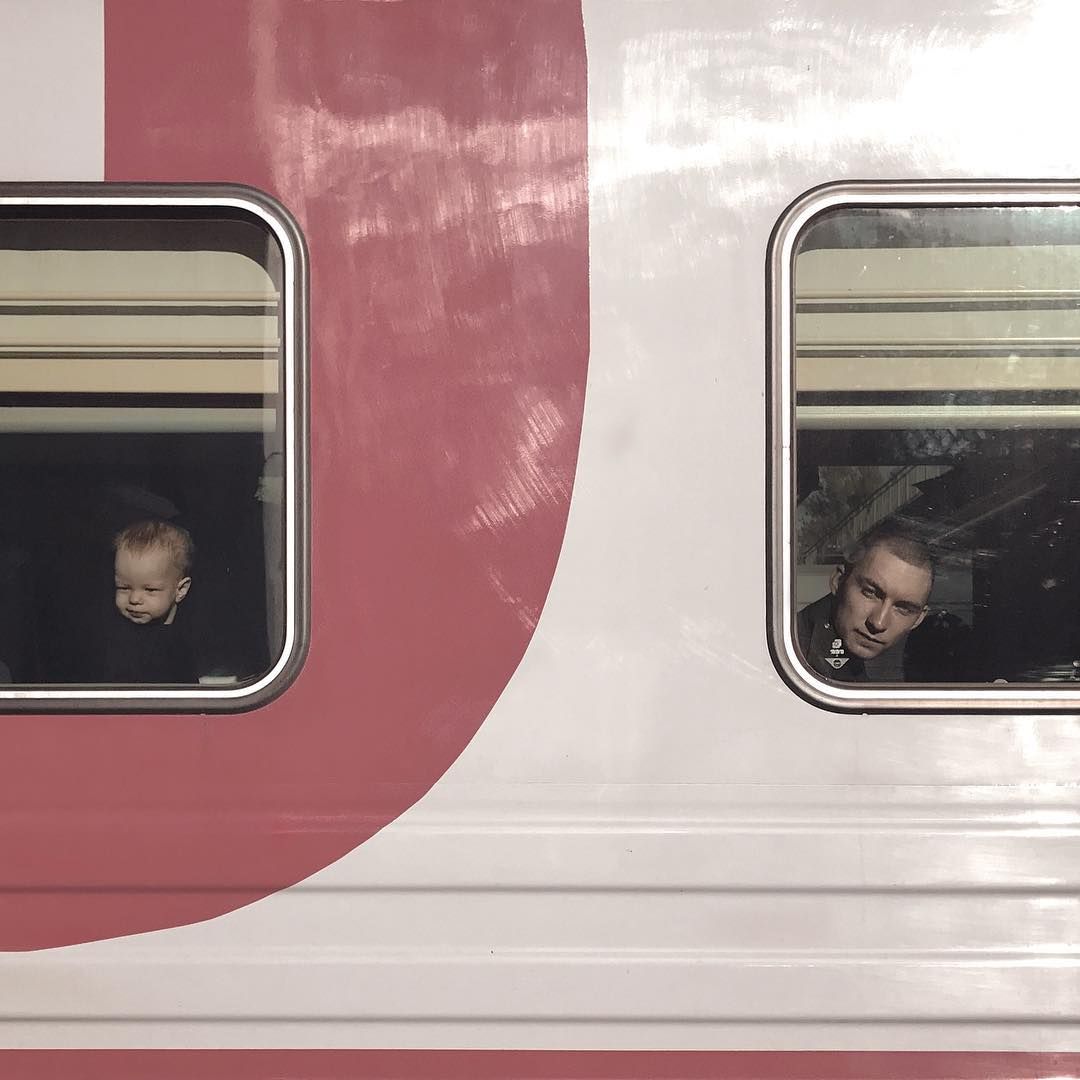
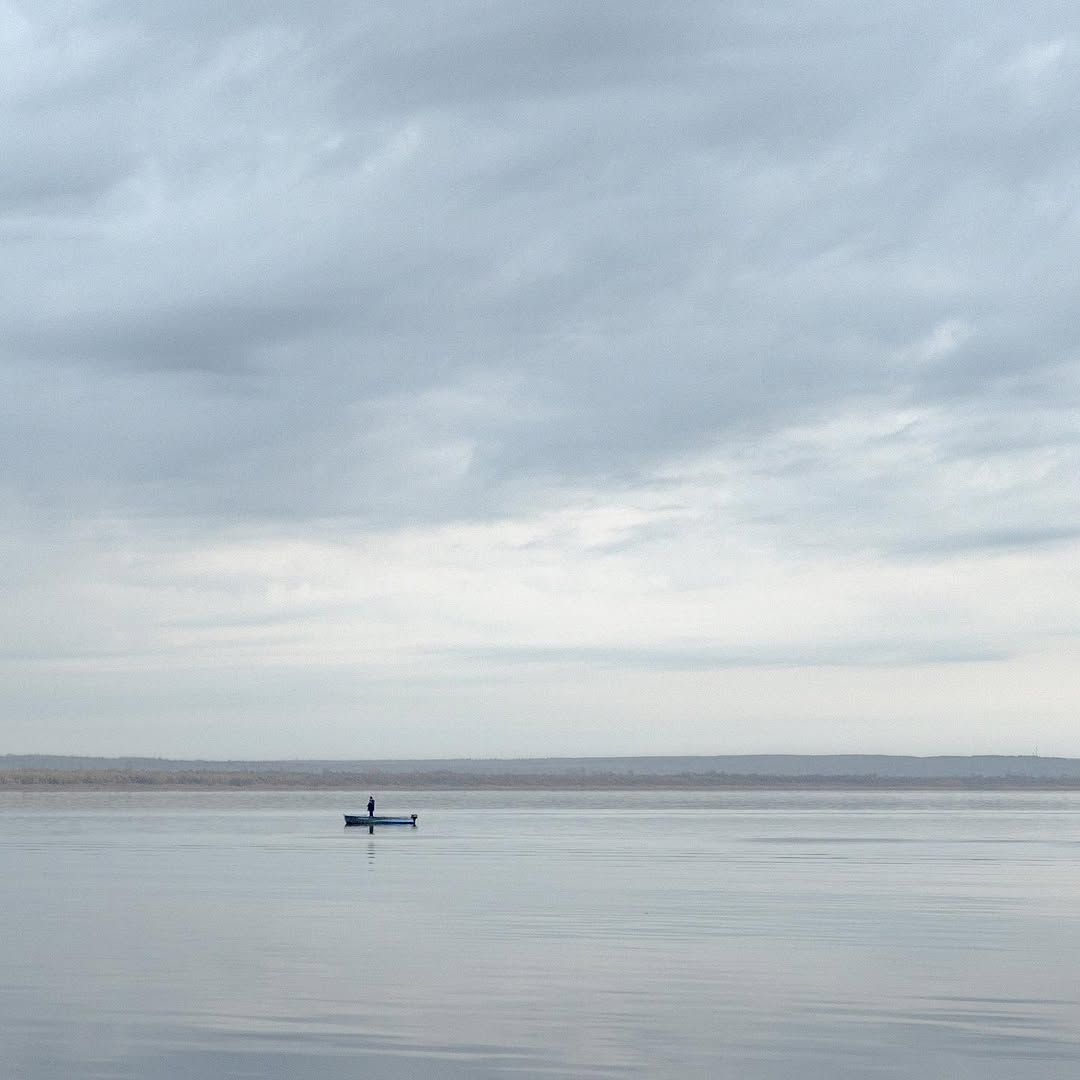
I did not know about [Markov and] his works until Matias sent me several pictures. I remember I was surprised by the number and accuracy of the pictures on Instagram. They are captured incredibly! [Markov] captured completely crazy poses and absurd situations. Each picture tells its own story, it is simply amazing. I was also surprised by the contrast between the discouraging liveliness of some pictures and the impression of endless time on others.
As far as I remember, I thought that ordinary sounds themselves create music. And in the 1980s, as a child, I discovered a cassette tape recorder, a microphone built into a cassette tape recorder, and cutting out fragments [magnetic] tapes with scissors and tape. I fell in love with the “Repeat” buttons, “playback” and “pause” long before I touched the musical instrument. Of course, since then, the equipment has evolved, but my musical work is inseparable from editing and collaging sounds.
So I constantly combine fragments of melodies, records of acoustic tools, computer processing and field recordings. My main principle is to create a sound image from these fragments.
Part of the music [to the album Cut OFF] has already been written when I discovered photographs [Markov]. Then I spent a lot of time, trying, examining images and recording music in completely different directions. It was very exciting.
This experience was completely different [to what I worked with before]. In the theater, we usually work all together, do collectively in the same place, together perform in public, and it is collective energy that acts as driving force, even if [the viewer is concentrated] only on the text and actors on the stage.
Here we worked on a book and a plate, which were supposed to exist both together and separately. It is not quite appropriate to imagine [this project as] illustrated music or look at the photos as a package for a record. We had to find a certain balance.
I was struck by the constant presence of people in the photographs [Markov]. The pictures were taken with incredible respect for people, and it was important for me to show the same respect. I constantly asked myself about what was happening behind the camera. Creating a slightly abstract, elusive effect behind the scenes is the only thing I can do with music. And also stop the time for a few seconds. So I tried to follow this path.
I’m no longer sure whether the abundance of images reflects reality or, conversely, a constant stream of media creates it. It may seem that no image can no longer have any significance or influence [on the world], but the abundance of similar images can ultimately impose point of view, ideas and behavior. Like the most part of the music that we hear daily is associated with television images and reinforces the positive or negative emotions of simplified messages.
In a world crowded with a staggering number of images, a photograph or video that does not fit into the established framework instantly cause discomfort. We are accustomed to a calibrated television picture of happiness and be tolerant even to images of the most terrible poverty and cruelty, but only if they clearly indicate the guilty.
And then the pictures of Dmitry Markov are truly heavy and cause awkwardness. Not because of the things that they show, but because they do not tell us what to think. They completely do not comply with the expected standards. They always have a contradiction, ambiguity, something wrong. We are shown cheerful, friendly and cheerful people, but in a completely neglected environment. Show a soldier who does not look threatening. They show the face, but you cannot understand [what to expect from him]: this guy can be my best friend, or they will kill me now. This causes a strong alarm. [Markov distinguishes from all other artists] the quality of his photographs, regardless of the equipment and the conditions in which he worked. I do not connect his pictures exclusively with Russia, they are quite universal. Thanks to them, I learned about many events and experienced many emotions.
I like it when the name [work] does not claim something, but rather offers the listener to reflect. Английский язык в этом плане довольно удобен, поскольку слова и выражения в нем часто многозначные . На моей пластинке несколько таких названий, которые относятся к технической аудио- или фотографической лексике, но имеют совершенно другое значение в повседневном языке.
Мы делали этот проект в 2019 году, и тогда я довольно четко разграничил предлагаемые снимки и любое личное мнение о внутренней политике в России. Конечно, Дмитрий Марков показал повседневную жизнь в России под углом, недоступным нам, европейцам. Он показал нам сложные условия жизни без приукрашиваний, но, на мой взгляд, его фотоработы не сводятся только к этому. В 2019 году вы могли бы найти очень похожие декорации в любом городе демократической страны в Западной Европе, даже если обстоятельства [при которых сделан снимок] несопоставимы.
В 2025 году, конечно, мы смотрим на Россию совсем иначе. Я стараюсь не судить о людях, живущих за тысячи миль от меня, по действиям их лидеров. Во многих странах, которые ближе к [моему] дому и где люди имеют свободу выбирать правителей, похоже, происходят перемены. По всей Европе и во всем остальном мире мы наблюдаем работу интеллектуального парового катка, едущего по мозгам, отрицание всех форм коллективного разума, усиление власти репрессивных систем, постепенное исчезновение демократических процессов, презрение к судебным институтам. И все это ради ненасытных миллиардеров.
[После коллаборации с Марковым] я, наверное, по-другому взглянул на свое окружение.
Мне было бы интересно посмотреть, что бы сделал Дмитрий Марков, если бы он приехал фотографировать во Францию или путешествовал по миру — со своим уникальным видением. Несомненно, его работы могли бы зародить некоторые сомнения в умах людей.
Юлия Старостина и другие авторы « Медузы»