
Translated material
In Russian regions they protest due to huge accounts for the light
Residents of the Irkutsk region, Primorye and Karelia go out onto the streets, demanding a review of electricity tariffs
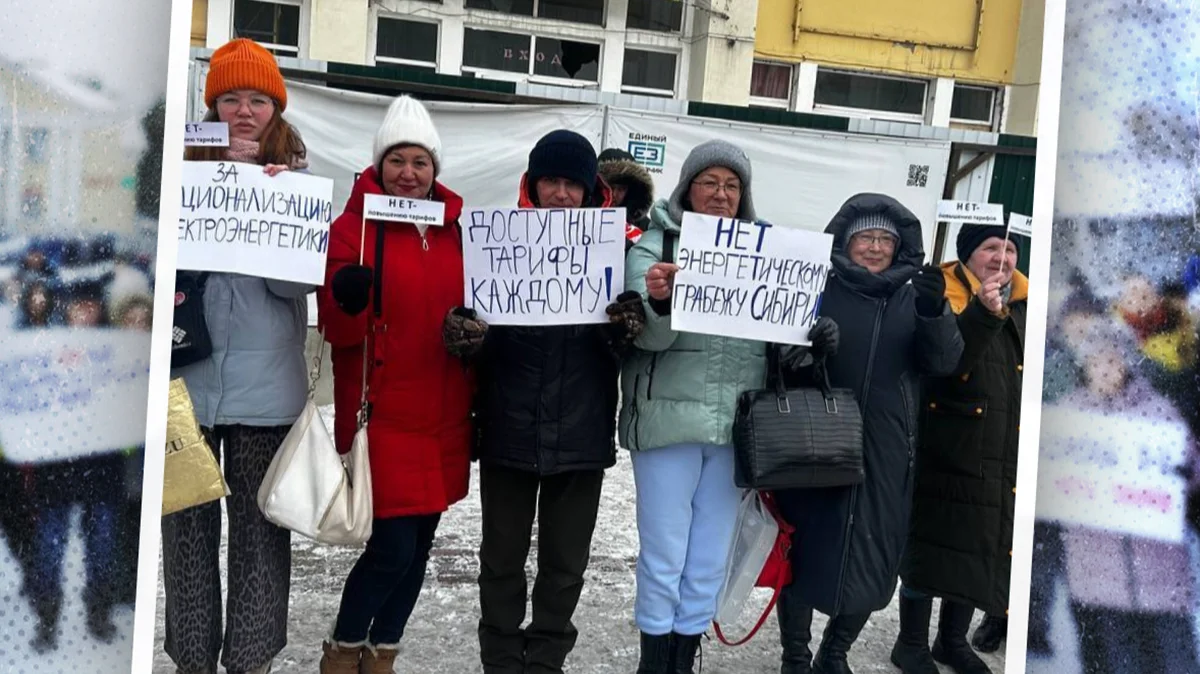
In several Russian regions, they protest due to a sharp increase in electricity accounts-in some cases they increased several times. The reason was increased "dynamic" tariffs approved by the government in November 2024. Most of all the rise in price affected those who use electric heating. New Europe tells how tariffs are changing, what local authorities offer and whether their measures will help to reduce payments.
Irkutsk region
Differentiated tariffs, at which the cost of electricity depends on the volume of consumption, was introduced in the region on July 1, 2024. The federal authorities explained that prolonged use of cheap electricity made the Irkutsk region attractive to illegal cryptocurrency miners. Including because of them the networks were overloaded, and in some areas there were accidents and disconnects. However, local authorities objected to the federal, indicating that residents of the Irkutsk region widely use electric heating.
After that, on November 1, 2024, the Russian government adopted a resolution on strict standards for regions with three categories of electricity consumption. It turned out three possible tariffs:
First - up to 3900 kWh,
the second - from 3900 to 6000 kW · h,
The third is over 6000 kW · h per month.
Since the level of gasification in the region remains low (2%, and the average Russian - about 75%), the local authorities introduced an increasing coefficient for houses with electric shift. To take advantage of this coefficient, residents need to submit documents to the energy supply company. According to the local IRCITY publication, due to delays in processing, many of those who submitted such a statement still received high accounts.
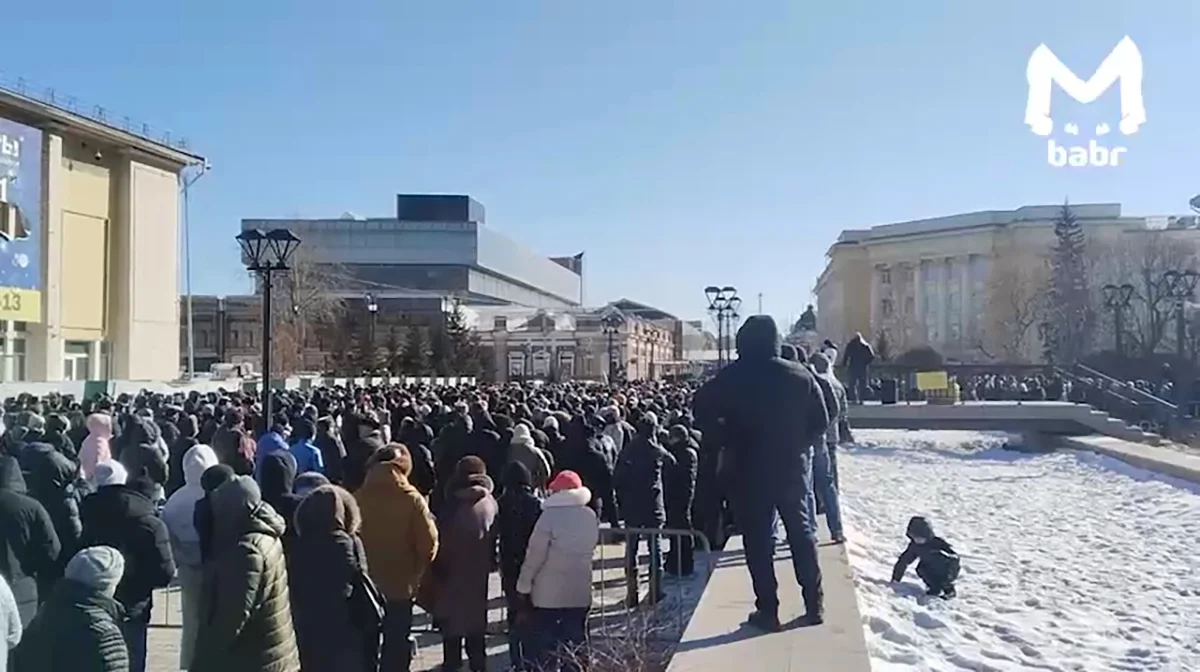
On February 22, a rally was held in Irkutsk for the abolition of a differentiated tariff for electricity - the action was agreed with the city administration. According to Ircity, several hundred people came.
“Even the governor was noticed on the stage - or rather, a photo torn on a bucket. The background sounded his speech about who was to blame for all this disgrace. Spoiler: Of course, miners, ” wrote the Babr Mash telegram channel.
Also, as reported by the Krasny Irkutsk telegram channel, the organizers of the rally read out an appeal to President Vladimir Putin for the cancellation of Diftarif. The regional governor Igor Kobzev has not yet commented on the rally.
Karelia
In Karelia, differentiated tariffs were introduced on January 1, 2024. From January 1, 2025, they began to be reviewed taking into account the volume of consumption and the type of housing, which caused the discontent of the inhabitants. As a result, the authorities reduced the fee for owners of private houses, but so far only temporarily - until June 1, 2025. The head of the Committee on Prices and Tariffs, Stanislav Khazanovich, emphasized that electricity tariffs in Karelia remain “one of the lowest” among the subjects of the north-west with the exception of Murmansk.
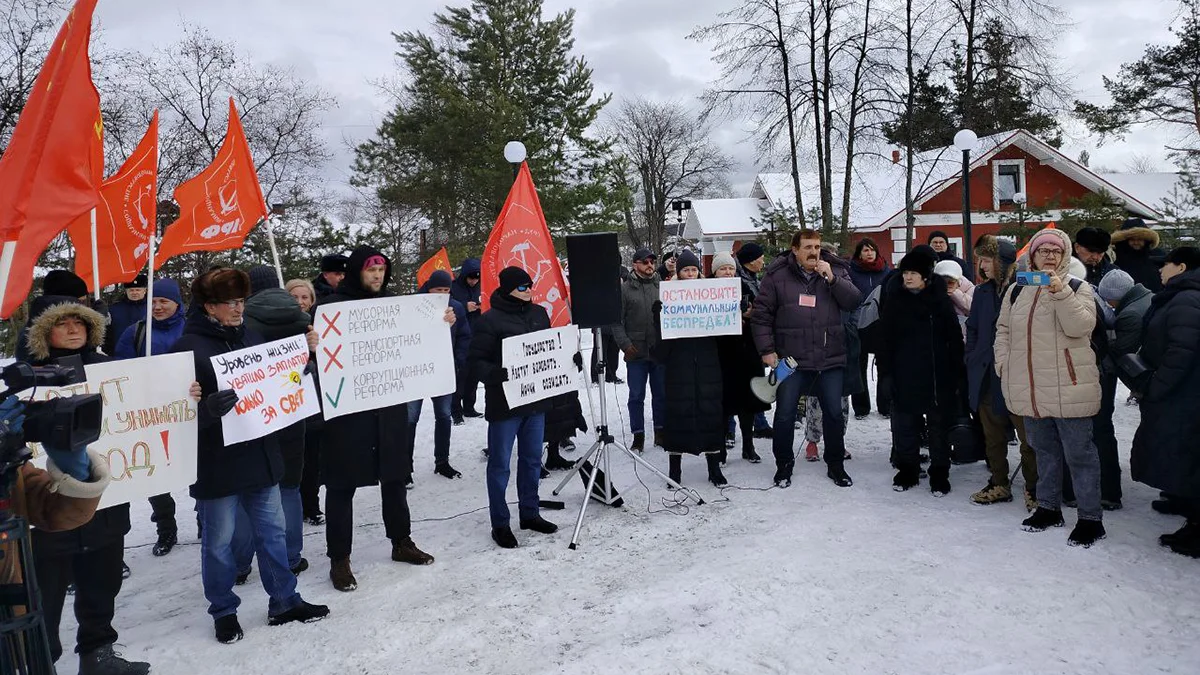
Despite this, on February 21 in Petrozavodsk, a rally agreed with the authorities against raising electricity tariffs was held. Several hundred people publicly demanded a revision of tariffs at the housing and communal services, establishing the maximum threshold of payments in the amount of 10% of the family’s income, as well as the resignation of the mayor of Petrozavodsk Inna Kolkhokomatova and the head of Karelia, Arthur Parfenchikov.
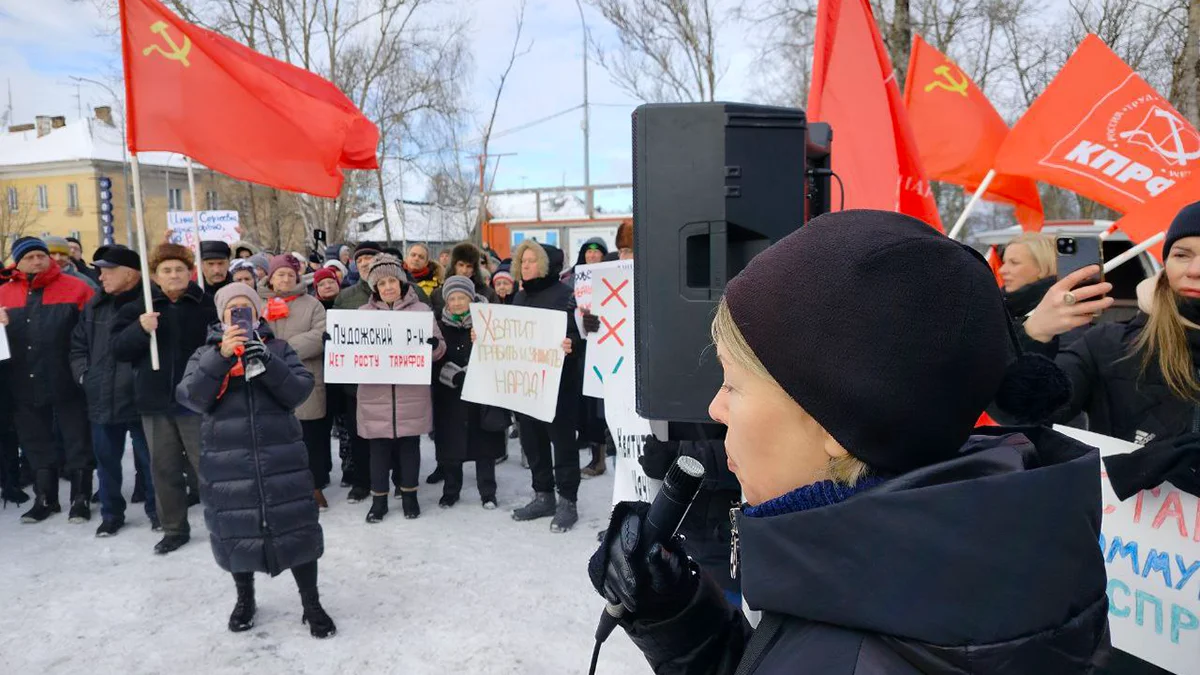
Many protesters emphasized that new tariffs are very hit by ordinary citizens, while local officials continue to receive high salaries. The social activist Daria Kalikina, as the New Gazeta writes , said: “Crazy tariffs and our republican government are absolutely interdependent things. People who receive such crazy salaries as our governor, like our officials, as our ministers, as our deputies from United Russia in the Legislative Assembly, simply do not notice how tariffs are growing. For them this is nonsense! This is not nonsense for us. ”
Primorye
Differentiated electricity tariffs in the Primorsky Territory were introduced in July 2024 with three consumption ranges, where the upper limit was about 11,170 kWh. From January 1, 2025, according to the Decree of the Government of the Russian Federation, they were revised.
Locals have not yet reached protests, but launched a petition to reduce tariffs, collecting almost seven thousand signatures under it. In it, they were rightly indignant that people should pay many times more due to the fact that "gray miners get cryptocurrency, and it is impossible to control this by any other methods."
“If you decide to deal with illegal mining, you need to deal with it. And it turns out that ordinary residents of the country, not everyone, of course, but five percent of the entire population received fresh receipts in February (with a significant delay and delay, which is also alarming), in which the total amount is more than two, or even Three times higher than average payments over the past few years, ”the authors of the petition write.
The history of the local pensioner Andrei Gritsenko, living in the private sector, looks indicative. He told Primorye's public television that he had encountered unusually high tariffs, although he uses only a few “sophisticates” requiring electricity - a teapot, microwave and a TV.
“I paid 16 thousand for the light, of course, I felt [changes] on myself”
He noted.
A resident of the suburbs of Vladivostok Alexei Voronin said that after raising tariffs, his family was faced with an increase in electricity accounts. In 2024, he paid 30 thousand rubles for 7750 kWh, and in this for 7900 kWh - already 41 thousand. "It's just a robbery!" He says. In his house, electricity is used for lighting, heating and water supply, so it is impossible to abandon it.
Communal services accounts grew up because in a number of regions with a low level of gasification immediately used a increase in the coefficient of 1.8 and increased the lower bar to 7020 kW/h. According to Vladivostok1.ru, they did not do this in Primorye, "despite difficult climatic conditions and often the lack of alternative methods of heating."
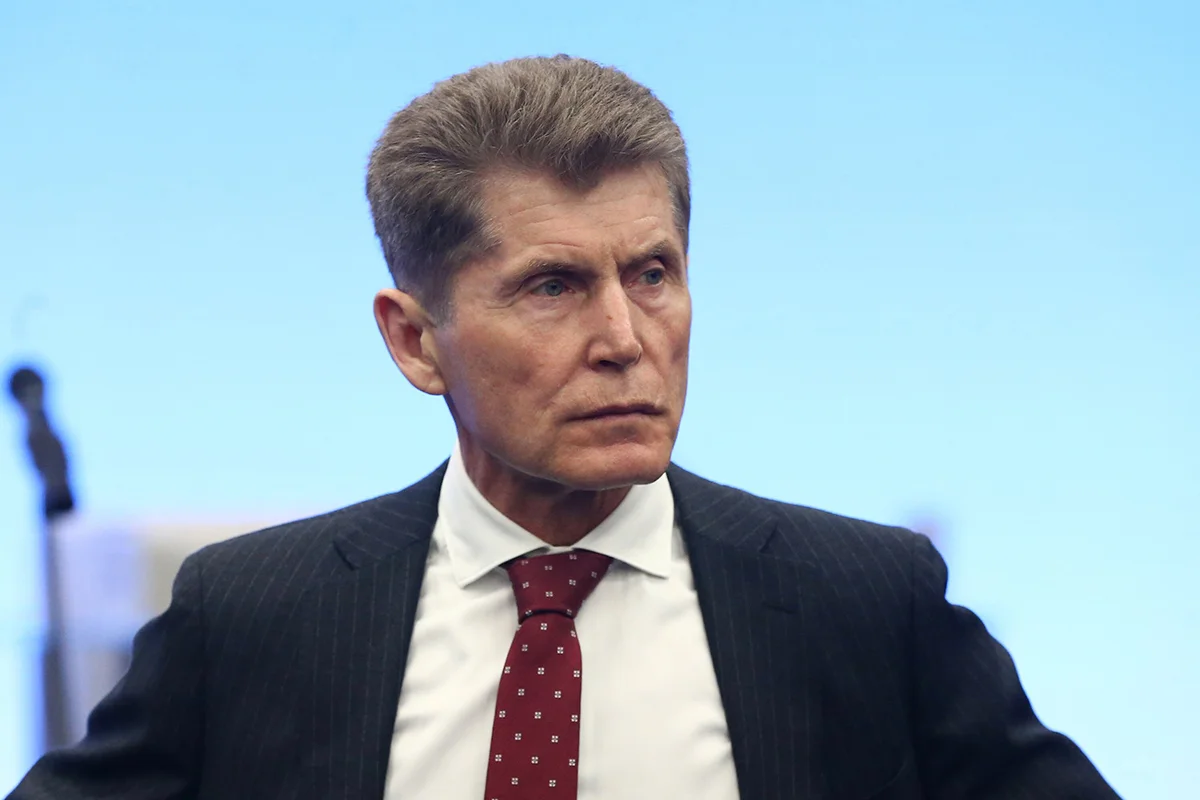
In response, the Governor of the Primorsky Territory Oleg Kozhemyako said that together with the regional authorities and deputies of the local Legislative Assembly sent an appeal to the Government of the Russian Federation and the State Duma with a request to revise electricity tariffs. According to him, the request was formed taking into account the appeals of residents of the region, as well as regional features, such as seasonal changes and insufficient gasification of private houses.
As a result, on February 20, the Government of the Russian Federation allowed the regions to use a raising coefficient of 1.8 for the entire heating season (from September to May). This should reduce electricity accounts for electric heating houses after recalculation. For example, Irkutskenergosbyt has already promised to recalculate everyone who submitted the documents, but how quickly this will happen is still unknown. It is also completely unclear how quickly they can apply a new coefficient in practice and what recalculation mechanisms will be used in other regions.