
Translated material
Revenge at the table
How could the countries that have lost in the war win in the negotiation process? We recall examples from world history
Crushed cover of the album Wish You Were Here Pink Floyd group. Photo: Wikimedia
A military victory is not always a guarantee of a diplomatic triumph, and defeat on the battlefield does not mean inevitable surrender at the negotiation table. History knows many examples when countries that have achieved success in the war lost everything under the pressure of allies or opponents, and vice versa - the vanquished managed to bargain worthy conditions for themselves. About historical examples confirming the importance of the negotiation process for the result of the war, in the material of the historian Alexei Uvarov.
Talleyrand and Vienna Congress: military defeat, but the diplomatic victory of France
After the final defeat of Napoleon in 1815, France was in a difficult situation. Each of the winning countries-Austria, Prussia, Great Britain and Russia-suffered significant economic and military losses over the years. They gathered to reimburse these losses at the expense of France, through indemnities and territorial concessions. However, thanks to the policy of the head of the French delegation, Charles Maurice de Taleyran, France managed to maintain the status of a great power and avoid serious territorial and financial losses.
When Talleyrand arrived at the Vienna Congress, he faced the fact that the main decisions were made by four victorious powers: Great Britain, Russia, Austria and Prussia. They were going to draw a new European map of the four, without the participation of France, referring to the “right of winners”. They planned to attract Spain and Sweden to resolve individual issues, and France - only to inform the decisions made. However, Talleyrand, having met with the representative of each of the victorious powers individually, was able to impose a different decision-making scheme for his opponents.
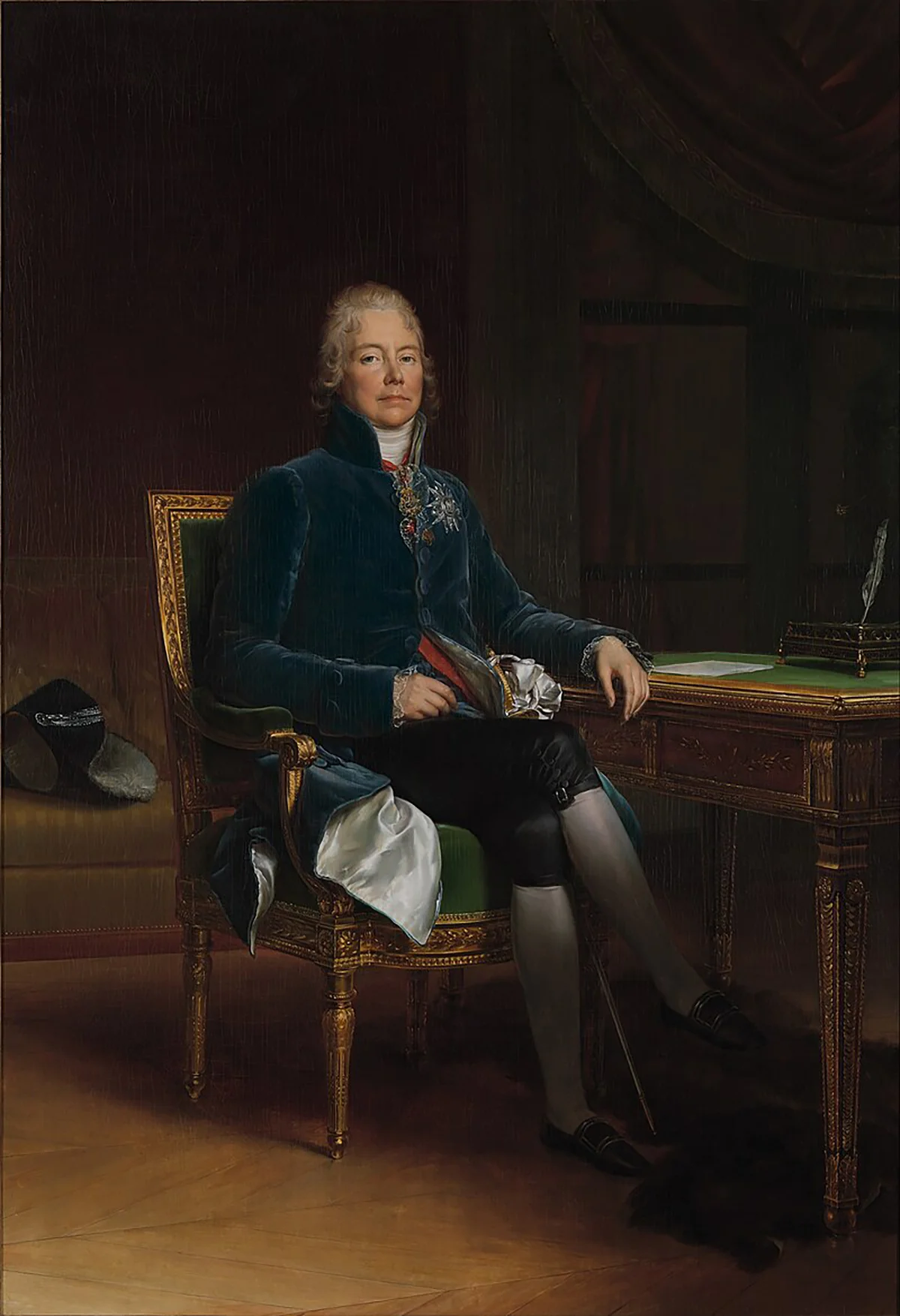
The head of the French delegation presented at negotiations the Bourbons dynasty as a victim of the revolution, claiming that they, like other overthrown dynasties, should be restored in their rights. This argument allowed him to demand the return of France to the borders of 1792 and prevent its division into spheres of influence, which the allies initially achieved. As a result of his actions, France was invited to the negotiation table as an equal participant.
Realizing that there are serious contradictions between recent allies, Talleyrand began to use them. So, Russia and Prussia sought to expand its influence: Russia claimed Poland, and Prussia wanted to get Saxony. However, Great Britain and Austria were afraid of excessive strengthening of these powers. Talleyrand took advantage of this conflict and offered himself as an ally of Austria and Great Britain, helping to restrain the ambitions of Russia and Prussia.
Talleyrand skillfully used the ideas of territorial and political balance, proving that only through a compromise and a balance of interests it is possible to create a strong world in Europe.
Instead of entering into a direct struggle beyond the borders, he focused on sharing the interests of the winners and preventing the formation of new hegemony.
In this sense, he supported the small German states, fearing the dominance of Prussia, and also contributed to the preservation of the independence of a number of Italian principalities and Switzerland. This whole system of buffer zones worked as a counterweight to the ambitions of large powers, and also formed the control line around France, providing it with strategic stability.
As a result of the diplomacy of Talleyrand France, it was possible to avoid cruel punishment and isolation. Despite the military defeat, she retained most of her territories and did not suffer significant financial losses. Having lost on the battlefield, France remained among the leading powers of Europe.
Berlin Congress: Military Victory, but diplomatic defeat of Russia
In 1877-1878, Russia waged a war with the Ottoman Empire for the liberation of the Balkan Christian peoples, in particular the Bulgarians. The war was not easy for Russia, but by the end of February 1878, the main military forces of Turkey were defeated, and the Russian troops stood near Constantinople. Having lost the possibility of continuing the war, the Ottoman Empire requested the world, and in March 1878, a contract was signed in San Stepheno, which consolidated the military successes of Russia.
Russia hoped that this victory would change the balance of forces in the Balkans in its favor and ensure a strong position in the region. However, diplomatic reality was different. Shortly after the conclusion of the San Stephenian world, it became obvious that the UK and Austria-Hungary would not accept its conditions. London saw in strengthening Russia the threat of his strategic interests in the Mediterranean and access to India, and Vienna feared that the dominance of Russia in the Balkans would lead to an increase in pan-Slavic sentiments, which threatened the collapse of Austria-Hungary itself.
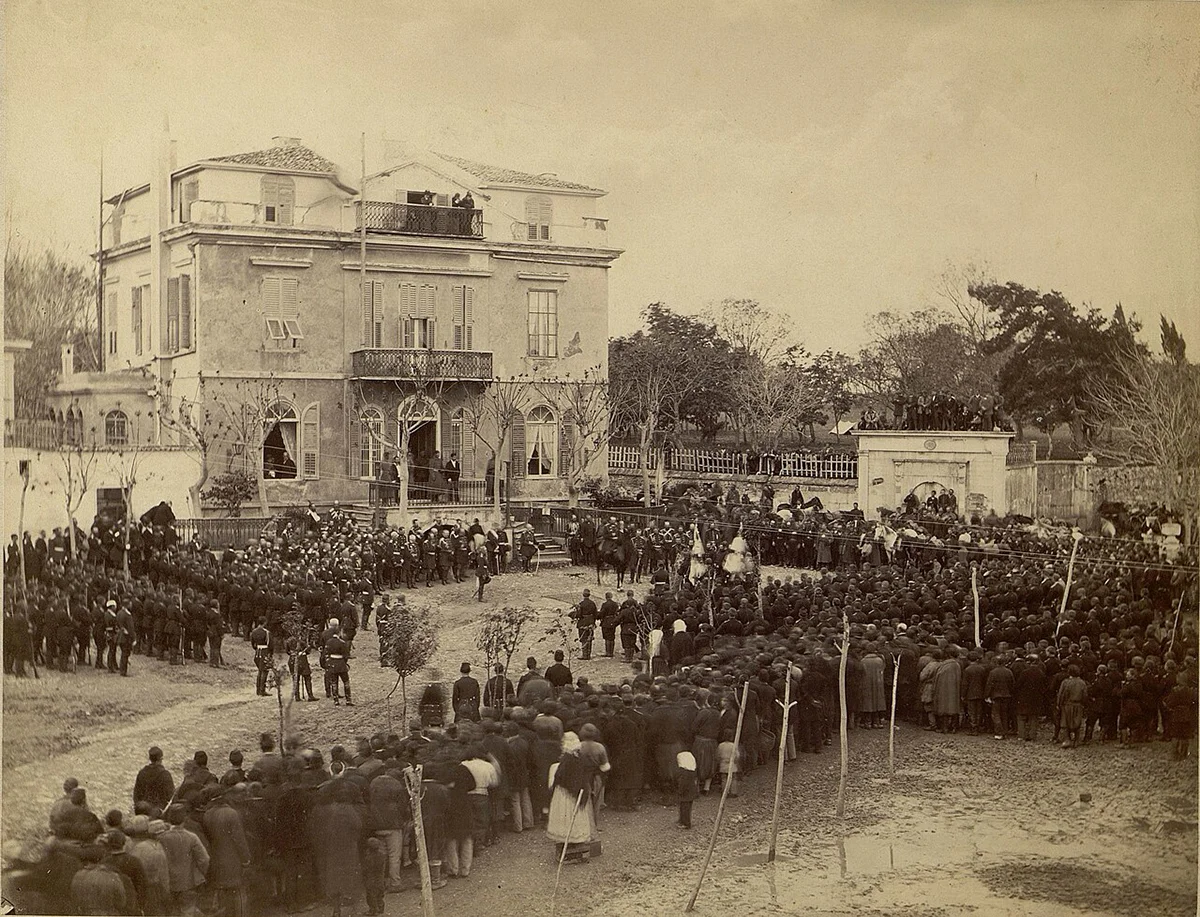
Since the beginning of the war, the Austro-Hungarian Empire took an ambiguous position. Back in 1877, a secret agreement was concluded between Russia and Austria, according to which Vienna promised to maintain neutrality in exchange for the right to occupy Bosnia and Herzegovin. After the end of hostilities, the head of the Austrian foreign policy of Dew A andrashi, demanding to review the Russian-Turkish treaty, taking a very strict position. Britain adhered to a similar approach: Prime Minister Benjamin Dizraeli saw in Russia's success a threat to control the ways to India. The British fleet was sent to the Mediterranean Sea to counteract Russia - the British were ready to start the war in case of the impregnance of the Russian side. Along with military preparations, British diplomats activated work on the creation of the coalition of European powers directed against St. Petersburg.
The key role in resolving the conflict was played by the German Chancellor Otto von Bismarck, who positioned himself as an “honest Macler” and an intermediary between the great powers. Despite the official neutrality, he actually supported Austria-Hungary, trying to maintain a balance of power in Europe and prevent the excessive strengthening of Russia.
In June-July 1878, the International Congress gathered in Berlin, at which the leading European powers actually opposed the position of St. Petersburg, refusing to recognize the San Stephenian world.
Once in diplomatic isolation and faced the real threat of war against the leading European powers, Russia was forced to give in.
As a result of a revision of the conditions of the San Stephen world at the Berlin Congress, Türkiye was able to maintain a significant part of its possessions in the Balkans, avoiding complete displacement from the region, as Russia achieved. Bulgaria did not become a large and independent state, but turned out to be divided: one part of it received limited autonomy under nominal Ottoman control, and the other remained under the direct control of the Ottoman Empire. Austria-Hungary achieved the right to occupy Bosnia and Herzegovina, and the UK-the occupation of Cyprus. The only thing that Russia was able to preserve is territorial acquisitions in Transcaucasia, but against the backdrop of losses in other regions, this looked like a weak consolation.
The Russian military victory, achieved at the cost of enormous efforts, was not converted into a political advantage. The San Stephen world, which could make Russia with the dominant force in the Balkans, was revised in favor of its rivals. Such a turn of events was possible both due to the economic and military weakening of Russia, and by virtue of a single position of European powers.
China in 1895: the intervention of neighbors avoids complete defeat
The Japanese-Chinese War of 1894-1895 flared up due to the struggle for influence on the Korean Peninsula and the desire of Japan to establish itself as a new regional force. Thanks to the more modern army and navy, the Japanese quickly won, defeating the land and naval forces of the Chinese Empire of Qing.
The result of the war was the Simososyok Peace Treaty, signed on April 17, 1895. According to its conditions, China recognized the independence of Korea, which was a vassal of China for more than six centuries. In addition, Japan received significant territories at its disposal, including Taiwan Island and Liaodun Peninsula in the north of China. Finally, China obliged to pay an impressive indemnity (about 140 million Russian rubles, or about 72 million US dollars, at the rate of 1895) and open a number of internal ports for Japanese trade.
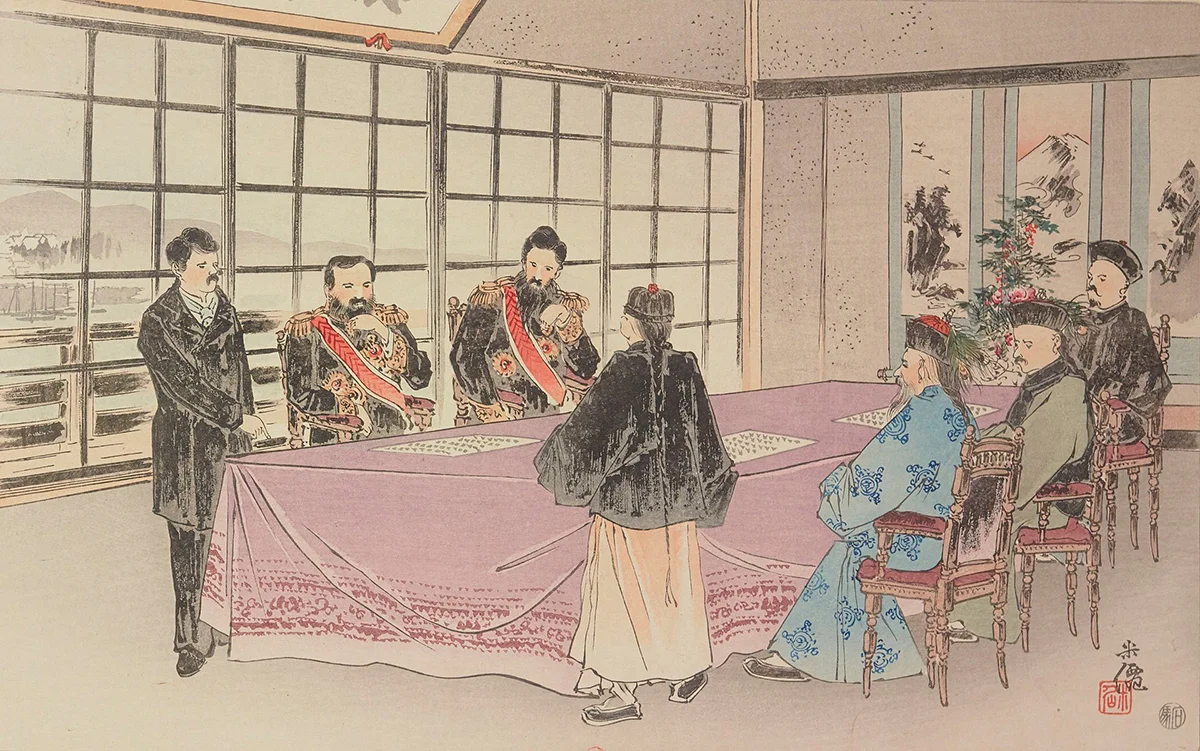
However, the capture of the Liaodun Peninsula caused serious concern among the European powers, primarily Russia, which sought to expand its presence in the region. With the support of Germany and France, Russia demanded that Japan abandon control over the peninsula, referring to the threat of "loss of stability in Asia." Japan was forced to submit to the requirement of the so -called “triple intervention”, since it had no real chance of confronting three European powers. In return, she managed to achieve an increase in indemnity by China, but for Japanese society this decision was a serious blow to national pride. Playing further in the conflicts of powers in the region, China was able to enlist the financial support of Russia and France to pay Japan's indemnities.
For China itself, the results of the war turned into a serious decrease in international prestige. Dissatisfaction played a role in the radicalization of moods within China and the weakening of the government, which was reflected in the overthrow of the monarchy in 1912. At the same time, the possibilities of Japan to promote its influence in the region and pressure on China were limited by other great powers.
Courtsmouth 1905: the war is lost, the face was preserved
In 1904-1905, Russia waged a difficult and unsuccessful war with Japan, which ended in its military defeat. The delivery of the Port Arthur fortress, the defeat of the Russian army near Mukden and the catastrophe of the Russian squadron in the Tsushima Strait in May 1905 made a continuation of the war almost impossible. The internal position of Russia also worsened: the defeats at the front caused a surge in revolutionary sentiments, the economic crisis, strikes and mass discontent.
Against the backdrop of a series of military defeats and the threats of the revolution, Emperor Nicholas II was forced to agree to peaceful negotiations. American President Theodor Roosevelt proposed organizing them in the United States, hoping to strengthen the international prestige of America. Russia agreed, but not the Minister of Foreign Affairs went to negotiations, but the chairman of the Committee of Ministers Sergey Yulievich Vitte. Not a military man and not a diplomat, he managed to negotiate for Russia much better than Russian diplomats and their Japanese colleagues themselves could suggest.
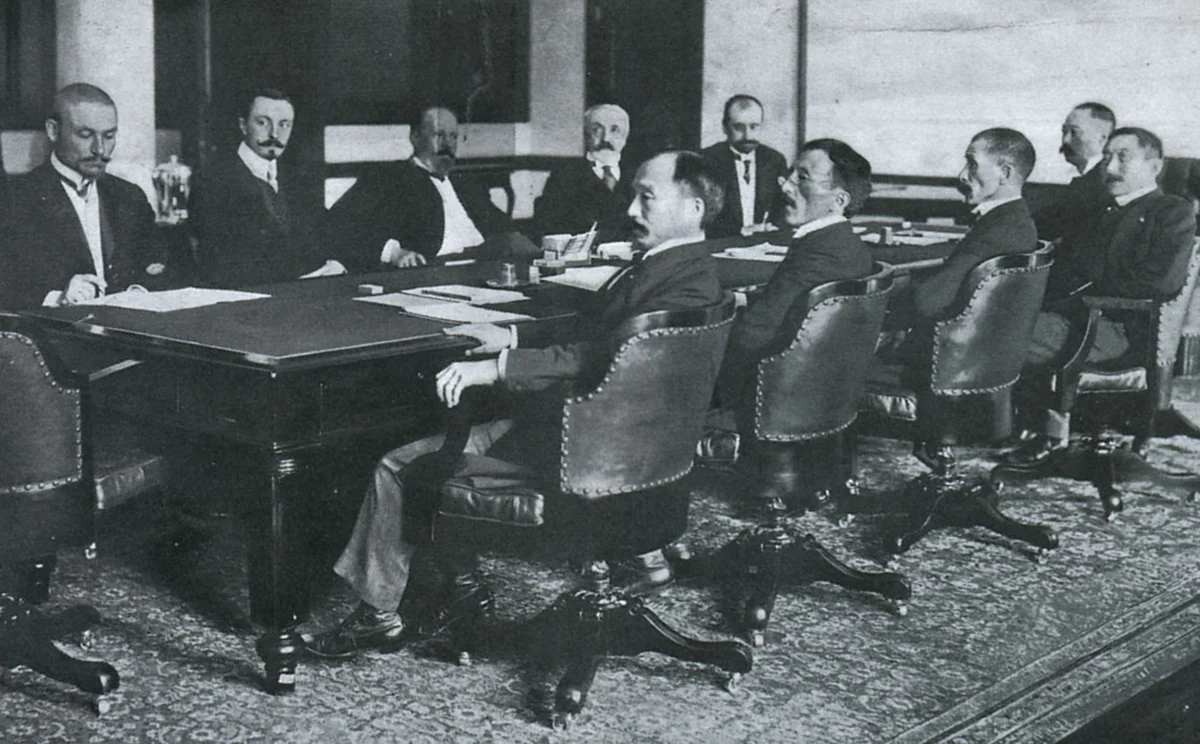
By the time of the beginning of negotiations in August 1905, Russia's position looked extremely weak. She lost the war, her army was demoralized, and the fleet was practically destroyed. Japan, despite military successes, was also in a difficult position: its resources were running out, the economy was exhausted, and the army suffered heavy losses. In Japanese society, fears grew that if Russia continues the war, then it could regroup forces and deliver a new blow. However, the Japanese side arrived in Portsmut with extremely rigid conditions: they demanded that Russia recognize Korea with a zone of Japanese influence, Sakhalin's concession and the restriction of the naval forces in the region.
Witte managed to arrange American public opinion, emphasizing that Russia does not consider itself unconditionally defeated and is ready to continue the fighting if the conditions of the world are unacceptable. His open style of communication with the press and influential persons in the United States, as well as demonstrative confidence in their abilities, helped to cause the sympathy of American society, which was previously configured to Russia rather negatively.
Neither Europe nor America was satisfied with excessive strengthening of Japan. At the first meeting of the peace conference, Witte said that in the war there were neither winners nor defeated than set up a tone for further negotiations.
Japan sought to achieve the most favorable conditions, but found that it has no guaranteed support from either the USA or from the UK and other European countries.
These contradictions, a firm position and a skilled media campaign did their job: the Japanese were hesitated. US President Theodore Roosevelt himself, not wanting the failure of negotiations, recommended Tokyo to refuse the claims for the indemnity. The Portusmut world, signed in August 1905, turned out to be much softer than expected. For the United States, this also became a success: on the one hand, they stopped the expansion of the influence of Russia, on the other hand, they did not let Japan become dominant force. In Japan, the results of the war caused a wave of indignation and mass riots in Tokyo.
Witte was able to mitigate the consequences of the defeat as much as possible: he minimized territorial losses, avoided paying indemnities and retained strategic positions for Russia. The key factor in success was the support of American public opinion and the competent use of contradictions between world powers.
Japan: from atomic bombing to an economic miracle
Having suffered a crushing defeat in World War II, Japan capitulated on September 2, 1945. Military defeat and subsequent occupation raised the question of the Japanese society about the future of the country: about its political structure, economic restoration and return to the international community. One of the key events of the first post -war years was the Tokyo process (1946–1948), during which Japanese war criminals were judged, several leaders of the previous regime were sentenced to death. However, the demilitarization of Japan was not limited only to this process. The United States has taken comprehensive measures to exclude the possibility of reviving its military power. In 1947, a new Constitution of Japan was adopted, Article 9 of which secured the country's refusal to conduct war as a means of resolving international conflicts and a ban on the maintenance of the army. The American occupation administration carried out reforms aimed at decentralizing power and weakening the elites, including the dissolution of large industrial conglomerates (Dzeibatsu), which supported Japanese expansion. However, Japan did not remain in the status of the loser for a long time: its positions changed rapidly against the background of the confrontation of the USSR and the USA.
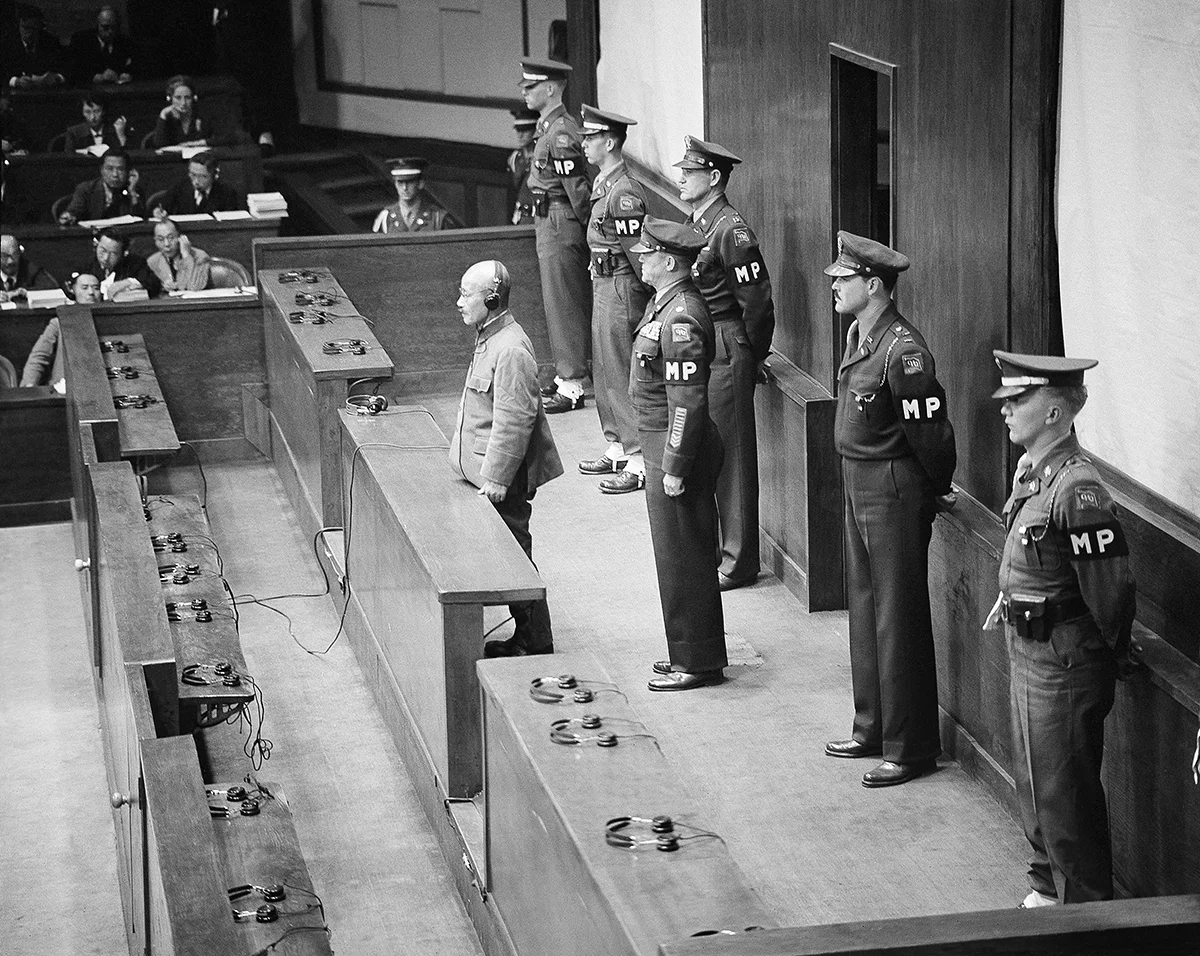
In the geopolitical context of the Cold War, the United States saw in Japan a potential ally against communist influence in Asia and sought to accelerate the process of restoring its sovereignty. This has created favorable conditions for Japanese diplomacy, which consistently formed the image of Japan as a responsible partner in the international arena. The key element of this diplomatic strategy was the “Doctrine of the Yoshida”-the course of Japanese Prime Minister Siger Yoshida, who assumed close cooperation with the United States, focus on economic growth and minimizing military spending.
The final settlement of the status of Japan occurred when signing the San Francisian peace treaty in 1951. This agreement formally completed the state of war between Japan and the union powers, restored the Japanese sovereignty and marked the end of the period of the occupation. Japan abandoned claims in the territory won during the period of imperial expansion, including Korea and Taiwan, and pledged to comply with the principles of the UN Charter and the General Declaration of Human Rights. The issue of reparations and compensations was resolved in a form that did not undermine the economic revival of the country. Thanks to the signing of the contract, Japan was able to regain the status of an independent state and lay the foundation for rapid economic growth in the second half of the 20th century.
In the period from 1945 to 1951, Japan went from a defeated and occupied power to a strategic ally of the United States. In favor of such a quick change in status, both the new geopolitical context and Tokyo's diplomatic efforts played. The latter is especially noteworthy, given the fierce of the war in the Pacific Ocean, from battles for each island to atomic bombing. The observer from 1945 could easily predict at least decades of the Japanese mutual hatred to the Americans (and vice versa). But instead of this, Japan chose a strategic union with the winner and outplayed the post -war situation in its favor.
Real negotiations
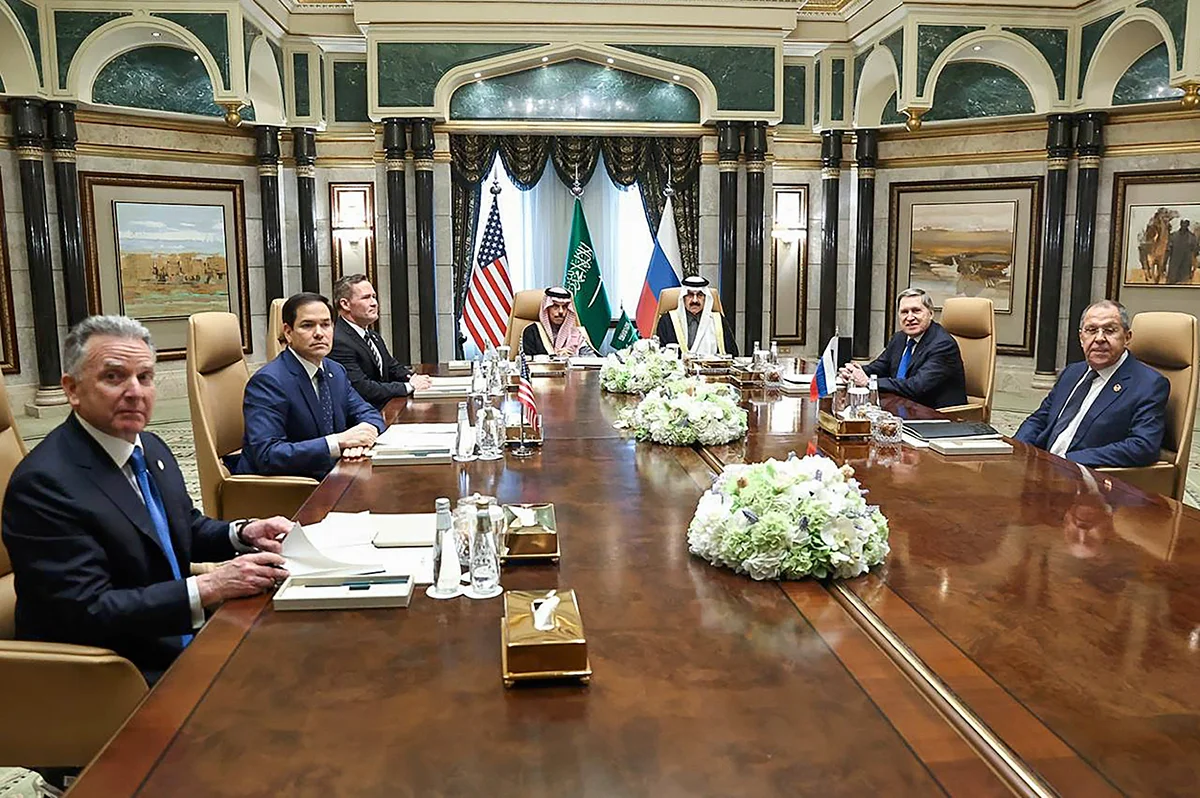
The above examples cannot fully serve as a guide to action for the modern political elites of Russia and Ukraine. The realities of the XVIII, XIX and XX centuries are significantly different from current international policy. At the same time, the foundations and methods of diplomatic practice used today were laid precisely then. One of the key history lessons is the understanding that a military victory does not guarantee a strategic advantage in the long run, and it is the negotiation diplomacy that remains the most important tool for the formation of a new political order.
The ability of the loser side to integrate themselves into a large international context allows you to reduce pressure from the winning power, using the influence of other world players. The approach, which in the theory of international relations is associated with Realpolitik, emphasizes the use of the configuration of forces to achieve the best conditions, even in adverse circumstances.
This approach was a key in the actions of Talleyrand, who at the Vienna Congress used internal contradictions between the victorious powers. Similarly, the Berlin Congress of 1878 showed that even after the military triumph, Russia was in isolation, as its rivals were able to mobilize diplomatic resources more efficiently. In the 20th century, balancing between powers was also a difficult task: Japan in 1945 was completely defeated, but was able to quickly integrate into the Western world through the use of new contradictions in the Cold War.
Modern schools of international relations offer different interpretations of diplomacy as an instrument. If Realpolitik (her apologet was Henry Kissinger, whose scientific work, by the way, was dedicated to the Vienna Congress), considers diplomacy as balancing between the interests of the powers, then neoliberals focus on institutions and mechanisms of cooperation, and constructivists draw attention to the influence of social norms, identicals and ideas.
From the point of view of constructivism, the success of Talleyrand can be explained not only by its maneuvers, but also by the fact that negotiations were conducted within the framework of the general system of values and norms characteristic of the European aristocracy. The divided cultural codes and understanding of diplomatic etiquette facilitated the achievement of compromises and reduced the level of distrust.
At a later time, the United States and the USSR, despite the strict confrontation in the Cold War, also had certain points of contact - first of all, the recognition of the principles of world policy based on state sovereignty and nuclear deterrence,
Which allowed to build a limited, but still stable cooperation.
I repeat once again what to look in the events of the distant and recent past direct analogies with the current situation would be incorrect. Diplomatic capabilities are formed not only on the basis of the actions of individual politicians, but also as a result of a wide configuration of international forces. However, history teaches that negotiations are a continuation of the struggle with other means and competent use of diplomatic mechanisms can both strengthen the position of the loser and undermine the success of the winner.