
Translated material
House of cards
The distribution system in the economy and "solid prices" again began to discuss, let's recall how it was
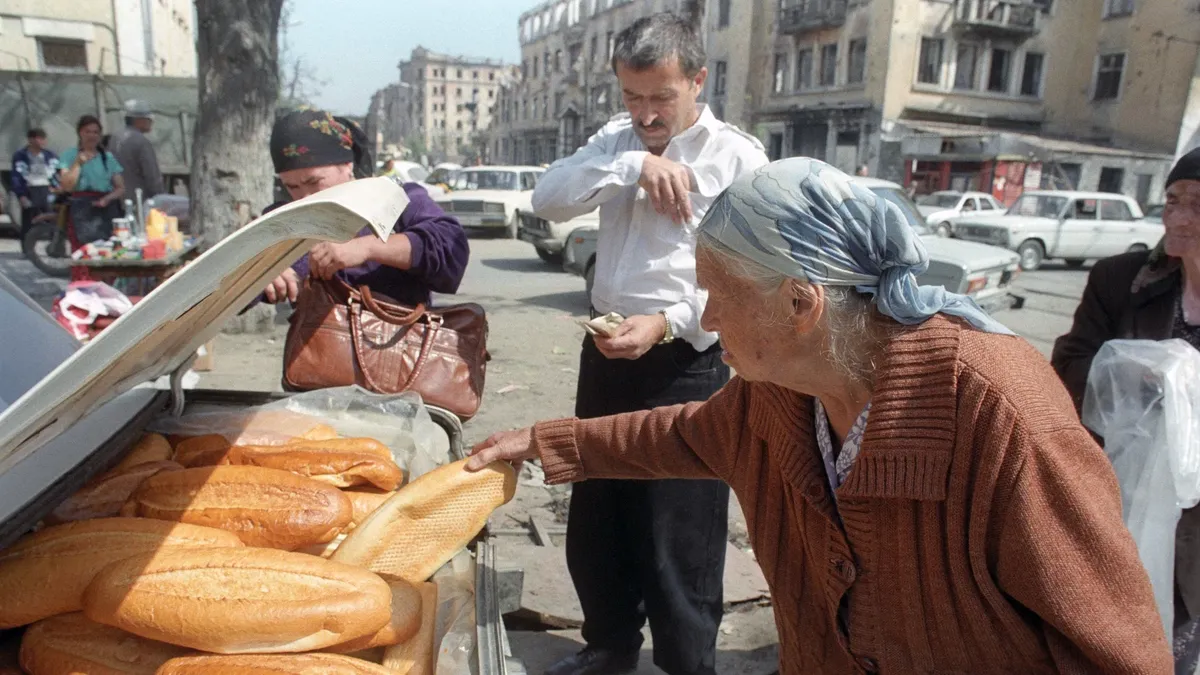
Photo: Itar-Tass
That's how rotten the card system has become!
I.V. Stalin. November 26, 1934
"I will not subscribe to your tacty!"
The idea of distributing goods at “solid prices” is actually very old: not yet knowing such words as macroeconomics and intersectoral balances, people noticed that in crisis times the prices for everything are rising - and there are not enough goods. Examples of such a normalized distribution can be found almost in the history of ancient Rome. But the “truly” system of distribution of products “by cards” earned during the First World War.
The reasons were on the surface: the military-industrial complex and the army of the warring parties, generously paid by the government, created tremendous demand for all types of resources that were “redeemed” from other sectors of the economy-the deficit of resources outside the “military sector” turned into inflation, and, therefore, the money that the government collected in the form of taxes also exposed. And then the idea was instantly born: and let's normalize consumption in order to release resources for a military machine.
Let people get at least a million - they can only buy for this million that the government will “appoint” them, and let them buy with the remaining money what remains on the market on free sale,
Although at a tenfold price, compared with the pre -war level, the real amount of resource consumption in this case will not increase.
Moreover, if the countries of Western Europe introduced the sale of products “at solid prices”, but in a limited volume and assortment, almost immediately after the start of the war, then in the Russian Empire they swayed for a long time - a year after the start of hostilities, on August 17, 1915, a special meeting appeared to discuss and combine food activities.
The meeting was formed on the basis of the Department of the Gemylery for the purchase of bread for the current armies under the Ministry of Agriculture. The tasks of the meeting included the preparation and conduct of activities to ensure food and the army, including the harvesting, storage, transportation and distribution of food, the regulation of prices for it, the organization of local food bodies and control over their activities.
The meeting acted as the commission - on the supply of the army and the navy, as well as the rural and urban population with bread and grain forage, about the supply of them with the same meat, oil and hay; on measures to combat the high cost of essential items; Transport and others. In October 1915, authorized chairman of the special meeting in the localities were appointed (69 people by February 1916 in most provinces and regions), meetings from representatives of the Zemstvo Union and the Union of Cities and Military-Industrial Committee were created with them. Since October 1916, instead of them, the provisions of the Special Meeting began to be led by the Garryical Enterprise of the Ministry of Agriculture for the purchase of bread, meat, fats, vegetables and other products; Provincial and city food meetings were created, which included representatives of the Special Meeting Meetings. To justify the plan for supplying the food and the population, the meeting prepared and in 1916 conducted the All-Russian agricultural census ...
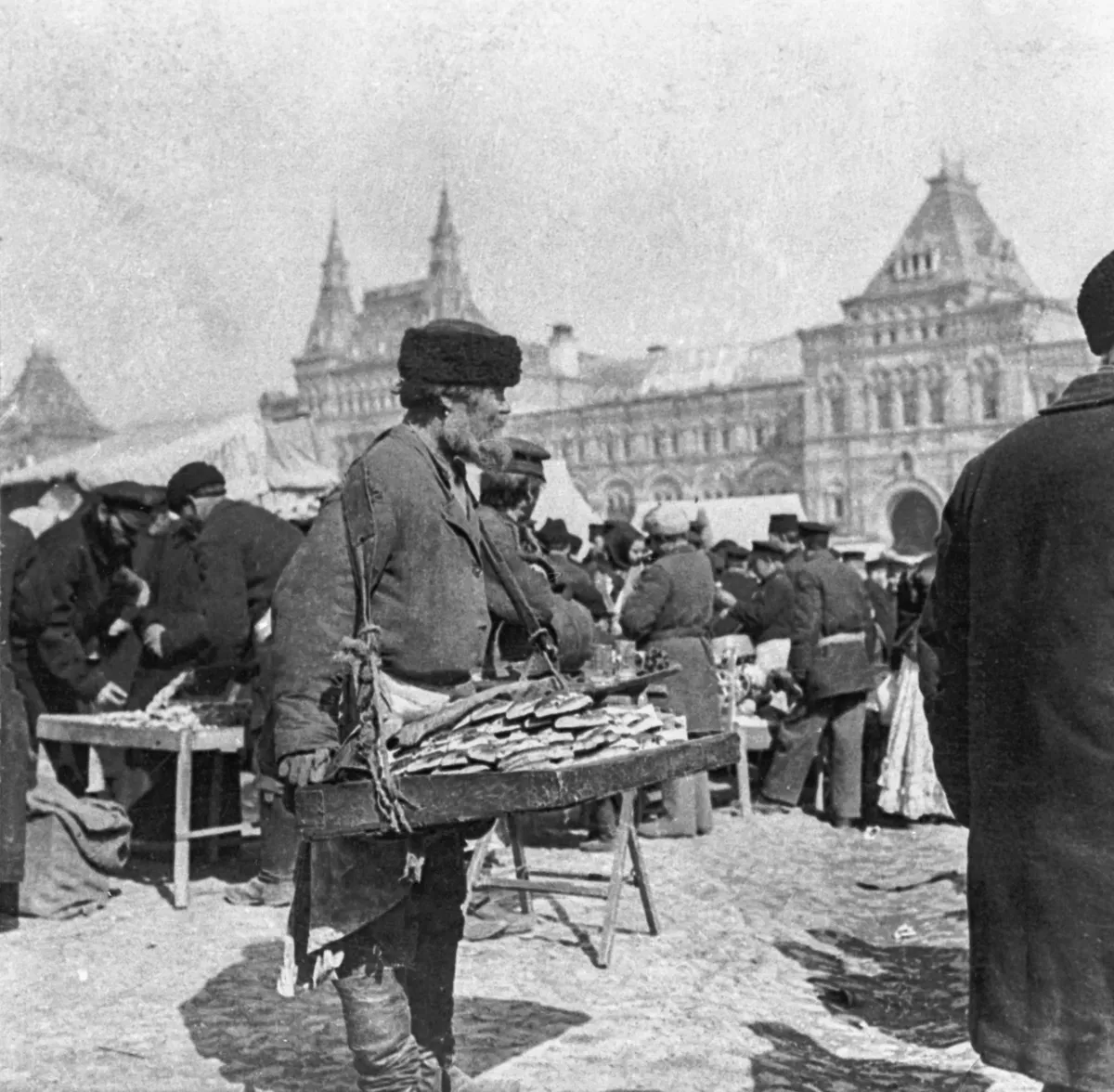
The practical result of all this great work in the eyes of the population looked like this:
“The dachshund appeared on the village bazaar in a quiet: they glued a table on the fence around a latrine, and that’s it. Who needs it, they already knew her by heart.
Cossack-Khutoryanin and not know why the buyer was bargaining before exhaustion, and now he chooses without unnecessary conversations:
- Karasi, what? Is there a carp?
- Yes, your degree. If you please, the pounds will pull the heels. Or here ...
- All!
- Do you take it?
- Both, all!
The Cossack weighed on the Bezmen, the buyer, unable to cope about the price, put it in the basket, counted 74 kopecks and silently handed over to the Cossack.
- Mr.! What will it be? -the Cossack was amazed, holding in a brown wide palm stooped modern marsh coins.
“By a dachshund, my darling,” the buyer answers meekly, putting a finger to the fence, “if it is competent, he must read it himself.”
- Come on fish here! - cried the Cossack, throwing his brand into the basket of the buyer. - No matter how your stomach is sick, eat on a dachshund!
- And the policeman is noisy?
- Noise, and give the fish here!
And four hands clung to the basket.
* * *
- For such forks [cabbage] - a nickle?
- I ask a nickle, or maybe we’ll get together in four.
- And the dachshund?
The assessor dismissively pokes his fingers in a nomad. His gaze shakes. Baba is silent.
From the crowd, a compassionate voice, staring at the woman:
- Why, if we are competent peoples, your nobleness, otherwise we are steppe, not written people ... We heard, tacty, they say, and in what power tacty, we do not know ...
- For all essential items ... 40 kopecks per pood are installed for cabbage! Otherwise, what is the dachshund for?
- Yes, we did not sell it for weight, but with forks ... I will take the scales? I didn’t sacrifice your mistress alone, forks - like a tears clean ...
“Tacty, your whistle, you need everything, since tactius,” they are muffled in the crowd of voice, - otherwise there is no access - there is no access ... - And matches? And Karasin?
Baba dared:
“You would have drunk her in the summer in tacty, I would know how much a hundred of the scallops.” I can't subscribe to your tacty! "
Alexander Solzhenitsyn. "October sixteenth"
"Excesses of the city are covered by the operation of the peasantry"
The rationing of food prices, divorced from the standardization of the volume of products that can be bought at these prices, caused strong discontent of people. And the Bolsheviks, arranging their standardization system, took into account this experience: everything that was sold at solid prices was sold limited, and for everything else - pay, if there is money, and expensive.
Then the NEP in the early 1920s made it rationing irrelevant, until in 1925 the XIV Congress of the CPSU (B.) did not proclaim the country to industrialize. The development of the first five -year plan began. In the decree on June 8, 1927, the Council of People's Commissars of the USSR set the task: to use all the country's resources for the development of the industry, primarily a heavy and military.
And here the Council of Ministers fell into a trap, about which John Meinard Keynes, who visited the USSR in 1925, warned the Soviet leaders.
QUOTE:
“... Today's Russia is a country with a 140 millionth population, the six-seventh of which are busy in agriculture and live in villages, and one seventh-citizens working in industry.The urban and industrial population, which, as an outside observer is seen, does not provide itself, lives, I must say, by higher standards than the productivity of their labor allows.
Excessive expenses of the city are covered by the operation of the peasantry, permissible only because the townspeople make up the numerical minority of the country's population. Thus, the communist government is able to appease (conditionally) the proletariat, about which it shows special care, operating the peasantry.
[...]
Official methods of exploitation of peasants are not so much in taxation, although land taxes make up an important part of budget revenues as in prices
Monopoly over import and export, actual control over industrial products allow the authorities to maintain prices at a level that is extremely unfavorable for the peasantry.
Grain is purchased from him at prices, much lower compared to world, and they sell textiles and other industrial goods at noticeably higher prices; The difference between them is the fund from which it is possible to provide super -high prices, as well as cover the total costs of ineffective production and distribution ... "
John Meinard Keynes. "A runaway look at Soviet Russia"
Such a system could work until the government needed a sharp increase in the volume of bread production. But the economy could not also increase the production of consumer goods that peasants received from the sale of bread. Already in the summer of 1927, cities were faced with a shortage of bread and an increase in food prices.
“ - Where is the turn? - asked citizens "
What happened later - Ilya Ilf and Evgeny Petrov very accurately described in the novel “Twelve Chairs”, the action of which takes place just in the summer of 1927.
QUOTE:
“... the Stargorod branch of the ephemeral“ sword and screaming ”, along with fellows from the“ quick -witted ”lined up in the longest queue at the flour labase of“ bakery ”. Passers -by stopped.- Where is the turn? - the citizens asked.
In the tedious line standing at the store, there is always one person whose talkativeness is the more, the more he stands from the store doors. And then Polesov stood.
“We survived,” he said, “soon we’ll go to the cake.” In the twentieth year, it was better. Fly in the city for four days.
Citizens incredulously twisted their mustache, entered the dispute with Polesov and referred to the Stargorod truth. Having proved Polesov as twice two to four, that the torment in the city is as much as they like and that there was nothing to arrange a panic, citizens fled home, took all the cash and joined the flour line.
Well done from the Fast Switter, having purchased all the flour in a labase, switched to a bachelor and formed a tea-sahar queue.
In two days, Stargorod was covered by a food and commodity crisis.
Gosstresses and cooperatives, having sold the day supply of goods at two hours, demanded reinforcements. The queues were already everywhere. There were not enough cereals, sunflower oil, kerosene, yeast, baked bread and milk.
At an emergency meeting at the foreign executive committee, it turned out that two -week reserves were already sold. Representatives of cooperation and gostorgovil proposed, before the arrival of food on the way, to limit the release of goods in one hand - by pound of sugar and five pounds of flour.
The next day, an antidote was invented.
The first in line for sugar was Alhen. Behind him is his wife Sashhen, Pasha Emilievich, four Yakovlevichs and all fifteen scheduled old women in Tualdenore outfits. Having pumped half a -pound of sugar from the Stargiko store, Alhen leaned in turn to another cooperative ... Alhen bared all day. In order to avoid academic and pavements, he seized Pasha Emilievich from the line and adapted him to drag the bored on the imported market. There, Alkhen shyly reselled sugar, flour, tea and marqueset into private shops. ”
I. Ilf. E. Petrov. "Twelve chairs"
Since the end of October 1927, the food situation in industrial areas worsened. Interruptions with bread in city stores led to raising prices in the market. The rise in price of grain, which fed not only people, but also went to livestock feed, caused an increase in prices for livestock products. The inflationary spiral began to spin. In 1927–1928, food prices in private trade rose by 40% (the average annual retail price index rose from 207 in 1926/27 to 247 in 1927/28, index 1913 = 100), and next year - already 119.8% (Malafeev A.N. History of pricing in the USSR (1917–1963).
And here the trap of “low food prices”, which Keynes warned about. The peasants, having paid the monetary tax to the state through the sale of livestock and technical crops, held bread or sold it to a private trader - he paid a good price. By the end of 1927, the situation with bread became critical: compared with 1926, the state did not receive 128 million pounds.
The authorities first tried to correct the situation by “clicking” on private trade ... But the result was so -so:
“The state tried to limit the private trader by economic measures: it regulated the transportation of private goods, raised tariffs, taxes, and forbidden to increase the prices set for blanks (conventional). However, it was difficult to control all this vast large and petty activity and successfully compete with it with a clumsy bureaucratic state-cooperative machine. The competition was clearly unfolding not in favor of the state, bread went to the bins of a private trader.
The private trader actively acted in the consumer market. There were legal ways. Obtaining goods: own production, small -optical purchase of goods from the state industry, buying up products of artisans and so on. In addition, the private merchant found many illegal ways to pump out goods from state and cooperative trade: he received goods from under the counter for bribes, used share cooperative books (real and linden) through dummies, bought goods from cooperative members. In the queues of shops, agents of private merchants from hired unemployed have always pushed. A private trader also bought up coupons from the peasants about the surrender of bread, which gave the right to buy production.
Yes, how can you list all the methods of extracting goods! " - writes historian Elena Osokina in the book "Behind the Facade of Stalinist abundance."
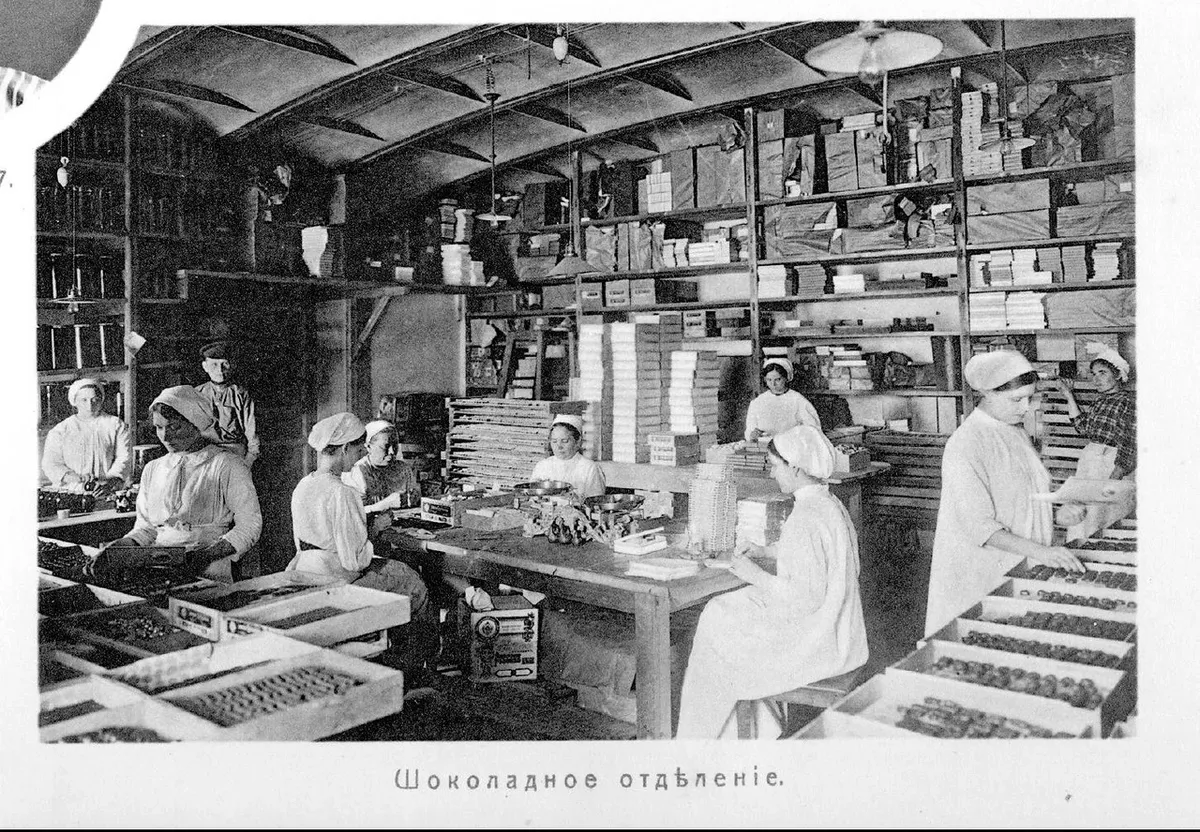
As a result, the government went to non -economic measures. In January 1931, by decision of the Politburo of the Central Committee of the All -Union Communist Party of Bolsheviks (b), the People’s Commissariat of Supply of the USSR introduced the All -Union card system for the main food and non -food products. The cards were issued only to those who worked in the state sector of the economy (industrial enterprises, state, military organizations and institutions, state farms), as well as dependents. Outside the state supply system, peasants turned out to be and deprived of political rights (“deprived”), which amounted to more than 80% of the country's population.
Since the beginning of 1931, there were 4 lists of supply in the country (special, first, second and third).
The advantages of supply were special and first lists, which included the leading industrial enterprises of Moscow, Leningrad, Baku, Donbass, Karaganda, Eastern Siberia, the Far East, the Urals. Residents of these industrial centers (more precisely, employees of large industrial enterprises) were supposed to get the opportunity to buy products from centralized supply funds - bread, flour, cereals, meat, fish, oil, sugar, tea, eggs - primarily for higher standards. Consumers of special and first lists made up only 40% among the supplied, but received the lion's share of state supply - 70–80% of the fund trading.
Small and non -industrial cities, lighting industry, utilities, bread factories, small enterprises of textile industry, artel, printing house, etc., were in the second and third lists of supplies, their employees had to receive only bread, sugar, cereals and tea for purchase from the central funds, moreover, according to lower and first lists. The remaining products were provided from local resources.
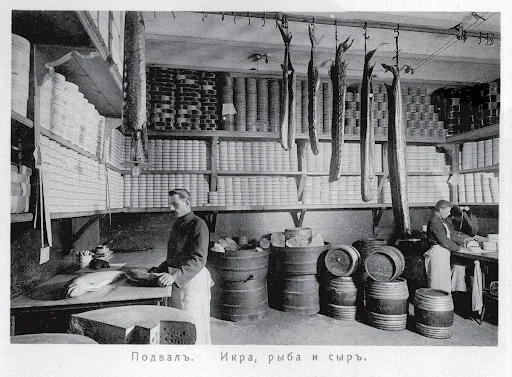
Who did not have enough products or who did not receive the “cards” should buy the missing in “commercial trade”. In 1931, directive bakery prices amounted to about 5-12 kopecks. for kg. And the cost of one kilogram of wheat flour even at low “card prices” was 25–28 kopecks, and in the market - 4-5 rubles. In the same year, state procurement prices for beef and lamb ranged from 17 to 36 kopecks. per kilogram, for milk - 17 kopecks. per liter. At the same time, the lowest price of meat in trade (card supply in the city) was 1 rubles in 1931. 50 kopecks., In 1932-more than 2 rubles. Commercial and market prices were much higher. So, in 1932, the average market price for meat in Moscow was 11 rubles, for milk - 2 rubles.
The core of the card system was extreme industrial pragmatism - the product of forced industrial development and acute commodity deficiency. The revolutionary slogan “who doesn’t work does not eat” received an industrial subtext: “He who does not work for industrialization does not eat,” said Elena Osokina.
"So - on the basis of the internal stratification of the proletariat - a caste isolation grew ..."
But then the card system turned out to be another problem: labor productivity began to decline, the incentive disappeared well and work hard if you could not buy anything in excess of what you were supposed to be “on cards”.
The response of the authorities was the Decree of the Central Committee of the All -Union Communist Party of Bolsheviks and the Council of People's Commissars of the USSR of December 4, 1932 “On the expansion of planting rights in the supply of workers and improving the card system”.
By decision of the Politburo, a special group of largest enterprises was allocated. Their factory administration, and not the executive committees of local councils, as it was previously, issued cards, determined groups and set the supply standards within the limits specified by the People's Commissariat of Education.
Now the director of enterprises had to link the supply with the interests of production. In the hands of the factory administration, the ration turned into a whip or a gingerbread with which a production plan was carried out. The rations inside the plant were to depend on the value of the workshop or group of people to perform the production program. « В результате появились новые градации: рабочие-ударники, рабочие-неударники, служащие-ударники, служащие-неударники, рабочие с почетными грамотами и без них, ударники производственных цехов, ударники непроизводственных цехов — все они получали разные нормы. За перевыполнение плана полагалось дополнительное количество продуктов. В зависимости от выполнения производственных показателей следовало распределять ордера на одежду и обувь ».
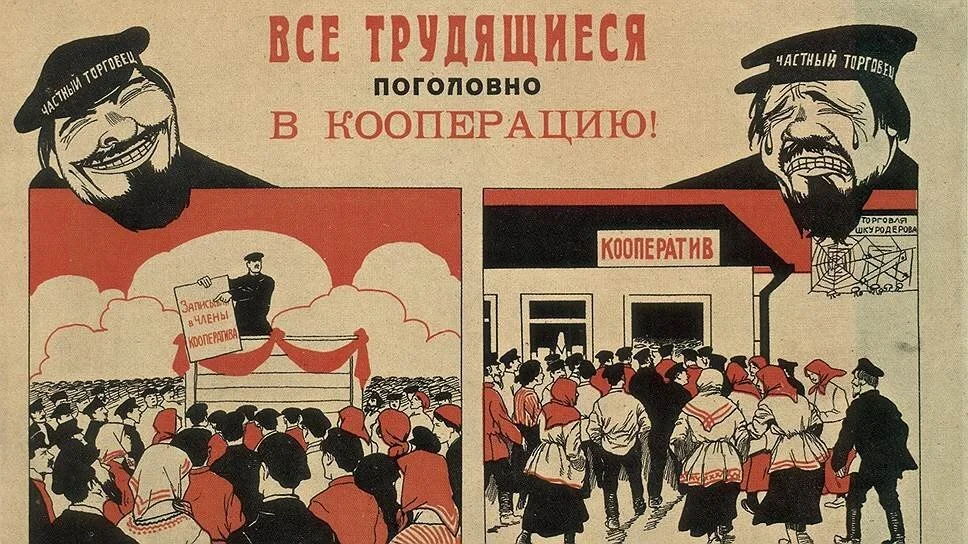
Лишение карточек становилось наказанием для прогульщиков и «летунов». На карточке два раза в месяц (а в некоторых случаях один раз в декаду или пятидневку) ставился штамп о выходе на работу. Без этой отметки продукты не выдавались. Лишение карточек тяжело сказывалось на положении человека: оно влекло увольнение с предприятия и потерю жилья.
Это уже было похоже на практику «олигархического управления экономикой», описанной в антиутопии Джека Лондона «Железная пята»:
«Так, на основе внутреннего расслоения пролетариата, вырастала кастовая обособленность. Члены привилегированных союзов становились рабочей аристократией. Теперь они решительно во всем отличались от пролетарских масс. Они жили в благоустроенных домах, хорошо одевались и питались, с ними и разговаривали по-иному. Словом, предательство их было вознаграждено с лихвой. Зато остальным рабочим жилось все хуже. Их заработок падал, жизненный уровень снижался: постепенно, одно за другим теряли они свои исконные мелкие права…»
Но дело не пошло и тут. Организация самоснабжения на промышленных предприятиях отнимала немало времени у производства. Елена Осокина цитирует такое описание одного из предприятий — образцового с точки зрения организации рабочего снабжения:
«Для проведения сельхозработ в своих собственных и подшефных хозяйствах постоянно проходила мобилизация рабочих и технических кадров. За цехами закреплялись определенные участки работы, и заводское радио каждый день объявляло, сколько требуется рабочих рук на поля и фермы. Собрания по вопросам снабжения шли на заводе одно за другим: совещания секторов по распределению продуктов, составление списков по категориям снабжения и обсуждение их на собраниях (два раза в месяц списки пересматривались), распределение талонов между цехами, продажа обеденных талонов, совещания уполномоченных по общественному питанию, совещания продавцов с участием рабочих, дежурства и проверка работы столовых, баз, складов, для чего создавались специальные лавочные комиссии, летучие отряды, добровольческие активы, хлебные инспекции и прочее. Формировалась огромная армия «снабженцев», не участвовавшая в производстве».
Салов А. Организация рабочего снабжения. М., 1933.
Получался заколдованный круг: либо рабочие плохо работали, потому что были голодны, либо они были сыты, но не работали, так как все время уходило на обеспечение их питания.
А за пределами карточной системы цены продолжали расти. В 1932–1933 годах по карточкам ржаной хлеб по стране стоил 14–27 коп., пшеничный — 36–60 копеек. Средняя рыночная цена на ржаной хлеб в начале 1932 года составляла 2 рубля, а в 1933 году подскочила до 5 рублей, пшеничный хлеб в те годы стоил соответственно 2,5 и 8 рублей килограмм. Мясо в государственном магазине тогда же обходилось рабочему от 2 до 4 рублей за килограмм, а на рынке — 5–12 рублей; картофель стоил около 20 копеек в государственной торговле и 1–2 рубля — на рынке; молоко у государства рабочий покупал пор карточкам от 40 копеек до рубля за литр, на рынке же платил за него 1,5–3 рубля; масло коровье стоило 6–10 рублей по карточкам и 20–45 рублей на рынке; яйца, соответственно, — 2,5–9 или от 10 до 22 рублей! Своего пика рыночные цены достигли весной-летом 1933 года.
И тогда за карточную систему взялся главный экономист страны.
«Вот до чего гнилой стала карточная система!»
Доклад товарища Сталина «Об отмене карточной системы», прочитанный им на Пленуме ЦК ВКП(б) 26 ноября 1934 года, не потерял актуальности за 90 лет — настолько хорошо лучший друг экономистов описал узкие места системы «внеэкономического распределения продуктов»:
«Товарищи! В чем смысл политики отмены карточной системы?
Прежде всего в том, что мы хотим укрепить денежное хозяйство. Мы хотим укрепить денежное хозяйство в советских условиях и во всю развернуть товарооборот, заменив системой или политикой товарооборота нынешнюю систему или нынешнюю политику механического распределения продуктов, когда считаются не с потребностью района и не с живыми людьми, а с абстрактным человеком. Теперь с потребителем не считаются. Распределили столько-то товаров, столько-то хлеба — бери, не возьмешь — все равно пропадет. Этот принцип надо изменить…
Денежное хозяйство — это один из тех немногих буржуазных аппаратов экономики, который мы, социалисты, должны использовать до дна. Он далеко еще не использован, этот аппарат. Он очень гибкий, он нам нужен, и мы его по-своему повернем, чтобы он лил воду на нашу мельницу, а не на мельницу капитализма. Развернуть товарооборот, развернуть советскую торговлю, укрепить денежное хозяйство — вот основной смысл предпринимаемой нами реформы.
Во-вторых, значение реформы, которую мы проводим, в том, чтобы поставить на реальную базу, на настоящую реальную базу политику снижения цен по всем товарам и по всем продуктам. У нас ведь как теперь? Каждая торгующая организация старается сделать накидку везде. Ежели трудное дело, то все хотят решить его тем, чтобы повысить цены.
Вот этому хаосу, скорее всей этой вакханалии в политике цен, должен быть положен конец. Смысл реформы состоит в том, что мы начинаем ставить на реальную базу политику снижения цен по всем товарам и по всем продуктам. Сама эта реформа снижает цену на хлеб. …У нас паек на черный хлеб года полтора назад стоил в Москве 12 копеек килограмм. А цена на рынке во много раз стояла выше. Рыночные цены ни в какой мере не считаются с ценами пайковыми, потому что это, собственно говоря, не цена, а дар от государства рабочему классу. Впоследствии мы подняли пайковую цену на килограмм черного хлеба сначала до 25 копеек, потом до 50 копеек. По коммерческой цене его продавали по 2 рубля.
В-третьих, смысл реформы состоит в том, что подсекаются возможности спекуляции хлебом. Когда имеются в жизни две или три цены на хлеб — спекуляция абсолютно неизбежна. Политика цен — очень интересная штука, у нас мало занимаются этим делом. Когда мы продавали МТС керосин по 10 коп. килограмм, а крестьянину через кооперацию по 70 коп., то, конечно, работники МТС спекулировали: покупали керосин по 10 коп., а продавали по 70. После того, как мы установили на керосин одну цену, спекуляция керосином была подорвана. То же самое и здесь. Если коммерческая цена на хлеб 1 р. 50 коп., а рабочий платит за килограмм по 50 коп., то, конечно, он часть хлеба продает. Если даже за рубль продаст, то 50 коп. выигрывает. И это делают рабочие. Я их не виню, потому что сама система двух — трех цен такова, что самый честный человек должен продавать хлеб и на этом оборачиваться. Вот до чего гнилой стала карточная система.
Так что деньги пойдут в ход, пойдет мода на деньги, чего не было у нас давно, и денежное хозяйство укрепится. Курс рубля станет более прочный, бесспорно, а укрепить рубль — значит укрепить все наше планирование и хозрасчет.
Никакой хозрасчет немыслим без сколько-нибудь стойкого курса рубля. Ничего абсолютного на свете не бывает, я не говорю об абсолютной стойкости курса рубля, но некоторый более или менее устойчивый курс рубля должен быть, если хотите, чтобы у нас был хозяйственный расчет, если хотите, чтобы наше планирование было не канцелярским, а реальным. Это даст громадный плюс, и это четвертое, что мы получаем от реформы. Это громадный хозяйственный плюс, результаты которого невозможно исчислить, плюс для всего нашего хозяйства, для всего нашего планирования, для организации промышленности и сельского хозяйства, для всего…»
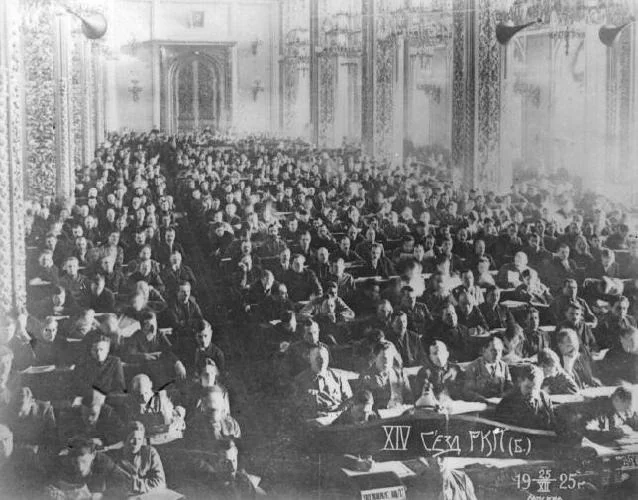
С точки зрения экономической теории товарищ Сталин был совершенно прав, но… отмена карточной система все равно не привела к товарному изобилию, потому что ресурсы по-прежнему продолжали уходить в приоритетный для власти «сектор тяжелой промышленности».
Товарный дефицит приводил к тому, что в открытой торговле сохранялось нормирование. «Нормы отпуска товаров в одни руки» установил СНК СССР В 1936–1939 годах покупатель не мог купить больше 2 кг мяса, колбасы, хлеба, макарон, крупы, сахара, 3 кг рыбы, 500 г масла и маргарина, 100 г чая, 200 штук папирос, 2 кусков хозяйственного мыла, пол-литра керосина. В 1940 году, в связи с ухудшением продовольственной обстановки в стране, нормы снижались, стали нормироваться товары, которые ранее продавались без ограничения. Кроме этих, официально установленных правительством норм, существовали и неофициальные. Продавцы и люди, стоявшие в очередях, сами вводили их — «Больше полкило в руки не давать!». Решить проблему товарного дефицита не удалось.
Так что через двадцать лет в другой своей работе «Экономические проблемы социализма в СССР» товарищ Сталин предложил уж не то что ввести карточки, а вообще перейти к прямому товарообмену между городом и деревней.
Такое предложение изумило даже сталинское Политбюро.
Анастас Микоян вспоминает:
«Прочитав ее [книгу Сталина], я был удивлен: в ней утверждалось, что этап товарооборота в экономике исчерпал себя, что надо переходить к продуктообмену между городом и деревней. Это был невероятно левацкий загиб. Я объяснял его тем, что Сталин, видимо, планировал осуществить построение коммунизма в нашей стране еще при своей жизни, что, конечно, было вещью нереальной».
Уже в июле 1953 года на пленуме ЦК КПСС тезис о переходе к продуктообмену критиковал сам председатель Совета министров Георгий Маленков:
«Или взять известное предложение т. Сталина о продуктообмене, выдвинутое в работе «Экономические проблемы социализма в СССР». Уже теперь видно, что это положение выдвинуто без достаточного анализа и экономического обоснования. Оно — это положение о продуктообмене, если его не поправить, может стать препятствием на пути решения важнейшей еще на многие годы задачи всемерного развития товарооборота. Вопрос о продуктообмене, о сроках и формах перехода к продуктообмену — это большой и сложный вопрос, затрагивающий интересы миллионов людей, интересы всего нашего экономического развития, и его надо было тщательно взвесить, всесторонне изучить, прежде чем выдвигать перед партией как программное предложение».
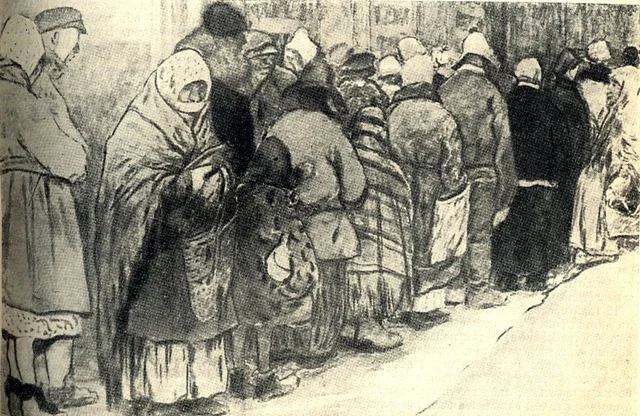
Маленков как к воду глядел: каждый раз, когда власти брались за принудительную организацию продуктообмена, издержки в конечном счете превышали выгоды. Но вопрос тут, как говорится, в приоритетах.
Попытка развить одну часть экономики за счет другой обязательно обернется дефицитом. И здесь вопрос заключается в том, кто в этой ситуации выиграет, а кто проиграет. Да, бывают ситуации, когда без гарантированного обеспечения людей необходимым минимальным объемом продуктов не обойтись — но такое обеспечение не может быть основой всей экономической политики.