
Translated material
Die for ...
How much is human life today and how its price has become weapons in wars
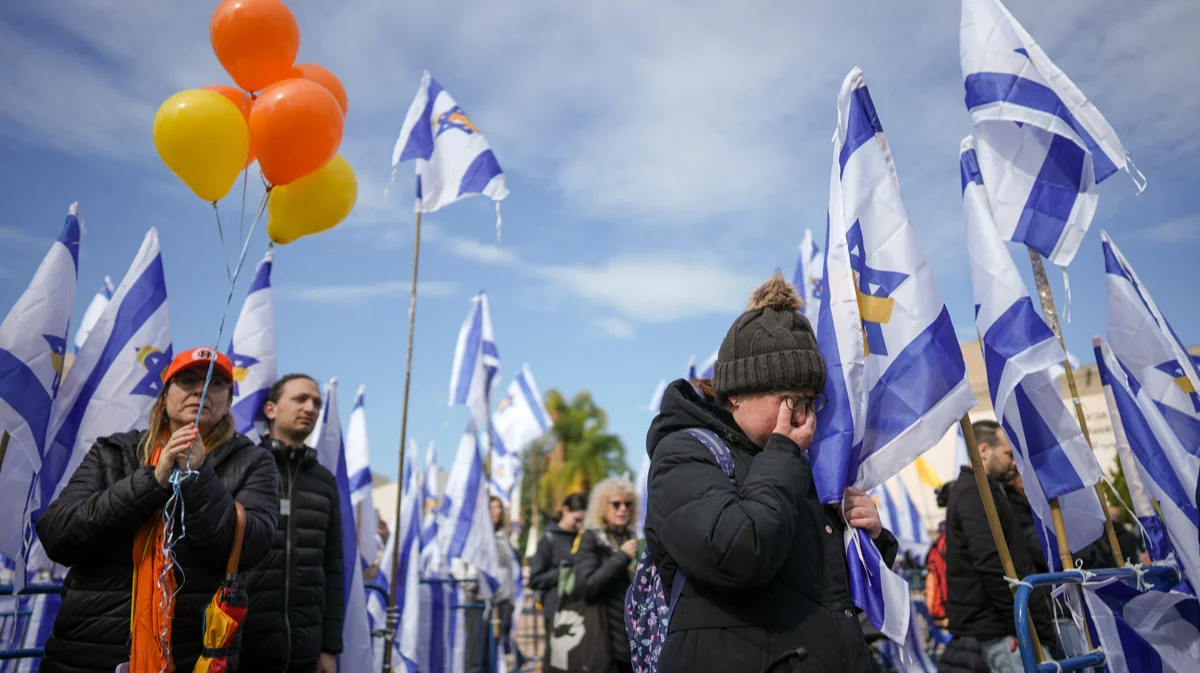
Gathered on hostages in Tel Aviv, Israel, February 20, 2025. Photo: Odeed Balilty / Ap Photo / Scanpix / Leta
In exchange for the liberation of 33 hostages captured on October 7, 2023, Hamas radical group (this is not only living Israelis, but also at least eight bodies of the dead, which should be transferred to relatives for the funeral), Israel releases almost two thousand Palestinian prisoners from his prison, accused of terrorism and his accomplishment. Of these, about 250 - “with blood in their hands”, that is, serving a sentence for murders, including repeated ones.
This is not the first time that Israel gives dozens and even hundreds of people whom he recognized by criminals for a much fewer his citizens. The most famous case is a deal to release the stolen jihadists in 2006 by a 25-year-old troops DSAL GILADA SHALIT. For one of his soldiers, Israel agreed to release 1027 prisoners from prisons. Among them was the ideologist Hamas Yahya Sryvar, who then headed the group in the Gaza Strip, led the attack of the group on Israel on October 7, 2023 and was killed in 2024. Corporal Gilan Shalit was treated for a long time, demobilized from the army, married, and, as far as one can judge, now he has everything good.
Not everyone agrees with such unequal exchanges. In social networks, the meme is spreading: “If I will steal two random children on New York Street and demand in exchange for each of them to release 50 serial killers from prison-is O'Kay or only Jews such requirements?”
Nevertheless, Israel is extremely highly appreciated by the life of every inhabitant. There are many explanations for this. Secular - "We are a small country, everyone is precious to us." There is also deeper, religious. Unlike Christianity and Islam, Judaism is focused on earthly life. It does not have an institution of martyrdom, commendable death for faith.
If for a Christian earthly life is only a brief moment, a preparation for eternal life, and for a Muslim to die for faith - a pass to heaven with Guri, then in Judaism the posthumry is described extremely vaguely. Yes, it is said in the Scriptures, after the death of our souls will live in the afterlife, but there are no special details about it. The sacred duty of Judea is to lead the righteous life here on earth, so that at any moment God is pleasant to look at you from heaven. “One hour of life in this world and doing good deeds are more beautiful than a whole life in the future world,” said Talmud, and in the case of a fatal threat, the Jew has the right to violate almost all commandments and rules, the main thing is to maintain life.
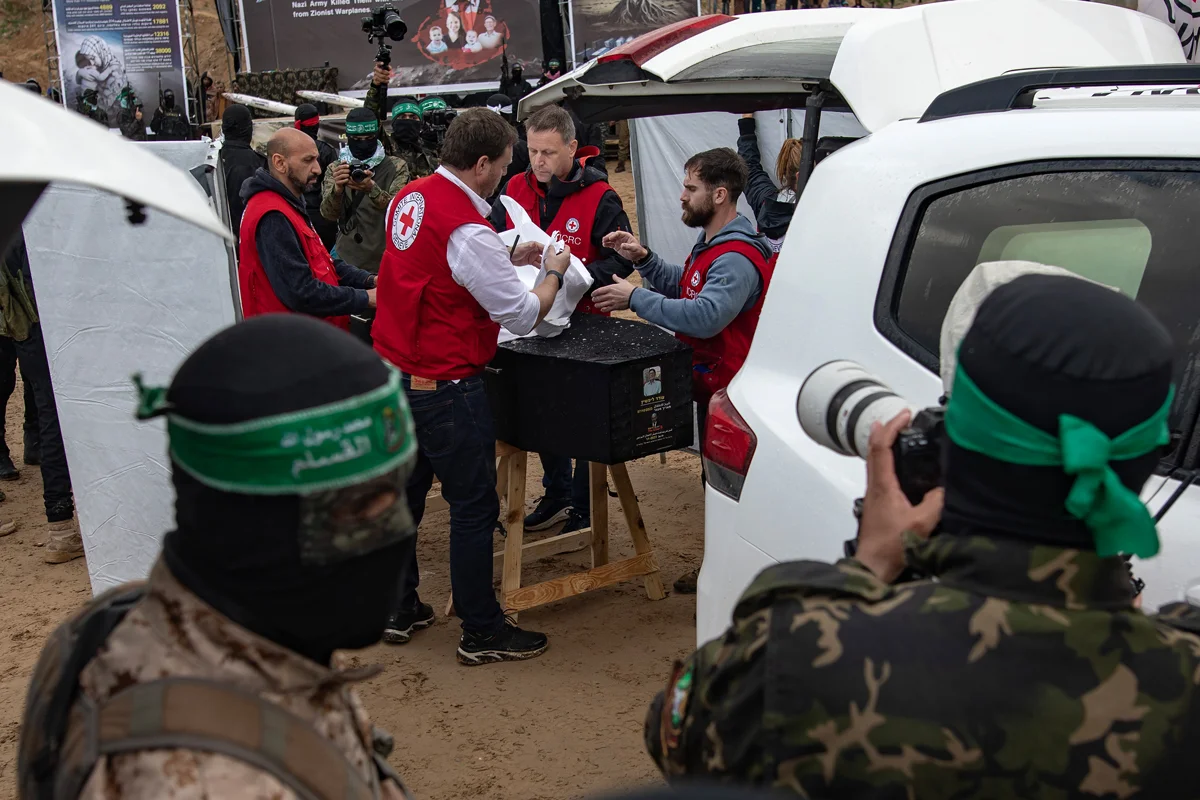
Arab-Israeli outbreak, with all its pain, is local. But, in addition to the mass of other things, she also highlighted a factor that is important for almost all modern confrontations: this is the value of human life.
Is everyone invaluable? What else is it?
The idea that human life is basic value is very new, unusual and shaky. And absolutely European. She originated - she was not born, namely, originated - by historical standards recently: in the era of education, when European thinkers put a knowing mind, and hence the personality of a person, higher than the collective values, fastened with faith and the ideas of serving God or the sovereign.
But before the idea of the idea that any life is equal, a couple of centuries have passed. Even the most enlightened intellectual in France of the 18th century or in Russia of the XIX simply would not understand if someone suddenly said that the life of a commoner is as important as the life of a nobleman, a soldier-just like a general, a disabled person-just like a healthy, a stranger-just like a citizen, women-just like men, or a child-just like an adult.
The latter, by the way, is a rare example of a “shift” in value. We, seemingly equalizing everyone in rights, still make an exception for children. Any journalist, describing a disaster, will mention whether the children were among the victims and injured, and if they were, the reader's heart shudders more noticeable than if it was not. Any person engaged in charity work will tell you that collecting funds for the treatment of a sick baby is much easier than for the treatment of an adult, especially middle -aged, and assistance to children more often than adults (in Russia a fund, which is purposefully engaged in seriously ill -ill adults without taking into account the diagnosis, is only one ). A couple of hundred years ago, when, due to the backwardness of medicine, children's mortality was high and perceived as a everyday phenomenon, such an approach would be little clear.
And now the UN came
But back to adults. The idea of not just life as the highest value, but also the equal value of any lives of any people is completely modernist. She formed the basis of the ideology of modernist society and received its most convincing expression in the universal declaration of human rights adopted by the UN in 1948. The text begins with the words: “All people are born free and equal in their dignity and rights. Each person must have all the rights and all the freedoms proclaimed by this Declaration, without any difference, as in the regard to the race, color, gender, language, religion, political or other beliefs, national or social origin, property, estate or other position. ” A hundred years ago, it would be unheard of free -thinking. But since then, class societies have been replaced by democratic ones, the proletariat has achieved social rights, it has become embarrassing to spread rot of the indigenous residents in Africa and Asia, and indeed to have a colony, and the ideology of equality remains only documented.
1948 - three years after the end of World War II. Humanity, at least its European and North American units, proclaimed that it intends to live peacefully, and countries should cooperate and solve their disagreement with a civilized way, and not the military, otherwise you themselves see what it turns out. For this, the UN was created as a single platform to discuss any troubles.
The fact that it works so -so has become clear even then. They continued to fight and continue. There are many reasons for this, but the issue of the value of life (and war is an inevitable extermination of the lives of military personnel and civilians) is much deeper than, for example, economic benefits or territorial claims.
What follows from this value?
On the idea of human life as the highest value, you can build a lot of good. In particular, public medicine, guarantees of social assistance for everyone who are in a difficult situation, and human rights equal to everyone, follow from it. It is great for the social state. It is excellent for peacetime, the "end of history" in Fukuyama. However, it is absolutely not suitable for those who are unleashed by anyone: neither for aggression, nor for defense. Because there is an exactly opposite idea there: the bloody idea of heroism. Self-sacrifice for the sake of something that is more valuable than life.
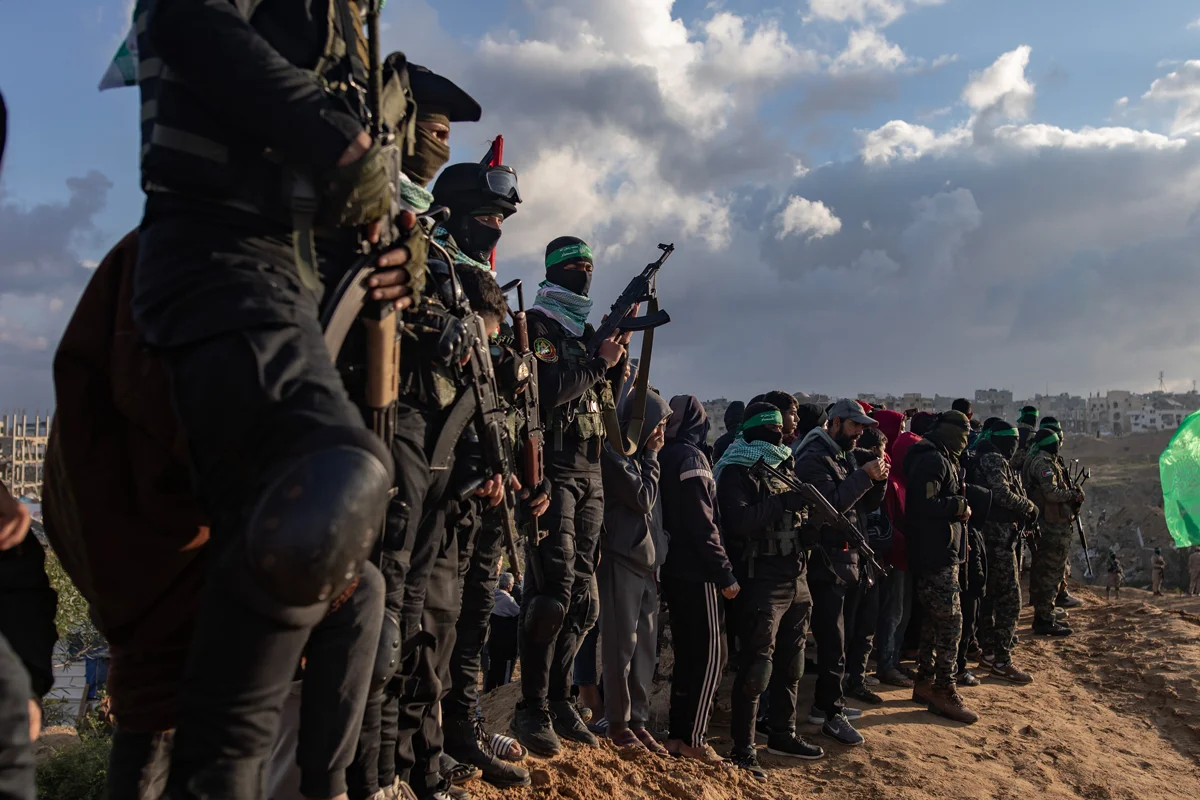
For some reason, we are arranged so that it is extremely attractive to us. This is not to say whether such radical altruism has been laid in us by nature or brought up the cult of heroes from childhood. But it can be said for sure that the balance of the preferences of life and the preferences of heroic death in different cultures are different and can be measured by sociologists. In the novel “Here I am”, Jonathan Safran Feaer, one of the heroes, a Jew, speaking of the confrontation between the Israelis and the Palestinians (sorry that I am about this again), claims: “The difference is that we [the Israelis] love the fried chicken for dinner, and they [Palestinians] love death.” Forer writes about his heroes ironically, and this character personifies the radically right approach, further during the dialogue, he completely refuses the Arabs to recognize them as a people, but here we are interested in even the same Israelis and Arabs as a cultural feature inherent in one or another societies - at least their existence. Because in the world there are really places where children are pampering and wishing them a long life and that mother still understand the grandchildren, but there is, where they dress in military uniform in kindergarten and tell how cool it is to die for their homeland on the battlefield or become a shahid. Unfortunately, Russia has become a model of this in the last three years.
"Feel free to go into battle and as one will die"
Russia is not used to.
The cult of heroic death in it was laid down for a very long time, historians can trace its roots in long -standing Orthodox texts: “There is no longer that love, and who will put his soul for his other.”
I, as grown up in the late USSR, familiar this rhetoric, erected already into secular veneration. The cult of heroes-heroes, who instilled in schoolchildren in middle classes, is Zina Portnova, Lenya Golikov, the young Guards; Everything is desirable that they die, if possible after the savage torture, and do not return from the assignments alive, healthy and successful. Alexander Matrosov, who had closed the embrasure with an enemy machine gun, became a household name, and the soldier, who simply destroyed the machine gun with a grenade and survived, did not make such an honor awarded. “Put life” has always been valued higher than to survive and continue to do their work. The alternative was only in jokes about foreigners: “Iza, do you love your homeland? - I love! - Will you die for her? "And who then will love the homeland?"
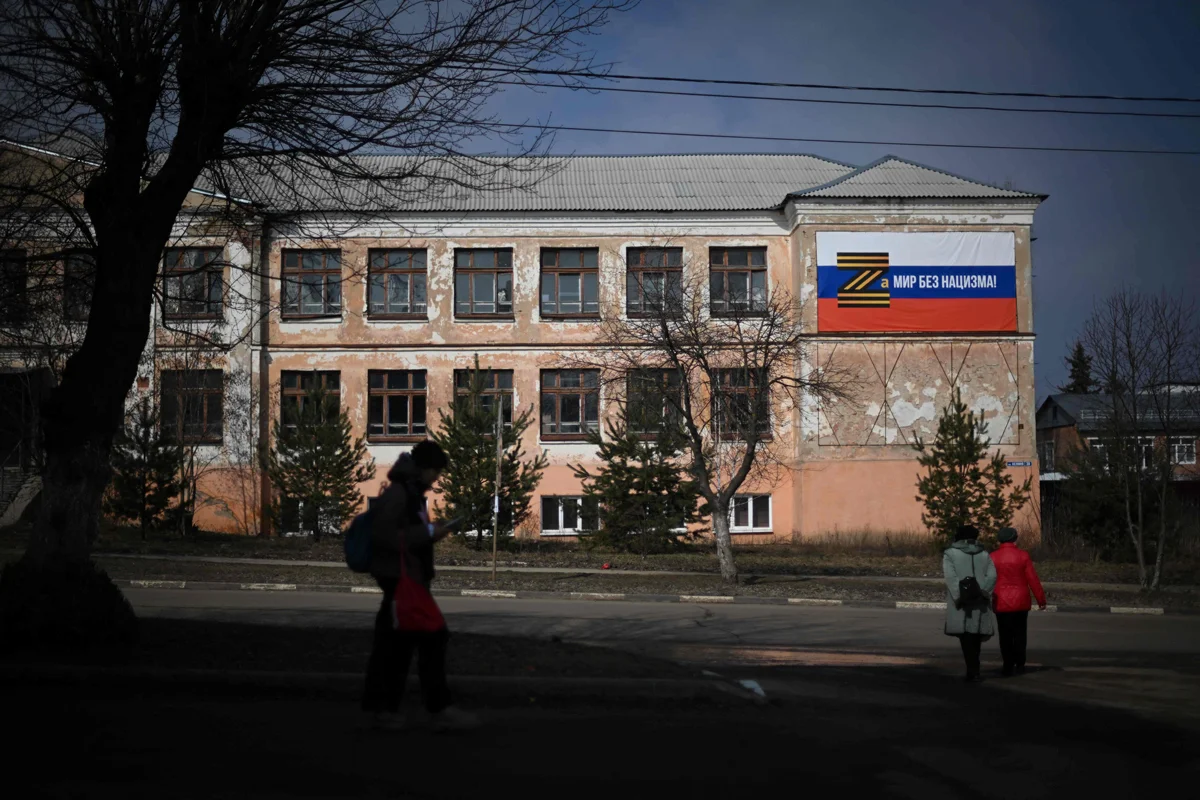
When we are now looking at the Russian-Ukrainian war, we, among other things, observe the conflict of these two ideologies. The Ukrainian command is still trying not to spend in vain his military. It turns out not very, the losses on both sides are huge, but still only on the Russian side we hear (including from the so -called “military commissars”, that is, just eyewitnesses with access to telegrams) about “meat assaults”, when the commanders throw dozens and hundreds of poorly armed soldiers in the attack on death, and that this is often used tactics. It is clear that there are pragmatic considerations here: Ukraine has less Russian human resource, it must be protected.
Nevertheless, Russian propaganda is in full swing to the calls to die heroically (and not to live and fight heroically) for the idea, for some kind of “Russian world”.
The idea itself is practically not defined, not to consider it some abstract “demilitarization and denazification” that no one understands what they mean, or the need to raise the Russian tricolor over another tiny Avdeevka or Maryinka, which no one will find on the map.
That is, in Ukraine, in addition to the political, there is also a philosophical practically conflict: the peaceful construction and self-determination of the people-and some slurred greatness, for which it is not a pity to sacrifice life (their or alien) in industrial quantities. “Our boys” do not die for square meters, not for some kind of unknown Bakhmut, but for the fact that their lives are not important and prepared for disposal, because it is necessary. This is not much different from the same Palestinian adolescents who, from his youth, are preparing to become “martyrs” instead of calmly cultivating their land. Here, unfortunately, the conflict is not only politicians with their interests, but also worldviews. One more important is to become heroes more important than life, no other.