
Translated material
"Deep stat" can be involved here "
The Georgian Dream is changing the “Russian law” about foreign agents to American - the day before America itself canceled this law
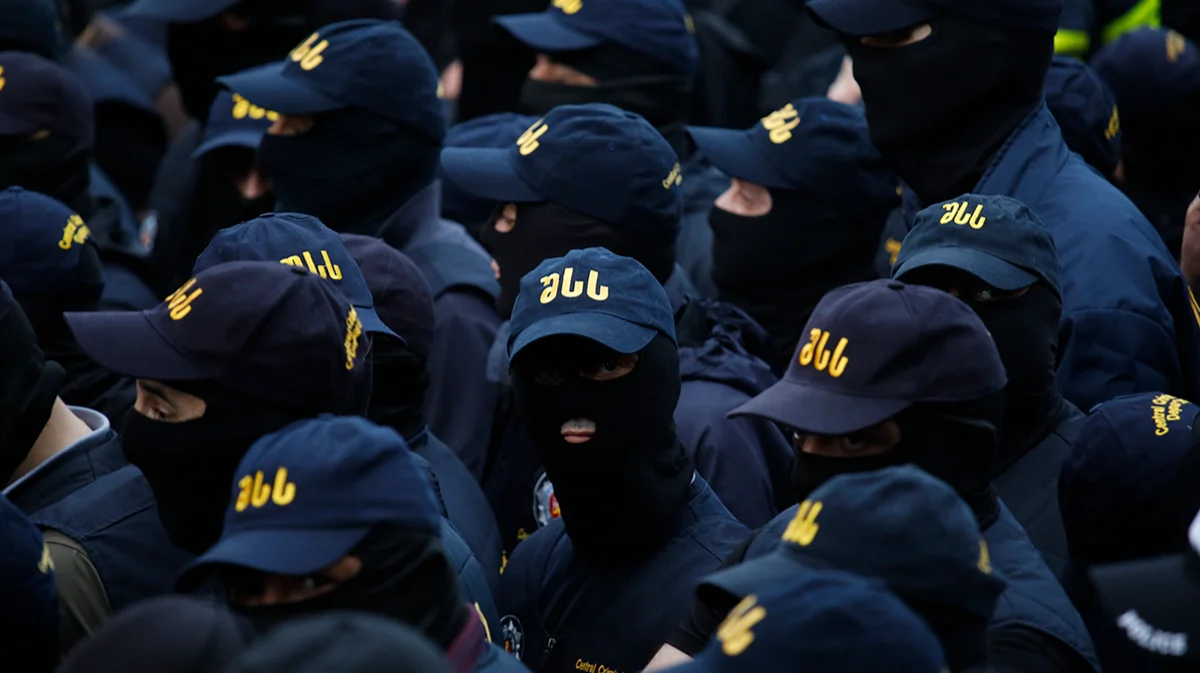
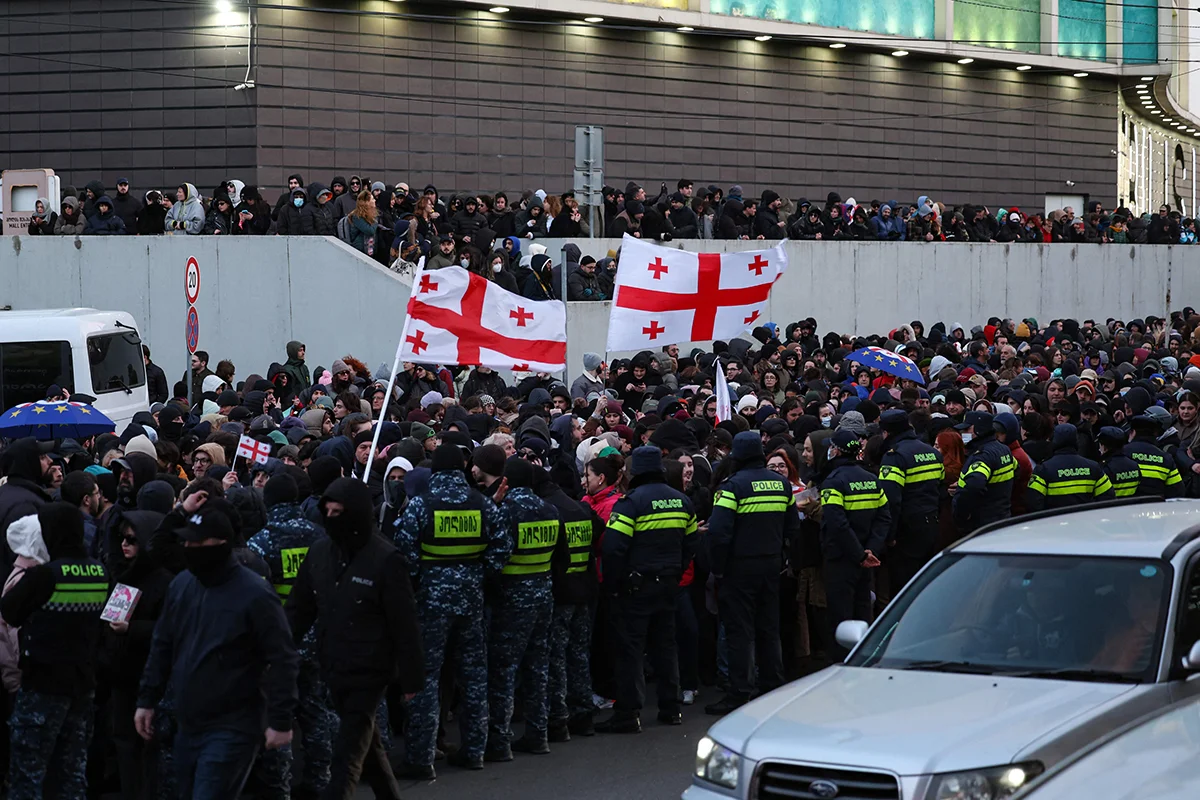
Police officers overlap the street during the protest against the bill on “foreign agents” in the center of Tbilisi, Georgia, on May 28, 2024. Photo: David mdzinarishvili / epa-efe
The Georgian Dream unexpectedly stated that she was going to abandon the “Russian law” about foreign agents, because it “does not work”. Now the authorities are preparing to introduce the “accurate translation” of Fara-American law from the 30s of the last century, created to combat fascist regimes lobbyists. This approach does not promise messages, but now the authorities are sure that the new way of influencing the non -governmental sector will probably not be called the “Russians”. In addition, in Georgia it is planned to introduce a “British” version of censorship for the media. Despite all these references to Western experience, the opposition believes that the “Georgian Dream” is trying to establish not progressive standards, but authoritarianism.
Non -working law
The law that limits non -governmental organizations with foreign financing has been the reason for mass protests in the country and reproaches from European structures and the United States.
The law “On the transparency of foreign influence” adopted in May 2024, only those non -governmental organizations and the media, the foreign financing of which exceeds 20% of the budget, obliges the law on the transparency of foreign influence in a special register.
A large penalty is provided for evasion of registration, but the majority of NGOs and the media in Georgia refused to register: some decided that it was better to pay a fine, others registered new organizations, which allowed them to put them in the register for a year, others closed the NGOs in Georgia and re -registered them abroad.
As a result, six months after the use of the law, the authorities are forced to state that an attempt to subjugate the civil sector, under the pretext of the struggle for transparency, failed: the few dozens of the most influential and large NGOs did not fit into the register.
The Executive Secretary of the Georgian Dream, Mamuke Midinaradze admitted that in the current register of foreign agents, were registered "decent, law-abiding NGOs, who received small amounts from abroad, and are not going to make a coup." But small organizations were never interested in the authorities - those who are monitoring elections, legal protection and journalistic investigations of state corruption have always been the main goal of the law.
“Most NGOs receiving large amounts of financing from foreign powers refuse to register in the register provided for by law and prefer to be subjected to sanctions provided for by law. Accordingly, the current law cannot effectively realize the will of the legislator, ”the explanatory note, widespread by the parliamentary bureau, confirms this idea.
However, if the Georgian Civil Sector did not fail the solidarity within the country, then the decision of the new administration in Washington to suspend the financing of the US Agency for Development (USAID) has become, to put it mildly, an unpleasant surprise.
The leadership of the “dreams” now and now nods to Washington, recalling: the new White House administration itself admits that USAID financing “was used to organize and support unrest and revolutions in various countries.”
Although the media who carefully monitored the discussion has not revealed a single case that Georgia was mentioned in the Trump administration in the context of a vain waste of American taxpayers.
To the comma
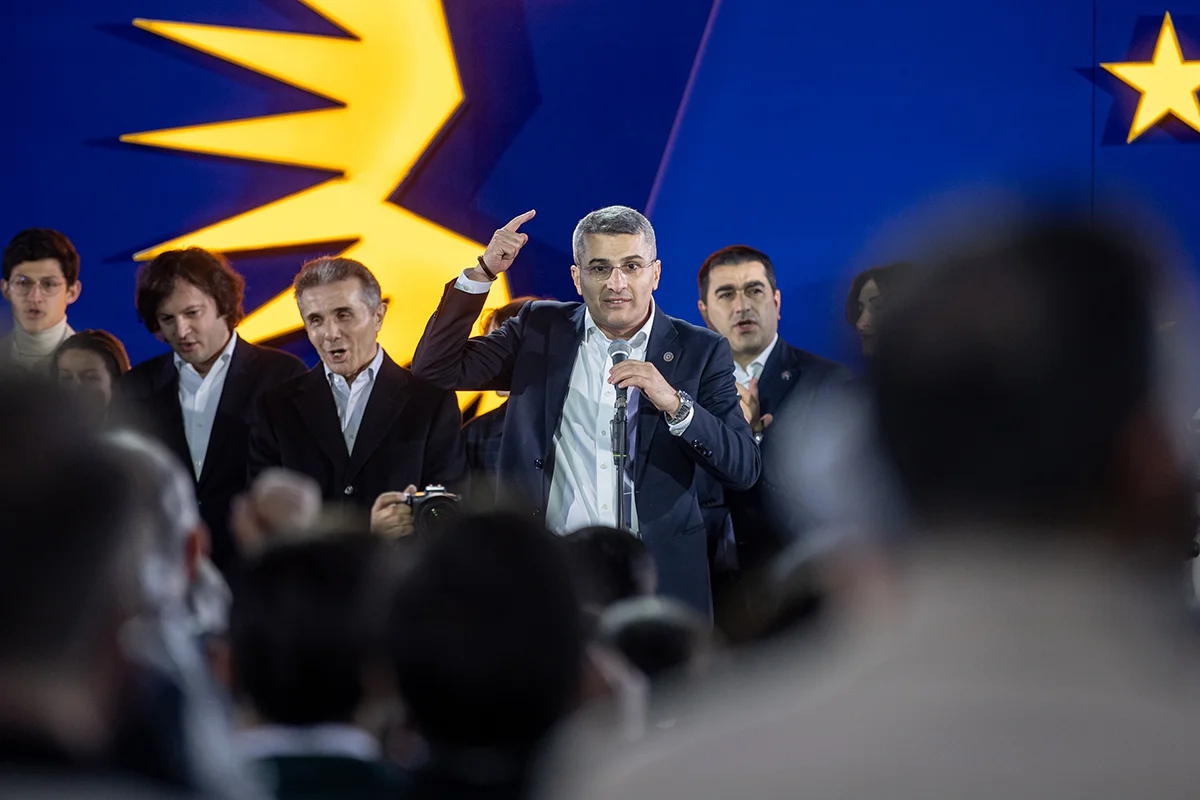
Naturally, the “dream” could not help but use the gap that arose in the defense of the liberal camp. But this time, the authorities decided to act sophisticatedly and create a “Trojan horse” - an analogue of the American law on agents of influence Fara (Foreign Agents Registration Act). “Two years of our citizens were forced to shout:“ No - Russian law! ”, And this was the character of a campaign, although in fact it was a question of a simplified version of the American law. Therefore, now we have translated the word of the American law fara for word, ”said Minaradze.
This at least means that the new law will extend the status of an “agent” in Georgia not only to non -profit legal entities with foreign financing, as it was still, but already on individuals. In addition, if the current law provides for a penalty as a punishment for non -fulfillment, then a fine is also provided under the American law (the size of which has not yet been determined), and criminal liability is a prison opinion for up to five years.
The law adopted in the United States before World War II, back in 1938, was designed to protect the US population from the Nazi propaganda of the Third Reich. Fara was created to control lobbying organizations, and not in order to limit the media or civil sector. In addition, the law was never used against the allies or friendly states of countries.
This week, a substitute entered the parliament in which "every word, letter and even a comma are identical to the law acting in the United States."
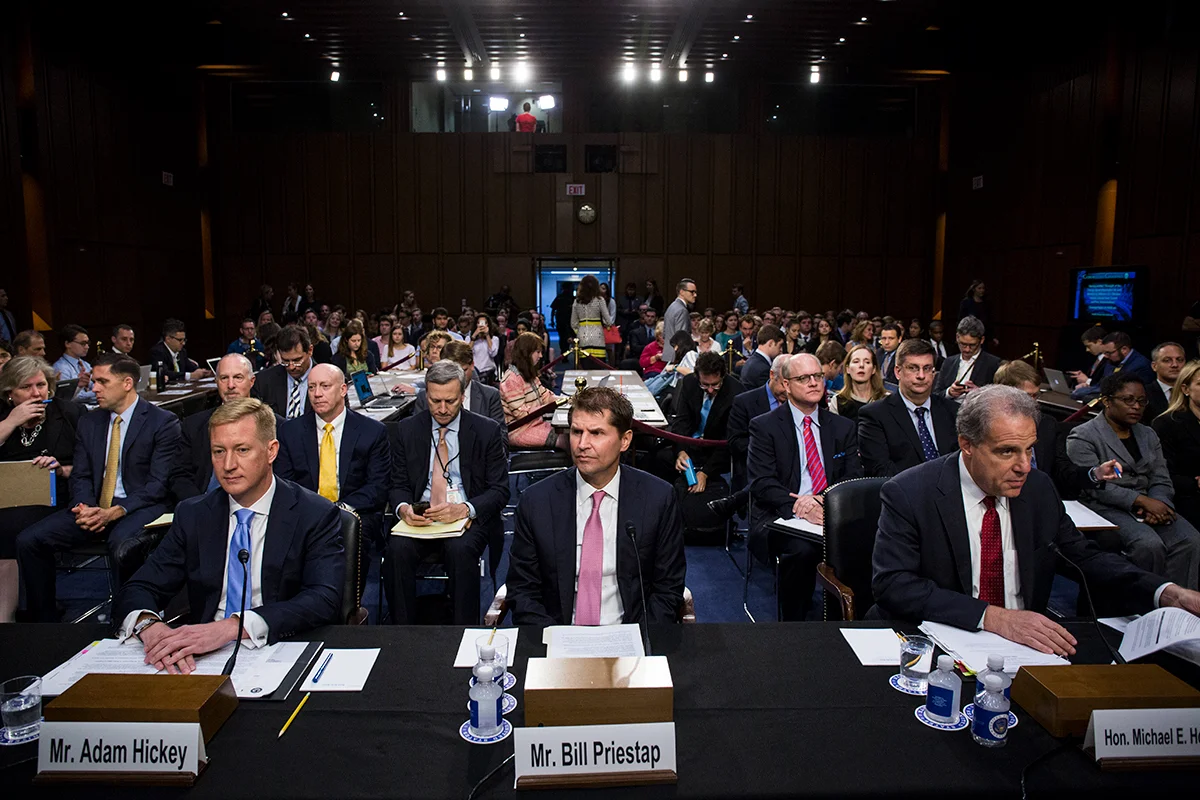
So far, this initiative looks quite comical, because right now Georgia’s parliament works with the text of the bill, in which, according to the text posted on the official website of the parliament, such terms as Congress, the Treasury Secretary, the Congress Library, the State Department, the US Postal Service and other institutions and positions that are not existing in the Georgian legislation. Such concepts as “foreign principal” (an individual or legal entity authorizing another person act as an agent), “agent of a foreign principal”, “state laws” are also used.
The bill is now being considered in the Committee on Legal Affairs. The head of the committee Archil Gorduladze has already stated that these absurdities in the Georgian version of the document were deliberate.
“We even transferred the US president directly, made a link to the States so that there were no insinuations ... We are open to reasoned discussions,” Gorduladze said.
The operation to introduce American law into Georgia has not yet ended, but the speaker of the parliament Shalva Papuashvili is already sure: with its adoption, "all speculations will end that the Georgian parliament will accept a law that does not comply with international standards."
But the deputy from the anti -Western party “The Power of the People”, Sosar Subari, on the contrary, promised in advance the “fun life” to the civilian sector: “You did not want a very mild law? Then we will recover the American law literally ... From the first center, you will be obliged to submit a declaration, and the sanctions will be more rigid, and they cannot be circumvented ... "
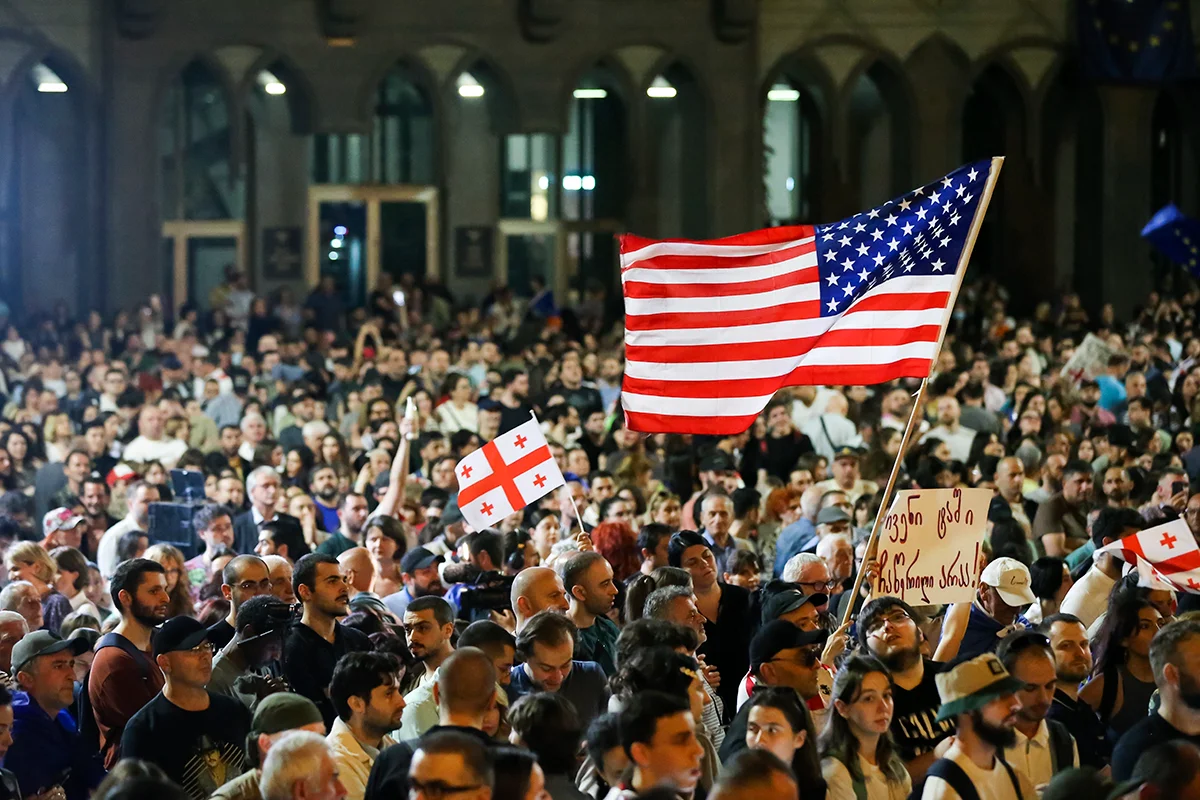
The opposition does not even particularly discuss a new initiative. The civil sector understands that nothing good should be expected from the law, but so far it is not clear how the parliament adapts an American copy. In addition, many in the opposition believe that the law on foreign agents is already yesterday for the political situation in the country. For more than three months in Georgia, a public protest has not stopped for a day, the streets require new elections to parliament, and the country is increasingly immersed in a political crisis.
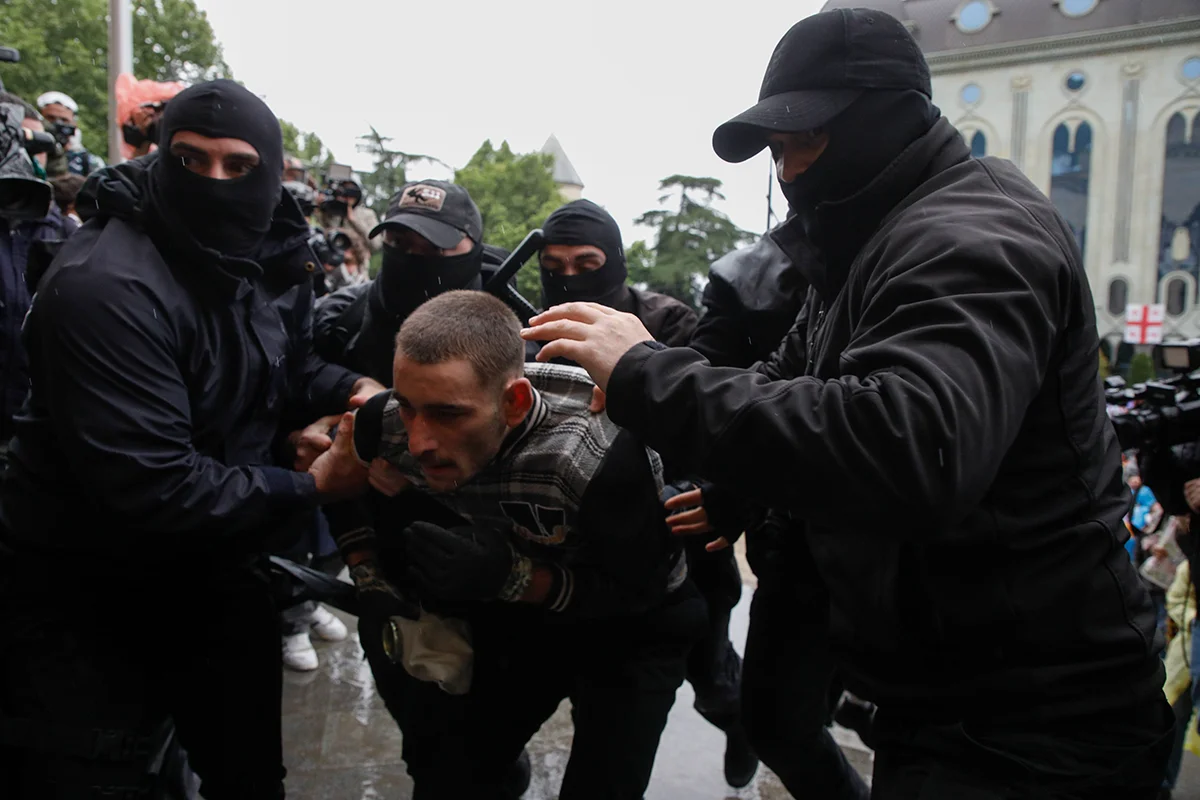
When dozens of people are subjected to fines and oppression for entering the protests, when they are delayed, including criminal prosecutions, it becomes not so important as the government will call a law that will become another tool for limiting civil society.
Meanwhile, such an unwillingness to enter into a discussion has already caused bewilderment in the "dream" itself. Her executive secretary Mamuka Midinaradze has already complained that when the parliament adopted a “relatively soft” “Russian” law, in Tbilisi, mass protests continued for several months. And now, when the authorities are preparing to adopt a “catastrophically strict law”, that is, Fara, “don’t even talk openly about it”.
According to Mddinaradze, this is due to the fact that past speeches against the “Russian Law” were paid from the money allocated to the United States, but now “the American people have elected a government that does not want this anymore.”
What if really cancellation?
If you reason logically, it cannot be ruled out that the “Georgian Dream” is still trying to go closer to the West, the relationship with which began to deteriorate just after the adoption of the “Law on Ino-Agents”. After all, the ruling party actually refuses the “Russian law”, and we still do not know what the new will look like. For example, Prime Minister Irakli Kobahidze unexpectedly, without reminders from the opposition, promised that the “translation” of American law would be improved. By the way, when the Georgian parliament was going to use the example of the Fara law two years ago, it was Kobahidze who called it “catastrophic”, that is, too strict. The other day, the prime minister said: “You know my attitude to the American law Fara, this is a rather stringent law. I want to express the hope that in the parliament of Georgia this law will be improved, and is given in accordance with the standards of human rights. ”
For the “dream” itself, the prospects for relations with Washington are still as much vague as at the beginning of winter.
And if earlier in the party of Bidzina Ivanishvili, they stated that “we must somehow survive” until January 20, that is, before the inauguration of Trump, and there there will be rebooting with the Americans, now there is no such confidence.
It remains only to wait and follow the negotiations of Washington and the Kremlin.
Answering the questions of journalists recently, Kobakhidze said that there is too much business in the White House and there is no time for Georgia, but "at a certain stage, the moment will come when the Trump administration will seriously become interested in Georgian-American relations."
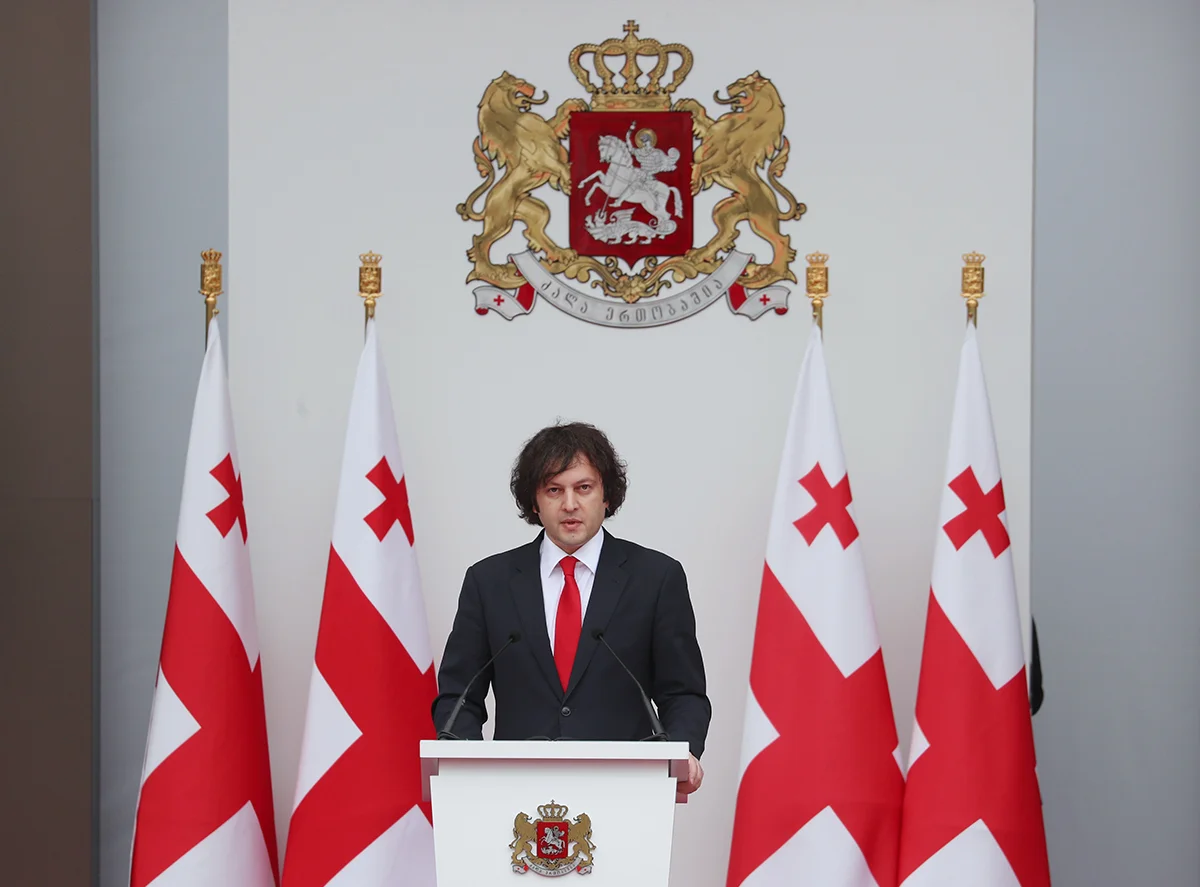
At the same time, Kobahidze already out of habit shows caution in assessing Trump's capabilities in the fight against “enemies of Georgia”: “Much will depend on whether Trump can defeat Deep State. To the extent that he will be able to do this, and relations between Georgia and the USA will be rebooted. ”
Non -sniff with America
Despite the fact that the “dream” is trying very hard to demonstrate loyalty to Washington, reality indicates that it has no contacts with the Trump administration.
Otherwise, an awkward situation would not have been created when in Tbilisi with pathos, American law is being copied while the Trump administration just decided to suspend it. A day after the “American” initiative of “Dreams”, the new US Prosecutor General Pam Bondi announced that it sharply reduces the application of the Law on Registration of Foreign Agents (Fara).
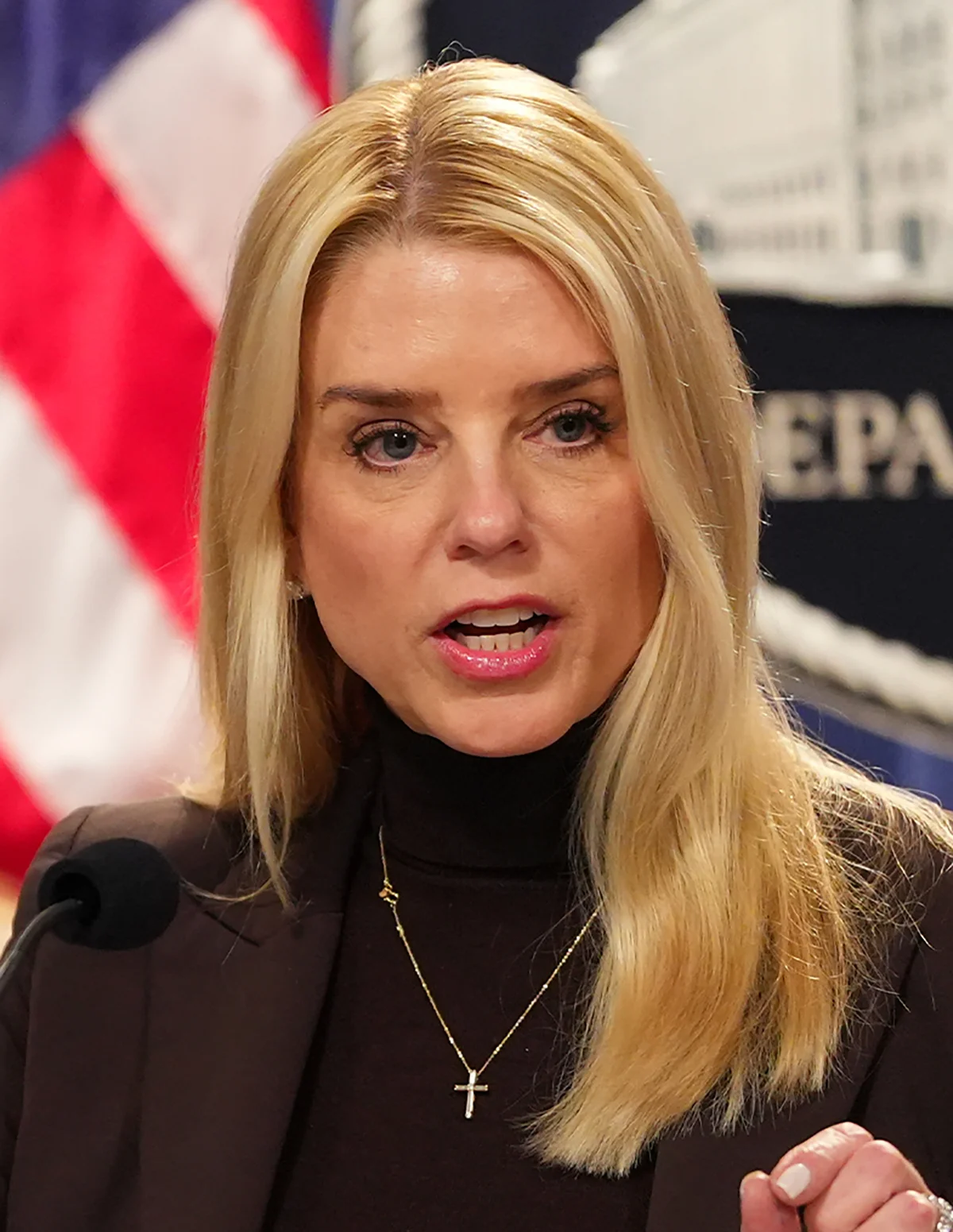
The Bond's official note says that the Ministry of Justice will now initiate criminal cases in accordance with Fara only if “actions similar to more traditional espionage from foreign government are identified”. Moreover, in Washington they dismissed the appropriate target group of the FBI - to "release resources to solve more pressing problems and put an end to the risk of further use of the powers of prosecutors for political purposes and their abuse." CNN notes that recently this law has become a “trap” for many associates of Donald Trump himself.
However, Kobahidze was not at a loss and suggested that this is not a “dream” miscalculated, but on the contrary, Deep State, that is, the deep state, with which, as you know, Donald Trump fights, reacted to Tbilisi's initiative.
“Oddly enough, our statement [with the initiative to introduce American law in Georgia] coincided with the weakening of the Fara law in the United States. Here, deep stat. The future will show it. The law on transparency is designed to prevent someone in Georgia to try to organize the next revolution using financing NGOs and foreign financing, ”Kobakhidze said.
The same story is in the European Union, the Georgian prime minister is sure. After all, there, too, they were going to adopt a law on foreign influence, but they abandoned this - simply in spite of Georgia.
“The EU wanted to adopt a similar law, and they directly officially stated that they could not adopt this law due to the adoption of a similar law in Georgia, because then they will not have a moral right to criticize Georgia for the adoption of the same law,” the EU explained to Kobahidze.
Nevertheless, the fact: what has taken in Russia for at least ten years has been happening in Georgia in a matter of months - the government has been building up the legislative framework to combat the "pseudoliberal ideology", as the leaders of the "dream" are expressed.
In addition to an analogue of the Fara Law, in the near future the Georgian parliament plans:
accept an amendment that will return the article on the Stateizer to the Criminal Code;
accept an amendment that will prohibit civil servants with financing from abroad without the consent of managers; It also applies to participation in trainings, trips abroad in the framework of training programs and so on;
remove from all laws the provision providing for the mandatory attraction of non -governmental organizations to the process of making socially important decisions;
And also adopt a package of media laws, which, among other things, will limit foreign financing.
Censorship in the media
The Georgian Dream has already initiated amendments to the "Broadcasting Law" that will affect television and radio stations. The Georgian Dream party claims that this is a British media model that provides "high -quality and objective broadcasting in the field of media services." The opposition is sure that this is the establishment of censorship and an attempt to financially strangle independent media.
After the adoption of the law, with controversial issues about the observance of professional ethics, which have so far been part of the sphere of media self -regulation, the state department will be engaged in the Communications Commission.
For violation of the rules of television and radio stations, they can be fined: 0.5% of annual income, but not less than 2500 Lary (about $ 900).
The law does not contain an explanation of the principles of “justice” and “impartiality”, compliance with which it requires the media in the media, and the blurry of criteria means even more dependence of broadcasters on the state commission.
Amendments prohibit the invitation of a politician or a member of the political party for the role of a host, interviewer or journalist. Quote from the bill: “It is unacceptable to cover political or other contradictions or topical issues of state policy based on personal relations or the opinion of the broadcaster.”
Also, the opposition channels will have to forget about spectacular scenes when journalists run with a microphone for politicians, judges or officials, trying to get a comment “on the go”: sanctions will establish sanctions for an interview without warning for television channels.
It is also forbidden to shoot materials in an educational institution, hospital, a penitentiary institution, police station or ambulance without the prior consent of the authorized person or those who are removed.
One of the most important changes: all Georgian broadcasters will be banned from receiving “direct or indirect” financing “from a foreign power”. This does not apply to income received from commercial advertising and other income of this type, however, financing of social advertising is also prohibited.
Iya Baratel
Comments
Zviad Coridze-media expert, head of regional offices Transparency International Georgia :
- Accepting such laws, Ivanishvili directly says that now the institutionalization of censorship should occur. Journalists should cover events as the state censor wants. There should be no type of freedom that will be beyond their control. In the future, not only media, but also writers, other creative spaces, and in the end, will obey this censorship in the future.
Mamuka Andguladze, chairman of the media advocacy coalition, discussing a new legislative initiative, cited the situation with the illumination of heavy snowfalls that collapsed this week for several hundred villages in the west of Georgia. Именно независимые СМИ делали репортажи о том, как сельские жители оказались отрезаны от дорог, как проваливались под тяжестью трехметрового снежного покрова крыши деревянных домов, как тысячи семей, сотни пожилых людей сутками сидели без света, тепла, продуктов и возможности вызвать врача:
— Пока общественность не узнала из СМИ, что происходит на самом деле, лидеры «Грузинской мечты» выставляли в соцсети фотографии того, как романтично выглядит снег в Гурии. В это время уже засыпало дороги и люди не могли передвигаться. Они не хотят говорить о проблемах населения, о том, сколько людей живет в Гурии на соцобеспечении, сколько покинули регион, — это делают независимые СМИ. А власти хотят оформить автократию и наслаждаться своим положением.
Эксперт подчеркивает, что именно зарубежное финансирование дает СМИ возможность выжить в условиях небольшого рекламного рынка. А что касается «британской системы», к которой апеллирует «Мечта», то она состоит из британских выборов, специалистов высшей квалификации в регулирующей [работу СМИ] комиссии и возможности оспорить любое решение в британском суде. «Именно об этом мы всегда и говорим: что нам нужен европейский стандарт, европейские выборы и европейский плюрализм, а не русский режим под этим прикрытием».
Нино Жижилашвили, декан Школы журналистики Кавказского университета, ведущая популярного политического ток-шоу на телекомпании Formula:
— Для нас принятие такого закона станет «контрольным выстрелом». Это значит, что мы просто никогда не получим деньги, любую помощь от международных организаций из ЕС или США.
Мы очень надеялись на анонсированную Евросоюзом помощь в размере 100 миллионов евро, которую в 2025 году решено было передать не правительству, а направить для помощи НПО и медиа. Мы очень на это рассчитывали… И вот нам говорят, чтобы мы об этом даже не думали: это будет запрещено законом.
В нашей телекомпании есть журналисты, которые были избиты во время освещения протестов, нам разбивали телекамеры. Ради того чтобы просто выжить, мы в телекомпании провели уже несколько реорганизаций и сокращений. У нас уже 3–4 месяца зарплаты выдают с опозданием, есть люди, которые вообще не получали зарплату в последнее время.
На своем опыте могу сказать, что в последние годы существенно снизилось количество абитуриентов, которые поступают на факультет журналистики, — настолько опасной стала эта профессия. На журналистов нападают и физически, и в интернете. Есть целые отряды ботов в соцсетях, которые заняты тем, что оскорбляют журналистов.
Конечно, мы, те, кто еще остается в независимых СМИ, не собираемся уступать, это точно. Но ситуация в стране должна измениться. И мы всё еще надеемся на это, потому что видим: большинство в Грузии — это люди, которым нужна свобода, нужны нормальные выборы, а не законы, выгодные олигарху.