
Translated material
Fakes from Trump
Why is the American president so often says frank lie, especially about Ukraine? Disassembled by the-American political scientist Jan Veselov
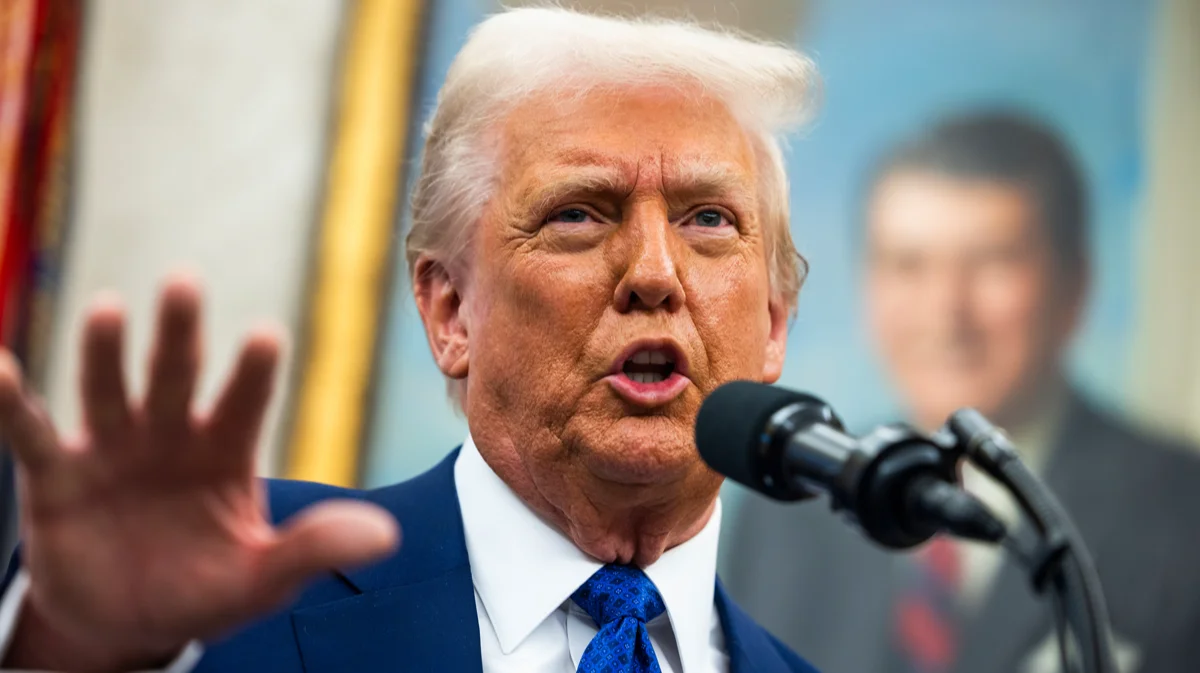
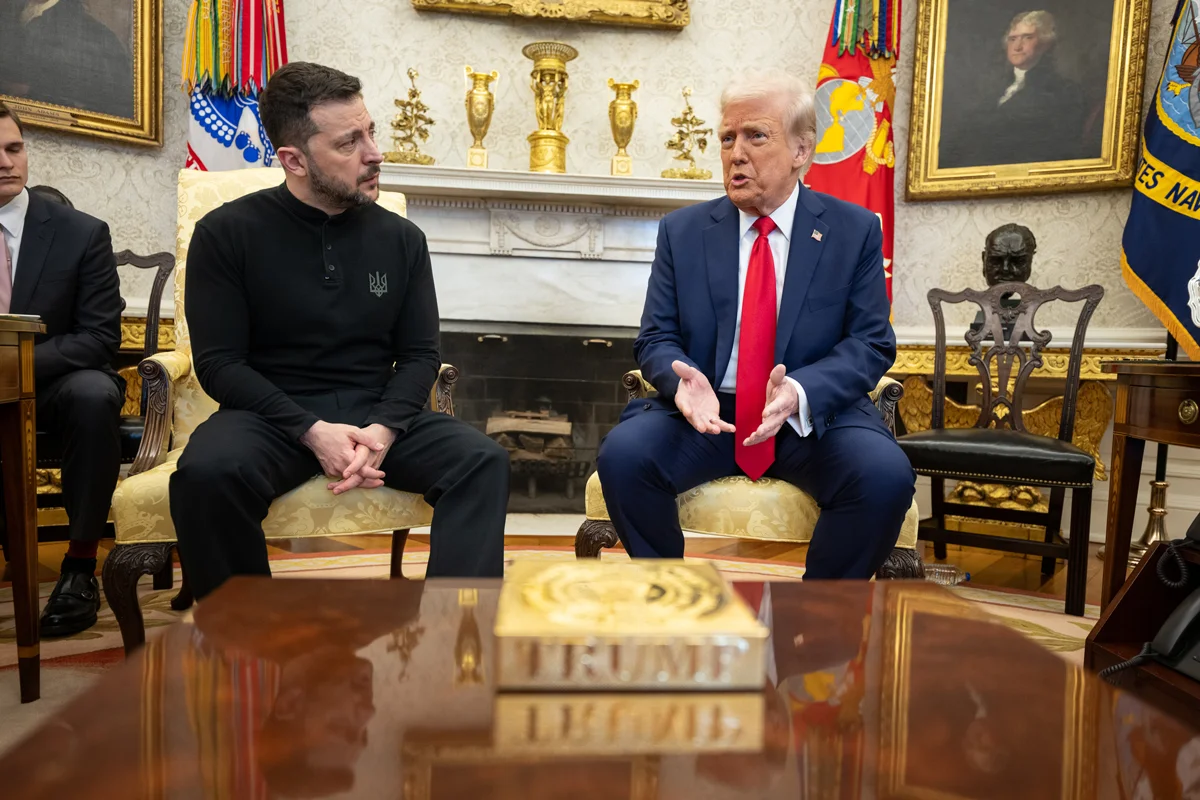
Donald Trump speaks to the media in the oval office of the White House, Washington, USA, February 12, 2025. Photo: Jim Lo Scalzo / EPA
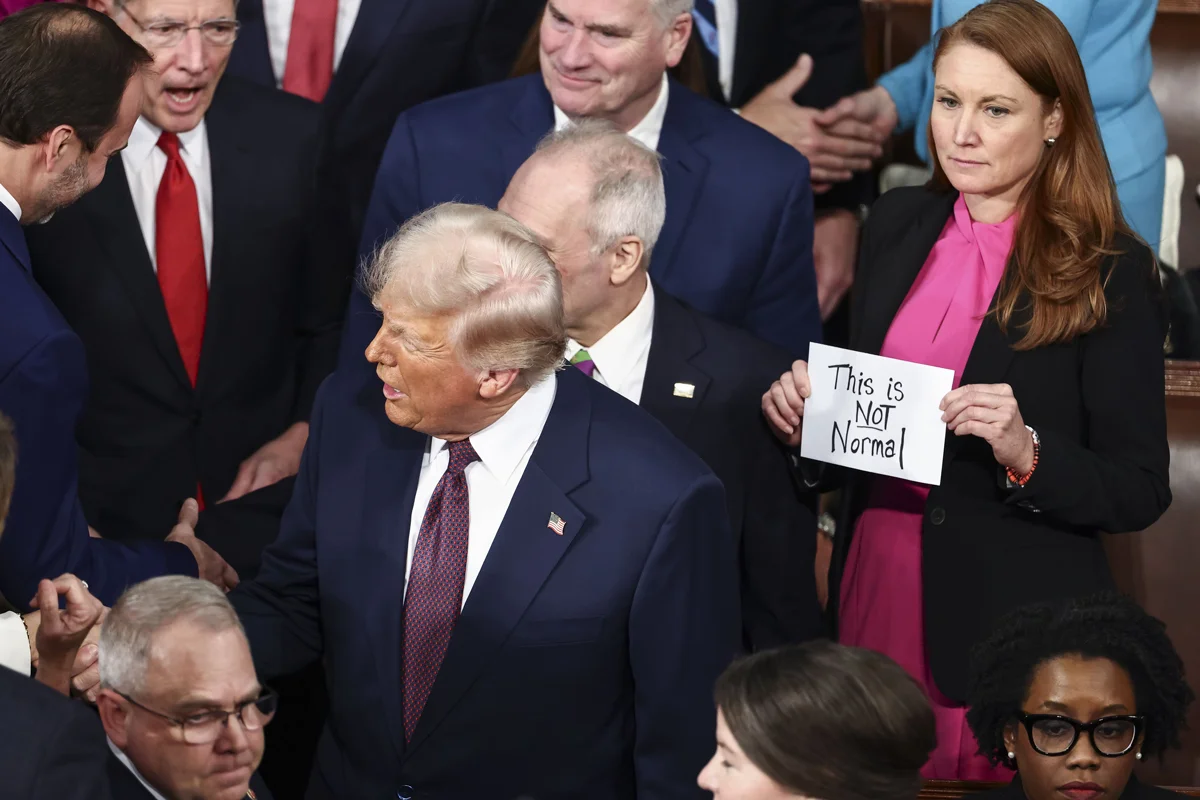
On the night of March 5, Trump first came to Congress from the beginning of his presidency. He spoke about Ukraine. “I am tirelessly working to put an end to a brutal conflict in Ukraine. Millions of Ukrainians and Russians were killed or wounded in this terrible and cruel conflict, which was not visible, ”Trump said and said that Ukraine was still ready to conclude a transaction on rare-earth metals.
In the theme of Ukraine, the American president, despite the desire to play the role of the chief negotiator, obviously swims: either consciously, or not, but Trump regularly rewrites the facts. So, he stated that Russia could destroy Kyiv, but did not want to “run too many missiles on it,” said that Ukraine “should not have started”, and exaggerated the volume of financial assistance from the United States. Together with the-American political scientist Jan Veselov, the author of the One Big Union channel, we figure out why this happens: where does Trump get information and why it does not hesitate to produce obvious fakes.
The material was first published on the website of the project "Wind". “Novyevropa” with the consent of his colleagues publishes him entirely.
Jan Veselov
The-American political scientist, author of the Telegram channel One Big Union
- Do you think how Trump perceives the war in Ukraine? He sees it as a regional conflict, part of some global confrontation, business capacity or something else?
-From the fact that he publicly says, we can conclude that he perceives the war as something like that, unpleasant. What is on the periphery, but does not affect the interests of the United States in some serious form. And, accordingly, Russia is also considered not as some kind of enemy or rival, but, possibly, as a competitor-but no more. We see that how Trump perceives countries is somewhat different from how typical politicians perceive them. He has no clear, stable categories: friends, enemies, rivals. He has such a business approach: everything is more likely partners or competitors with whom you need to negotiate, from whom you can knock out something, some benefits. There are countries that conditionally for us, there are those that are against us - he does not have such. Accordingly, there is no understanding that opponents must somehow be restrained. And it seems to me that he also considers the conflict in Ukraine as a conflict between Russia and Ukraine - and this is not a conflict between the United States and Russia. For the United States, this is not interesting.
- Is it possible to assume where Trump takes basic information in Ukraine and the war? What sources form his picture on this issue?
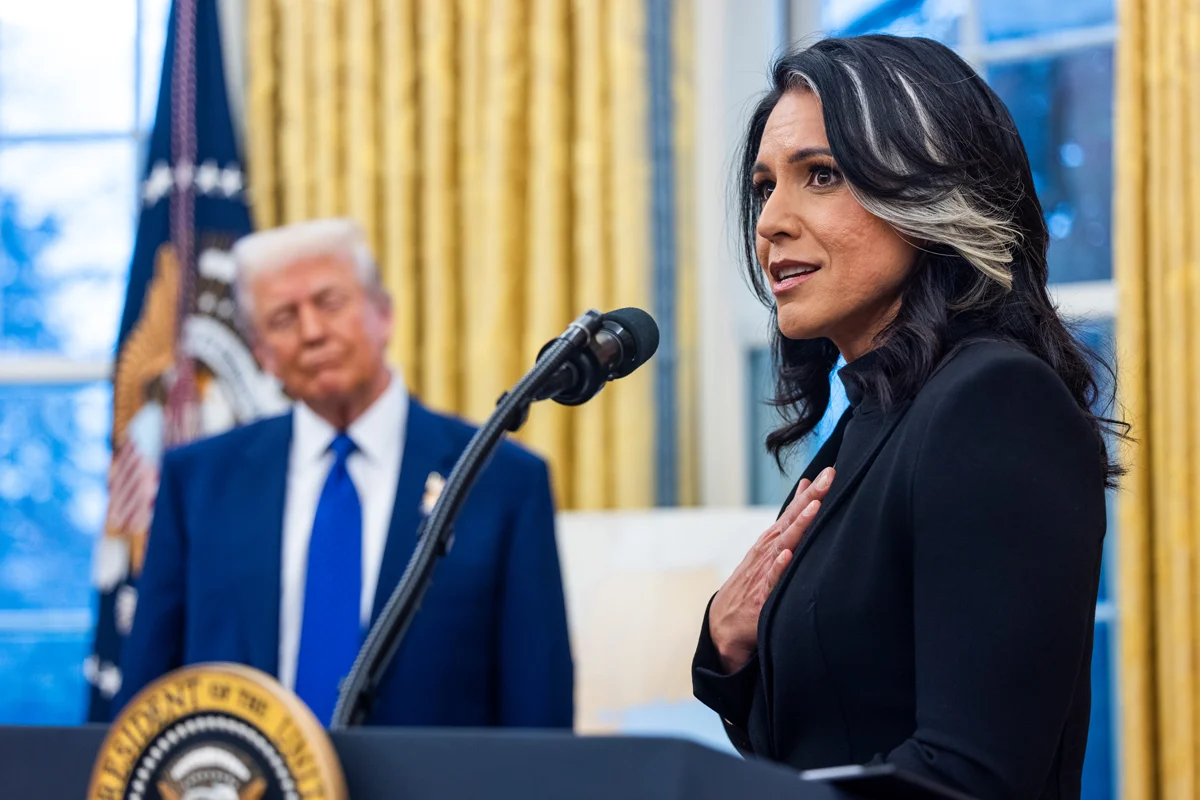
- Since he is now the president, in theory, the main picture should be formed by daily briefings prepared by intelligence officers, including Gabbard, the director of national intelligence. Where do they get the information, I find it difficult to answer; Theoretically, they should accumulate all the intelligence of the American special services.
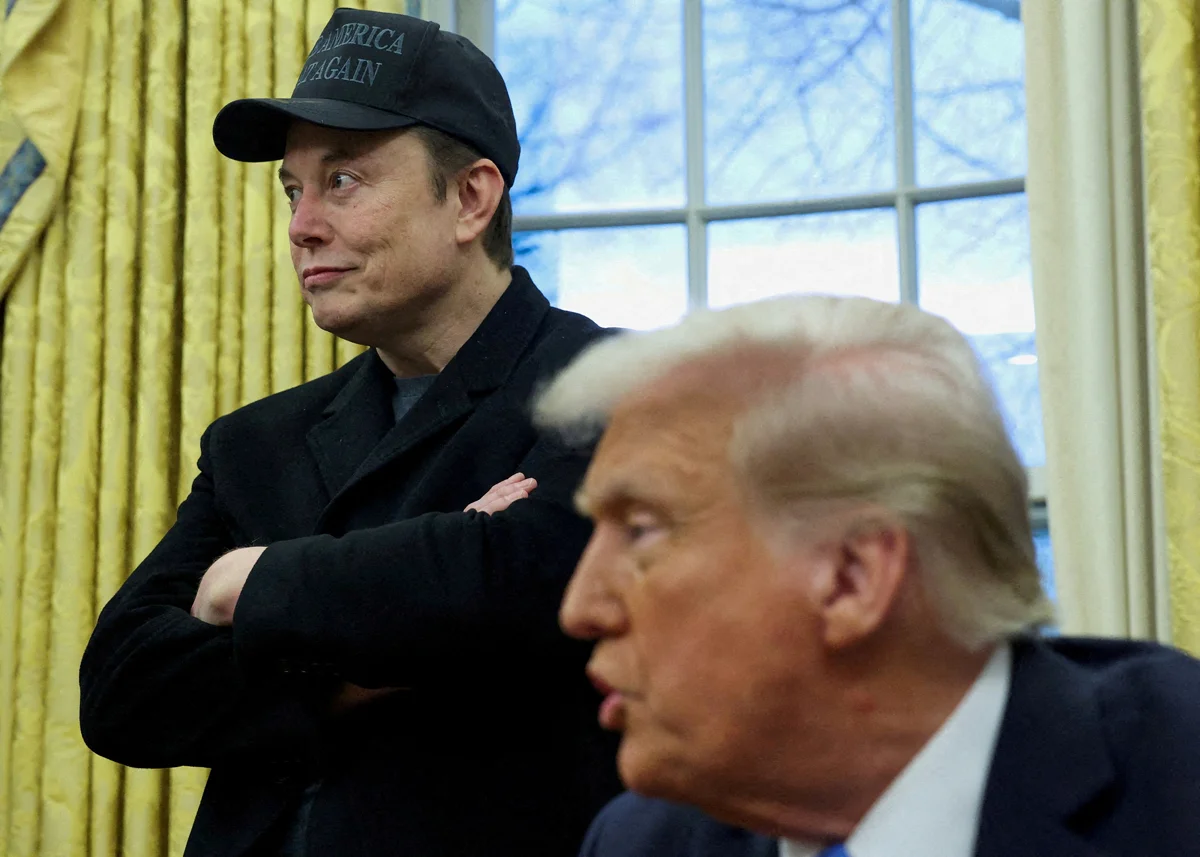
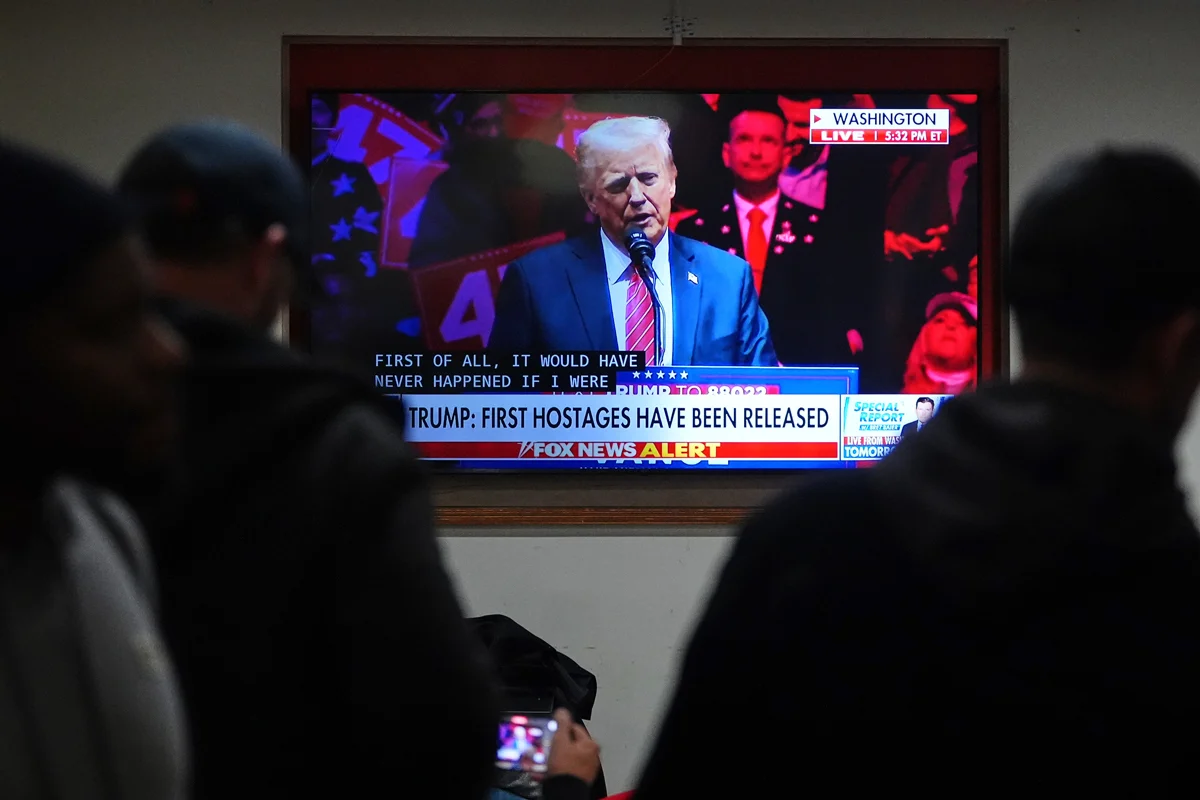
But it is clear that, in addition, there are unofficial sources. As in the first time, Trump continues to watch TV - Fox News. Sometimes you can literally compare what goes on the air, with its posts: he simply looks and comments on in real time what is happening on TV. So this is the second source. And the third source, probably, these are people from his environment, from the administration, who, too, certainly affect him. The same Ilon Musk, for example. You can recall the story on a visit to Fort Knocks, where US gold and foreign exchange reserves are stored. Conservative bloggers prompted the mask to this thought [that someone could steal gold and foreign exchange reserves]. And Max is like this: “But interesting, right? Let's go, see. And then suddenly we stole gold? " And a few days later, the president says: we will go, check, and then perhaps the gold was stolen. So Musk is such a mediator between the masses and the president,
So sometimes completely stupid conspiracy theories are born, which we then hear from the presidential mouth. It is important to note that this source is also there.
- In fact, is this information from the social networks that Musk transmits personally to Trump?
- I think it turns out something like this. Musk is very actively present in social networks: spends a lot of time there, posts a lot, reads, looks. And, apparently, sometimes he has meetings with Trump at which they discuss this. And then the president voices this. At least I have an assumption that it works like that.
- Trump constantly makes statements about the war, which are perceived by many literally as Russian propaganda. For example, that Russia is not fighting in full force - and if they wanted to have already captured everything. Where do such theses come from, literally duplicate Russian statements?
- In fact, it is difficult to say what kind of source of information here. We saw that during the last meeting, Zelensky also seemed to try to fight these theses. When Trump said “your whole country is in ruins, everything is destroyed”, and Zelensky replied that everything is not entirely true: most of the country continues to function normally.
I think this is such a conscious tactics to further press on Zelensky.
- What do you think, how important is Trump to say what is true? Or is it more important for him to say what they want to hear?
- I think the second, of course, is more important. The language of facts has been very much affected in recent years. But it cannot be said that Trump says what he says, solely because he is a hostage to some kind of public opinion. It seems to me that his idea is that he acts, on the contrary, such a forming factor in public opinion. We see from the latest surveys how the attitude among the Republicans to Ukraine, to Zelensky, to Russia, to Vladimir Putin is changing. These changes, of course, are connected precisely with Trump: with what he says, and with what he does. That is, not that he tried to correspond to the rhetoric of the Republicans, so as not to offend them somehow. On the contrary, he here goes in many ways against public opinion and forms it as he wants. At least among the republican voters.
- That is, he considers himself a kind of architect of public opinion among his supporters? Or in general in the country?
- I think his ambitions, of course, spread throughout the country. But, probably, there is also an understanding that certain restrictions are present here: not everyone is ready to perceive what he says.
-Are there any evidence of where various theories of conspiracy come to him? During his election campaign, he spoke, for example, about immigrants eating pets. Does this also come from the headquarters or from some vague sources?
-If we take this story with unfortunate dogs in Ohio, he said that somewhere there on TV he saw it, he literally said so on the debate. So here, I think, the same two main sources. On the one hand, it is conservative media like Fox News. And recently, Elon Musk has also been added here as a source: he also has an uncritical one, very often posts fakes and conspiracy theory, without checking them. You saw something, did it seem to you? It looks like the truth. And since he has a wide coverage, all this diverges into millions of people.
Then it turns out very quickly that this is not true. But by the time everyone understands that this is not true, with a dozen more such similar posts.
- Returning to the war: maybe some statements by Trump seem so wild from Europe, because Europeans are more closely monitoring the course of the war, and the Americans are less aware of what is happening in Ukraine? Is it possible to assume that Trump deliberately manipulates the facts about the war, realizing that few of the voters can catch it on this?
- The Americans, however, are less monitoring the news in Ukraine and, in general, the politics in general. The Americans, in fact, is a rather apolitical nation: the share of the inhabitants of the United States, who regularly follow the news, has decreased. Usually, Americans again pay attention to politics either in the pre-election season, or if something happens that violates their usual life, and they understand: something is wrong.
Ukraine here, of course, is no exception: given the strong apolitical nature of the Americans, the issues of foreign policy for them are always in the fifth or sixth place.
Therefore, partly, I think, this is true. The Americans do not follow the war, therefore, of course, it is easier to somehow manipulate public opinion.
- What is the reason for this decrease in the political involvement of Americans in recent years? Were there any research?
- It is largely due to the fact that earlier people used to consume the printing press more: local media and city newspapers. As the Internet grows, local media began to close because the income from advertising began to fall. The influence of large online media began to grow, which are generally often paralyzed in their political position. Many Americans are disgusted with such sharply politicized discourse. Sometimes you just want to know what is happening, without questions "who is to blame?" And "why?" And when there are fewer such [politicized] sources of information, then there is more temptation to move away from this sphere.
- Zelensky at the meeting said that the Americans have a “beautiful ocean” that separates them from Europe and everything that is happening. Perhaps that is why foreign policy is not a priority for Americans?
- Partly, yes. The trend for isolationism has always been strong enough in America. But there is such an idea: roughly speaking, in foreign policy the government understands what it does, but it does a lot of things. This sphere is complicated. For Americans, in this regard, domestic policy is more important, after all, America is rather a country of the winning refrigerator, not a TV.
And foreign policy - well, it is, as it were, and the activation of attention to it occurs precisely at the moments of the crisis, wars, invasions, and military operations. Then yes. And the rest of the Americans trust the government more: what it does.
But this thesis about the ocean seems strange to me quite strange, because - yes, indeed, the Atlantic Ocean shares America and Europe with Russia. But on the other hand, in the same way, the Pacific Ocean shares China and States. But this is not an argument in order to do nothing in relation to China.
- There is a feeling that Trump often contradicts himself. He called Zelensky a dictator, then literally said that he did not remember this. How is this perceived by its target audience? Are they already used to it?
“I think they are used to it, yes.” Already the lapher in the tongue became this phrase that Trump should be taken seriously, but not literally. The phrase is absolutely empty, in fact, in content: how can you perceive seriously, but not literally? It was not to believe what Trump says, but at the same time assume that there are serious intentions behind this. And then what is the seriousness of intentions? In fact, this phrase is just a convenient rhetorical technique for many Republicans, when they hear Trump's phrases with whom they really disagree. The president does not mean this, he has in mind something else.
Before the elections, there were many such videos with polls by Americans who answer: well, yes, Trump says a lot, yes, perhaps he does not always tell the truth, but he speaks sincerely. Again, this is a little Oxymoron: how can one say a lie, but sincerely? But this somehow paradoxically coexists in this world of alternative facts.
- During the election campaign, Trump promised to end the war in 24 hours. Obviously, this did not happen. Is it possible to say that these promises testified to the fundamental misunderstanding of the nature of the war? Or are these just statements that there was nothing?
-Partly, it seems to me that this is such a purely populist thesis to show some maximum contrast between Trump and Biden: [Democrats] do not offer anything, an eternal military confrontation, in which the end is not visible. And I propose right tomorrow to finish everything. This is such an image of the Savior - a person who can solve all problems as quickly as possible. This is on the one hand. On the other hand, I have a feeling that a certain misunderstanding is present. Obviously, it is impossible to solve this problem from the scab. And, in general, we now see that this does not work out.
But at the same time there is some strange sensation, at Trump himself everything rests exclusively on rhetoric. What do I need to say - what do you want peace? So the world will be. If you say that you do not want peace, then there will be no peace. The Russian side says that it is ready - that means it is ready. The Ukrainian side says that they are ready, but they somehow doubt a little. So she is not ready - that's all.
As if there are no fundamental issues, fundamental contradictions, which are actually a lot in this conflict. The president does not speak about them at all. In general, if you listen to many people from his team, then everything seems to be reduced exclusively to such rhetorical turns about who is ready for the world and who is not ready to not. But in general, in fact, negotiations have to approach, because Ukraine, Russia and the United States, have completely different positions.
- And how much does Trump understand the reasons for the war? Does he have an understanding of what led to February 24?
- I think no. But it’s difficult to say here: of course, I can’t climb into Trump's head. I think that he was explained this repeatedly, in any case, they tried - people from his environment, including.
But Trump, in fact, is a person who does not really like to plunge into some details.
He loves some common words, this is his style. I have never heard that he mentioned the real causes of the conflict. More precisely, he mentioned the reason voiced by the Russian side: the expansion of NATO. But everything that is connected with the Donbass, with the Ukrainian language and the perception of Russia of Ukraine - I have never heard this at all.
We mainly hear from him the statements in the spirit of "If you are respected, then they behave well, and if they do not respect, they behave badly." Accordingly, Barack was not respected by Obama Putin, so in 2014 what happened happened. And Trump respected. Therefore, nothing of the kind, according to Trump, was during his presidency. Accordingly, Biden is not respected again. So the military conflict begins. Trump was respected, and now there will be peace. That is, everything exclusively in such terms: "Do you respect me, do not respect?" I do not want to speak in such terms, but this is a little such a “Patzan policy”.
- Well, it correlates, one might say, with Putin theses: if the fight is inevitable ...
-This is the logic of the St. Petersburg gateway, yes. But, on the other hand, Trump is like not a St. Petersburg gateway. Rather, New York, in general, rich. A man is not from the ghetto, relatively speaking. But, as you can see, people of different background sometimes behave the same.
- Trump has repeatedly stated that European countries do not help Ukraine enough. Is this a convenient pretext in order to curtail support, or after all some attempt to achieve a more fair distribution of efforts?
- It seems to me that this is rather the first option, because it does not fight with facts, right? Already, Europeans provide more assistance to Ukraine. These claims are not new, as well as claims about NATO. Although according to NATO, it seems to me that they are more fair than in Ukraine, because there are really many countries where this percentage of GDP to finance defense is not reached.
It seems to me that the idea is rather to shift this whole story with Ukraine’s support to European shoulders, it is simply convenient for Americans to break out of this situation. And now we see this: a pause for military supplies, and not even to new ones, but for deliveries that were announced by the Biden administration.
- How much did Trump and Wansa that Ukraine would have lost the war without the United States, is this work on an internal audience and an appeal to national pride?
- Basily, this is so. They promote the idea that everything is holding on America, and therefore its politicians should make decisions, and the rest of the world just needs to put up with this. At the meeting of Zelensky with Trump and Vance, an interesting moment occurred: Zelensky said that at the beginning of the conflict, Ukraine was alone, and Vance answered him that this was impossible, we immediately began to supply weapons and other assistance.
In fact, this will sound paradoxically, but both the Russian and European and American leaders expected Kiev that Kyiv would be taken in three days.
Zelensky was directly offered to flee the country. Все ожидали, что война долго не продлится, помощь началась не сразу, временной лаг присутствовал. Поэтому в этом плане Зеленский был прав, а американцы скорее нет, но им нужно было приумножить свою роль: для своего избирателя сказать, что миллиарды долларов были выделены Украине.
Трампу важно формулировать идею, что Америка несет на себе всё бремя расходов: тратит деньги на международные организации, на помощь другим странам, на союзников по НАТО, которые не хотят сами вкладываться в свою защиту. По Трампу, США должны отодвинуть всех, кто за последние 80 лет присосался к американской бюджетной груди. И после этого Америка воспрянет, вновь станет сильной и сможет проводить нужную только ей политику, от чего американцы хорошо заживут. Это центральный элемент понимания Трампа в международных отношениях.