
Translated material
Europe, reinforced!
At an emergency summit, the EU countries prepared to allocate 800 billion euros for defense, but did not voiced the exact figures for Kyiv support. Even further isolation of Hungary did not help
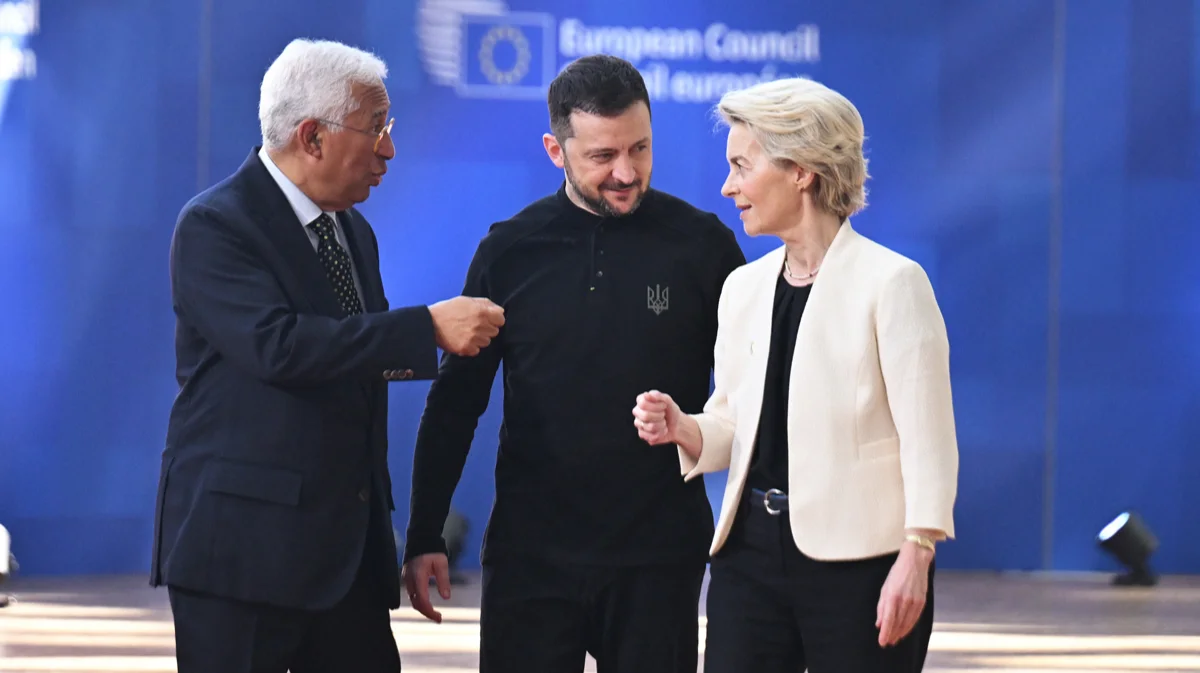
Chairman of the European Council Antoniu Kosta, Chairman of the European Commission Ursula von der Layen and President of Ukraine Volodymyr Zelensky at a meeting in Ukraine and defense in Brussels, Belgium, March 6, 2025. Photo: Dursun Aydemir / Anadolu / ABACA Press / DDP Images / Vida Press
An extraordinary EU summit in Brussels was to be Europe’s response to crises that have opened in recent weeks within the Western coalition.
This is, firstly, about the split of the transatlantic partnership between Brussels and Washington: now from the latter it is increasingly heard about the desire to reduce the US military on the continent or, at least, to force Europeans to pay more for it. And secondly, about the stop of American assistance to Ukraine, which requires Europe for the search for new sources for military supplies to Kyiv. Shortly before the official EU summit in Brussels, Europeans held several informal meetings in Paris and London in order to agree on a package of decisive measures, first inside the smaller coalition of countries. Partly these meetings helped: on the eve of the summit in Brussels, the European Commission presented a plan to increase the expense of the EU for the defense of Rearm Europe, for the most part of which all the member countries eventually agreed. However, the prime minister of Hungary, Viktor Orban, supported his colleagues in matters of expenditure, categorically opposed the further support of Kyiv and strengthening sanction pressure on Moscow. As a result, the theses were allocated to Ukraine in a separate document of the summit in Brussels, under which 26 out of 27 leaders of the EU countries signed. How a new plan for the re -equipment of Europe should work and what Viktor Orban intended to do in Brussels with the next demarchet - the observer of European and international politics Nikolai Pershin was understood.
They in Brussels, in the case, urgently
The leaders of the EU countries were supposed to meet in Brussels on March 20–21. But the rapid change in relations in the triangle "European Union - Ssha -Ukraine" forced them to gather at an extraordinary meeting on March 6. Two topics inextricably linked to each other were announced on the agenda: helping Ukraine and European safety.
Even before the meeting, it was obvious that the summit would not become a meeting of like -minded people. “We live in historical time and should be one more than ever, but if someone does not agree with this, then okay, the rest should go forward,” the Prime Minister Luke Fridden formulated the mood of pro-European forces before the summit.
“Disagent” was meant, as usual, the leaders of Slovakia and Hungary Robert Fitzo and Viktor Orban. The first on the eve of the summit, he promised to block further European assistance to Ukraine, if Bratislava is ignored at the summit: Slovakia is seeking to restore gas transit in Ukrainian territory or at least, for a start, to resume serious discussions on this topic. President of the Republic Peter Pellegrini Prime Minister Fitzo supported , calling the requirements "a legitimate manifestation of the protection of the national interests of Slovakia." He clarified that it does not have to be about the transit of Russian gas, “it can be, for example, gas from Azerbaijan or another” alternative source.
As a result, during the negotiations in Brussels, the phrase was agreed that the European Commission, Slovakia and Ukraine activate “Efforts to search for viable decisions of the issue of gas transit, taking into account concern” by Bratislava.
Such a thesis was included in the final document of the summit, which quite satisfied Robert Fitzo, and he did not argue on the rest, more priority for the EU, related to European defense and supplies to Kiev.
Thus, the EU leaders were left one problem: with the intransigence of Viktor Orban, who has repeatedly opposed the supply of military assistance to Ukraine, and with the activation of the peacekeeping efforts of the Donald Trump administration, he began to defend his position even harder. On the eve of the current summit, Orban proposed not to accept any lengthy statements for assistance to Ukraine, but to limit himself to expression of support for the most neutral resolution of the UN Security Council of February 24 of this year.
Before the start of the meeting, it might seem that there was no discord in the European family. Viktor Orban smiled at his colleagues and greeted them, gathered them around him and told something, apparently extremely fun (Poland Donald Tuska, judging by the video broadcast , made these jokes laugh).
However, the Politico publication came to the conclusion that "although the friendly atmosphere is still preserved, it is already impossible to hide the growing insulation of Orban among its colleagues." And the portal Euraactiv handed over the words of the EU diplomat, who called the Hungarian prime minister the "double Trojan horse", explaining:
“The EU leaders are careful about what details in the presence of Orban], remembering that he can feed [information] both Putin and Trump.”
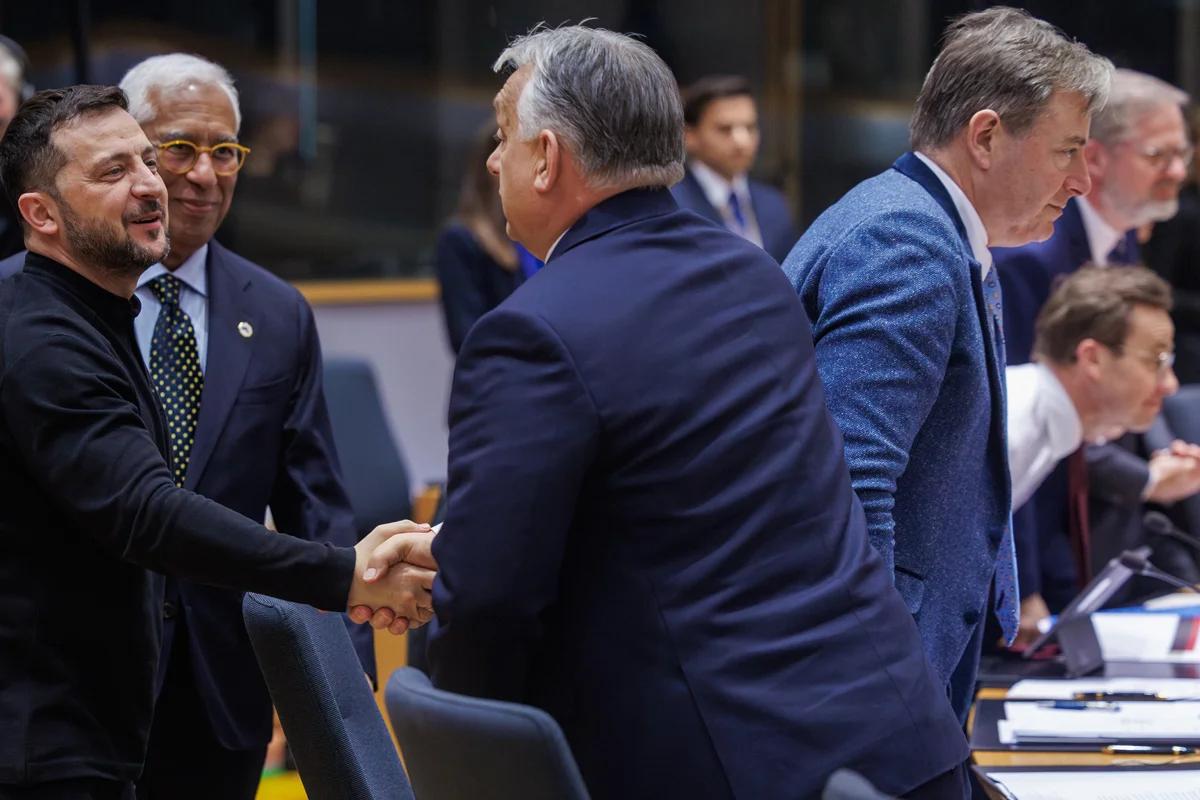
Twenty -six per one
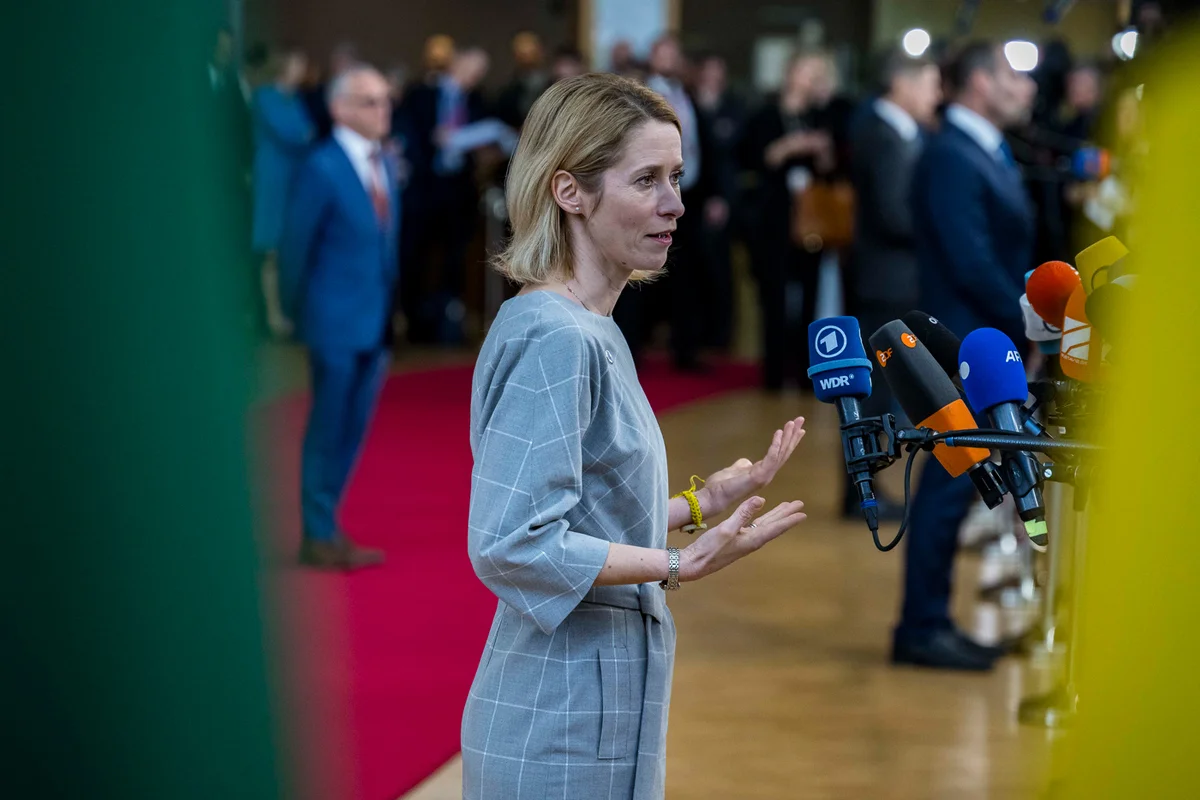
Upon arrival at the summit, the head of European diplomacy, Kai Callas admitted that the blocking of Hungary of the EU decisions in the assistance of Ukraine is becoming more difficulty for the community. “Therefore, we have a new initiative to create a majority coalition so that one country could not block everyone,” she said. Finland Foreign Minister Elina Valtonen also stated that "the coalition of those who wish is exactly what we need to get around some obstacles when making a decision requiring consensus."
It was about the initiative, which was discussed at the informal European summit in London on March 2. British Prime Minister Cyrus Starmer gathered participants there at his discretion: part of the EU members, Norway, Canada, Turkey. He called this format the “coalition of those who wish” to help Ukraine and increase their defense expenses.
The mention of consensus was not by chance. According to the EU rules,
Participants in summits must vote unanimously on a number of issues that member states consider sensitive. Among them are a common foreign policy and security policy.
On less fundamental issues of a sufficiently qualified majority: consent with the initiative of at least 55% of countries representing at least 65% of the block population.
Supporters of the principle of consensus claim that it strengthens the unity of the union and the legitimacy of decisions made. Opponents indicate that the system slows down decisions, which is critical in the conditions of current turbulence, and creates the conditions for the successful activity of the Trojan Horses, like Orban and Fitz.
In tools, the EU countries have three ways to bypass the principle of consensus. The first is constructive abstinence: the member state does not apply a veto, but simply does not vote. The second is a special exception: the decision on important topics can be made by a qualified majority, if it “follows from the mandate issued by the European Council, or proposals” of the head of European diplomacy. The third instrument is the rule about the “Passele” (from the French Passerelle - “Bridge”), which allows the European Council to vote in order to make certain specific decisions with a qualified majority of votes.
But the effectiveness of all these options is in question. The first tool is purely voluntary. The second contains an emergency brake: any state can stop the procedure, referring to the "vital" reasons related to national policy. What exactly is being discussed is not specified in the EU documents - and this leaves a wide scope for interpretations. And the last scenario implies that the decision to refuse consensus on a particular issue is made by the same consensus.
It is impossible to imagine that the same Hungary will voluntarily abandon the right of veto. This forces supporters of the support of Ukraine “as much as you need” to look for options for actions outside the official structures of the EU.
Before the Brussels summit, Viktor Orban warned that he sees more chances to agree on the strategy of European security itself than on the issue of military assistance to Ukraine. So in the end it happened.
The Prime Minister of Hungary categorically refused to put his signature under that part of the final resolution, which spoke about the support of Ukraine. So it had to be allocated in a separate document , which was eventually signed by 26 member countries out of 27.
However, this version of the document could disappoint Kyiv by the absence of specifics in it according to the parameters of the promised EU support.
Without unnecessary numbers
Last week, Kai Callas predicted that the summit participants would approve of a new military assistance package of Kiev. She offered the EU member countries to take the obligations to put at least 1.5 million units of large-caliber artillery ammunition, air defense systems, missiles and drones, as well as support in the restoration of infrastructure as soon as possible.
In different draft versions of the final document of the summit
In the paragraph about the new assistance package, figures of 20 billion and 6 billion appeared, which would become a significant addition to about 62 billion euros already delivered by European countries. However, in the final version of the summit resolution in Brussels there is no exact figure.
The document without specifics says only that the leaders welcome “the readiness of member states to urgently increase efforts to satisfy the pressing military and defensive needs of Ukraine, in particular in the form of providing air defense systems, ammunition and missiles, necessary training and equipment for Ukrainian brigades”.
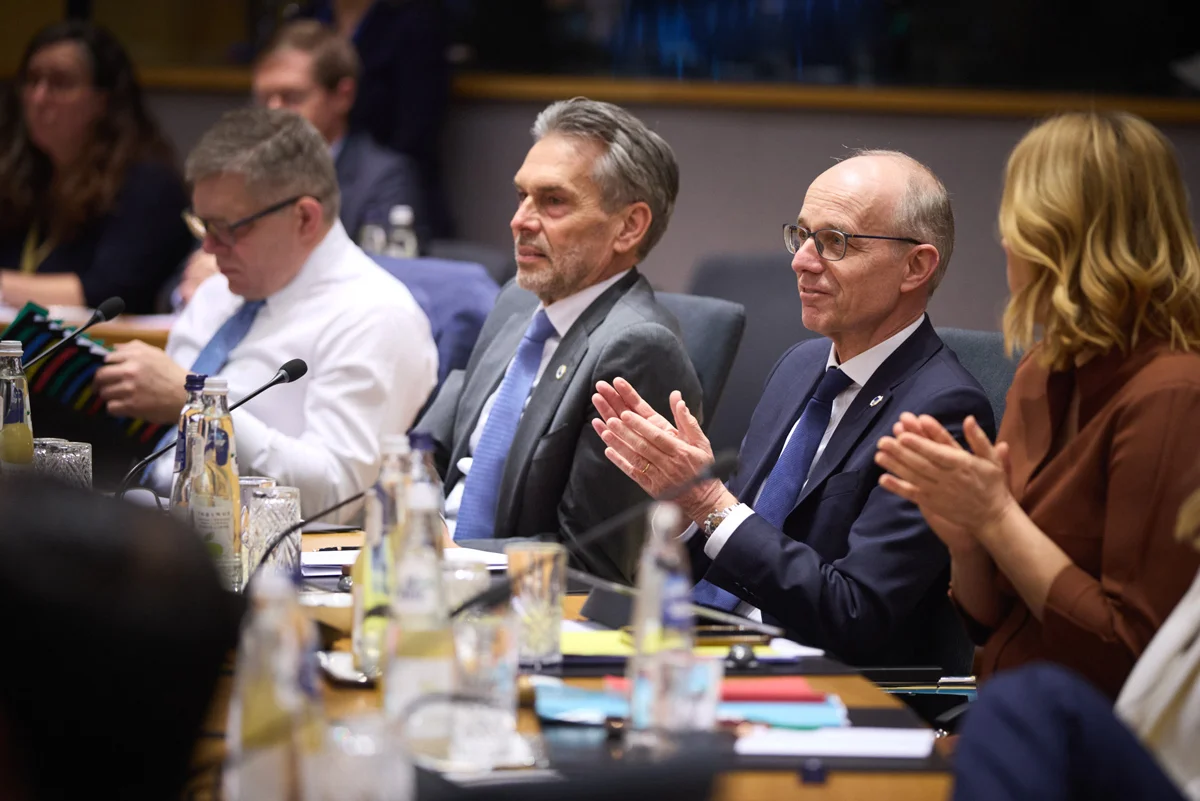
Thus, only statements by individual leaders could please the President of Ukraine Vladimir Zelensky. Thus, the Prime Minister of the Netherlands Dick Shor promised to send € 3.5 billion to Ukraine for purchases of ammunition, air defense systems and other weapons. True, before that he will have to agree on such a decision within the coalition government, which, given the presence of the ultra -right Party of Freedom Hert Wilders, will not be easy. And the President of Lithuania Gitanas Nauceda invited the EU countries to allocate 0.25% of his GDP to Ukraine, which, in the aggregate, will allow Kiev to transfer 43 billion euros per year.
Viktor Orban in the absence of specifics in the final document was not enough. When making a decision not to sign the application, he focused on other formulations in the resolution, which, however, were traditional for all previous summits since February 2022. Thus, the document contained phrases about the "unwavering support for independence, sovereignty and territorial integrity of Ukraine within its internationally recognized boundaries." About the need to "strengthen pressure on Russia, including through further sanctions." The fact that “there can be no negotiations about Ukraine” without the participation of Ukraine itself and Europe.
Demars on summits are rare, although the case is not unique: this happened in December 2019, as well as in June and December 2023, when the EU budget, migration and climatic goals were discussed in Brussels. Then the “special opinion” was expressed by the same Hungary and Poland, which was led by the government of Mateusa Moravetsky. But basically the parties nevertheless came to compromises. In extreme cases, Orban left the meeting room at the time of voting.
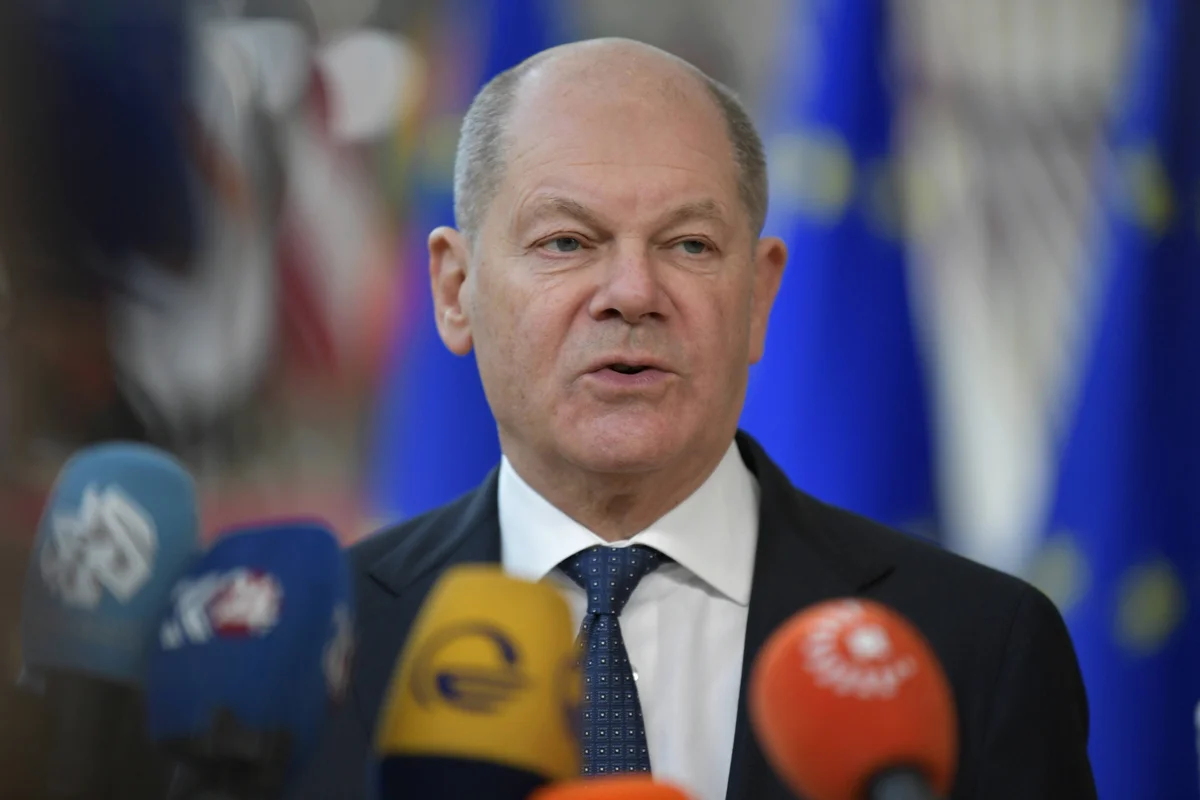
Commenting on the split on Thursday, the rest of the leaders showed with all their appearance that nothing tragic had happened.
“Orban did this before. And this did not ruin the EU, ” said Olaf Sholz, the outgoing German Chancellor. “Hungary is isolated in the EU. Twenty -six are more than one, ”the obvious head of the European Council Antoniu Kostya emphasized.
However, the same Coshte made it clear: when it comes not about gestures, as in the case of formulations in Ukraine in the final resolution of the summit, but about specific affairs, then from Hungary you can still expect a constructive approach. “Since 2022, we have adopted 16 packages of sanctions [against the Russian Federation]. The last - two weeks ago. This is a fact, ”said the head of the European Council after the summit.
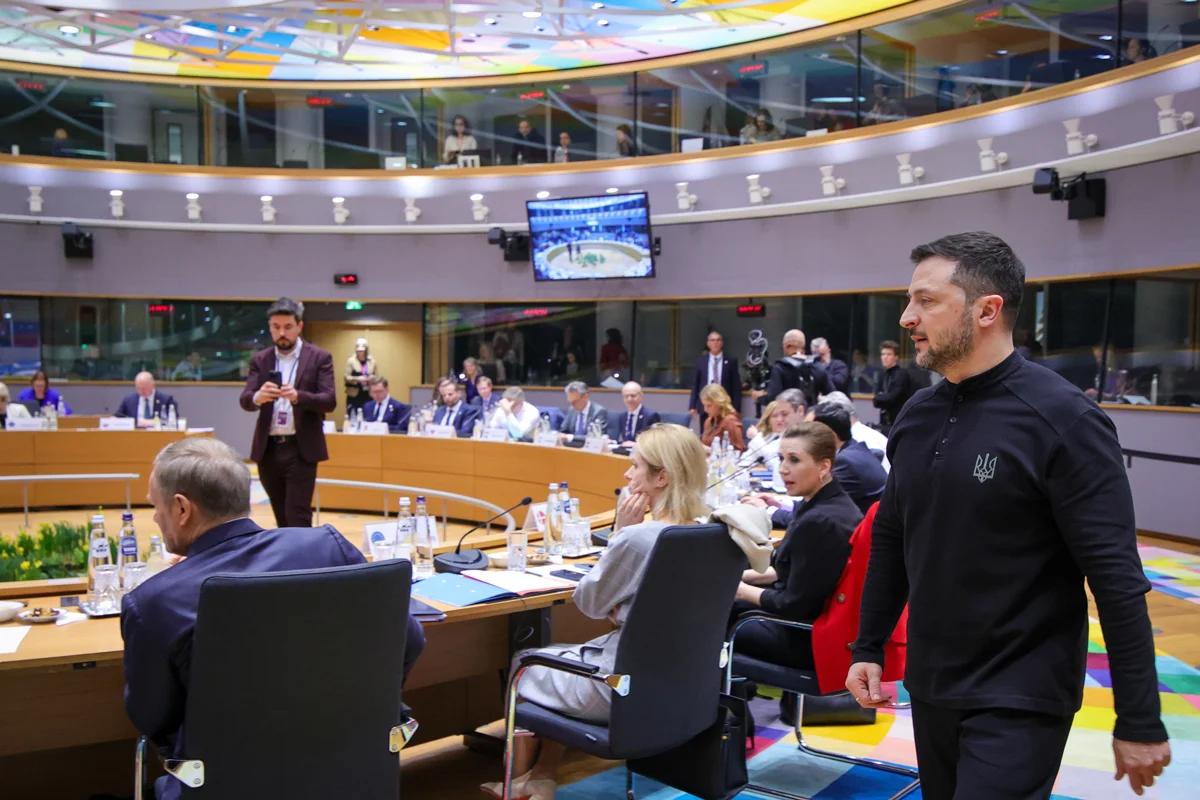
Time to defend
The confirmation of these words could also be considered that on the second topic of the summit - an increase in the defense capacity of Europe itself - there were no insurmountable disagreements.
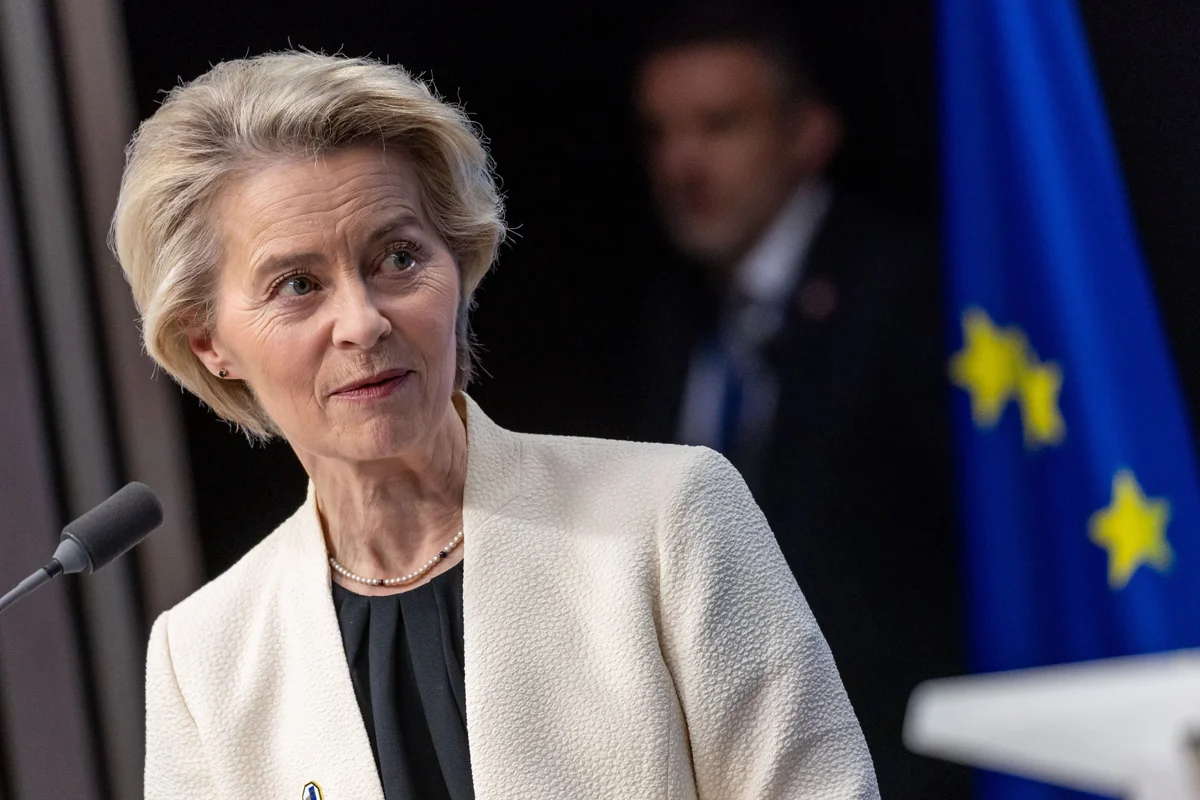
The focus of attention was a plan for the re -equipment of the EU REARM Europe, which was presented the day before by the head of the European Commission Ursula von der Lyain. According to the idea, it will allow for the next few years to mobilize about 800 billion euros for the EU defense costs and the support of Ukraine.
In this regard , five key points :
An increase in national defense expenses : Member countries will allow you to not comply with the conditions of stability and growth settled by the European Commission, which imposes restrictions on the maximum levels of public debt and budget deficit if additional money goes to military needs. As a result, in four years it will be possible to free up to these purposes in addition to 650 billion euros at the budget level of national states.
The creation of a new financial instrument with which countries will be able to receive loans from the EU budget for investment in defense totaling 150 billion euros. According to the plan, this tool will contribute to the joint purchase of weapons and strengthen the defense industry, as well as “a significant strengthening of the support of Ukraine”. A similar scheme was used to raise funds as part of the initiative to support economies during the pandemic Covid-19 (Sure).
More active use of the EU budget : it is planned to create additional mechanisms and incentives for a joint increase in defense costs. For example, we will talk about a voluntary redirect to this industry allocated within the framework of the Program of the Cremard Policy (its goal is to reduce the economic gap between the EU countries).
Mobilization of private capital by accelerated formation of the Union of Savings and Investments.
Using the resources of the European Investment Bank to finance the defense sector.
The letter with the details of the plan was sent to all leaders of the European Union on the eve of the summit.
“In general, there is the consent of all EU countries with the fact that Europe should act and become more autonomous in the field of defense”,
- The representative of the EU told reporters on the terms of anonymity, not making any reservations about Hungary or Slovakia. As a result, indeed, without exception, the country has supported this course.
At the same time, the text of the resolution contains a cautious formulation that “the European Council takes into account [ and does not approve. - approx. Ed. ] The intention of the European Commission to put forward an offer for the new EU instrument to provide loans to the EU budget for the amount of up to 150 billion euros. ” Clause 2 from the plan of von der Layen called - for example, in Italy and Spain - fears that the issuance of such loans can adversely affect the state of markets of a number of European countries.
An important point in the resolution was the determination of the list of priority areas in the field of defense capacity, which must be engaged in the pan -European level during close coordination with NATO. Air and missile defense were mentioned; artillery systems, including the possibilities for applying high -precision shocks of high range; missiles and ammunition; drones and opposition systems; space; Critical infrastructure protection; mobility of the armed forces; cyberspfer; artificial intelligence; Radio Electronic War. The list, as noted in the document, was compiled based on the "lessons extracted from the war in Ukraine."
The proposals of Ursuly von der Layen will be discussed further - in particular, at the EU summit on March 20–21. It may also clarify whether the contradictions between Hungary and the rest of the bloc are overcome.