Translated material
Selfies in concentration camp and vacation in Rwanda: what is dark tourism
And why does he attract tourists from all over the world
Wanting to escape from too comfortable and already bored with everyday life, many tourists go to points marked with the most gloomy tragedies in the history of mankind. Every year, memorials, museums of memory, cemeteries and ruins attract thousands of travelers. This led to the emergence of a whole dark tourism industry (Dark Tourism). The researcher Ara Chally understands how this phenomenon appeared and why people choose a place of disasters for relaxation.
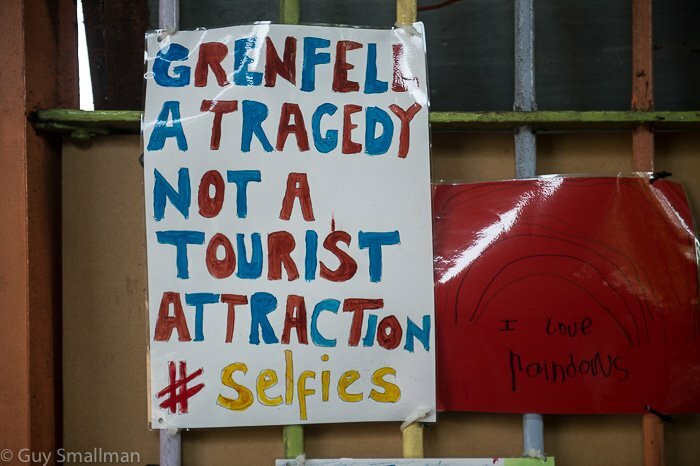
In 2017, in the London district of North Kensington, posters suddenly appeared on the streets with the following signature: “Grenfell is a tragedy, not a tourist attraction”. On June 14, in the 24-story building Grenfell Tower, a fire occurred, 71 people died, mainly immigrants from Africa and the Middle East. Not all missing people were found how curious skyscrapers began to gather curious to take a photo, including a selfie. And just a couple of weeks later, buses with Chinese tourists specially began to drive closer to Grenfell Tower so that foreigners could rent a former residential building on camera from a successful angle.
This is one of the striking examples of dark tourism. Usually the following subspecies are distinguished: the tourism of disasters, the tourism of burials and cemeteries, the tourism of genocide and crimes, mystical tourism and tourism in abandoned places. Although the term “dark tourism” began to be consumed only in 1996, practice is not new - a person was always interested in horrors reminiscent of death. So crowds gathered on public executions, and representatives of the middle and higher class in the XIX century specially traveled to Pompei buried under Peplor or not yet cooled after the battle of Waterloo . The cynicity of local residents and numerous English tourists characterizes the last example - as a souvenir from the trip, they brought bullets, sabers, pistols and teeth of soldiers who died in the battle of Waterloo.
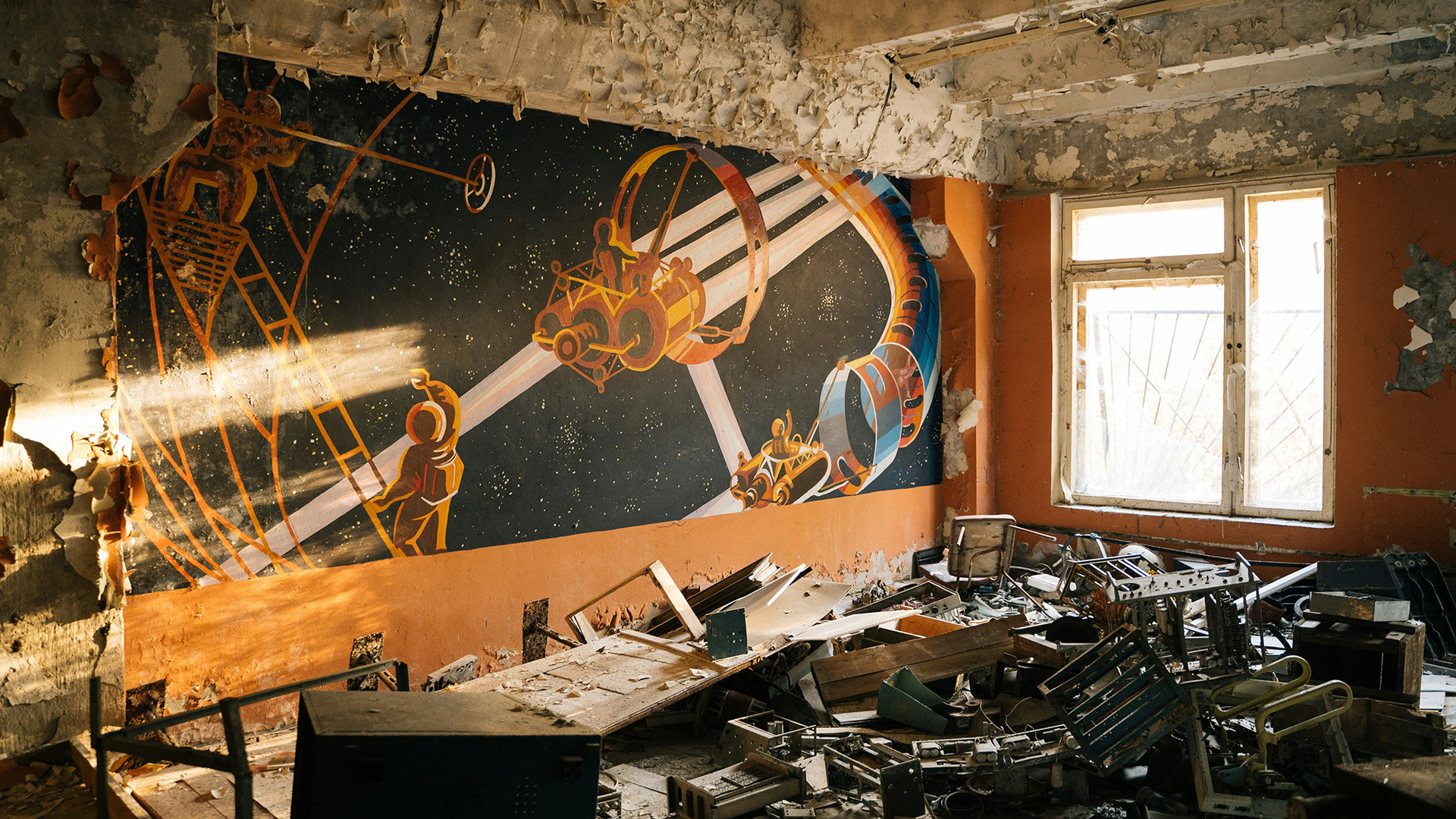
Modern dark tourism lovers prefer to order excursions to Alcatraz Prison in California or a trip with a guide for a full day to the Chernobyl zone. Other popular areas are the National Memorial on September eleventh in New York, the Ausvitz-Birkenau State Museum in Auschwitz, the Genocide Memorial in Rwanda, Fukushima NPP in Japan.
Memorials and museums in the places of tragedy create primarily for perpetuating memory, and in this regard, dark tourism has educational potential. The reminders of disasters are prompted by visitors to think not only about the past, but also about the present. To many such a clash with death gives a chance to look at your life in a new way. The preserved zones open a space where a person can not only plunge into a certain historical era, but also “safely” look into the face of his own mortality.
However, the desire to expand the horizons motivates travelers to a lesser extent. The dark tourism industry gained its popularity due to exotic: tickle nerves, escape from routine. And in pursuit of new impressions, people buy tickets to the places of disasters. This is how commercialization of the tragedy occurs.
But is it ethical? How much time after the disaster should pass? The accident at the Chernobyl nuclear power plant occurred more than 35 years ago, but for local residents this is not an isolated event clogged in the past, but an injury that continues to hurt. For most visitors in the zone, a way to get new exciting impressions. Pictures taken in such abandoned places are sometimes called “ruin pornography”. They really feel voyeurism, they dramatize the destroyed environment, but ignore the victims.
“Tourists just come out of curiosity, they did not lose anything, they did not go through the same pain through which we passed,” says one of the residents of the Kyiv region. - When I come to my hometown, my heart is aching, it hurts me so much from what happened to my city. But tourists will never understand the pain of the zone people, they will never understand what we have gone through. ”
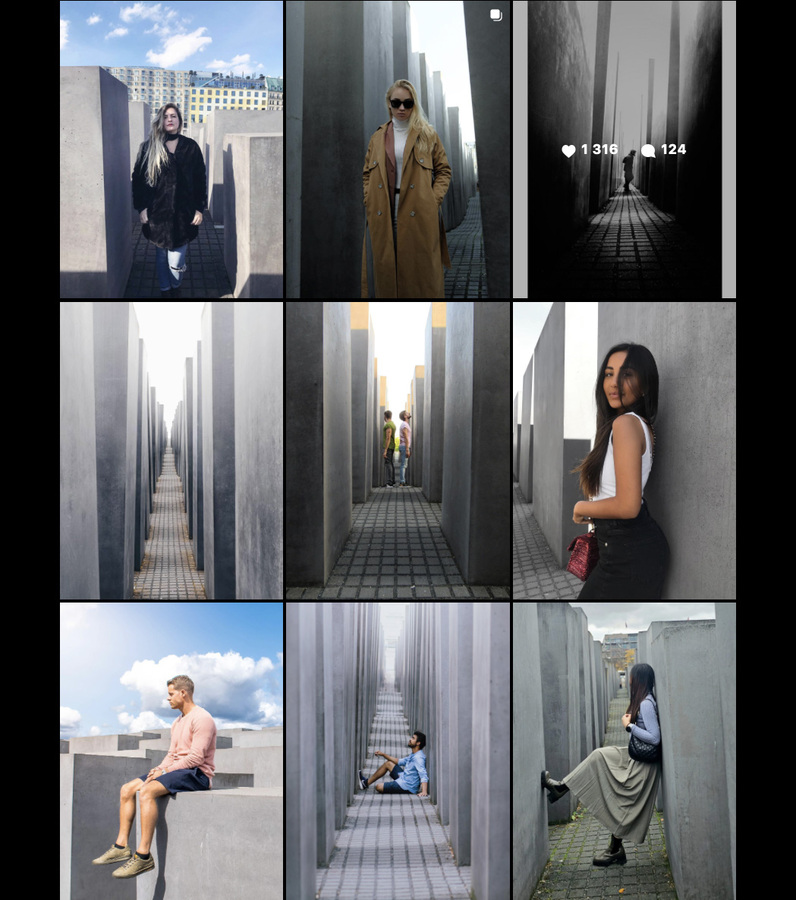
Another well -known example of conflicting behavior in memory places is a lot of selfies against the background of the Berlin memorial to the victims of the Holocaust. In 2022, a post with photographs of girls and young people from the Tinder starting application, who considered memorial plates with a successful background for the picture, was dispersed in social networks. Perhaps the point is the abstract of the memorial complex, so visitors do not always understand the meaning that the group of monuments bears. The Israeli artist Shahak Shapira used the most absurd photographs of tourists at the monument in his Yolokost project. He replaced plates against the background with photographs of the tragedy of World War II.
Shapir commented on the work: “Every day, about 10 thousand people visit the dead Jews in Berlin. Many of them take stupid photos in which they ride a skate on a memorial and accelerate on a bicycle in the aisles. But the meaning of this memorial is completely different. These are, in fact, the graves of those six million killed, tortured, buried in common graves or people burned in concentration camps. ”
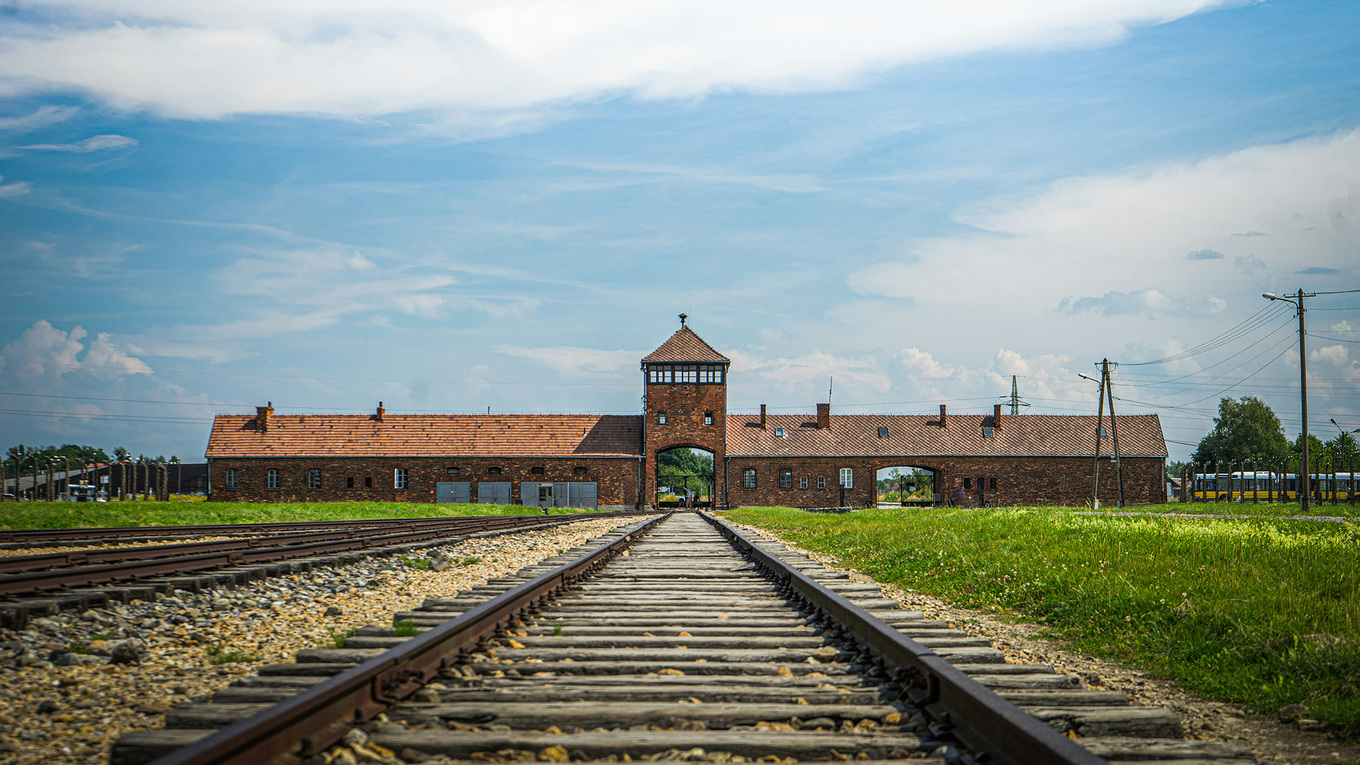
The Aushvitz-Birkenau museum in Auschwitz also faced a similar problem: tourists chose the rails leading to the former camp for posing. In 2019, on the official account of the memorial in X (former Twitter), the administration posted post-remembering that in a place where more than a million people died, such behavior was inappropriate.
But the German professor Gunther Morsh , the former leader of the memorial and the museum in Skenhausen , believes differently: “Selfies are part of modern culture, a way of virtualization of the world. In the virtual world, people are trying to integrate the image of an authentic place into their own image, and this is actually good. ”
Stormy discussions causes foreigners to visit the funeral of Toraja on the Indonesian island of Sulawesi. The funeral rites of the people are unique. The body of the deceased balsam and leaves at home while the family collects resources for worthy funerals. When everything has been prepared, a multi -day complex ritual begins, including boils of buffalo, according to tradition, there should be at least 24 goals. On the 11th day, Toraji put the deceased in the crypt. A statue of Tau-Tau is usually placed nearby-a copy of the deceased, but recently thieves resell figurines to tourists, so families store Tau Tau at home. Every three years, Toraji “reunited” with their ancestors at the Ma'enen festival. The bodies are exhumed, washed, dressed, processed from insects and conduct a repeated burial, but already without sacrifices and ceremonies.
Locals are used to tourists with cameras, tripods and GoPro, so they often call visitors at the burial ceremony. The more people at the funeral, the higher, it means that there was the status of the deceased. Some researchers note the museumification of living culture under the influence of ethnic tourism - the rituals become more theatrical to impress foreigners. But, on the other hand, in many rituals there are performive elements, so external influence does not always act as the only explanation of theatricality.
For Toraja, Christian marginalized minority, tourists have become the path to financial and social support. In the 1970s, the Indonesian authorities saw tourist potential in Sulawes and began to gradually develop the region. This turned into phenomenal success. The island received additional financing and the attention of the scientific community, work on the life of Toraja, has become much more. On the other hand, the rituals began to really adjust to the requests of tourists. The case led to a great scandal when the family of the late Toraji had to start the burial ceremony later than it was accepted, because foreign vip guests were late.
Speaking of dark tourism, one cannot help but mention military tours. In 2024, the income of Ukraine from tourism returned to the indicators of 2021. Now several Ukrainian travel companies are organizing excursions for foreigners, routes pass through Kyiv, Buch, Irpen, Borodianka and other settlements. Basically, tours for 150–250 euros are bought by men from the USA, Canada, Australia, Japan and European countries.