
Translated material
Prepare to avoid
The EU intends to increase defense expenses by 800 billion euros to hold back the Kremlin. For this, you will have to move away from the strict rules for the publicity and put on your own economy
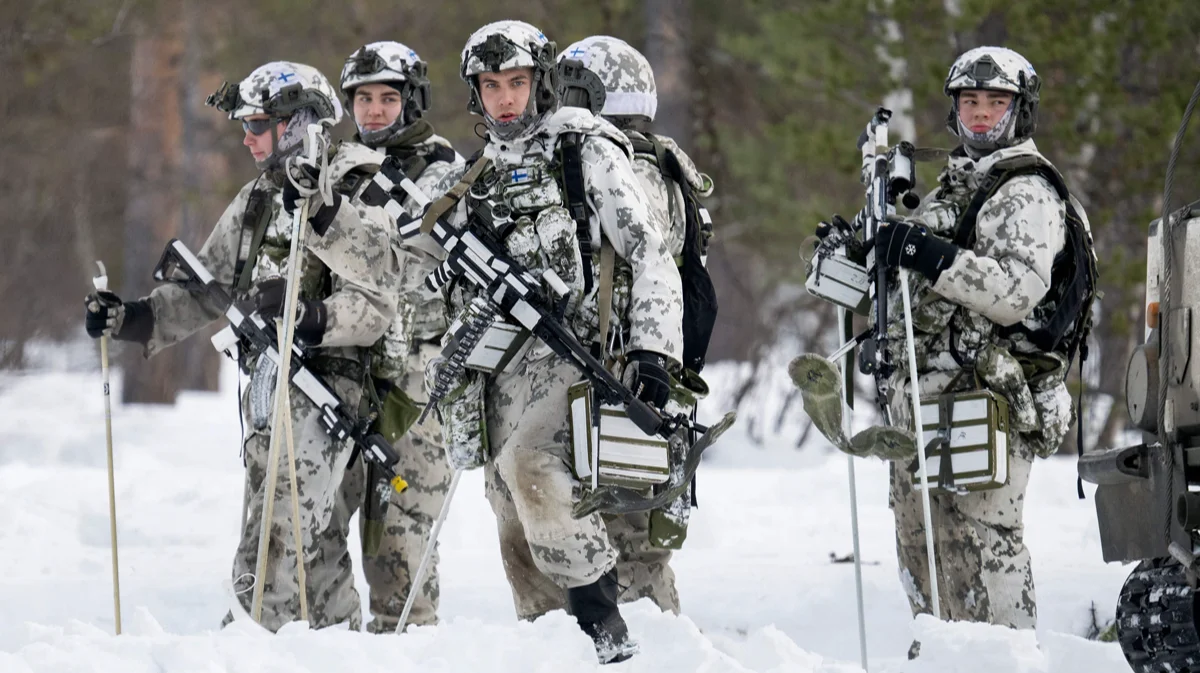
The Finnish military at joint exercises with Swedish units in Hittt, Finland, March 5, 2024. Photo: Anders Wiklund / TT News Agency / AFP / Scanpix / Leta
The international order has undergoes the largest changes since 1945, and this affects Europe especially strongly. In recent weeks, such a thesis has become a common place in the statements of European officials, and now it is fixed in the White Book on Defense - the fundamental document on the goals and objectives of the EU defense policy for the coming years prepared by the European Commission.
The book was published on March 19, and the next day was the focus of the participants of the EU summit. European leaders supported the ideas, while considering them not even large -scale enough. For example, Greece advocated the provision of EU members not only loans for the purchase of weapons, but also direct subsidies. Talking about the defense strategy, in Brussels numerous geopolitical challenges are listed - from the war in Ukraine to the collapse of the transatlantic partnership - and come to an unambiguous conclusion: the EU should arm yourself much faster and larger than now. However, for this it will be necessary to violate the pan -European fiscal rules introduced for the stability of the eurozone: the budget deficit should not exceed 3%, and the public debt should be kept below 60% of GDP. Fiscal restrictions can bypass how exactly the EU countries can bypass and whether the new euro economics and stability threaten the observer of European and international politics Nikolai Pershin.
Readers of the white book on the defense of the EU released on March 19 can be covered by anxiety, or even panic. The document tells in detail that Europe “suffers from wars, aggression and other hostile actions” of enemies. Here is the strengthening of strategic competition in all directions - "from the Arctic to the Baltic, the Middle East and North Africa." And "transnational challenges, such as quick technological changes, migration and climate problems." And attempts by "authoritarian states, such as China, to affirm their power and control" over other economies and societies.
Particular attention was paid to Russia - “with a huge margin of the most very armed European state”, which also “focused on achieving its military goals, relying on industrial mobilization and technological innovation”.
The Russian threat spoke about the Russian threat to the public a white book, and the European Commissioner on Defense Andryus Cubilyus. In particular, he referred to the statements of the intelligence services of Germany and Denmark about the Kremlin’s readiness “until 2030 to experience Article 5 [on the collective defense] of the NATO agreement”, that is, to attack one of the alliance members. And he concluded from this: "If Europe wants to avoid war, he must prepare for it."
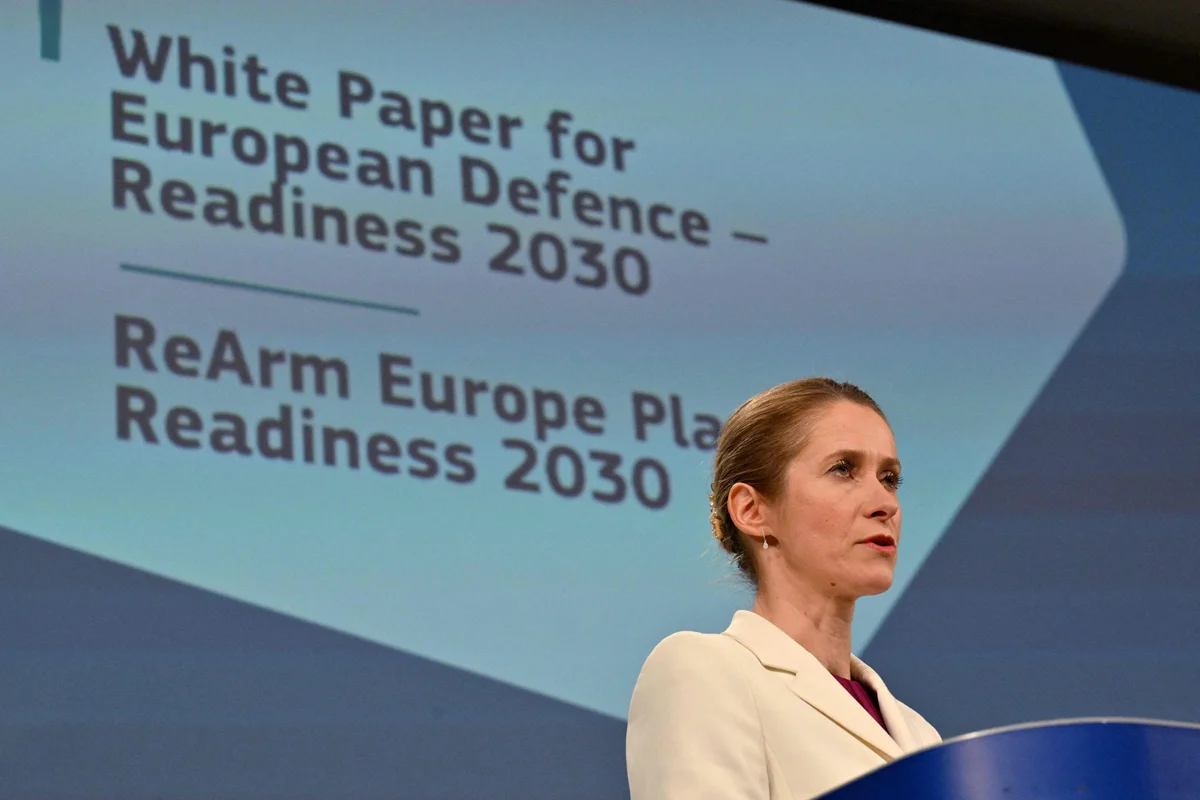
The head of European diplomacy, Kai Callas described the three main areas of work. Firstly, it is necessary to "make European countries stronger in the face of any military threat." To do this, it is necessary to replenish the reserves of ammunition, weapons and military equipment, support the European military -industrial complex, conduct new developments, harmonize the rules and technical requirements throughout the EU space.
Secondly, the European Union should continue to make peacekeeping efforts in different regions and countries-from Syria to the Democratic Republic of the Congo, as well as to more actively interact with those who share the values of Europe. It is symptomatic that in this context, Kai Callas mentioned the UK, Australia, Canada and Japan, but not the United States.
Finally, thirdly, according to the head of European diplomacy, it is vital to continue to support Ukraine. For example, as spelled out in the White Book, supply it with air defense systems, drones and at least 2 million ammunition a year, provide direct support for its defense industry, and continue to train the Ukrainian military.
Concluding the performance, Kaya Callas urged everyone to realize that
The share of expenses on the army and weapons in the Russian budget is so great that it can be interpreted as "long -term investment [Russia] in the long -term plan of aggression."
So developing negotiations on the truce should not mislead anyone.
There are two funds
“History will not forgive us inaction,” the authors of the White Book stated. However, from the subsequent text it becomes clear that in Brussels they do not think that they had folded hands before.
By 2024, EU members began to spend 31% more than three years earlier. The costs reached a record 326 billion euros. This is about 1.9% of the aggregate GDP of the EU, but, as noted in the document, "much less than the expenses of the United States and, even more alarming, less expenses in Russia or China." Moreover, 1.9% is below the target indicator of 2%, which is set for NATO member countries. At the same time, probably at the next summit, the bar will be raised to at least 3% - and this, according to the head of the European Commission Ursula von der Layen, means the need to find "hundreds of billions of additional investments every year." And Andryus Cubilus put the bar even higher on March 19 - 3.5% of GDP.
Of last year’s expenses of 326 billion euros, 102 billion amounted to investments in the defense industry - mainly the purchases of military products, and the remaining 224 billion euros were distributed according to many categories of expenses, including salaries and pensions for military personnel, maintenance, modernization of bases, as well as support for Ukraine. So, according to the results of 2024, the EU countries allocated military assistance to Kiev for about 20 billion euros. In total, since February 2022, as noted in the White Book, about 50 billion euros spent for these purposes. And together with Great Britain, Norway and Switzerland - 62 billion euros .
At the same time, traditionally the main part of the EU defense funds is spent at the national level, and not at the pan -European. And each country is guided by its own priorities. The formation of a centralized policy in the field of defense until the last moment was extremely slow.
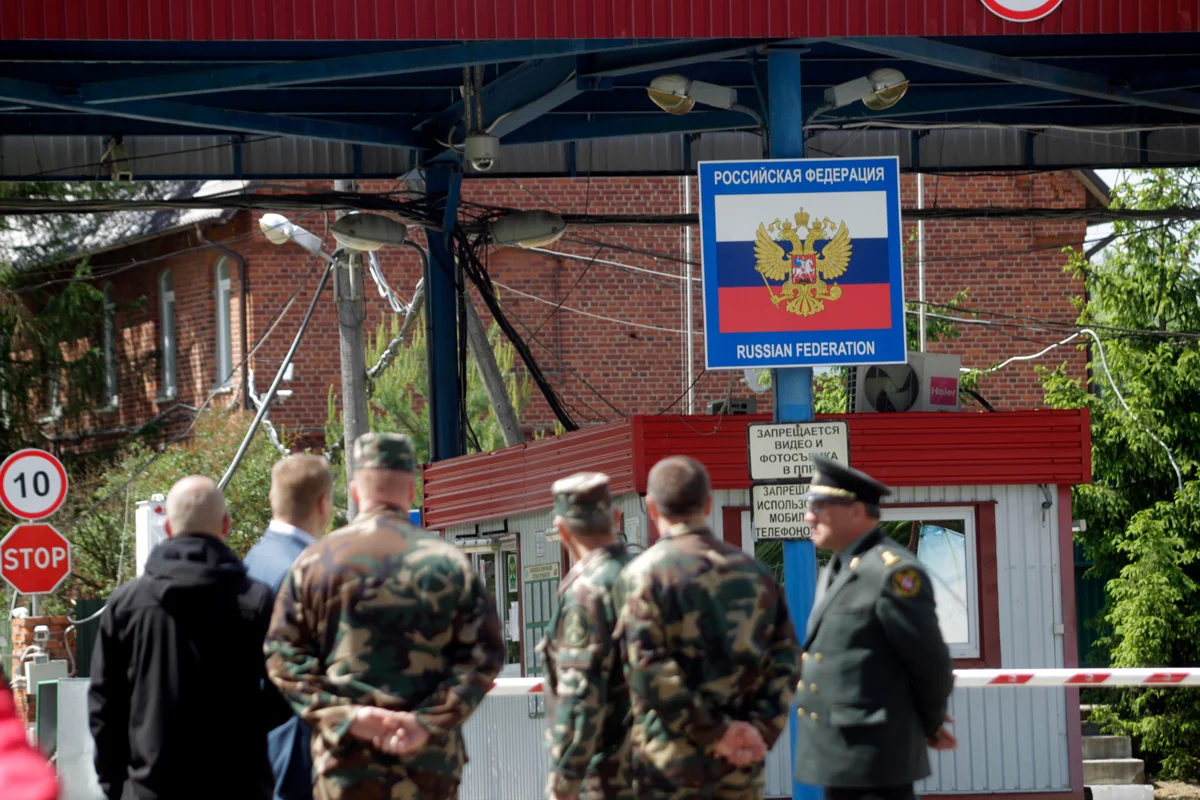
Examples of successful large supranational initiatives can be cited by the European Defense Fund and the European Facility Foundation .
The first was created in 2017 and began to fully function in 2021. Its goal is to strengthen the defense potential and cooperation between EU member countries. The allocated funds are mainly spent on joint research and development of new technologies: in 2025, 370.6 million euros and 695.1 million euros, respectively, were laid on this. The total volume of EU investments in defense research and development in 2021–2027 will be 8 billion euros . Another 513 million euros were attracted to increase the production of ammunition (ASAP program) and 310 million allocated through the program to strengthen the European defense industry due to general procurement (EdirPA).
As for the European Foundation of the World, it was initially - that is, since 2021 - he focused on providing military assistance to the countries of Africa and the Middle East. But since 2022, fixed assets from it have been directed to the support of Ukraine. The fund is formed from the contributions of the EU member states, which are calculated in proportion to their GDP volumes. The initial budget for 2021–2027 amounted to 5.69 billion euros, but it was raised several times - to today's financial ceiling of 17 billion euros.
However, all these expenses, as noted in the European Commission, are too few for "reliable deterrent of armed aggression and ensuring their own future."
Plan of five points
“Putin cannot be restrained if we just read the white book to him,” Andris Cubilyus said the obvious thought on March 19. - It will be able to restrain it if we turn the white book into action, we will use it to build drones, tanks, artillery systems ... ”
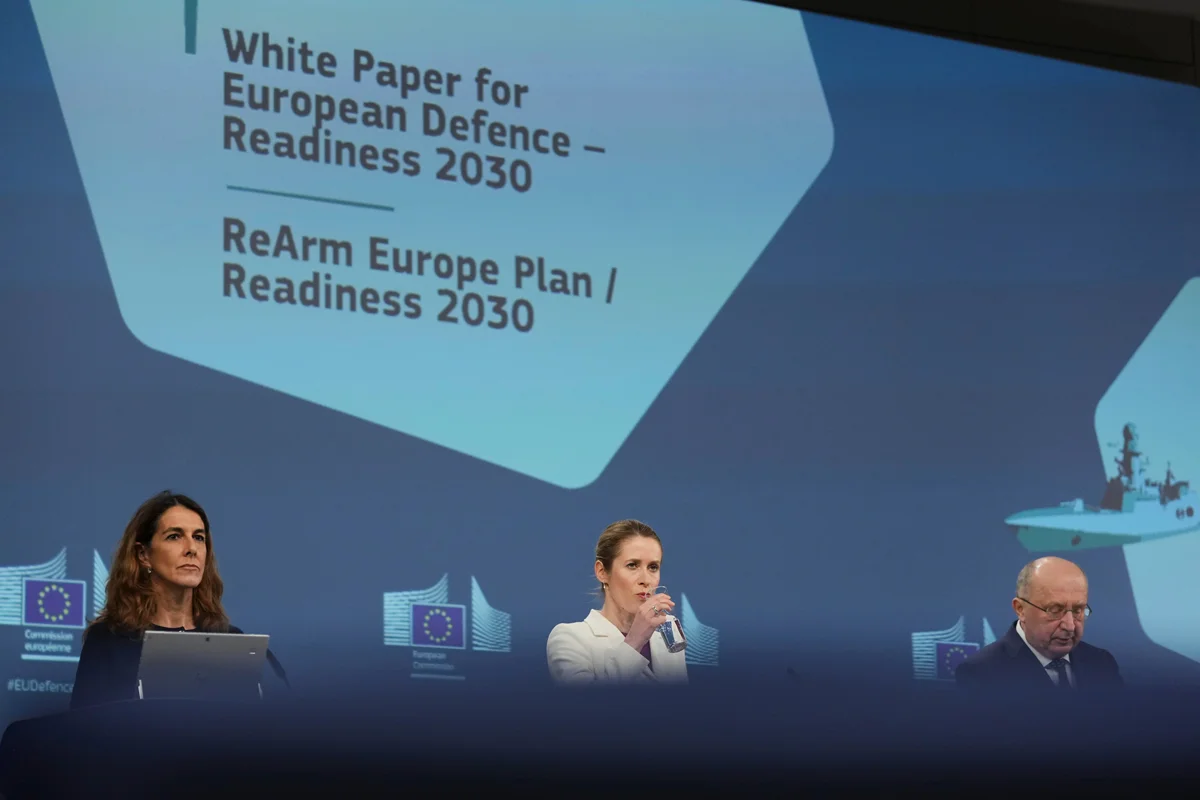
All this, of course, will require a lot of money, and the answer to the question of where to get it is also contained in the published document. In the plan, which Ursula von der Layen announced in early March called Rearm Europe , five main points.
Firstly, it is supposed to be more flexible to use budget tools existing within the EU to increase defense investments. For example, funds from the regional development funds will be directed for these purposes, originally conceived to reduce the economic gap between different EU countries.
Secondly, it is proposed to accelerate the creation of a union of savings and investments, or, in other words, a single capital market in the EU. That is, to ensure that the savings of ordinary Europeans are not just lying on accounts in banks, but work to develop a pan -European economy - for example, they were involved in the EU defense projects. The White Book notes that "this can attract hundreds of billions of additional investments in the European economy, increasing its competitiveness."
Thirdly, it is planned to more actively use the resources of the European Investment Bank (EIB) to finance the defense sector. In 2024, EIB allocated 1 billion euros for projects related to defense and safety, and the plans for this year have a two -time or three -fold increase.
But much more, the value is attached to the two remaining measures.
So, the fourth paragraph of the European Commission proposes to distribute 150 billion euros in the form of long -term loans with the maximum repayment period of 45 years. Money will go to the purchase of an ammunition, air defense systems, drones and other weapons,
Including for Ukraine, as well as to strengthen cybersecurity. The program is called Security Action for Europe (SAFE).
This tool, based on Article 122 of the EU functioning agreement, will be similar to the Sure program, which in 2020–2022 helped 19 European countries in the fight against the consequences of the Covid-19 pandemic. Then the EU issued bonds with low interest rates, which was facilitated by his good credit rating, and then distributed loans in the total amount of 98.4 billion euros.
The White Book prescribes three main conditions for obtaining a SAFE-user. So, at least two EU member states should participate in the project, or one European Union country in cooperation with Ukraine or ally from the European Free Trade Association (East, which includes Iceland, Liechtenstein, Norway and Switzerland). In addition, purchases must be done with enterprises located in the EU, in Ukraine or in EAST countries. And finally, the last condition - the purchased products should contain at least 65% of the components produced in these countries.
As suggested in Brussels, with the help of this in the EU, a single weapons market will be formed. In addition, as Andris Cubilyus explained , the initiative “fully integrates Ukraine as a supplier and participant in [defense] purchases, which will create new opportunities to strengthen its support.”
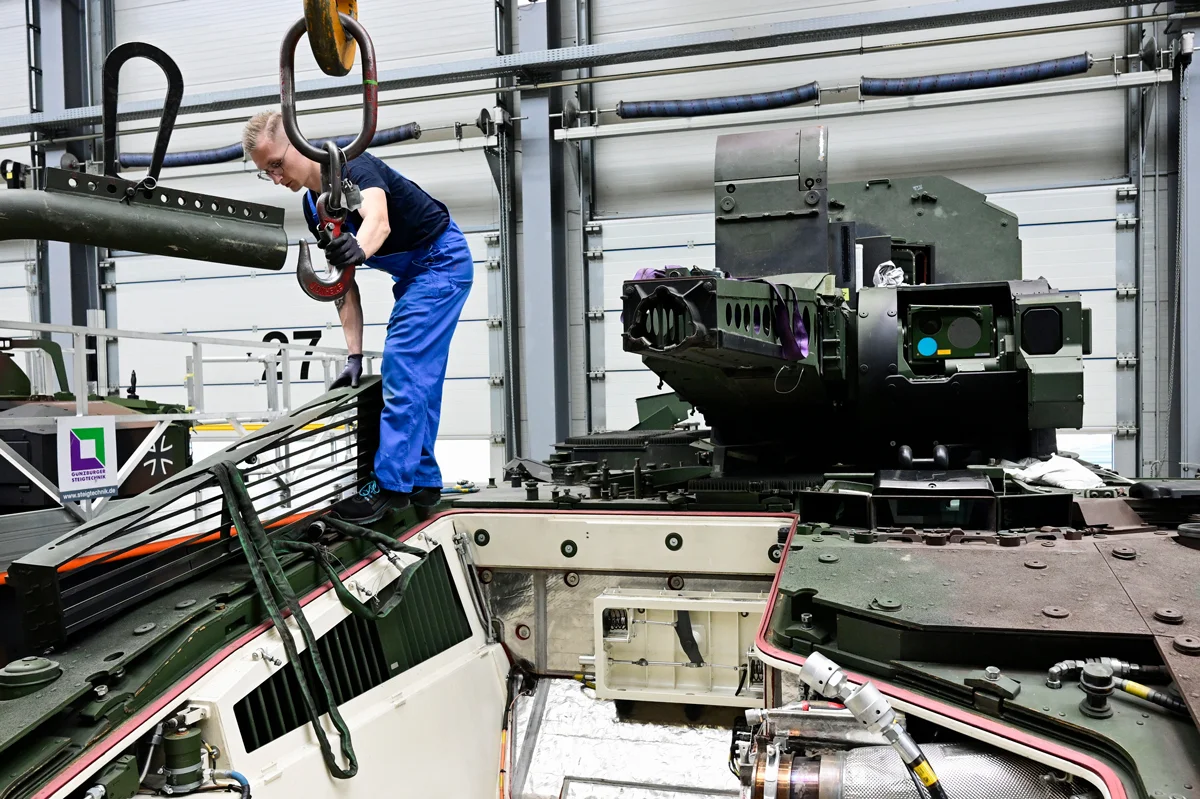
At the EU summit, the participants supported this initiative, but at the same time they considered it where there was still where to strive. In particular, the Prime Minister of Greece Kiriacosik about the stake said : his country wants not only loans, but also subsidies into service from the European Union.
Finally, the fifth, most controversial and large -scale, the proposal point is the suspension of the action of strict pan -European budget rules.
The European Commission proposed allowing the EU countries to increase defense expenses without the threat of disciplinary measures for violation of fiscal discipline.
As Ursula von der Layen noted , having the opportunity to allocate an additional 1.5% of GDP for defense over the next four years, the member states will be able to supervise 650 billion euros for these purposes.
Debt limit
The obligation to comply with the unified fiscal norms of the EU country was assumed back in 1997 as part of a pact of stability and growth . There are two main provisions: the budget deficit should not exceed 3% of GDP, and the public debt should be maintained at a level below 60% of GDP.
What is the danger of a large public debt?
In the study of economists of the European Central Bank (ECB) on the situation in the 12 countries of the eurozone in the 1970s and 2010s, it was concluded that if the threshold in 90–100% of GDP, the debt begins to very negatively affect the growth rate of economies. Moreover, an undesirable effect can be noticeable from a debt of 70% of GDP. And this has several reasons at once.
With high debt, a significant part of the budget goes to its maintenance. Therefore, the possibilities for investing in infrastructure, healthcare, education and other important areas are reduced.
To cover debt obligations, the government can increase taxes, which reduces citizens' incomes and restrains the development of business. Or a large public debt can push the authorities to the issue of new money, which will provoke an increase in inflation.
High debt reduces the confidence of investors who, fearing the deterioration of state solvency, may begin to sell out government bonds. And this, in turn, provokes a drop in prices for them and, accordingly, shakes the entire financial system.
Finally, a large public debt makes the economy especially vulnerable to crises. In the case of an economic recession, the government has fewer resources to support business and citizens, which can aggravate the recession.
Europe has learned the latter well on the example of Greece, which in 2010 ended up in a debt crisis. In 2009, the budget deficit reached 12.7% of GDP, and the public debt exceeded 300 billion euros (115% of GDP). Investors began to doubt the country's ability to fulfill their obligations, which led to an increase in the cost of borrowing and worsening the credit rating. As a result, Greece was on the verge of default, as she could not pay for previously taken loans. The process of salvation of the country was long, expensive and extremely painful for the Greeks. Only in 2022 the European Commission terminated the monitoring of the Greek budget, which marked the formal completion of the crisis.
For years among experts there were talk about the shortcomings of this pact-for example, about the absence of a functioning punishment system, ignoring the individual characteristics of member countries and a lack of flexibility to take into account the cyclic effects of the economy.
After the pandemic Covid-19, the reform became inevitable. At the height of the crisis, the action of the pact was suspended , and after its completion it turned out that too many countries went beyond the limits of the limit values of the public debt of 60%.
And this could not but bother Brussels.
As a result, realizing all the disadvantages of the original Pact, the EU countries by April 2024 agreed and adopted an updated document . From a single approach to all 27 EU countries, it was decided to go to the approach to a more individual.
Now the Member States agreed with the European Commission on their personal "government spending" for the next four years or five years. It is imperative that by the end of this period the country's debt begins to decline, as well as that during this time agreements are observed for a number of targets.
Compliance with obligations is monitored by the European Commission. If the country significantly goes beyond the coordinated trajectory of expenses and does not comply with at least one of the two rules - about the budget deficit and the debt - then the so -called “excessive deficit procedure” (EDP) may begin. Brussels will give recommendations on correcting the situation, set the deadlines for the application of corrective measures and will closely observe the further actions of the national authorities. If the situation does not straighten out, the European Commission and the EU Council can impose financial sanctions on the country.
Currently, 23 out of 27 member states have agreed with the commission with their trajectory for 2025–2028 or 2029. Of these, six countries - France, Italy, Slovakia, Romania, Poland and Malta - have already fallen under the EDP, since their deficiency in 2023 exceeded 3%. At the same time, the coordinated plans of these 23 states do not provide for opportunities for a significant increase in defense expenses without a threat of violation of fiscal standards.
Austria, Belgium, Bulgaria and Germany have not yet agreed on the trajectory of expenses with the European Commission due to the protracted processes of government formation, but the current rules are likely to interfere with a sharp increase in defense costs.
Ursula reservation
Given this situation, in February, the European Commission recalled two loopholes available in fiscal legislation.
The first was fixed in the reformed stability and growth pact in 2011. Having analyzed the experience of the 2008 economic and financial crisis, European leaders decided: in the event of a general crisis situation in the EU space, it is necessary to temporarily and coordinatedly deviate from ordinary fiscal requirements.
So appeared a “general reservation of exclusion from the rules” (General Escape Clause), which then once - in the midst of the pandemic - was used to support the European economy. True, this rule is applicable only to the fight against the “serious economic downturn in the eurozone or in the Union as a whole,” but now there is nothing of the kind.
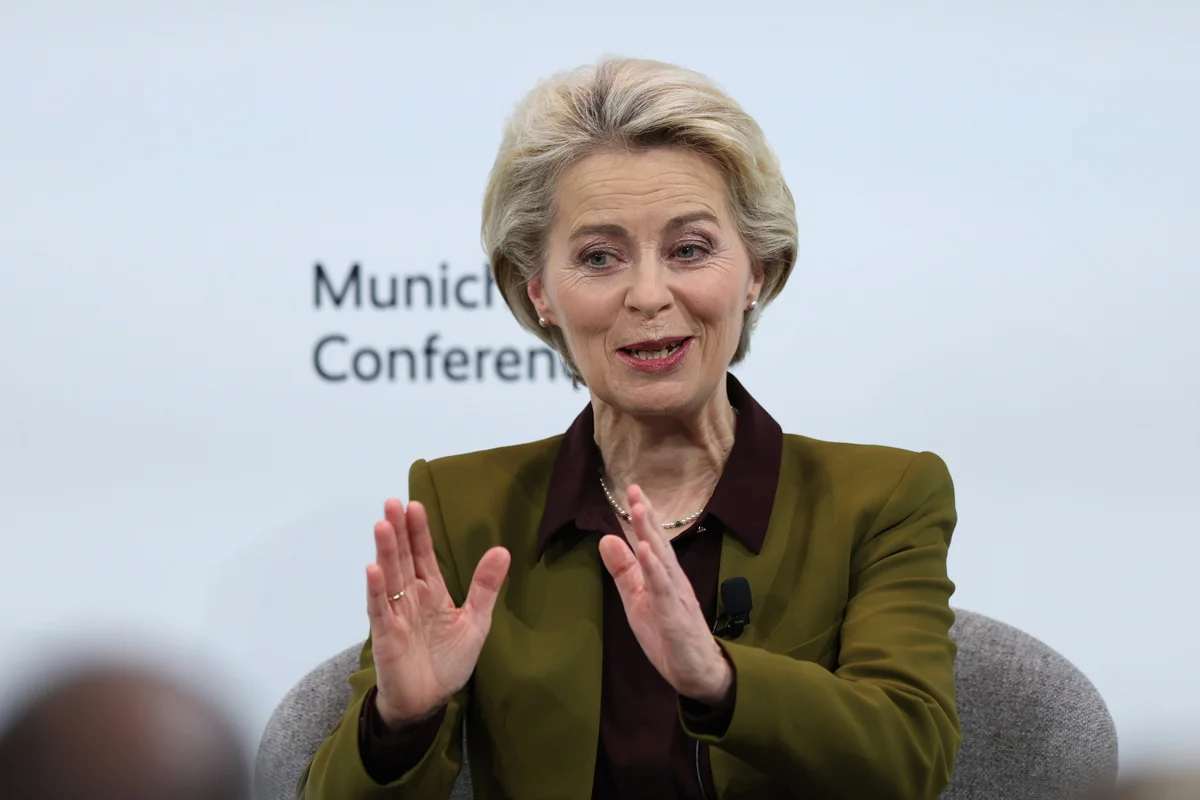
Зато для воплощения в жизнь идей Урсулы фон дер Ляйен подходит другая опция — «национальная оговорка об исключении из правил» (national escape clause), которая появилась в законодательстве ЕС в 2024 году и пока что ни разу не применялась. Ее могут использовать отдельные члены ЕС в «исключительных обстоятельствах — таких как непредсказуемые внешние события, не зависящие от государства-члена, — которые оказывают значительное влияние на государственные финансы» этого государства. В таком случае можно не бояться санкций за отклонение от согласованной с Еврокомиссией траектории расходов, превышение лимита дефицита бюджета в 3% или рост госдолга. Но в документах уточняется, что применение «оговорки» не должно «ставить под угрозу финансовую устойчивость [этого государства] в среднесрочной перспективе».
В марте стало понятно , что как раз «национальной оговоркой» Еврокомиссия и предлагает воспользоваться. При этом, как следует из самого названия, решение каждый член ЕС будет принимать сам.
Так что, описывая идею из плана ReArm Europe, в Брюсселе использовали новую, неофициальную формулировку — «скоординированная активация национальных оговорок». Именно так и предполагается мобилизовать дополнительные 650 млрд евро на оборону в Европе.
В Белой книге поясняется, что оговорка будет действовать ближайшие четыре года. При этом не все оборонные контракты, ради подписания которых все и затевается, в такой срок могут уложиться. И поэтому в документе прописано, что наказания за выход за пределы запланированной траектории совершенно точно не последует и после возвращения к нормальным фискальным правилам. Это важное уточнение, которое позволит странам-членам ЕС заняться действительно долгосрочным оборонным планированием.
Германия подает пример
Прописанные в плане ReArm Europe и Белой книге идеи в целом были одобрительно встречены лидерами ЕС — и на экстренном саммите 6 марта, и на плановой встрече 20 марта. Но есть к предложенным мерам у участников и вопросы.
Так, никто не спорит с необходимостью повышения автономии от США, в том числе в вопросе закупок вооружений.
Но, например, Франция выступает за полный отказ от закупки американского оружия на средства ЕС — даже того, которое производится по лицензии в Европе. Однако Германия требует в этом вопросе большей гибкости.
Привлечение 150 млрд евро в виде кредитов вызывает больше дебатов: Испания, Франция, Италия, Польша и страны Балтии выступают за, а, например, Нидерланды и Германия к выпуску совместных общеевропейских долговых обязательств относятся настороженно.
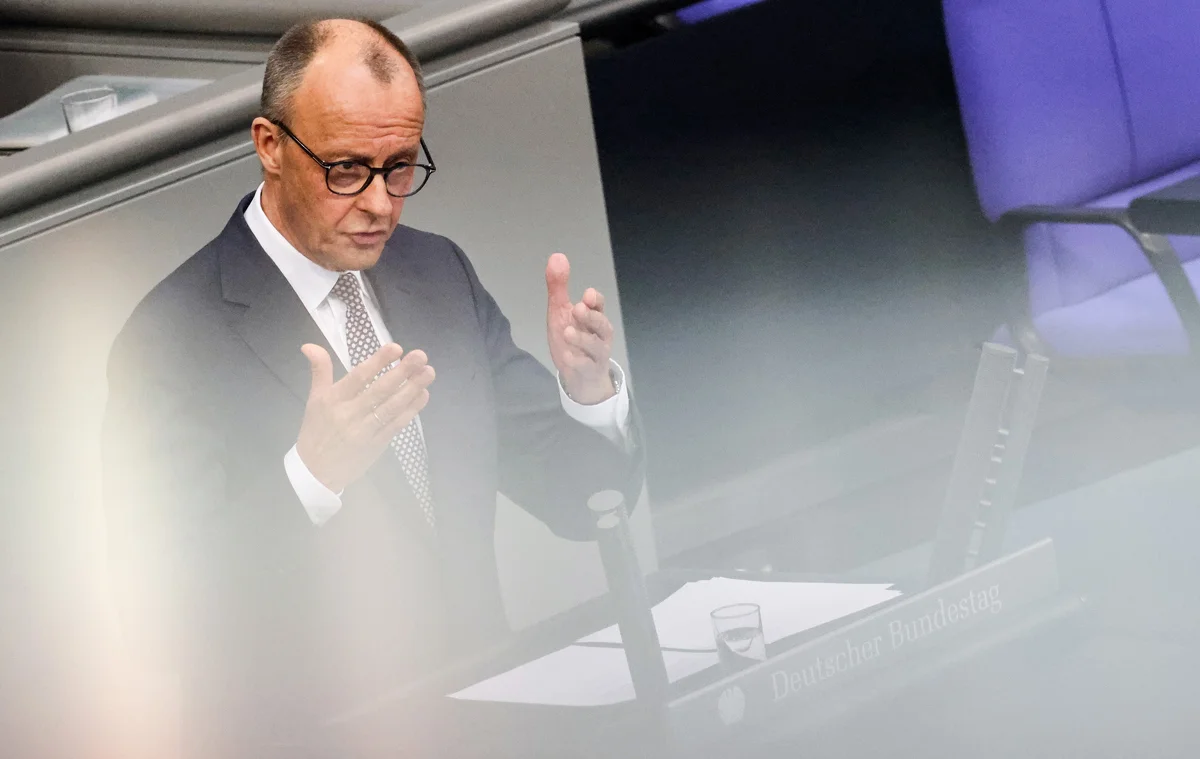
Идея резкого увеличения совместных закупок вооружений и — в значительной степени — курирования этой темы на уровне Брюсселя также не воспринята однозначно: не всем нравится тенденция к расширению полномочий Брюсселя под руководством «королевы Урсулы» . Во время дебатов в Европарламенте звучали вопросы, не приведет ли инициатива Еврокомиссии к созданию «бюрократической суперструктуры».
Кая Каллас 19 марта попыталась успокоить всех, сообщив, что оборона — «вопрос национального суверенитета», и Брюссель не претендует на то, чтобы «перехватить руль» у отдельных государств. Но убедила ли она скептиков — пока до конца не ясно.
Что же касается дискуссий об ослаблении фискальной дисциплины, то тут показательны дебаты, которые развернулись в феврале и марте в Германии — крупнейшей экономике ЕС.
В ходе непростых коалиционных переговоров будущий канцлер ФРГ Фридрих Мерц — лидер традиционно сопротивляющийся раздуванию бюджетов и госдолга Христианско-демократического союза (ХДС), в который входит и фон дер Ляйен, — выступил за смягчение «долгового тормоза».
Это механизм , согласно которому государственные заимствования в ФРГ не могут превышать 0,35% ВВП, за исключением чрезвычайных кризисных ситуаций.
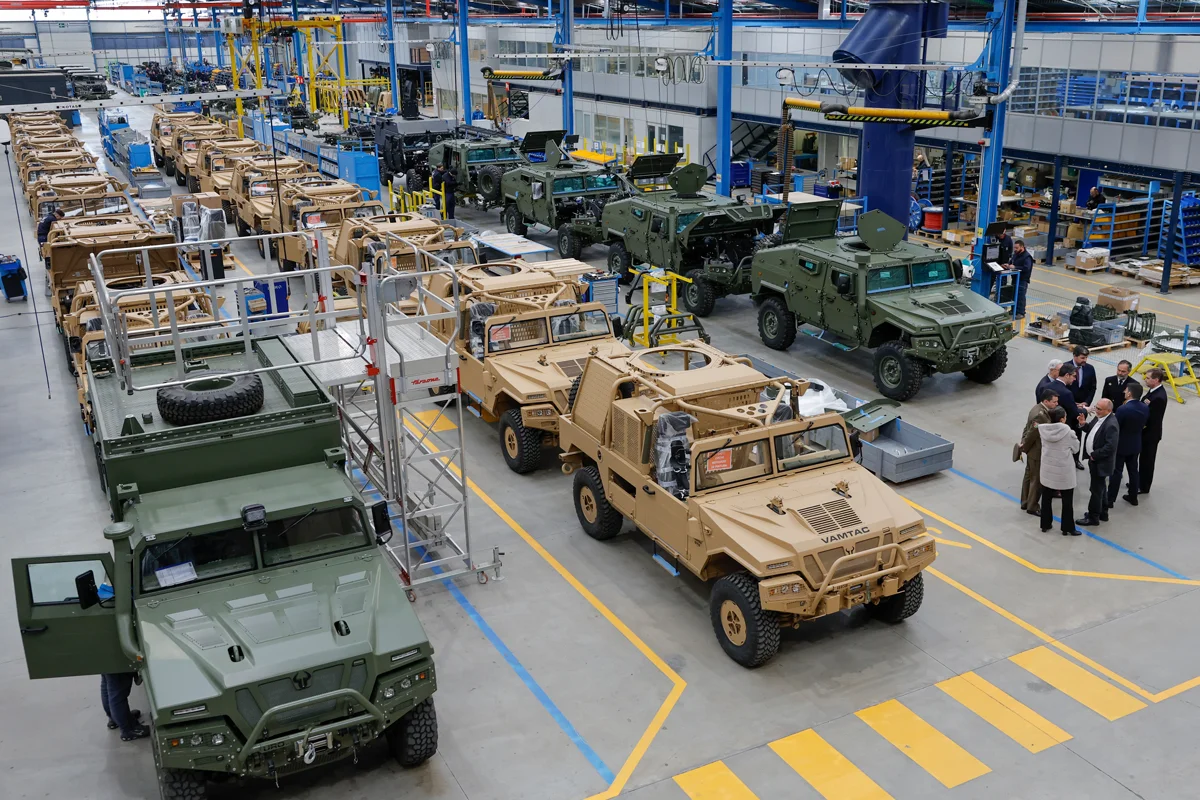
Согласно идее ХДС и их партнеров, если расходы на оборону превышают 1% от ВВП страны (а в Германии в 2024 году они составили более 2%), то эта «избыточная» часть не должна учитываться при расчете ограничений «долгового тормоза». То есть можно существенно наращивать траты на оборону, не нарушая фискальные правила. Это схема очень близка по духу к предложенному Еврокомиссией формату для всего ЕС.
Механизм Мерца был одобрен бундестагом 18 марта. И это стало возможно только после присоединения к инициативе депутатов от «Зеленых»: одних голосов ХДС и их будущих партнеров по коалиции — социал-демократов — не хватило бы, чтобы получить необходимые для таких радикальных изменений политики двух третей от состава бундестага. Немецкие зеленые в коалицию не войдут, но смогли добиться от Мерца существенного усиления климатической политики в новом правительстве.
Одной из первых на результаты голосования в Бундестаге отреагировала Урсула фон дер Ляйен, назвавшая их «отличной новостью» и «очень четким сигналом всей Европе».
Риски оправданы
В Еврокомиссии надеются, что «национальная оговорка» будет одобрена лидерами стран ЕС в конце июля и после этого вступит в силу. Однако, как и в Германии, на общеевропейском уровне без ожесточенных дебатов вряд ли обойдется.
С точки зрения сторонников наращивания расходов на оборону, смягчение фискальной дисциплины сулит немало выгод. Прежде всего для оборонной промышленности — рост инвестиций в исследования и разработки, расширение производства, создание дополнительных рабочих мест. В результате это позволит усилить автономию ЕС от США.
Как следует из мартовского доклада Стокгольмского института исследования проблем мира (SIPRI), импорт оружия в Европу вырос на 155% в 2020–2024 годах по сравнению с 2015–2019 годами, а доля США в поставках военной техники европейским членам возросла с 52% до 64%. И это, очевидно, не устраивает руководство ЕС и политиков европейских стран.
При этом воплощение плана Еврокомиссии в жизнь может иметь позитивные последствия и для экономик стран ЕС в целом. Точные показатели будут зависеть от того, сколько средств будет направляться на закупку вооружений из третьих стран, а сколько — на поддержку внутреннего ВПК, и еще от ряда аспектов. Но в среднем по ЕС, как подсчитали аналитики Goldman Sachs, каждые дополнительные 100 евро, потраченные Европой на оборону, будут увеличивать ВВП примерно на 50 евро.
Однако некоторые страны в результате роста инвестиций в оборону могут столкнуться с серьезными экономическими проблемами и в перспективе — невольно расшатать всю финансовую систему ЕС.
We are talking about states with a state debt level of more than 90% - Belgium, Greece, Spain, France, Italy and Portugal.
Как отмечали финансисты Лукас Гуттенберг и Нильс Редекер, в прошлом «рынки уже нервно реагировали на признаки фискальной нестабильности во Франции и Италии», и сейчас — в условиях «хрупкой мировой экономики, нарастающих торговых конфликтов при новой администрации Трампа и сохраняющихся геополитических неопределенностей» — совсем не время вновь «испытывать их терпение».
Снятие барьеров в любом случае повлияет на финансовое состояние ЕС. Так, рейтинговое агентство Fitch посчитало , что если увеличение оборонных расходов приведет к росту госдолга у стран Европы с кредитным рейтингом «AAA», то это в среднесрочной перспективе окажет давление на рейтинг и всего ЕС. Сейчас он наивысший — «ААА», а прогноз «стабильный». Обрушения показателей не ожидается, но «запас прочности», как отмечают в Fitch, уменьшится.
Кроме того, продолжают Гуттенберг и Редекер,
использование «оговорки об исключении из правил» грозит дальнейшим размыванием этих самых правил игры: страны могут начать «использовать лазейки не только для трат на оборону, но и для других расходов, что подорвет доверие к системе управления финансами ЕС».
И это, опять же, будет чревато негативной реакцией финансовых рынков — в частности, ростом доходности государственных облигаций. В худшем случае это может спровоцировать дестабилизацию евро.
Впрочем, в руководстве ЕС абсолютно уверены, что этого не произойдет: в Белой книге отдельно подчеркивается, что «дополнительная свобода действий в отношении расходов на оборону» — это единственное исключение, а в остальном «фискальные правила ЕС продолжат действовать в обычном режиме».
В любом случае, как считают в Брюсселе, все возможные риски для финансовой системы ЕС оправданы, ведь на кону — безопасность миллионов человек. Как заявил на презентации Белой книги еврокомиссар Кубилюс, Европа просто обязана наконец взять на себя ответственность за свою оборону, так как «450 млн граждан Евросоюза не должны зависеть от 340 млн американцев в защите себя от 140 млн россиян, которые не могут победить 38 млн украинцев».