
Translated material
Save Rosselkhozbank
Russia has put forward the USA Package for a truce in the Black Sea. Explain what the Kremlin is achieving and why these conditions are impossible
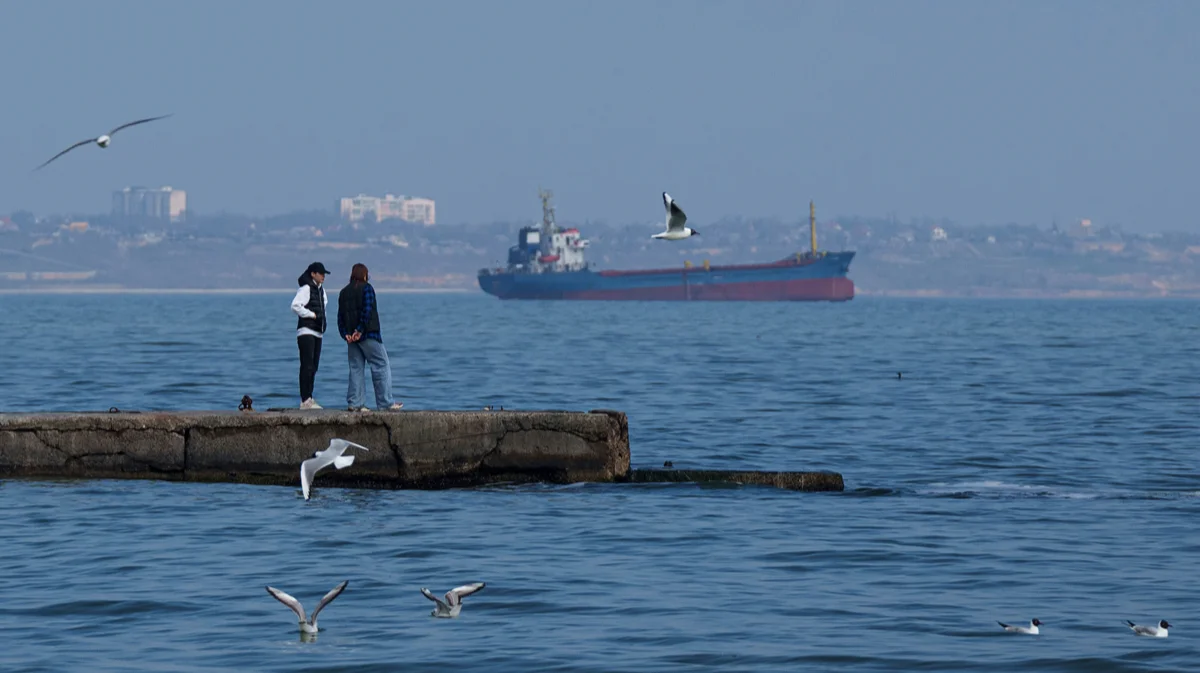
View from the Langeron beach in Odessa, Ukraine, March 26, 2025. Photo: Evgeniy Maloletka / Ap Photo / Scanpix / Leta
In negotiations with the United States in Jidd, Russia put forward its requirements for the abolition of sanctions. From them it follows that the Kremlin wants to appear before the world as the Savior of Global Food Safety, and at the same time bring from the sanctions of the Rosselkhozbank. It seems that the main goal of this is to make the “Patrushev family” bank with a reference point for payments for Russian oil.
The list of conditions for the “Black Sea truce”, which is published on the Kremlin’s website on Tuesday, is surprising that there are no requirements to remove sanctions from the main sources of export revenue of Russia - oil, liquefied natural gas and metals. It surprises even more that the list is mixed in the list and goods that are both under sanctions, or duties, but not sanctioned restrictions have been introduced in their regard.
What does the Kremlin require
Moscow promises to abandon the use of strength and the use of commercial vessels for military purposes in the Black Sea. The Russian authorities are ready to do this when fulfilling six conditions:
The United States should help restore the access of Russian exports of agricultural products and fertilizers to the world market, reduce the cost of maritime transportation insurance, as well as expanding access to ports and payment systems for such transactions.
Sanctions from the Rosselkhozbank and other financial organizations that are associated with the export of food, fish products and fertilizers should be lifted. It is required to connect them to the SWIFT calculation system and open the shortages outside of Russia.
Restrictions on the transactions of trade financing should be removed (the industry is not indicated).
Sanctions from manufacturers and exporters of food (including fish products) and fertilizers, as well as lifting restrictions on the work of insurance companies with food loads (including fish products) and fertilizers, should be lifted.
Restrictions on servicing in ports of ships and sanctions with ships under the Russian flag involved in food trade (including fish products) and fertilizers should be removed.
Restrictions on the supply of agricultural machinery and other goods involved in the production of food (including fish products) and fertilizers should be removed.
This is a very strange set of requirements for two reasons. The first is Russian fertilizers and food not under sanctions, so their exports are not just flourishing, but even grew last year to historically record levels. The second - it is necessary to discuss all this not with the USA, but in Europe. Because it was Brussels, and not Washington, introduced barrage duties on Russian food and thinks that, using the same tool, to close the import of fertilizers from Russia. But in Europe, so far it is all at the stage of discussion.
During the war years, Russia was able to almost double the export of grain - up to 71 million tons in the 2023/24 season (the reporting year does not coincide in the agricultural sector with a calendar) against 42 million tons in 2021/22 of the agricultural year, and the director of the SOCECON analytical center Andrei Sizov calculated . According to him, fertilizer exports in 2024 increased to 44 million tons from 38 million in the pre -war 2021.
At the same time, Russia is one of the largest fertilizers to the West. The sanctions are not introduced on them, as well as the grain, because they will inflame food prices around the world, they explained to the “new-Europe” two experts of the food market (they asked not to call their names). Due to fears to spur inflation, the West did not include the main Russian fertilizer manufacturers in sanctions lists (Novo-Europe wrote in detail about this here ). Under sanctions, only their founders, managers or shareholders.
As a result, Russia is the second fertilizer supplier after Canada, in 2024 it delivered fertilizers for $ 1.1 billion (although exports fell by 20%). The European Union bought even more: its import exceeded 1.5 billion euros.
At the same time, the United States even simplify export of fertilizers from Russia: they reduced import duties in 2024 for the largest chemical company in Russia, Fosagro.
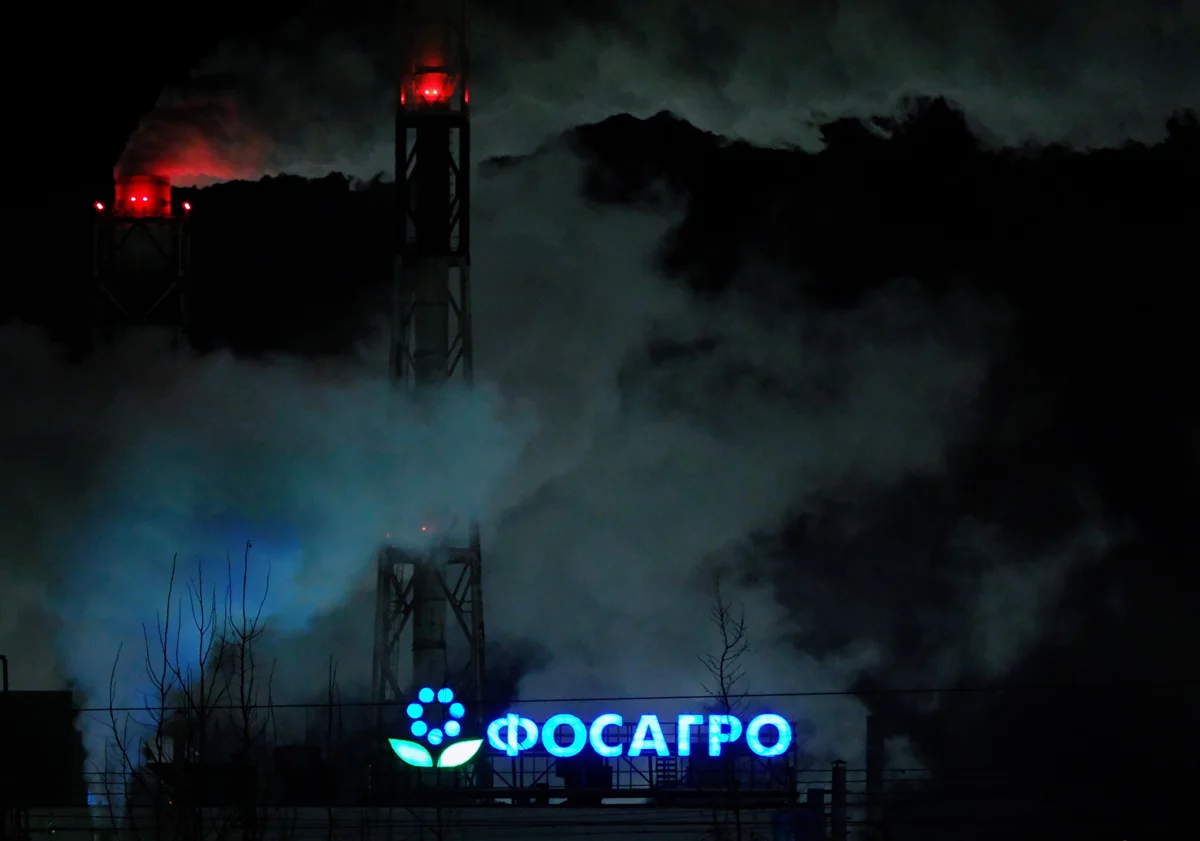
But who creates trading barriers, is the European Union, whose manufacturers complained that high dependence on Russian fertilizers threatens the security of the Bloc countries. And although the EU is not ready to completely abandon them, he discusses the phased, until 2028, an increase in duties on Russian chemical products.
For agricultural products, such measures are already working. Last summer, it was European import duties (but not sanctions) that stopped the supply of grain and oil crops from Russia to Europe, the expert of this market told the New Evrope. Now the EU is sold only “by -products of the processing of oilseed crops and beets used in the manufacture of feed, not grain or oilseed,” he added.
It turns out that Moscow is discussing the removal of barriers with Washington, but in fact you need to negotiate with Brussels. And this is the second reason for the unrealistic requirements, because the EU, unlike the new American administration, did not change its position , and it is as follows : Russia must first stop aggression, and then you can discuss something. On the contrary, British Prime Minister Cyrus Starmer talks about strengthening sanctions.
At the same time, the EU duties did not cause much damage to Russian farmers. The meager volumes of Russian grain were already sold to Europe, and more than 90% of its exports from Russia - deliveries to China, Turkey, Kazakhstan, Belarus, as well as to the "friendly" countries of Asia and Africa.
It is also important that sanctions do not interfere with another food article: shipments of fish and seafood. In 2024, Russia sold them to the "unfriendly" countries ( EU , South Korea , Japan ) at least $ 2.5 billion.
With the same Brussels, you will have to discuss and relieve sanctions on agricultural machinery. The fact is that it was the EU sanctions that were banned by the import of components to Russia. Even if Brussels goes here to meet (which is unlikely), then Moscow will have to negotiate with the companies themselves that they resume work in Russia. And after the start of the invasion, its market completely left more than ten global suppliers of agricultural equipment, including the largest - CNH Industrial and Deere & Company.
Finally, the Kremlin list mentions "other goods involved in the production of food." These are seeds, plant protection products, fodder additives, veterinarian, the agro -expert lists. However, none other than Russia itself introduced all these restrictions, he adds. “But it turned out that without these means of production, no export building is possible. There is no one, ”the interlocutor explains (“ Novy-Europe ”wrote in detail about this here ).
All for Swift
If there is nothing to take off the sanctions, or it makes no sense to discuss them with Washington, then the Kremlin’s logic can be explained by two goals: reputation and strategic.
The first is very important for Russia: since the beginning of the war, it is trying to appear as a defender of world food security and the Savior of those countries that are lacking in products, our interlocutor, the head of the major Russian economic research center, recalls.
It was for the sake of these purposes that in 2022, Putin agreed to a “grain deal” - a corridor for the safe passage of ships with agricultural products in the Black Sea, but a year later came out of it. Moscow regularly says that it is ready to close the needs of countries that need food, and even sent them grain for nothing . And that is why the requirement to remove non -existent sanctions from agricultural products and fertilizers is convenient to explain by humanistic considerations. The reputation of the defender of the poor is very difficult to earn calls to cancel oil sanctions, because it has firmly earned a reputation as goods, the money from which they feed the Putin war.
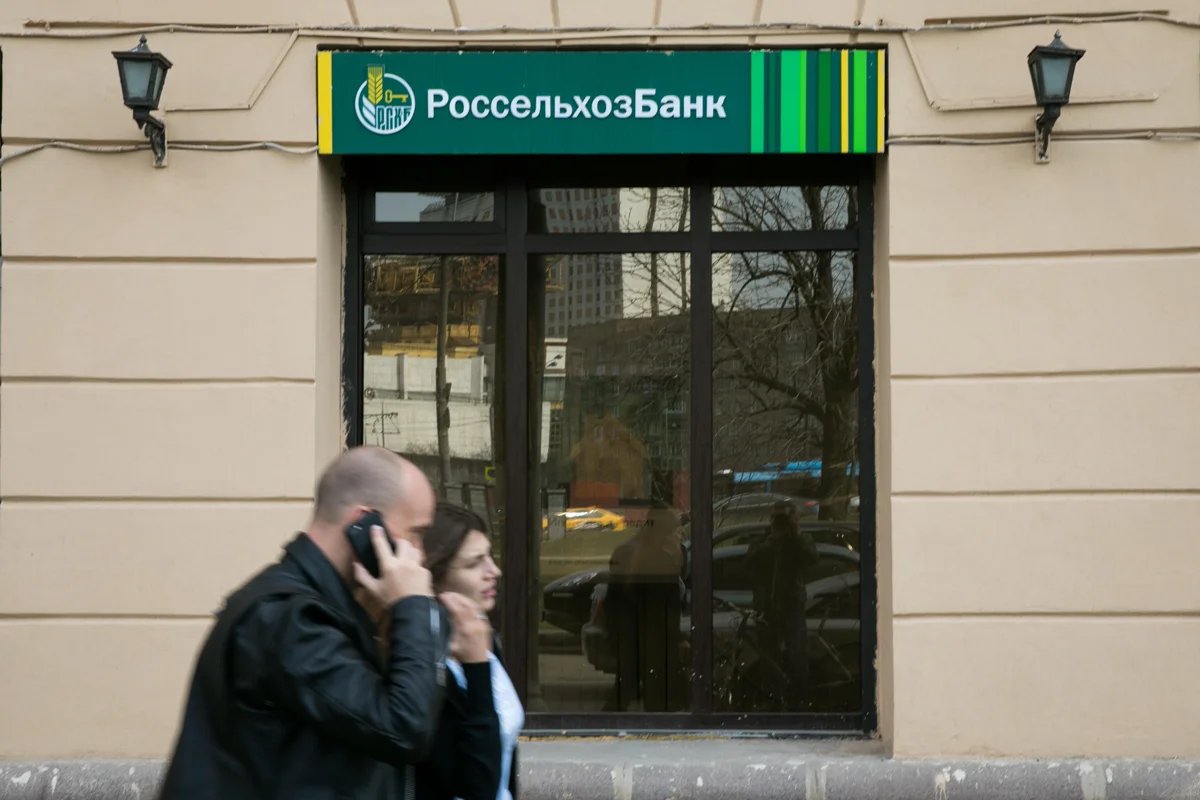
And the second, strategic task is what. Moscow “sells” the idea of strengthening global food security, but at the same time requires sanctions from a single structure-Rosselkhozbank, three of our interlocutors, two agro-senses and an economist from Russia pay attention. This bank is under the sanctions of the USA , EU and Great Britain .
Why exactly from him? Because he is very well built into the Kremlin elite (he was headed in the 2010s by Dmitry Patrushev-the son of the ally of Putin Nikolai Patrushev). “The delegation ( in negotiations in Jidd. - Approx. Ed. ) Headed by the FSB General Conversation. Well, how can he not be happy for the Patrushevs? Here, both the bank and the fishing vessels ( Patrushev Sr., as an assistant Putin, heads the Marine College. - Approx. Ed. ), ”The agro-expert explains.
In addition, Russia is vital for a large bank to obtain oil export revenue, our experts say. As the economist from Russia says, now “these calculations are on strange black schemes” through chains of intermediaries - because Moscow is trying to bypass the conditions of the oil price ceiling. Russia is trying to solve these problems with various methods. Putin has already proposed creating a “parallel SWIFT” - a calculation system within the BRICS countries that did not support the idea. The Havala and other tools and other tools were discussed.
Russia has just lost the last large legal gateway for servicing export revenue - Gazprombank, through which money went for gas, in November 2024 fell under blocking sanctions. But there is no point in demanding this bank from the sanctions now, because gas exports to Europe collapsed several times, the Russian economist explained to New-European. And the Americans were allowed to accept payments from Hungary and Bulgaria as an exception.
A huge drawback of all these methods of bypassing oil sanctions - they leave more and more money in the pockets of intermediaries, and calculations are carried out in the currencies of India, the UAE and others, which are extremely difficult to directly convert into rubles. Therefore, Moscow is ready for the “Black Sea truce” only if the Rosselkhozbank not only remove the sanctions, but also connect to the SWIFT system.
There is, however, one difficulty: for this Russia will again have to negotiate not with Trump, but with the European Union. The main office of SWIFT is in Belgium.