
Translated material
War
One thousand one hundred and thirty second day. Trump threatens Ukraine with “big problems” due to the refusal of a mineral transaction. Russia and the United States are discussing their projects on rare -earth metals
Medusa from February 24, 2022 lives on the Russian-Ukrainian war on the air. In our daily materials, we publish your letters, because we are sure: we must continue to talk about the war. What feelings do you experience because of the ongoing war? How does it affect you personally right now? How has your attitude to what is happening, towards Russia, Ukraine, to the world changed over these three years of the war? Look for a feedback form at the end of this article. A review of the previous day can be read here .
World
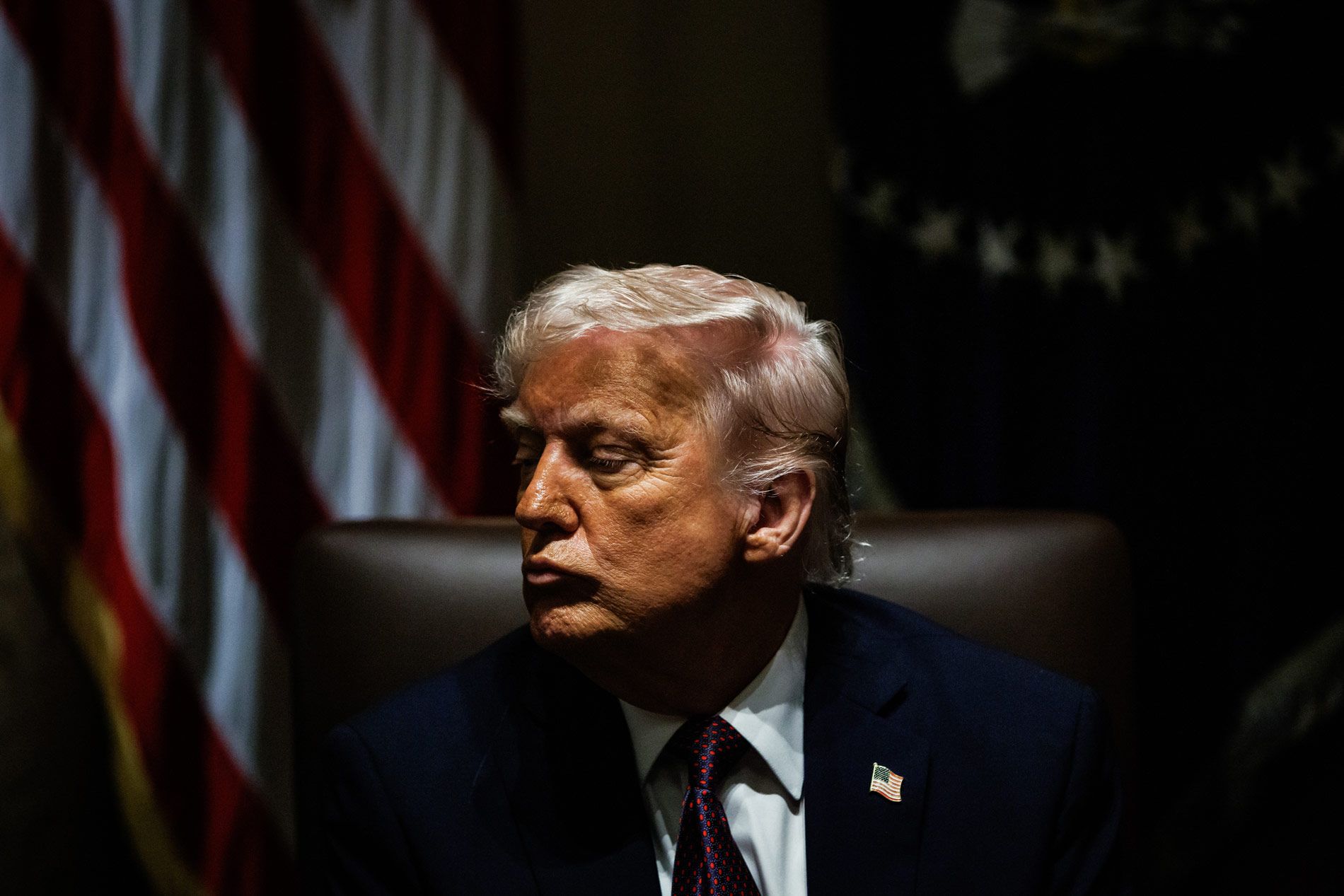
US President Donald Trump said that Ukrainian President Vladimir Zelensky wants to refuse a transaction under which American companies receive a priority right to extract rare earth metals in Ukraine. “If he does this, he will have problems, big problems,” Trump told reporters on board the Air Force One.
The quote that information agencies cite, including Reuters, says rare -earth metals. However, at the end of last week it became known that the United States prepared a new version of the agreement, which refers to the priority right of American companies to develop all deposits in Ukraine.
The production of rare earth metals is discussed not only with Ukraine, but also with Russia. The head of the Russian Direct Investment Fund (RDIPI) and a participant in Russian-American negotiations, Kirill Dmitriev, told Izvestia about the beginning of “discussions” with the United States “On various rare-earth metals and projects in Russia”.
According to the expert Mikhail Korostikov (Medusa published his material for the Carnegie Politika project), all ideas for the development of rare earth metals that put forward Russia and Ukraine, while “aimed only to get tactical advantages and exchange them later during trading in negotiations”.
Ukraine
On the night of June 6, 2023 in the Kherson region, the dam of the Kakhovsky hydroelectric power station - one of the largest in Ukraine, collapsed . The region’s ecosystem caused huge damage, which is extremely difficult to evaluate against the background of the ongoing war. However, such attempts are being made. In mid -March, a report on the environmental consequences of the destruction of the hydroelectric power station, prepared by a group of scientists from Ukraine and Germany, was published in the journal Science.
The authors of the report, in particular, came to the conclusion that after the damage of the dam, 80% of all biomass were destroyed, which inhabited the hydroelectric power station, the so -called Kakhovo Sea. Both ground and marine animals were affected by the release of water from the reservoir downstream, including in the northwestern part of the Black Sea.
However, the main environmental threat to the future region - the “poisonous clock bomb” - scientists consider the river bottom that was exposed after the disappearance of the reservoir, where about 45 million tons of iron, 8.4 million tons of manganese, 182 thousand tons of zinc and many tons of other heavy metals lies in the dried silt. However, the authors of the article in Science observe positive processes that can slow down the leakage of heavy metals from silt and prevent such emissions into water in the future.
War through the eyes of readers "Medusa"
Artem (Kharkov) I believe that at the beginning of the full -scale invasion of the RF Armed Forces into the territory of Ukraine to varying degrees and in different meaning of the word “guilty” leaders of both states. But right now it is necessary to find a solution to the problem, which is the question: "How to stop the war and stop sending people to kill each other?" If territorial concessions from the Ukrainian leadership will help to find the answer to this question, this opportunity should be used. Demagogical statements that Ukraine will regain all lost territories for itself are no longer taken seriously by anyone, except for some military and those who do not think about what they are talking about. Of course, during conversations about the territories, they most often forget about the fate of people living in occupied regions. But the compromise lies in readiness to make a sacrifice for the sake of peace, albeit fragile.