
Translated material
The daughter of a carpenter
Lyubov Prilutskaya, many children's mother, whose parents were in the occupation, fought for the salvation of Sudzhan for six months, not frightened by neither Hinstein nor Alaudinov
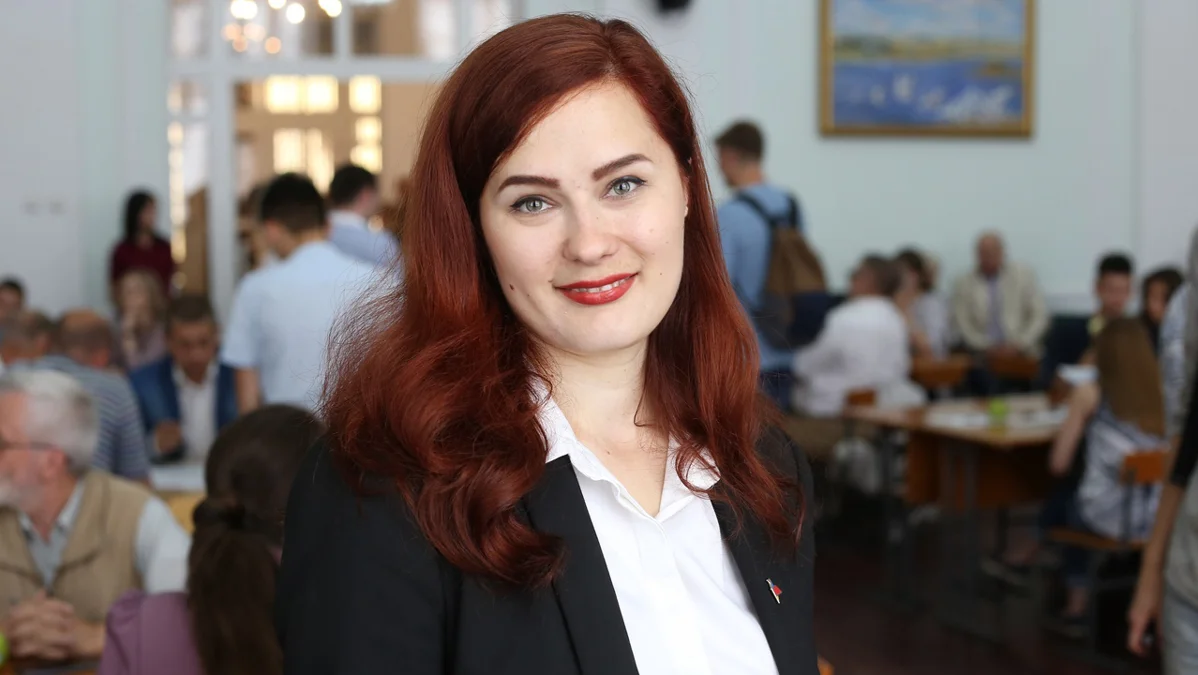
Lyubov Prilutskaya. Photo from a personal page in VK
On August 6, 2024, in Sudu, in the south-west of the Kursk region, Ukrainian troops entered and began to quickly move deep into the Russian territory. The 36-year-old realtor and financial consultant Lyubov Prilutskaya from Kursk remembers that day well: “Our neighbor from Zaleshenka called is a suburb of Sudzhi, where my parents live. He said that he urgently needs to rent an apartment in Kursk. ” On the phone, parents convinced the love that everything was in order, and they were not going to go anywhere: “they would shoot and calm down,” said pensioners.
The next day, there was no longer any communication with them, the city and the surrounding villages were occupied. The supply of water, gas, electricity and any goods completely stopped. Several thousand people, and with them the parents of Prilutskaya, went missing, many did not survive. For seven months, refugees and their relatives sought to save people who found themselves in the occupation. Prilutskaya turned out to be one of the most noticeable figures of this movement. She told us about her fate.
The text was first published on the website of the Wind project.
Moskalkova list
Lyubov Prilutskaya was born, in fact, in Zaleshenka, seven kilometers from the border with Ukraine. Her father worked as a carpenter, a stoker, and indeed took up any work. Mother was an agronomist. At 16, Prilutskaya left to study in Kursk, where her career began. While studying, heading the student trade union, at one time was the secretary of the Youth Public Chamber. As a member of the United Russia, he was nominated to deputies of the City Assembly of Kursk and was engaged in all kinds of public work, but in the end she was disappointed in politics and began to devote all the time to the family; Now she has four children.
Prilutskaya was worried shortly after the outbreak of war. She invited her parents to move, but they refused all the time. In 2024, it became dangerous to travel to the border village, the attacks of drones became more frequent. And in August it became very bad.
“My husband forbade me to go for my parents, so I began to write to different military volunteers asking them to take them, but it was clear that from there it would not be possible to pick up anyone,
- recalls love. “I stuck ads on the street, phoned the points of temporary placement, but soon realized that they had not left.”
Only the last departed from Sudzhi were able to report that they saw her parents alive.
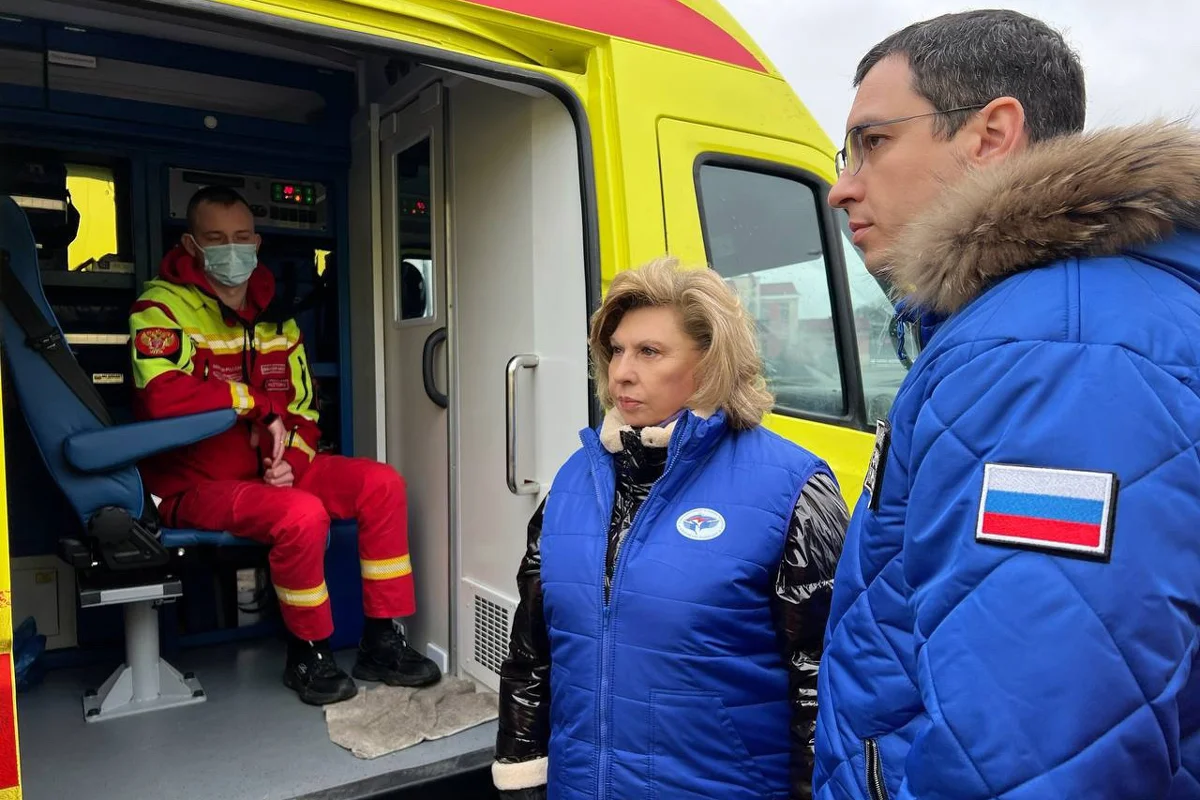
The efforts of Prilutskaya and other Kursk activists in the press began to appear names and data of the “missing”. In November 2024, at a scandalous meeting with the then governor Smirnov, refugees and their relatives at all a voice spoke that at least two thousand people are still in the occupied zone, and the authorities are not trying to do anything about it. But the officials only dismissed: we work, the Foreign Ministry works, the Ombudsman Moskalkov works.
At that moment, you could find out anything about your relatives in only one way: to see them in a photo or video. The occupied zone was visited by some foreign and opposition journalists. In addition, the Ukrainian military released a series of videos “Unnecessary Putin”, in the framework of which the inhabitants of Sudzhi and the surrounding villages called their names and talked about what was happening. Many of them turned to their relatives.
Love did not find her relatives on such videos: “Probably, they didn’t really want to communicate with the Ukrainians on recording.” She continued to look for them on her own, but it became more complicated. According to our interlocutor, the authorities virtually forbidden to publish information about the "missing" on social networks: supposedly scammers do not use it.
“Many deleted their posts, the Lisa Alert search detachment generally demolished all publications on people who remained in the occupation. It was possible to shut up the scale of the problem and not say to the whole country that there are so many people left there, ”says Prilutskaya.
In January of this year, the Commissioner for Human Rights Tatyana Moskalkova published her list, in which there were 517 people. Refugees and their relatives immediately said: the numbers are very underestimated, and the list itself is mockingly inaccurate. For example, among the missing were: a certain “girl of 2012,” “Familiar to Sazonova T. B.”, “Residents of the village of Guevo”.
Prilutskaya became one of those who publicly criticized the “Moskalkova List”: “This is not a list. This is a spit in the face of people who do not know anything about their loved ones for five months! ” She said in her video message.
“This list showed everyone brightly that no work on the liberation of people from the occupation is simply being conducted, that everyone does not give a damn about people.”
- says the interlocutor.
Especially the activist was outraged by the fact that the list of Moskalkova was replaced by Alexander Hinshtein, recently appointed head of the region, who had previously convinced refugees that he works tightly with Moskalkova on the release of Suzhan. “Everything inside me was boiling, so I was not afraid of anything. I thought, try only to touch me, I will express everything to you, generally flanching in full, ”Prilutskaya is getting excited, complaining that officials could not answer her questions. “Moskalkova called me, but Khinshtein - no.”
Volunteers and refugees had to independently draw up lists of people who remained in Sudge. They counted about three thousand names, which they turned to all instances, including Putin.
Knock to Hinstein
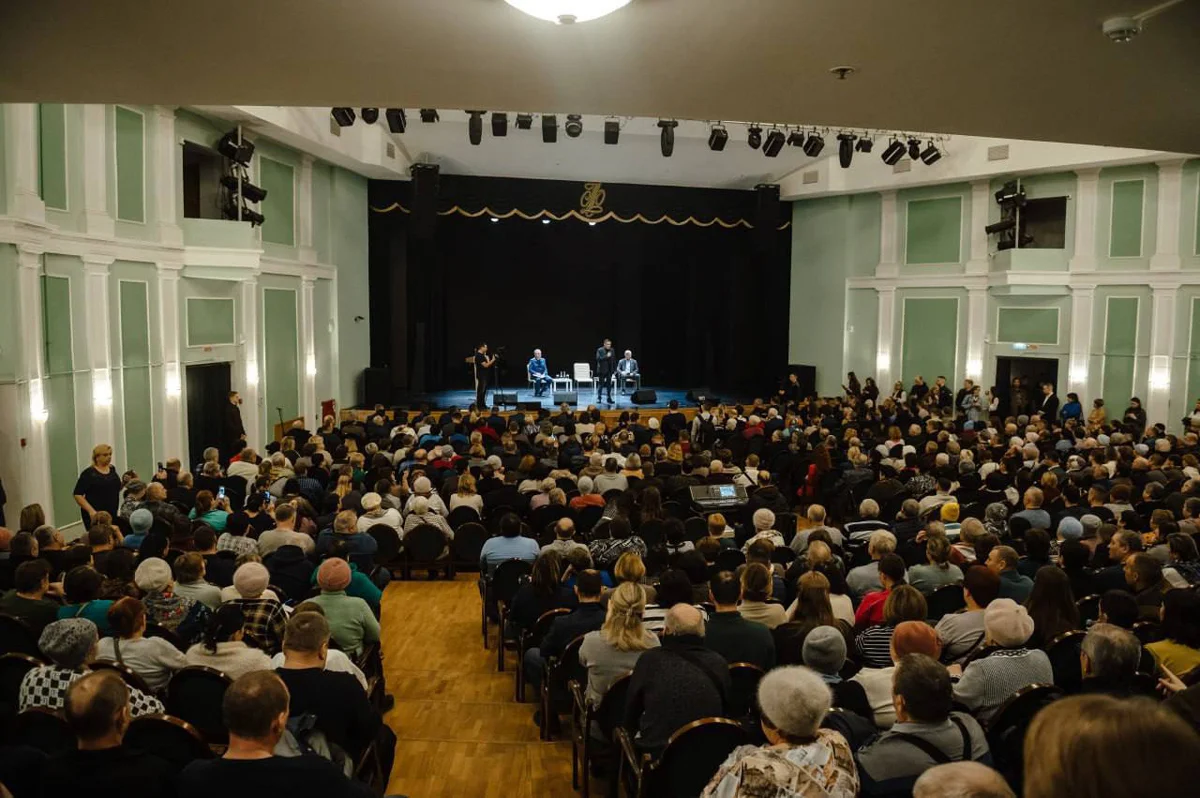
The meeting of Prilutskaya with the new governor Khinshtein took place only at the end of January at the Sviridovsky recreation center, where the heads of the region have already traditionally communicate with refugees. On the eve of the meeting, Prilutskaya and other activists launched the virtual action “I/we are the right people”, within the framework of which the governments of the warring countries and international organizations evacuate their relatives from Sudzhi. Then and now Lyubov Prilutskaya believed that the “green corridor” was possible:
“By this time, the International Red Cross has already announced its readiness to act as an intermediary in this process. The organization also called for a ceasefire. We raised this issue back in September, when it just started. Then, from the Ukrainian side, signals were received about readiness for such a step, ”says the activist.
Prilutskaya and her comrades inspired a successful precedent when, in November last year, forty -six were able to return to Russia through Ukrainian Sumy. This happened only after numerous complaints and appeals of the Kuryan. “It was already clear that there was some way of people to take out from there,” says Prilutskaya. Referring to RIA-News, she claims that after a blow on a local boarding school on February 1, Ukrainians themselves invited local residents to leave for Russia, but not everyone agreed: “The green corridor options were real, but this is really difficult,” she summarizes.
At a meeting with Khinshtein, Prilutskaya asked : “What does the Russian Federation do to return people from the occupation? Vladimir Putin knows that there are about 3,000 people there? " In response, Khinshtein invited the activist to meet the working group. But the result of the meeting did not impress her:
“It became clear that it was planned to limit ourselves to the compilation of the lists of people who remained there on all this topic.”
More Alexander Evseevich did not contact the activist more. But another venerable official drew attention to her. In February, the commander of the Chechen Akhmat Alaudinov accused unknown Kursk activists of “they are not working for Russia” and allegedly trying to take people to the streets. “One woman and one man,” said Alaudinov, “organize shares and agree on their actions with the Ukrainian side.” Local telegram channels suggested that we are talking about activists Vladimir Sinelnikov and Lyubov Prilutskaya. Prilutskaya does not agree:
“He is a representative of the military department, he has a connection everywhere. If there were reasons to blame me for something, then we would have come to me, we understand. And since no one came to me, damn it, I have no idea who he was talking about, ”she explains.
The war never changes
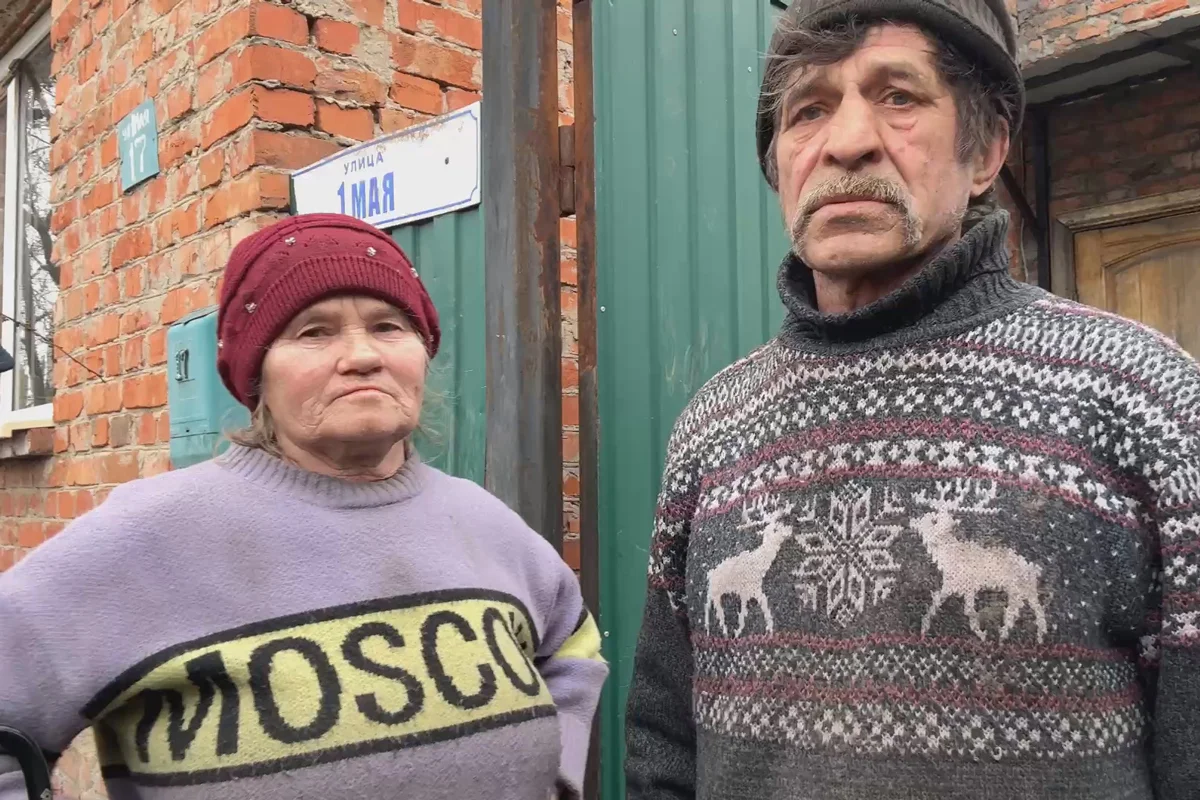
On March 17, when Russian troops had already entered Sudzhu, Prilutskaya finally found out about the fate of her parents. The video with them was published by Imam Isa from Akhmat. It turned out that they were alive, but still refused to leave. To take out pensioners to Kursk, Prilutskaya, along with the children, recorded a video for them in which she asked them to leave their native village. Only then did they agree.
Upon arrival, Parents of Prilutskaya said that they were able to survive thanks to their own reserves. Groups, pickles, vegetables were their own, something old people were able to pick up from the nearest store. I had to go to the well for water, but sometimes soldiers shared it. “They said that they were not particularly worried. That is, people who wanted to record the video came to them, but they refused. " In addition, they could be relatively free to move around the village:
“Dad said that he was somehow stopped on the street, asked if he had a pass, but agreed to the passport. And in general, they did not have any problems and conflicts with Ukrainians. Maybe they were lucky, they are non -conflict. We are very glad that nothing terrible happened, because many people, unfortunately, did not survive the occupation for various reasons, ”says Love.
During the battles, the house of Prilutskiy was not injured. But now they are worried about a different reason: the front line moved west, and their empty housing can become the prey of looters. Thank God they have no car, there is nothing to requisition.
“It is difficult to leave your home at this age, but the most important thing is that the parents remained alive. Naturally, we worried about them until the last. War is such a thing when you cannot be sure of anything. We were very afraid to get the news that they were already buried there, next to them, in the garden ",
- says love.
In his youth, my interlocutor was impressed by the novel “Aprinted by the Wind” by Margaret Mitchell. He is about how a southerner, a secular lady Scarlett O'Hara experiences a personal drama and a civil war in the United States, in the end she steps over herself and adapts to a new life. Tomik Mitchell and now lies on the shelf of the heroine of our history:
“I was very impressed with how the war was described there, how it destroys fate. [When I read the novel], I dreamed of dreams that I came home and the house was destroyed. Or that we have a war right on the streets. Of course, I could not even imagine that this would happen once. The war never changes, regardless of what ways it is being carried out: people are dying, cities are destroyed . ”
Author: Pavel Kuznetsov