
Translated material
Tariffs and an unkind word
The United States is increasingly conducting a dialogue with Europe from a position of power - and they can afford it. How were the co -dependent relations of Washington and Brussels and is there a painless way out of them?
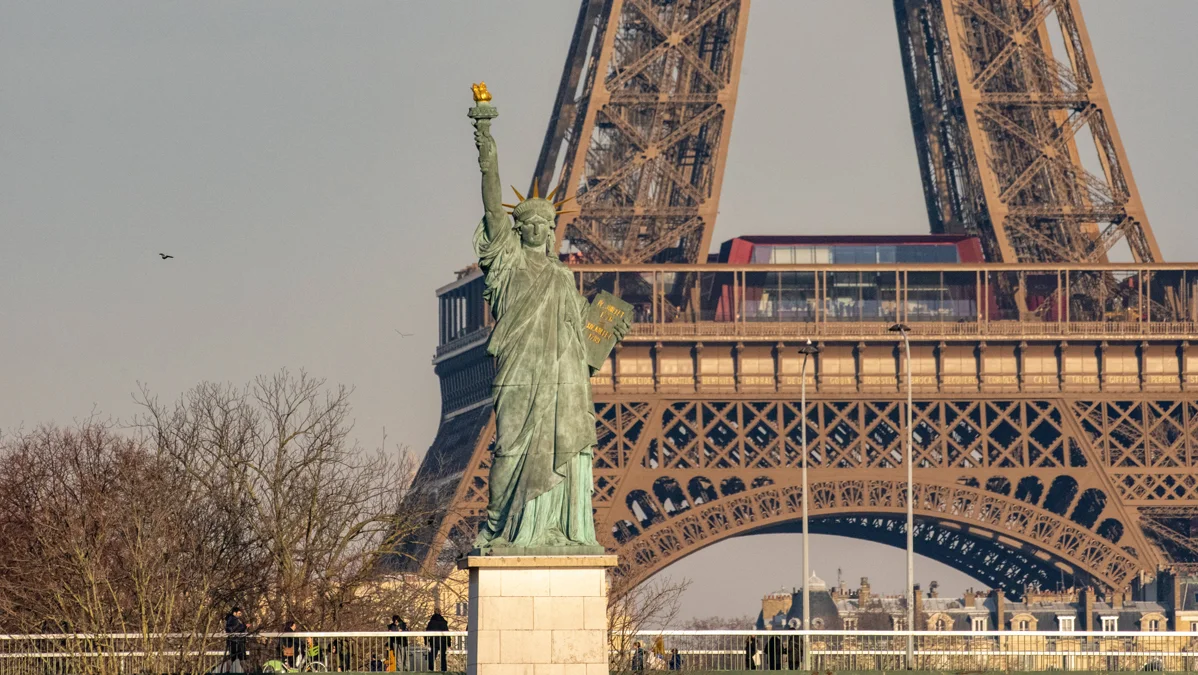
A reduced copy of the statue of freedom against the background of the Eiffel Tower in Paris, January 20, 2024. Photo: Mario Fourmy / Sipsa / Shutterstock / Rex Features / Vida Press
The tariffs against most countries of the world, including the EU, introduced, and after a couple of days, became another episode of the crisis in the relationship between Washington and European capitals that began after the return of Donald Trump.
The very real threats to take Greenland in January, the rebuke of Vice President Wans at the Munich Conference in February and the support of the extreme right forces throughout Europe created that Washington could do what he wants to be about his transatlantic alliance partners. And those are not able to oppose him and only fly to the White House to convince Trump not to withdraw American troops from Europe and not stop supporting Ukraine. And although such an image of the relationship of Washington and Brussels of the last months does not fully correspond to reality, it emphasizes the remaining extremely significant influence of the United States on Europe. What is this influence based on this influence today, what historical events formed it and will Trump’s actions be destroyed by many years of allied? The New Evropa tried to answer these questions along with the-American political scientists Alexandra Filippenko and Yan Veselov.
The back of the victory
American-European relations in the form in which we know them today, more precisely, we knew until recently, we developed relatively recently.
“For most of its history, America preferred to distance herself from Europe, considering it as an eternally raging boiler, from which nothing should be expected except trouble,” explains the Americanist, candidate of historical sciences Alexander Filippenko . “One of my favorite examples on this score: in May 1940, when Hitler Germany seized most of Europe, and Churchill made his famous speech that the British will fight the Nazis“ on the beaches, in the fields and on the streets, but will never surrender ”, 93% of the Americans spoke out against the US entering the war."
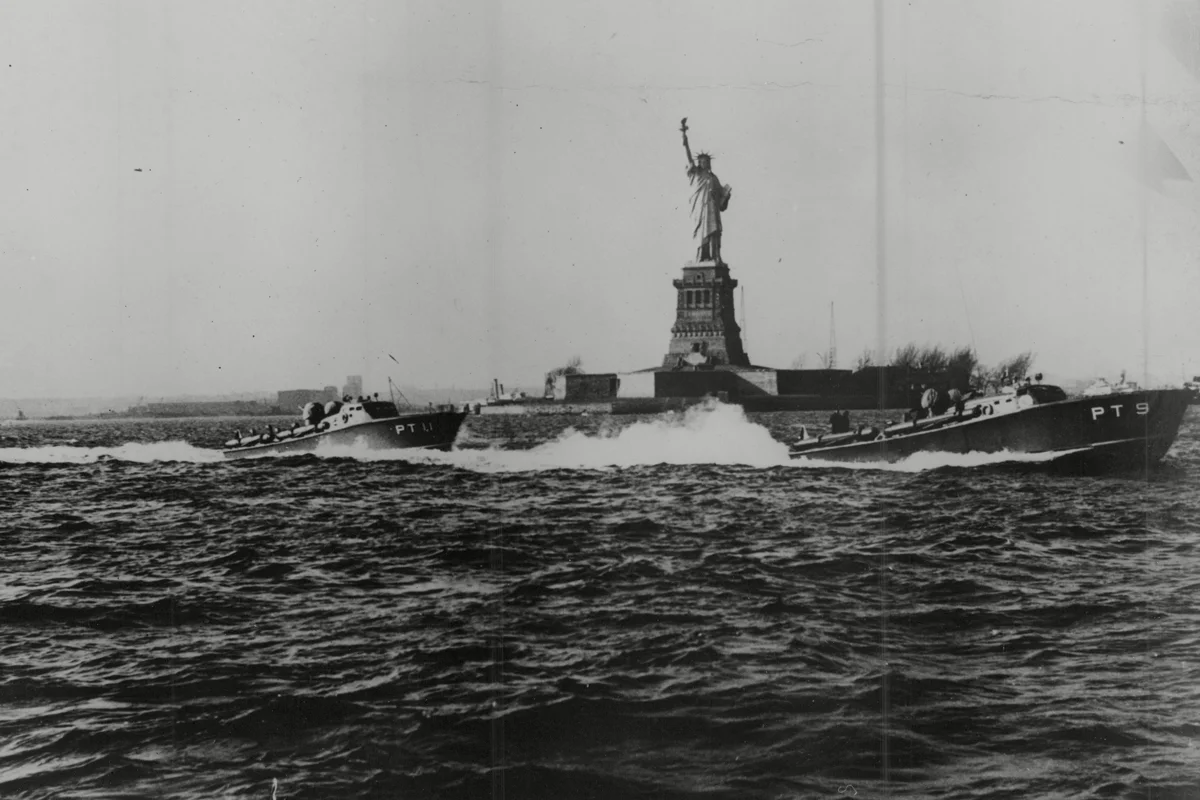
Another survey , conducted at about the same time, showed: 49% of American citizens against giving money to the borrowing weapons to the British and France, even if they obviously lose in the war. Only Japan’s attack on Pearl Harbor in December 1941, which almost deprived the staff of the Pacific Navy, broke the situation, forcing the Americans to get out of the usual self-isolation.
Franklin Roosevelt played a significant, if not a decisive role in the preparation of public opinion of the United States for active intervention in European and global affairs. He was the only American presidents in this post for more than two terms and led America from the Great Depression. Throughout the 1930s, he convinced his compatriots of the benefit of international cooperation for the American economy, the importance of strong Europe as the main market for growing American industry, in the danger of fascism and the unique role of the United States as the main defender of democracy and Western values.
In 1939, the States at the insistence of Roosevelt began to sell UK and France weapons on Cash and Carry (pay in cash and take it yourself), which was actually the first step to support the allies in Europe. A year later, Roosevelt handed Britain 50 destroyers, and a year later signed a historical and largely decisive Act of Lend-Lisa for the results of the Second World War.
“After the war, the United States was in a unique position,” continues Alexandra Filippenko. - Europe and a significant part of Asia lay in ruins. The USSR, although he won the war and claimed the status of superpower, suffered the most severe losses. America, on the contrary, was at the peak of economic power. Its infrastructure was not affected, industry worked at full capacity. The country possessed a monopoly on nuclear weapons, produced half of the global GDP and owned two -thirds of the global gold reserves. All this laid the foundation for the future influence of the United States on European and world affairs. ”
Unlike the USSR, which deployed political repression and forced collectivization in the captured territories of Eastern and Central Europe, the Americans offered the Europeans a plan of Marshall - gratuitous multi -billion dollar subsidies.
The motives of such an unprecedented from the Americans were mostly practical - from the restraint of communism to the creation of a stable and solvent market for American goods. But there were also humanitarian-political considerations-the salvation of destroyed Europe from economic collapse, hunger and ultimately sliding into another dictatorship.
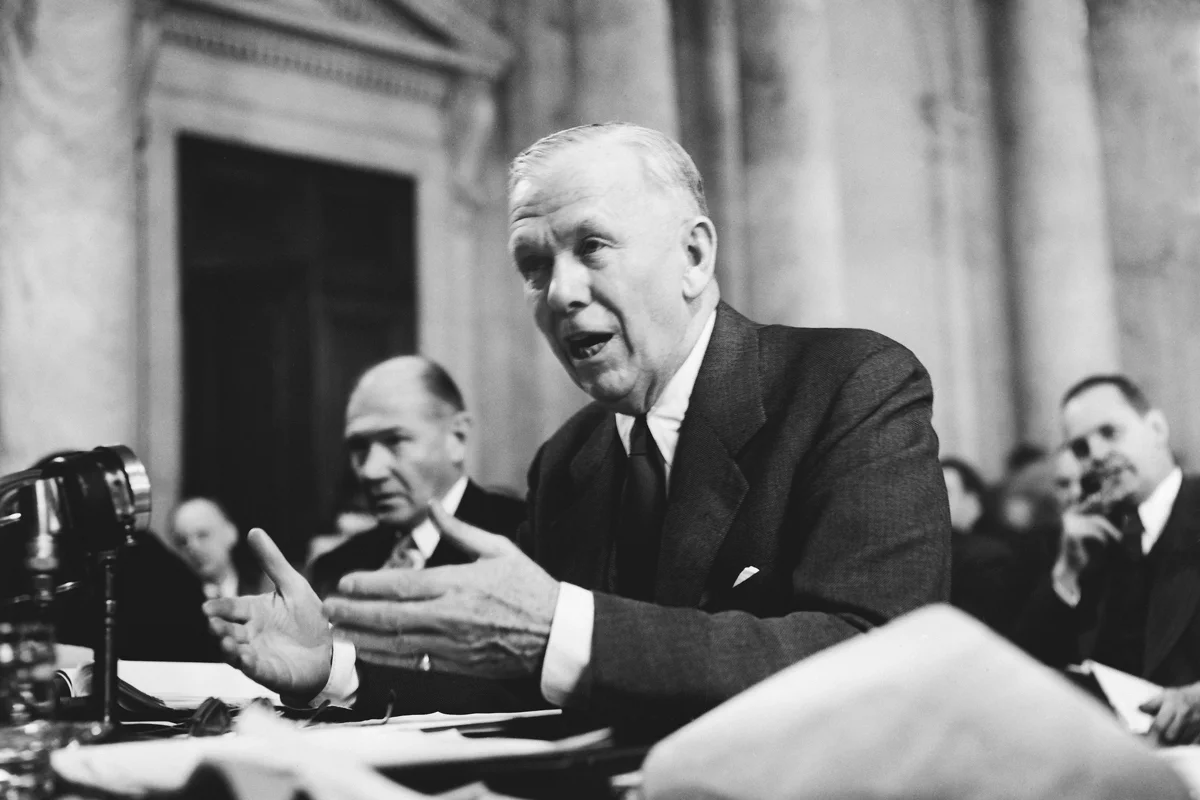
The importance of the program of the program George Marshall, Secretary of State in the Harry Truman administration, emphasized the importance of the second group of factors. “Our policy is not directed against any country or doctrine, but against hunger, poverty, despair and chaos. Its goal should be to revive a working economy in the world, which will create political and social conditions in which free institutions may exist, ”he said in 1947 on the honor of Harvard graduates.
In financial and military dependence
In exchange for their help, the Americans expected to demand from Europe market reforms, weakening state control over the economy, reducing tariffs and encouraging American private investments. As a result, by the beginning of the 1950s, the economy of most countries of Western Europe returned to the pre-war level and continued to grow by 4-6% per year.
The back of the quick recovery that allowed the West to successfully resist the USSR and its satellites in the Cold War, was the formation of the financial dependence of Europe on the United States. According to the Bretton Wood Agreement of 1944, the dollar tied to gold at a fixed rate became the main world reserve currency ( the previous system-the “gold standard”-meant that any monetary unit of any country could be exchanged for the corresponding amount of gold.- approx. Ed. ) . This led to the fact that Europeans, after the war, were forced to import almost everything from the United States - from products to industrial equipment - were calculated for these goods by American currency. This at a certain moment led to an acute shortage of dollars on the continent and an increase in demand for them.
The military dependence of Europe on the United States, which also arose after the Second World War, was even stronger than financial. Having landed in the summer of 1944 in Normandy, American troops, which were about half of the 150 thousandth group of the Allies, cleared Western Europe of the Nazis, but never left the continent.
By the end of the 1940s, the US Army units were located in West Germany, Austria and Italy as one of the occupying powers, later their presence was expanded to the UK and France.
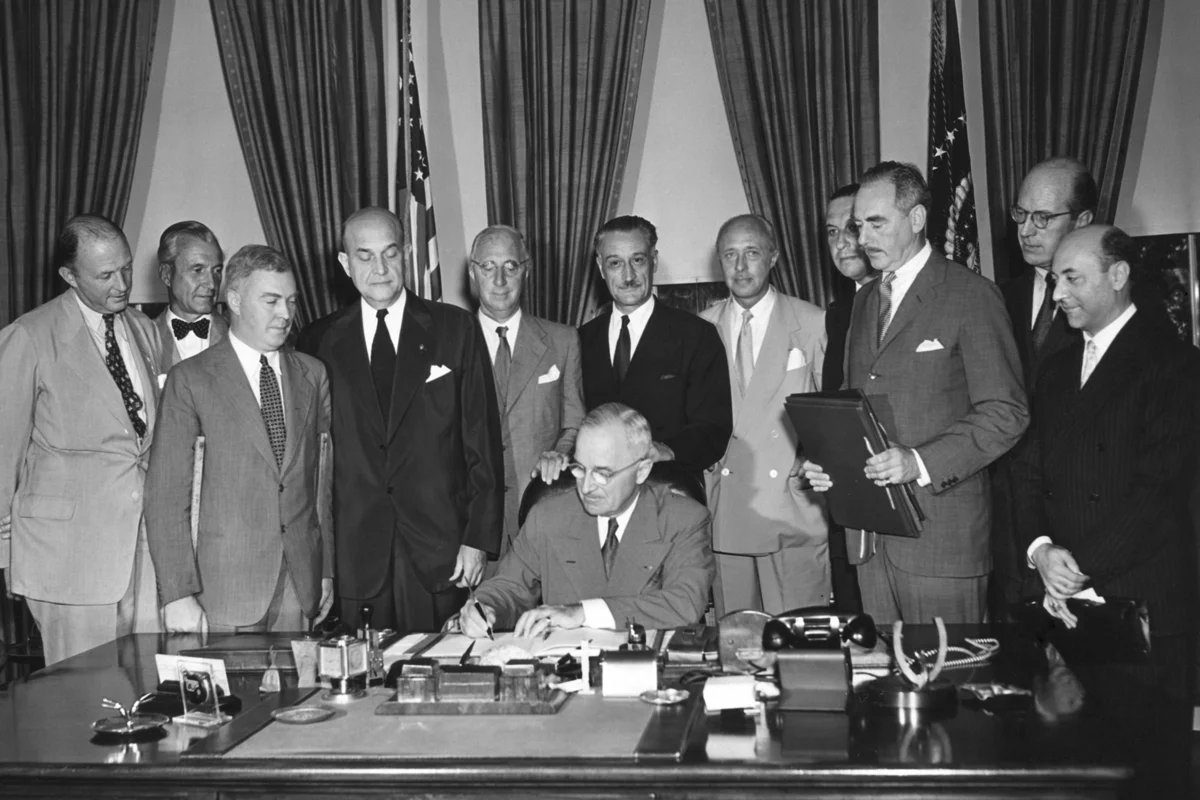
In April 1949, the North Atlantic Treaty was signed in Washington. On the basis of it, as well as a whole series of bilateral agreements between the United States and individual countries in Europe, the Americans created a network of permanent military bases and strengthened their status of the main military force and supplier of weapons on the European continent. Since the late 1940s, American generals traditionally command NATO armed forces in Europe, and the American government has invariably assumes most of the expenses to maintain the military power of the alliance.
The share of the United States in the total defense costs of Western allies for more than half a century of NATO existeddid not fall below 65%. For comparison: last year, the Americans spent $ 967 billion on the defense, and Germany, the second NATO country, in which, by the way, was located about fifty American military facilities, almost ten times less. At the same time, with regard to the expenses for the operational support of the alliance - remuneration of labor, fuel, the functioning of infrastructure, and so on - here the share of the United States is more modest. Today it is about 16%.
It finally consolidated the forced military dependence of Europeans on the USA in the UK, Germany, Italy, the Netherlands and Turkey of American nuclear warheads - the main argument of the West in confrontation with the USSR.
Officially, NATO does not have its own nuclear potential. Instead, about a hundred American warheads in five countries protect Europe, while the activation keys remain under the control of the US Army. An exception to the rule is the UK with its nuclear submarine fleet, which, however, is armed with the American missiles Trident, and France is the only country in Europe that has a nuclear arsenal independent of the United States and NATO.
The unique position of the fifth French republic in the Western coalition is the legacy of its founder and the first president, General Charles de Gaulle. In February 1966, de Gaulle, who was dissatisfied with the military dominance of Americans in Europe and sought to create a third force capable of balancing between the United States and the USSR, withdrew France from the military structure of NATO. In parallel, he launched his own military construction, including the development of an independent nuclear arsenal. Only in 2009, against the backdrop of the fight against international terrorism, French President Nicolas Sarkozy agreed to return the country to the NATO military structure, while insisting on significant autonomy.
From Tolyatti to Merkel
However, Demarch de Gaulle was a bright, but not the only episode of tension in American-European relations.
Already in 1948, the United States questioned its status of the moral and ideological leader of the Western world, unceremoniously intervening in the Italian elections. In order to prevent the victory of the extremely popular Communist Party, led by Palmiro Togliatti, in honor of which, by the way, the capital of the Russian automobile industry was named, the Harry Truman administration unfolded a real campaign, even hinting at a possible military intervention. As a result, the Americans achieved their own, but provoked large -scale protests and clashes that put the country on the brink of the Civil War.
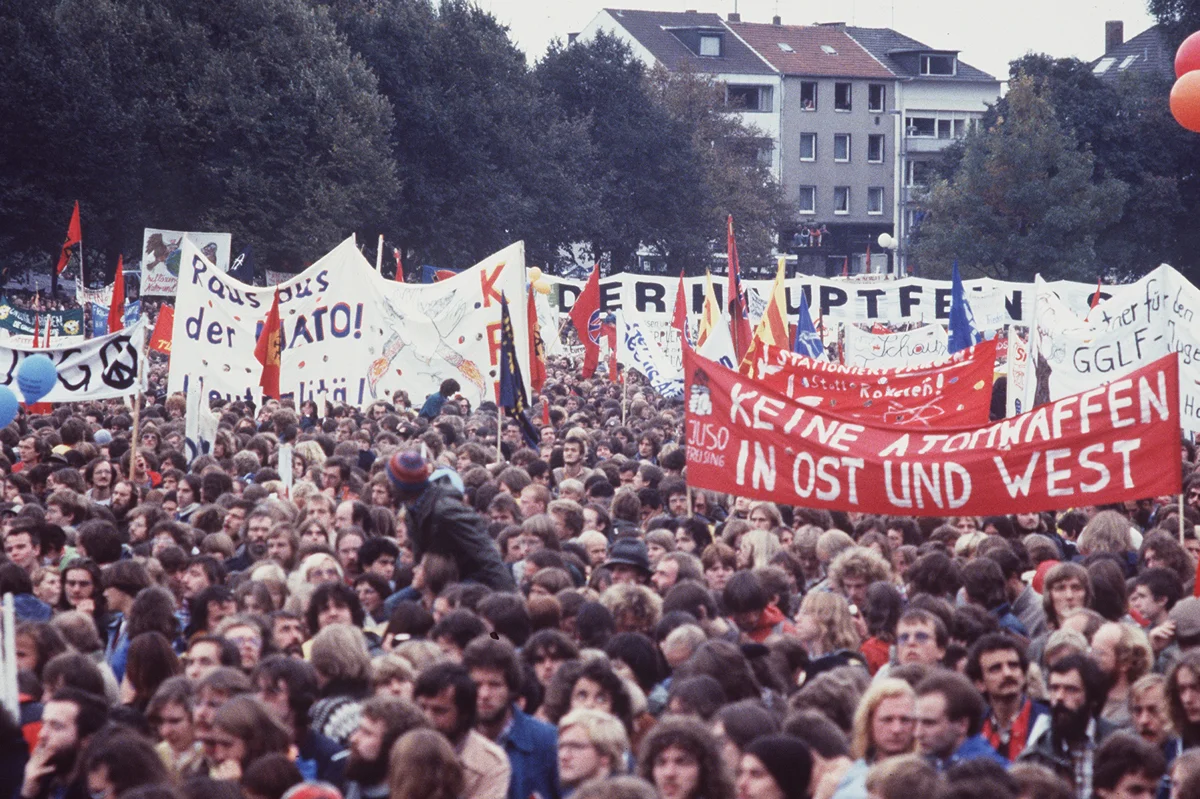
There were other episodes of tension. For example, in the early 1980s of Germany, Holland, Belgium, Italy and Great Britain, a wave of demonstrations against the placement of American nuclear missiles Pershing II in these countries captured. At the peak of public indignation in October 1983 , more than a million people participated in the shares at the same time. In the capital of Germany Bonn, protesters blocked the central streets, so the then Chancellor Helmut Kolya had to get to work by helicopter. But despite the public discontent of the rocket, they were still placed and stood on combat duty before the signing of an agreement between the USSR and the United States on the elimination of medium and short -range missiles in 1987.
“A system in which it is America that is a key link in a pan -European defense and at the same time carries most of the costs, was created, first of all, on the initiative of the Americans themselves,” said political scientist Jan Veselov . “At the same time, they in many ways provoked the crisis of this system.”
One of the largest at the post -war period of splitting in NATO occurred during the US invasion of Iraq. Having supported the Americans after the tragedy on September 11, Europeans, with the exception of Great Britain and Poland, refused to participate in the Iraqi operation, considering it unreasonable adventure.
Ten years later, a scandal broke out with a former CIA employee Edward Snowden, when it turned out that the United States had become something like the Orwell Big Brother for Europe and listened not only to ordinary citizens, but even the leaders of European countries. Among the latter was the German Chancellor Angela Merkel, who did not fail to publicly declare her indignation.
“We need to trust our allies and partners, and now this [trust] must be restored. I repeat that espionage among friends is absolutely unacceptable against anyone, and this applies to every citizen of Germany, ”Merkel said at the EU summit in October 2013.
“In general, the Western world of liberal democracies has never been so one,” Veselov continues. - America, for example, did not know the dictatorship, she did not have to fight for democracy as Europeans. Therefore, when Jay Di Wans states that Europe is retreating from common values with America, he obviously lugates or is mistaken. And if the question of reducing the American military presence in Europe has really been raped for a long time, with the collapse of the Soviet bloc, then the moralizing intonation that the current American administration in relation to Europeans took is a relatively new phenomenon. And she, of course, causes misunderstanding. "
Just a business
The idea that European allies simply use American generosity and that it was time to stop the Americans to fight for democracy around the world and think about themselves many years ago. As Yang Veselov notes, back in the 1980s, hinting at the possible nomination of his candidate for the presidential post, Trump published copyright columns with such a message in the American press.
However, by that time this idea was no longer new. Soon after the Second World War, the so -called “old right” - the most conservative circles of the American political establishment - said: we won Germany and Japan, now let's return to internal affairs.
The next isolationist wave gained strength at the American political landscape at the turn of the 1980-1990s, with the weakening and subsequent destruction of the USSR. One of the most prominent representatives of this “pale -conservative” movement, which is so opposed to the non -conservatives aggressive in foreign policy, is a three -time candidate for US presidency, political commentator Pat Buchenin. Like Trump, Buchenin actively advocates “traditional American values”, rigid migration control, reduction of bureaucracy and against multiculturalism, political correctness and intervention of America in world conflicts.
With the growth of the economic and political influence of China, the United States has a significant argument to move its focus of attention from Europe to the Asia-Pacific region. However, in this part, Trump only follows in the fairway laid before it.
The first idea that the Chief of the United States is now the Chief of the United States was Hillary Clinton, a Secretary of State in the Barack Obama administration and Trump's rival in the 2016 elections. Speaking in 2011 at the East-West Hawaiian Center, Clinton said that "in the 21st century, the Asia-Pacific region will become the strategic and economic center of the world-from India to the western shores of America" and that "the tasks that require American leadership are faced with the region."
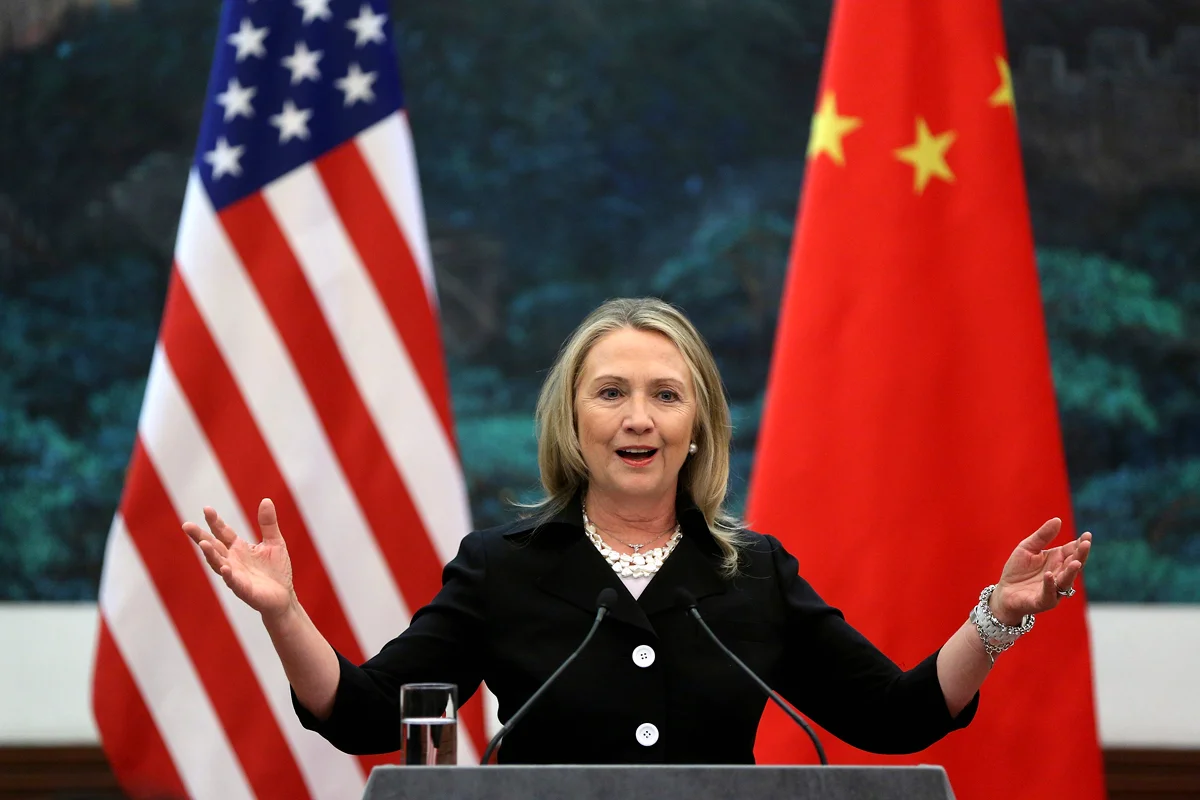
A relatively new phenomenon that arose in the American foreign policy with the advent of Trump became his deliberate, bordering on rudeness, unceremoniousness in relation to the closest allies, including European ones.
“Trump thinks with categories of benefits, a short -term transaction. There are no permanent enemies and friends for him, there are only competitors, and he does not understand why soft power is needed, when there is more effective - tough, ”comments Jan Veselov. The analyst notes that it was no coincidence that the allies became the victims of this approach, those from whom you can quickly achieve something. In his business practice, Trump repeatedly “bend” partners, “threw” contractors, did not pay the salary to his own managers.
“But so does not work in international politics. There are few countries on Earth, and if you managed to “bend” Canada or Denmark once, then they simply cease to be your allies and begin to look for new ones, ”says Veselov.
Troops, LNG and tariffs
Кроме введенных тарифов, главный инструмент давления трамповской администрации на Европу сейчас — угроза вывести американский воинский контингент и оставить европейцев один на один с полуторамиллионной российской армией.
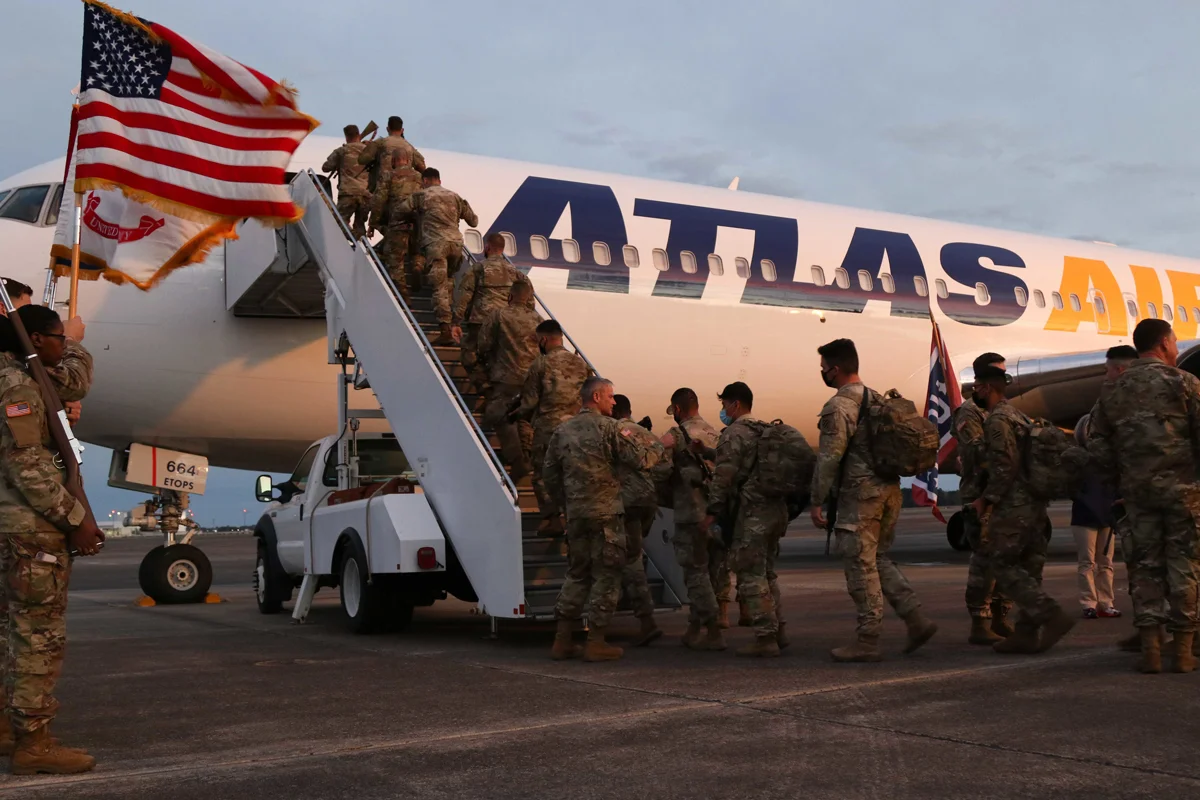
По данным Европейского командования США (EUCOM),
на начало 2025 года в Европе находится около 84 тыс. американских военнослужащих, рассредоточенных на более чем 40 военных базах от Гренландии до Турции. Военнослужащие США выполняют самые разные функции, в том числе обучают союзные армии,
обеспечивают передачу Украине оружия и военного снаряжения, управляют ядерным арсеналом. Численность контингента варьируется в зависимости от запланированных учений и регулярной ротации войск на континенте. К примеру, после полномасштабного вторжения России в Украину в 2022 году в сопредельные с зоной конфликта страны было дополнительно направлено около 20 тыс. американских солдат.
«Если они [европейские страны] не будут платить, мы не будем их защищать. Я говорил так еще семь лет назад. Деньги действительно стали поступать, но этого недостаточно, они должны платить больше», — заявил Трамп, выступая на брифинге для журналистов в начале марта.
Помимо этого, в распоряжении США по-прежнему остается обширный набор инструментов влияния на европейский бизнес, в том числе через платежную систему SWIFT и систему вторичных санкций.
Так, в 2014 году французский финансовый конгломерат BNP Paribas был оштрафован американским судом за нарушение режима санкций против Ирана, Судана и Кубы. Расследование, проведенное Минюстом США совместно с Министерством финансов и Департаментом финансовых услуг Нью-Йорка, показало: с 2004-го по 2012 год BNP Paribas систематически обрабатывал транзакции компаний и государственных ведомств из этих стран на десятки миллиардов долларов. В числе клиентов банка было, например, правительство Судана, обвиненное в геноциде в Дарфуре. В результате BNP Paribas был вынужден выплатить огромный штраф — 8,9 млрд евро.
Наконец, США являются крупнейшим поставщиком сжиженного природного газа (СПГ) в Европу. В 2024 году американцы поставили около 45% всего СПГ, ввезенного в страны Евросоюза, при том что на этот энергоресурс приходится около четверти европейского энергопотребления.
В 2025 году, с вводом в строй двух новых заводов по сжижению газа в Луизиане и Техасе, эксперты ожидают дополнительный рост экспорта СПГ из США в Европу на 17%.
Дональд Трамп никогда не угрожал европейцам сократить поставки СПГ, от которых после начала войны в Украине и радикального сокращения импорта российского трубного газа ЕС зависит как никогда. Напротив, в декабре прошлого года Трамп пригрозил европейцам введением дополнительных тарифов на европейские товары, если закупки американских энергоресурсов не увеличатся. А в марте, вне какой-либо связи с поставками СПГ, ввел пошлину в 25% на поставки в США стали и алюминия. В начале апреля, в рамках «Дня освобождения», ввел дополнительные 20%-ные тарифы на все товары из ЕС, правда спустя несколько дней их приостановил .
Результаты этой заградительной политики для экономики США, мягко говоря, не очевидны. Ряд крупнейших американских экономистов, включая Нобелевского лауреата Пола Кругмана, убежден , что тарифные войны подорвут доверие к США в мире, лягут дополнительным бременем на налогоплательщиков и отрицательно скажутся на конкурентоспособности американских производителей.
«Цели тарифной политики Трампа до конца не ясны, — отмечает Ян Веселов. -
Тарифы нужны для трех вещей: пополнения бюджета, поддержки своего производителя и выравнивания торгового баланса. Но пока мы видим, что Трамп использует тарифы в качестве дубины, как некую замену санкций.
Он не столько обогащает ими Америку, сколько шантажирует партнеров».
В том же качестве — экономической и политической дубины — Трамп, вероятно, использует свои заявления о переброске американских войск из Германии в Венгрию, страну, действующую в фарватере США в отношении Украины, а также о намерении «забрать» у Дании Гренландию.
«Никто в реальности не планирует присоединять Гренландию к США, — убеждена Александра Филиппенко, — вы же видели, как смеялись Джей Ди Вэнс и спикер Палаты представителей Майкл Джонсон, когда Трамп говорил об этом в обращении к Конгрессу. Все это не более чем троллинг, стратегия отвлечения внимания. В действительности речь идет лишь о расширении американского присутствия на острове в свете разворачивающейся борьбы за влияние в Арктике».
Политическое вмешательство
Характерной чертой нового этапа отношений между Вашингтоном и Европой стало распространенное в последние месяцы демонстративное вмешательство Илона Маска, «первого приятеля» президента США, и Джей Ди Вэнса, второго по политическому весу американского чиновника, во внутриевропейские политические процессы.
В ходе предвыборной кампании в немецкий бундестаг Илон Маск активно поддержал крайне правую «Альтернативу для Германии» (AfD), выступив на съезде партии и предоставив свой главный медийный ресурс — соцсеть X — для комплементарного интервью лидера AfD Алис Вайдель.
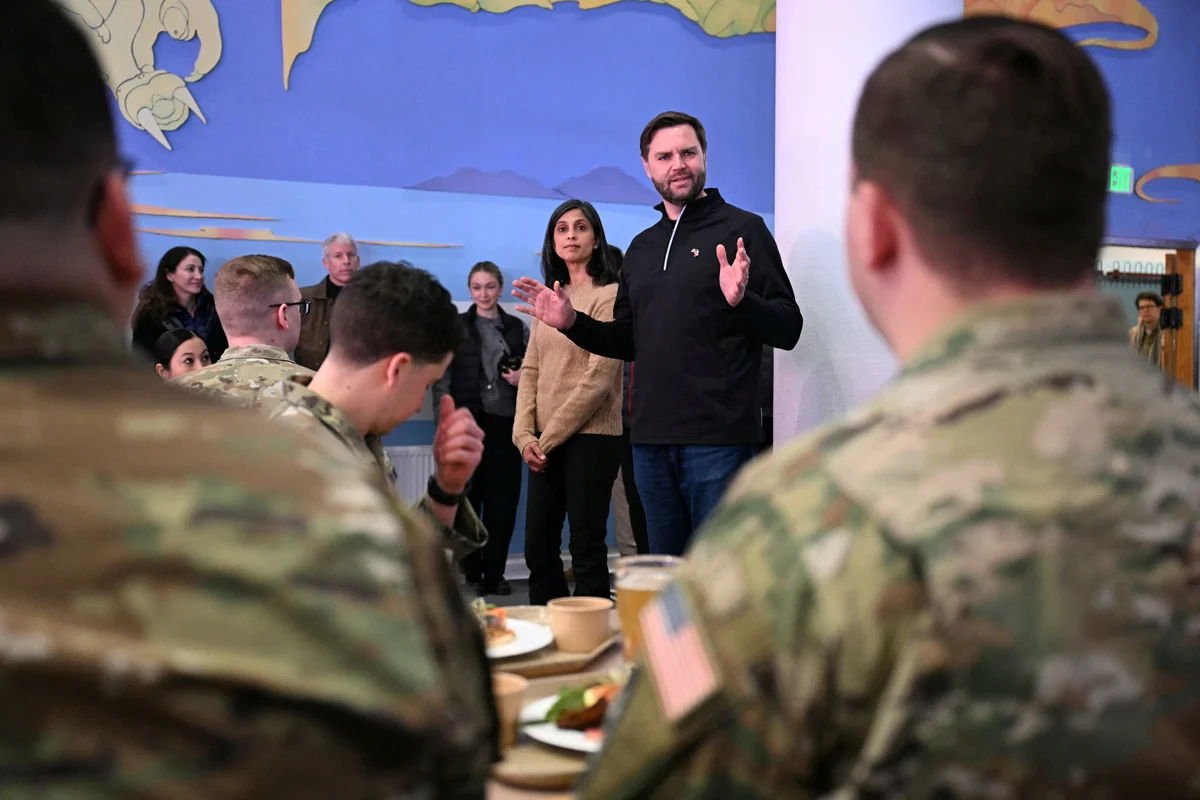
Джей Ди Вэнс посвятил свое февральское выступление на Мюнхенской конференции не ожидаемому плану урегулирования российско-украинской войны, а безапелляционной критике европейских властей за «игнорирование воли избирателей» и «нарушение базовых демократических принципов», в том числе свободы слова. Вэнс упомянул кейс Румынии, где Конституционный суд аннулировал результаты президентских выборов, а победившего на них крайне правого политика и поклонника Путина Кэлина Джорлджеску в итоге задержали спецслужбы. Помимо этого, вице-президент США «прошелся» по Германии, где основные политические силы отгородились от AfD так называемым «брандмауэром» .
«Демократия основывается на священном принципе, согласно которому голос народа имеет значение. Здесь нет места брандмауэрам. Вы либо придерживаетесь этого принципа, либо нет», — заявил Вэнс, игнорируя немецкую историю.
Многие европейские политики отнеслись к демаршу Вэнса с негодованием. Министр обороны Германии Борис Писториус назвал слова американского вице-президента «неприемлемыми», а глава внешнеполитического ведомства ЕС Кая Каллас заявила , что Вэнс «пытается затеять ссору с Европой». Однако не будет лишним отметить, что
еще недавно европейцы сами активно вмешивались в последнюю американскую предвыборную гонку, одну из наиболее напряженных за многие годы.
В июле прошлого года, когда Демократическая партия США находилась в глубоких раздумьях о перспективах Джо Байдена после его провального выступления на президентских дебатах, канцлер Германии Олаф Шольц выразил поддержку действующему американскому президенту. В интервью PBS он назвал Байдена «превосходным агитатором» и заявил, что недооценивать его «было бы большой ошибкой». Примерно в те же дни новоизбранный британский премьер Кир Стармер, прилетевший, как и его немецкий коллега, в Вашингтон на саммит НАТО, заявил , что Байден «действительно в хорошей форме». Конкурента Дональда Трампа по президентской гонке также поддержал Эмманюэль Макрон. «Ляпы случаются с кем угодно», — прокомментировал он оговорку Байдена, назвавшего президента Украины Владимиром Путиным.
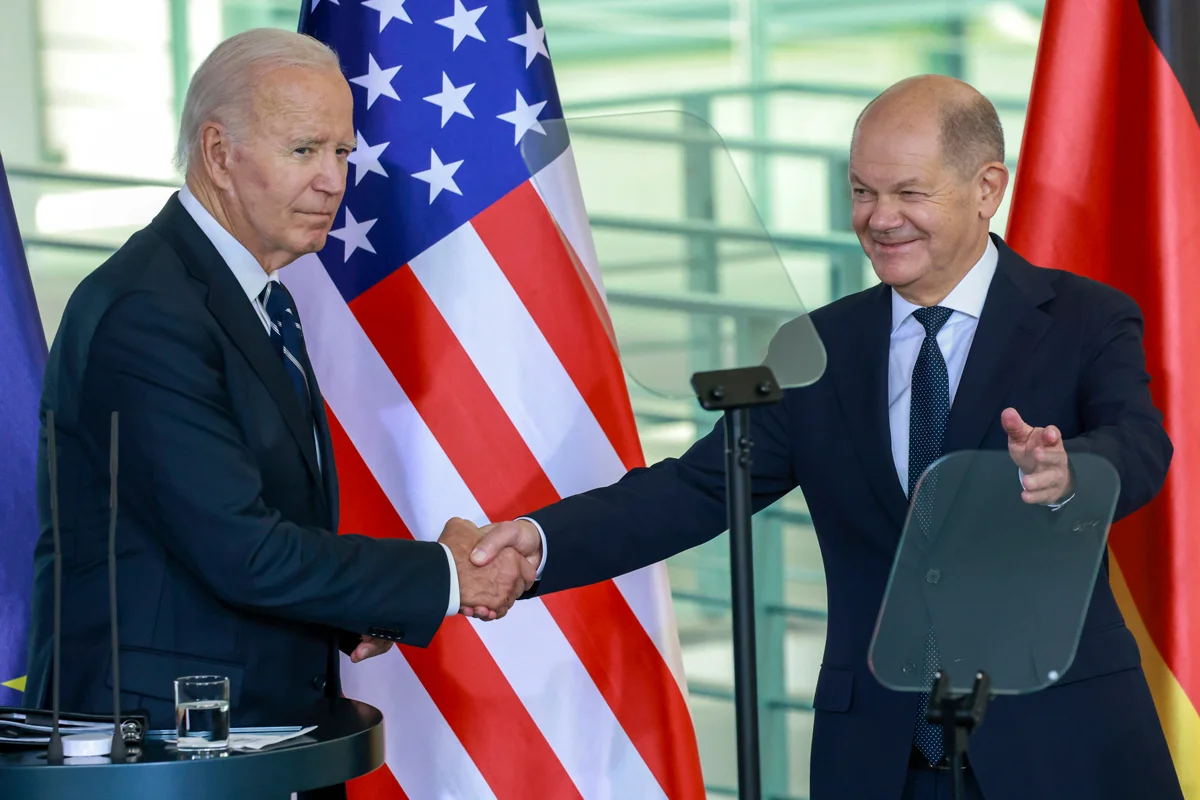
Более того, подобные случаи не уникальны в американо-европейских отношениях. К примеру, в 2016 году, в ходе первой попытки Трампа избраться на президентский пост, ему активно оппонировал французский лидер Франсуа Олланд, заявивший в интервью, что «его [Трампа] выходки вызывают тошноту».
Поэтому во многом поддержку Маском и Вэнсом крайне и ультраправых европейских партий, оппонирующих мейнстримным политическим силам, можно рассматривать как ответные меры за попытку лидеров Германии, Франции и других стран выступить в пользу Байдена и демократов.
Случайный сбой — или новая система?
Вопрос о том, к чему в итоге приведет нынешнее американо-европейское противостояние, пока остается открытым. Но факт, что оно уже обретает видимые последствия как в США, так и в Европе.
В США проводимая Дональдом Трампом внешняя политика в сочетании с сомнительными тарифными мерами начала сказываться как на его рейтингах, так и на экономике страны. По данным на конец марта, деятельность Трампа на президентском посту одобряет менее половины американцев. А после начала тарифных войн ведущие фондовые индексы США обрушились на сотни пунктов.
«Мир будет страдать, — пишет The Economist, комментируя текущую внешнюю политику Трампа. — Но также пострадает и Америка. Нынешняя глобальная роль налагает на США бремя военных расходов, но взамен страна получает куда больше. Будучи центром долларовой финансовой системы, США экономят более 100 млрд долларов в год на процентных выплатах и могут позволить себе высокий бюджетный дефицит. Зарубежный бизнес американских компаний оценивается в 16 трлн долларов. Эти компании процветают за границей благодаря предсказуемым глобальным правилам торговли, а не коррупции и краткосрочным особым привилегиям».
Европейцы, в свою очередь, также вынуждены реагировать на резкие политические маневры американской администрации, хоть и делают это неохотно.
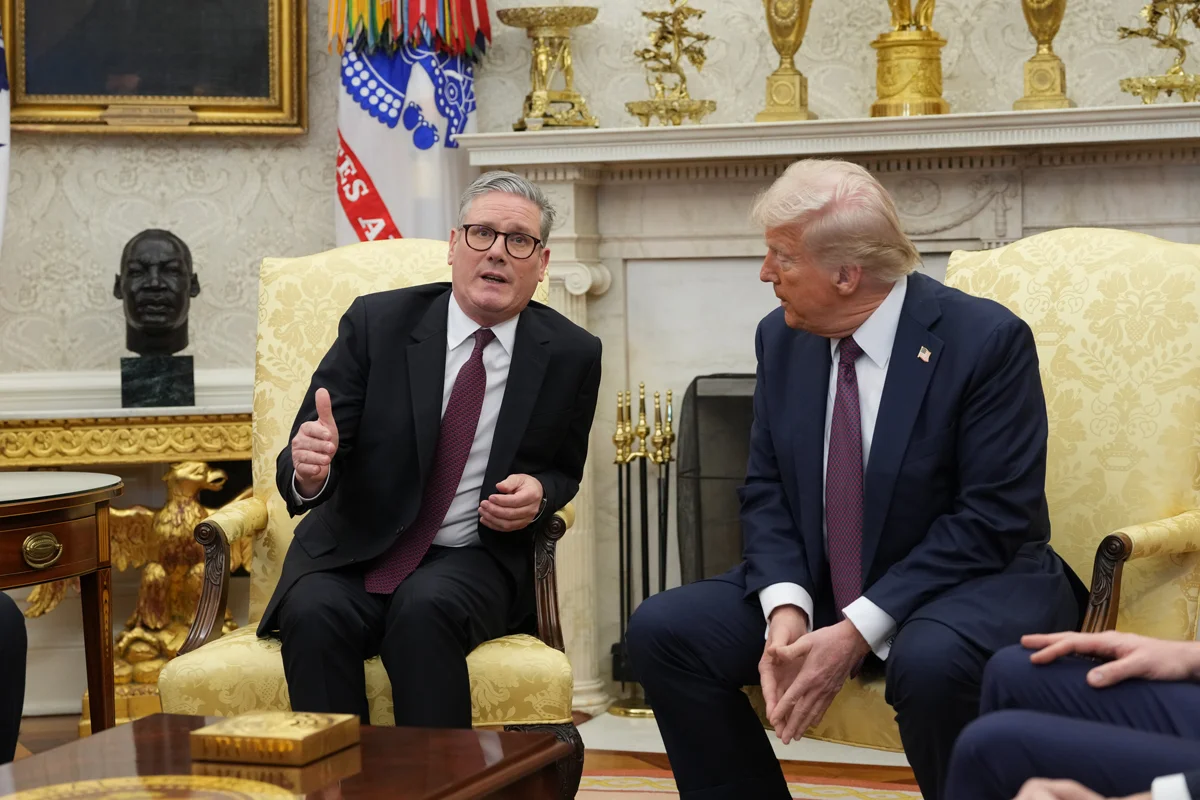
Еще в начале марта, на встрече с Владимиром Зеленским в Лондоне, на следующий день после скандальной перепалки украинского лидера с Трампом и Джей Ди Вэнсом в Белом доме, британский премьер-министр Кир Стармер заявил , что всё еще считает американцев надежными партнерами и что любой мир будет непрочен без гарантий США. В то же время, обещав Украине военную поддержку и заявив о готовности отправить в зону конфликта британских миротворцев, Стармер однозначно дал понять США, что Европа также является субъектом международной политики и впредь не намерена слепо следовать за Большим Братом.
Континентальная Европа, в первую очередь в лице французского лидера Эмманюэля Макрона и председателя Еврокомиссии Урсулы фон дер Ляйен, настроена еще более решительно. «Нам нужен не просто мир среди нас, нам нужно построить общую оборону. Не для того, чтобы угрожать или завоевывать, а для того, чтобы сдерживать любую внешнюю атаку против объединенной Европы. Такова задача нашего поколения», — так фон дер Лайен начала свое выступление в Страсбурге на очередном пленарном заседании Европарламента.
По мнению Александры Филиппенко, многое станет понятно в следующем году, после выборов в Конгресс США.
Если победят демократы, будет ясно, что нынешнее положение дел — не более чем сбой системы. Если верх вновь одержат республиканцы, европейцы окончательно убедятся: это и есть новая система.
И будут действовать соответственно.
Однако Ян Веселов отмечает, что даже при смене администрации и возвращении американской политики в прежнее русло вернуть доверие европейцев Вашингтону будет не просто.
«Вполне вероятно, эта история послужит настолько мощным толчком для Европы, что она действительно предпримет шаги к своей независимости, в том числе военной, — говорит эксперт. — Понятно, что в любом коллективном предприятии некоторые его участники стремятся переложить расходы и ответственность на других, что мы неоднократно видели в последние годы. Поэтому ключевая задача для ЕС сейчас — сделать так, чтобы все страны внесли свой вклад в общую оборону. От этого будет зависеть будущая конфигурация международных отношений».