
Translated material
Former people
The death of Comrade Kirov as an occasion to solve the apartment issue
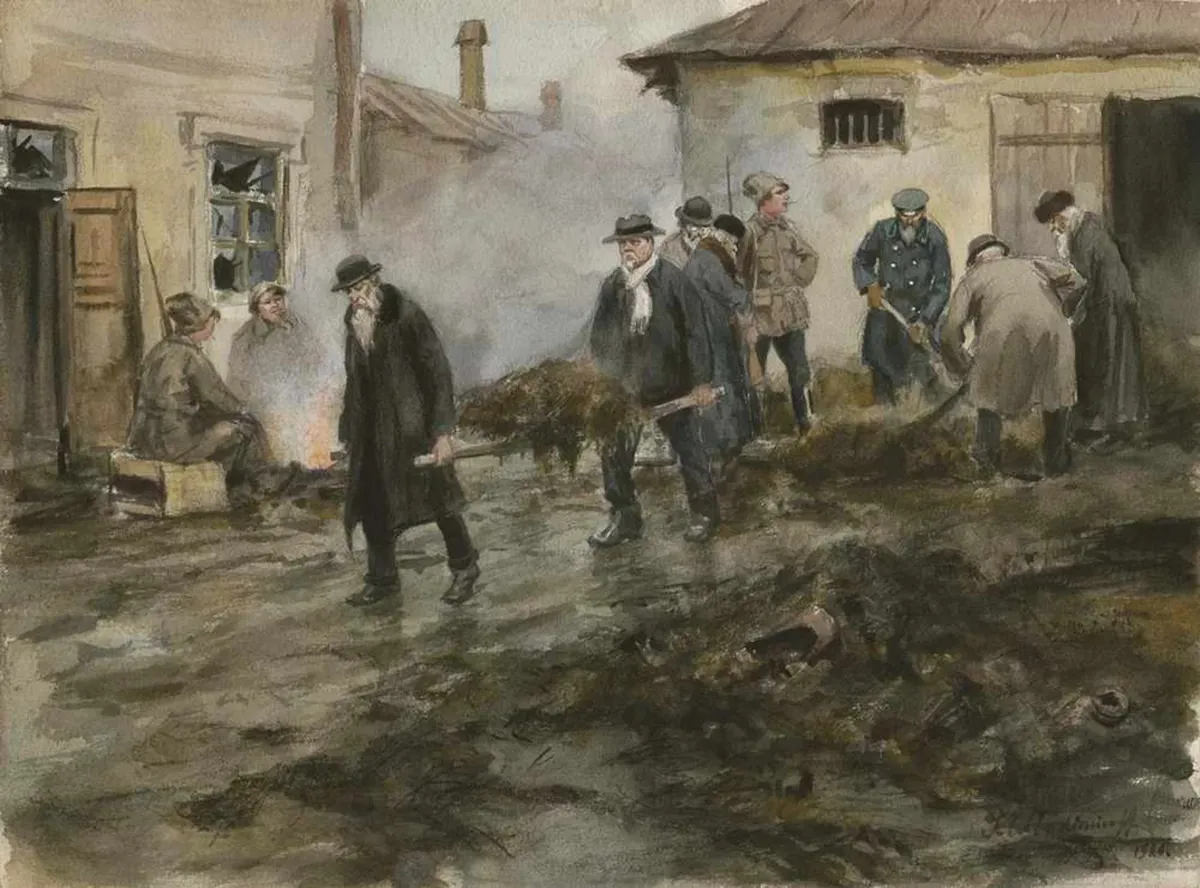
90 years ago, in March 1935, the famous operation of the NKVD “Former People” ended, during which 11,702 people were sent from Leningrad.
Prologue
A report note by the head of the USSR NKVD in the Leningrad Region F.D. A bear, transferred by a telegram from Leningrad, the People's Commissar of Internal Affairs of the USSR G.G. Berry to Moscow:
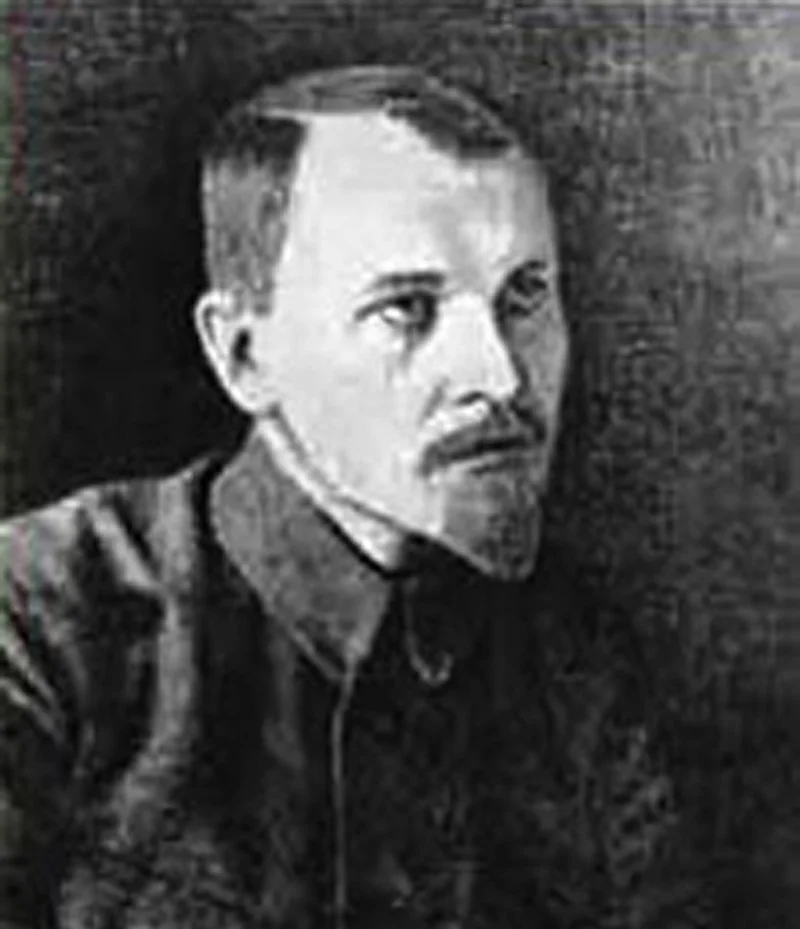
December 1, 1934
18 hour. 20 min.
On December 1, at 16 hours 30 minutes in the Smolny building, on the 3rd floor, 20 steps from the office of Comrade Kirov, a shot was fired in the head. Kirov who was walking towards him unknown, who was on the documents by Nikolaev Leonid Vasilievich, a member of the CPSU (b) since 1924, born. 1904
Comrade Kirov is in the office.
Under him are the professor-surgeons of Dobrothelsky, Feurti, Gianelidze and other doctors.
According to preliminary data, comrade Kirov walked on foot from the apartment (Krasny Krasny Street) to the Trinity Bridge. Near the Trinity bridge, he got on the car, accompanied by intelligence, arrived in Smolny. Intelligence accompanied him to the third floor. On the third floor Comrade Kirova, to the scene, was accompanied by the operational commissioner Borisov. Nikolaev after the wound of Comrade. Kirova made a second shot into himself, but missed. Nikolaev was identified by several Smolni employees (instructor-referenced by the department of managerial workers of the regional committee Vladimirov. And others), and others) as previously working in Smolny.
The wife of the killer of Nikolaev by the name of Draule Milda, a member of the CPSU (b) since 1919, worked in the regional committee of the CPSU (b).
The arrested Nikolaev was sent to the Office of the NKVD of the LVO.
The order of the arrest of Draul is given. Checking in Smolny is made.
BEAR
"... not the slightest taste of any personal points ..."
Look for a killer among the Zinovievites - such advice was given by Comrade Stalin, the People's Commissar of the Interior Henry Yagoda, when he reported to the general secretary about Kirov's death.
Why Zinoviev?
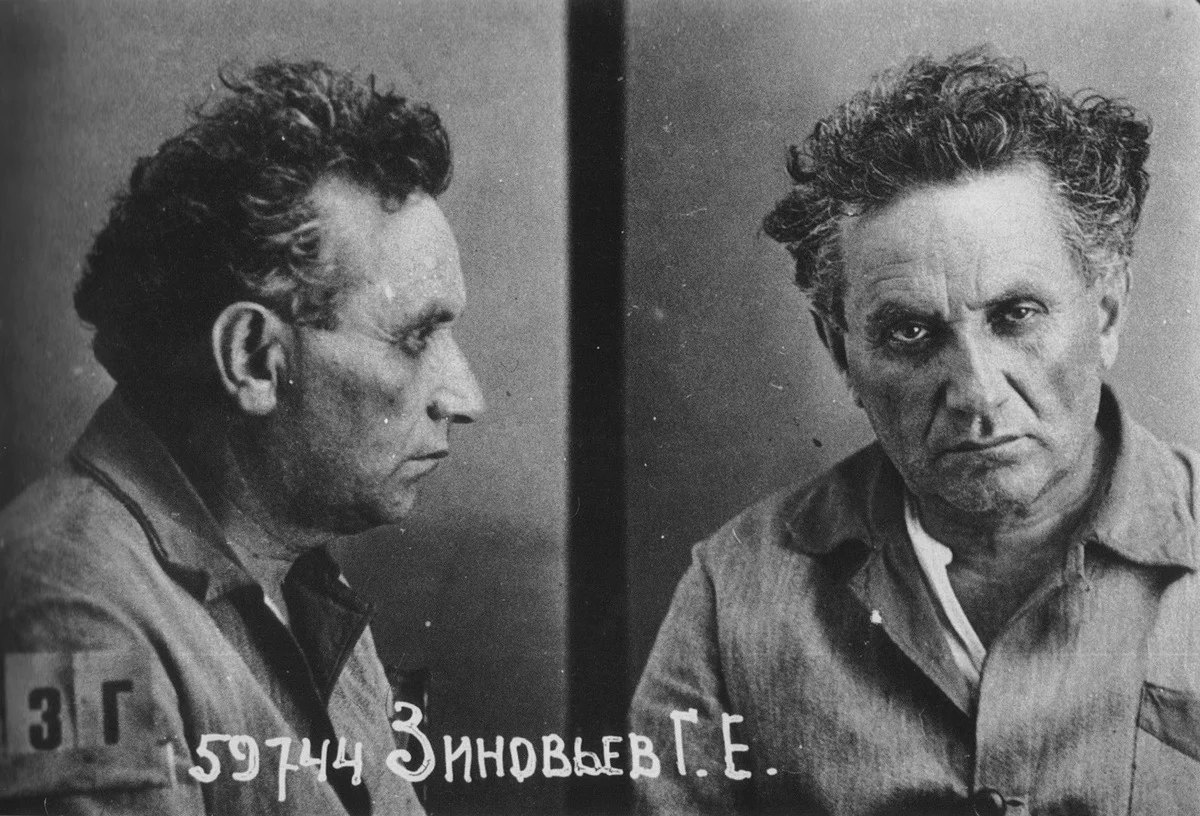
Grigory Zinoviev (Ovsey-Gershen Radomysolsky), a well-known ally of Lenin and Stalin, who played an important role in the October Revolution and in the Civil War, the head of the Leningrad party organization and the head of the Comintern, could add to all his titles the word “former”-he was almost 10 years from the peaks of power. In December 1925, at the XIV Congress of the CPSU (b), Zinoviev, supported by a member of the Politburo Lev Kamenev (Rosenfeld) and the Leningrad delegation, on behalf of the “New Opposition” opposed the group of Stalin (Molotov, Rykov, Bukharin, etc.) and the party majority - and lost. In 1926, Zinoviev was removed from the leadership of the Leningrad City Council and the Executive Committee of the Comintern, by the decision of the Plenum of the Central Committee, they withdrew from the Politburo (was elected in 1921). The association with Trotsky led to the fact that in 1927 Zinoviev was also withdrawn from the Central Committee (whose member he was since 1907), excluded from the party, on November 28 was expelled from the society of the old Bolsheviks and expelled.
The vast majority of Zinoviev’s allies immediately after the XIV Congress repented. The who continued to remain in the opposition was transferred to peripheral work, and since 1927 they had been lagging around the links.
However, in 1933, by decision of the Politburo Zinoviev, he was restored in the ranks of the CPSU (b) and sent to work in the Central Union. After the request of the request of Stalin Zinoviev was invited to the XVII party of the party in February 1934, at which he made a well -repented speech full of praise against Stalin and his associates, as well as self -flagellation for opposition activity in the past:
“Comrades, how many personal attacks were on the part of my and other former opposition to the party leadership and, in particular, to Comrade Stalin! And now we know everything that in the struggle, which was carried out by Comrade Stalin at an extremely fundamental height, at an extremely high theoretical level, that there was not the slightest taste of any personal points in this struggle. ”
But…
The killer of Kirov began to be sought among the "Zinovievites."
And found.
A note on a direct wire from Leningrad
Moscow, NKVD - Comrade. Berry
Special message No. 6
On the trial in the case of Nikolaev L., Kotolynov and others.
After the break, the court began to hear the last words of the accused.
We give a brief presentation of the last words of the accused.
- Nikolaev pointed out that during the 28 days that have passed since the crime he had committed, he did everything to hide the whole truth about the counter-revolutionary organization, fighting against the party and the Soviet regime, which authorized the terrorist act committed by him over Comrade. Kirov. He further said that all his counter -revolutionary activity was a consequence of the impact on him from the “leaders” of the Zinoviev opposition, including Kotolynov. They had a great influence on him, nourished him with all sorts of opposition materials and set him against the party leadership. He went to terror because the former Zinoviev opposition once again decided to try his hand in a new fight against the party: they decided to use all the difficulties experienced by the country as a result of growth in order to create material from these difficulties on the basis of which they could mobilize the forces within the party to fight to the party leadership of Zinoviev and Kamenev. Nikolaev once again confirmed that he had a direct directive from Kotolynov to go to a terrorist act over comrade. Kirov, since the organization sought the forcibly eliminated Stalin, Kirov and other party leaders. At the end of his word, he stated that he had told the court the whole truth and asked for mercy.
<...>
At 5 hours 45 minutes on December 29, the court announced a verdict in the case by which all the accused in the amount of 14 people <...> were sentenced to execution. Almost all the accused listened to the sentence suppressed, but calmly. Nikolaev exclaimed: “Cruelly,” and slightly hit on the barrier of the bench of the defendants. Mandelstam quietly said: “Long live the Soviet government, long live the Communist Party,” and went along with all the accused to the exit.
Deputy. People's Commissar of Internal Affairs of the USSR - Ya. Agranov
December 29, 1934
At 6 hours 45 minutes on December 29, the verdict was carried out.
On January 16, 1935, the participants of the former leaders of the “Leningrad opposition” Grigory Zinoviev, Lev Kamenev, Grigory Evdokimov, Ivan Bakayev and others were sentenced to imprisonment from 5 to 10 years.
Bolshevik vocabulary
On January 18, 1935, all party organizations received a “closed letter” of the Central Committee of the All -Union Communist Party of Bolsheviks, written by Comrade Stalin himself. It was dedicated to the "lessons of events associated with the villainous murder of Comrade Kirov."
“Now that the focus of the atrocity - the Zinoviev Anti -Soviet group - is defeated to the end, and the heroes of the atrocities have already suffered proper punishment, the Central Committee believes that it was time to summarize the events related to the murder of Comrade. Kirov, give them a political assessment and learn the lessons arising from the analysis of these events. The real letter of the Central Committee of the CPSU (b) has the goal of facilitating the party’s personnel to fulfill this particular final task, ”the general secretary explained.
Having set out the contents of the criminal case against Nikolaev and the Zinoviev opposition, the leader turned to direct instructions:
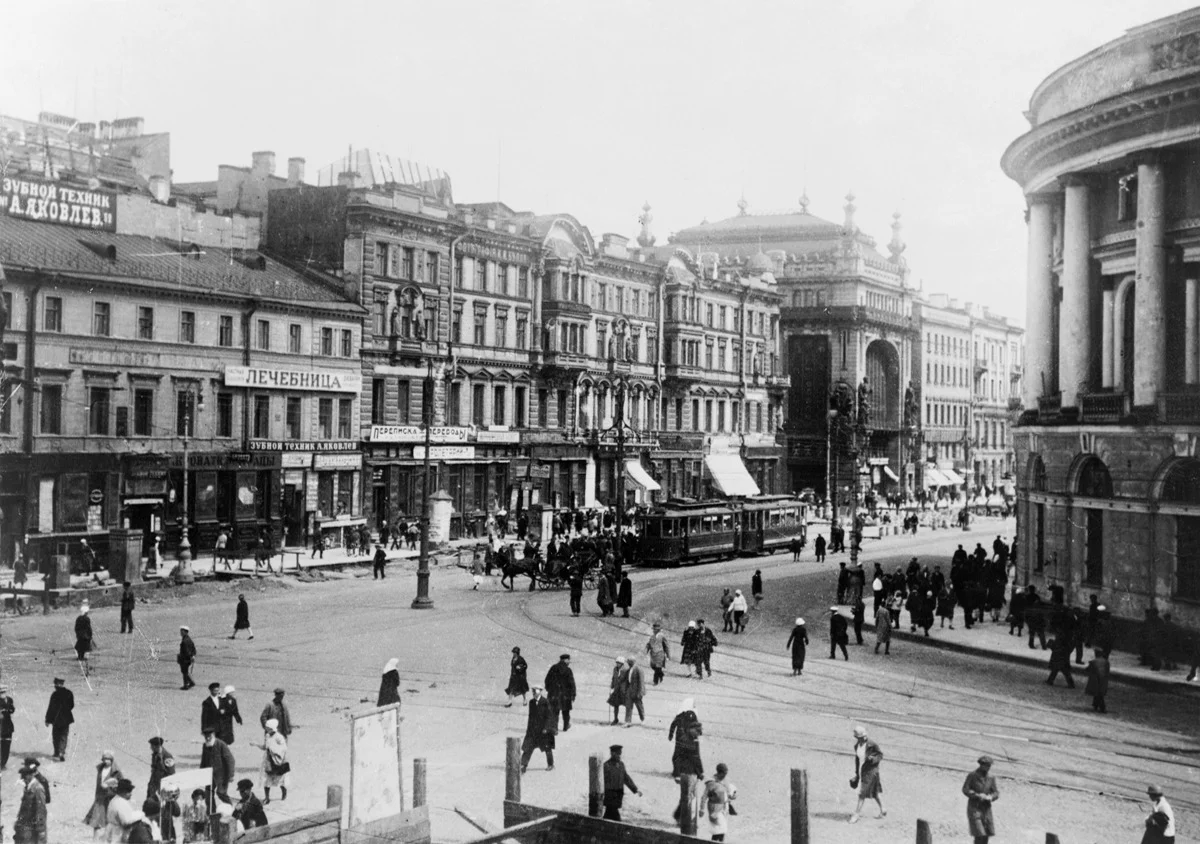
“We must end the opportunistic complacency proceeding from the erroneous assumption that, as our strength grows, the enemy becomes more and more manual and harmless. Such an assumption is fundamentally wrong. It is an echo of right -wing biases that assured everyone and everything that the enemies will slowly draw into socialism, that they will eventually become real socialists. It is not the case of the Bolsheviks to rest on the laurels and rotate. We need no complacency, but vigilance, a real Bolshevik revolutionary vigilance. It must be remembered that the more hopeless the position of the enemies, the more willing to grab the “extreme remedy” as the only means of doomed in their struggle against the Soviet government. We must remember this and be vigilant. Events related to the murder of Comrade Kirov, show that the misunderstanding of this truth played an angry joke with the employees of the People's Commissariat of People's Commissars in Leningrad. Let this serve us a lesson. This does not mean, of course, that it is necessary to groan the Leningrad workers of the People's Commissariat of Medical Sciences. But this undoubtedly means that they need to help them systematically both people and tips, wake up and focus their vigilance, raise and strengthen their combat readiness. For it must be borne in mind that Leningrad is the only city in its kind, where the most former tsarist officials and their coats, former gendarmes and police officers remained most of all, that these gentlemen, creeping in all directions, decompose and spoil our devices, and the proximity of borders, facilitating the opportunity to hide from persecution, creates a sense of impunity in criminal elements, which is precisely due to this. The Bolshevik vigilance is the guide star that should cover the road primarily and especially to Leningrad workers . ”
"I consider it necessary for cleaning ..."
According to official figures, the following unreliable categories of citizens were the operational accounting of the UNKVD in the Leningrad Region:
Members of families of executed “terrorists”, “spies”, “saboteurs” and participants in other “counter -revolutionary formations” - 941 people;
Representatives of the Russian aristocracy and hereditary nobility - 2360 people;
generals, officer ranks of the old Russian army and state officials - 1545 people;
Large landowners, merchants, homeowners and speculators - 5044 people;
the ranks of a separate building of the gendarmes and the police - 620 people;
Clearics from among the middle and higher clergy, which did not consist in the states of the church jurisdiction of the deputy patriarchal locomotives of Metropolitan Sergius (Stragorodsky) - 585 people.
Total - 11 095 people.
The head of the Leningrad Directorate of the NKVD Leonid Mikhailovich Zakovsky (Heinrich Stubis), who replaced the responsible post of Philip Medved, wrote in a memorandum addressed to the People’s Commissar of Berry:
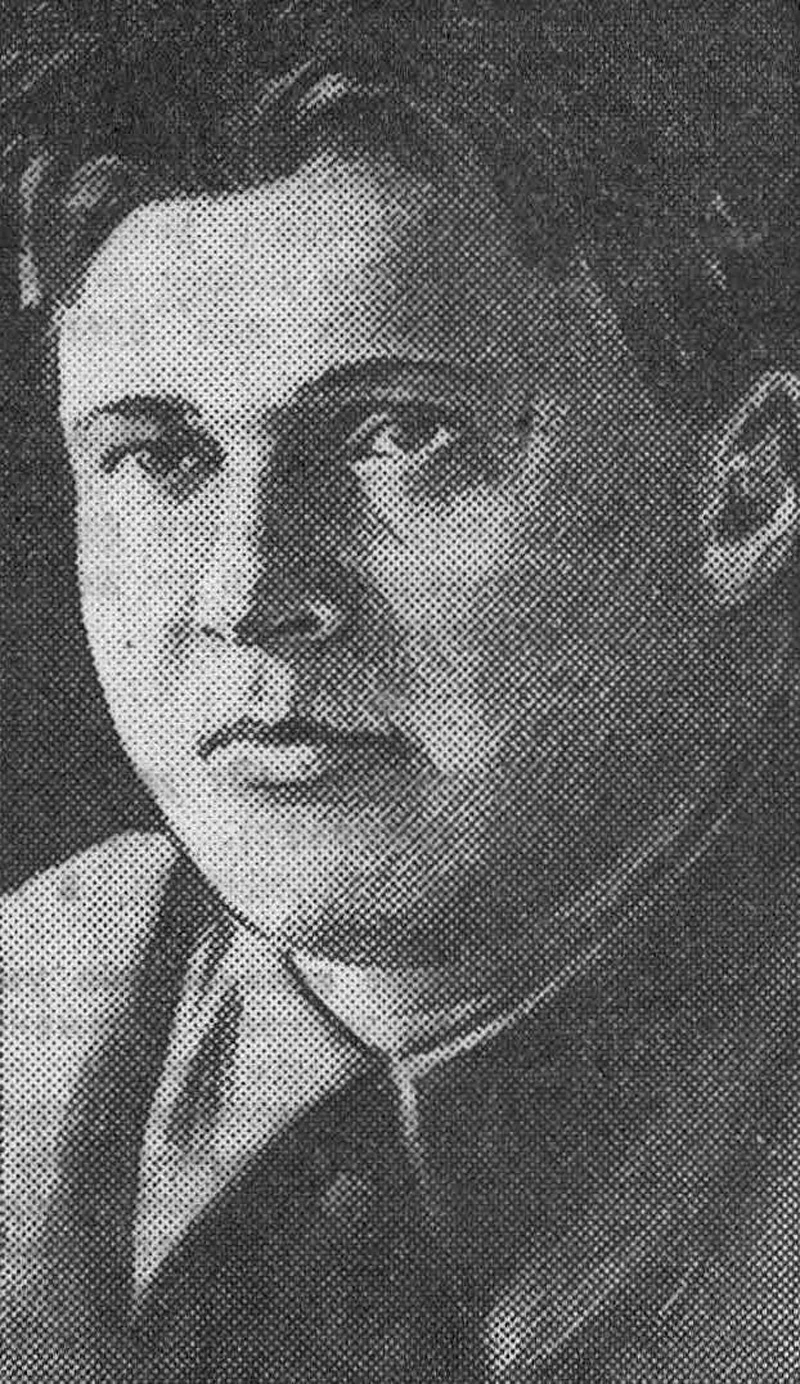
“The data of the operational accounting of the UGB of the UNKVD in the Leningrad Region (far from complete) establish a serious hauling of enterprises, universities, and especially the institutions of the mountains. Leningrad with the remnants of the defeated bourgeoisie, large officials of the form. The state apparatus (including a policeman), relatives of the executed terrorists, saboteurs, spies and even prominent representatives of the former royal aristocracy, the general and their offspring.
As a general characteristic, it should be noted that:
a) part of the former people who had previously survived from the defeat did not leave the limits of Leningrad and lives in their former apartments;
b) axes in various enterprises, institutions, universities, these people restored previously interrupted connections with each other and with many relatives and acquaintances who are abroad; organized the so -called “salons”, in which the events of the Soviet government are discussed and criticized and, in essence, the general direction of counter -revolutionary activity is developed;
c) this category of people, as a rule, is not busy and lives in Leningrad only because these people are local natives and have the right to a passport. Essentially their stay in Leningrad is harmful;
d) family members of executed spies, saboteurs and terrorists, as indirect participants, were not held accountable. In a number of cases that are now liquidated, their active K.-r. is obvious activity. This category is embittered and capable of all sorts of counter -revolutionary actions of people;
e) part of the persons from this category was previously repressed by our bodies for active counter -revolutionary activity; He served the punishment in the camp and camps, but, having family ties, returned to Leningrad and resumed her counter -revolutionary activity;
f) a significant part - maintains contact with abroad and foreign consulates and receives financial assistance.
Based on the foregoing, I consider it absolutely necessary in order to clean the mountains. Leningrad to relocate 5,000 families of former people of the above categories to the remote places of the Soviet Union in the following order:
To arrest all adult men and subjected quick operational-investigation processing.
Consider the lists with detailed characteristics at a special meeting of the People's Commissariat and the decision of the latter - part of the most malicious ones - to enter into concentration camps, to send the rest into exile. Property, both of those and others, is confiscated.
In administrative order, they offer families to leave Leningrad as soon as possible (10-20 days), prohibiting living in all the big cities of the Union and the border lane. ”
Beginning. Office of the NKVD for Leningrad. Zakovsky areas "
(A reporting note by L.M. Zakovsky G.G. Yagoda on “former people”. February 16, 1935 // April F. 3. Op. 58. D. 174. L. 42–49.)
In fairness, I must say that Comrade Berge was not delighted with such a zeal of his subordinate.
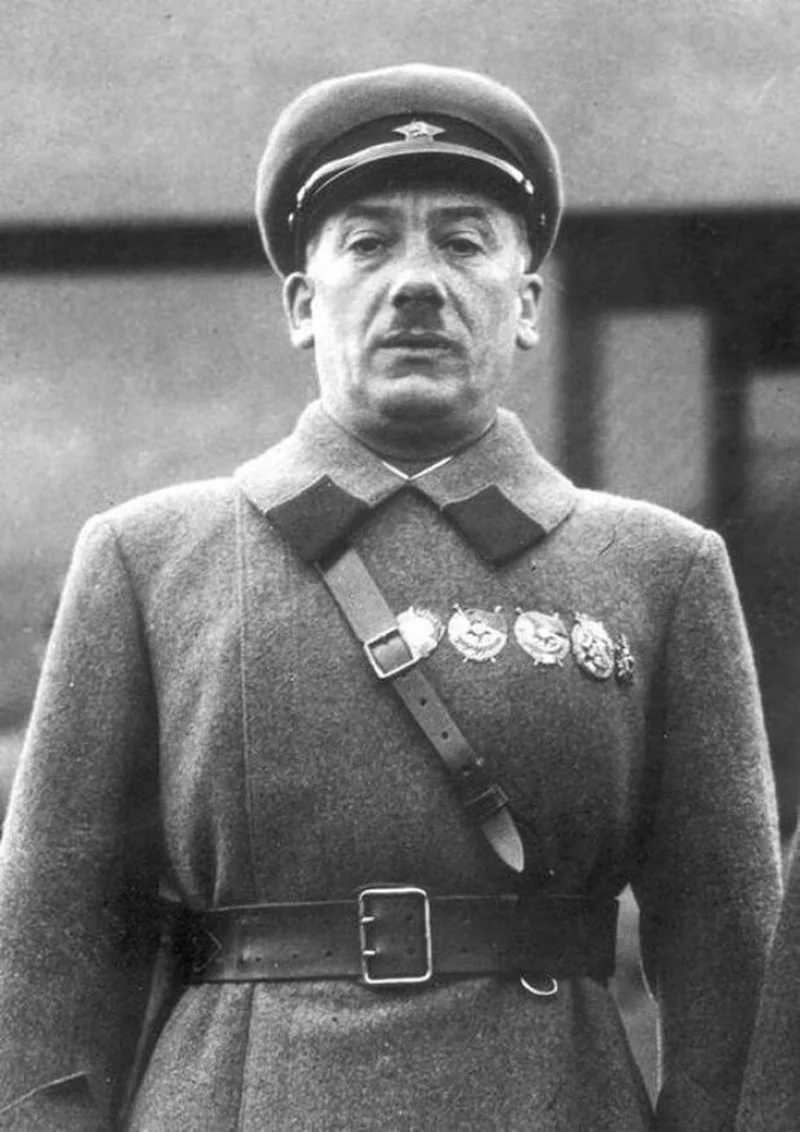
Note by G.G. Berries I.V. Stalin
About the operation to clean Leningrad
February 26, 1935
No. 50229
Comrade Zakovsky proposes to clean Leningrad with the campaign by the order of mass arrests and mass expulsions.
The specified method could without need to give food for a foreign slanderous campaign in the press against the Soviet Union, especially many of these persons are closely connected with the circles of scientific and technical intelligentsia both in the Soviet Union and abroad.
I would have considered appropriate:
All persons for whom there are materials about counter -revolutionary work to arrest, conduct an investigation and consider cases at a special meeting.
Sending all families from Leningrad, which included members of families on the decisions of the courts and college of the former OGPU, forbidden them with living in Moscow, border lane, Tiflis, Kyiv.
The People's Commissariat is cleaning educational institutions from socially alien elements.
All these events are carried out as soon as possible, but not at a time, but stretching them for two to three months.
People's Commissioner
Internal affairs of the Union of SSR Berry.
(APRF. F. 3. Op. 58. D. 174. L. 41.)
But Comrade Stalin, the People's Commissar of Internal Affairs, did not support in this case.
And Leonid Zakovsky began the operation "former people."
Of course, he acted not alone. The honorary security officer Nathan Shapiro, deputy Zakovsky, and for the direct “removal of the hostile” element, Nikolai Nikolaev (Zhurid), and another deputy head of the NKVD department, was responsible for organizing the entire case and compiling “lists for expulsion”.
In the preparation of a special operation, the Chekists raised all the archives, all the materials of operational accounting, the agent reports and development, pre -revolutionary targeted and telephone books. Employees of the UNKVD made up lists of “former people”, prepared for each of them a “lens” certificate and represented them to the regional committee of the CPSU (b) and the central apparatus of the NKVD of the USSR. After the consent of these two instances, the Chekists were seized with “socially dangerous elements”. A month was assigned to conduct a special operation, it was supposed to begin on the night of February 28.
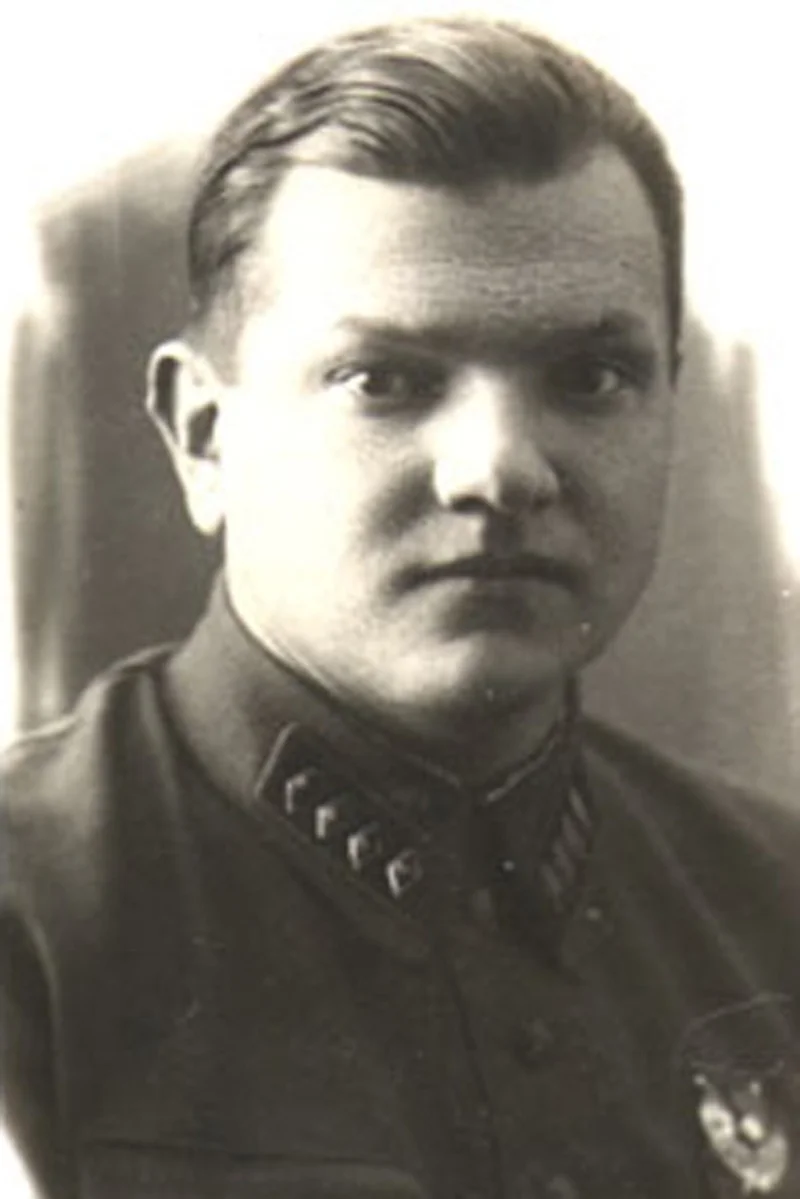
Messages by direct wire N.G. Nikolaev G.G. Berry on the progress of the "former people"
Leningrad
I report that on the night of the 27th to 28th February and from February 28 to March 1, S.G. Operations were carried out on former people of Leningrad. 330 people were arrested, of them: former princes-21, former barons-32, former graphs-9, former nobility (senators-3, pillar nobles, etc.)-48, former generals-13, former colonels-26, former police officers and gendarmerie-11, former bankers, large merchants-17. Earlier, were repressed for K.-R. Activities - 46. Most of the arrested nobles.
All those arrested were missed through verification and preliminary investigation.
<...>
Values have been seized.
As a result of the investigation, 42 people were transferred to operational departments for in -depth study. The primary data of the investigations gave a number of promising autopsy applications K.-r. Spy affairs.
Deputy. beginning. UNKVD LO Nikolaev
"Something terribly unfair and incredibly cruel"
From the correspondence of Ivan Pavlov and Vyacheslav Molotov:
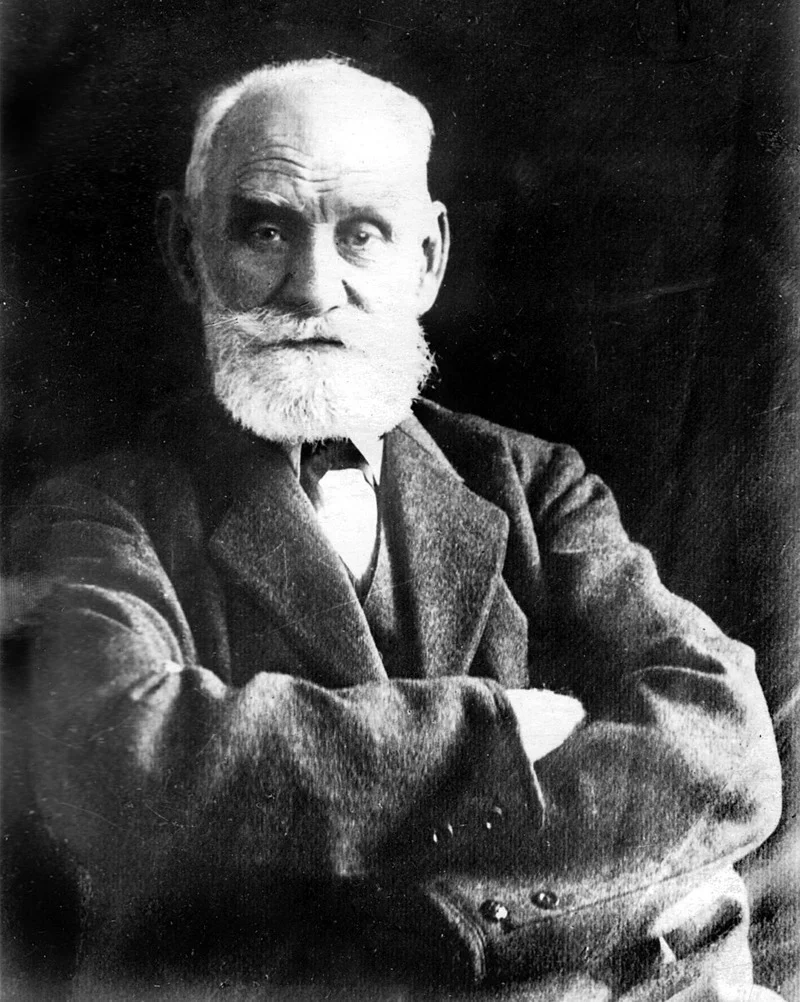
“Leningrad
12.III.1935
Dear Vyacheslav Mikhailovich,
Sorry for the annoyance, but I have no strength to be silent. Now, something terribly unfair and incredibly cruel is happening near me. I vouch for my head, which is worth something, that the mass of honest people, who are useful, how many forces allow, often minimal, quite reconciled with their all kinds of deprivations without the slightest foundation (yes, yes, I affirm this) are punished mercilessly, without looking at anything like the obvious and dangerous enemies of the government, the present state system and the Motherland. How to understand this? Why is it? In such an environment, hands are dropped, you can hardly work, you fall into an irresistible shame: "And at the same time I welfare."
Provided to you
Ivan Pavlov "
(APRF. F. 56. Op. 1. D. 1455. L. 13)
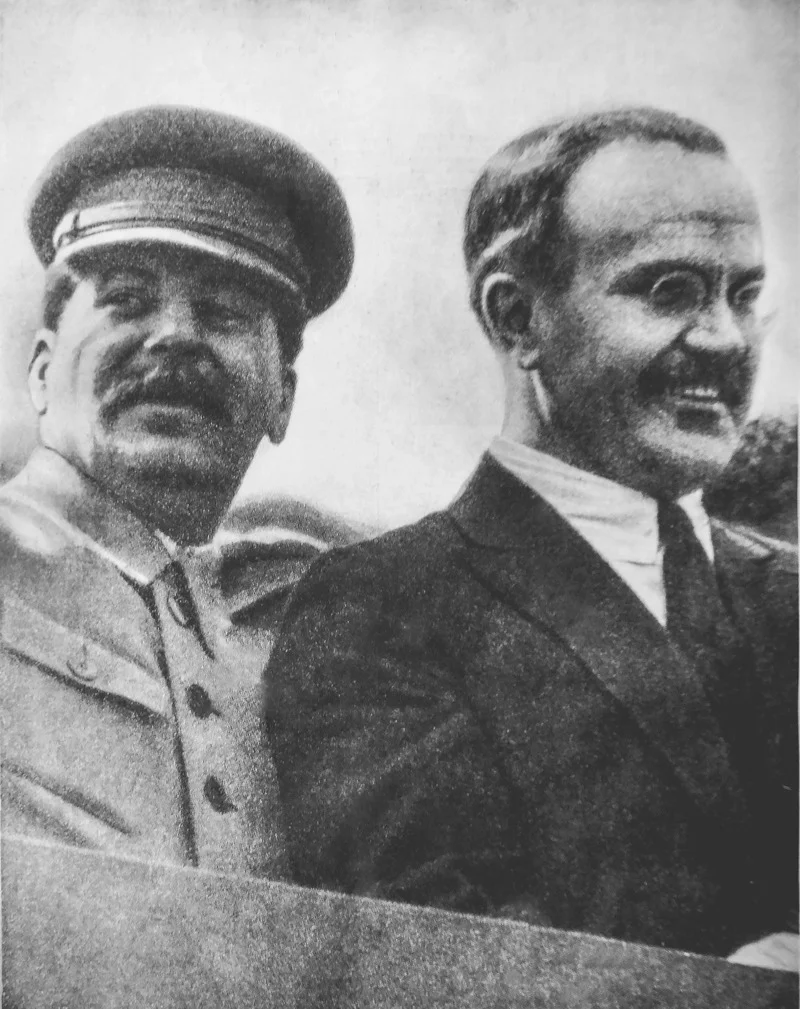
"Dear Ivan Petrovich,
Regarding your letter of March 12, you should tell you the following. В Ленинграде действительно предприняты специальные меры против злостных антисоветских элементов, что связано с особым приграничным положением этого города и что правительству приходится особо учитывать в теперешней сложной международной обстановке. Разумеется, возможны при этом отдельные ошибки, которые должны быть выправлены, но заверяю Вас в том, что имеются достаточные данные о незаконных и прямо предательских по отношению к родине связях с заграницей определенных лиц, по отношению к которым (и их пособникам) применены репрессии. При первом случае, когда мне представится возможность лично с Вами поговорить, сообщу Вам некоторые соответствующие подробности. Уважающий Вас
В. Молотов
15.III.35 г. »
« 17.III.1935.
Многоуважаемый Вячеслав Михайлович,
Большое Вам спасибо за Ваше разъясняющее положение дела письмо. Позвольте тогда просить Вас исправить одну несомненную ошибку. Был арестован и теперь получил приказ оставить Ленинград Сергей Александрович Миклашевский, бывший после революции член Коллегии Правозаступников, а теперь юрисконсульт в советских учреждениях, вместе с его женой Верой Михайловной, домашней хозяйкой, и его сыном Николаем Сергеевичем, служащим в Гортопе бухгалтером (жительство их: Ленинград, Загородной проспект, д. 45, кв. 7). Это — семья жены моего сына, которую я знаю давно и так же точно как свою и могу ручаться за нее, как за свою, что в них предателей родины нет и никогда не будет.
И все-таки вся эта теперешняя операция такова, что моему уже достаточно усталому сердцу — не в моготу.
Преданный Вам
Иван Павлов ».
Нарком внутренних дел СССР Г. Ягода :
«Сообщаю, что высылка МИКЛАШЕВСКИХ из Ленинграда мною отменена.
20 марта 1935 г. »
(АПРФ. Ф.56. Оп. 1. Д. 1455. Л. 15. Автограф)
« Ленинград,
25.III.1935 г.
Многоуважаемый Вячеслав Михайлович,
Очень признателен Вам за отмену высылки Миклашевских. Но простите, что должен еще раз просить Вас на том же основании, так как и в этом случае — явная ошибка. Это — инженеры путей сообщения Всеволод и Владимир Никольские, сейчас преподаватели Института инженеров водного транспорта и их мать Ольга Яковлевна (жительство: Ленинград, 7-ая Красноармейская, № 16, кв. 3). Оба брата — в высшей степени дельные и на редкость добросовестно относящиеся к своему делу. В отношении их было бы величайшей несправедливостью одно подозрение, чтобы они когда-нибудь и как-нибудь могли изменить родине. Я знаю их очень давно и близко. Их мать, почти 80 лет, моя землячка, очень больна сердцем и еле передвигается по комнате и высылка серьезно угрожала бы ее жизни. А братья так привязаны к ней. Высылка ведь все-же — наказание. За что-же? Я горячо прошу за них.
Вместе с тем позвольте просить Вас заранее, чтобы теперешняя мера не коснулась моей научной семьи, моих научных сотрудников, я ручаюсь за них.
Все это время я живу мучительно, временами не могу заниматься. Но зачем, например, такая поспешность в высылке — три, пять дней? Ведь это во многих случаях разорение, опасность нищеты и голодовки и часто с детьми и со стариками?
Преданный Вам
Иван Павлов »
Нарком внутренних дел СССР Г. Ягода :
«Сообщаю, что высылка братьев НИКОЛЬСКИХ отменена и они оставлены в Ленинграде.
15 апреля 1935 г. »
(АПРФ. Ф. 56. Оп. 1. Д. 1455. Л. 19)
Но заступиться за всех не мог и академик Павлов.
Режиссер Любовь Шапорина записывала в своем дневнике: «В несчастном Ленинграде стон, и были бы еще целы колокола, слышен был бы похоронный звон. Эти высылки для большинства смерть. Высылаются дети, 75-летние старики и старухи. Ссылают в Тургай, Вилюйск, Атбасар, Кокчетав, куда-то, где надо 150 верст ехать на верблюдах, где ездят на собаках» .
«Почти на всех предприятиях подымался вопрос об использовании жилплощади выселяемых»
Тем временем Ленинградский областной комитет ВКП(б), возглавляемый Андреем Ждановым, 22 марта направил в ЦК ВКП(б) развернутое информационное сообщение, в котором были собраны отклики трудящихся на происходящее:
«Сообщение НКВД о высылке из Ленинграда группы бывших аристократов, высших офицеров, бывших помещиков, полицейских и др. встречено основной массой рабочих Ленинграда с полным удовлетворением. На собраниях, беседах и читках газет, а также в разговоре между собой в цехах рабочие в подавляющей большинстве полностью одобряют это постановление, рассматривая его как необходимый акт пролетарской диктатуры по отношению к злейшим классовым врагам».
Завод «Электросила», товарищ Сафронов, член партии, токарь: «Бывшие бароны, бывшие князья, царские сановники, фабриканты. Есть чем вспомнить старому ленинградскому пролетариату эту нечисть самодержавного прошлого. Юродивыми прикидывались, по углам прятались и шептались. Думали, не заметим мы их. No".
По поводу вопросов, связанных с выселением из Ленинграда чуждых элементов. Почти на всех предприятиях подымался вопрос об использовании жилплощади выселяемых. Задавались вопросы, кому пойдет эта площадь, как ее можно получить, почему ее до сих пор не распределяют. Вносились предложения о том, чтобы жилплощадь, очищающаяся при выселении, передать лучшим ударникам.
Завод номер 4 имени Калинина. Группа женщин-станочниц в разговоре с членом партии Берлиным спрашивает: «А кто же будет вселен в освобождающуюся жилплощадь, так как ее освободится довольно много?»
Завод номер 4. Дегтерев, член партии, говорит, что постановление вынесено правильно. «У нас на квартире тоже одного выселили. Но только мне неясно, почему эта освобождающаяся жилплощадь сейчас никому не дается» .
Фабрика «Красный ткач» Шпакова. «Нельзя ли нам получить освободившуюся площадь?»
Завод «Большевик». Барков. Беспартийный молотобоец. « Как получить комнату после высланных?»
Литейный цех завод «Красный выборжец». Рабочий Конопатов, беспартийный. «У нас в ЖАКТе таких взяли 39 человек. А жилищная площадь идет не для рабочих» .
Завод «Вулкан», Бутузов и Давыдов. «Вот так хорошо, давно бы пора. А квартиры-то надо передать трудящимся, а им отведут, где надо».
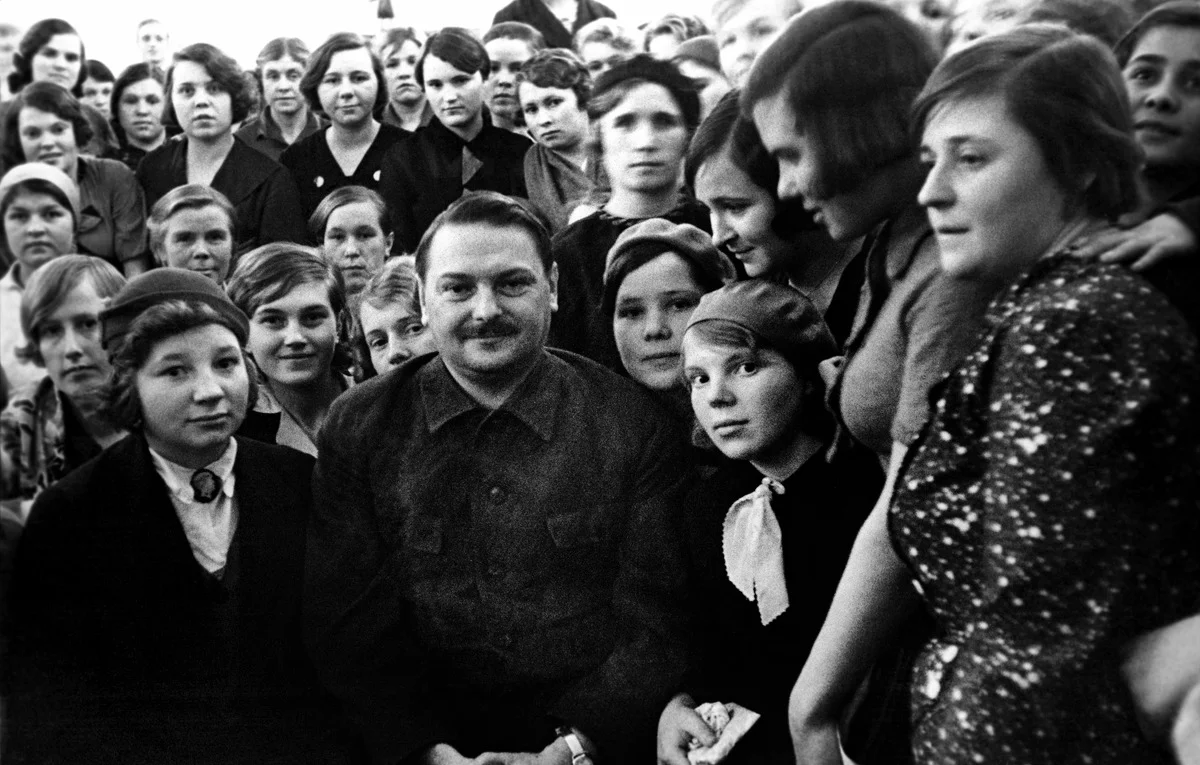
Однако так считали не все, и это нашло отражение в сообщении обкома:
«Беспартийный Капустин, завод номер 4, слесарь 6-го разряда, в разговоре с парторгом заявил: «Зря высылают, они образованные, и им где-нибудь жить надо. Пусть работают» .
Беспартийный рабочий школы ФЗУ завода имени Кирова Матвеев: «Я не понимаю, почему их выселяют. Это ведь ученая публика, специалисты. А у нас ведь их так мало. И почему всех сразу?»
В отдельных единичных случаях эти настроения, «сожаления» по отношению к классовому врагу проявлялись и со стороны «хвостистски» настроенных членов и кандидатов в члены партии, а также комсомольцев, подчеркивал Жданов.
Завод «Красный инструментальщик». Работница цеха микрометра в Сивалкино, член ВЛКСМ, говорит: «Вот только непонятно, почему стариков-инвалидов тоже выселяют» .
Трампарк имени Скороходова, Ершов, начальник производства. «Князья и царские сановники ничего опасного для нас не представляют. Они старики и для нас не опасны. Вот белых офицеров надо выселить, они представляют из себя силу».
Дальше в сообщении подробно перечисляются меры, принятые в отношении всех, кто сочувствовал высылаемым, — от «разъяснительной работы» до выговоров, увольнений, исключения из комсомола и передачи соответствующей информации в органы НКВД.
«В сложной и богатой крутыми переменами политической обстановке нашего времени…»
31 марта 1935 года начальник УНКВД ЛО Леонид Заковский отчитался перед народным комиссаром Ягодой об итогах «операции по выселению бывших людей».
Народному комиссару внутренних дел СССР тов. Berry
G. Moscow
Спецсообщение
Из г. Ленинграда
31 марта 1935 года
№ 139628
Общий итог операции
За 28 дней операции изъято бывших людей из г. Ленинграда и осуждено Особым Совещание НКВД — 11 702 человека, их них глав семей — 4833, членов семей — 6239 человек.
Социальное прошлое изъятых бывших людей (только глав семей) характеризуется следующими данными:
- быв. знать и дворянство 1434 чел.
из них:
быв. князей 67 чел.
быв. графов 44 чел.
быв. баронов 106 чел.
быв. фабриканты 208 чел.
быв. крупные помещики 370 чел.
быв. крупные торговцы 276 чел.
быв. крупные домовладельцы 246 чел.
быв. чиновники министерств 393 чел.
быв. царское и белое офицерство 1177 чел.
быв. жандармы и охранники 511 чел.
служители культа 218 чел.
По занимаемому положению в настоящее время изъятые кадры бывших людей распределяются:
без определенных занятий 1060 чел.
пенсионеры 186 чел.
служащие 2844 чел.
служители культа 89 чел.
научные сотрудники 75 чел.
кустари 45 чел.
врачи 32 чел.
техники 326 чел.
инженеры 77 чел.
В числе изъятых:
ранее репрессированных органами НКВД от 1 до 5 раз 994 чел.
бывших белых офицеров 936 чел.
работавших у белых в контрразведке и принимавших участие в карательных отрядах 119 чел.
Выявленная следствием контрреволюционная деятельность изъятых кадров бывших людей распределяется:
Террористическая деятельность в связи с контрреволюционными элементами в СССР и за кордоном, участие в контрреволюционных группировках и контрреволюционных сборищах — 114 случ.
Шпионская деятельность и связи — 348 случ.
Распространение контрреволюционной литературы (старой), монархической, погромно-антисоветской и своего авторства (на обысках изъяты печатные и рукописные экземпляры контрреволюционной литературы) — 318 случ.
Связь с белогвардейской эмиграцией — легальная и нелегальная — 1846 случ.
Получение материальных средств от инофирм, белогвардейцев, знакомых, бывших сослуживцев и родственников — легальным и нелегальным путем — 711 случ. (на обысках изъято — торгсин. бон — 3841 р. 27 к., амер. долларов — 769, герм. марок — 285, франков — 175, фунтов стер. — 52, крон — 1000).
Систематическая антисоветская связь с бывшими белогвардейцами, офицерами, дворянами, бывшими сослуживцами — 2113 случ.
За время операции поступило около 6000 ходатайств об оставлении в Ленинграде, как от самих выселяемых, так и отдельных учреждений и работников.
При разборе этих ходатайств оставлено в Ленинграде 127 семейств, изменены пункты высылки — 78.
Начальник управления НКВД по Ленинградской области Заковский
А спустя восемь месяцев академик Павлов получил письмо от Председателя Совета народных комиссаров Вячеслава Молотова.
«Глубокоуважаемый Иван Петрович!
В связи с Вашим письмом <…> должен сказать следующее.
Вы пишете о нескольких лицах, высланных из Ленинграда и выражаете уверенность в том, что в указываемых Вами случаях, как и в ряде других, высылка незаслужена. Могу Вас заверить, что советские власти охотно исправят действительно допущенные на месте ошибки, и в отношении указываемых Вами лиц будет произведена надлежащая проверка.
Но, с другой стороны, должен Вам прямо сказать, что в ряде случаев дело оказывается вовсе не таким простым и безобидным, как это иногда кажется на основе обычного житейского опыта, старых встреч, прежних знакомств и т.п. Мне во всяком случае не раз приходилось в этом убеждаться, особенно в сложной и богатой крутыми переменами политической обстановке нашего времени, — после более серьезной проверки отдельных случаев.
Прошу извинить за задержку моего ответа на Ваше письмо.
С искренним уважением к Вам
В. Молотов ».
Epilogue
Операция «Бывшие люди» по своим масштабам уступала множеству таких будущих «операций». Но она навеки врезалась в память ленинградцев, стала частью мифологии города из-за своей стремительности, жестокости, и да — именно на этой «операции» была отработана «технология» безжалостной политической расправы.
Но, как справедливо заметил товарищ Молотов, сложная политическая обстановка богата на крутые перемены. А как говорил другой сталинский соратник, Лазарь Каганович, у каждого дела есть фамилия, имя и отчество.
Поэтому наш рассказ не будет полным без упоминания о судьбе трех главных деятелей операции «Бывшие люди».
Леонид Заковский. В марте 1938 года был снят с должности начальника Московского управления НКВД и назначен начальником треста Камлесосплав НКВД. В апреле 1938 года снят с должности, уволен из НКВД, исключен из ВКП(б) и арестован 19 апреля 1938 года по обвинению в «создании латышской контрреволюционной организации в НКВД, а также шпионаже в пользу Германии, Польши, Англии». «Делом Заковского» занималась специальная группа Контрразведывательного отдела ГУГБ НКВД СССР из особо доверенных сотрудников начальника отдела Н.Г. Николаева (Журида) — да-да, того самого заместителя Заковского в Ленинграде и исполнителя операции «Бывшие люди».
На заседании Военной коллегии Верховного суда СССР в последнем слове Заковский, в частности, сказал: «Прошу учесть, что мной на следствии было оклеветано очень много честных людей… В отношении себя мне говорить нечего, так как свою судьбу я хорошо знаю». Расстрелян 29 августа 1938 года. Не реабилитирован.
10 января 1939 года Заковский был упомянут в письме ЦК ВКП(б) региональному партийному руководству, наркомам внутренних дел, начальникам УНКВД по поводу применения мер физического воздействия. «Опыт показал, что такая установка [на меры физического воздействия] дала свои результаты, намного ускорив дело разоблачения врагов народа. Правда, впоследствии на практике метод физического воздействия был загажен мерзавцами Заковским, Литвиным, Успенским и другими, ибо они превратили его из исключения в правило и стали применять его к случайно арестованным честным людям, за что они понесли должную кару».
Натан Шапиро. После операции «Бывшие люди», в организации которой он сыграл ключевую роль, опыт Натана Шапиро оказался востребован в других «национальных операциях» НКВД. Натан Шапиро выселял поляков, эстонцев, финнов, «работников КВЖД». Став одним из руководителей контрразведки, он был арестован 14 апреля 1938 года, сознался в шпионской и террористической деятельности, расстрелян 29 августа 1938 года по «списку номер три», завизированному Сталиным и Молотовым. Не реабилитирован.
Николай Николаев (Журид). На пике карьеры возглавил контрразведывательный отдел Главного Управления Госбезопасности. Был арестован 25 октября 1938 года. На предварительном следствии признал себя виновным в шпионаже в пользу Германии, Польши, а также Франции. Расстрелян 6 февраля 1940 года вместе с бывшим наркомом НКВД Николаем Ежовым. Судебной коллегией по делам военнослужащих Верховного суда РФ признан не подлежащим реабилитации.