
Translated material
The electrical plant in Moscow is rebuilt: now there will be another modern cluster on its territory
We recall the history of the place: from the creation of a tungsten thread to the concerts of the Kino group
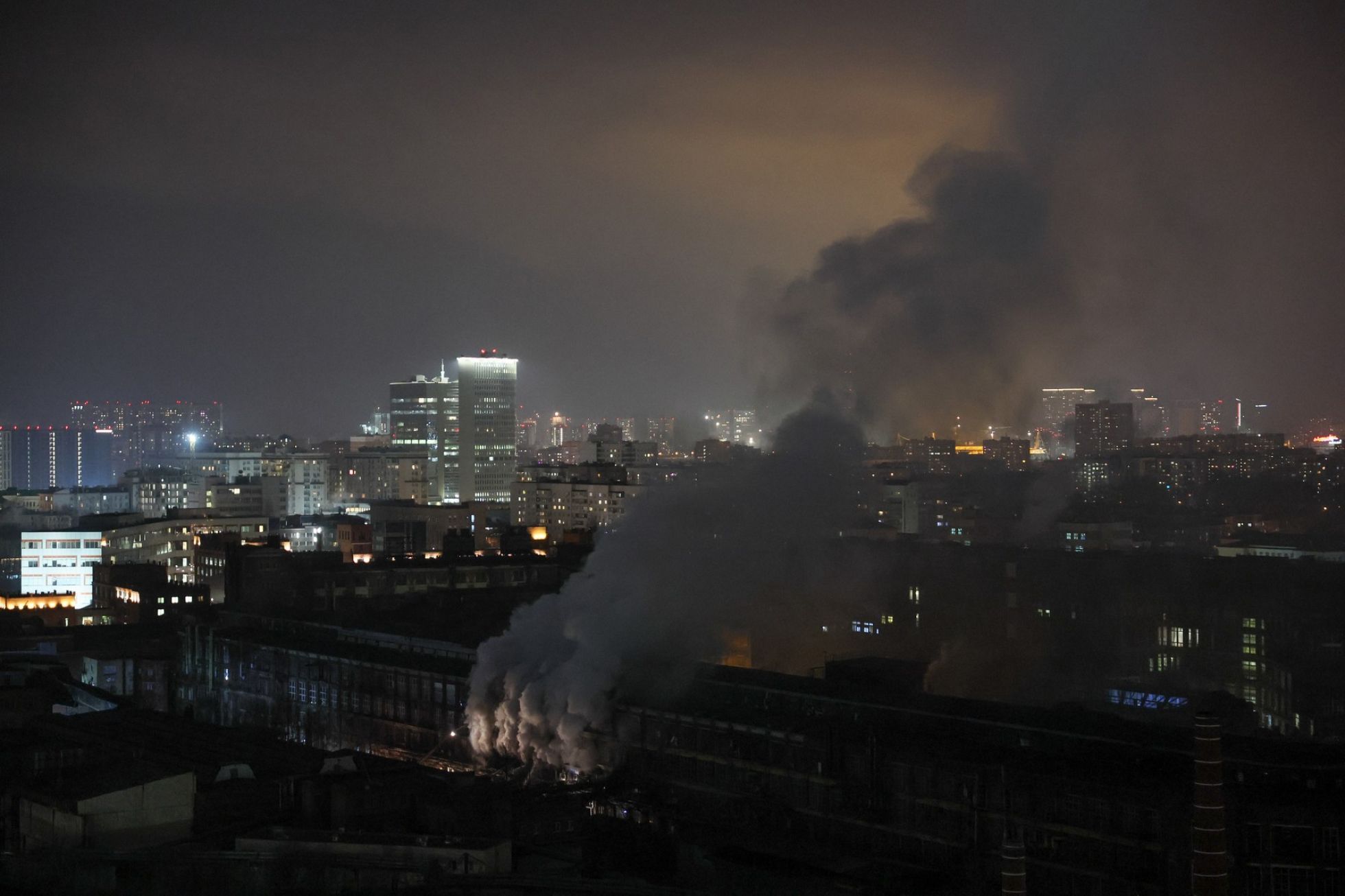
In Moscow, they plan to reconstruct an electric power plant - a unique example of industrial architecture at the beginning of the 20th century. After a strong fire on February 8, 2025, almost all tenants moved from the building. A possible project for the reconstruction was presented in early April, its authors - the Etalonoproject Bureau, Nowadays Office and Syntaxis. Medusa tells the story of this place and explains what they plan to build in its place.
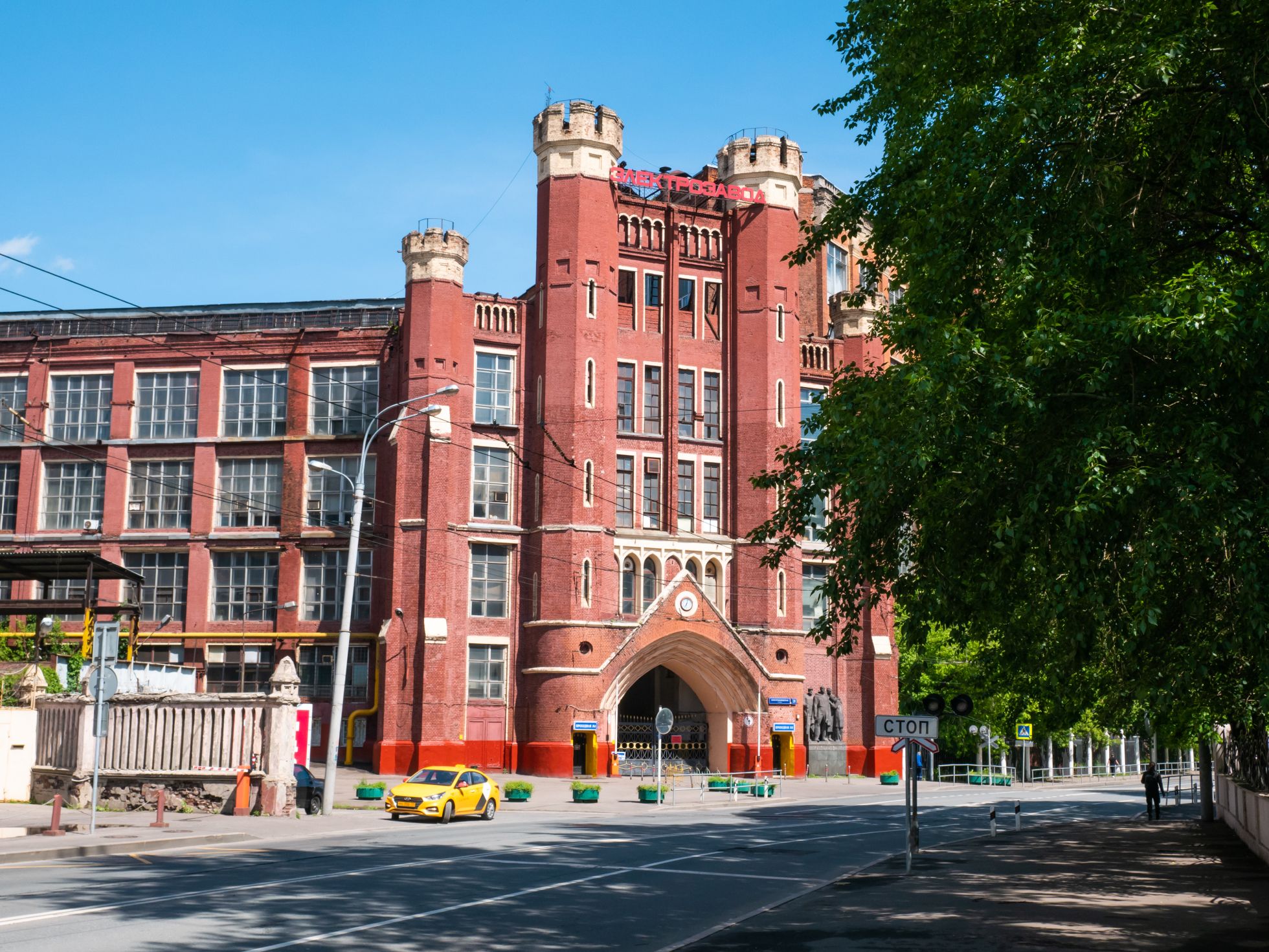
The electric power plant is one of the largest industrial monuments of Moscow. In honor of it, a neighboring street is named, two metro stations and a bridge across the Yauza River. The complex of buildings began to be built in 1915 for the Russian-French partnership "Explorer". This company produced tires of the first cars and gas gas parts.
The architecture was thought out by Georgy Evlanov, a student of the famous architect Roman Klein, the author of the Moscow Tsum . Like a mentor, Evlanov was a master of eclecticism and used quotes from historical styles in his works. The architect attached the character of a medieval castle or a town hall of red bricks to the building of the future electric factory.
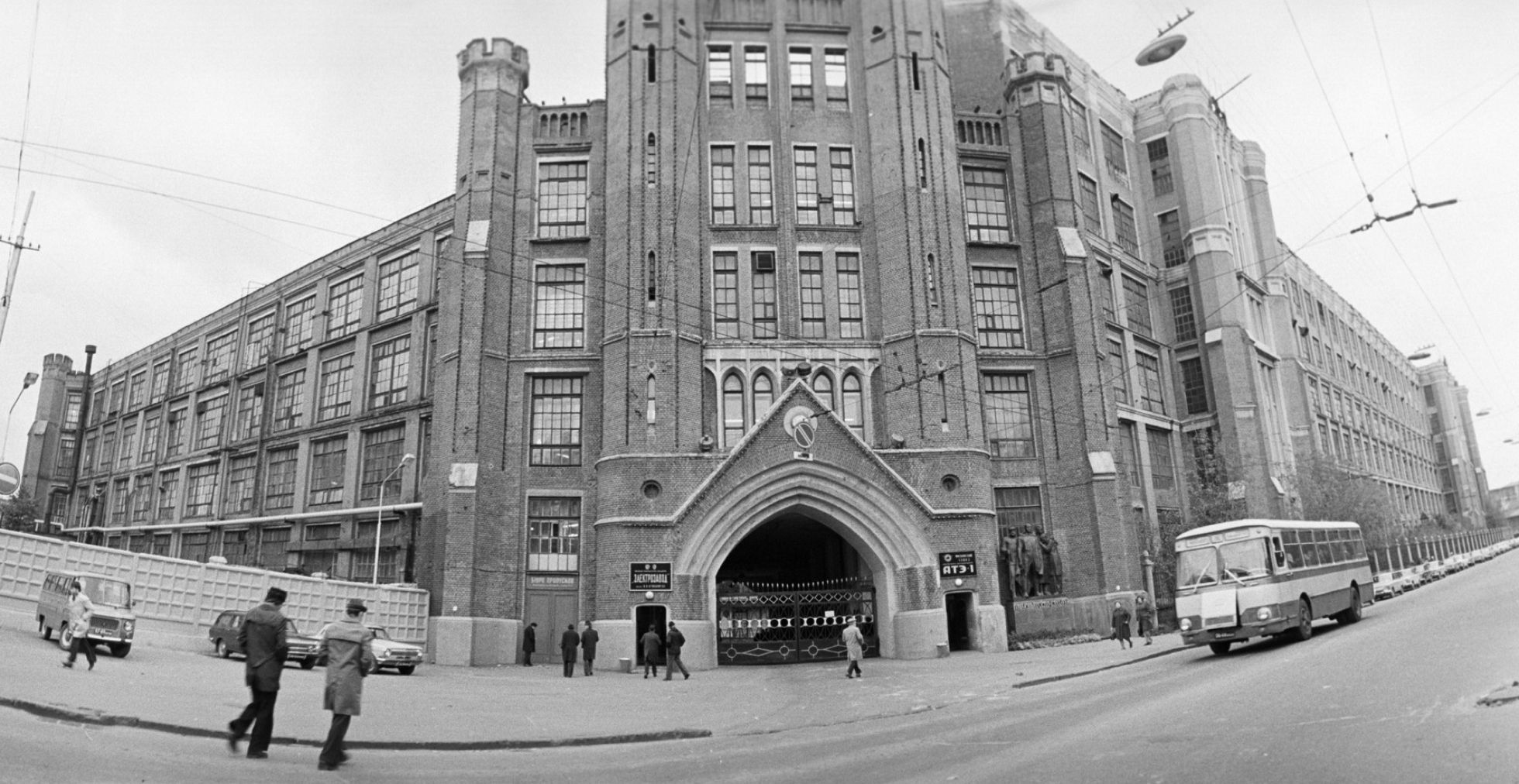
The drawings shows that the plant had to look even more luxurious-with round roses, pinakli and other elements of Gothic architecture. But because of the revolution and war, the construction was frozen, having completed only one corps in the courtyard. They finished it already in the 1920s under the leadership of the architect G.S. Shikhanov, who abandoned most complex Gothic jewelry. Only individual details resemble the original plan: the lancet arch of the main entrance, towers with teeth, fence and railing .

In this form, the plant became part of the Goalro plan . For the electrification of Soviet Russia, it was necessary to establish the production of electrical equipment - and at the new Moscow factory they combined all the production that specialized in this.
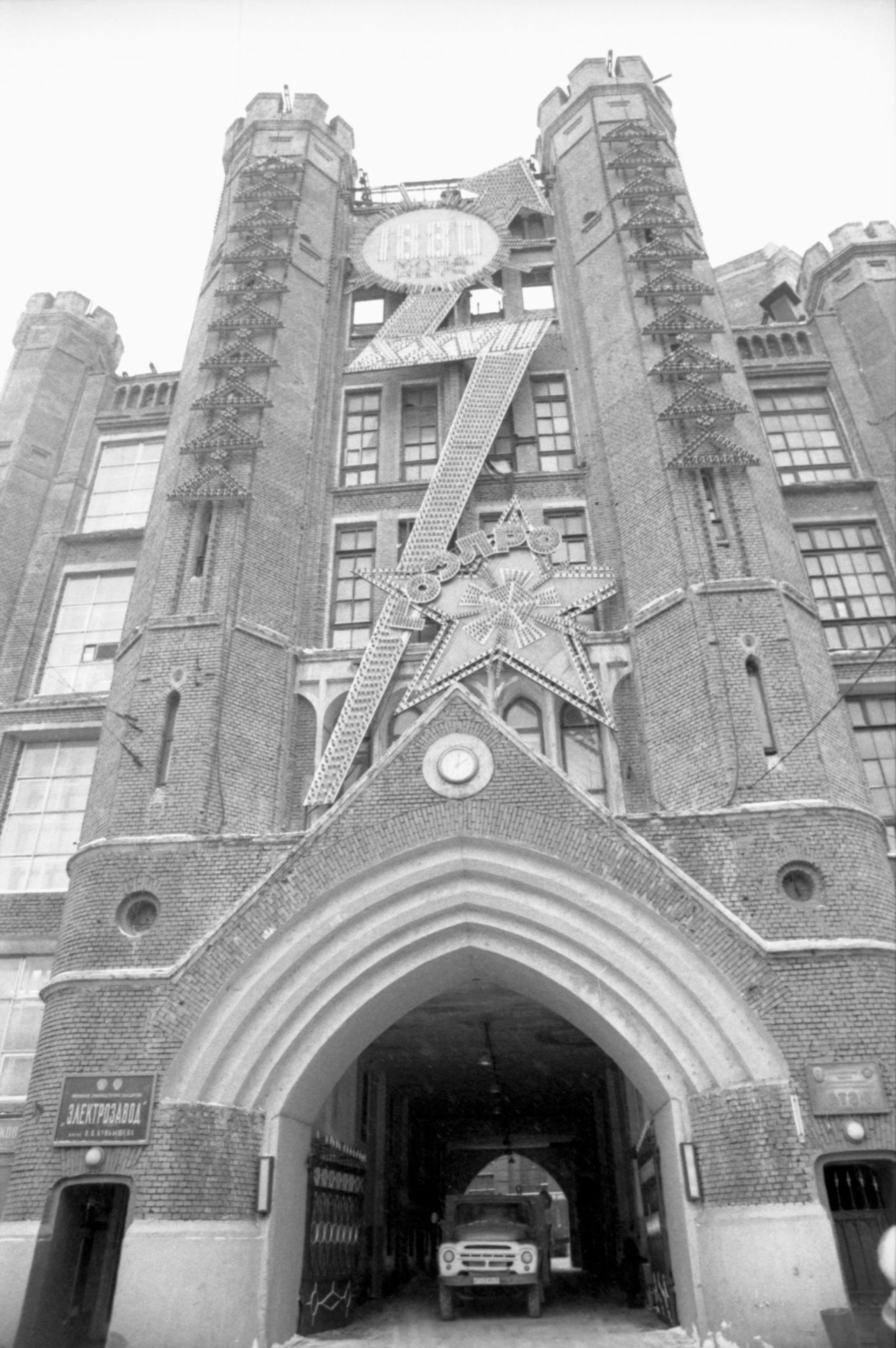
The enterprise "Electrozavod" earned in November 1928. A separate freight railway branch with a length of four kilometers was built for him - one of the first electrified in the USSR - and a small depot was built with it. By the holidays, the facade was decorated with slogans, illumination and installations - for example, on August 1, 1929 they installed a gun ) in honor of the International Day against the imperialist war.
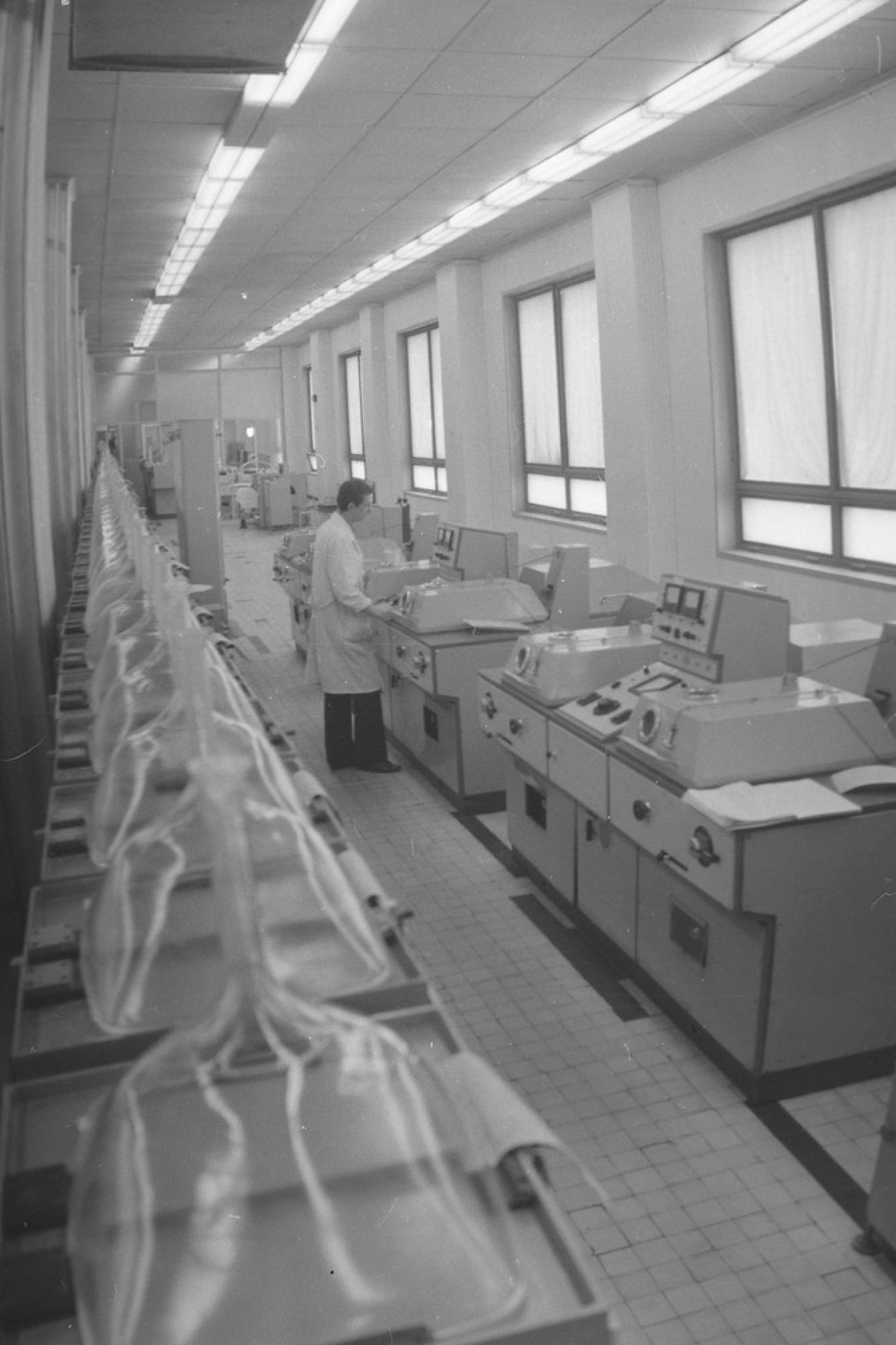
Here, for the first time in the USSR, the production of tungsten threads and transformers were established, which were supplied to the largest construction projects of the first five-year plans, and in 1937 they made lamps for the stars of the Moscow Kremlin. For the mass consumer, the plant produced light bulbs, kinescopes of the first mass Soviet TVs and LEDs, garlands, doorbells and irons .
Along with the Dnieper, Magnitus and other large objects of the first five -year plan, the electric power plant was considered exemplary. He was the first industrial enterprise to be given the Order of Lenin. Bernard Show and Vladimir Mayakovsky were taken to the plant - the latter devoted the production of slogans and the work “Marsh of shock brigades”.
In 1939, the electric power supply was divided into three enterprises: the Moscow Electric Lamoper Plant (Mals), the Auto-Tractor Equipment Plant (ATE-1) and the Kuibyshev Moscow Transformer Plant. During World War II, production was evacuated. The factory made shells for Katyush and transformers for barrage structures, repaired tanks.
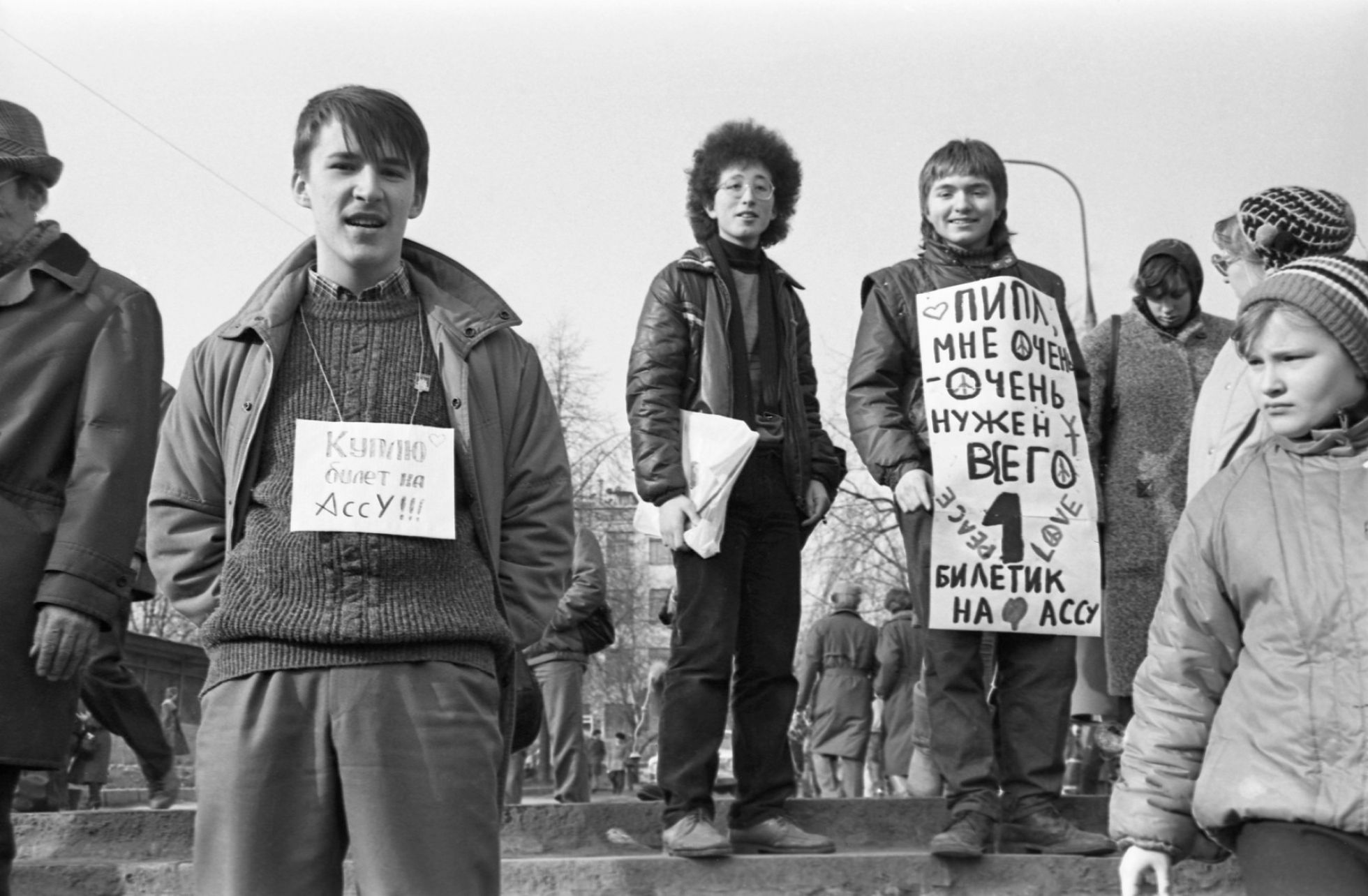
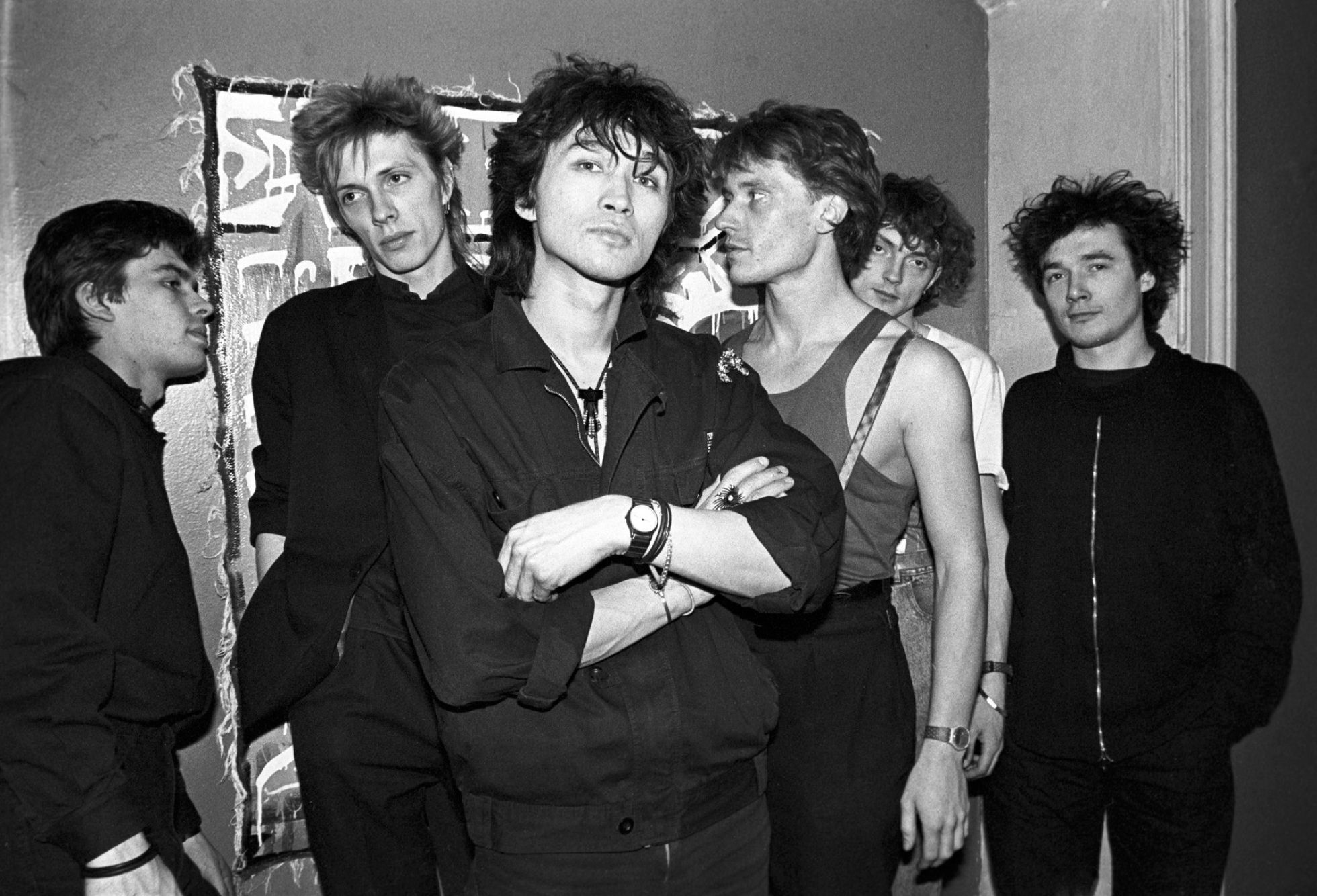
For workers in the vicinity, residential buildings and stadium were built. Since the 1980s, next to the factory in the neoclassical Stalinist building was the Melsa Culture House; Now he is known as the "Palace on Yauz." Several important events of the perestroika undergrand are connected with it. In March 1988, on the occasion of the premiere of the film "Assa" in the building was held "Art-Rocker Parade", which was Viktor Tsoi, Boris Grebenshchikov, Peter Mamonov. In the lobby and stairs, artists Sergey Shutov, Timur Novikov, Sergey Bugaev, designers Irenen Burmistrov and Elena Zelinskaya, architect Yuri Avvakumov were exhibited on the stairs.
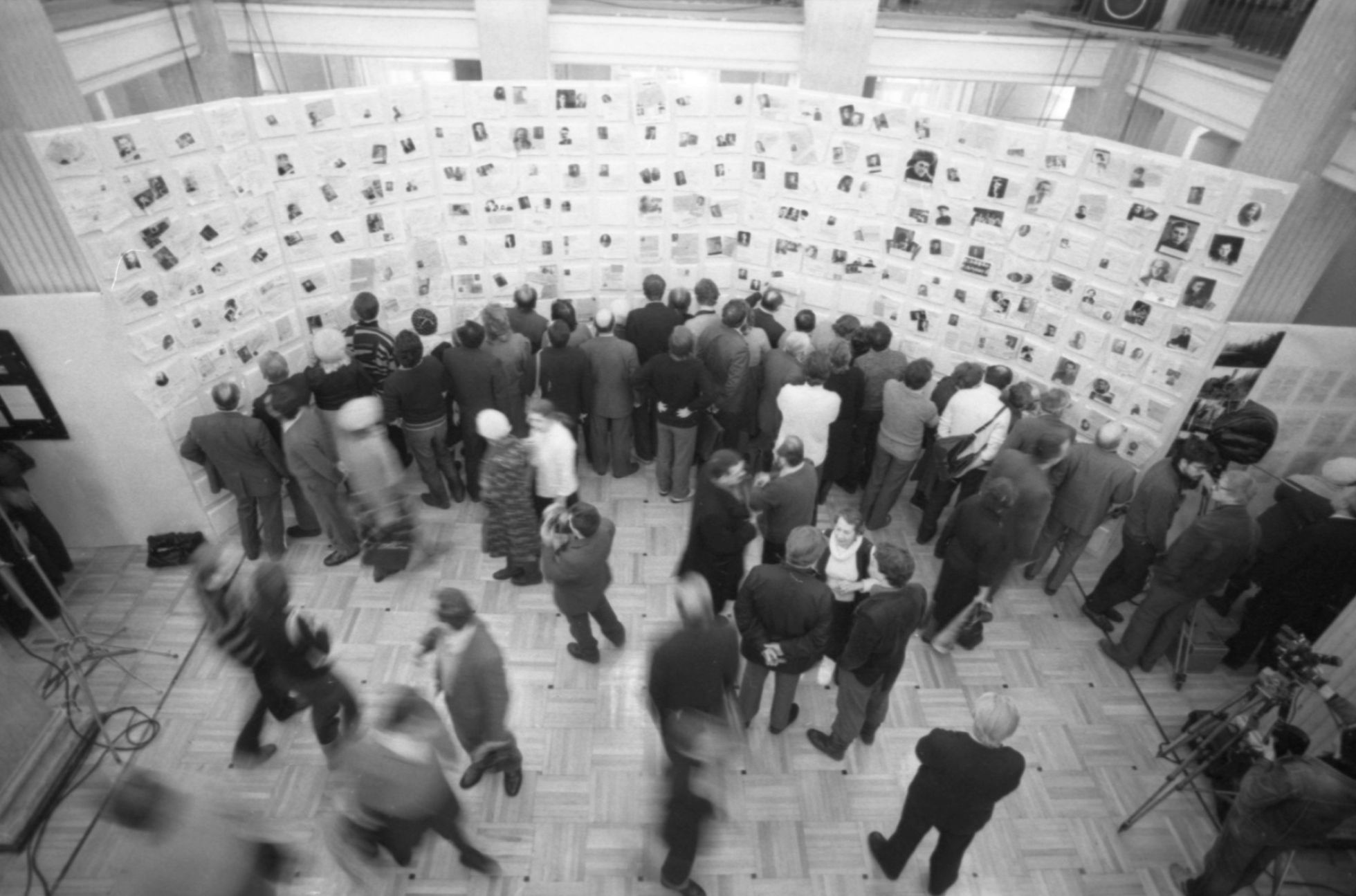
In November 1988, a “week of conscience” was held in the recreation center-the first action in the USSR in the USSR memory of victims of political repression. The author of the idea was the director of the site Alexander Weinstein, the organization was attended by the Memorial Society and director Dmitry Krymov. In addition to the wall of memory with photographs and documents, there was an information center where people could learn about the fate of relatives. An exhibition of competitive projects of the monument to the victims of repression was immediately held. The action was visited by 33 thousand people.
In 2007, the production of the electric factory was taken to Zelenograd, and the historical building was leased for offices, photo studios and art workshops . Until 2016, there was a “Electroe Gallery” and until recently, the immersion performance “Red Wolfram” dedicated to the history of the place was held.
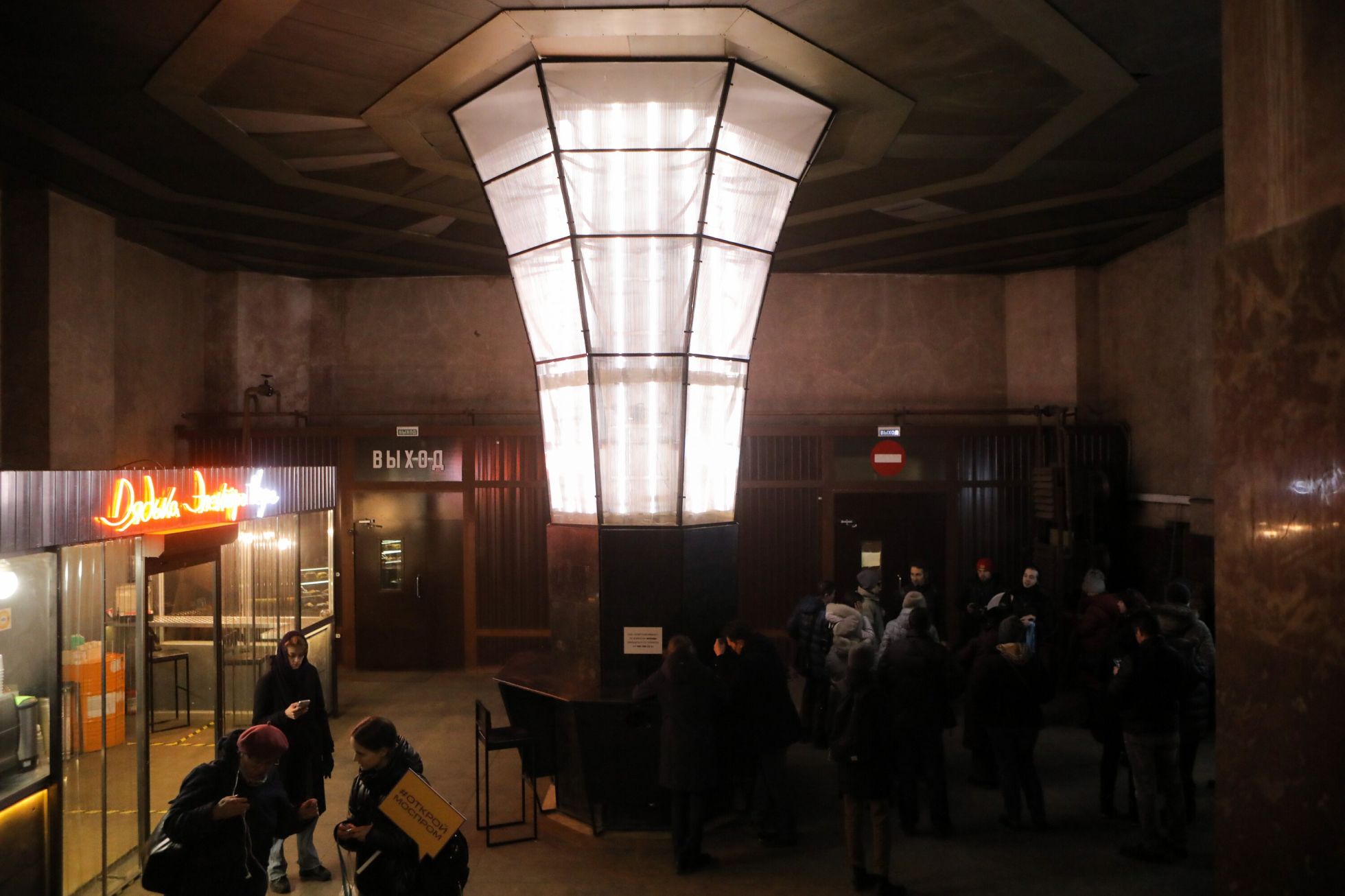
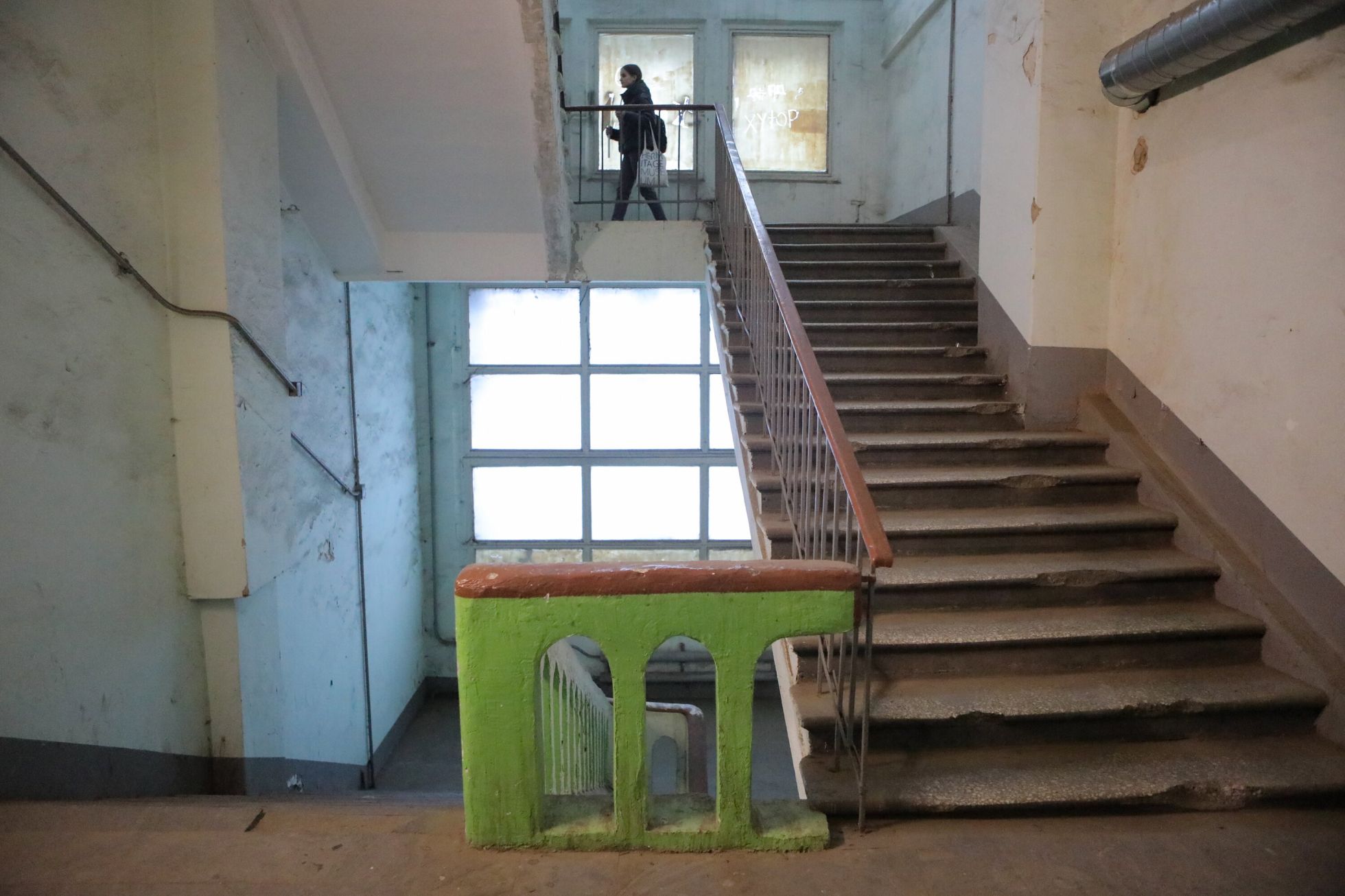
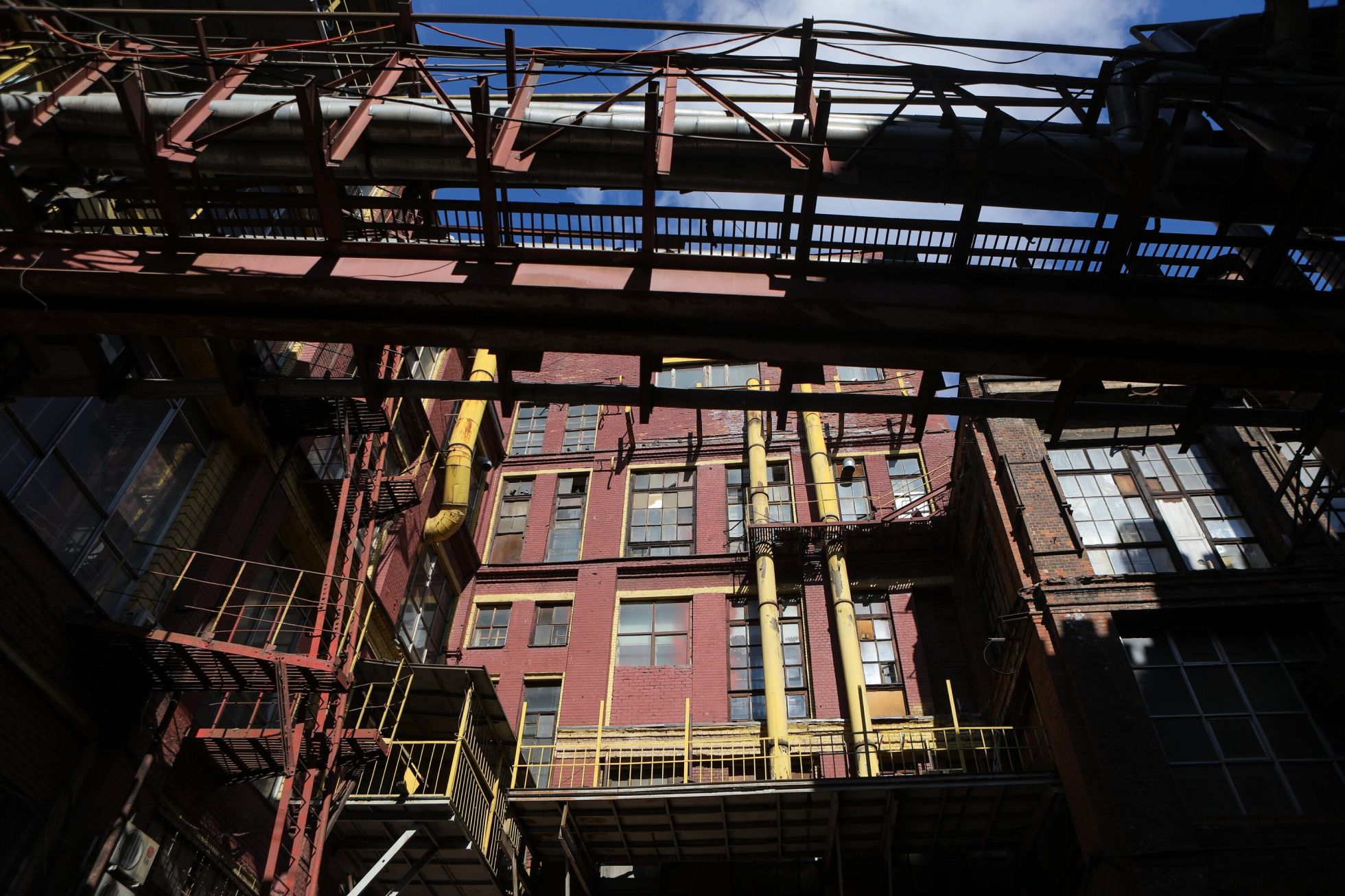
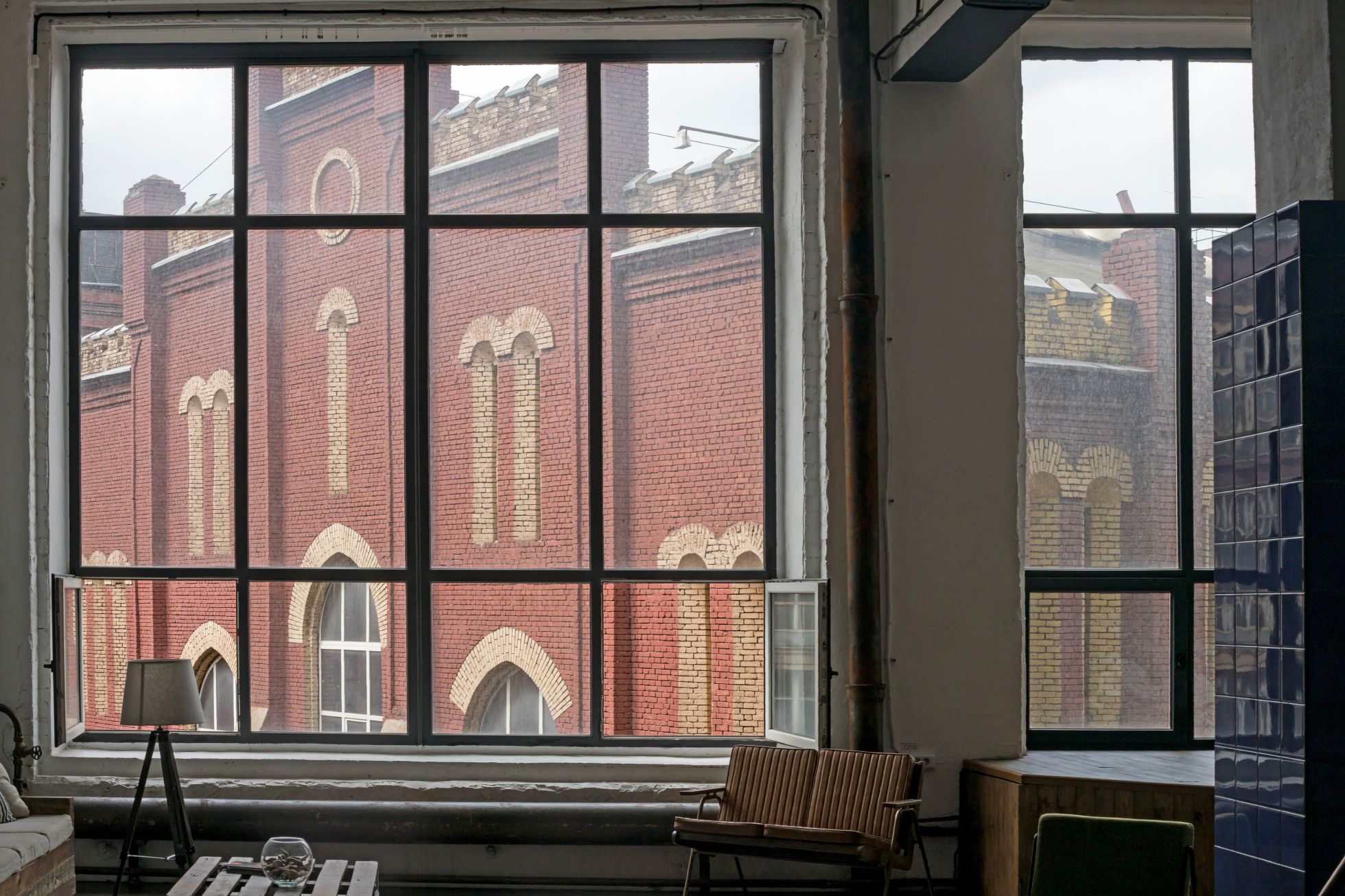
In 2020, the Electric Power Group, which includes industrial buildings, acquired Sberbank and AFC Sistema for 24.7 billion rubles; According to the portal msk1.ru, now the final owner of the building complex is the “Etalon” group of companies JSC, and the site on which the complex stands is partially owned by other companies related to Sberbrus.
A few years ago, city activists started talking about a possible reconstruction of the electric factory, but there were no specific architectural projects. On February 8, 2025, a large fire occurred in the building, the exact causes of which are unclear. At this time, there were more than 200 people in the building, five were hospitalized. After that, the cluster leadership refused to extend contracts with the tenants of the premises and they began to move out.
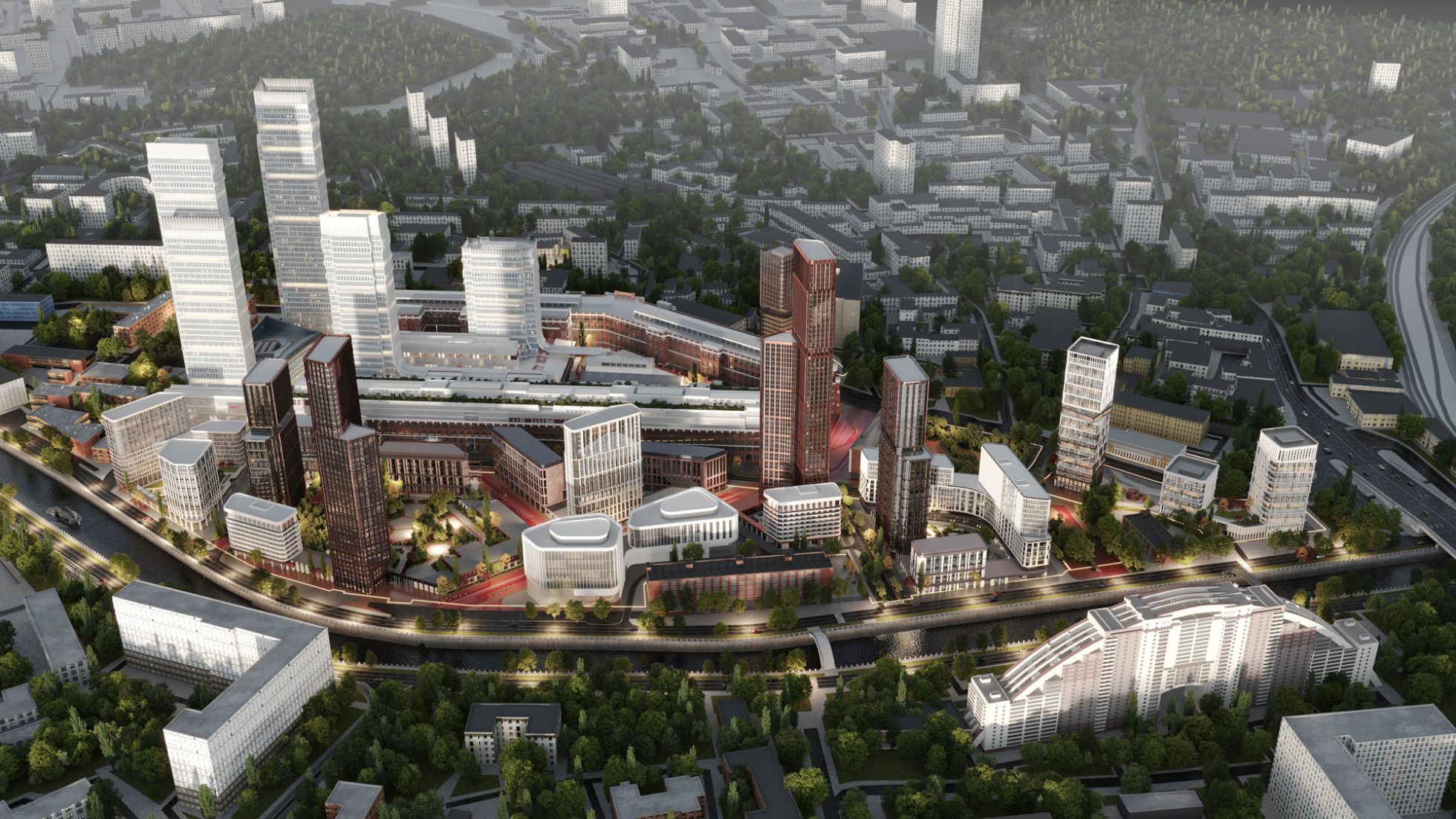
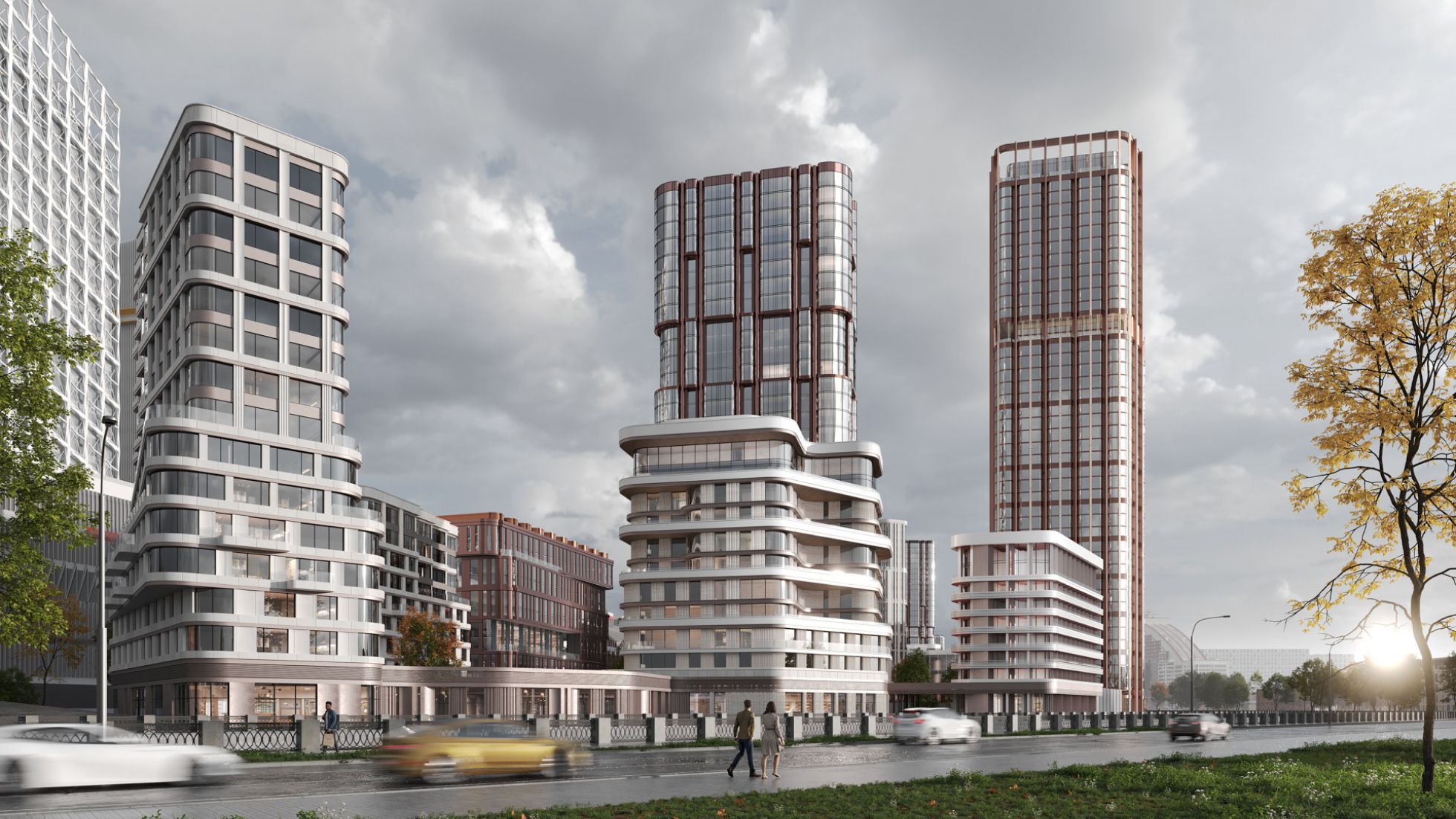
At the beginning of the year, “Etalon” approved the project for the development of the electric factory. The architectural concept is responsible for the Moscow Architectural Bureau of Nowadays and Syntaxis. According to the presentation of NOWADAYS, which is published by telegram channels about real estate, a high-rise office center will be erected around the historical corps. At the same time, the plant itself will be preserved (it is recognized as an identified object of cultural heritage ), but historical buildings will be built by new glass volumes.
The architects designate the concept as “a city in the city”, behind the outer walls of which “there is a multilayer system of internal streets, squares, buildings, passing and crossings, which has developed as a result of a long history of this complex”. Most of the spaces will take the office of the MTS group. Also on the territory there will be apartments, a hotel, a concert hall and several educational institutions: a kindergarten, a school and the Moscow Institute of Electronics and Mathematics (MIEM NRU HSE). In one of the buildings, they plan to open a branch of the Moscow Museum, dedicated to industrial heritage.
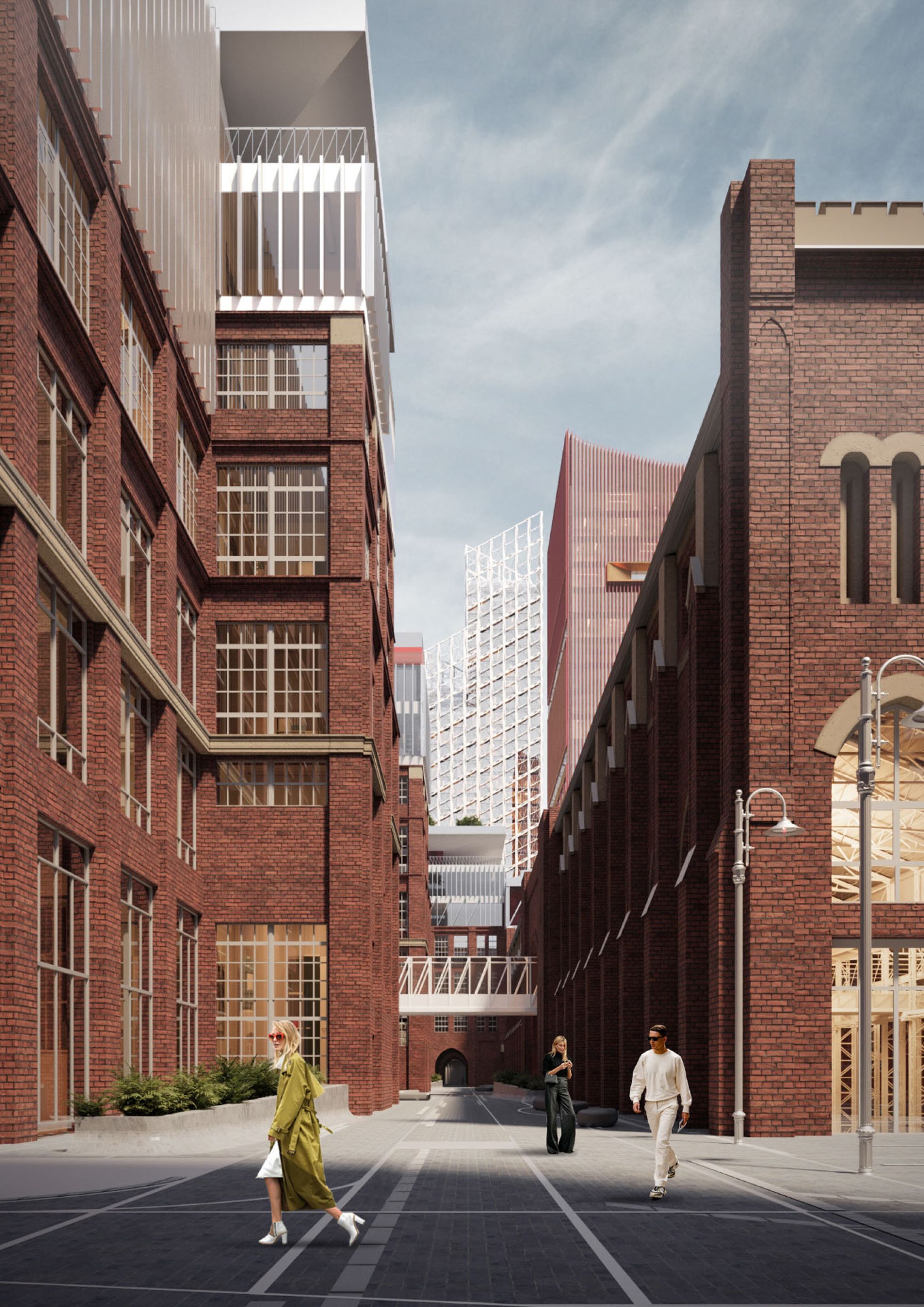
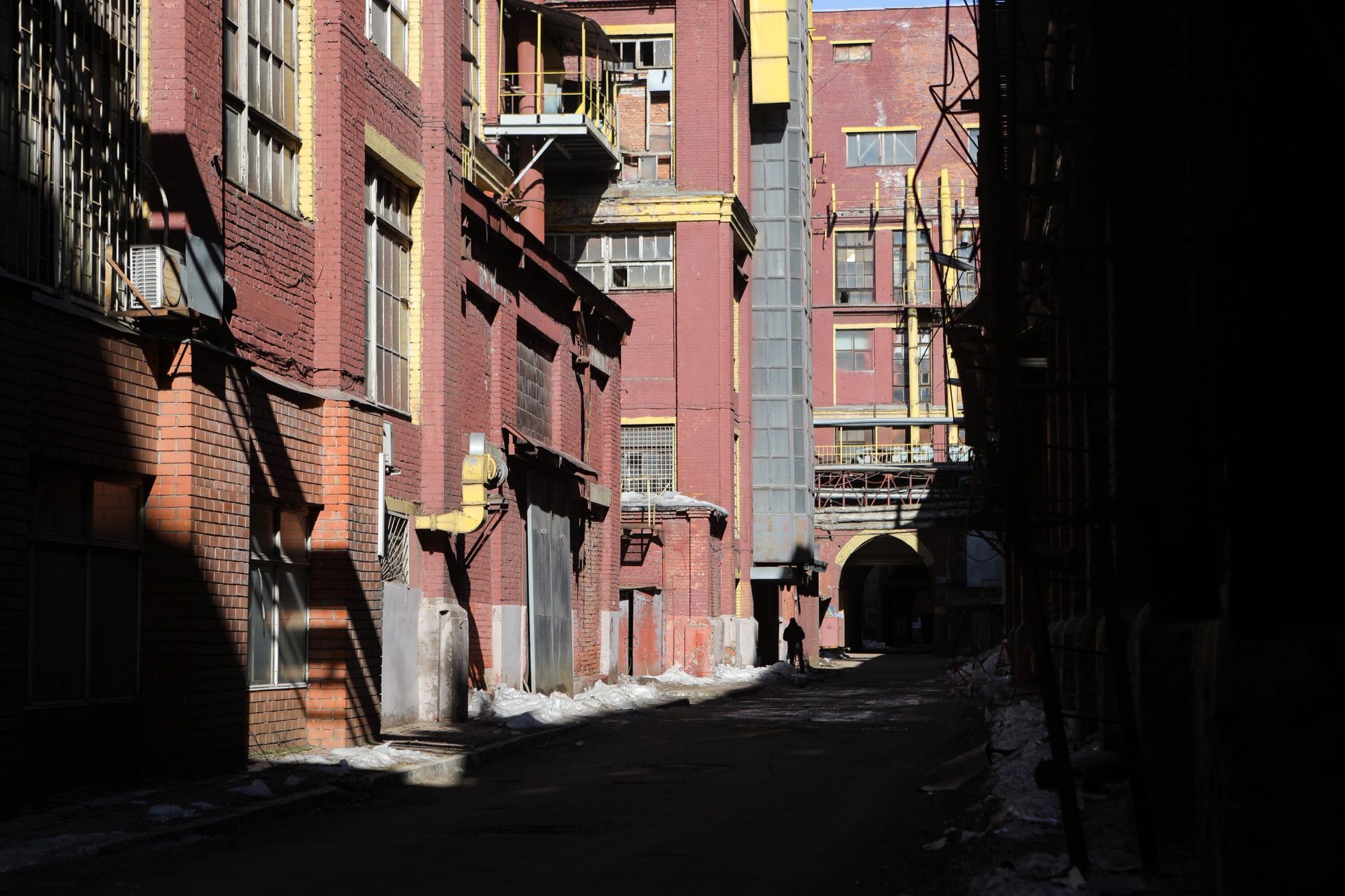
Nowadays write that the building is outdated and it is necessary to strengthen brickwork in it, replace the windows and carry out major repairs in the rooms themselves. However, it is unclear from the document whether the details that created the atmosphere of the electric factory: fire bells of the 1930s, elevators of the 1970s with working phones , metal decor of stairs, panels and stained-glass windows will remain from the document.
One of the most memorable spaces of the plant was the passing No. 3 with the marble staircase of the 1960s and a luminous column of Plexiglas, established in the 1980s. In the factory depot, until recently, there was a train train , and a locomotive walked along the branch. In the courtyard of 1978, a capsule of time was laid with an appeal to the electric factory. It has to open it on November 4, 2028 - when the electric machine will turn 100 years old.
Asya Zolnikova
Photo on the cover: aleksei Golovanov / Shutterstock.com