
Translated material
Underground "garage"
Anton Belov left the post of director of the museum. What he managed to achieve in 15 years and in what condition does Daria Kotova accept the institution
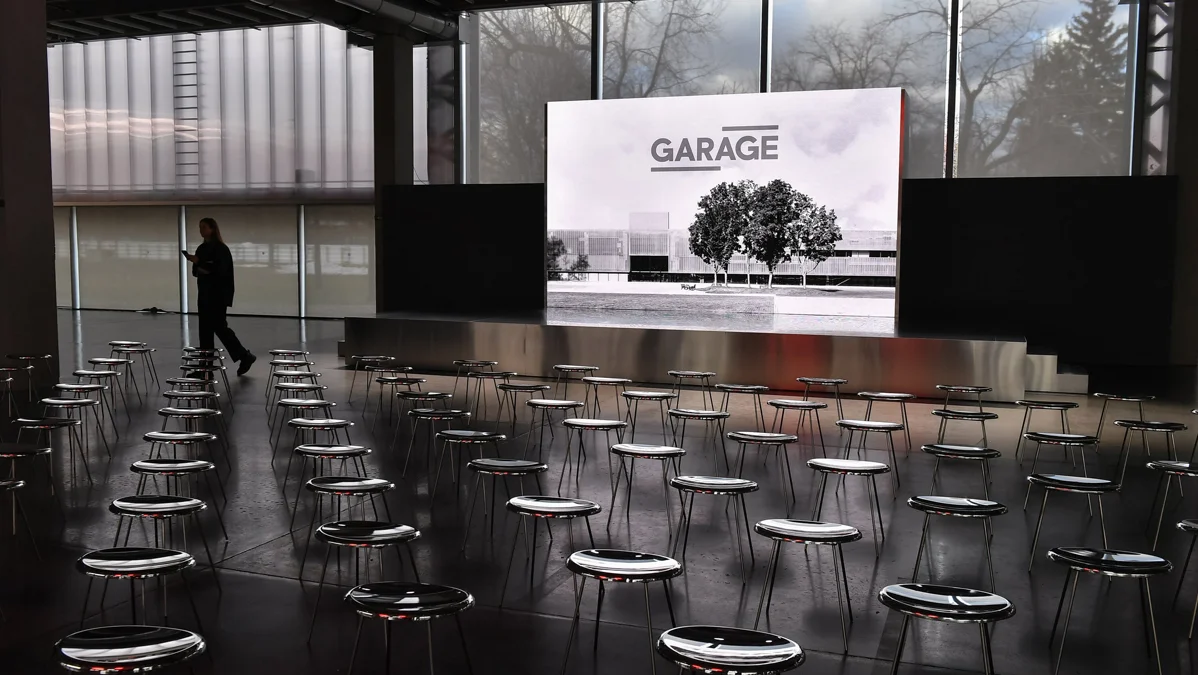
A press conference on the development plans of the Museum of Contemporary Art “Garage”, November 22, 2021. Photo: Sergey Kiselev / AGN "Moscow"
On April 17, the Moscow Museum of Contemporary Art “Garage”, owned by Roman Abramovich and Daria Zhukova, announced the change of director. The art manager Anton Belov, who has led the institution since 2010, left his post. The Garage was headed by Daria Kotova, who has been working in it for more than 15 years. In recent years, the replacements of museum directors have attracted attention and, as a rule, scare. Changes in the "garage" differ and rather indicate underwater trends in the museum.
On February 24, Belov opposed the war, and two days later the Garage stopped the exhibition activity in protest. Other, less noticeable projects for a wide audience continued. And although in three years the museum's voice in the media field has become many times quieter, it is still an irritant for Z-publicity. A year ago, searches were held in connection with the case of Pyotr Verzilov. Shortly after the start of the demonstration of “open storage” (demonstration of works and artifacts that already available in the Garage Foundation), the museum was visited by missile defense ”who held“ moralizing conversations ”with employees. Sorin BTO - about what the director of the director means, the position of the main private museum of the Council of the country before / after the outbreak of the war and the strategy chosen by this museum.
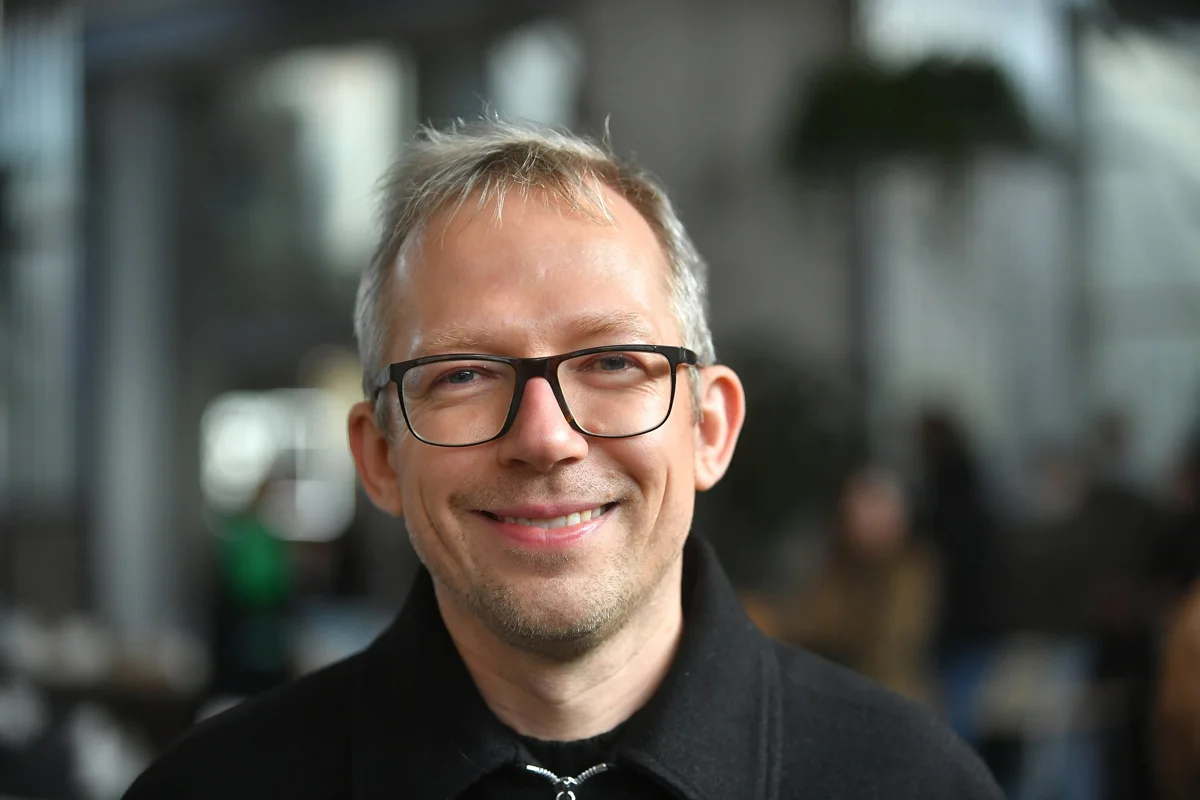
Anton Belov headed the Garage in 2010-almost two years after its occurrence. Then the institution hardly had a tenth of the weight that was acquired by the beginning of the 2020s. In other words, approximately the whole appearance of the museum was formed during the Directorate of Belov. At the time of his appointment, he turned only 27 years old. He managed to create an independent portal about Arthid art, however, not yet gaining popularity, and a non-profit project for young artists Gallery White, which now hardly remembers.
In the position of the director of the museum in Russia, it is more familiar to see an art critic, but Belov - a physicist from Misis, came to art not on a direct road. Today it is a common type of art manager-an organizer with a business gaze and a communicator creating an environment for the effective work of specialized specialists.
In the professional environment, the Garage has always enough ill -wishers. In general, all criticism came down to the fact that it was possible “more”, “better” and “differently”, especially considering financial support. Nevertheless, the museum fit perfectly into the most friendly to actual art, the post -Soviet context, skillfully worked with him - moreover, he needed it.
Garage created and, as far as possible, still creates an infrastructure for the development of an actual culture in Russia. Actively operating publishing project, together with AD Marginem, scientific laboratories, grants, educational direction to the Higher School of Sciences, the archive, finally, an excellent library - all this is about the capabilities of work for art historians and theorists of culture. For artists-workshops, grants, triennale of Russian contemporary art, the very existence of a “garage” and the prospect (quite real) someday show its works in it.
The “garage” produced an unusual look for a person: a free culture is not necessarily counterulture and may exist not contrary to the environment, but thanks to it.
For Moscow, the late 2010s-early 2020s, all this looked organic. From many other parts of Russia and the post -Soviet space - it was perceived more like a fairy tale.
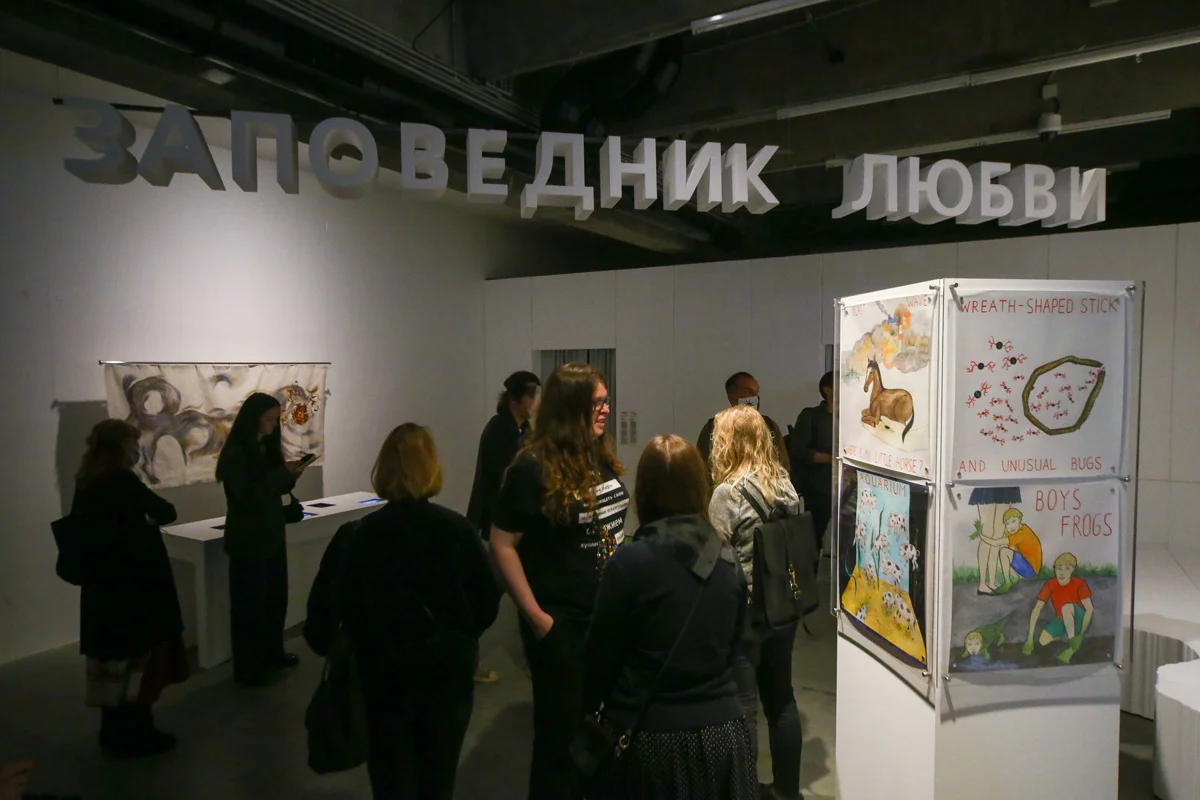
For a wide audience, the Garage was able to present and popularize the actual culture. During the existence, more than 150 exhibitions have passed in the museum. The branded style was the retrospectives of international art stars-Takashi Murakami, Louise Bourgeois, Marina Abramovich and others. The country whose art for most of the twentieth century developed isolated and spoke another language, was supposed to overcome the language barrier, instinctive “fear and hatred” before the unknown. The garage also coped with the educational mission successfully.
But the “form” is no less important than filling. Under Belov, the "garage" moved from the Bakhmetyevsky garage (hence the name) in Maryina Grove to Gorky Park. Temporary pavilions soon replaced the building, converted by the famous Dutch architect Rem Kolkhas from the Soviet restaurant "Seasons". A prestigious and convenient location, impressive by world standards, modern architecture is all an image.
It was no coincidence that the museum turned out to be photogenic for social networks and got a good restaurant.
The territory of actual art was made by a “fashionable place” for everyone - and then a narrow circle of those who really want to delve into the latest art movements will stand out from a wide circle.
In the museum, an inclusive program was intensively developed (including for the visually healing and hard of hearing), and in the sense of the “viewer-friend”, he, perhaps, gave odds to all competitors.
The Moscow line of decades was positioned as the megalopolis of the “First World” - that there was no one to think about the fact that there was a “second” country around. Both aesthetically and conceptually “garage” was certainly one of the signs of belonging to the global West. And that is why the position of the museum after the beginning of a full -scale war turned out to be so shaky.
Globality, actual art, research and creative individualism, even a fashionable instagram image - the very essence of the “garage” looked blatantly alien in the context, where the authorities, according to the old memory, divided its own country into an oprichnina and zemstvos in order to gradually conquer the latter.
"The illusion of normality against the background of the events"
On February 26, the Garage suspended exhibition activities, saying that he could not "support the illusion of normality against the background of the events." The chosen strategy - in fact, the protest of accented inaction in the conditions of censorship - made a “garage” as if a decayed lighthouse, grunting a black hole in a place intended for light.
The eloquent silence in the first months of the war was perhaps expressive. It allowed the institution to remain reputedly clean and not to climb into the ore (creating, for example, illegal pacifist exhibitions). But a briefly successful strategy was clearly not designed for a protracted war. Silence became familiar, “black holes” ceased to impress. At the same time, the Garage retained and developed many projects - inclusive and educational programs, publishing, etc., began to collect his collection of Russian art, established cultural activity in the constructivist monument, the House of the Narkomfin.
At the same time, the museum left a significant part of the employees-some in connection with a reduction in financing, others-due to a decrease in the number of projects, the desire to work and develop, others simply left the country.
Somewhere, the Garage continued creation, somewhere he moved to the regime of survival and self-preservation, sometimes looking quite desperately. The museum, in the very architecture of which the idea of openness is expressed, was in siege. Information from the inside of the democratic cultural institution into the outside world is now even more severe than from the State Muse. In the information garage, he still puts on the “OPSSUM strategy”, a feigned image of death.

In early April of this year, art critic Ksenia Korobeinikova in TG-channel reported that the Moscow City Hall was interested in buying a “garage” along with the hexagon building, which is under reconstruction. According to her, negotiations with Abramovich are conducted by the deputy mayor Natalya Sergeynina, but so far the decision has not been made.
After searches last April, Belov, according to our information, left Russia and controlled remotely. At the same time, for the Z-community, the ex-director became a trigger figure, albeit not as acute as Marat Helman.
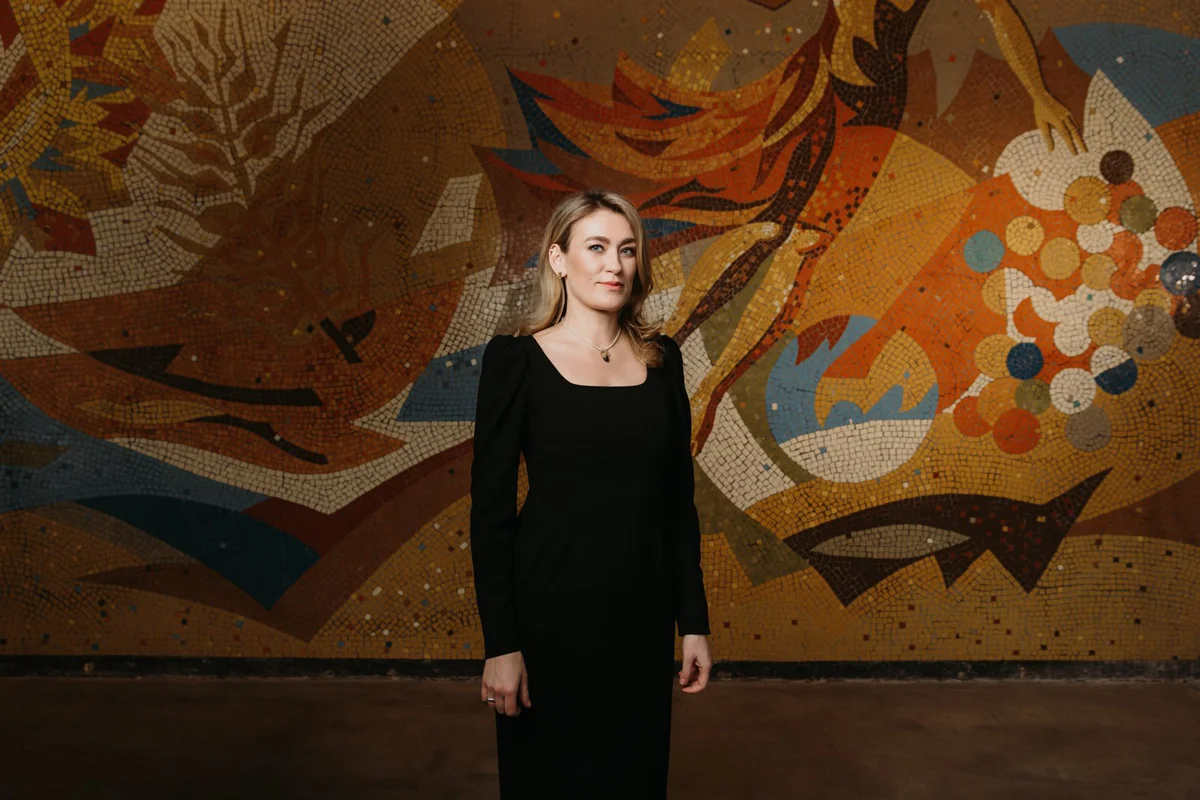
And the appointment of Daria Kotova to the post of director of the museum looks completely logical. Kotova came to the Garage as a student in 2010 and 15 years old worked under the leadership of Belov. In this sense, the “garage” puts on the “Patriot of the Institution” and continues the tradition. Since 2014, Kotova headed the Department of Development, Marketing and Advertising, and since 2021 she additionally led the museum enduum.
Her name is hardly familiar to the general public, and in this case this is a plus. Kotova looks like a compromise candidate - “its own” for employees and audience “Garage”, is acceptable for the capital's authorities and is unlikely to cause strong emotions among “Gospatriots”. But to lead a demoralized besieged fortress is a dubious pleasure. An open question: how emotionally and physically ready for a new position Daria herself, for which the rapid climb and crisis of the “garage” is a matter of life and which for many years has performed a huge amount of work in the institution?
In the story of Paustovsky, the Black Sea, rich in documentary material, the artist Bogaevsky during the civil war hides in his workshop of the wounded Red sailor. The artist says:
“I don't care who you are and why are hiding. I don’t care about officers and Bolsheviks. All of you interfere with people to work. ”
The regimes striving for totalitarianism do not tolerate when people and institutions are seriously engaged in business and answer before society, the country, the world or, if you like, by God, and not to them. It is no accident that the practice of “prohibitions on the profession” has become such widespread in dictatorships.
About the same thing happened with the Garage, although no one forbade him to formally work. Realistic, that is, not implying instant closure, the options for the Museum of Actual Art looked like this:
To become a platform of indirect comprehension of what is happening (many publishers printing books about the totalitarian experience of different countries, domestic shocks of the past, the psychology of totalitarianism, etc.). It would definitely be useful, but in the case of a “garage” it would most likely quickly end. Was it worth the risk?
To expose abstract / neutral art, thereby really “normalize” what is happening.
Silence, refusing to work in non -freedom.
The “garage”, unlike other institutions of contemporary art, such as “Erarta” or “GES-2”, chose the latter-but also attention from the authorities, due to the already established reputation, was clearly more to it. You can argue about the correctness of this strategy, but the option “freely do a very important work for post -Soviet society” did not appear.