Date
Author
Николай Першин, Любовь Борисенко, Денис Морохин
Source

Preserved copy
Translated material
We left the dusk
How Spain and Portugal survived the largest disconnection of electricity in their history-and correspondents of Novo-Europe
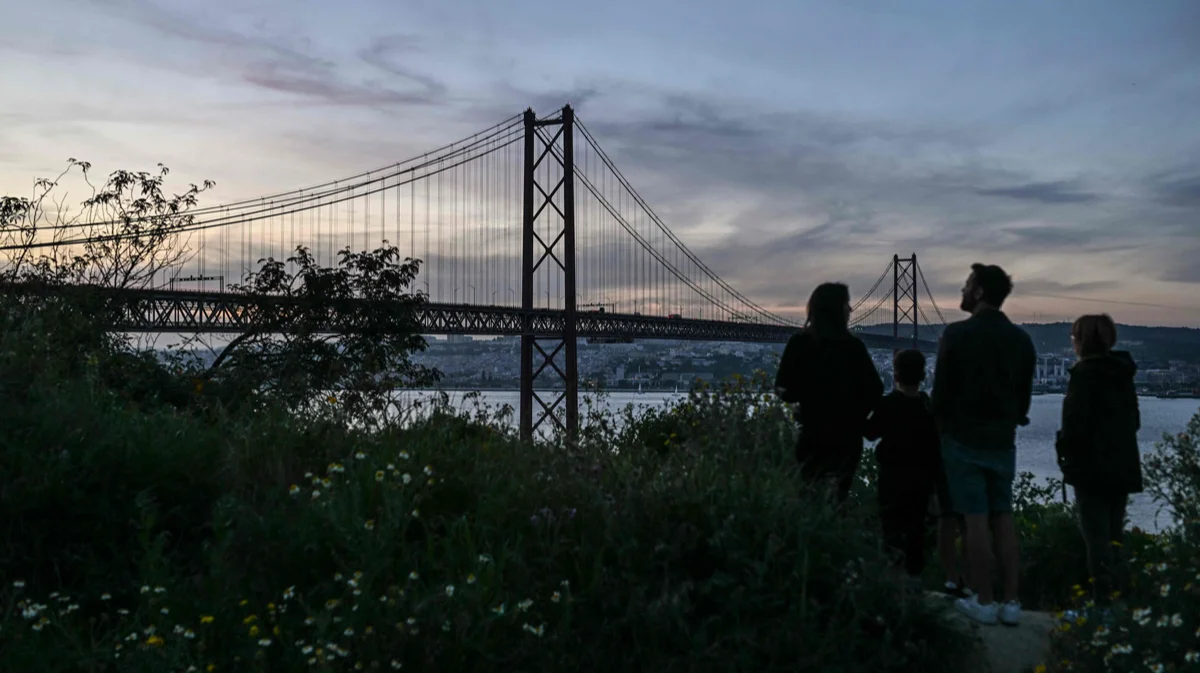
The family observes the bridge on April 25 with the backlighting off during a large -scale shutdown of electricity, Lisbon, April 28, 2025. Photo: Patricia de Melo Moreira / AFP / Scanpix / Leta
On Tuesday, April 29, Spain and Portugal began to gradually return to normal life after the collapse that occurred at noon at noon, when electricity turned off through the entire territory of the Pyrenee Peninsula. Millions of people at one second were left without mobile communications, the Internet and the opportunity to use bank cards, tens of thousands were stuck on trains, and non -permanent operations were canceled in hospitals.
By seven in the morning, power supply in Spain was restored by 99.9%. Nevertheless, Prime Minister Pedro Sanchez called on the employers, if possible, not to demand from the employees of access to offices. In some regions, schools are closed, in other parents can bring children, but classes are not in full. The versions of the causes of the incident vary - from cyber attacks to a “rare atmospheric phenomenon” associated with some extreme temperature fluctuations. Together with the inhabitants of the Spanish Cordoba, the day of Novo-Europe, Nikolai Pershin, spent the day without electricity. Lyubov Borisenko says about how Blackout was felt in Valencia, and Denis Morokhin about a tense day in Portuguese mash.
Cordoba, Spain: Collapse against the background of fiesta
“This has never happened. At 12.33 [Monday] in just 5 seconds, 15 gigavatts were suddenly lost from the system. This is 60% of the total demand for energy [in Spain] at that moment, ”the Spanish Prime Minister Pedro Sanchez, speaking on Tuesday night with an appeal to the nation, did not hide confusion.
Simple Spaniards looked somewhat confused that day, including the inhabitants of the Andalusian city of Cordoba. Realizing that something unusual was happening, many tried to call friends and relatives, but to no avail: neither instant messengers nor telephone communications worked.
The situation in Cordobe was complicated by two factors. Firstly, the so-called “festive May” (Mayo Festivo) began-the period when the festivals known throughout Spain and abroad go one after another, and often superimposed on each other. Barely moving away from the festivals of local wine and cheese, when the city center was filled with glasses of varying degrees of fullness, the inhabitants of Cordoba began to prepare for one of the visiting cards of the city - the starting on Wednesday of the May Crosses (Cruz de Myo), when dozens of two -meter crosses from fresh flowers are installed throughout the city.
Initially, a purely religious holiday has long acquired the appearance of a large -scale citywide street party.
These days, both local residents and numerous tourists who do not leave a single free room in city hotels go into the gap. For all of them, the disconnection of electricity, of course, was an unpleasant surprise.
The second complicating factor was that summer weather was already established in the region: in Cordoba on Monday it was +29 degrees. It was not easy to do without air conditioners and chilled drinks. In this regard, sellers in numerous ice cream shops were especially worried: their goods were injured first. To soften the blow, however, the operational reorientation on milk cocktails allowed.
Shops mostly stopped working. Sellers crowded at the door, not knowing what to do: wait or close. With the latter, however, problems also arose: many doors are automatic and it was problematic to close them without electricity.
Meanwhile, the bakery worked "to the last roll." And they had especially large lines. Apparently, the Spaniards decided to buy a few days ahead, fearing the worst.
Against the backdrop of the closure of network supermarkets, those who always help out in Spain on weekends, holidays and holy for the Andalusians, - natives from China, managing shops with products and any household trifle. Inside such stores, it was not possible to push through. Moreover, the assortment was promptly updated: in one of these stores, the family working there dragged massive boxes with large candles from a parked nearby car.
At the same time, the cafe was open. Andaluzsev was deprived of one of the main pleasures for them: cups of freshly brewed coffee. But the second pleasure in which they do not deny themselves and in the area of noon - a glass of beer - was available everywhere. True, the beer was no longer too cold, and it was available only to those who had cash with them.
However, in Spain there are such - when compared with many other countries in Europe - a lot: according to data for 2024, 57% of transactions at retail outlets were carried out with the help of cash.
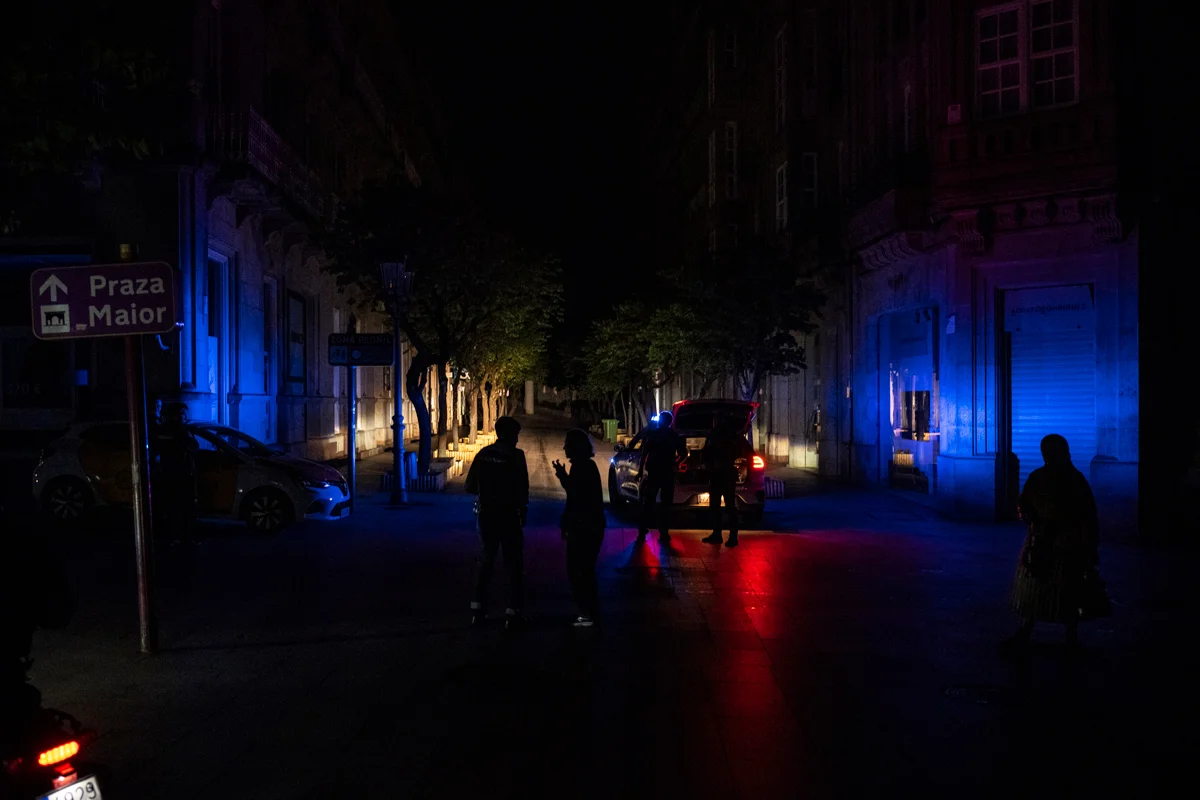
Feel, after the start of the Blackout on the streets of Cordoba, sirens of police and fire engines were heard significantly more often than usual. The latter mainly went to calls to the houses, where people got stuck in elevators. And about an hour later, whistles became heard all over the city: the police stood at key intersections and began to adjust the movement. And it was very helpful: the leading style of Andalusia and so rather aggressive, and the lack of working traffic lights added problems.
Time passed, but there was no electricity. People with books and plaids appeared in the parks. And, an amazing thing, they did not look at the phones: against the background of the lack of a normal Internet, it was pointless.
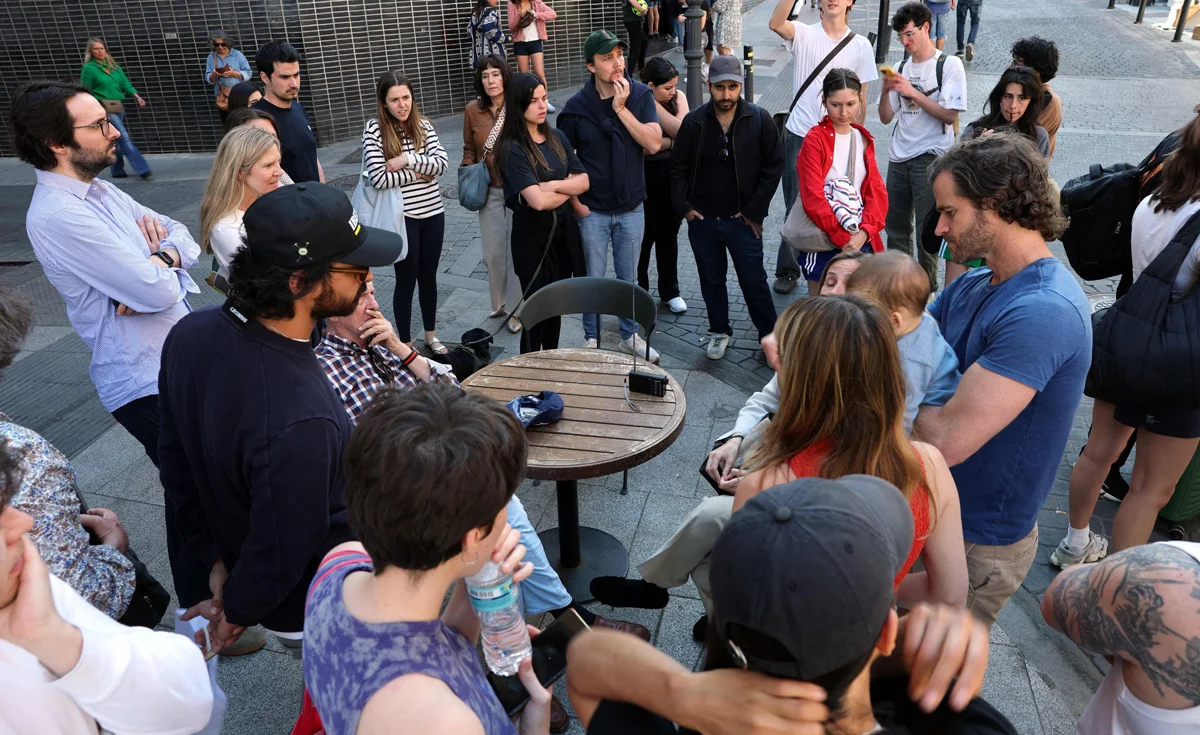
Closer to sunset, the correspondent of Novo-Europe discovered in a cafe in one of the city squares of three noble seniors, which attracted special attention of passers-by. The reason for the popularity was that they listened to the battery radio, which was clearly collected more than one decade ago. By the way, such radio receivers a few weeks ago were included in the contents of the set for survival in case of war recommended by the European Commission - and this caused many ridicule for many. It turned out in vain.
- Well, what's new? - asked passers -by holders of a precious device.
- In Seville, they say, they established. Soon it will come to us.
However, electricity in Cordoba appeared only late at night. And problems with the Internet and traffic lights remained on Tuesday morning.
In the conditions of collapse
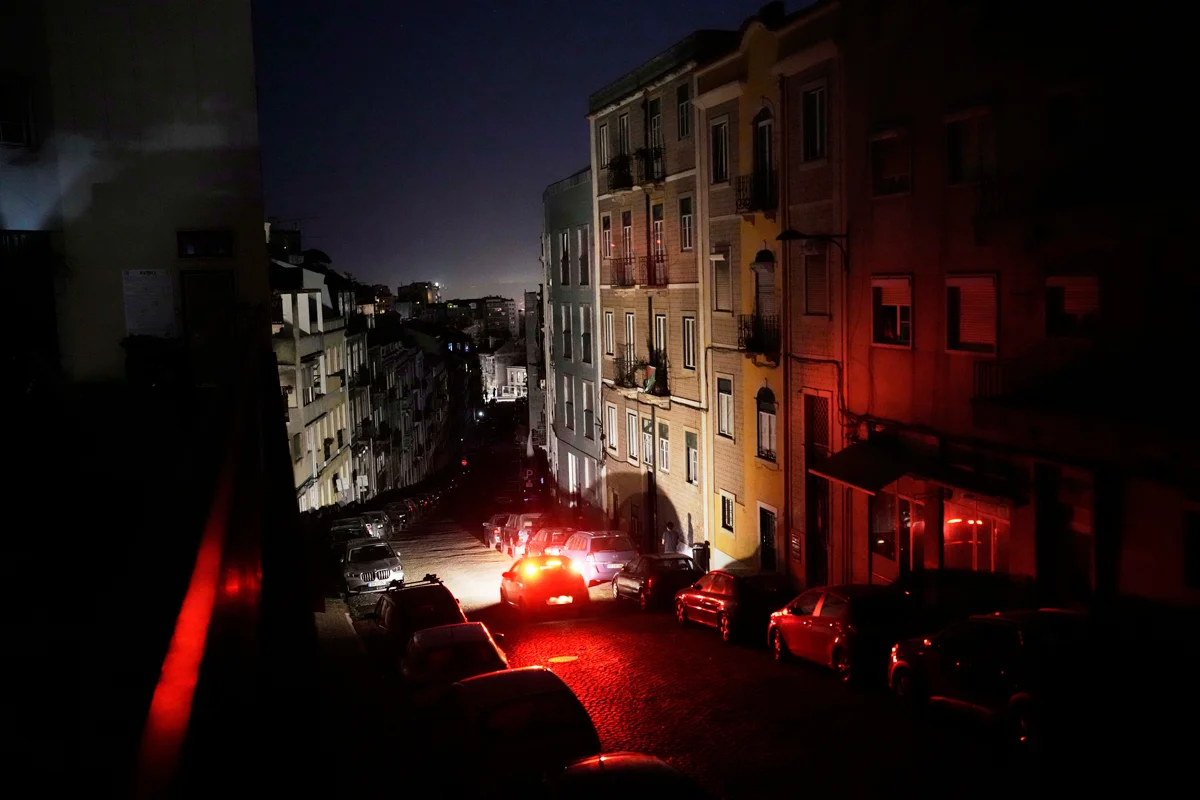
The shutdown of light on Monday affected almost the entire continental territory of Spain, Portugal, which imports about 33% of electricity from a neighboring country, as well as a small part of France and Andorra. And this provoked countless different incidents.
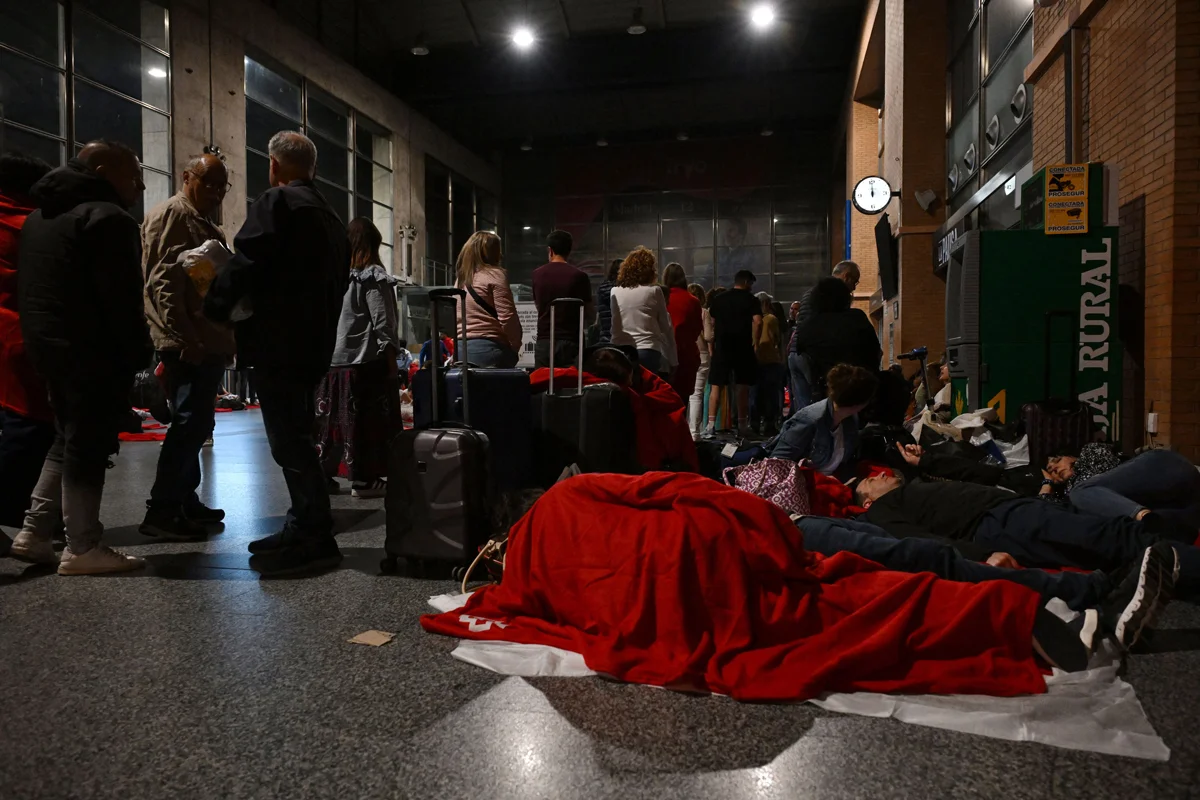
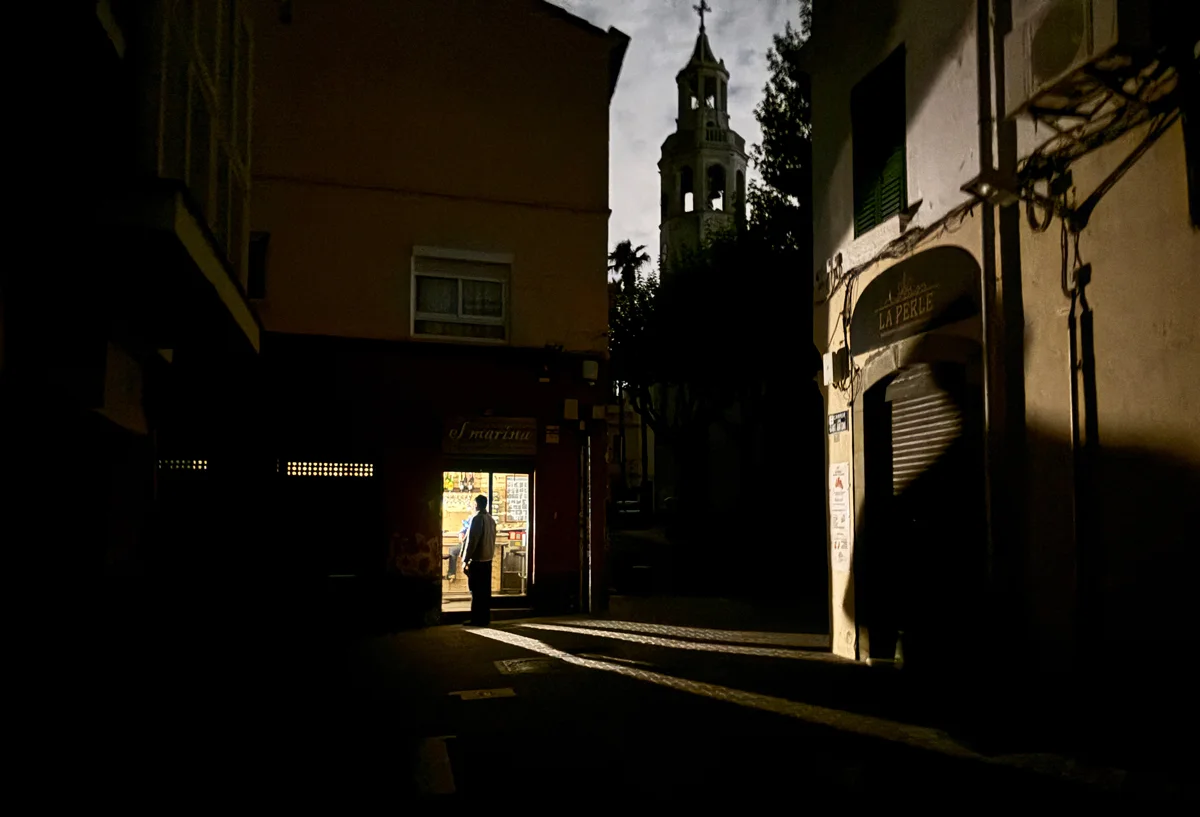
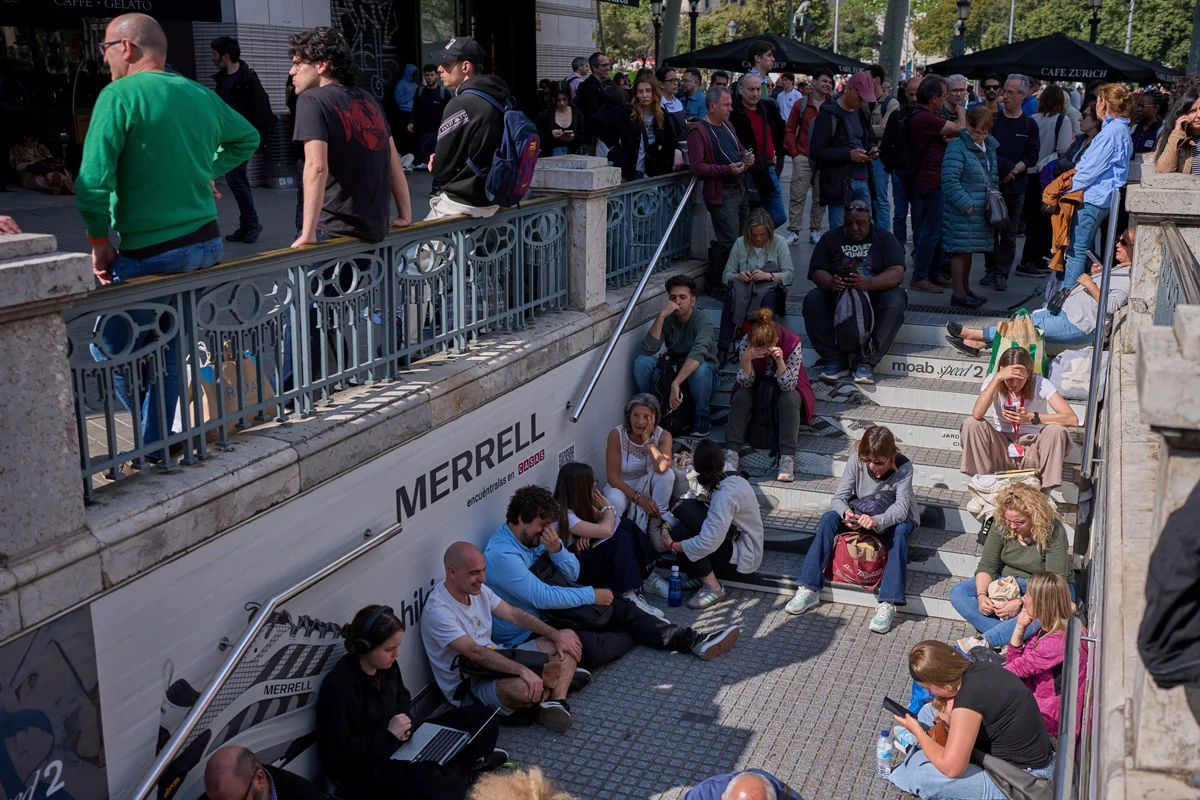
So, hundreds of people were stuck in the subway wagons in Barcelona and Madrid, they had to be evacuated according to unlit official crossings. The movement of trains in which 35 thousand people completely stopped in Spain. Many of them spent more than 11 hours somewhere in the fields where Blackout found them.
“Two hours later [after stopping], several doors were opened to us to let in a little air. “It is forbidden to go out,” they warned at first. Soon, one of the doors turned into an impromptu toilet. He was in the bushes next to the fence of the railway. It was possible to go out only two and under the strict control of the guides: “Who can, let it endure,” the leading Spanish newspaper El Pais described the situation on the flight between Madrid and Barcelona. - Soon local farmers began to appear. They approached to find out about the state of suffering passengers. They did not come empty-handed: jugs of water appeared, bottles with Coca-Cola and even bags with chips. ”
The disconnection of the light did not pass by the airports, but in general, the collapse was avoided. Of the 6 thousand flights in Spain, only 344 were canceled .
Hospitals were able to work on reserve diesel generators, but at the same time, numerous non -conventional surgical operations had to be postponed. Typically, fuel in such generators is enough for 12 hours, so that the hospitals requested tankers with additional fuel.
Problems were experienced by those who need medical oxygen cylinders and pumps for artificial ventilation of the lungs for life support. Such people were delivered to emergency departments in various ways: in personal cars, a taxi, which was extremely problematic to call, or even on police cars.
The “critical points”, according to El Pais, became, as during the pandemic Covid-19, the nursing home. Their employees turned to the hospitals with requests to give them additional oxygen cylinders, but received refusals: the hospitals were afraid that they themselves would not be enough.
Experts have not yet given accurate assessments of what economic damage to Spain is. The maximum rating is 4.5 billion euros. This is the amount equivalent to the gross domestic product of Spain in one day. However, in practice, everything indicates that the damage will be noticeably lower, since the shutdown of light occurred after noon and seriously hit all the sectors of the economy.
"Concern is growing"
At the height of the crisis, the mayor of Madrid Jose Luis Martinez-Almeid called for sending units of the army to the capital of Spain. In the city council of the Spanish capital, they were concerned about the threat of aggravation of security situation closer to Monday evening. In addition, the authorities of Andalusia and Estremadura addressed similar requests. Spain authorities heard their requirements and declared a state of emergency - not throughout the country, but in eight autonomous communities (out of 17), which eventually treated the corresponding request.
This measure, in particular, opened the way to the use of the army if necessary. The Ministry of Internal Affairs, meanwhile, announced the use of about 30 thousand police officers and employees of the Civil Guard. However, the worst fears did not materialize: there were no serious incidents related to security.
The situation was discussed on Monday at a meeting of the National Security Council with the participation of Prime Minister Sanchez. And on Tuesday morning, a new meeting of the Council was held in the Moncloe Palace, this time, chaired by King Philip VI.
Now the socialist authorities will have to answer many questions that the opposition in the person of the right-wing “People’s Party” has already begun to ask. On Monday, the leader of the “Narodniks” Alberto Nunez Feiho demanded the details of what was happening from the authorities, noting: “Concern is growing, there are more and more disinformation ... The government should be responsible for this unprecedented lack of information.”
Valencia, Spain: a new reason for protests
In Valencia, electricity and communication turned off at about 12:30 local time. Before the media reports, no one suspected that the problem touched on almost the whole country.
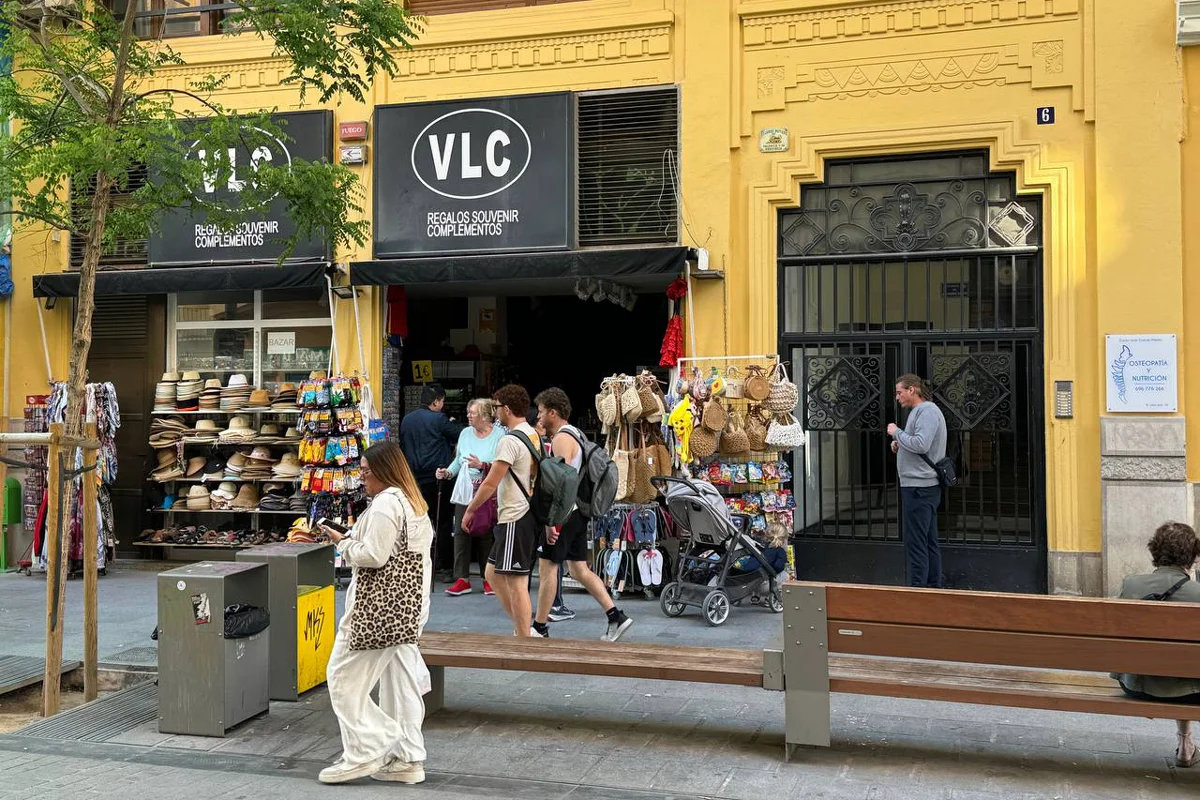
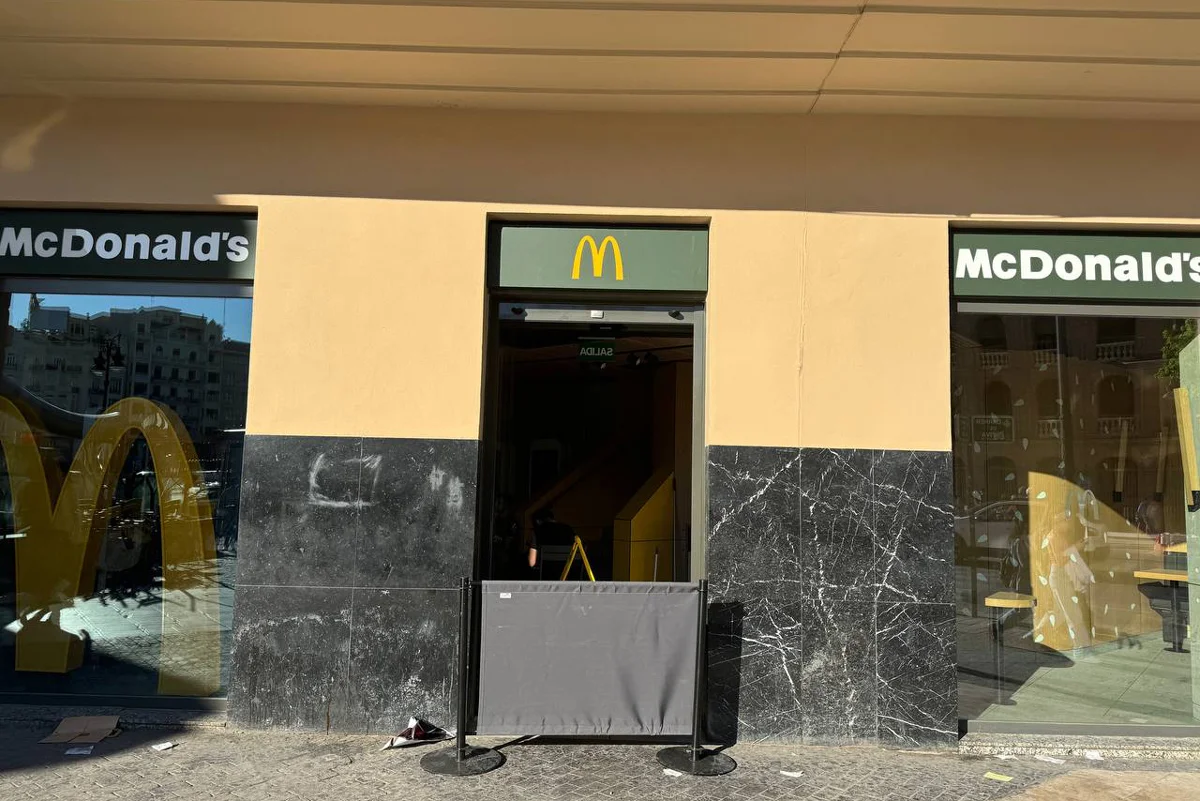
After a couple of hours, it was quite calm in the city center. Some of the stores did not work on Mondays, but large supermarkets had to be closed. Their workers were sitting at the entrances, somehow barricaded chairs and what was still at hand. All electronic doors remained in the open state.
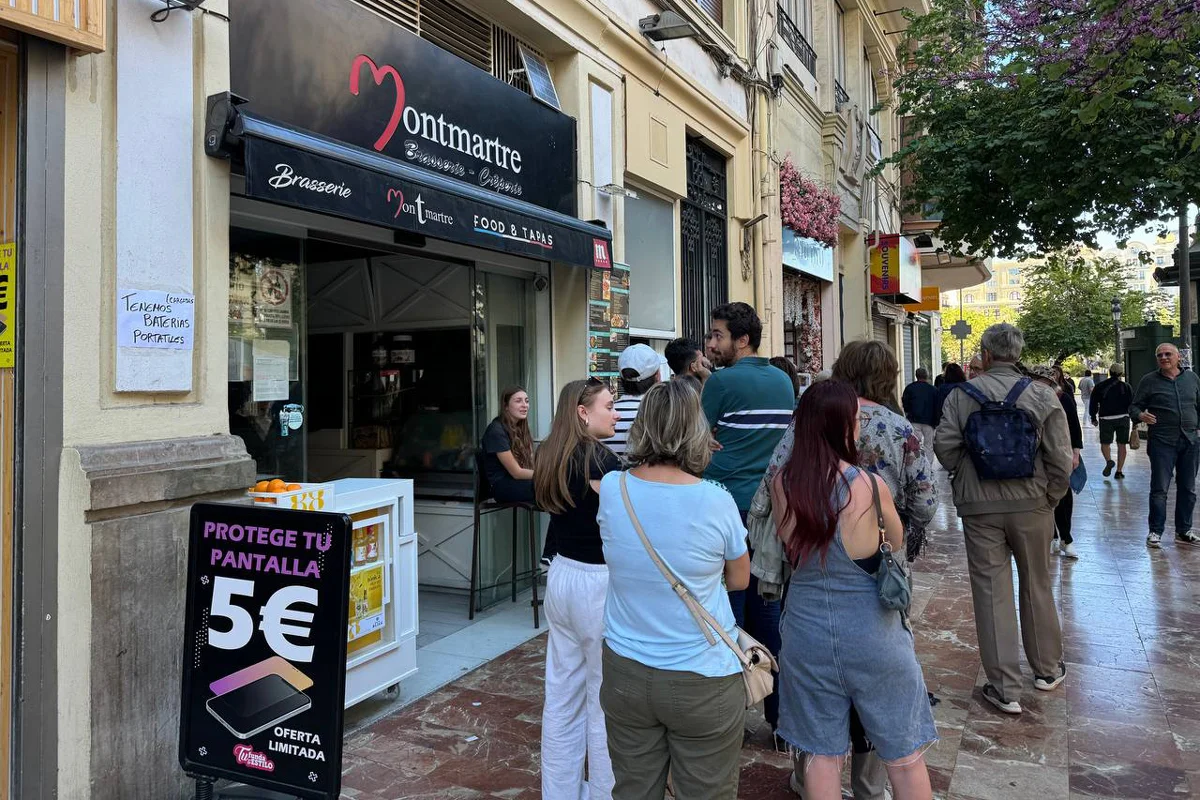
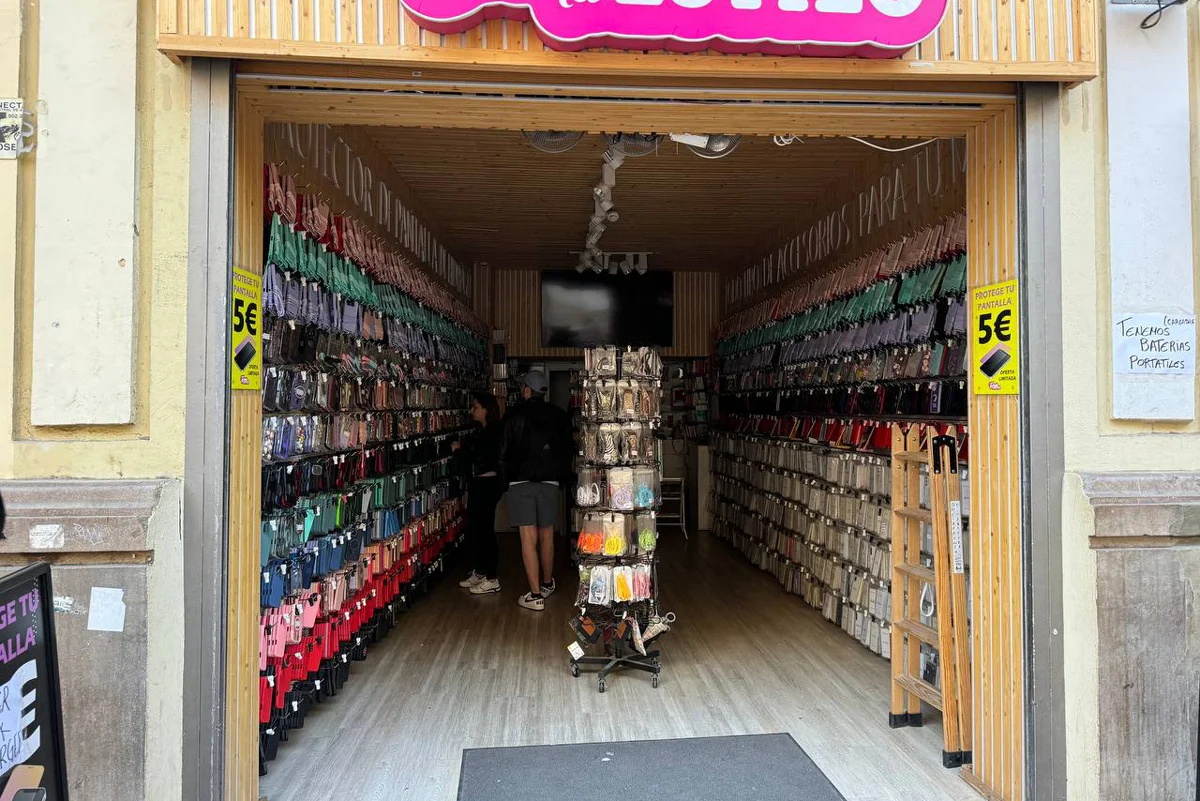
Small shops like “tobacco” and vegetable shops continued to work, buyers entered dark rooms with flashlights included on the phones. They paid for everything exclusively in cash.
Many bars were open, only stopped accepting payment by cards. Almost every veranda sat people with drinks and snacks. Many Spaniards drank cold beer while still enjoyed a forced break in business.
On several intersections in the center, traffic lights were still working, although they turned off on the rest of the streets. Before pedestrian crossings, cars simply reduced speed, and in several places there were already traffic controllers.
In one of the central squares, dissatisfied locals staged a rally. Some of them called for the resignation of the chairman of the government of Valencia Carlos Mazon: at the end of October 2024, Valencia was very flooded during the flood, after which more than 100 thousand people reached the protest. The head of the region was accused of too late informed the population about the disaster. This time, when a car with the consequences of the flood and the inscription “Mason’s resignation” went past the crowd, he was clapped after.
The next time this day I heard applause when the city finally turned on the electricity at about 20:20. People shouted "Bravo!" And clapped their hands.
Mikhail, an employee of the International NPO, Valencia:
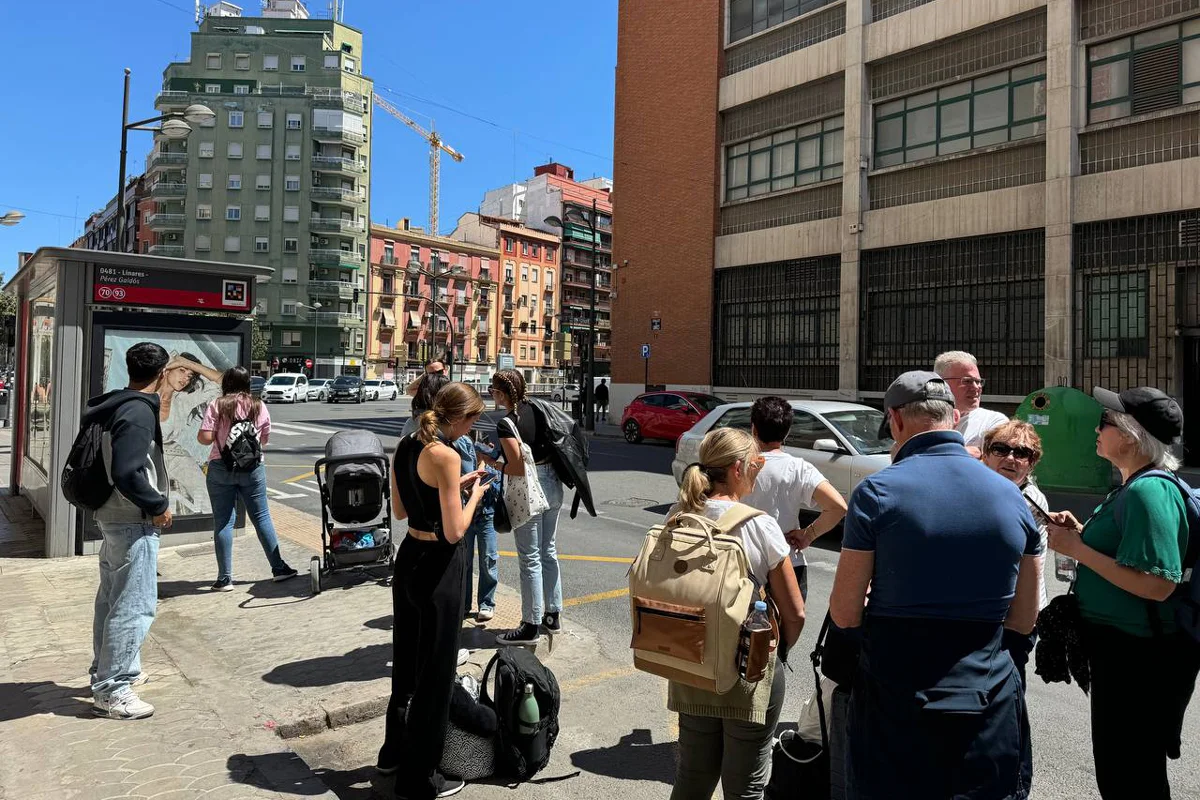
In Valencia there was a day off - St. Vincent Ferrer's Day. Most shops and establishments did not work anyway, people went out of town, the streets were empty. We did not even immediately understand what was happening: the first news about Blackout was sent by friends from other countries - from Russia, Germany.Of course, there were queues in stores, but there were no crowds - some even accepted cards. And the clock at the city hall and the town hall showed all day 12:34 - so we knew exactly at what point everything happened.
If it were not for the experience of autumn flood and breakthrough of the dam in 2024, many would have taken it as a fun accident. But that negative experience crushed, and in the evening it became sad. This was facilitated by the shaft of various wild theories and conspiracy explanations, as well as the fact that for several hours we were completely without communication and did not know what was happening in the world.
But in general, everyone around was calm: the inhabitants of Valencia already had the experience of frank trash, therefore, it seems to me that people perceived the disconnection of [electricity] as a slight inconvenience.
Braga, Portugal: from panic to fireworks
When the electricity turned off in the Braga, the Novo-Europe correspondent listened to the Genesis group and was waiting for the Zoom-Construction. Suddenly the music was calmed down, the column went out. It was 11:35, and ahead - a Monday saturated with many cases: work calls, entering the clinic (the new one would have to wait at least two months), the ballet with the daughter after school. The pause with the Internet was completely inappropriate.
He opened Telegram - alarming messages from the Spanish channels surfaced in the tape: traffic lights do not work in Galicia, the Internet in Valencia. I thought: "Strange, I'm not in Spain, what I have to do with it." And then he rushed to type water: in case they are turned off. Looking ahead: she remained, but most of the mash and the neighboring port was less fortunate.
We spent the last weekend outside the city, so there was almost nothing at home: surviving reserves - potatoes, boiled sausages, a little cheese. The elevator did not work, but we have the 12th floor.
“Blackout gave me an understanding that I can raise 15 kilograms to each hand,” my friend from the port joked, returning from the store.
Almost everything instantly closed in the area: cafes, workshops, another small business. But in one barbershop, a chair was taken out into the street to work in the light. Several shops still continued to trade: they only received cash or let go of the goods “in debt”, writing down the amounts in the notebook.
In one of the chats of the Russian -speaking diaspora, the translator from the port told how she was released from the cafe with a debt of 46 euros, asking “to bring it to [electricity]”: “They don’t know me there. I just said that I live nearby. The card did not work. I love these people, I love. ”
ATMs have died everywhere. Only Lidl survived from large retail - the only place in my area of Braga, where they did not require cash. But it turned out to be difficult to break there: the line was not only from people, but also from cars. At the second hour, Blackout's hot food in the cooking department ended, and the remnants of sausage and water were disassembled. On the floor, at the sockets, people lay - they loaded phones. The autonomous Lidl turned out to be a refuge, but in the evening he closed.

But those cafes that did not succumb to the temptation to close immediately, made the cash desk at the legendary Portuguese beer Superbock - one and a half euros per bottle. Almost everyone threw the work and went for a walk, so rare working verandas were scored by idly staggering people and empty bottles. Fun - everywhere. But last week they wore mourning in dad.
In the north of Portugal, plus 25, and a festival suddenly began in the country, which was not in the calendar. If the electricity were turned off just a week earlier, when at night it was plus 7-10, the country without central heating would seriously freeze.
Employees of the Combooos de Portugal railway company appointed a strike on this day, promising to paralyze the movement of train. And paralyzed. But this time, the striking certainly did not have a pressure lever - the Portuguese government does not particularly listen to such actions in more favorable times.
Что-то кроме пива в нашем районе могло предложить одно-единственное кафе: на двоих — две холодные сосиски с горсткой риса и нарезанные помидоры, посыпанные морковкой. При этом с балконов и террас тянуло ароматом мяса на углях: кто-то жарил для себя, кто-то — чтобы накормить соседей. В одном из районов Порту в парке устроили барбекю для всех желающих, кто мог прийти со своим мясом. А в лиссабонском Парке Наций, где вокруг жилые кварталы, на неожиданный выходной разошлись по домам сотрудники всех кафе — кроме одного, с русскоязычными поварами. Те жарили мясо без перерыва, несмотря на то, что по португальской традиции кухни не работают с 15:00 до 19:00.
На третьем часу блэкаута с улиц исчезли люди с уткнувшимися в экраны телефонами — почти везде села связь. Появилось забытое ощущение: «Расскажите, что происходит».
Ловил себя на мысли — не выбежать ли купить за углом бумажную газету? Но негде — ларьки тоже закрыты. Исчезла любая возможность узнать, что происходит в мире. Не прорвались ли русские танки через границу? Не высадили ли десант в портах? Хотя если подумать — зачем? Мир все равно не узнает. Передать картинку не получится.
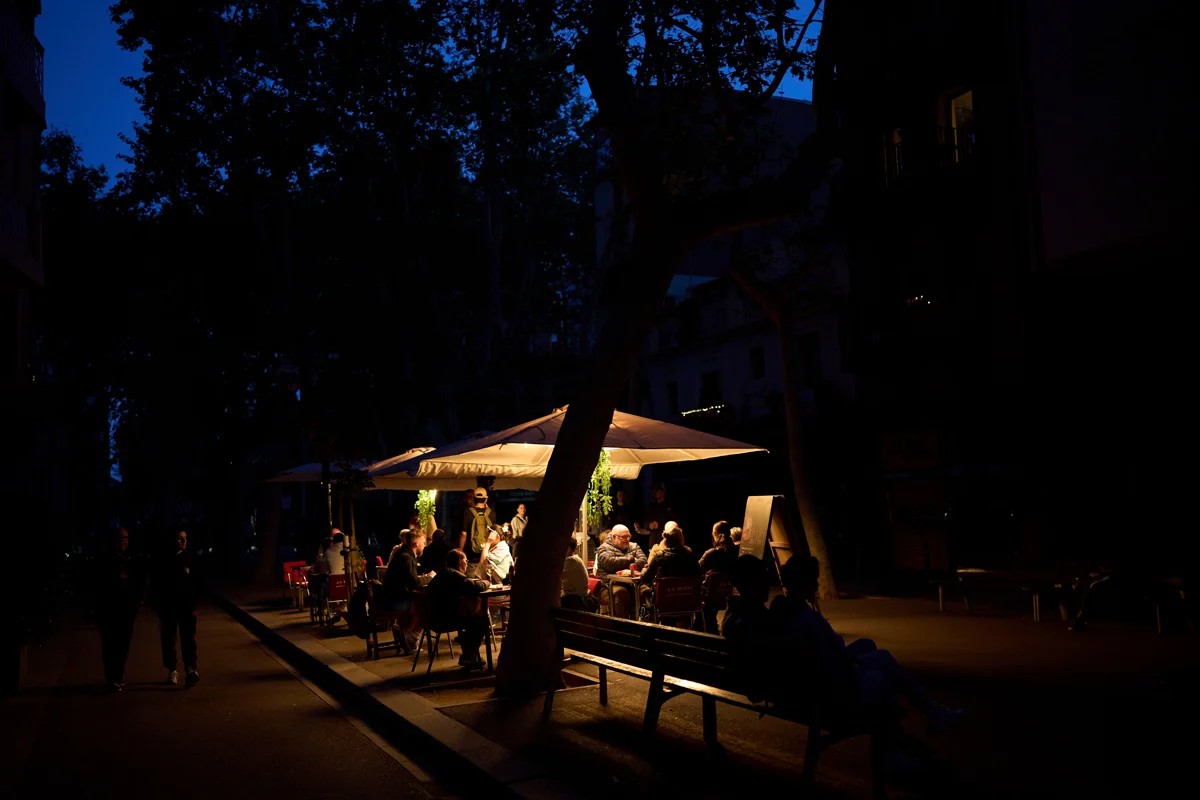
Гораздо большей проблемой казалось то, что поликлинику закрыли без объяснений, — куда идти тем, у кого был прием? Русские танки рано или поздно выбьют. А к врачу тут еще попробуй попади.
«Школа работать продолжит даже если свет не дадут, но в обед забирайте детей и кормите сами — у нас еды не будет», — предупредили родителей вечером. А в детской балетной студии класс все-таки провели — при свете мобильных телефонов и без музыки. Просто: «раз-два-три-четыре».
После заката, около 20:30, из моего окна освещенной оставалась только городская больница на холме. А за входной дверью в квартиру всё чаще доносились вздохи, пыхтение, возгласы — не всем легко давался подъем на 12-й этаж.
В 21:25 по всей Португалии дали свет. Тишина разорвалась бибиканьем, аплодисментами, криками — и фейерверками: в каждом доме тут припасено несколько на случай праздника. «Выглянул в окно — думаю: в соседнем доме уже спят. И тут весь корпус вспыхивает светом и радостными воплями», — написал в одном из чатов Михаил из Порту.
Наутро, во вторник, стало ясно: паника не улеглась. Местные жители тащили домой канистры с водой, сумки из магазинов, разгружали битком наполненные багажники. Парикмахер Кристина, которая стригла меня в тот день, трижды роняла ножницы и говорила, что не спала всю ночь и очень тревожилась, — глаза были красные. С родственниками и друзьями смогла связаться только утром.
Владислава, Брага:
— Тревожно было из-за того, что не имела связи с родственниками. И никакого оповещения. В пригороде Чикаго, где я раньше жила, уже через пару часов по улицам ездили бы машины с матюгальниками — районные власти делали бы оповещение. А тут — тишина!
Марина, Брага, работает в кафе:
— Как свет вырубился, к нам в кафе повалил народ. Гарниры не готовы, сначала час вообще не обслуживали, говорили, что закрыты. Но постоянные клиенты готовы были пообедать хоть чем-то — даже полухолодным. Поэтому начали сажать [посетителей]. Чуть теплое мясо и салат зашли отлично. В итоге у нас была полная посадка. Оплата — только наличкой, всё под запись. На ужин мы уже не открылись.
Наталья, Порту, владелица салона красоты:
— В городе было спокойно. Люди гуляли, проводили время с детьми. Суматоха наблюдалась только в магазинах. Некоторые португальцы нервничали: впервые оказались в ситуации ЧП, не понимали, за что хвататься. А вот время без интернета — потрясающее.
Как руководитель, я поняла: молодец, что собрала максимум информации о сотрудниках, в том числе номера их телефонов и адреса, потому что мы живем во времена, когда [зачастую] люди знают [только] ник в Telegram или Instagram.
Меня особенно порадовало, что владельцы и сотрудники кафе и магазинов выходили на улицы и разговаривали с прохожими — такой редкий уровень уличной человечности. В целом отключение интернета стимулировало к взаимодействию. Первым делом, как и 24 февраля 2022 года, хочется сказать, чтобы все люди с хроническими заболеваниями пошли в аптеку и сделали запас. И еще было неожиданно, что в центре Порту движение машин оставалось аккуратным, водители были вежливы, никто не сигналил.
Без основной версии
Когда соседка — пожилая испанская сеньора — узнала от корреспондента «Новой-Европа», что проблема коснулась не только ее дома, не только Кордобы, да и не только Испании, то без промедления пришла к выводу: «Очень странно. Ну, значит, или Трамп, или Путин». То, что такая теория заговора стремительно распространилась в Испании, подтвердила и El Pais в репортаже из застрявшего поезда «Мадрид — Барселона». «Если за этим стоит Путин, то его нужно проклясть», — сказала одна из пассажирок. А в соцсетях распространились мемные картинки с Путиным и Трампом, щелкающими выключателями.
Но на официальном уровне от сколь-либо однозначных высказываний власти во вторник в первой половине дня воздерживались. «Разные источники в правительстве в частных беседах признают, что произошедшее — беспрецедентно, труднообъяснимо и очень странно. Специалисты различных министерств и госструктур, Национального разведывательного центра (CNI), а также международные собеседники правительства весь день изучают возможные причины, но окончательного вывода нет. Правительство решило проявить максимальную осторожность до появления ясного объяснения», — поясняла El Pais.
В понедельник днем испанские СМИ сообщали : власти не исключают, что причиной блэкаута стала кибератака. А издание AS сообщило , что Национальный криптологический центр (CCN), входящий в состав CNI, за несколько дней до отключения электроэнергии обнаружил «исходящую из Северной Африки значительную необычную активность» в отношении испанских и португальских интернет-сетей, что теоретически могло свидетельствовать о подготовке к масштабной кибератаке. Впрочем, источники указывали на то, что пока еще слишком рано называть причиной сбоя киберугрозу.
Об отсутствии каких-либо признаков кибератаки сообщали премьер-министр Португалии Луиш Монтенегру и председатель Евросовета Антониу Кошта . Тем не менее, показательно, что Педро Санчес находится в контакте по поводу произошедшего не только с ЕС, но и с НАТО.
Тем временем португальский оператор электросетей REN утверждал , что причиной блэкаута стало некое «редкое атмосферное явление», из-за которого в высоковольтных линиях возникли некие «аномальные колебания». Согласно этой версии, явление, известное как «индуцированные атмосферные колебания» (induced atmospheric variation), спровоцировало нарушения синхронизации между системами и привело к сбоям во всей европейской сети.
А испанская медиакомпания RTVE предположила , что отключение электричества может быть связано с пожаром на юго-западе Франции. Пожар мог повредить линию в районе горы Аларик и нарушить стабильность электросетей, связывающих две страны. Между тем, оператор французских энергосистем RTE назвал недостоверной информацию о связи энергетического коллапса с пожаром.
Есть ли в произошедшем «французский след» или нет, по состоянию на утро вторника было непонятно. Но, в любом случае, произошедшее выявило серьезную уязвимость энергетической системы региона, на которую специалисты обращали внимание не один год.
Еще в 2002 году Европейский совет поставил цель к 2025 году довести трансграничные мощности в электроэнергетике до 10% от генерирующих мощностей каждой из стран ЕС и до 15% — к 2030 году.
В 2015-м цель в 10% поставили на двустороннем уровне Франция и Испания, подписавшие Мадридскую декларацию.
Но до сих пор с этой точки зрения взаимосвязанность Пиренейского полуострова — Испании и Португалии — с остальной континентальной Европой находится лишь на уровне 2%. Ситуацию должна улучшить прокладка подводного кабеля между Францией и Испанией через Бискайский залив, но его эксплуатация начнется — и то если обойдется без задержек — лишь в 2028 году.