
Translated material
How to hear Dostoevsky?
The book “Cinema after Stalin” Pavel Finn was published. We explain why it should not be missed
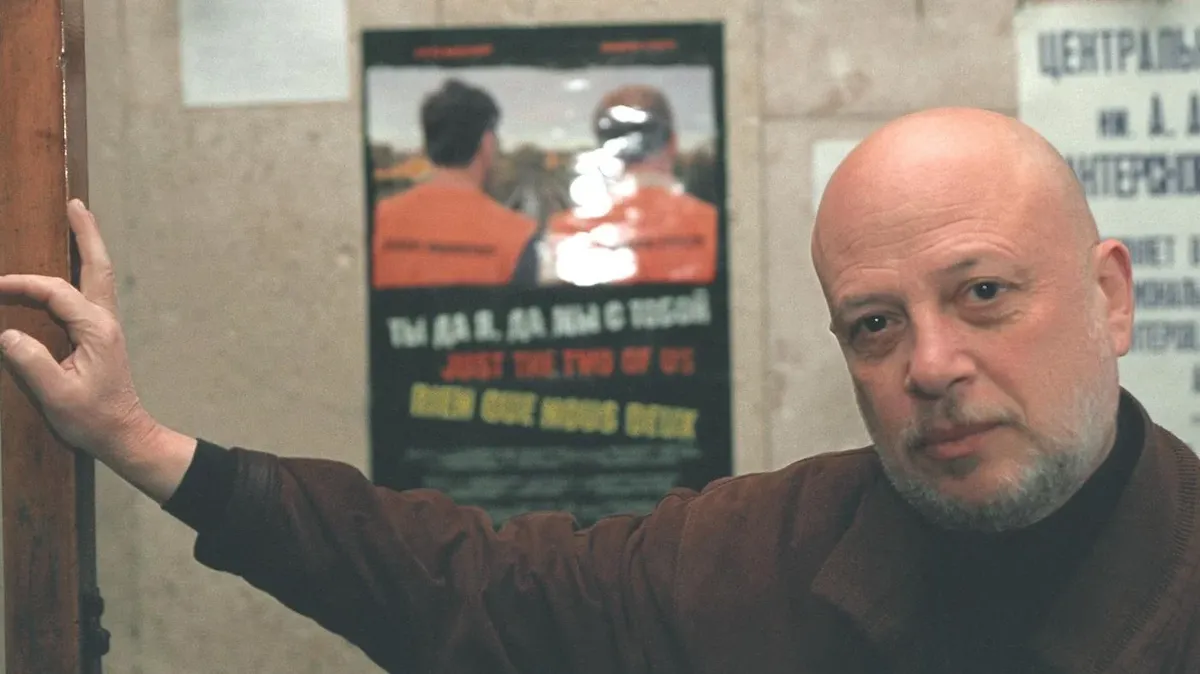
Pavel Finn. Photo: Sergey Ponomorev / Kommersant
REFERENCE
Pavel Finn is a playwright, the author of the sixty scripts, according to which the films “Explanation in Love”, “26 days from the life of Dostoevsky”, “Lady Macbeth of the Mtsensk district”, “The secrets of the palace coups”, “Mission in Kabul”, “Role”, “Gift for Stalin” were shot.
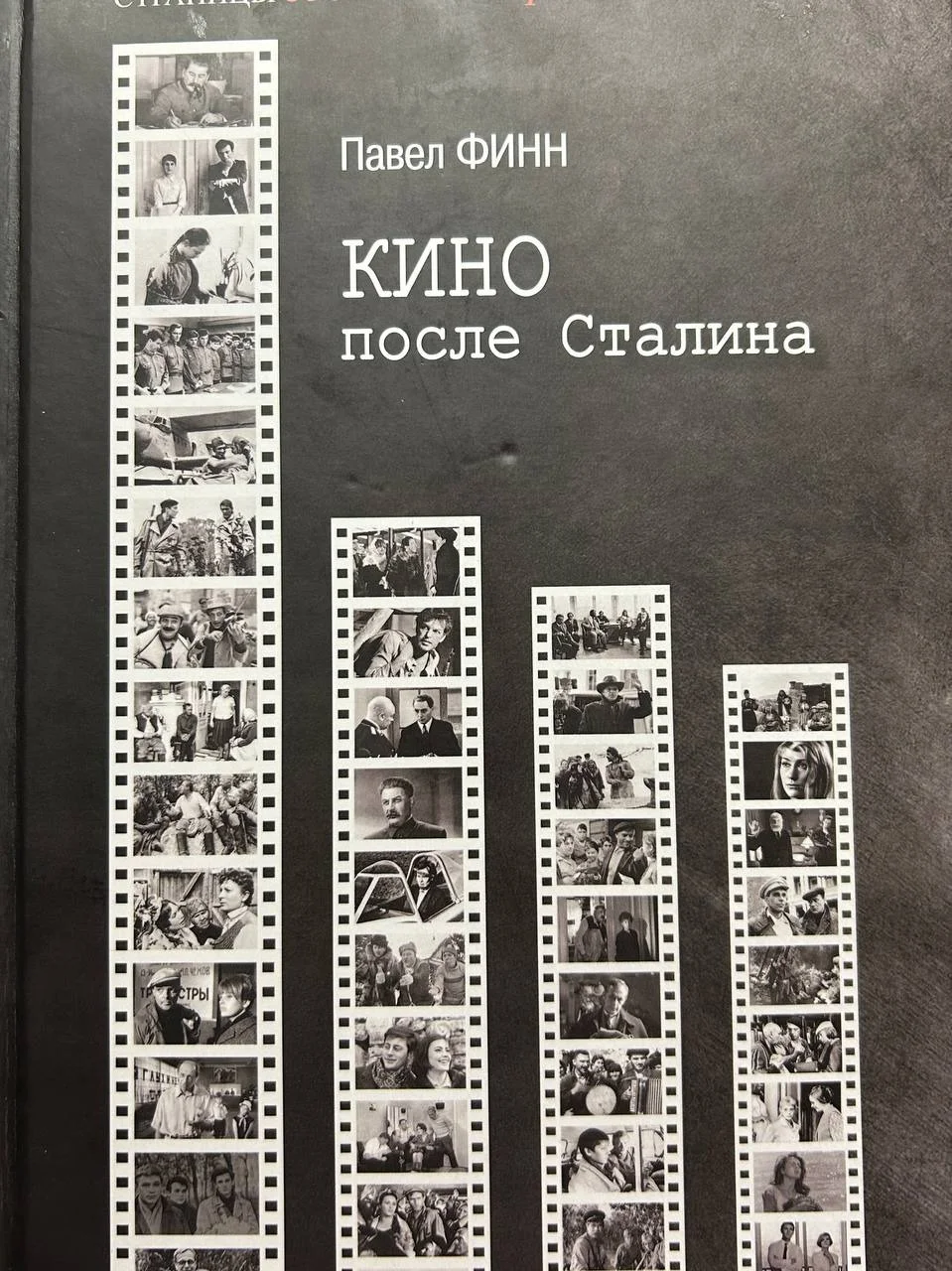
How I love the author’s encyclopedia. These are not memoirs in its purest form, and not the third-party gaze of the scientist-researcher. The large book “Cinema after Stalin” is an exciting journey into the relatively recent history of Soviet cinema with Virgil - Finn, who himself was not only a witness, but also a participant in the film process. A rare genre connecting memories, prose and chronicle - documents, extracts from archives, public speeches, diaries - gives a voluminous look at the era in which the light tried to break through the darkness. But the shadow of the crown, as the classics said, is immense.
In this book, life and cinema are rafted in a friendly hug, wet under the July rain of the post -war sighed from Moscow's hardships.
In it there are heels of beautiful girlfriends in VGIK - the beauties of Larisa Shepitko and Natalia Ryazantseva, the fire of the hair with a brittle of Dulsinea King Kuleshov, Alexandra Khokhlova, burns.
In the chapter “The Last Cinema”, we recall what the leader watched in his cinema, why he watched “Chapaeva” 37 times, how he took ready -made paintings (I don’t even want to laugh over the loss of Kozintsev’s consciousness when passing the “youth of Maxim”).
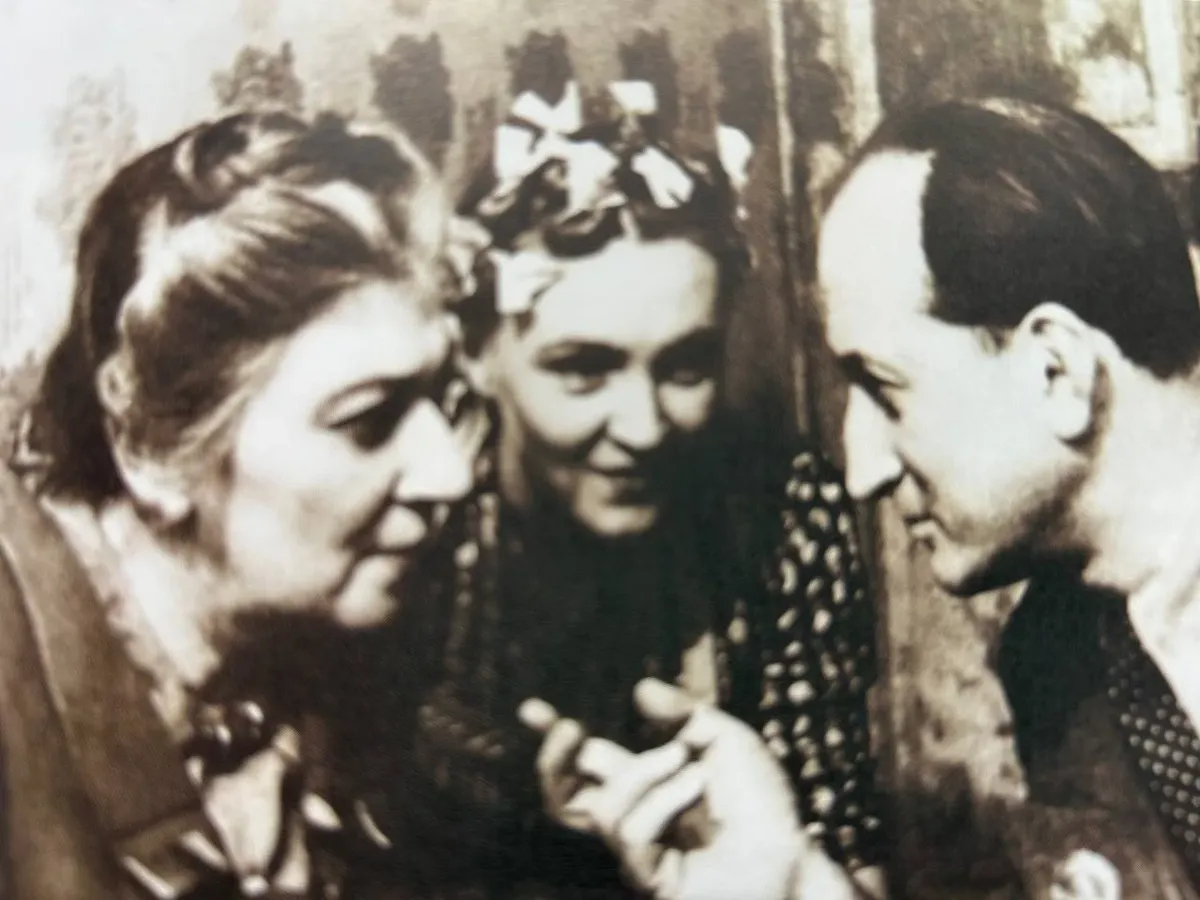
Complex, contradictory, not too educated, but living Ekaterina Furtseva. As for sure - about then and about now - Kira Muratov’s Vgikovka will notice: “Then time was born in double banging and touch in personality.” The curious story of her help to the film “Clear Sky”, whose witness was the author.
Finn traces as a spectator of the 53rd, 54th, 55th moves away from the viewer of the post-war-the public consciousness changes. First of all, thanks to the monocol films, such as “Spring on Zarechnaya Street” by Khutsiev, “Big Family of Lukov”, “Rumyantsev’s business” Haifitsa-a movie without falsehood, in which a person’s personal life is taken closely, punching the asphalt of the public need of heroes.
The memorable Vgikovsky show “Cranes fly” with the magic camera of Urusevsky, which became the co -author of the great film. And the thoughts why the young generation of filmmakers liked the “house in which I live” Kulidzhanov and Segel, a modest picture that caught a new tonality in the mood of society, a movement towards truth. Then, in the heat of disputes and risky plans, Soviet neorealism was born ..
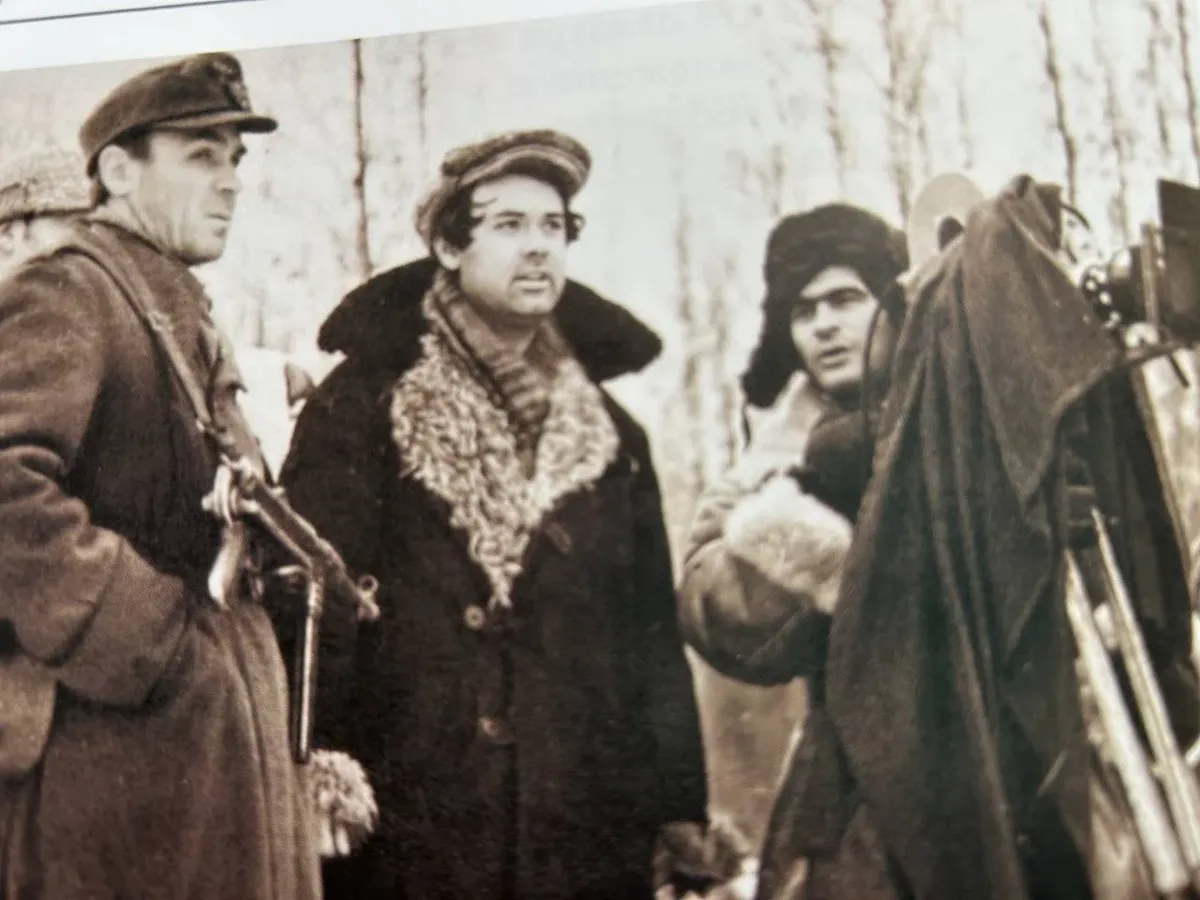
The legendary VGIK of the sixties with his talents with his hierarchy that was not lowered from above, where the modest genes of the author, and, of course, Andrei Tarkovsky reigned, the unique talent of the famous workshop of Romm. The most impudent, led by their talent, they set the tone of time, were its symbols.
And in the corridors one could meet living classics - Gerasimov, Romm, Kozintsev, Gabrilovich, Kaplera, Volchek. Outstanding teachers and their students, rushing to the cinema, as in battle with fate. It seemed that they studied profession and life, boiling in this broth, their hopes were fed by the air of the Golden Age of VGIK.
Beautiful interlocutors, brawlies and hangs, obsessed with cinema. Who will now remember the coursework, uniting three Geniy operators: Rerberg, Knyazhinsky and Ilyenko?
There are also memories of the long filming of the very famous stage of the party from the Ilyich Zastava, so angry Khrushchev.
The itself was an outstanding process, where his faithful friend, author of the script of Spalikov, dragged his fierce Finn. And he found himself in the company of the future celestials of our cinema: Tarkovsky, Konchalovsky, Mitta, Ryazantsev. And the suffering of Olga Gobzeva, who was supposed to give a slap in the face of Tarkovsky from a double to a double. The Leningrad School with the torment of cinema of moral concern - and successful at the box office, but the less personal movie "Mosfilm".
Work with Averbach and many years of friendship, in which Averbach has the role of the elder, and the painful delivery of the film “Explanation in Love” in Goskino.
Officials, officials, officials - all ranks and virtues. Almost in Gogolevo-35 thousand officials, prohibitions, afraid of their own voice. 45 amendments received a picture. 45! And this is not the limit. She was at least not hidden on the shelf. And the authors were at least not washed into dust, like Askoldov. And yet why it cost it. And when the Averbach does not become (he, a doctor in the first profession, will devour a ruthless disease), Finn will write his script for him as if for him, for Ilya. He was vital for this tuning fork, the unattainable “morality of the style”, which the Averbach possessed. When the situation is not the situation, but the state of a person in the world.
Why failed to fully realize the gigantic potential of our cinema, waking up after heavy hibernation? With all the tops of the breakthrough paintings. There is no simple answer. But the whole book of Pavel Finn, in fact, answers this sore question.
In this book, not only a story about the film process, but also about the smear of creativity, the way to the touch, the search for the “voice” of the film.
How can Dostoevsky say in the picture? How to hear his genuine voice in the history of the spelling of the “player”, a novel that was supposed to save the writer from a bondage agreement? And Finn sits down for a multi -volume edition of letters, cuts phrases, sentences, words, mounts the classic live, entering it into the plot. As a role gradually smoldered and suddenly lit up at Oleg Borisov. And the thunder among the clear sky-he leaves the picture due to misunderstanding with director Alexander Zarha. As they hastily searched for the new Dostoevsky and found ... Anatoly Solonitsyn, who had his crisis at that moment, and he completely coincided with the mood of the picture.
Under the cover of this book, you can “hear” the voices of Ryazantseva, Klimov, Muratova and Akhmadulina, Ioseliani, Herman and Sokurov, Parajanov and Abdrashitov, Panfilov and Balayan. Generations of unique. But the main thing in it is the thoughts of the comic profession - film dramaturgy, the word that begins with the root of the “cinema”. And how to reconcile the discord between the author’s desire to express his personality - and the need to completely dissolve his “I” in the matter of the cinema. The script is not a means of expression - this is material for the picture. Pavel Konstantinovich knows exactly what he is talking about and writing. His book is to some extent an imprint of his own life and fate in the cinema. Do not miss her.
More about the cinema
Larisa Malyukova leads a telegram channel about the cinema and not only. Subscribe here .