
Translated material
Papa Leo
The new pontiff is the first American on the throne. In the first speech, he called for the world and the "construction of bridges." What is known about him?
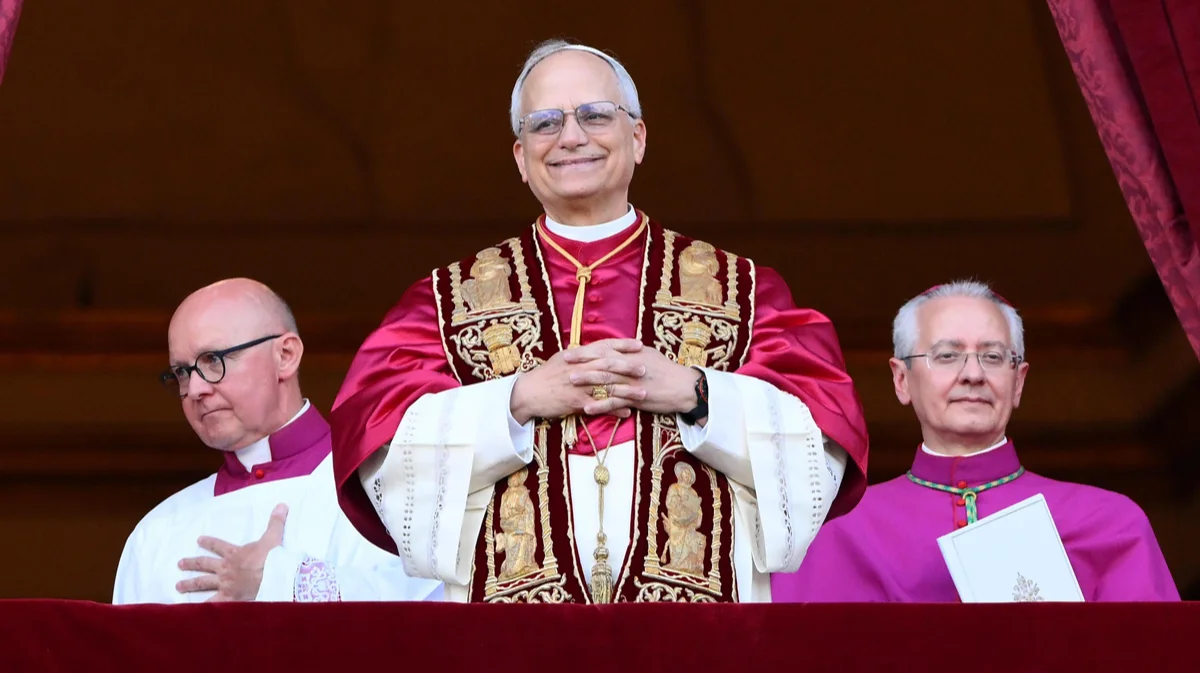
The newly elected dad Lev XIV (in the center), Cardinal Robert Prev, after the election, Vatican, May 8, 2025. Photo: Ettore Ferrari / EPA
The choice of the name of the new pontiff indicates the beginning of the return of the Catholic Church to conservative values. The “Course of the Course” is ensured by a large Latin American experience of a new pontiff, and rapprochement with the United States - his Chicago origin.
The path to the throne
The current conclave ended quite quickly, which speaks of the relative unanimity of its participants. The new dad was elected on the fourth round of voting, on the second day of the conclave, and now on May 8 will be included in the official calendar of the Catholic Church. This turned out to be a double holiday: all of Europe celebrates the end of World War II, and the Vatican and almost one and a half billion Catholics with him - also Habemus Papam, the day of intronization of the pontiff.
Until the evening of Thursday, Papa Lev XIV was named Robert Francis Prevo and for the past year and a half served in the Vatican as a prefect of the dicasturia for bishops. In this, the vaticanists see the key to his success on the conclave: almost all cardinals somehow promote their proteges in the bishops, the post of prefect of the “profile” dicastrias opens up good opportunities for close acquaintance and coordination of positions with the cardinals. In addition, Previs was close to Pope Francis and enjoyed his trust.
The new dad was born in Chicago in September 1955, little is known about his family. The father had Italo-French roots and distinguished himself by heroism during the Second World War, being a sailor. The mother was a refugee from Spain, who left her homeland during the Civil War of Republicans with the Francists.
The future pontiff chose the path of the priesthood immediately after graduation in mathematics at the University of Chicago, first entered the local seminary, and then at the Papal University of St. Thomas in Rome,
Where he received a doctoral degree by canonical law. He brought his first monastic vows at the age of 22, and in 1985 went on a missionary trip to Peru, being passionate about the ideas of the “new education” of the Augustine Order, who builds his story to Blessed Augustine-the great representative of early Western patrices. After two years of serving in Peru, already within the framework of the Order, Robert Francis Previa was appointed to the post of director of the missionary programs of the Augustine Provinces of the Middle States, with the center in Chicago. But a year later, in 1988, he returned to his love, heading the seminary in the city of Trujillo and taking a number of posts both in the local diocese of the Catholic Church and in his native order.
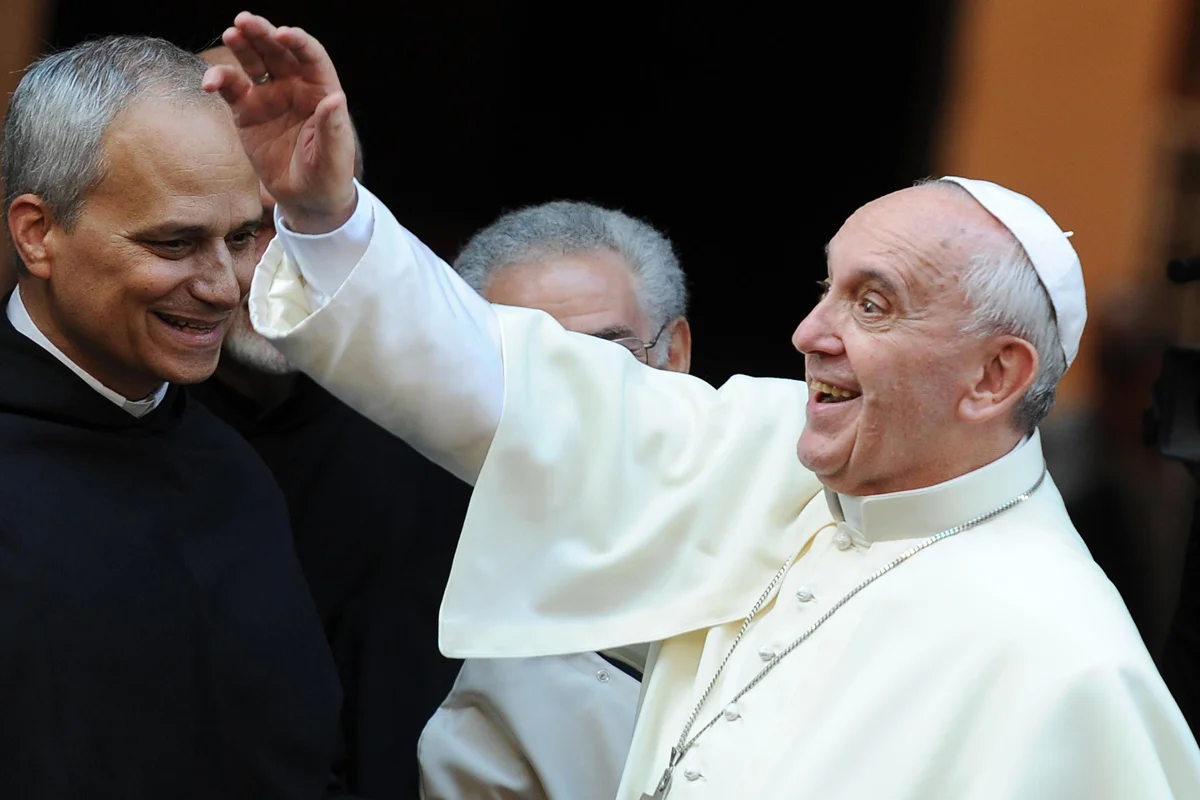
Only in 1999 he returned to Chicago, heading the local province of the Augustine Order. There he was involved in the scandal with the concealment in the Augustine monastery of the priest J. Raia, who was accused of cruel treatment of minors in the Catholic school. However, the diocese and the order soon tightened the rules for treating such priests, and the scandal has subsided. For 12 years, the future dad led the entire order of Augustintsev, combining the high post of general Priora with teaching work in Chicago.
In 2014, Pope Francis, who was already familiar with the service of Prevo in Latin America, appointed him to Bishop Chiklayo, a small city of 770 kilometers from the capital of Peru. In 2020, the future papa was transferred to another Peruvian department-to the Caalyao, at that time he had already worked in the Vatican Congregation for the clergy, and he was soon transferred to the congregation of bishops, which, as noted above, opened his path to the papal throne. Francis showed his special sympathies to Bishop, Francis in 2023, first erecting him to the rank of archbishop “Personally” (that is, outside the occupied pulpit, which did not have the status of the archbishop), and then appointing the Cardinal of the Roman Church.
The program is still contouring
Obviously, preliminary consent on the candidacy of the pope among the cardinals was on the eve of the conclave. According to the canons of the Catholic Church, the dad is considered the elected candidate who gained more than 2/3 of the votes of the conclave participants, in the present case - more than 89 out of 133 electors. After the fourth round, when it became clear that the candidate scored the right number of votes, the eldest of the cardinals present asked him about the consent to accept the election, and having received consent, about choosing a name. After that, the Vatican notary in the presence of two witnesses drew up an act on the election of the new Ecumenical Bishop - the Pope.
With this document, the newly elected dad headed from the Sistine Chapel to the “crying room” next door, where he was reeded in white papal clothes. A brief ceremony of construction to the throne ended in the same Sistine Chapel with prayers, after which the Cardinal Protodiacon entered the balcony of the Basilica of St. Peter and announced the name of the new pontiff, preceding it with a solemn phrase: “Habemus Papam!” Only after that does the new pontiff himself appear on the balcony, which turns to the gathered believers with a brief greeting.
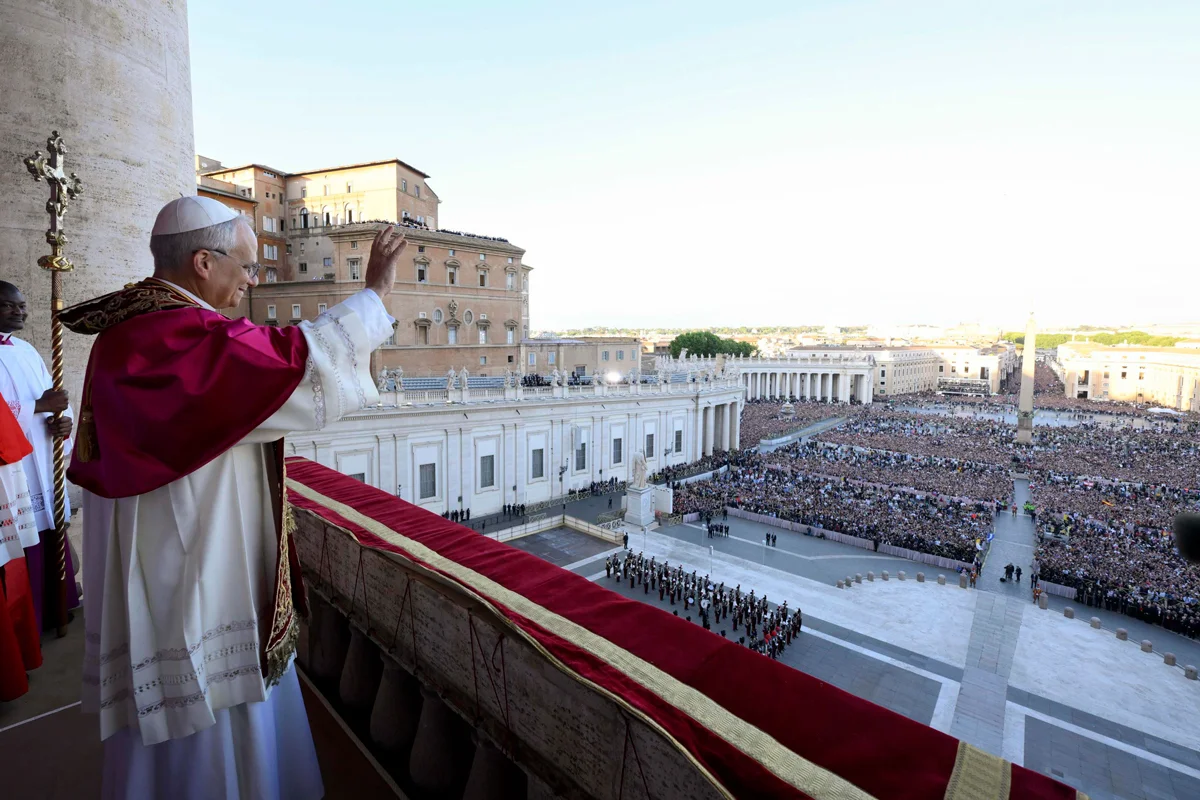
Leo XIV uttered him in Italian and in Spanish, without a single insert in English (hello to those who want to see the Trumpist!). The new dad began his speech with the words of the world, making it clear that his course in the struggle for the world will be a direct continuation of the efforts of Pope Francis. The protest against the Tricksian isolationism sounded: “Help each other to build bridges - a dialogue, a meeting, uniting everything together in order to be one people always in the world. Thanks to Pope Francis! " Leo XIV called on all Catholics, and especially the bishops, “to be missionaries” and referred to the example of Blessed Augustine. In conclusion, he particularly greeted his diocese in the distant Andes and promised to develop cathedral (democratic) principles in the life of the Catholic Church.
According to the prevailing tradition, the choice of the name with the newly elected dad indicates historical parallels in his future ministry. The previous dad named Leo was at the end of the XIX-beginning of the twentieth century Leo XIII, whose pontificate lasted more than 25 years and broke off in the 94th year of his life.
The new dad is relatively young, by the standards of the Holy See, and can also count on a long rule. Leo XIII in some issues was a conservative (for example, he oath against modernism among the clergy, fought with Freemasonry and convicted “shimmers”-Orthodox ones), and in some-a reformer (it is worth mentioning his famous Rerum Novarum encyclic, which laid the foundations of the modern social doctrine of the Catholic Church). Leo XIII made special efforts in the field of development of the system of Catholic education, trying to put the basis of Tomism - the scholastic theology of Thomas Aquinas, enriched with the discoveries of the modern dad of science.
Until we heard any software statements from Leo XIV, this can be considered the main contours of his future policy. Although, perhaps, the problems of the fight against Freemasonry and the “schismatism” of the Orthodox churches, most of which are involved in the ecumenical movement and are actively approaching Rome, they are no longer on the agenda.