
Translated material
New glamor
Reflections on the aesthetics of modern Russian society
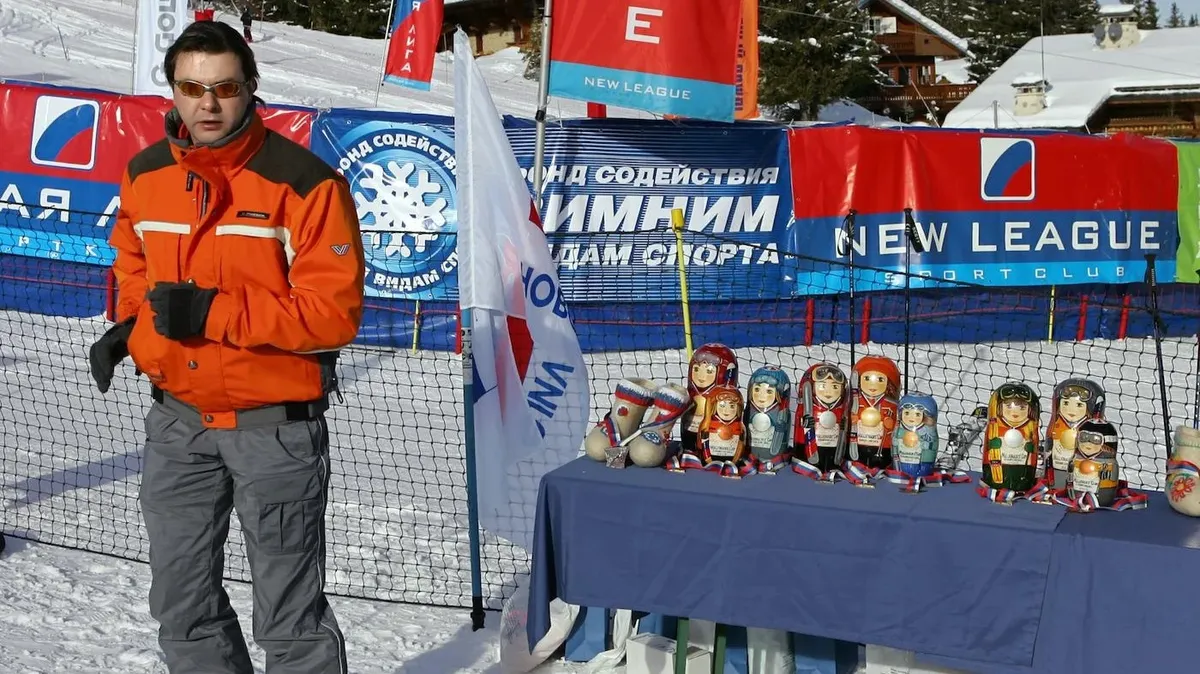
Photo: Valery Levitin / Kommersant
The expression “as you celebrate the New Year, so you will spend it” never so closely in contact with the political agenda, as in the case of the last winter season in Courchevel. In January, in social networks, video was actively replicated in which Russian tourists are resting at a ski resort in the French alps as if they were not meeting not 2025, but by the maximum of 2007. The Gold Line vodka is universally cutting tricolors on the tables in the Après-Ski restaurants, which the waiters in Russian folk costumes are spent-the belonging of what was happening by 2020 was given out of the “patriotic” hit of Tatyana Kurtukova “Mother Zemlya, White Birch”, a background sounding in a half of Curshel rollers.
“The trick is that the Russians here - yes, however, everywhere - live not for their pleasure, but for showing. More precisely, the pleasure is precisely in order to expose pleasure ... A reason for pride is to live everywhere, as in Russia, ”journalist Dmitry Gubin*described his impressions from the“ Russian Courchelle ”in 2007. Then, the former chief of the Russian version of GQ, Nikolai Uskov, described the dominant trend in the Society of Consumption of the Russian Federation as a “Putin glamor”.
The adjective "Putin" was responsible for the ideological cancellation of the phenomenon. Because the glamor in itself is not yet equal to apoliticality: the phenomenon of the “radical chic”, which in a cult article for New York magazine, Tom Wolf wrote, can also be called a kind of branch of glamor. However, it is entirely built around borrowing by the highest class of “low” anti -elitist, often left -winged ideas - albeit not quite sincere borrowing.
In the Russian context, such a “chic radical” was Ksenia Sobchak the era of the protest movement of the early 2010s.
This is a more “enlightened” stage of glamor, which was supposed to replace the “Putinsky” from the 2000s, based on a paternalistic public agreement: the Western consumer model, foreign trips and other globalization benefits in exchange for card-blinh for the authorities. But the enlightenment was not destined to bloom, since 2014 came and the national idea came, as Nikolai Uskov put it, “new seriousness”: “In every gateway, they only talk about spirituality, sacred memory, scrapers, periodically breaking into hysterical sobs and groans with complaints, of course, into the prosecutor’s office ... not a country, but a temple, not history, but not history, but not history, but not a history Scripture ".

With an increase in the degree of such “seriousness” the whole second half of the 2010s, this doctrine gained more and more strange outlines: talking about spirituality and the Russian idea could not but contribute to mass politics, but in a very peculiar understanding of the word. Actually, the reason for the angry of the “angry townspeople” in Bolotnaya Square is considered to be the achievement of the consumer ceiling: satisfied with some basic, material attributes of the European lifestyle, the Russian middle class reached for the attributes of the order of higher: parliamentary representatives, accountability of the authorities, honest elections - in other words, to the transition from the consumer’s mode of the consumer to Consumer-citizen. In general, to the role model of a modern European.
And, brutally suppressing the protests, the Kremlin ran into the problem of a civilian vacuum, which the protesters who were sitting in the “swamp business” tried to fill out. So the bizarre postcrymist version of the glamor was born: where the consumption of the zero made friends with the “Russian world”, designed to justify the country's rolling into authoritarianism with high -parietal speeches of sovereignty. This combination, I must say, is very unusual, given that the modern “Russian world”-due to its inherent anti-Westernity and isolationism-contradicts the philosophy of Russian society of the 2000s, when literally all layers of the population, from bottoms to nouveau riche and elites, were fascinated by the opportunity to touch the now hated West: through a family trip in IKEA, purchases in the Cartier boutique or weekends in the weekend. Saint-Tropez.
But out of 2025, this paradox of the 2010s looks more explainable: just then the “Russian world” was rather a kind of aesthetic rattle than state ideology. His planting was so reluctant that in the fall of 2021, Ekaterina Shulman* in the studio "Echo of Moscow" seriously reasoned about the refusal of "United Russia" from the agenda of Novorossia because of its toxicity for all other than the social group of watchmen. Not so much the content as the fact of such a conversation (with such a speaker and on such a platform) suggests that until the beginning of the 2020s in the Russian Federation, not only the consumer heritage of the 2000s was preserved-new brands were actively entering the Russian market, the sanctions were barely noticeable, and the receipt of the Schengen visa still acted under a simplified program, but also political.
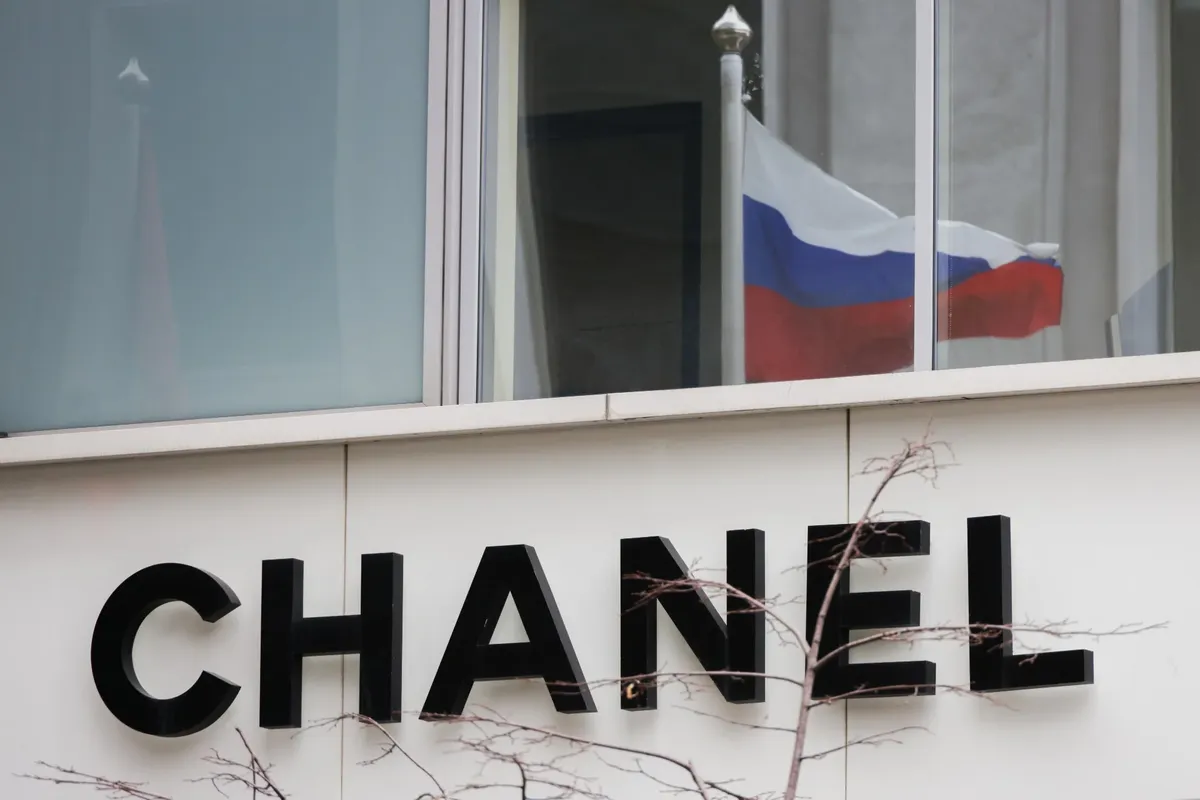
With relatively mild censorship, an abundance of alternative media and, in general, a rather active opposition environment - at least before the arrest of Navalny and the foreign hysteria of 2021. And the key transformation of 2022 is precisely the rejection of the consumer heritage of the 2000s in favor of ideology, which is now not just a Russian kitsch that can move the audience at the opening of the Olympic Games in Sochi, but a tool for forced consolidation of society and pursuing foreign policy. It is now not allowed to ignore it or even more so to ironize it.
And there is an even more bizarre state of society, which is placed in the unnatural for it (this time real) isolation and loses the main post -Soviet conquest of recent decades - the opportunity to consume no worse and no less than the average European. It is strange that the Russians on fresh Courchevel videos, which personify the "Dream of the 2000s"-celebrating the New Year in France in the emphasized-luxury clothing from Prada and Moncler-at the same time they smear the flags of Russia under the song about Holy Rus', which "for others is a bunny." It was as if the political doctrine of the “Sunnail” in recent years has not led to the fact that the Prada boutique in Moscow is now not working, and to go to France has become an unprecedentedly difficult, requiring a humiliatingly long visa process and a multi -stage flight with a procedure.
But the Russian glamor of the 2020s is noteworthy that it is inherent in a certain degree of masochism, like any totalitarian aesthetics.
“It proceeds from a set of situations associated with behavior control, subordination, superpowers and the ability to endure pain; It binds two human conditions that seem incompatible - self -centered and selfless ministry, ”wrote Susan Sontag in an essay on the cinema of completely different times and in a completely different country.
Actually, if we summarize the “political evolution” of the Russian Federation in the period of 2022–2025, it can be said that it was a cycle of amazing, all -consuming violence and abandoning almost the entire post -Soviet heritage, aimed at simply simply end up at the starting point. Why the authorities are now working out the conditions for the return of foreign companies to the Russian market, the mitigation of sanctions and, according to the sources of “layout”*, even plan to arrange an internal “thaw”, returning public relayers and some “foreign agents” to the country, and Ivan Urgant, the air of the First Canal.
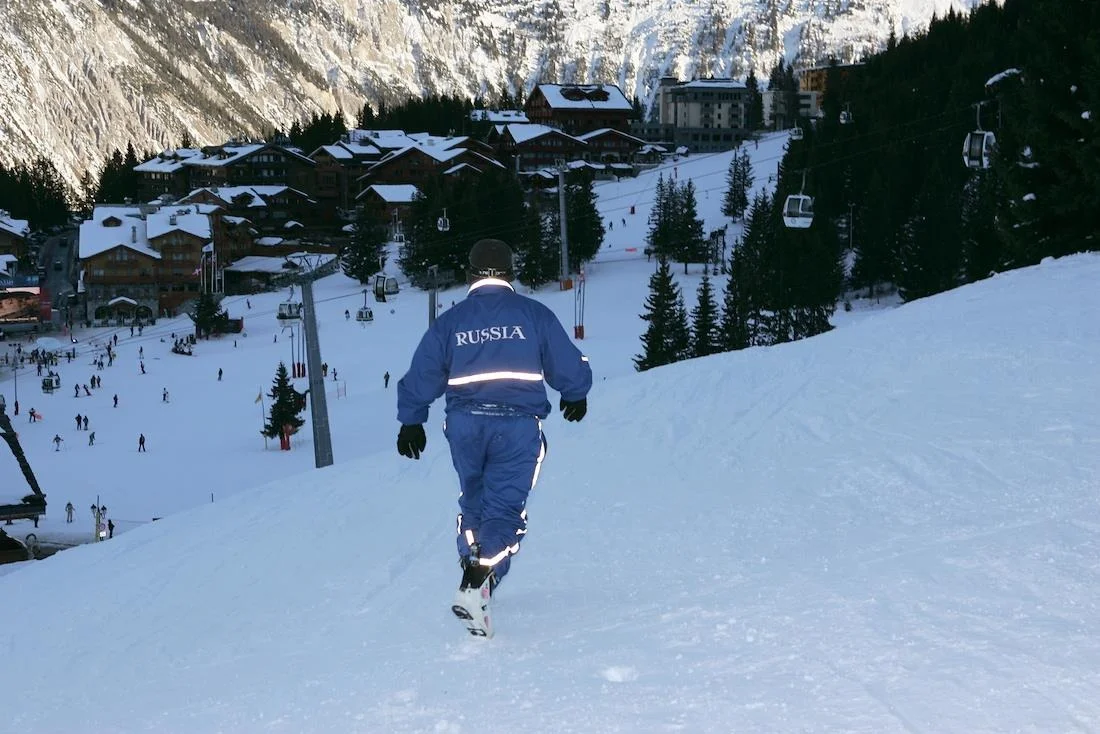
The desire to live for show, which Gubin spoke of, or indulge in the cult of consumption, which Uskov wrote about, has not gone anywhere-just to do it like in the 2000s, it became too boring. “When everything is calm, stable, measured with us - we are bored, I want movements,” Vladimir Putin said last year, and he really ensured this movement to the highest class. The number of billionaires in Russia and their condition continue to grow, inside the country “Dvizhu” opens up new opportunities for earnings and releases foreign assets, and all this even resembles a kind of game: will we be able to live as before, quarreling with the whole world?
Ecstasy with Russian flags in Curses is due to the fact that these people, among whom were quite promising “statesmen”, succeeded. And they, cut off from the West with visa restrictions and the departure of European boutiques, are literally forced by French waiters to wear themselves on a throne in Patrician costumes in Prada jackets. This is the triumph of the victorious aesthetics of the Putin period, unfolding against the background of the rapprochement of the Kremlin with the White House, the right turn in the EU countries and strengthen the positions of the Russian Federation in negotiations with Ukraine.
From contact with the Politicon, for the experience of which the American liberal intelligentsia of the 1970s came closer to the Black Panther fighters, the Russian bourgeoisie has been experiencing euphoria, associating itself with the Kremlin-which also behaves radically, but instead of familiarization with counterulture, it requires sympathetic self-employed conformism. And if this conformist chic of the 2020s has its own symbol, then this is undoubtedly “Christian cake” from Denis Simachev: elaborately Orthodox, with a magnificent dome, a golden cross and a price of 100 thousand rubles.
Which who wants to touch this model of confectionery kitsch pays for one single goal-through the spiritual tinsel to get to the treasured filling of Dubai chocolate.